Poland and the United States have signed a strategic memorandum of understanding on critical raw materials, committing both countries to deeper cooperation across the full mineral supply chain from extraction and processing through to recycling, as Washington continues to build out its allied network of mineral partnerships.
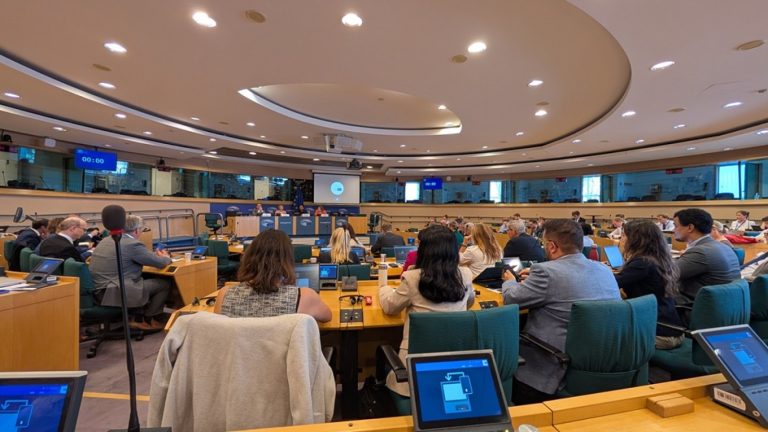
The agreement was signed by Poland’s Chief National Geologist Krzysztof Galos and US Under Secretary of State Allison Hooker, according to the Polish Ministry of Climate and Environment. It covers rare earth metal processing, geological mapping of resources in both countries, investment mobilisation, permitting streamlining and technological innovation — including research into advanced separation techniques and environmentally friendly deep-sea mining methods.
A central objective of the partnership is supply chain diversification, with both governments explicitly framing the agreement as a tool to prevent mineral access from being weaponised as a form of political pressure. The pact aims to build what the two sides describe as a transparent market and to reduce dependence on single-source suppliers — language that reflects shared concern over China’s dominant position across multiple critical mineral supply chains.
The agreement also addresses the financial and regulatory barriers that have historically slowed mineral project development, with both governments pledging to mobilise investment support and streamline permitting processes. Beyond primary extraction, the two countries will invest in recycling technologies designed to recover valuable metals from scrap and waste streams, reflecting growing recognition that circular economy approaches must complement new mining in meeting long-term mineral demand.
Poland’s government described strengthening cooperation with strategic partners as a key national priority, noting that the deal aligns with its national raw materials policy.