Romania’s political future has entered uncharted territory after George Simion, a pro-Trump, nationalist candidate, surged ahead in the first round of the presidential election, triggering political upheaval and potentially redefining the country’s economic and geopolitical direction.
Simion, who ran on a platform of economic nationalism, sovereignty, and resistance to foreign influence, resonated with voters increasingly disillusioned by EU integration and the perceived foreign control over Romania’s resources. In the wake of his strong showing, the current prime minister has indicated plans to resign, signaling a broader shake-up in governance.
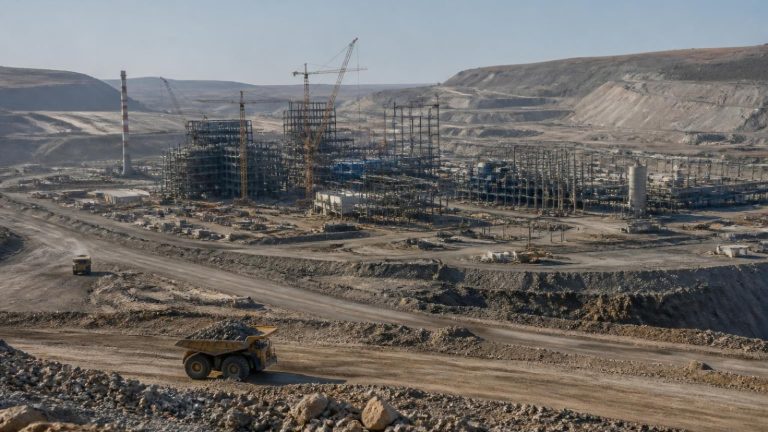
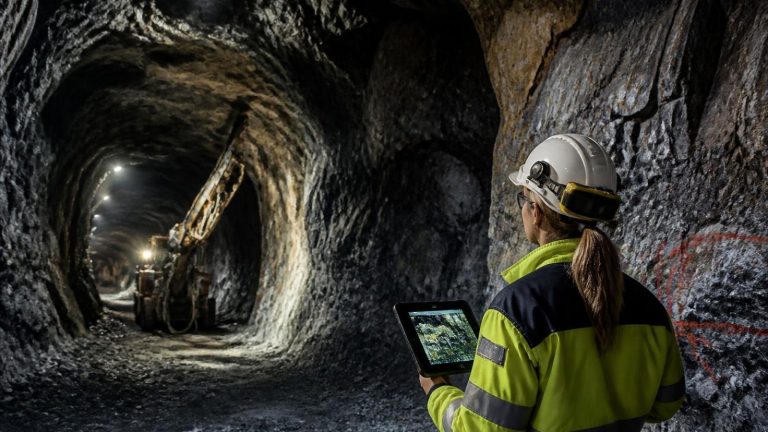
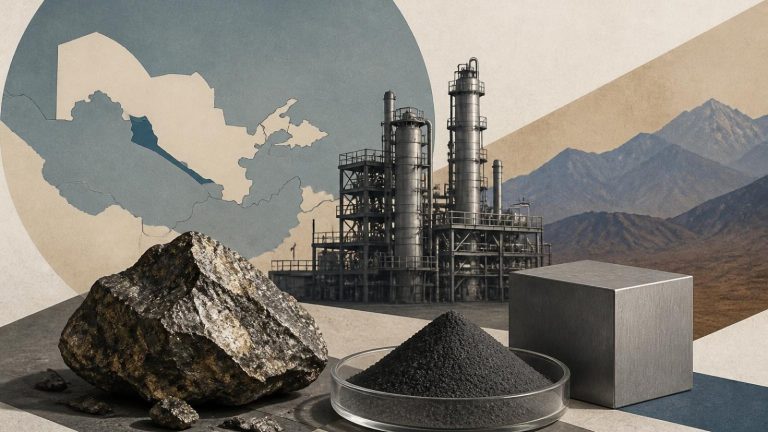
The implications of Simion’s rise are particularly significant for Romania’s critical minerals sector. The country is rich in rare earth elements, copper, and gold—resources that have attracted the attention of North American companies seeking alternatives to Chinese supply chains. Projects such as Euro Sun’s and Glencore’s Rovina Valley copper-gold venture have been labeled strategic by European authorities. However, Simion’s rhetoric against multinational corporations and foreign-led mining initiatives raises concerns about the future of such projects.
The specter of increased resource nationalism looms large, with industry insiders warning that a Simion-led government may enforce tighter regulations, raise royalties, or revisit current licenses. These moves could deter foreign investment and reverse recent progress toward a stable, investor-friendly mining environment.
Simion’s ascent also risks disrupting Romania’s role as a reliable US ally in Eastern Europe. With NATO’s eastern flank under strain due to Russia’s war in Ukraine, any pivot in Bucharest’s foreign policy stance could ripple across the region’s security architecture.
The second and decisive round of voting, set for May 18, will determine whether this populist shift becomes a permanent fixture. The backdrop to this year’s vote includes the annulled results of a prior election marred by fraud accusations and alleged Russian interference, adding further tension to an already volatile political landscape.