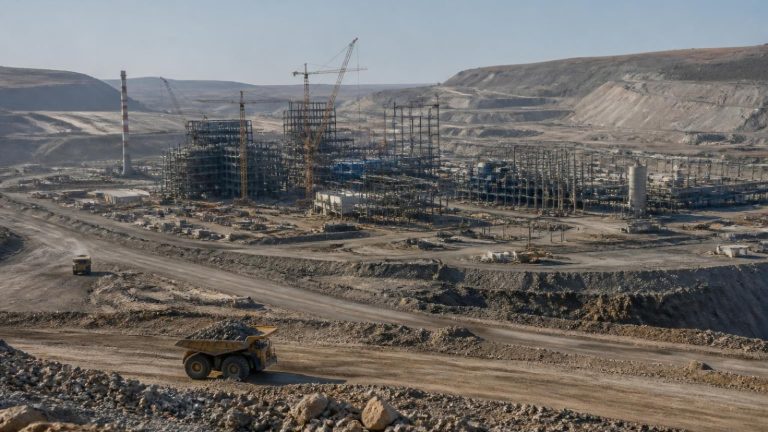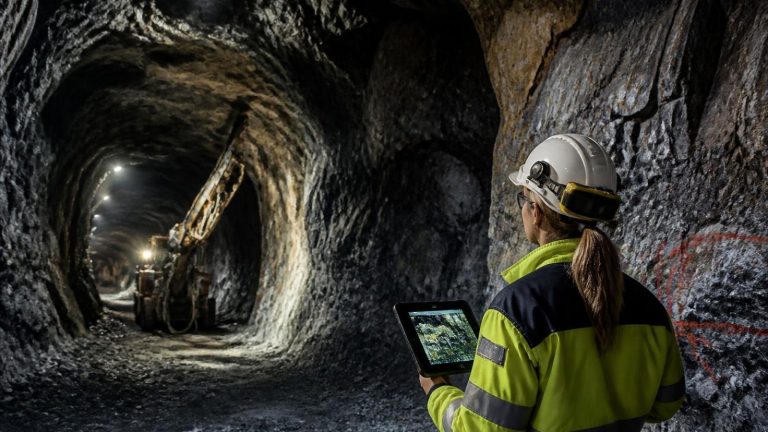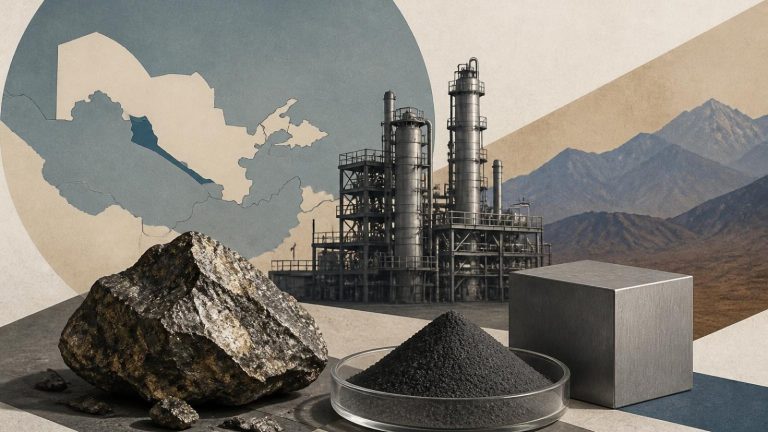
The International Energy Agency (IEA) has raised concerns over the increasing concentration of critical mineral supplies and the growing use of export restrictions, warning that these trends heighten the risk of severe disruptions to global markets. In the latest edition of its Global Critical Minerals Outlook, the agency provides a detailed analysis of supply chains, demand, investment, and policy trends across vital energy-related minerals, including lithium, copper, cobalt, graphite, and rare earth elements (REEs).
According to the report, the global supply of critical minerals has become more concentrated, particularly in refining and processing. In 2024, the average market share held by the top three producers rose to 86%, up from 82% in 2020. China remains the dominant player in most mineral supply chains, while Indonesia leads in nickel.
While demand, especially for battery metals like lithium, continues to grow—lithium demand jumped by nearly 30% in 2024—investment momentum has slowed. Capital spending on critical minerals rose just 5% this year, a sharp decline from 14% in 2023. Exploration activity has also plateaued, signaling a pause in growth and increasing long-term supply risk.
The IEA projects that even under current policy settings, supply diversification will advance slowly over the next decade. This raises alarm for markets like copper, where a looming supply shortfall of up to 30% by 2035 is expected due to insufficient mine development.
Additionally, the report reveals that over half of strategic energy minerals are now subject to some form of export control. China holds an average 70% market share in the refining of 19 out of the 20 critical minerals analyzed and remains central to processing technologies for emerging battery chemistries like lithium-iron-phosphate and sodium-ion.
IEA Executive Director Dr. Fatih Birol warned that critical minerals have become “a frontline issue” in global energy and economic security. The report urges countries to accelerate efforts to diversify supply chains, boost investment, and build resilience to geopolitical and trade-related shocks.