European Union officials expect the United States to soon streamline its broad tariffs on products containing steel and aluminium, potentially easing a major source of tension in transatlantic trade relations.
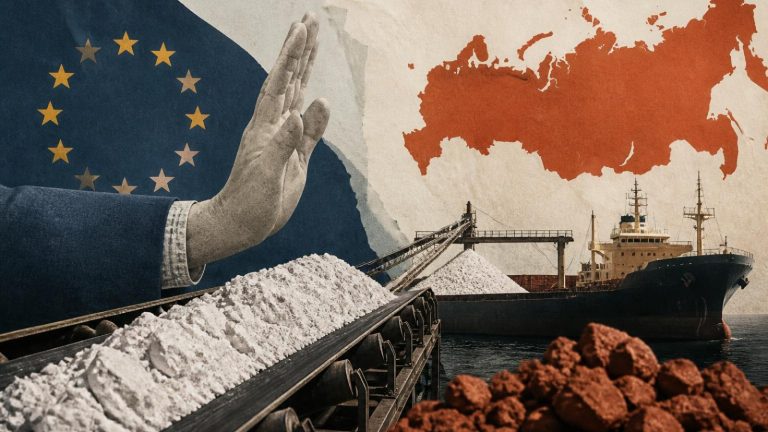
According to sources familiar with the bloc’s position, the Trump administration may within weeks reduce the number of so-called “derivative products” subject to the 50% tariff rate applied to goods containing the two metals. The EU has repeatedly argued that the sweeping metals tariff contradicts last year’s US-EU trade agreement, which established a 15% tariff ceiling for most European exports.
The United States regularly updates the list of derivative products covered by the higher tariff, which now includes more than 400 items. The expanding scope has complicated compliance for exporters, who must calculate the share of steel or aluminium content in their goods, and has diminished the practical benefits of the bilateral trade accord.
EU Trade Commissioner Maros Sefcovic told lawmakers he had received reassurances from US counterparts that the issue is being reviewed and that progress could come “rather soon.”
The anticipated changes would not affect tariffs on commodity-grade steel and aluminium.
The discussions come amid broader uncertainty in transatlantic trade relations. The US Supreme Court recently struck down the administration’s use of emergency powers to impose reciprocal tariffs, prompting Washington to introduce a new 10% global levy in addition to existing duties. That move could push tariffs on certain EU exports above levels allowed under the US-EU agreement.
In response, the European Parliament has suspended work on ratifying the trade accord pending clarification of the new US policy. Despite the complications, both sides have signalled their intention to preserve the agreement while navigating the transition to a revised trade framework.