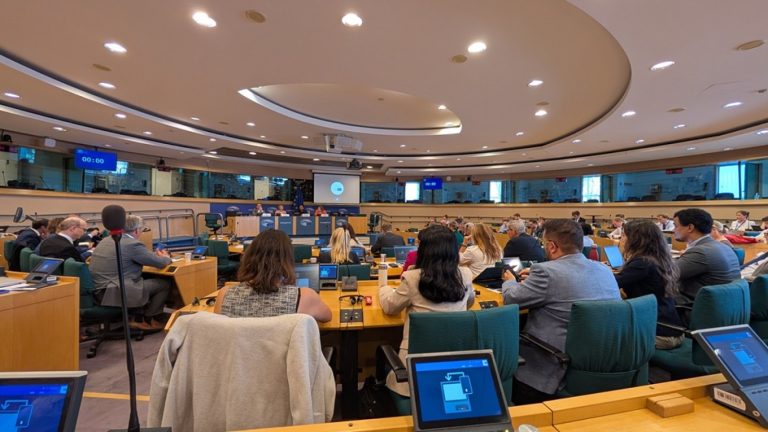
Elina Sofirova — U.S. Geological Survey (USGS)
Sofirova distinguishes her role — reporting on existing, verified production data rather than forecasts — and explains how the U.S. government defines critical minerals (a legally mandated, criticality-index-based list, now numbering 60 minerals and updated every three years; the newest list added items like boron, where Turkey is the top global producer). She contrasts approaches: the EU’s list (34 minerals), Canada’s, and Russia’s domestically focused framework, versus the US/Canada “hybrid” approach balancing domestic production and diversified sourcing.
Using 2024 USGS production data, she runs through the region: Kazakhstan is the clear regional leader (number one globally in uranium, among others); Kyrgyzstan and Georgia currently show minimal or no listed CRM production; Tajikistan ranks second globally in antimony; Uzbekistan has a broader production base, though data quality has only recently improved; Armenia produces rhenium and molybdenum (though molybdenum isn’t on the US list, since the US produces its own). She notes Turkmenistan reports essentially no CRM production and is difficult to get data from at all. She closes by reiterating that her focus is strictly on what already exists, not projections.
#CriticalMinerals #MiningIndustry #CentralAsia #SouthCaucasus #USGS #MINEXAsia #ResourceSecurity