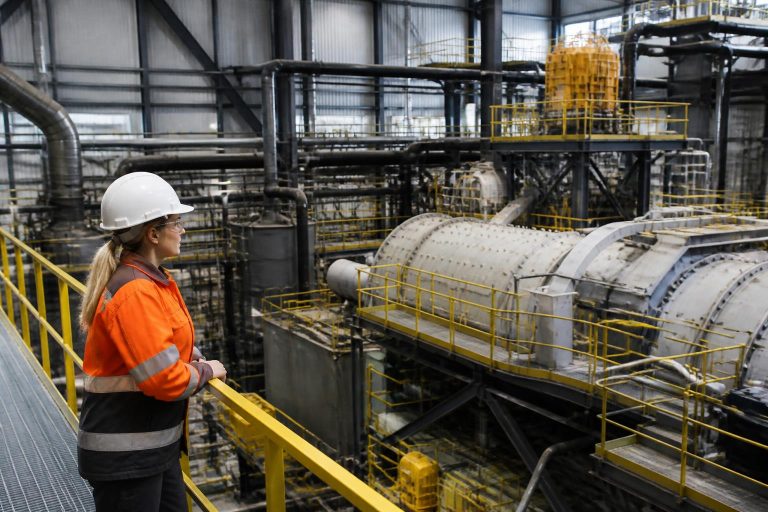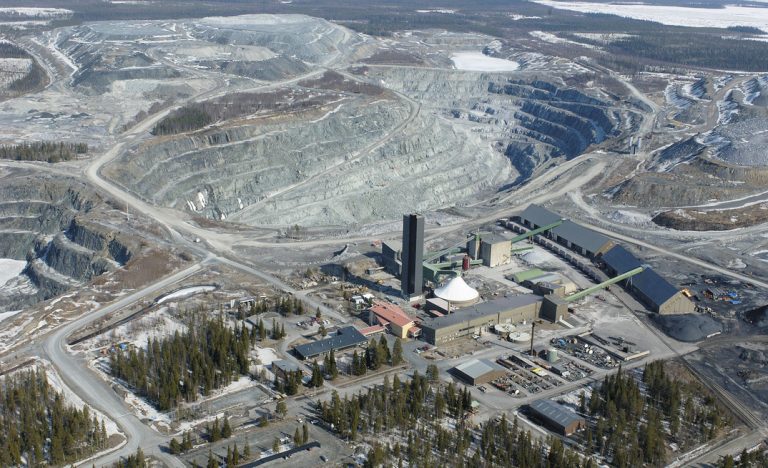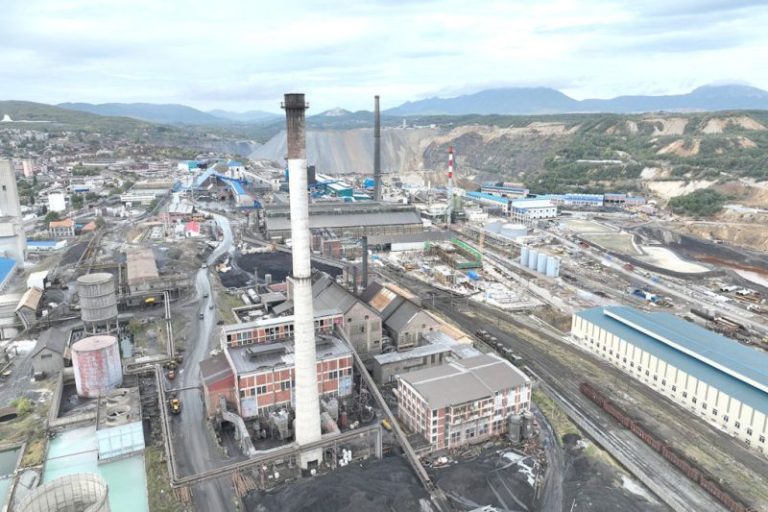
Uzbekistan is taking significant steps to modernise its mining sector by moving state-owned companies like NMMC and AMMC towards international capital markets. This initiative aims to attract global investors and incorporate international management practices, thereby partially opening its ownership of strategically important mineral assets. This shift is more than just an initial public offering (IPO); it represents a fundamental revaluation of Uzbekistan’s resource strategy.
The potential advantages of this move are substantial. Firstly, by exchanging equity for capital, Uzbekistan can secure the necessary funding to develop critical minerals such as copper, lithium, and tungsten. These projects require vast investments, and access to global capital markets could alleviate the country’s reliance on government borrowing, facilitating faster investment in mining operations, smelting facilities, and downstream processing.
Secondly, the influx of international capital could bring advanced technology and management expertise to Uzbekistan’s mining sector. This collaboration could enable the country to transition from merely exporting raw minerals to establishing a more integrated mine-to-metal value chain, enhancing its economic prospects.
Moreover, the involvement of international shareholders is likely to improve corporate governance within Uzbekistan’s state-owned mining companies. Public listings typically introduce stricter disclosure, auditing, and environmental, social, and governance (ESG) requirements, which can drive these companies towards greater efficiency and transparency.
Additionally, establishing partnerships with Western investors could create a more secure supply chain for Uzbekistan’s critical minerals. As these investors gain significant stakes in local projects, their interests will become intertwined with the country’s long-term political and economic stability.
However, this strategy is not without its risks. Sharing equity means relinquishing a portion of future resource revenues and potentially compromising strategic control over mineral assets. If the anticipated benefits of international investment do not materialise—specifically, if technology and market access remain elusive—Uzbekistan may find itself merely exchanging the export of raw materials for the export of ownership.
The central question remains: who will ultimately dictate the pace of resource development, the allocation of profits, and the direction of downstream industrial investment? The key metric is not merely the amount of equity sold but whether Uzbekistan can leverage minority stakes to gain capital, technology, and a stronger position in global supply chains. If successful, this approach could pave the way for a new model for resource-rich nations seeking to overcome the traditional ‘resource curse.’