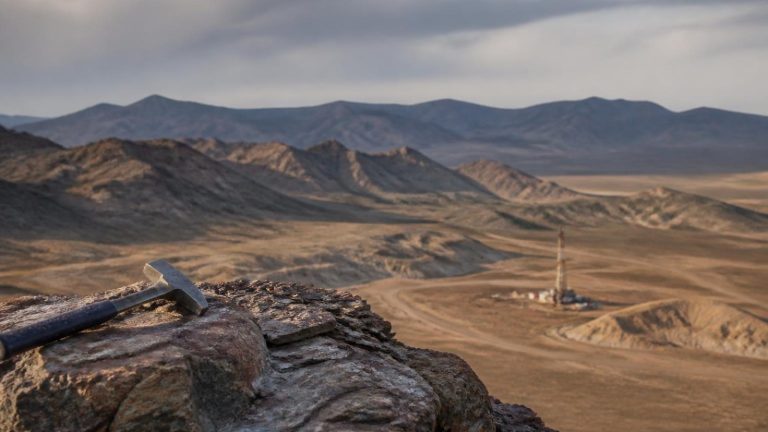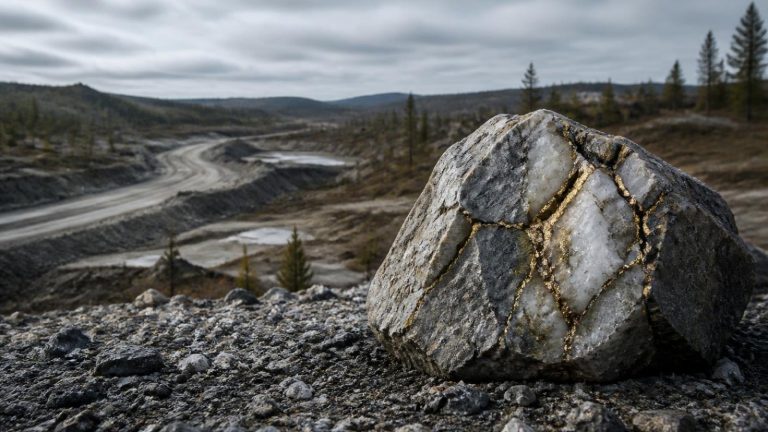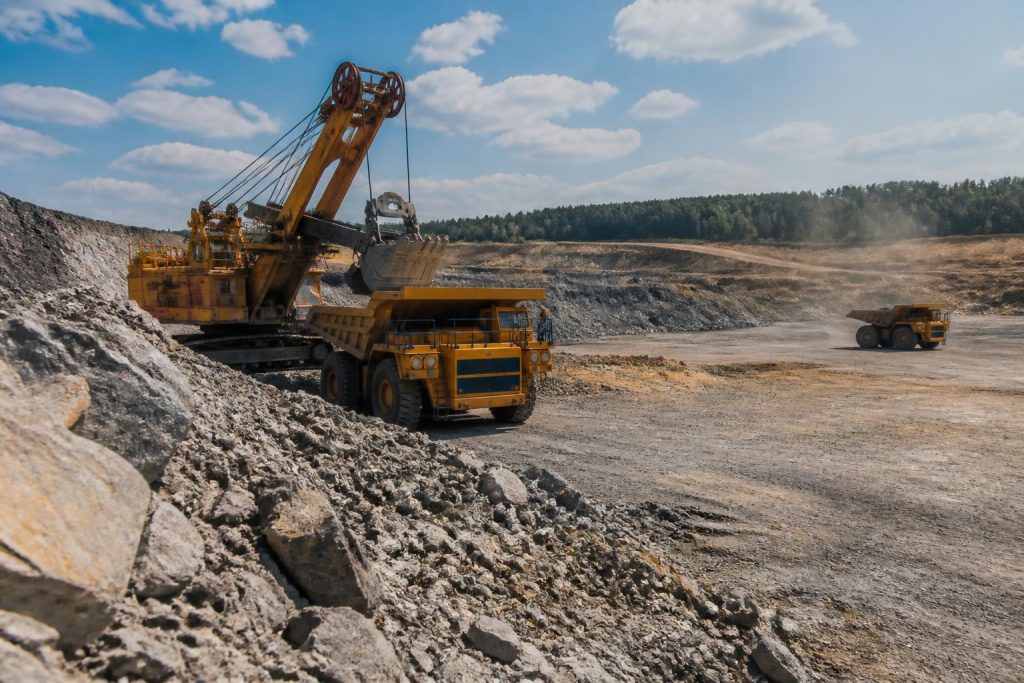
As Europe seeks to reduce its reliance on Chinese imports of rare-earth elements (REE) and critical minerals, Poland emerges as a promising candidate to bolster the continent’s supply chain. With significant untapped reserves of critical raw materials, Poland could provide the EU with a strategic advantage in the clean energy, defense, and digital infrastructure sectors, especially as demand for these resources surges due to the rise of electric vehicles, wind turbines, semiconductors, and military hardware.
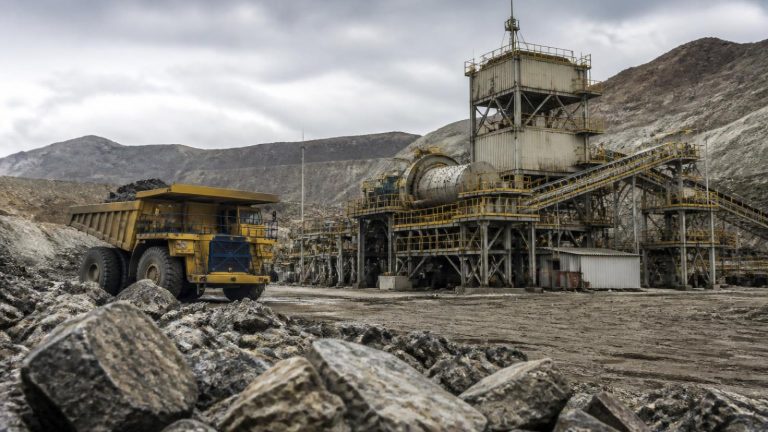
The timing is politically advantageous for Poland, as the European Union has openly expressed its desire to diminish dependence on Chinese mineral imports. The Polish government is actively shaping policies and offering state support to attract industrial investment in the critical minerals sector. However, the transition from geological potential to operational mines is fraught with challenges. Industry experts caution that the process of converting known deposits into commercially viable mining operations is technically complex and capital-intensive.
Poland faces significant hurdles, including a lack of specialized labor and processing infrastructure necessary to develop a robust supply chain. Additionally, any new extraction projects must comply with the EU’s stringent environmental and sustainability regulations, which can complicate and delay development efforts. This regulatory landscape has previously hindered mining initiatives across Europe, necessitating a careful approach to meet high standards.
Despite these challenges, Poland’s unique combination of geological potential, political support from the EU, and an engaged national government positions it as a potential key player in Europe’s critical minerals landscape. If Poland can successfully navigate the financial, technical, and regulatory obstacles, it may play a crucial role in diversifying Europe’s supply chains, providing a viable alternative to Chinese sources. The mining industry will be closely monitoring whether Poland’s ambitions translate into operational mines or if its rare-earth potential remains largely unfulfilled for the time being.