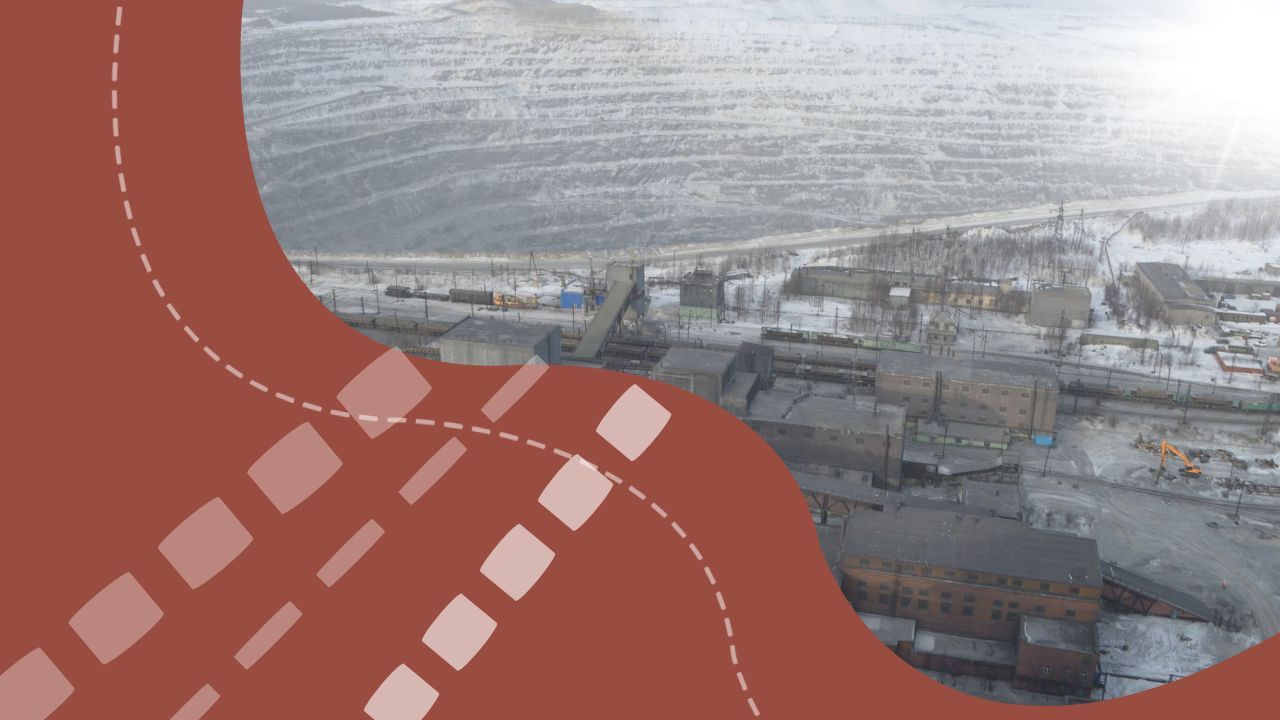
The European Union (EU) and Australia are on the brink of forging a strategic partnership aimed at securing the essential raw materials crucial for their respective green and digital transitions. According to a spokesperson from the European Commission, negotiations have been underway for a memorandum of understanding (MoU) that will lay the groundwork for this partnership. Commission spokesperson Johanna Bernsel disclosed to POLITICO on Monday that they anticipate signing this pivotal agreement as early as May. Sources close to the discussions revealed that both parties have reached a substantial consensus on the content of the MoU, which is nearing its final form. An official, speaking on condition of anonymity due to the confidential nature of the talks, suggested that the announcement of the deal could be expected in the upcoming weeks or months.
Month: April 2024
-

Yildirim Seeks Approval for Acquisition of Euronickel Industries Assets in North Macedonia
Yildirim, a Turkish holding company, has formally requested approval from North Macedonia’s Commission for Protection of Competition (CPC) to acquire assets belonging to Euronickel Industries, formerly known as Feni Industries. These assets, currently held by local lender Komercijalna Banka, include the ferronickel producer’s facilities. Additionally, Yildirim is eyeing the purchase of assets belonging to Nova Refractories, a refractory plant based in Pehcevo, also under the ownership of Komercijalna Banka. The CPC has announced that the public has a ten-day window to provide feedback on these proposed transactions. Kingmen Refractories and Double Eagle Nickel, both local subsidiaries of Yildirim specifically established for these acquisitions, have already inked agreements with Komercijalna Banka on March 22. This move comes after Komercijalna Banka disclosed in December its acquisition of Euronickel Industries’ assets worth 37.9 million euros ($41.2 million) through a forced collection of claims. The bank, being the primary creditor of Euronickel Industries, took possession of these assets as the ferronickel producer entered bankruptcy proceedings in early February.
-
European Green Transition Lists on London Stock Exchange’s AIM Market
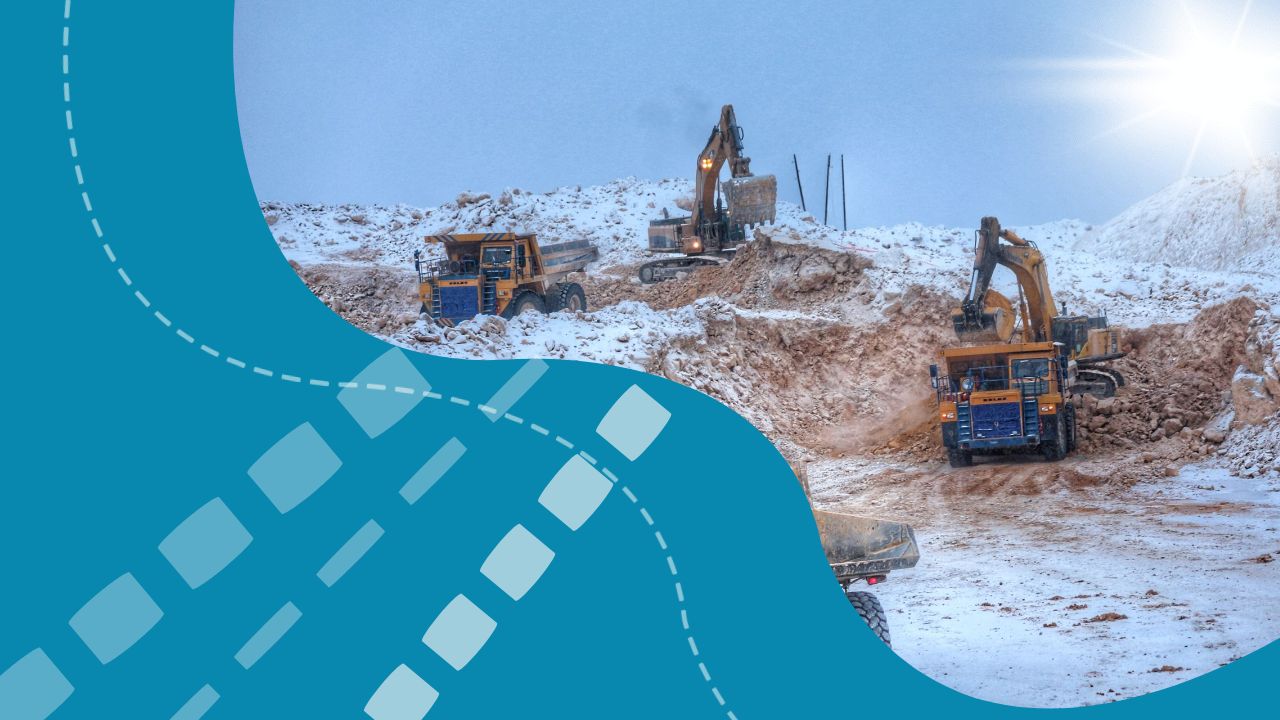
European Green Transition, a rare earths asset developer, commenced trading on the London Stock Exchange’s AIM market today with 144,620,892 ordinary shares, marking a market value debut of £14.5 million. The company’s admission follows a placement, subscription, and retail offer, issuing 64,620,890 shares at 10p each, generating gross proceeds of £6.4 million. Formerly known as European Green Metals, EGT’s primary asset is the Olserum rare earth element (REE) project in Sweden, positioning it as a potential pioneer in Europe’s rare earths mining sector. EGT’s strategy involves leveraging the Olserum asset through potential sales or partnerships with financial institutions or industry stakeholders, rather than direct mining operations.
-
British Concrete Canvas Ltd. to Establish Concrete Production Plant in Kazakhstan
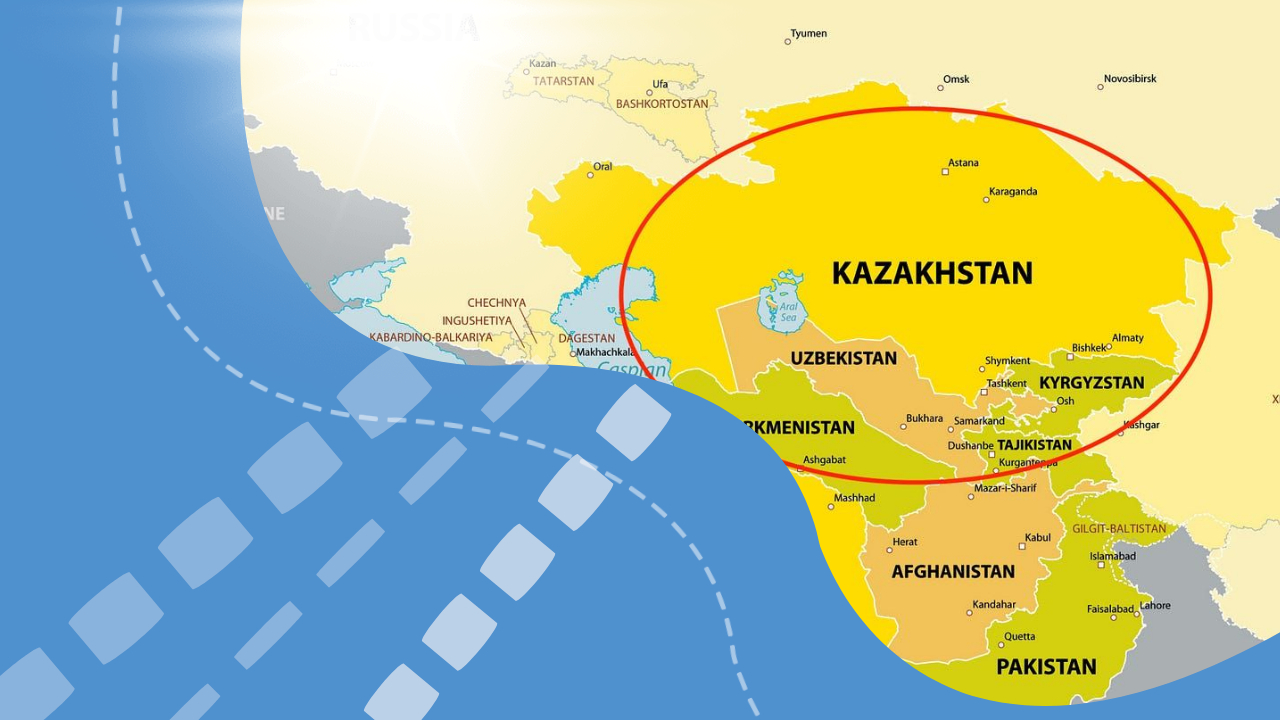
British company Concrete Canvas Ltd. has revealed plans to construct a concrete slab manufacturing plant in Kazakhstan, as reported by Kazakh Invest. Originally intending to build the facility in Russia, geopolitical circumstances led to the decision to opt for Kazakhstan. The envisioned project, according to British investors, is poised to address critical challenges in the construction and renovation of irrigation systems in the country. The initiative is expected to significantly enhance the operational reliability of irrigation systems, eliminate water loss within the country’s agro-industrial complex, and reduce budgetary expenditures on canal renovation programs, protective dams, and other civil infrastructure assets. Concrete Canvas, known for producing geosynthetic cement composite mats that prevent water loss during filtration while maintaining material durability, has already established a presence in Almaty. The company is currently assessing market needs, engaging in discussions with relevant ministries and local executive bodies. Concrete Canvas Ltd. was among the 21 companies relocating to Kazakhstan from Russia and Belarus, as announced by the government in late December 2022. Furthermore, in November 2023, during a working trip to the United Kingdom, Kyrgyzstan’s Prime Minister, Akylbek Zaparov, proposed that Concrete Canvas consider establishing a plant in the republic.
-
Bjelovar City Completes Successful Geothermal Water Well Project
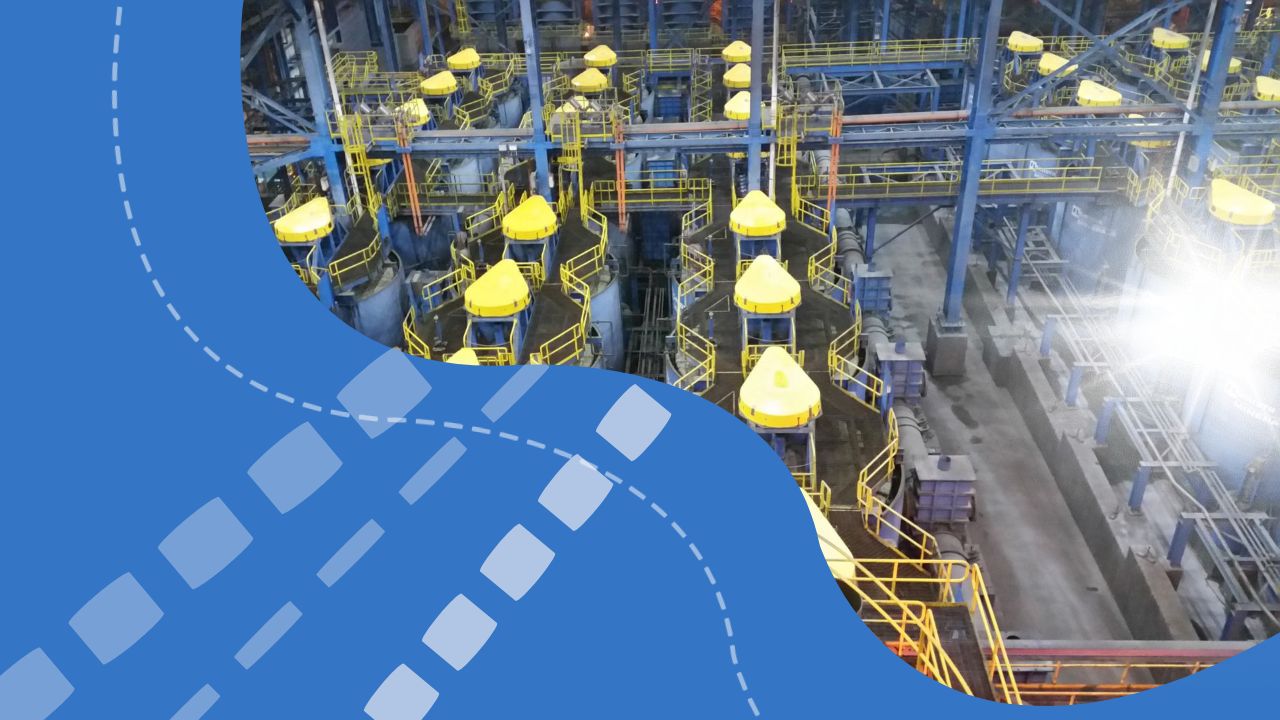
Bjelovar city in Croatia has successfully concluded a 3.5 million euro ($3.8 million) geothermal water well project, surpassing initial expectations, as announced by the local government. The drilling initiative, which aimed to bolster electricity production from renewable sources, minimize CO2 emissions, and enhance energy security, received financial support totaling 1.3 million euros from Norway, Iceland, and Liechtenstein, with an additional 1.0 million euros from Croatia’s Ministry of Regional Development. Bjelovar city itself financed the remaining 1.2 million euros for the project. The geothermal water well, reaching a depth of 1,290 meters with a deposit temperature of 83 degrees Celsius, will serve multiple purposes, including district heating, agricultural activities, and potentially future swimming pools. Notably, the surface water temperature registers at 70.1 degrees Celsius, showcasing the project’s promising outcomes.
-
Dundee Precious Metals Reports Strong Gold Production at Bulgarian Mines
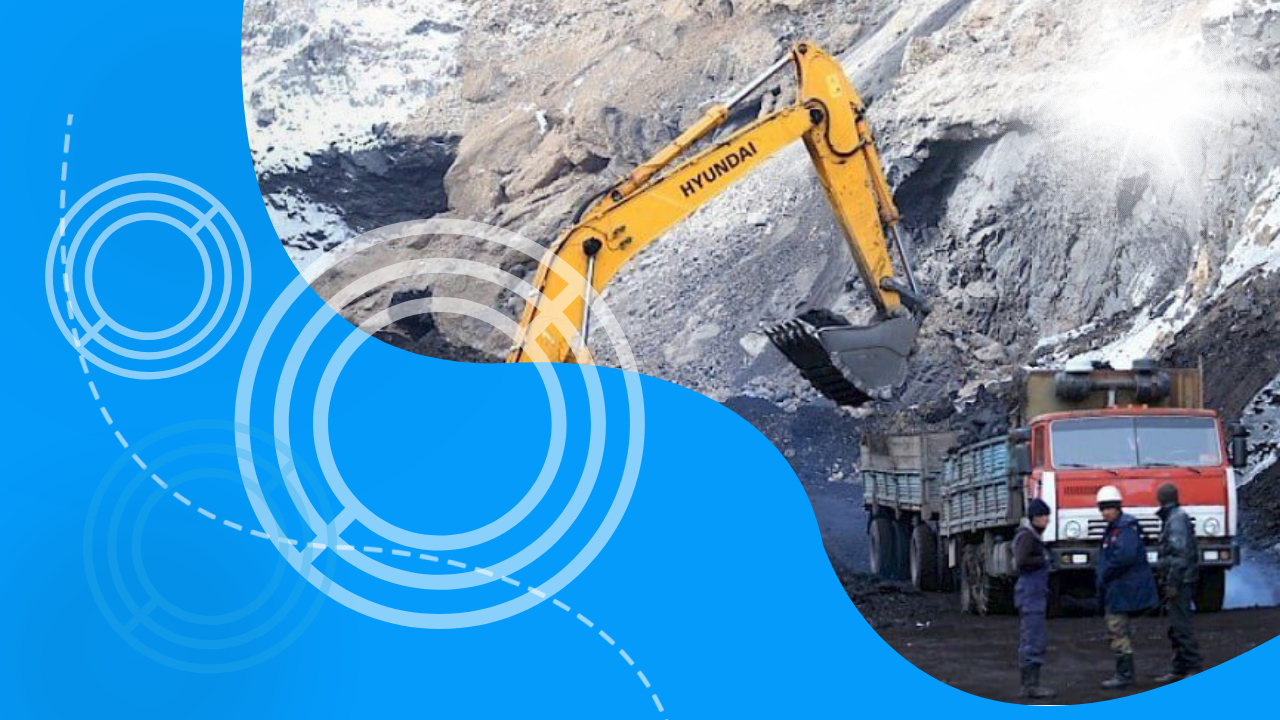
Dundee Precious Metals (DPM), a Canada-based company, announced that its Bulgarian mine, Chelopech, maintained its robust performance by delivering 37,500 ounces of gold in the first quarter of 2024. Despite slightly lower copper production of 6.7 million pounds due to decreased copper grades, as outlined in a recent press release, Chelopech continues to demonstrate resilience. Additionally, DPM’s Ada Tepe mine in Bulgaria yielded 25,200 ounces of gold in the same period, aligning with expectations. Looking ahead, DPM anticipates total gold production ranging between 245,000 and 285,000 ounces for the year across both mines, with copper production estimated to fall between 29 and 34 million pounds. Both Chelopech and Ada Tepe remain on course to meet their production targets for the year, according to DPM’s projections. Notably, DPM extended the operational lifespan of its Chelopech mine until 2032 following revised mineral reserve assessments in November.
-

Ministry of Industry and Infrastructure Development to Auction Over 100 Mineral Deposits
By the end of the first summer month, the Ministry of Industry and Infrastructure Development will showcase more than 100 mineral deposits at an auction, including 23 returned and 83 reserve sites. This announcement was made by the head of the Ministry’s Committee of Geology, Erlan Akbarov, during a briefing at the SCC. All auctions will enforce commitments to ensure production levels do not fall below the average national output. Prospective bidders are reminded of the obligation to allocate funding for the development of regional social infrastructure. In 2023, the Ministry organized two auctions, offering 74 potentially valuable sites, with total subscription bonuses amounting to around 3.5 billion tenge, as reported by the Ministry’s press center. Mr. Akbarov stated that nearly 10 billion tenge is allocated annually for state geological exploration of mineral resources. Over the past five years, approximately 52 billion tenge has been invested in this sector, equating to 8 per square kilometer. Notably ,mineral rights holders have spent significantly more on geological exploration activities over the five−year period, totaling 357 billion tenge.
-

Ulytau Resources to Conduct Uranium Exploration in Kazakhstan’s Jambil Region
Ulytau Resources is set to embark on uranium exploration at the Djusandalinskoye deposit in the Zhambyl region. Under the acquired license, the mining company will survey an area of 29.43 km² from 2024 to 2028 near the uranium-molybdenum Botaburum deposit in southern Pri-Balkhash, as reported by inbusiness.kz. In addition to seeking new uranium deposits, Ulytau Resources will evaluate previously identified reserves and monitor the natural radiation levels during drilling activities. Public discussions regarding the exploration license for uranium are scheduled for April 25th. The uranium deposits at Djusandalinskoye were first discovered in 1982, with the metal’s reserves classified under categories C1 and C2 in 1991 and subsequently studied by “Yuzhpolymetal” experts who have conducted geological surveys at Botaburum since 1957.
-
Irkaz Metal Corporation Plans Expansion of Copper Smelting Plant in Kazakhstan
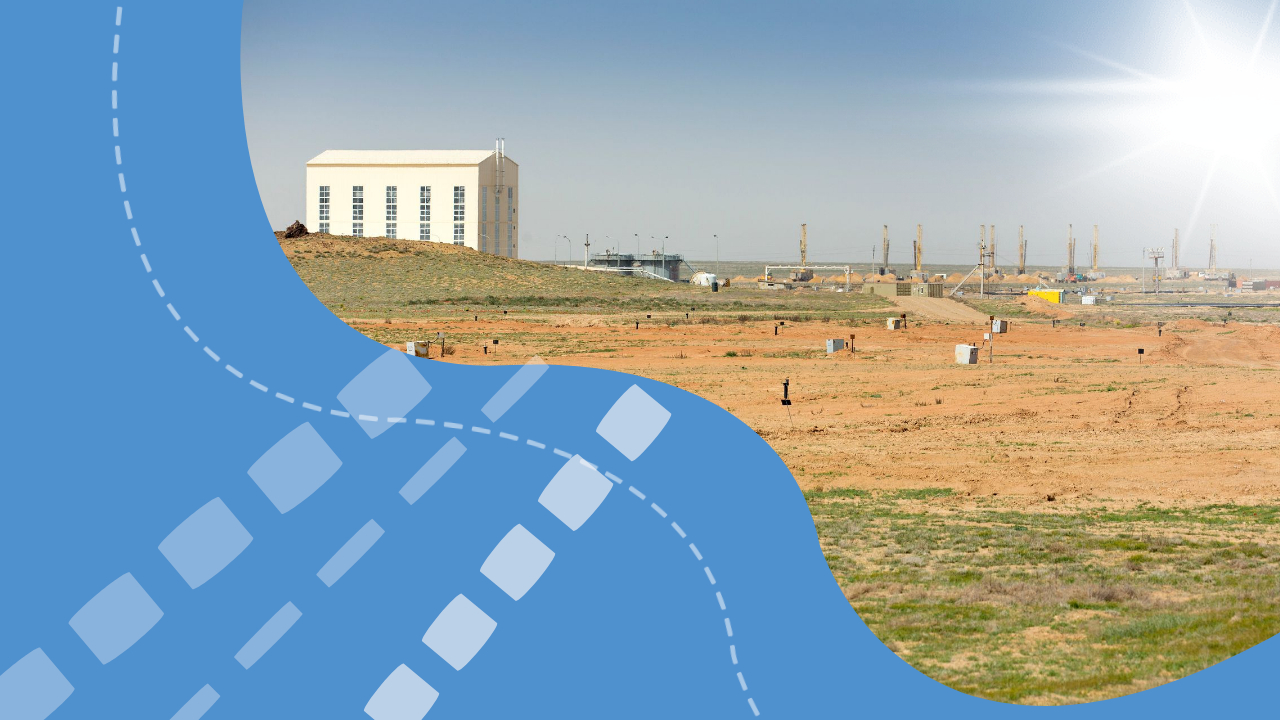
Irkaz Metal Corporation, an Iranian copper producer, is looking to construct the third phase of its copper smelting plant at the Borly deposit in the Karaganda region. The new facility will cover an area of 100 hectares, with construction set to commence in July 2024. This information was revealed on the AGMP portal. The hydro-metallurgical complex is expected to process 2.5 million cubic meters (approximately 4.6 million tons) of copper ore annually through heap leaching, enabling the company to produce 5,000 tons of cathode copper per year. The plant will require over 137,000 tons of sulfuric acid annually for processing. The Borly site currently hosts a shift camp for employees, who work in two 12-hour shifts year-round. Notably, the plant has a two-story fire station on-site. Irkaz Metal Corporation inaugurated the plant in November two years ago, with an initial project investment exceeding 9 billion tenge. Currently, the facility employs 140 individuals, with the copper smelting plant’s capacity standing at 5,000 tons.
-
Stepnogorsk Sulfuric Acid Plant Plans Capacity Doubling to Meet Kazatomprom’s Needs
The Stepnogorsk Sulfuric Acid Plant (SSAP), 90.11% owned by Samruk-Kazyna’s subsidiary, with the remaining 9.89% belonging to Kazatomprom (another Samruk-Kazyna subsidiary), intends to double its capacity to 360,000 tons per year of sulfuric acid, required by Kazatomprom, and increase sulfur purchases from Tengizchevroil, the main supplier of the product to the plant. The implementation of the proposed activity – the construction of the second line of the sulfuric acid plant – will lead to an increase in the production capacity of the enterprise, producing technical sulfuric acid, from 180,000 tons to 360,000 tons per year, according to materials for public hearings on the project’s second phase, scheduled for April 30. As indicated on the plant’s website, the main sulfur supplier for the enterprise is the Tengiz oil field operator – Tengizchevroil, which stores sulfur in large volumes. Accordingly, with the launch of the second phase, the plant will double its sulfur purchases necessary for sulfuric acid production. The main product of the plant is technical sulfuric acid of the first grade according to GOST 2184-2013 with a concentration of 92.5–94%. The project also includes the possibility of obtaining acid with a concentration of 98.5% (without additional dilution). By-products of production include electrical and thermal energy. Construction and installation work is planned to be carried out around the clock in 2024-2025, and the launch of the second phase into operation is scheduled for 2026. The second phase will produce sulfuric acid around the clock for 345 days a year. The plant fully meets its own needs for thermal and electrical energy. According to materials for public hearings, the production of sulfuric acid from the second phase will provide the plant with about 30–40 MW of electricity through the generation of superheated steam. At the same time, the plant annually concludes a contract for the supply of electricity with Stepnogorskenergosbyt. The main equipment supplier will be the Italian company Desmet Ballestras.p.a., and the main technological equipment manufacturer will be the Kazakhstani company “Belkamit”. The second phase will be built within the boundaries of the existing plant, which will not cease its operation during production expansion. The sulfuric acid plant is located in the industrial zone of the city of Stepnogorsk in the Akmola region. The nearest settlements are Zavodskoye village – three km away – and the city of Stepnogorsk – 18 km away. The nearest railway stations are AltynTau – 10 km away and Ermantau – 130 km away. The plant has been operating at its full capacity since 2021 against the backdrop of sulfuric acid shortages in Kazakhstan, which is needed for uranium mining. In January, Kazatomprom announced an expected adjustment to its production plan for 2024 due to difficulties in sulfuric acid supplies, which is a key component in uranium mining. A plant for the production of 800,000 tons of sulfuric acid will be built by 2026 in the Turkestan region using the Italian Balestra technology, announced Nurlan Zhakupov, Chairman of the Management Board of Samruk-Kazyna. It is worth noting that Baurzhan Ibraev, Chairman of the Advisory Board of the British New Nuclear Watch Institute (NNWI) for Central Asia, who had been a member of the Board of Directors and Chief Production and Nuclear Fuel Cycle Director of Kazatomprom for several years, expressed his opinion to journalists at a seminar on atomic energy in December 2023 that increasing uranium production in Kazakhstan in the coming years, according to the plans announced by Kazatomprom and its affiliated joint ventures, will require about 3 million tons of sulfuric acid annually. “For acid, we will need – today we consume about 2.2 million tons. If we want to fulfill the announced plans, probably, we will need no less than 3 million tons. Unfortunately, Kazakhstan today does not produce so much… At one time, production capacities in Kazakhstan were around 3.6 million tons, but this does not mean that they produced so much. I don’t know how much everyone produces today, but I know that today Kazatomprom does not satisfy its acid needs,” he said. According to his estimates, Kazatomprom’s joint ventures purchased sulfuric acid at a price of $130 per ton. Expenditures on this key component, used in uranium mining by the method of underground in-situ leaching as a chemical reagent, accounted for about 30–40% of the total cost of uranium in Kazakhstan. However, even now, before the increase in production volumes by Kazatomprom, there is a sulfuric acid deficit in Kazakhstan, Ibraev noted. In contrast to this, uranium enterprises in Uzbekistan, according to him, receive sulfuric acid at $30 per ton.