Month: April 2024

  • Tau-Ken Altyn Plans Expansion and Diversification of Processing Line

    Tau-Ken Altyn Plans Expansion and Diversification of Processing Line

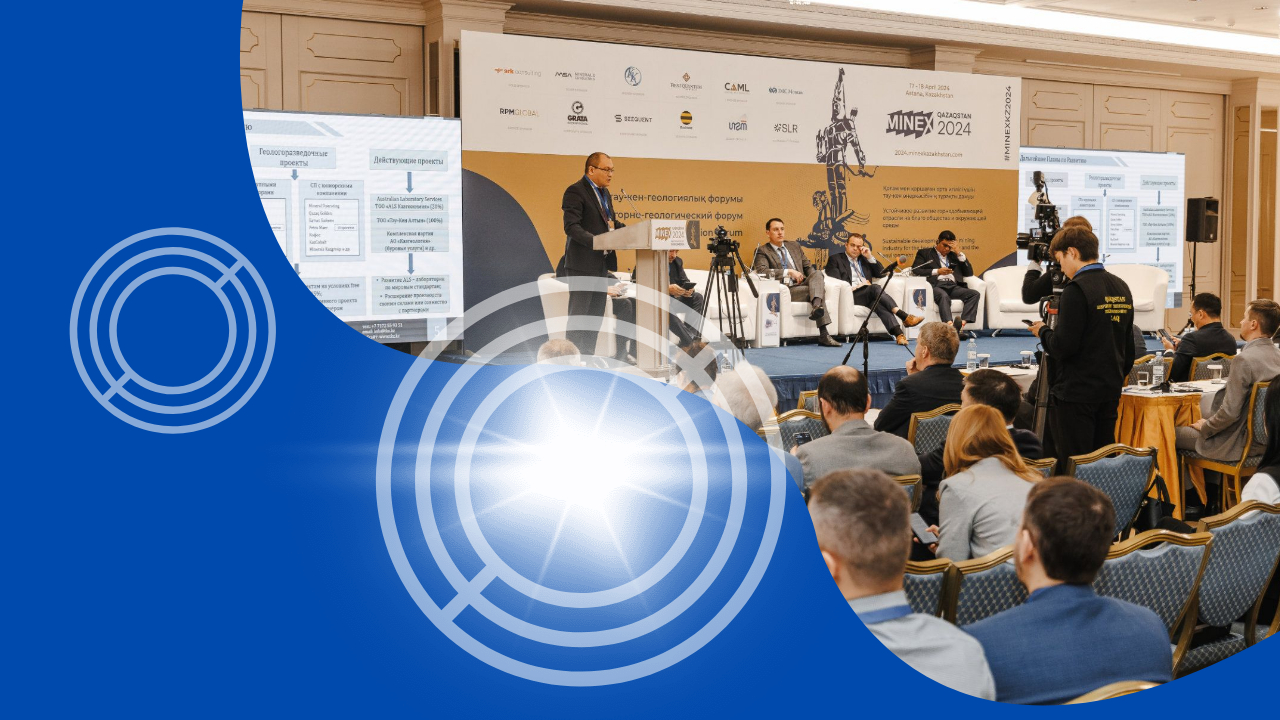
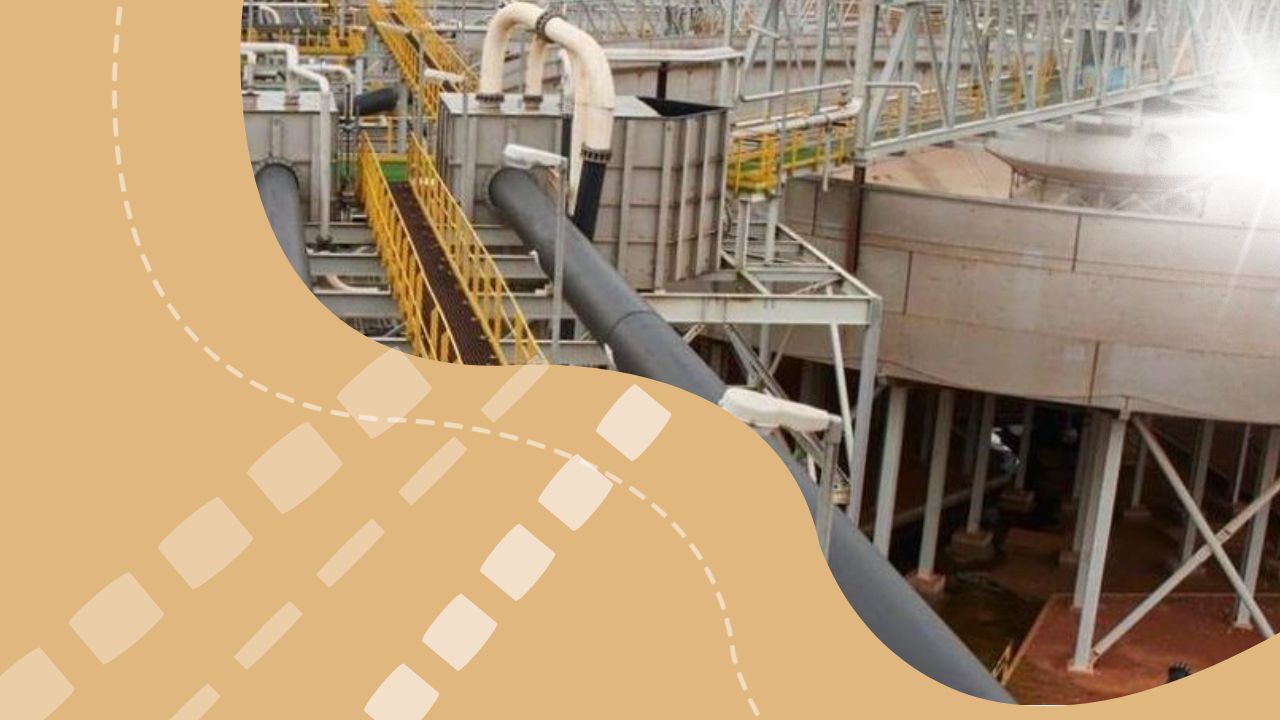
    Tau-Ken Altyn, a refining plant in Astana and subsidiary of the national company Tau-Ken Samruk, is gearing up to broaden its range of processed raw materials and manufactured products. This announcement was made by Bakyt Chirchikbayev, the chairman of the board of Tau-Ken Samruk, during the MINEX-2024 forum. Chirchikbayev stated that the company is actively conducting research to expand both its processed raw materials and finished products, including catalyst recycling and the development of the jewelry sector. He highlighted the successful implementation of waste processing from the refining plant, leading to nearly zero-waste production.

    In 2019, Kaysar Zhumagaliyev, the chairman of the Kazakhstan Jewelers Association, emphasized that the requirement to pay value-added tax (VAT) when purchasing refined gold from Tau-Ken Altyn led jewelers to prefer buying gold from pawnshops and informal miners.

    Chirchikbayev also mentioned another intriguing project—a joint venture (laboratory) in Karaganda with the Australian company ALS. This venture aims to expand the company’s scope by offering its services to other companies, particularly subsidiaries of Tau-Ken Samruk.
  • Tau-Ken Samruk to Explore Lithium Deposits near the Aral Sea with Funding from EBRD

    Tau-Ken Samruk to Explore Lithium Deposits near the Aral Sea with Funding from EBRD

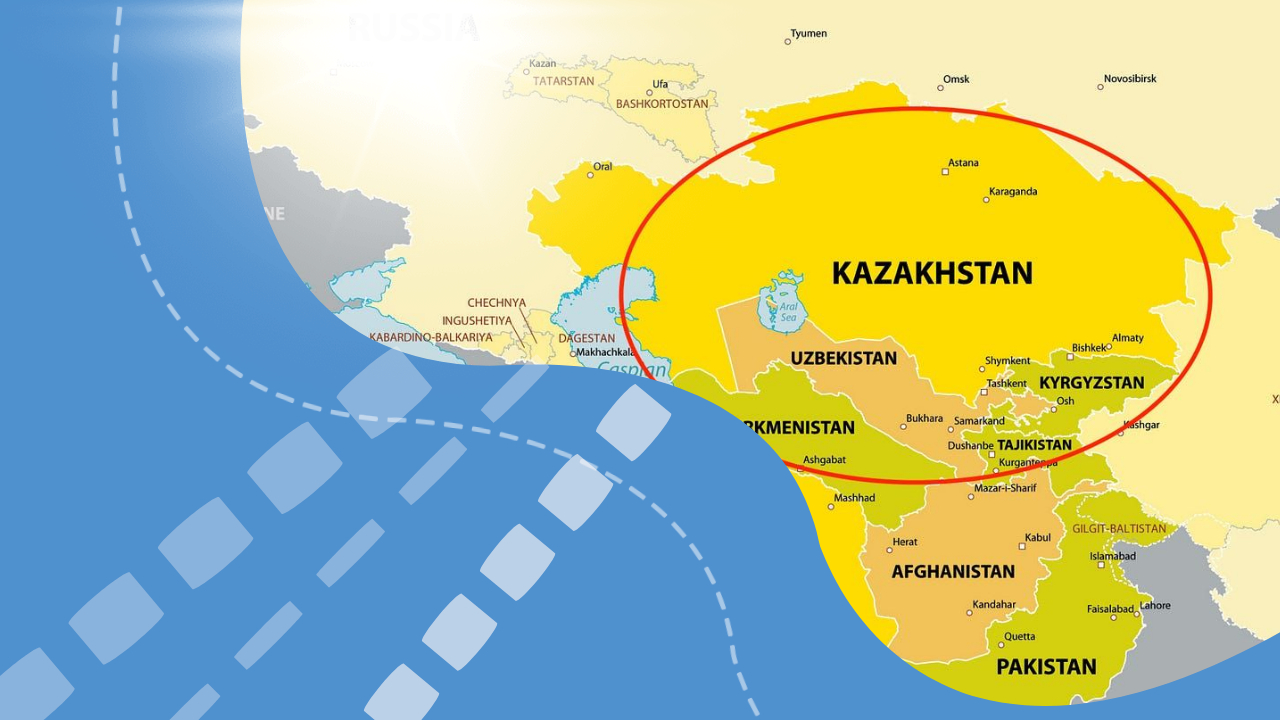
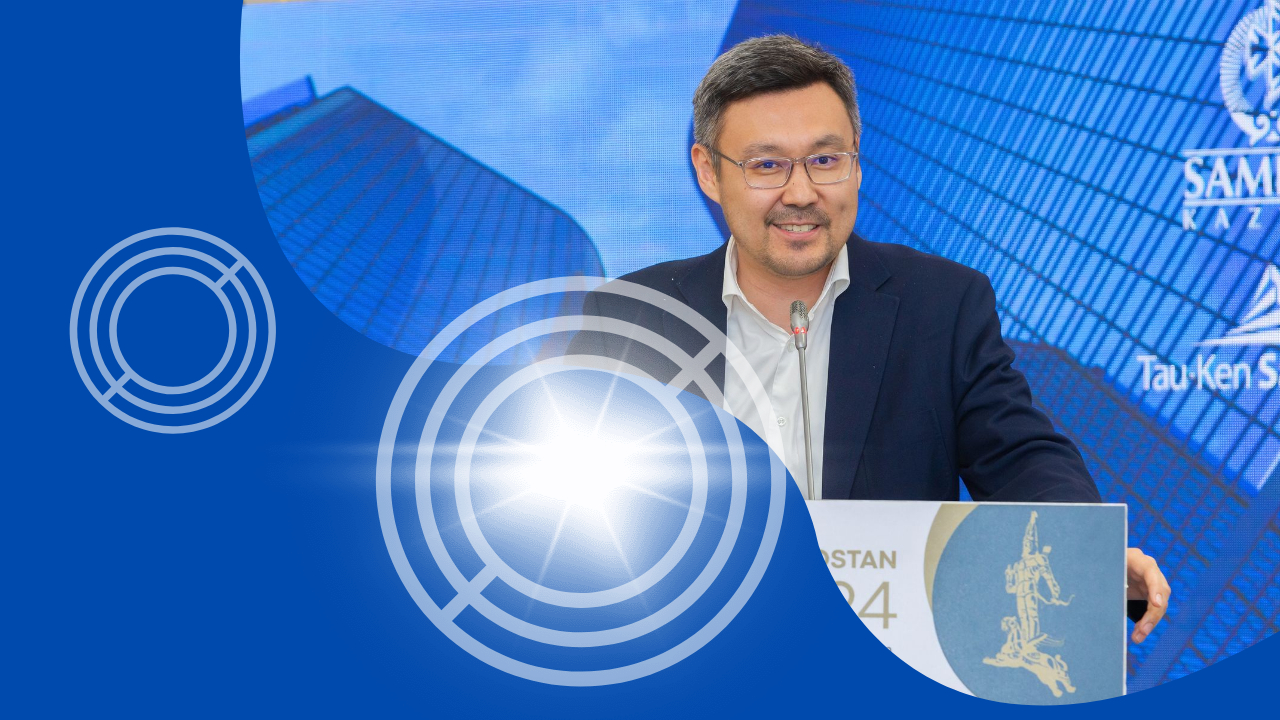
    Tau-Ken Samruk, the national mining company, is set to conduct exploratory research funded by the European Bank for Reconstruction and Development (EBRD) to assess the presence of lithium in the brines of salt lakes near the Aral Sea. This initiative was announced by the company’s Chief Business Development Officer, Nariman Absametov, during the MINEX Kazakhstan -2024 forum. Absametov highlighted the similarities between Kazakhstan and South American countries, particularly Chile, where lithium is extracted from salt brines. The project, initiated six months ago, aims to demonstrate the presence of sufficient lithium in the region for industrial development. The EBRD has granted 400,000 euros, equivalent to 190.7 million tenge, for a two-year research project in the Aral Sea region.

    Tau-Ken Samruk is actively engaged in over 50 mining projects, with 15 partner companies. Notably, the company recently absorbed another national entity, Kazgeology, promising comprehensive support to partners in negotiations with government bodies. Absametov highlighted gold as the primary metal of interest, citing Tau-Ken Altyn, a refining plant in Astana, which exceeded its initial capacity of 25 tons of gold and 50 tons of silver annually since 2019, refining 55.6 tons of gold in 2022. Additionally, copper and rare earth metals are among the company’s areas of interest.

  • Tau-Ken Samruk Receives Approval for North Katpar and Upper Kairakty Project

    Tau-Ken Samruk Receives Approval for North Katpar and Upper Kairakty Project

    Tau-Ken Samruk has received a favorable assessment from state experts for its North Katpar and Upper Kairakty project. The company anticipates responses from potential partners interested in participating in the project.

  • Tau-Ken Samruk to Commence Lead-Zinc Mining Operations in Shalkiya Deposit

    Tau-Ken Samruk to Commence Lead-Zinc Mining Operations in Shalkiya Deposit

    Tau-Ken Samruk to start production at the Shalkiya lead-zinc deposit in OctoberTau-Ken Samruk plans to start mining at the Shalkiya lead-zinc deposit in October 2024, aiming for 2.2 million tonnes of ore production by the next year. Chairman Bakyt Chirchikbayev revealed these plans at the MINEX Kazakhstan 2024 forum, mentioning plans “of using a third-party facility for ore processing while their processing plant is under construction.”Negotiations and assessments for ore processing at external facilities are in their final stages, with details to be disclosed once agreements are finalized. “I can’t disclose it at this point, but once the agreement is finalized, I’ll reveal the details,” he said. Chirchikbayev provided an update on the construction progress of the mining and processing plant in Shalkiya, emphasizing the procurement of technological equipment. Discussions about the potential sale of the mine are ongoing, with Tau-Ken Samruk open to selling a controlling stake. “Regarding negotiations with potential partners interested in acquiring a controlling stake, we’re open to selling from 51% to 100%. Talks are still ongoing, and it’s premature to disclose our co-founder at this stage,” he said. The Shalkiya lead-zinc deposit is one of the world’s largest. ShalkiyaZinc LTD JSC, a subsidiary of the National Mining Company Tau-Ken Samruk JSC, oversees its development. Construction of a lead-zinc mining and processing plant began in 2018, utilizing the deposit’s resources. It holds around 112.9 million tonnes of ore. The project aims to meet the demand for zinc and lead concentrates in Kazakhstan and globally, with confirmed reserves supporting operations until 2051. The total project cost is $650 million, with $295 million funded by the European Bank for Reconstruction and Development, guaranteed by the Samruk-Kazyna National Welfare Fund. Established in 2009, Tau-Ken Samruk JSC manages the state’s mining assets under the Samruk-Kazyna state fund.


  • US and UK Impose Restrictions on Russian Metal Imports Amid Ukraine Conflict

    US and UK Impose Restrictions on Russian Metal Imports Amid Ukraine Conflict

    In a joint effort to disrupt Russian export revenue amidst the ongoing conflict in Ukraine, Washington and London have announced measures prohibiting metal-trading exchanges from accepting new aluminum, copper, and nickel produced by Russia. The move comes as part of broader sanctions targeting key Russian industries following Moscow’s invasion of Ukraine, which has resulted in significant casualties and widespread destruction.

    Russia, a major producer of aluminum, copper, and nickel, stands to be significantly impacted by the restrictions imposed by the United States and the United Kingdom. The measures aim to limit Russia’s ability to finance its military campaign in Ukraine by curbing revenue generated from metal exports.

    Both the US Treasury Department and UK officials emphasized the targeted nature of the sanctions, designed to minimize disruption to global metal markets while effectively restricting new Russian metal production. Existing stocks of Russian metal on global exchanges will be exempt from the restrictions to mitigate potential market instability.

    While bilateral contracts will not be affected by the measures, trading of Russian metals off the exchanges is expected to face discounts, thereby reducing Russia’s revenue from metal exports. The US and UK authorities will closely monitor the trading of Russian metal elsewhere to ensure compliance with the sanctions.

    The action marks the latest escalation in sanctions against Russia by Western nations in response to its invasion of Ukraine in February 2022. The US and UK had previously implemented economic measures targeting the metals and mining sector, with tariffs imposed on Russian metal imports.

  • France Unveils Plans to Revitalize Mining and Renewable Energy Sectors

    France Unveils Plans to Revitalize Mining and Renewable Energy Sectors

    In a bid to reduce dependency on imports and align with climate targets, France announces measures aimed at revitalizing copper mining and expediting lithium and geothermal energy projects. Finance Minister Bruno Le Maire outlined potential steps to streamline research permits for geothermal energy, mining, and carbon storage, with provisions allowing the repurposing of depleted oil and gas wells for carbon storage.

    Speaking at a geothermal drilling site in a Paris suburb, Le Maire emphasized leveraging France’s diverse energy resources, including wind, hydro, biomass, and solar energy, alongside untapped geological assets. The proposed legislation seeks to accelerate the revival of copper mining, halted for over two decades, to meet the rising demand for cables essential in renewable energy infrastructure and cross-border power connections.

    With lithium projects on the horizon, spearheaded by companies like Imerys SA, Eramet SA, and Arverne Group SA, France aims to cover a significant portion of its electric-vehicle battery needs by 2035. The national geothermal action plan, published in 2023, outlines ambitious targets to triple renewable heat production from deep geothermal energy and geothermal heat pumps by 2028 and 2030, respectively.

  • Serbian Women Stage Blockade to Protest Encroaching Mine

    Serbian Women Stage Blockade to Protest Encroaching Mine

    In a small village in eastern Serbia, a group of women has mounted a blockade on a bridge, protesting against an open-pit copper mine that they argue is polluting their land and water. Led by 78-year-old Vukosava Radivojevic, these women take shifts day and night, determined to halt trucks from entering the mine operated by a subsidiary of China’s Zijin Mining.

    The mine, which dominates the village of Krivelj, has triggered concerns among residents about incessant noise, tremors, and pollution. While Zijin has relocated some villagers, those who remain, mostly Vlachs, seek to move collectively, citing environmental degradation and health risks.

    Despite assurances from Zijin’s subsidiary, Serbia Zijin Copper, about addressing environmental issues inherited from previous operators, residents remain adamant about the adverse effects of mining activities. Since Zijin took over operations in 2018, production has quadrupled, exacerbating pollution concerns and causing visible environmental damage.

    The blockade, established in January, has become a symbol of the community’s resistance. For the women involved, it has evolved into a communal space, equipped with heating and amenities, where they find solidarity and support. Their persistence has yielded some concessions, with Zijin agreeing to halt large truck traffic through the village.

    However, the battle is far from over as residents continue to advocate for their relocation to a safer environment. Discussions revolve around establishing a new village while preserving essential community institutions.

    According to a study commissioned by Zijin, published in December, Krivelj’s environment is heavily polluted with lead, arsenic, and cadmium, posing significant health risks. Despite the company’s investments in mitigating environmental impact, concerns persist among villagers regarding their safety and well-being.

  • Ireland Strategic Investment Fund Backs Irish Minerals Fund with €30m Investment

    Ireland Strategic Investment Fund Backs Irish Minerals Fund with €30m Investment

    The Ireland Strategic Investment Fund (ISIF) has revealed a €30 million investment in an Irish fund dedicated to mining ventures. The recipient of ISIF’s investment is the Irish Minerals Fund, supported by Lionhead Resources, a private equity firm specializing in mining investments. The focus of the fund will be to pursue minority stakes in environmentally sustainable mining projects within the Republic of Ireland.

    The Irish Minerals Fund’s investment strategy will prioritize projects with established mineral deposits, particularly those centered around zinc extraction. Nick Ashmore, ISIF’s director, emphasized the significance of the investment in promoting responsible mineral extraction, highlighting its potential to bolster indigenous businesses and create skilled jobs, particularly in rural areas.

    Finance Minister Michael McGrath echoed these sentiments, noting the historical significance of the mining sector in Ireland and the potential for job creation in regional areas.

    Lionhead Resources, based in London and South Africa, specializes in investments that support the transition to a low-carbon economy and the needs of a rapidly urbanizing global population.

    The investment coincides with the European Union’s recent approval of the Critical Raw Materials Act (CRMA), aimed at reducing dependence on Chinese dominance in critical mineral supply chains, particularly for technologies essential to energy transition such as electric vehicles and renewable energy.

  • Gold Processing Plant in Astana Plans to Develop Jewelry Sector

    Gold Processing Plant in Astana Plans to Develop Jewelry Sector

    “Tau-Ken Altyn,” a gold refining plant in Astana and a subsidiary of the national company “Tau-Ken Samruk,” is set to broaden its range of processed raw materials and manufactured products, announced Bakyt Chirchikbayev, chairman of the board of “Tau-Ken Samruk.” The company aims to enhance both the variety of processed materials and the output of finished products, including the processing of catalysts and the expansion of the jewelry sector, as stated during the MINEX-2024 forum.

    Chirchikbayev highlighted that last year, following successful research endeavors, the company initiated the processing of solid industrial waste from the gold refining plant, leading to virtually zero-waste production.

    Kaysar Zhumagaliyev, chairman of the association of legal entities “Jewelers’ League of Kazakhstan,” noted in 2019 that the obligation to pay value-added tax (VAT) when purchasing refined gold from “Tau-Ken Altyn” had prompted jewelers to prefer acquiring gold from pawnshops and informal miners.

    Chirchikbayev also mentioned another intriguing project, a joint venture (laboratory) in Karaganda with the Australian company ALS. The joint venture aims to diversify the company’s activities by providing services to other firms, particularly subsidiaries of “Tau-Ken Samruk”.

  • Mining Company Plans Zinc and Lead Extraction at Shalkiya Deposit

    Mining Company Plans Zinc and Lead Extraction at Shalkiya Deposit

    In a recent announcement, “Tau-Ken Samruk,” a mining company affiliated with “Samruk-Kazyna,” revealed its intentions to commence zinc and lead extraction operations at the Shalkiya deposit in the Kyzylorda region by October of this year. The company aims to reach a production volume of 2.2 million tons of ore by 2025, as stated by the chairman of the company’s board, Bakyt Chirchikbayev, during the MINEX-2024 forum. Chirchikbayev further disclosed plans for potential tolling arrangements for ore processing while the company’s own factory is under construction. Negotiations with potential partners for the purchase of a controlling stake are underway, with details expected to be finalized post-discussions.

    Additionally, Chirchikbayev mentioned the positive outcome of the state expertise regarding the technical and economic feasibility of the North Katpar and Upper Kayrakty tungsten projects. The company received favorable feedback on the project’s feasibility study, which has been circulated among interested partners. Currently, the project is under review by several potential collaborators, with further steps aligned with project privatization regulations.

    The financing of the Shalkiya project involves the European Bank for Reconstruction and Development (EBRD), with agreements dating back to June 2017. Updates to the credit agreement were made in September 2021, extending credit lines up to $175 million. Recent disbursements from the EBRD, including a second tranche of $40.5 million in October 2022, demonstrate ongoing financial support for the project. “Samruk-Kazyna” has provided full guarantees for “Shalkiya Zinc’s” obligations to the EBRD, ensuring financial security for the venture.