Month: March 2024

  • Europe’s Green Transition Driving Demand for Critical Raw Materials

    Europe’s Green Transition Driving Demand for Critical Raw Materials

    The surge in demand for raw materials is primarily propelled by Europe’s commitment to transitioning to a green economy, with a focus on achieving climate neutrality. This push towards sustainability has been further fueled by Russia’s conflict with Ukraine, prompting a rapid shift away from fossil fuels towards renewable energy sources.

    The European Union (EU) established a methodology in 2010 to identify critical raw materials (CRMs), based on supply risk and economic importance. Materials are deemed critical if they face high supply risks and are economically significant. These CRMs, including lithium and rare earth elements (REE), play pivotal roles in various sectors, particularly in green and digital transitions.

    Lithium, for instance, is indispensable for battery production, with demand projected to skyrocket in Europe and globally. Similarly, REE are vital for manufacturing electric motors, wind turbines, and energy-efficient lighting. However, the EU’s heavy reliance on a few supplier countries, notably China, poses significant supply chain vulnerabilities.

    To address these challenges, the EU emphasizes material efficiency, substitution, and circularity. Circular economy strategies, such as recycling and promoting alternatives, are crucial for reducing import dependencies and ensuring a resilient supply chain for CRMs.

  • Advancing Sustainability: The European Union’s Circular Economy Action Plan and Sustainable Product Regulation

    Advancing Sustainability: The European Union’s Circular Economy Action Plan and Sustainable Product Regulation

    1. In March 2020, the European Commission unveiled the Circular Economy Action Plan (CEAP), marking a significant milestone in Europe’s journey towards a sustainable and circular economy. Complemented by the proposed Ecodesign and Sustainable Product Regulation (ESPR) in March 2022, these initiatives underscore the EU’s commitment to addressing environmental challenges while promoting economic growth.

      Main Body:

      1. Circular Economy Action Plan (CEAP)
        • Aims to foster a sustainable and circular economy in Europe.
        • Integrates decarbonization efforts with circular economy principles and digitalization.
        • Focuses on innovative circular business models to drive economic growth.
        • Seeks to reduce dependence on raw material imports and enhance industry competitiveness.
      2. Ecodesign and Sustainable Product Regulation (ESPR)
        • Enhances environmental performance of products throughout their life cycle.
        • Focuses on reducing carbon footprint, resource use, and promoting product durability and recyclability.
        • Advocates for circular economy practices in addressing critical raw materials (CRMs).
        • Emphasizes extended producer responsibility and product longevity.
      3. Digital Product Passport (DPP)
        • Facilitates traceability of product information throughout its life cycle.
        • Includes details relevant to CRM supply chains, promoting transparency and accountability.
        • Sets the stage for potential mandatory requirements and product recyclability standards.
  • AI System Shows Promise in Detecting Environmental Disruption Caused by Poorly Regulated Road Development

    AI System Shows Promise in Detecting Environmental Disruption Caused by Poorly Regulated Road Development

    Recent tests of an AI system have demonstrated its capability to identify the environmental impacts of inadequately regulated road development for mining, logging, and land clearing, leading to significant increases in environmental disruption. Researchers at James Cook University have developed an automated approach to large-scale road mapping, employing convolutional neural networks trained on road data.

    The scientists emphasize that many roads in developing countries, both legal and illegal, remain unmapped, with studies in regions like the Brazilian Amazon and the Asia-Pacific revealing up to 13 times more road length than reported in official government or road databases. This discrepancy underscores the urgent need for improved monitoring and regulation of road development activities.

    The earth is currently witnessing an unprecedented surge in road construction, with an estimated 25 million kilometers of new paved roads projected by mid-century. Traditionally, road mapping has been a labor-intensive process involving manual tracing of road features from satellite imagery, which is time-consuming and often unable to keep pace with the rapid expansion of road networks.

    Bill Laurance, senior author of the study published in the journal Remote Sensing, highlights the significance of AI technology in revolutionizing road mapping efforts. By training machine-learning models to automatically identify road features from high-resolution satellite imagery in rural, remote, and forested areas of regions such as Papua New Guinea, Indonesia, and Malaysia, the researchers have demonstrated the potential of AI for large-scale tasks like global road mapping.

    Laurance emphasizes the critical importance of monitoring road development, particularly in tropical forests, which are facing escalating threats due to expanding road networks. With continued advancements in AI technology, the prospect of accurately mapping and monitoring roads across environmentally sensitive areas becomes increasingly feasible, offering hope for more effective environmental conservation efforts on a global scale.

  • Polish Coal Mine Near Czech Border to Continue Operating Amid Legal Uncertainty

    Polish Coal Mine Near Czech Border to Continue Operating Amid Legal Uncertainty

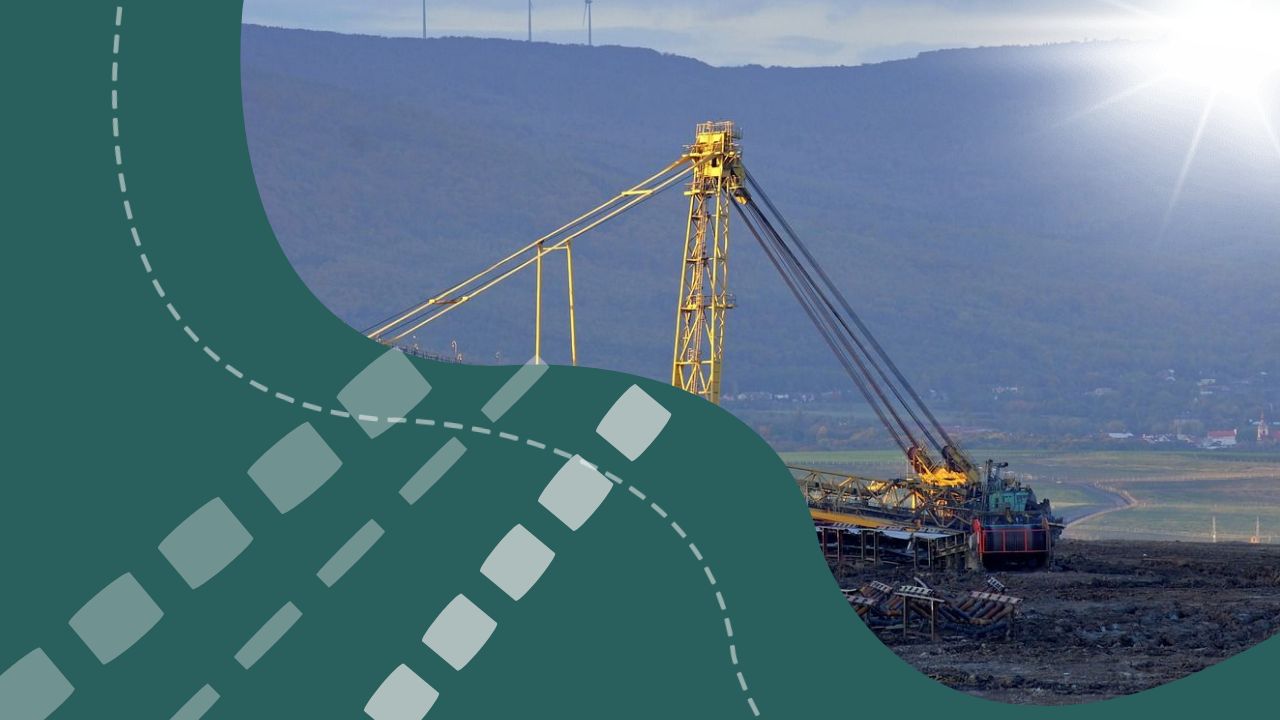
    A Polish coal mine situated near the Czech border has received temporary reprieve and will continue its operations for the time being, as per a report by the state news agency PAP on Wednesday. This decision follows a series of contradictory court rulings that have left the mine’s fate uncertain.

    Under the previous nationalist Law and Justice (PiS) government, efforts led by environmental activists to close the Turow mine were staunchly resisted. The mine, which supplies lignite to a nearby power plant contributing to 8% of Poland’s energy, has been a focal point of contention.

    According to PAP’s report, a recent court ruling overturned a decision from 2022 that permitted the mine to continue operating. However, the court refrained from passing judgment on policy matters, allowing the mine to remain operational despite the ruling.

    The primary case concerning the Turow mine is still pending in a Warsaw administrative court, which will decide on a government directive issued in February 2023. This directive granted permission for Turow to continue its mining activities until 2044.

    The court’s statement, as cited by PAP, clarified that the ruling pertaining to environmental concerns does not immediately halt the mine’s operations, and it did not evaluate the state’s energy policy.

    Environmental organizations have long criticized the environmental impact of the Turow open-pit mine and have filed multiple lawsuits aimed at ceasing its activities.

    In response to the latest developments, the state-controlled utility PGE unit, which owns the Turow mine and the adjacent power plant, stated that it is awaiting the written justification of the court’s decision and is assessing its next steps in this ongoing legal battle.

    The current government, elected in October, has expressed its commitm

  • Romanian Government Prevails in Legal Battle Against Canadian Mining Company

    Romanian Government Prevails in Legal Battle Against Canadian Mining Company

    After a prolonged legal battle, the Romanian government has emerged victorious in a dispute with Canadian mining firm Gabriel Resources over a failed gold and silver mining project in the country’s mountainous western region of Rosia Montana.

    Gabriel Resources, which held concession rights for the project, sought $4.4 billion in damages from the Romanian state after it withdrew its support for the venture in 2014. The project faced staunch opposition from environmentalists and local activists due to its potential environmental impact, including the displacement of families and the creation of a waste lake containing cyanide.

    The ruling, delivered by the International Centre for Settlement of Investment Disputes, ordered Gabriel Resources to cover the legal costs incurred by the Romanian government during the arbitration process initiated by the Canadian company in 2015.

    Romania’s Prime Minister Marcel Ciolacu expressed gratitude to the legal team for their professionalism and emphasized that it would have been unjust for Romanian citizens to bear the financial burden of a potential loss.

    The contentious project, planned over a 16-year period, would have entailed the destruction of mountainous terrain and posed environmental risks. The opposition to the project culminated in widespread protests in 2013, drawing tens of thousands of demonstrators to the streets.

    Rosia Montana, the site of the proposed mining project, holds significant historical value as it is home to ancient Roman mining galleries, recognized as a UNESCO World Heritage site in 2021.

    Despite arguments from Gabriel Resources regarding potential job creation in the region, the project’s environmental concerns and opposition from local communities ultimately led to its abandonment.

  • Afganistan’s Qosh Tepa canal likely exacerbate water issues in Central Asia

    Afganistan’s Qosh Tepa canal likely exacerbate water issues in Central Asia

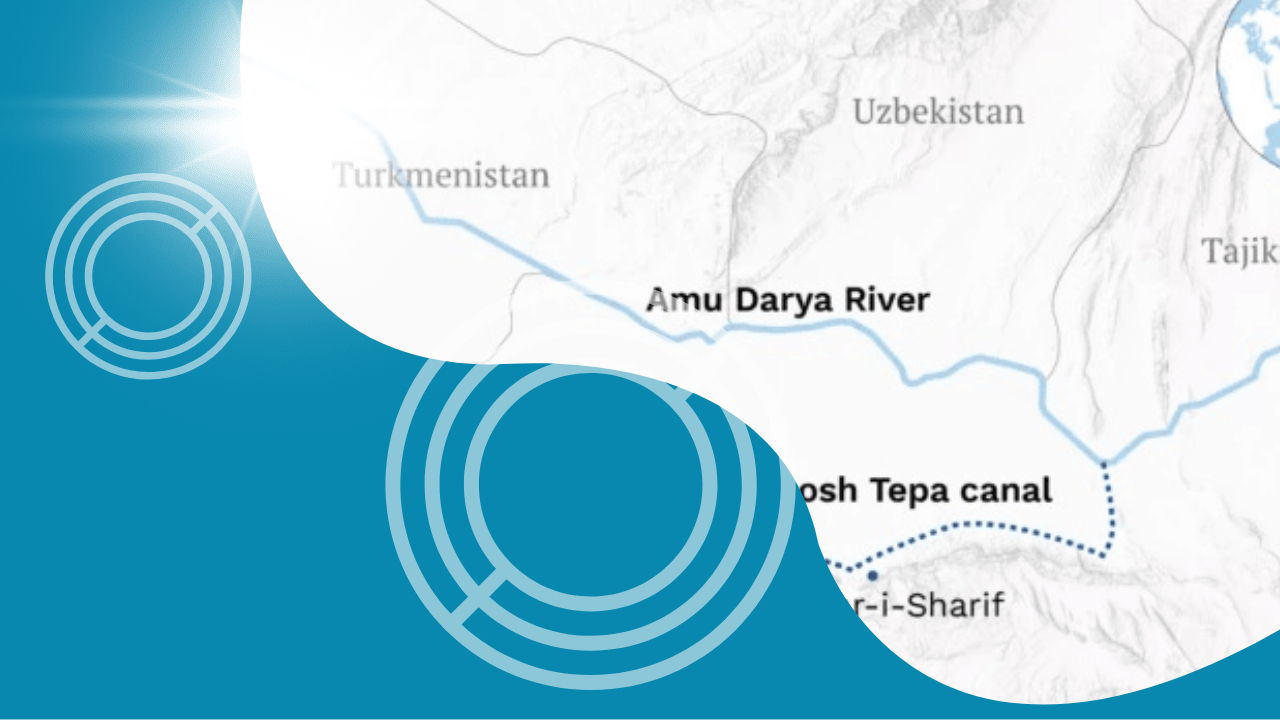
    The construction of the Qosh Tepa Canal in Afghanistan is poised to have significant implications for economic development and the mining industry in Central Asia. The canal, intended to irrigate vast areas of arid land, has sparked concerns and discussions among neighbouring countries like Uzbekistan and Turkmenistan due to its potential impact on water resources and agricultural production.

    Economic Development:

    • Water Woes: Uzbekistan and Turkmenistan are currently facing severe water shortages, with projections indicating a significant deficit by 2030. The canal’s diversion of water from the Amu Darya River could exacerbate these shortages, affecting agricultural productivity in both countries.
    • Agricultural Impact: Given that Uzbekistan and Turkmenistan heavily rely on agriculture, any decline in water flow due to the canal could lead to increased salinisation and reduced agricultural output, impacting their economies.
    • Regional Cooperation: The construction of the canal highlights the need for new agreements on water management between Afghanistan and its Central Asian neighbours to foster regional cooperation in sustainable water management.

    Mining Industry:

    • Chinese Investment: The Taliban government announced a significant investment by a Chinese mining company in Afghanistan, aiming to mine resources and develop infrastructure. This investment could potentially impact the mining landscape in the region.
    • Economic Crisis Alleviation: Discussions among key regional players like China, Russia, Pakistan, and Iran indicate a broader interest in addressing Afghanistan’s economic crisis, which could influence mining activities and economic dynamics in Central Asia.

    While the construction of the Qosh Tepa Canal presents opportunities for agricultural development in Afghanistan, it also raises concerns about water scarcity and economic repercussions for neighbouring countries. The influx of investments into Afghanistan’s mining sector adds another layer of complexity to the economic landscape of Central Asia, emphasising the interconnectedness of regional economies and the importance of sustainable resource management agreements.

  • University of Leicester-led training centre to fuse AI into metals industry

    University of Leicester-led training centre to fuse AI into metals industry

    A new training centre at the University of Leicester aims to boost the metals industry with the skills in data and artificial intelligence to take on the global competition of the future.

    The new £18 million Centre for Doctoral Training (CDT) in Digital Transformation of Metals Industry (DigitalMetal) has been funded by the Engineering and Physical Sciences Research Council (EPSRC), who announced £7m funding today (12 March), five partner universities (Birmingham, Leicester, Loughborough, Nottingham and Warwick) and industry.

    It’s part of the UK’s biggest-ever investment in engineering and physical sciences doctoral skills, totalling more than £1 billion, announced by Science, Innovation and Technology Secretary Michelle Donelan today. 65 Engineering and Physical Sciences Research Council (EPSRC) Centres for Doctoral Training (CDTs) will support leading research in areas of national importance including the critical technologies AI, quantum technologies, semiconductors, telecoms and engineering biology.

    The DigitalMetal CDT has been designed to meet a national, strategic need for training a new generation of technical leaders able to lead digital transformation of metals industry and its supply chain with the objective of increasing agility, productivity & international competitiveness of the metals industry in the UK.

    It will provide postgraduate training that combines metals and alloy engineering with digital technology and AI skills, to help the UK metals and manufacturing industries to reap the benefits of ‘big data’. The vision is to deliver the future industry leaders who can rapidly take advantage of the latest discoveries in manufacturing processes through digital twinning to enable defect-free, ‘right first-time’ manufacturing at reduced costs.

    The metals industry is a vital component of the UK’s manufacturing economy and makes a significant contribution to key strategic sectors such as construction, aerospace and space, automotive, energy, defence and medical, directly contributing £20bn to UK GDP, and underpins over £190bn manufacturing GDP.

    Professor Hongbiao Dong FREng from the University of Leicester School of Engineering, and Director of the Centre, said: “Without a new cadre of leaders in digital technologies, equipped to transform discoveries and breakthroughs in metals and manufacturing technologies into products, the UK risks entering another cycle of world-leading innovation but losing the benefits arising from exploitation to more capable and better prepared global competitors.

    “For the UK metal industry to lead at a global level, we must raise its competitiveness and create robust and agile manufacturing processes and sustainable supply chains enabled by digital technology. DigitalMetal CDT is timely due to the readiness of smart digital technology and the availability of new scientific advances to help move the industry to Industry 4.0 and sustainability.  Future students trained by DigitalMetal CDT will lead this important industry sector to drive economic growth, job creation and global inward investment in the current challenging post Brexit and Covid-19 economic landscape.”

    Professor Sarah Davies, Pro Vice-Chancellor and Head of the College of Science and Engineering said: “I am delighted that the University of Leicester will be working with the EPSRC, our four partner universities and thirty-five industrial partners to develop and deliver high-quality, exciting research training to our future scientists and engineers. The University of Leicester has a strategic commitment to nurture the next generation of researchers and this Centre for Doctoral Training, led by Professor Hongbiao Dong FREng, will train metals and manufacturing researchers and engineers with the required combination of experimental, analytical, computational, and business and professional skills needed for innovation.”

    Professor Charlotte Deane, Executive Chair of the Engineering and Physical Sciences Research Council, part of UK Research and Innovation, said: “The Centres for Doctoral Training announced today will help to prepare the next generation of researchers, specialists and industry experts across a wide range of sectors and industries.

    “Spanning locations across the UK and a wide range of disciplines, the new centres are a vivid illustration of the UK’s depth of expertise and potential, which will help us to tackle large-scale, complex challenges and benefit society and the economy.

    “The high calibre of both the new centres and applicants is a testament to the abundance of research excellence across the UK, and EPSRC’s role as part of UKRI is to invest in this excellence to advance knowledge and deliver a sustainable, resilient and prosperous nation.”

    Science and Technology Secretary, Michelle Donelan, said: “As innovators across the world break new ground faster than ever, it is vital that government, business and academia invest in ambitious UK talent, giving them the tools to pioneer new discoveries that benefit all our lives while creating new jobs and growing the economy.

    “By targeting critical technologies including artificial intelligence and future telecoms, we are supporting world-class universities across the UK to build the skills base we need to unleash the potential of future tech and maintain our country’s reputation as a hub of cutting-edge research and development.”
  • Germany’s Dependence on Rare Earths and Critical Metals Threatens Economic Stability

    Germany’s Dependence on Rare Earths and Critical Metals Threatens Economic Stability

    A recent study by IW Consult at the German Economic Institute and Fraunhofer Systems and Innovation Research (ISI) has highlighted Germany’s reliance on imports of rare earths, copper, and lithium and their significance to the economy.

    The study reveals that nearly one-third of the added value in Germany’s manufacturing sector is linked to goods containing copper, while lithium-containing goods contribute to one-tenth, and those containing rare earths make up over a fifth.

    Industries such as automotive and electronics heavily rely on these raw materials, with car manufacturers and suppliers being particularly vulnerable.

    China currently dominates the rare-earth market, with other potential sources like Greenland, Canada, and Sweden remaining underexplored. Despite efforts to diversify supply chains, over 80% of the market is controlled by the top three suppliers.

    A substantial portion of Germany’s imports of these critical materials comes from China, posing a significant risk due to potential trade restrictions and export controls imposed by the Chinese government.

    The study also underscores the importance of Russia and Chile as key suppliers of copper and lithium, respectively, highlighting the diverse range of countries involved in Germany’s supply chain.

    Matthias Wachter from the Federation of German Industries (BDI) warns that dependence on Chinese raw materials surpasses that of Russian gas, emphasizing the vulnerability of supply chains to geopolitical tensions and export regulations.

    Cornelius Bähr of the German Economic Institute (IW Köln) emphasizes the need for diversification, domestic production, and recycling to mitigate supply chain risks and ensure resilience.

    Fritzi Köhler-Geib, chief economist at KfW, stresses the importance of securing the entire supply chain to support Germany’s green and digital transformation, despite initial costs.

    In the face of looming threats to industrial production and climate ambitions, Wachter calls for urgent action to safeguard supply security and prevent potential economic setbacks.

    Bähr warns that failure to address these vulnerabilities could jeopardize Germany’s industrial prowess and hinder progress towards a sustainable future, highlighting the urgent need for strategic planning and investment.

  • Beogradska Elektrana Plans Investment in Geothermal Energy Exploration

    Beogradska Elektrana Plans Investment in Geothermal Energy Exploration

    The public utility company Beogradska Elektrana is now planning to invest in the drilling of a research and exploratory well to evaluate the feasibility of supplying geothermal energy to its geothermal heating plant in Batajnica.

    This decision comes after the presentation of the results of a study done by the Faculty of Mining and Geology that identified three high-potential sites for geothermal heating – Batajnica, Borca, and Dunav. Each of these areas has the potential to support between 5 to 20 MW of heating capacity. The heating plants identified in this study align with the results of a similar study done in 2023, although the more recent study proposes a shorter list of potential sites for development.

    The study was done based on geological data collected through research, analysis of archival materials, and recorded data of operating parameters of the heating plants.

    During the discussion, it was concluded that the exploitation of geothermal energy at the Batajnica heating plant has the potential to substitute more than 90% of the annual amount of fossil fuel-based energy generated in this heating plant. Thus, Vanja Vukic, Director of Beogradska Elektrana, stated that the company now plans to invest in exploratory drilling to confirm the predicted parameters for geothermal heating capacity.

    The plan is for the drilling of the exploration well to start this year, with the aim of utilizing heat from the well for the 2025/2026 heating season.

    Serbia currently has a single operation geothermal heating plant in Bogatic, which started construction in 2018 and became operational a year after.

  • Polymetal завершила продажу российских активов и сосредотачивается на операциях в Казахстане

    Polymetal завершила продажу российских активов и сосредотачивается на операциях в Казахстане

    Polymetal (Polymetal International plc) объявила 11 марта о завершении сделки по продаже своих российских активов. Polymetal, второй по величине производитель золота в Казахстане, сообщила об этом, как сообщает Orda.kz.

    По информации пресс-службы компании, Polymetal заключила сделку по продаже 100% акций АО “Полиметалл” (холдинговой компании российских активов группы) компании АО “Мангазея Плюс”. Этот шаг был направлен на снижение рисков. Главный исполнительный директор Polymetal Виталий Несис заявил, что в мае компания намерена представить новую стратегию и политику распределения капитала.

    “После завершения сделки чистая денежная позиция группы составляет около 130 миллионов долларов”, – говорится в пресс-релизе Polymetal.

    Группа Polymetal является вторым крупнейшим производителем золота в Казахстане, имея два производственных актива в стране: Кызыл (месторождение Бакырчик, Абайская область) и Варваринский хаб (месторождения Варваринское и Комаровское, Костанайская область). Компания также контролирует Иртышский ГМК. Polymetal зарегистрирована в МФЦА с головным офисом в Астане, а её крупнейшим акционером (доля в 23,9%) является компания Maaden International Investment из Омана.

    Акционеры компании утвердили продажу российских активов на собрании 7 марта. Сделка направлена на восстановление акционерной стоимости группы Polymetal за счёт снижения рисков. Продажа российского бизнеса позволит компании сосредоточиться на развитии и исследованиях казахстанских месторождений.

    Polymetal International plc была одной из компаний, которые переехали в Казахстан из России. Было объявлено в мае 2023 года, что группа смещает фокус на развитие своего казахстанского бизнеса и будет зарегистрирована в МФЦА.