Website: Kazakhstan.com

  • Exploring the Future of Mineral Discovery in Kazakhstan’s Sayak District

    Exploring the Future of Mineral Discovery in Kazakhstan’s Sayak District

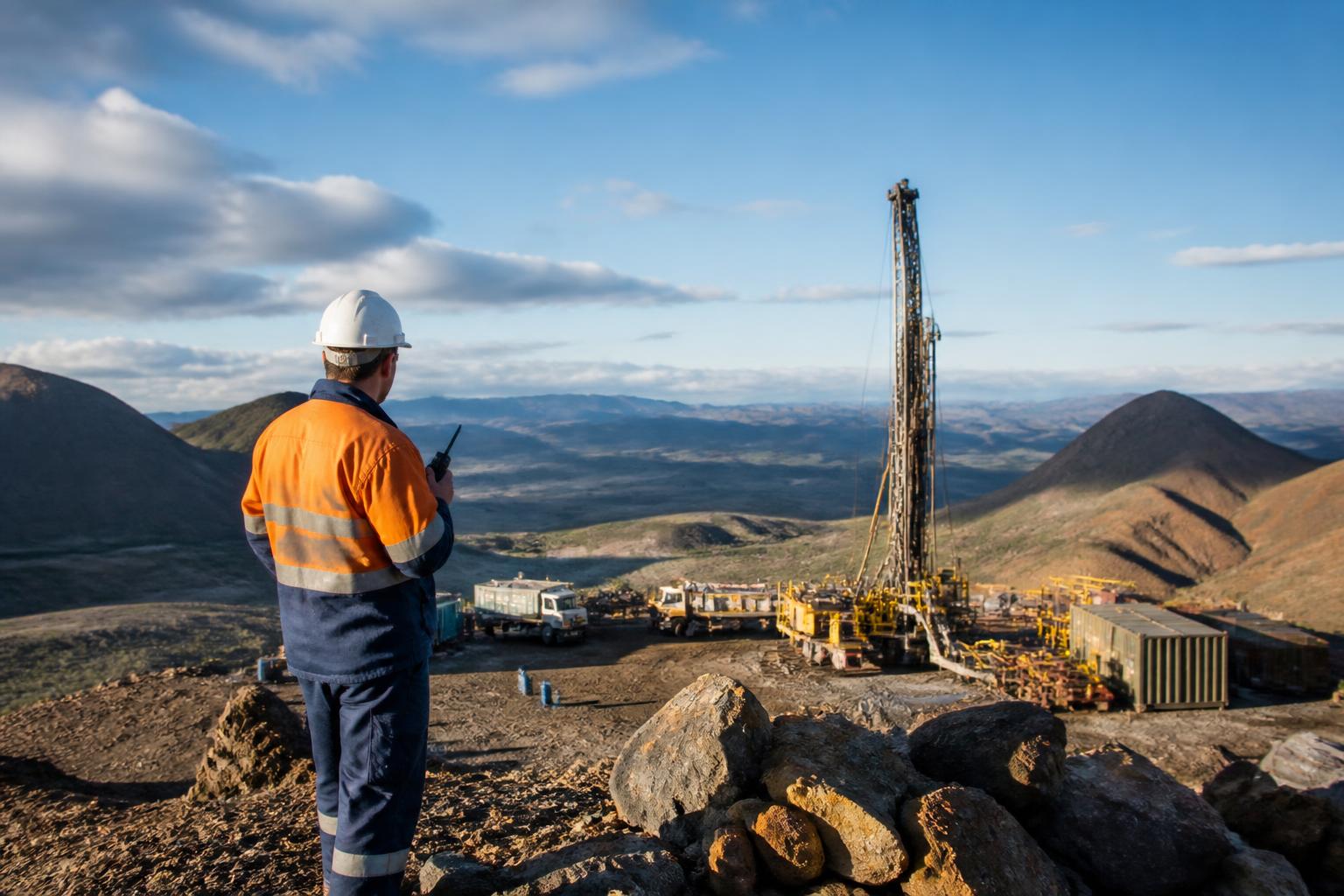
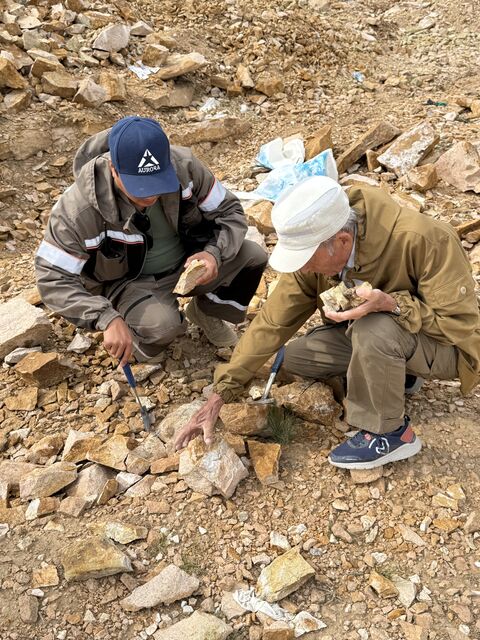
    In a recent visit to the Globmine Resources gold project located in the Sayak district of Northern Balkhash, a team of geologists, including two of Kazakhstan’s most esteemed exploration experts, Yerlan Nabiev and Daulet Muratbekov, highlighted the importance of experience and innovation in mineral exploration. Major mineral discoveries are seldom the result of luck; they stem from decades of accumulated knowledge, disciplined exploration, and a synergy between experience, capital, and cutting-edge technology.

    Yerlan Nabiev, a veteran geologist with over fifty years of experience in the Sayak region, has played a pivotal role in the discovery and evaluation of numerous mineral deposits. His extensive knowledge has earned him recognition as a ‘Discoverer of Mineral Deposits’ in Kazakhstan. Alongside him, Daulet Muratbekov brings decades of field experience across Northern Balkhash, contributing to a rich understanding of the area’s geology.

    During the site visit, the team engaged in discussions about mineralisation, structural controls, and future exploration phases. A notable remark from Nabiev resonated with the team: ‘I have worked in this region for fifty years. At best, we have explored only about thirty percent of it. There are still many discoveries waiting to be made.’ This statement underscores the vast potential that remains untapped in the region, serving as a roadmap for future exploration efforts.

    Aurora, the company behind the project, is committed to building a world-class exploration enterprise by preserving and transferring geological knowledge across generations. This commitment goes beyond traditional methods of documentation; it involves hands-on engagement in the field with seasoned geologists who have significantly contributed to Kazakhstan’s mineral discovery landscape.

    By integrating the expertise of local geologists with modern techniques such as geophysics, remote sensing, 3D modelling, and adherence to CRIRSCO reporting standards, Aurora aims to enhance its exploration capabilities. The Sayak copper-gold district has already yielded some of Kazakhstan’s most significant mineral discoveries, and Aurora believes that this is just the beginning of a new chapter in the region’s geological narrative. With a focus on innovation and collaboration, the company is poised to uncover further valuable resources in the Sayak district.

  • Strengthening Transatlantic Ties: Canada and the EU’s Critical Minerals Strategy

    Strengthening Transatlantic Ties: Canada and the EU’s Critical Minerals Strategy

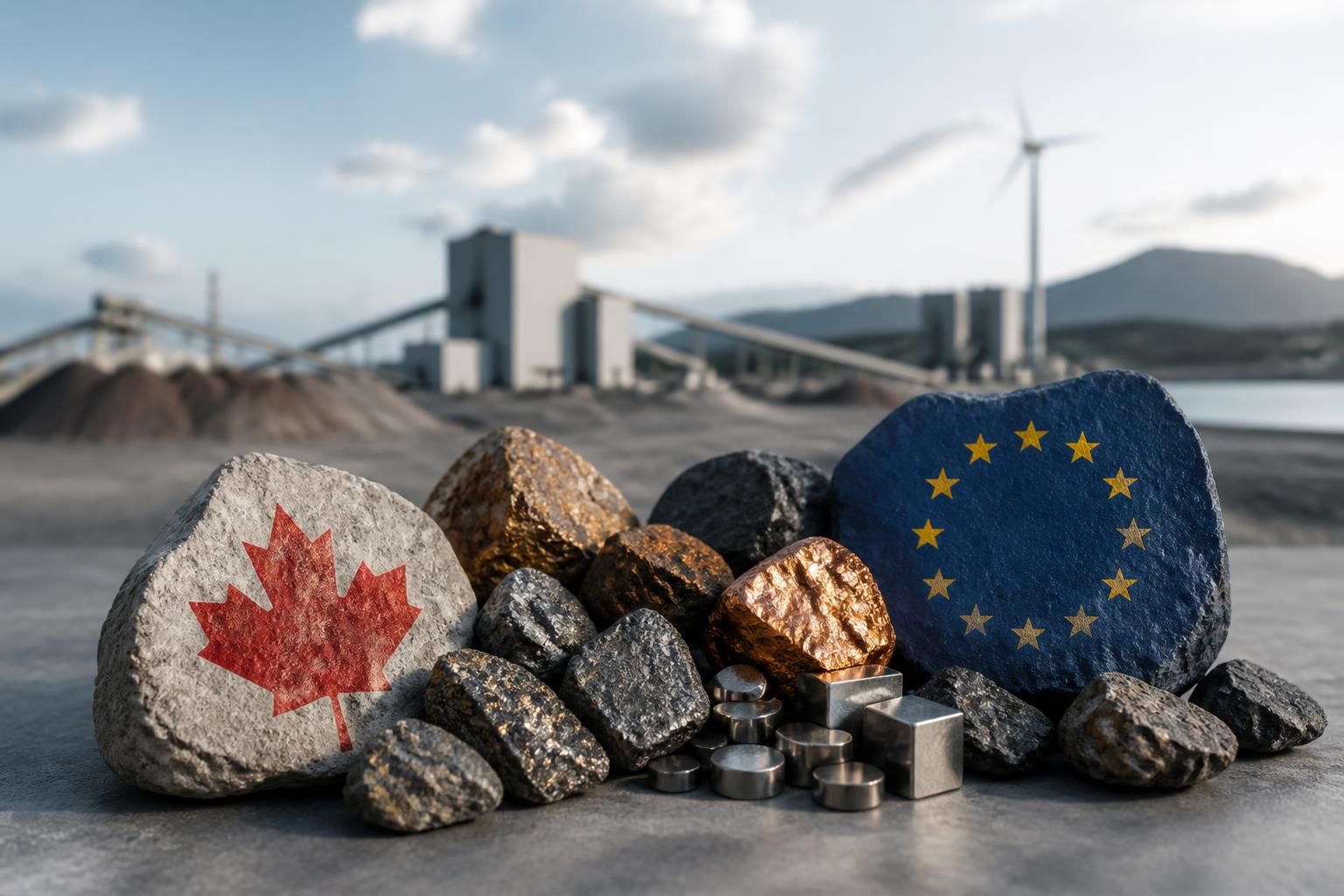
    In recent years, Canada and the European Union have significantly enhanced their transatlantic relationship, particularly in the realm of critical minerals supply chains. This collaboration gained momentum following the implementation of the EU’s Critical Raw Materials Act (CRMA) in May 2024, which set ambitious targets for the EU to meet its own strategic raw materials needs. By 2030, the EU aims to ensure that at least 40% of its annual consumption of these materials is processed within its borders, alongside goals for domestic extraction and recycling. This benchmark highlights the importance of the midstream sector, where processing and refining activities bridge the gap between raw mining and manufacturing.

    The EU’s heavy reliance on imports for refined materials, which rose from 83% in 2011 to 90% by 2023, underscores the urgency of developing a more resilient supply chain. China’s dominance in the processing of critical minerals, controlling 19 out of 20 energy-transition minerals, has raised concerns in Europe, particularly as Chinese export controls have led to production stoppages in European factories. Despite these challenges, Europe possesses a robust base of metals smelters that can be modernised and expanded with targeted investments.

    The CRMA aims to foster economic and social development by encouraging processing in developing countries, while also ensuring that Europe can source value-added materials directly from its partners, rather than relying on Chinese processing. The EU’s strategy includes prioritising essential materials for future technologies, streamlining project permitting, facilitating finance, and establishing strategic partnerships with non-EU countries.

    While the 40% benchmark is not legally binding, it serves as a guiding principle for the EU’s efforts to enhance its refining capacity. Progress has been mixed, with notable advancements in lithium and nickel refining, but significant gaps remain in areas like magnesium and titanium. Canada, with its own Critical Minerals Strategy, is well-positioned to become a leader in the global mining sector, leveraging its processing capabilities and access to low-cost, low-carbon energy.

    The bilateral relationship between Canada and the EU is further strengthened by the Comprehensive Economic and Trade Agreement (CETA) and the 2021 strategic partnership on critical raw materials. However, both parties must focus on solidifying projects and co-investments to secure minerals and refined metals. Collaborative efforts, such as the G7 Critical Minerals Production Alliance and NATO’s initiative on critical raw materials, highlight the potential for Canada and the EU to work together in building resilient supply chains.

    As the global landscape evolves, Canada and the EU must address the challenges posed by export controls and price volatility in the critical minerals market. By focusing on midstream cooperation, shared projects, and predictable offtake agreements, they can establish a stable foundation for the materials essential to clean technology, digital innovation, and defence industries. The midstream sector represents a crucial area for building resilience and ensuring secure supply chains, where Canada’s strengths in extraction and Europe’s processing expertise can create a mutually beneficial partnership.


  • Tin One Mining and North Kazakhstan Akimat Sign Investment Memorandum for Syrymbet Deposit

    Tin One Mining and North Kazakhstan Akimat Sign Investment Memorandum for Syrymbet Deposit

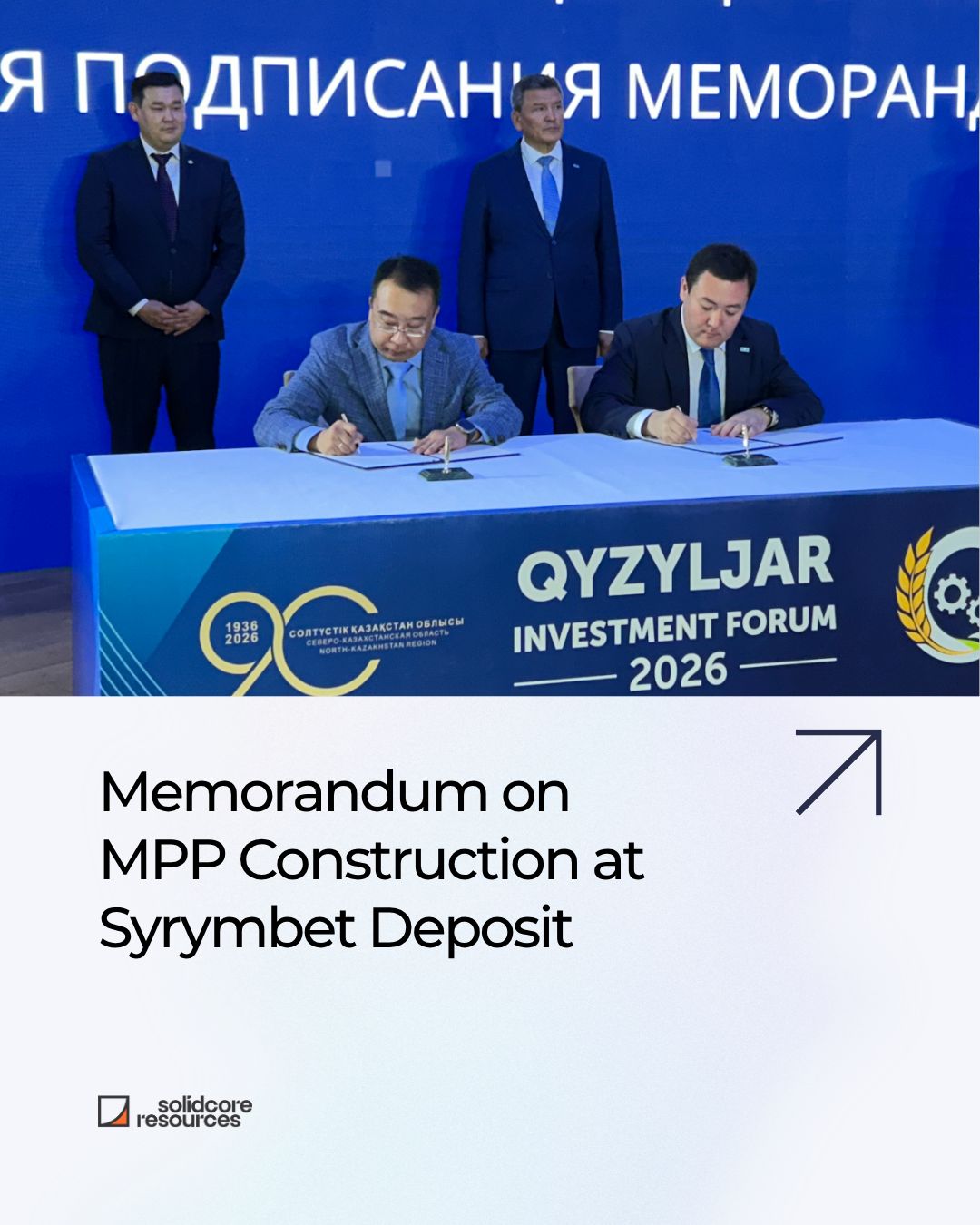
    Tin One Mining, a subsidiary of Solidcore Resources, has signed a significant Memorandum with the Department of Entrepreneurship and Industrial-Innovative Development of the North Kazakhstan region Akimat, marking a pivotal step in the development of the Syrymbet tin deposit. This agreement was formalised during the Qyzyljar Investment Forum 2026, where both parties committed to the construction of a mining and processing plant (MPP) at the site, which is recognised as the largest undeveloped tin deposit in Central Asia.

    The memorandum solidifies prior discussions regarding the project, which is expected to create substantial employment opportunities and bolster the industrial capacity of the region. The initiative aims to modernise local engineering and transport infrastructure, thereby enhancing the overall economic landscape of North Kazakhstan. The Department of Entrepreneurship and Industrial-Innovative Development will play a crucial role in facilitating the project, ensuring collaboration with government entities, and providing support throughout the investment process.

    Tin One Mining has announced plans to invest a minimum of KZT 150 billion (over US$ 315.5 million) into the development of the Syrymbet deposit, which includes the construction of the MPP and associated infrastructure. The company is dedicated to employing modern extraction and processing technologies that meet global standards for environmental protection and operational safety. Approximately 800 jobs are expected to be created, with a focus on hiring local residents who possess the required qualifications and skills.

    The Syrymbet deposit, discovered in 1985, holds significant reserves, accounting for more than 70% of Kazakhstan’s total tin reserves. The JORC compliant Mineral Resource estimate indicates a total of 492.4 thousand tonnes of tin at a grade of 0.40%, alongside 91.4 thousand tonnes of copper at a grade of 0.07%, equating to approximately 5.9 million ounces of gold equivalent. This project not only represents a major investment in the mining sector but also underscores the potential of Kazakhstan’s mineral wealth in contributing to the region’s economic development.


  • Kazakhstan Completes Digitisation of 4.8 Million Geological Materials

    Kazakhstan Completes Digitisation of 4.8 Million Geological Materials

    Kazakhstan’s Committee of Geology has successfully completed the digitisation of priority geological information, converting a total of 4,818,836 units into digital format, which represents 100% of the planned volume. This extensive archive includes 4,304,239 pages of geological reports and 355,000 maps, diagrams, and drawings. The creation of a unified digital data array is expected to significantly enhance the search for geological information while reducing the risk of losing paper archives.

    The next phase of this initiative will involve the implementation of artificial intelligence (AI) technologies to facilitate document recognition, analyse large datasets, and identify interconnections within the geological information. This advancement aims to further streamline the integration of these materials with the Unified Platform for Subsoil Users, thereby simplifying access for investors and subsoil users to crucial geological data. The digitisation effort not only modernises Kazakhstan’s geological information management but also positions the country as a more attractive destination for investment in the mining sector.

    As the mining industry increasingly relies on data-driven decision-making, Kazakhstan’s move to digitise its geological archives is a significant step forward. By making vital geological information more accessible, the country is not only safeguarding its resources but also enhancing its appeal to both domestic and international investors looking to explore and develop its mineral wealth.


  • Zijin RG Gold Team Visits Tau-Ken Altyn Refinery to Enhance Industry Collaboration

    Zijin RG Gold Team Visits Tau-Ken Altyn Refinery to Enhance Industry Collaboration

    The Zijin RG Gold team recently visited the Tau-Ken Altyn refinery, a key player in Kazakhstan’s precious metals refining sector. This visit provided the team with an opportunity to observe the complete production cycle, including the organisation of technological processes, the accounting system for precious metals, and the approaches to quality assurance, industrial safety, and production control. Such professional meetings are crucial for exchanging experiences and fostering a deeper understanding of industry specifics, ultimately strengthening collaboration among enterprises united by the common goal of developing a modern, efficient, and responsible mining and metallurgical industry.

    During the visit, the Zijin RG Gold team expressed gratitude to the Tau-Ken Altyn staff for their openness and the informative tour, which showcased practical experiences in the field. The interaction highlighted the importance of such engagements in enhancing professional competencies and laying the groundwork for future cooperation. The visit underscores the commitment of both companies to advancing the mining sector in Kazakhstan through shared knowledge and best practices.

    As the mining industry continues to evolve, initiatives like this play a pivotal role in ensuring that companies remain competitive and compliant with international standards. The collaboration between Zijin RG Gold and Tau-Ken Altyn reflects a broader trend in the industry towards increased cooperation and knowledge sharing, which is essential for sustainable growth and innovation in the mining sector.


  • Cove Kaz Capital Group Launches Definitive Feasibility Study for Northern Katpar Tungsten Project in Kazakhstan

    Cove Kaz Capital Group Launches Definitive Feasibility Study for Northern Katpar Tungsten Project in Kazakhstan

    Cove Kaz Capital Group LLC, a U.S.-based company dedicated to the development of critical mineral resources in Kazakhstan, has announced the commencement of a Definitive Feasibility Study (DFS) for its Northern Katpar tungsten project. The study, which is set to begin in July 2026 and conclude by the end of 2027, aims to support a Final Investment Decision and meet the due diligence requirements of potential financing partners, including U.S. financial institutions. The Northern Katpar project is held by Severniy Katpar LLP, in which Cove Kaz holds a 70% controlling interest.

    The engagement of top global engineering firms marks a significant step in the project’s development. DRA Global has been appointed as the lead contractor, responsible for mineral processing, while ERM will oversee geology, mine planning, and environmental frameworks. Knight Piésold will provide expertise in geotechnical and hydrological services. This consortium of contractors will work alongside Cove Kaz’s experienced in-house team, led by CEO Dominic Heaton, who has a proven track record in tungsten mining.

    The DFS will outline the overall mine plan for Northern Katpar and inform the construction of a refinery designed to produce ammonium paratungstate (APT), a key tungsten product. The project is positioned to address the current global tungsten supply deficit, which is particularly acute given the systemic shortages that existing mines cannot meet. With significant undeveloped tungsten resources, the Northern Katpar and Upper Kairakty deposits are expected to contribute approximately 12,000 metric tonnes per annum to global production, representing a substantial share of the market. Cove Kaz Capital Group aims to establish a long-term, secure supply of tungsten to support critical industrial and high-technology applications.


  • Kazakhstan’s Uranium Production Surges by 9% in H1 2026, Reports Kazatomprom

    Kazakhstan’s Uranium Production Surges by 9% in H1 2026, Reports Kazatomprom

    Kazakhstan has reported a significant increase in its uranium production for the first half of 2026, with output rising by 9% compared to the same period last year. According to Kazatomprom, the world’s largest uranium producer, the country produced 13,291 tonnes of uranium in the first six months of 2026, up from 12,242 tonnes in the first half of 2025. This growth highlights Kazakhstan’s pivotal role in the global uranium market, particularly as demand for nuclear fuel continues to rise amid a global push for cleaner energy sources.

    Kazatomprom, which is majority-owned by the Kazakh State fund Samruk-Kazyna, primarily sells uranium oxide concentrate under long-term contracts, with only a small fraction of its production being sold on the spot market. This strategic approach allows the company to maintain stable revenue streams while managing market fluctuations. The increase in production is indicative of Kazakhstan’s commitment to enhancing its mining capabilities and meeting the growing international demand for uranium, especially as many countries look to nuclear energy as a viable alternative to fossil fuels.

    The rise in uranium output also reflects broader trends in the mining sector, where companies are increasingly focusing on sustainable practices and efficient production methods. As Kazakhstan continues to expand its uranium production, it reinforces its position as a key player in the global energy landscape, contributing to the transition towards more sustainable energy solutions. With Kazatomprom listed on the London Stock Exchange since 2019, the company’s performance is closely watched by investors and analysts alike, signalling the importance of uranium in the future energy mix.


  • Kazakhstan to Build Copper Smelting Plant in Balkhash with 750 Billion Tenge Investment

    Kazakhstan to Build Copper Smelting Plant in Balkhash with 750 Billion Tenge Investment

    The government of Kazakhstan has approved an investment agreement for the construction of a copper smelting plant in Balkhash, Karaganda region, with a total investment of 750 billion tenge. The agreement was signed by Prime Minister Olzhas Bektenov and involves the Ministry of Industry and Construction along with Qazaq Smelter LLP. Construction is set to begin in 2027, with the plant expected to commence operations by 2030.

    The new facility will boast an annual production capacity of 300,000 tonnes of cathode copper, alongside the production of 10 tonnes of gold, 300 tonnes of silver, and over 1.5 million tonnes of sulphuric acid. This ambitious project is anticipated to create approximately 1,200 permanent jobs, significantly contributing to the local economy. The introduction of these new capacities is projected to increase Kazakhstan’s copper production by 50%, raising annual output to over 800,000 tonnes.

    Furthermore, the export of high-value-added products is expected to rise from 460,000 tonnes to 760,000 tonnes of copper annually. The plant will be equipped with modern technologies and digital solutions, aligning with global standards in the mining and metallurgy sectors. This initiative underscores Kazakhstan’s commitment to enhancing its mining industry and boosting economic growth through strategic investments.


  • Hongda Group Plans Major Lead and Zinc Project in Kazakhstan

    Hongda Group Plans Major Lead and Zinc Project in Kazakhstan

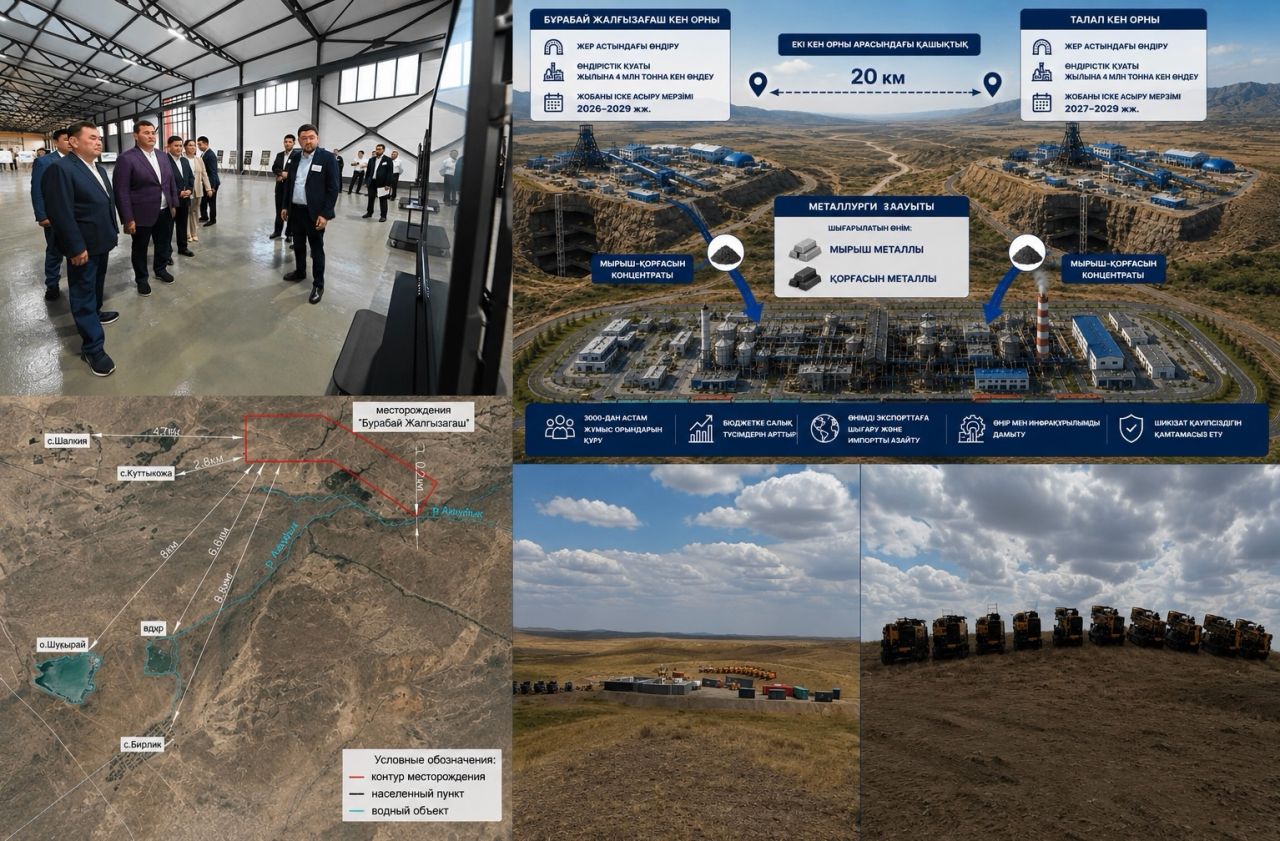
    Hongda Group is set to embark on a significant investment project in Kazakhstan that could surpass Kazcink, positioning itself as the largest producer of lead and zinc in Central Asia. The initiative, valued at $1.3 billion, was highlighted during a recent visit by Kazakhstan’s First Deputy Prime Minister, Nurlan Naliyev, to the Kyzylorda region. The project entails the construction of two underground mines and two processing plants in the Zhanakorgan district, with a combined capacity of 8 million tonnes of ore per year, alongside a full-cycle metallurgical plant. This development is expected to create over 3,000 jobs, contributing significantly to the local economy.

    The project will focus on the Talap and Burabay-Zhalgyzaghash deposits, located approximately 20 km apart. The Burabay-Zhalgyzaghash site will be developed using underground mining techniques to a depth of 500 meters. Both deposits are part of the Akuyuk-Maidantal lead-zinc ore district in the Karatau region, which is also home to the largest deposit in the area, Shalkiya. Initial exploration activities in this region took place between 1980 and 1985, with detailed surveys conducted from 2010 to 2012. The estimated reserves are classified as C2, with forecasted resources rated as P1. Geologists have noted an average zinc content of 2.01% and lead content of 1.62%, with potential for resource growth at depth.

    Investors have indicated that the metallurgical plant will have an annual output of 420,000 tonnes of zinc and 220,000 tonnes of lead, totalling 640,000 tonnes of metals. In comparison, Kazcink is projected to produce 251,800 tonnes of zinc and 76,700 tonnes of lead by 2025. Upon reaching full operational capacity, the new complex could produce 66.8% more zinc and nearly three times the amount of lead than Kazcink. If the project meets its outlined parameters, it stands to become the largest lead and zinc producer in Central Asia. Notably, the Chinese investors have already committed around 9 billion tenge to geological exploration, operating 15 drilling rigs simultaneously. Although official reserves have yet to be disclosed, the scale of drilling and the proposed processing capacity suggest a substantial resource base. An official groundbreaking ceremony is anticipated later this year, marking a significant step in the development of this ambitious project.


  • Teniz Resources Secures 39,000 Hectares for Copper Exploration in Kazakhstan

    Teniz Resources Secures 39,000 Hectares for Copper Exploration in Kazakhstan

    Teniz Resources Ltd, a company led by geologist Madina Kapenova, has been granted access to nearly 39,000 hectares for copper exploration in Kazakhstan. The Akimat of the Atbasar district issued three permits valid until 2031, allowing the company to conduct geological surveys and search for copper deposits in sedimentary rocks. The total area covered by these permits is approximately 38,838.7 hectares, equivalent to around 388 square kilometres. The first permit grants access to 14,458.8 hectares in the Sepievsky rural district, while the other two cover 21,645.1 hectares in the Pokrovsky and Makeevsky rural districts, and an additional 2,734.8 hectares in the Sepievsky village district. The permits are set to expire on May 8, 2031, for the first two areas, and June 28, 2031, for the third.

    While the specific mineral resources are not detailed in the permits, Teniz Resources is associated with a project named Teniz — Sediment-Hosted Copper, as noted on the Aurora Group’s website. The company asserts that the Teniz basin is promising for discovering significant copper deposits in sedimentary formations, with surface manifestations of copper identified in at least five priority zones for further study.

    Founded in the Astana International Financial Centre in August 2024, Teniz Resources is solely owned by Madina Kapenova, who also serves as the CEO, director, secretary, and authorised signatory. Kapenova has a strong background in geology, having previously worked at the Zhayrem Mining and Concentration Complex and in various capacities within the Ministry of Industry and Infrastructural Development of Kazakhstan. The ongoing expansion of geological exploration in Kazakhstan is crucial, especially as the country faces the gradual depletion of known mineral reserves. Recent government initiatives aim to auction off 100 mineral sites under simplified rules, highlighting the increasing importance of discovering new deposits.