Website: Kazakhstan.com

  • Tin One Mining to Construct Major Tin Processing Plant in Kazakhstan

    Tin One Mining to Construct Major Tin Processing Plant in Kazakhstan

    At the Qyzyljar Investment Forum 2026, a significant agreement was reached that paves the way for the industrial development of the largest untapped tin deposit in Central Asia. Tin One Mining, a subsidiary of Solidcore Resources, has signed a memorandum with the relevant administration of the North Kazakhstan region, solidifying plans to build a mining and processing plant at the Sarymbet site.

    According to the memorandum, the investor is committed to investing at least 150 billion tenge (approximately 315.5 million dollars) into the development of the resource, the construction of the facility, and the creation of supporting infrastructure, pending approval from the parent company’s board of directors. Regional authorities will assist the investor in project execution, taking on administrative support and facilitating agreements with government bodies.

    Tin One Mining aims to establish the extraction and processing of raw materials using modern technologies. The company promises to implement advanced global solutions in environmental protection and industrial safety within its operations. Once fully operational, the plant is expected to employ around 800 people, with a preference for hiring qualified specialists from the local community.

    The project’s significance is underscored by the scale of its resource base. The Sarymbet deposit, discovered in 1985, holds over 70% of Kazakhstan’s tin reserves. According to JORC standards, the deposit contains 492.4 thousand tonnes of tin with an average grade of 0.40%, along with by-product copper amounting to 91.4 thousand tonnes at a grade of 0.07%. In total, this equates to approximately 5.9 million ounces of gold equivalent.


  • Esil-Mining to Commence Tungsten Mining in North Kazakhstan by 2028

    Esil-Mining to Commence Tungsten Mining in North Kazakhstan by 2028

    Esil-Mining, a subsidiary of the British company Resources Enterprise Limited, is set to begin tungsten extraction at the Aksoран deposit in the North Kazakhstan region in 2028. This information is detailed in an environmental impact report associated with the revised mining plan, which was reviewed by the Qazba.kz portal.

    According to the project documentation, preparatory and capital mining works are scheduled for 2027, with industrial ore extraction commencing the following year. By this time, a processing plant is also expected to be operational.

    The deposit will be mined using underground methods, which are projected to provide maximum economic efficiency compared to open-pit or combined mining techniques. The mine’s operational lifespan is estimated at 16 years, with 13 years dedicated to extraction. Once at full capacity, the site will produce approximately 1 million tonnes of ore annually.

    The operational reserves of the deposit are reported to be 13.9 million tonnes of ore, with a tungsten trioxide content of 0.45%, equating to around 61.9 thousand tonnes of the metal. Additionally, the ore contains a by-product of molybdenum, estimated at about 3.8 thousand tonnes.

    The site is located within the protective zone of the Kokshetau National Park, where a ban on geological exploration and extraction has been in place since 2021. However, Esil-Mining is exempt from this restriction as it obtained the necessary permits in 2020, prior to the amendments coming into force, allowing the company to operate in compliance with the law.

    Nonetheless, the proximity to a protected natural area imposes certain limitations on the operator. For instance, only electric equipment is to be used in the mining operations. All machinery, except for the watering underground machine and surface transport, will also be electrically powered.


  • Solidcore Resources Secures $600 Million Financing for Gold Processing Plant in Kazakhstan

    Solidcore Resources Secures $600 Million Financing for Gold Processing Plant in Kazakhstan

    Solidcore Resources, a gold producer, has secured $600 million in financing from the European Bank for Reconstruction and Development (EBRD) and a syndicate of commercial banks, including ING, Société Générale, and Abu Dhabi Commercial Bank (ADCB). The EBRD will provide $300 million over a ten-year period, while the commercial banks will contribute an additional $300 million, with each bank committing $100 million. The initial term of the credit line is set for five years, with an option to extend it to seven years. The agreement also allows for an increase in funding by up to $300 million. The Ertis Hydrometallurgical Plant (ЕГМК) will act as a co-borrower alongside Solidcore.

    The financing package includes a three-year grace period, with the repayment of the principal amount commencing after the completion of the plant in 2029. Hussein Ozhan, EBRD’s Managing Director for Central Asia and Mongolia, highlighted that the development of local processing capacities and high-value product manufacturing will enable Kazakhstan to retain a greater share of added value within the country. He emphasized the bank’s commitment to promoting advanced metallurgical technologies, creating new jobs in the Pavlodar region, diversifying Kazakhstan’s mining sector, and enhancing its international competitiveness.

    In addition to the EBRD financing, Solidcore has signed a preliminary agreement with KfW IPEX-Bank for a $100 million credit line over seven years, with documentation currently being prepared.

    The ЕГМК will focus on extracting gold from previously difficult-to-process ores, located within the special economic zone of Pavlodar. Once operational, the plant is expected to process up to 300,000 tonnes of gold-bearing concentrate annually, producing up to 500,000 ounces of doré gold from the Kyzyl deposit and additional feedstock.

    The capital expenditure for the ЕГМК is estimated at approximately $1 billion, with Solidcore planning to finance part of this through loans and the remainder from its own funds. The company anticipates that the project will create around 500 permanent jobs upon completion.

    CEO Vitaly Nesis stated that the establishment of the hydrometallurgical plant in Pavlodar aims to mitigate production, market, and geopolitical risks. Construction has already commenced, with an autoclave installed for processing gold-bearing raw materials. The project has received a positive conclusion from the state expertise for the construction of the ЕГМК and its associated infrastructure, with over a thousand workers currently on-site.

    Solidcore is actively developing several mining projects, including the Bakyrchik deposit in the Abai region and the Varvarinskoye and Komarovskoye deposits in the Kostanay region. The company has reported a remarkable 222% increase in sales volume in the first quarter of 2026, reaching 123,000 ounces in gold equivalent, with revenues soaring 5.5 times to $595 million.


  • Tin One Mining Signs Memorandum for Tin Processing Plant in Kazakhstan

    Tin One Mining Signs Memorandum for Tin Processing Plant in Kazakhstan

    Tin One Mining has entered into a memorandum with the administration of the North Kazakhstan region to implement an investment project for the construction of a mining and processing plant at the Sarymbet tin deposit. The company plans to invest at least 150 billion tenge (approximately $315.5 million) into the development of the deposit, the construction of the processing plant, and associated infrastructure. This investment is subject to approval by the board of directors of Solidcore Resources, which controls the project.

    The Sarymbet deposit is noted as the largest undeveloped tin deposit in Central Asia, with resources estimated at 492.4 thousand tonnes of tin at a grade of 0.40% and 91.4 thousand tonnes of copper at a grade of 0.07%, according to JORC standards. The deposit accounts for over 70% of the total tin reserves in Kazakhstan. Discovered in 1985, the site has significant potential for contributing to the region’s industrial growth.

    Approximately 800 jobs are expected to be created as part of this project, with a focus on hiring local residents who possess the necessary education, qualifications, and professional competencies. Tin One Mining views this initiative as a long-term investment aimed at enhancing the industrial potential of the North Kazakhstan region and the country as a whole.

    The administration has committed to supporting the project’s implementation by facilitating interactions with government bodies and overseeing the investment project throughout its various stages. In November 2024, Solidcore Resources acquired a controlling stake of 55% in the project for $82.5 million from Berkut Mining, which remains involved in the project while Solidcore takes operational control.

    As of August 9, 2026, Tin One Mining is owned by Tin One Holding, which is in turn owned by Solidcore Eurasia LTD and Berkut Mining, both of which are part of the larger Solidcore Resources PLC structure. This investment marks a significant step in the development of Kazakhstan’s mining sector, particularly in the tin industry, which is poised for growth given the increasing global demand for tin and its applications in various industries.


  • Kazakhstan’s Mining Sector: Navigating Investment Challenges Amidst Mineral Wealth

    Kazakhstan’s Mining Sector: Navigating Investment Challenges Amidst Mineral Wealth

    Kazakhstan’s mining sector is at a crossroads, possessing some of the world’s most strategically important mineral reserves yet struggling to attract the necessary capital for exploration and development. Despite holding significant reserves of copper, gold, chromium, and rare earth elements, and being the largest producer of uranium globally, the country faces a paradox where geological potential is overshadowed by investment challenges. Approximately 65% of Kazakhstan’s territory remains geologically underexplored, with around 3,000 exploration licenses issued, but the development of these licenses hinges on attracting investment. A recent report by the Astana International Financial Centre (AIFC) highlights that the mining sector contributed 12.1% to the GDP, amounting to 16.1 trillion tenge (US$34.1 billion) in 2024, and accounted for about 33% of total exports, underscoring its vital role in the economy.

    The report indicates that while foreign direct investment (FDI) in the mining sector has doubled compared to 2019, reaching approximately $3 billion, challenges remain due to the lack of standardized frameworks for reporting mineral reserves. International investors typically rely on systems like the JORC Code for assessing exploration results, but many reserves in Kazakhstan are still classified under outdated systems, creating a structural bottleneck. This lack of alignment with international standards complicates risk assessment and diminishes investor confidence, particularly at the early stages of exploration where junior mining companies, responsible for 60-70% of global mineral discoveries, face significant funding challenges.

    The mining sector’s fragmentation further exacerbates these issues, with many projects operating in isolation and lacking visibility. As Tim Barry, CEO of Arras Minerals Corporation, noted, the industry is experiencing a shortage of new discoveries due to a decade of underinvestment in exploration. The need for increased investment in exploration is critical, especially as global demand for critical minerals continues to rise.

    In response to these challenges, the AIFC has launched a Junior Mining Platform aimed at improving access to capital for early-stage exploration projects. This initiative seeks to create a structured pipeline of projects, enhance transparency, and facilitate connections between investors and junior mining companies. By incorporating financing instruments commonly used in international markets, the platform aims to address the sector’s main challenge: the lack of structured access to capital at the early stages of development.

    Despite these efforts, Kazakhstan’s mining sector must navigate a complex landscape. While the country is well-positioned geographically to become a key player in global critical mineral supply chains, it must also overcome legacy reserve classification issues and enhance regulatory clarity to attract sustained investment. The global capital demand in extractive industries is projected to reach $2.1 trillion by 2050, driven by the energy transition, making Kazakhstan’s ability to meet investor expectations crucial for its mining sector’s future.


  • Regulatory Framework for Mining in Kazakhstan: An Overview

    Regulatory Framework for Mining in Kazakhstan: An Overview

    Kazakhstan’s mining sector is governed by a comprehensive legal framework that ensures state ownership of minerals while facilitating foreign investment. The Republic of Kazakhstan (ROK) retains ownership of subsoil resources, granting licenses for exploration and mining to legal entities. The Code on Subsoil Use 2017 (SSU Code) categorizes mineral resources into solid minerals, hydrocarbons, and uranium, with the Ministry of Industry and Infrastructural Development (MIID) overseeing solid minerals, while the Ministry of Energy (MOE) manages uranium and hydrocarbons due to their significance for energy security.

    The SSU Code is modelled on Australian and Canadian practices and outlines various types of licenses for subsoil rights, including exclusive exploration and mining licenses. Foreign investors can hold mining rights without restrictions, provided they comply with the SSU Code. The licensing process has been digitized to prevent overlaps in mining licenses, and applications can be submitted online. Exploration licenses are essential for obtaining mining licenses, with holders having exclusive rights to apply for mining licenses within their exploration area.

    Kazakhstan’s regulatory environment also includes provisions for environmental protection, requiring permits for activities with potential environmental impacts. The Environmental Code mandates environmental impact assessments (EIA) and public consultations before permits are granted. Furthermore, the ROK has pre-emptive rights over strategic subsoil plots, ensuring that the government retains control over critical resources.

    Foreign lending is generally unrestricted, although lenders must navigate specific regulations related to subsoil rights. Tax legislation in Kazakhstan is subject to frequent changes, impacting corporate income tax, VAT, and other fees associated with mining operations. However, tax incentives may be available for investors engaging in significant development projects.

    Overall, Kazakhstan’s mining sector offers a structured and transparent regulatory framework aimed at attracting foreign investment while safeguarding national interests and environmental standards.


  • Kazakhstan’s Ministry of Finance Transfers 40% Stake in ERG to Samruk-Kazyna Fund

    Kazakhstan’s Ministry of Finance Transfers 40% Stake in ERG to Samruk-Kazyna Fund

    In a shift in ownership, Kazakhstan’s Ministry of Finance has transferred its 40% stake in Eurasian Resources Group (ERG) to the sovereign wealth fund, Samruk-Kazyna. This move, which took effect on 4 August 2026, is seen as a strategic decision aimed at bolstering the national budget and streamlining the management of state assets. Experts suggest that the transfer could generate approximately 897 billion tenge (around $1.9 billion) for the government, echoing previous asset sales that have successfully replenished state finances.

    Nurlan Zhumagulov, director of the Energy Monitor public fund, indicated that the need for budgetary support was a driving factor behind this decision. He noted that similar transactions in the past, such as the sale of stakes in KazMunayGas and Kazatomprom, have provided critical funding for the state. The historical context of ERG’s role in supporting governmental initiatives further complicates the narrative, as the company has often acted beyond its commercial obligations to assist the state.

    Financial analyst Rasul Rysmambetov highlighted that discussions regarding the transfer of ERG’s state stake to Samruk-Kazyna had been ongoing for some time. He explained that ERG has historically taken on responsibilities that extended beyond standard business operations, effectively acting as a financial buffer for the government during challenging times. The management of the state’s stake is expected to transition to the Tau-Ken Samruk structure, although this will necessitate organisational changes and an increase in personnel.

    The consolidation of ERG’s management under a single state entity is viewed as a move towards unifying control over significant national assets. However, the implications of this change remain uncertain, with Rysmambetov cautioning against premature conclusions about its potential impact. The Ministry of Finance has historically been cautious about the company’s initiatives, which raises questions about how the new management structure will navigate the complexities of state-business relations.

    The transfer of shares was officially confirmed by Samruk-Kazyna, which stated that the acquisition aligns with its mandate to manage state assets effectively for the benefit of Kazakhstan. The decision to consolidate ERG under Samruk-Kazyna is part of a broader strategy to enhance the efficiency of state asset management, ensuring that the interests of both the government and the public are adequately represented.

    As ERG continues its operations, the company has reassured stakeholders that its strategic development plans remain intact despite the ownership changes. The new management structure is expected to be led by Kudrat Shamiyev, who will oversee the business’s direction in Kazakhstan. The transition marks a pivotal moment for ERG and the Kazakh mining sector, as the government seeks to optimise its control over vital resources and enhance fiscal stability.


  • Rosatom Proposes Establishment of 3D Printing Centre in Uzbekistan

    Rosatom Proposes Establishment of 3D Printing Centre in Uzbekistan

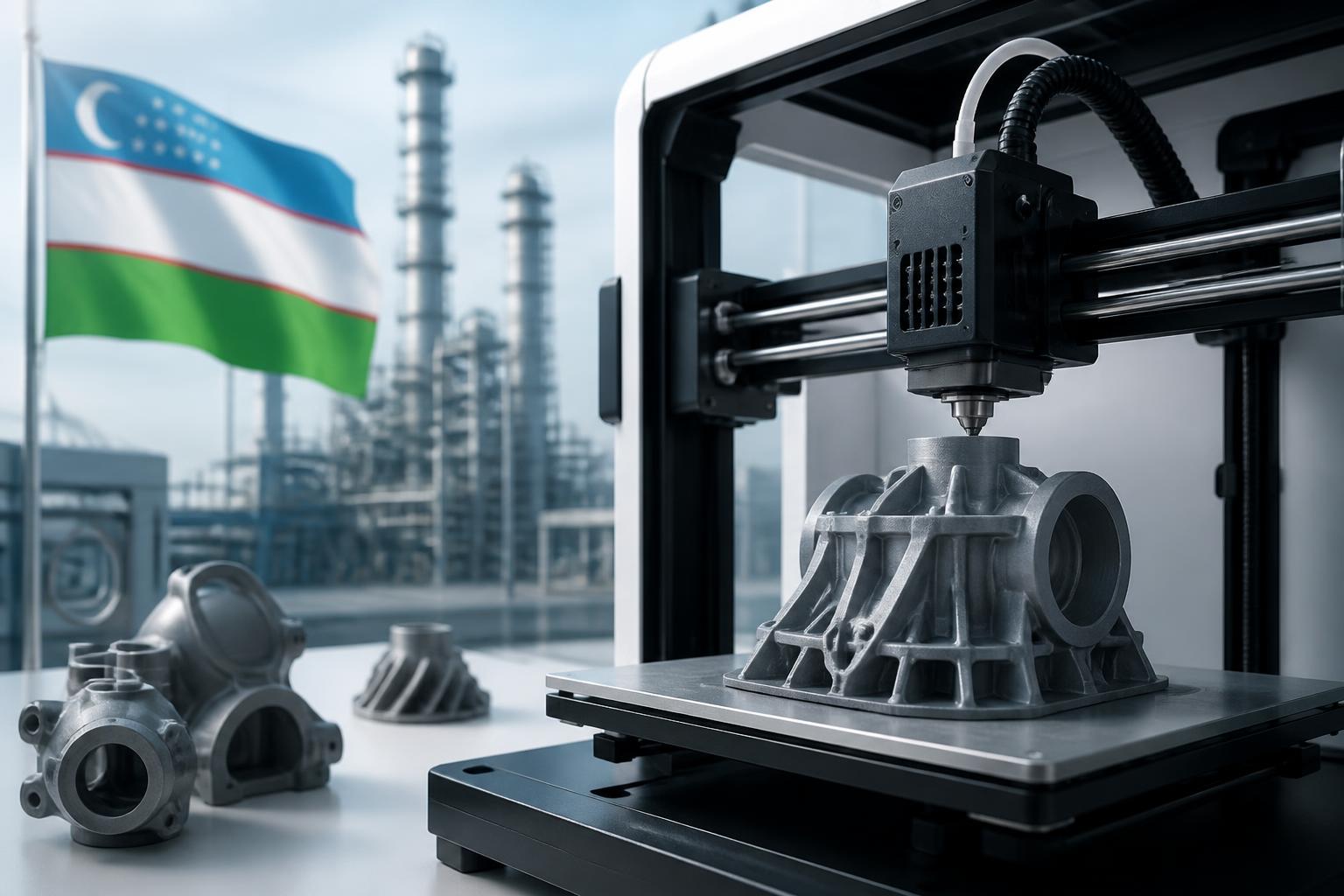
    In a move towards modernising industrial capabilities in Uzbekistan, Rosatom, the Russian state atomic energy corporation, has proposed the establishment of a dedicated 3D printing centre in the country. This initiative was discussed during a specialised seminar held in Tashkent, which focused on the implementation of additive technologies in various sectors, including mining, automotive, and chemicals. The seminar was organised by the Additive Technologies division of Rosatom’s Fuel Division and saw participation from around 30 representatives from key industries, including the Navoi Mining and Metallurgical Combinat and UzAuto Motors.

    Russian experts showcased innovative solutions in additive manufacturing aimed at enhancing production efficiency and enabling the creation of complex products. Technologies discussed included wire arc additive manufacturing, direct laser deposition, and reverse engineering methods. The proposed Centre for Additive Technologies (CAT) aims to form working groups, conduct audits of production capabilities, identify prospective product lines, and develop state support measures to foster the centre’s growth.

    Ilya Kavelashvili, General Director of the Additive Technologies division, emphasised that the advancement of additive manufacturing in Uzbekistan could expedite the repair and modernisation of industrial equipment, reduce reliance on imports, and broaden the technological capabilities of local enterprises. According to Rosatom, global trends indicate a shift in additive technologies from prototyping to serial production, suggesting a promising future for this sector in Uzbekistan.

    The introduction of 3D printing is expected to lower production costs for Uzbek companies, replace a portion of imported products, and enhance the competitiveness of the local industry. This initiative aligns with Uzbekistan’s broader goals of industrial development and technological advancement, positioning the country as a potential hub for innovative manufacturing solutions in the region.


  • Pipeline Burst at Almalyk Copper Processing Plant Triggers Environmental Investigation

    Pipeline Burst at Almalyk Copper Processing Plant Triggers Environmental Investigation

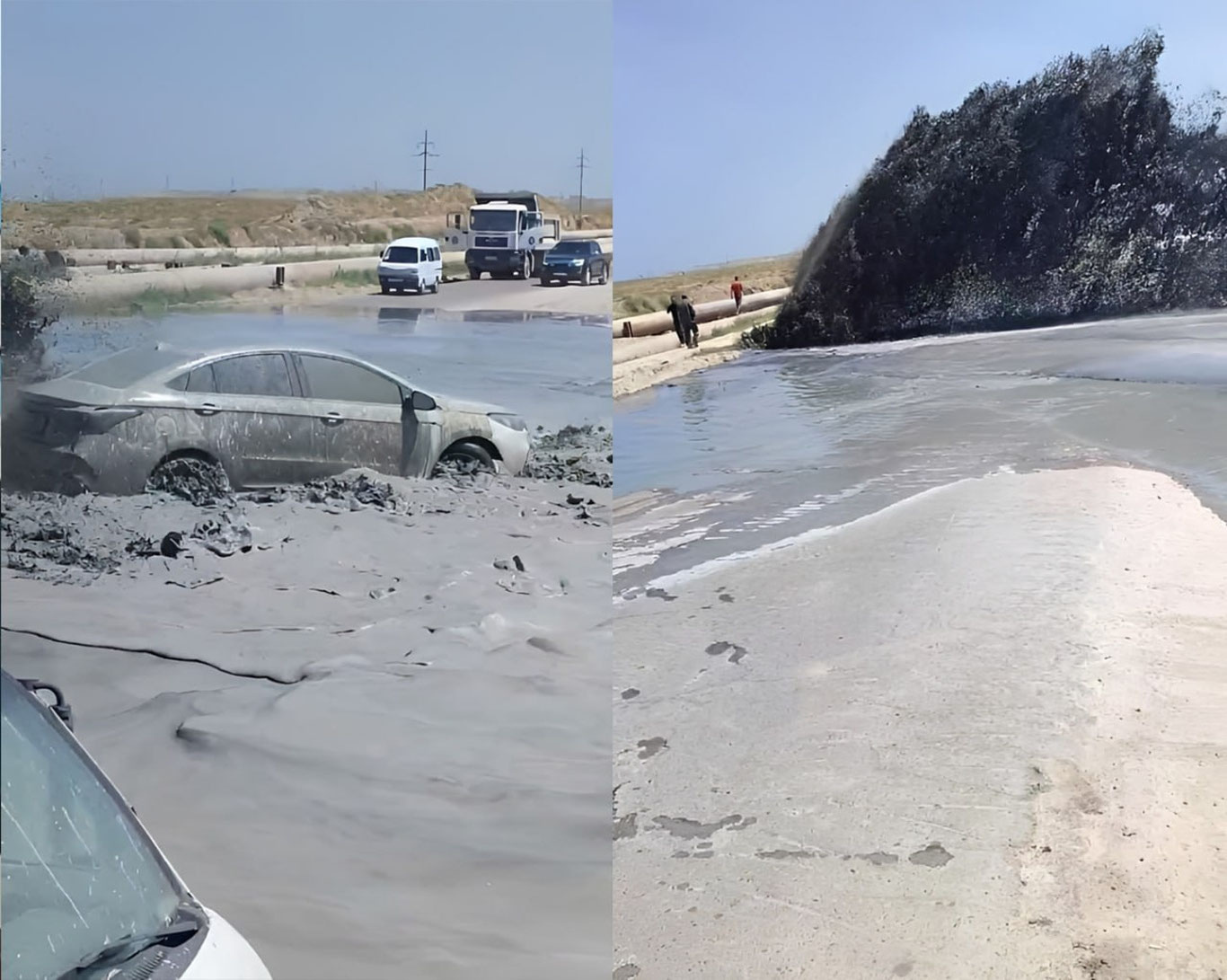
    On 5 August, a major pipeline burst occurred at the Almalyk Mining and Metallurgical Complex (AGMK) in Almalyk, Uzbekistan. The incident involved a pipeline leading to the tailings storage facility of the copper processing plant, which has raised environmental concerns. Videos of the rupture circulated widely on social media, prompting immediate attention from both the public and authorities.

    In response to the incident, AGMK’s press service reported that the malfunction was swiftly addressed by the plant’s specialists, with repair works completed shortly after the incident. However, the situation has drawn scrutiny from environmental regulators. The Main Department of Ecology and Climate Change of the Tashkent region initiated an investigation into the incident, focusing on potential environmental impacts.

    Environmental monitoring staff collected samples from the site for laboratory analysis. The results of these analyses will determine the necessary actions to be taken in accordance with existing legislation regarding environmental protection and management. This incident highlights the ongoing challenges faced by mining operations in ensuring environmental safety and compliance with regulatory standards.

    As the situation develops, stakeholders in the mining industry are urged to remain vigilant about environmental practices and the potential repercussions of such incidents on local ecosystems and communities. The AGMK has committed to transparency and adherence to environmental regulations as they navigate the aftermath of this incident.


  • Kyrgyzaltyn and AzerGold Forge Cooperation in Precious Metal Mining

    Kyrgyzaltyn and AzerGold Forge Cooperation in Precious Metal Mining

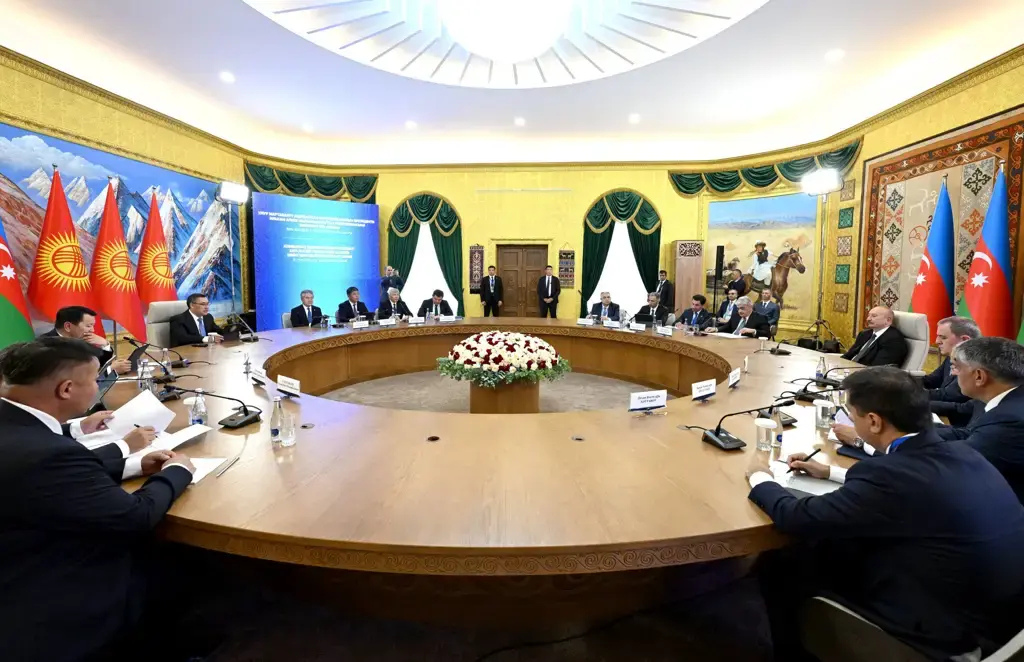
    Kyrgyzaltyn OJSC and AzerGold CJSC have entered into a memorandum of mutual cooperation during a state visit to Kyrgyzstan by Azerbaijan’s President Ilham Aliyev. This agreement is designed to enhance collaboration between the two companies in the precious metal mining and processing sectors. The signing of this memorandum is part of a broader set of bilateral agreements that emerged from discussions between Kyrgyzstan’s President Sadyr Zhaparov and President Aliyev.

    The memorandum signifies a commitment to strengthen ties in the mining industry, which is crucial for both nations given their respective natural resource endowments. By pooling resources and expertise, Kyrgyzaltyn and AzerGold aim to improve efficiencies in gold extraction and processing, potentially increasing output and profitability for both entities.

    In addition to the mining agreement, the two countries have ratified a Treaty on Alliance Relations, which aims to foster cooperation across various sectors including transport, energy, investment, digital services, and finance. This multi-faceted approach indicates a strategic partnership that extends beyond mining, reflecting a comprehensive vision for economic collaboration.

    The agreement also encompasses additional areas of cooperation, such as the supply of oil and petroleum products, financial market development, statistics, cyber security, and freight transport. This holistic strategy is expected to bolster regional ties and enhance economic stability between Kyrgyzstan and Azerbaijan, paving the way for future joint ventures and investments in key sectors.

    As both nations look to leverage their natural resources and enhance their economic frameworks, this partnership could serve as a model for other countries in the region seeking to collaborate on resource management and economic development. The focus on precious metals, in particular, highlights the growing importance of this sector in the global economy, especially as demand for gold and other precious metals continues to rise.