Prague, Czech Republic – March 20, 2025 – The Czech Government has officially designated Euro Manganese’s Chvaletice manganese project as a strategic deposit under recent amendments to the Czech Mining Act, signaling the nation’s commitment to securing a reliable supply of this crucial raw material.
This designation comes as the European Union seeks to strengthen its domestic supply chains for critical minerals, essential for electric vehicle batteries, renewable energy technologies, and various industrial applications.
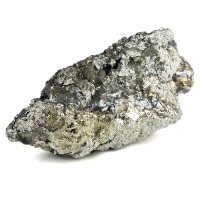
The Chromete Deposit at Chvaletice holds significant reserves of manganese, a metal vital for both the burgeoning green energy sector and traditional industries.
“This is a significant milestone for Euro Manganese, and we appreciate the support and recognition of the importance of the Chvaletice manganese project,” said Martina Blahova, interim CEO of Euro Manganese. “This designation is a major catalyst for our development timeline and reflects the crucial role our project plays in establishing secure, sustainable raw material supply chains within the Czech Republic”.
The strategic designation of the project is expected to significantly accelerate the permitting process with expedited approvals and streamlined bureaucracy. This will allow Euro Manganese to move forward with development more efficiently and meet the growing demand for manganese.
Moreover, the classification unlocks access to potential state investment incentives, including grants, which will further bolster the project’s financial sustainability.
This move signifies the Czech Republic’s proactive approach to addressing potential supply chain disruptions and securing its position in the growing global market for critical minerals.
“The Chvaletice project is a prime example of how responsible mining can contribute to economic growth, energy independence, and the transition to a more sustainable future,” added Blahova.
The company, which received Environmental and Social Impact Assessment approval in March 2024 and the Determination of Mining Lease permit in January 2025, is now well-positioned to bring this vital project online.
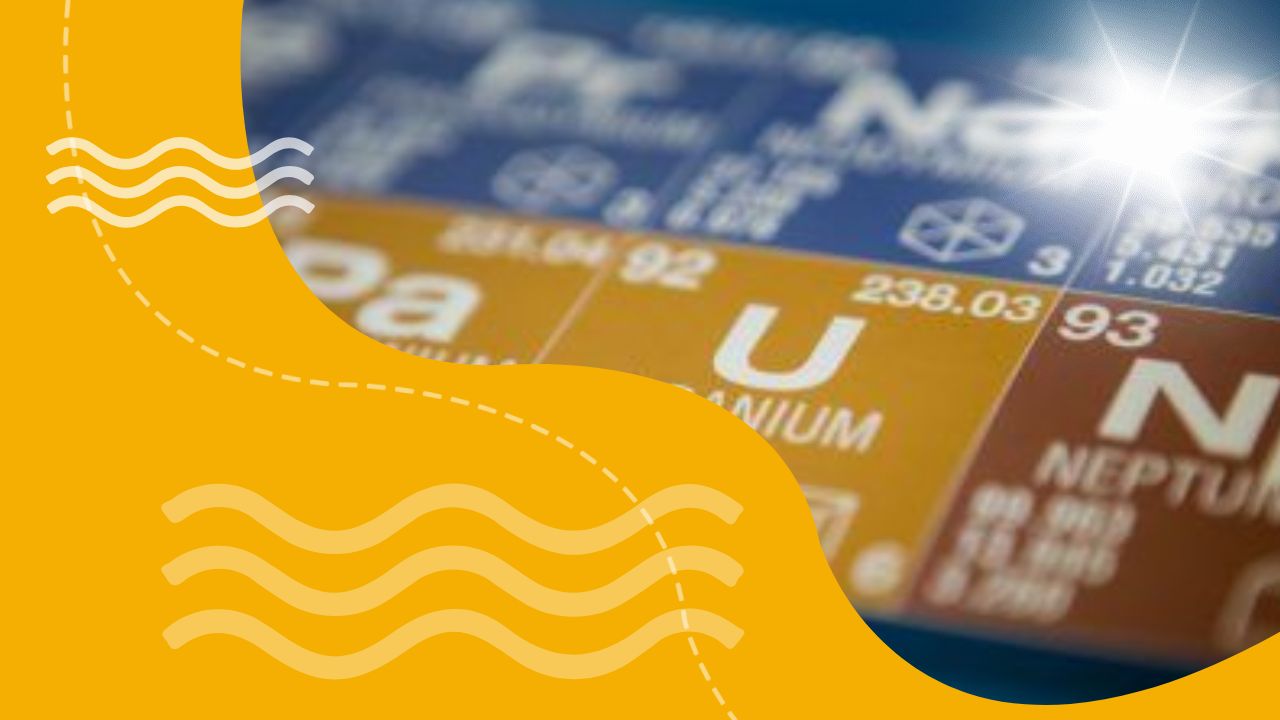
(Paris, France) – Uzbekistan and France are deepening their economic partnership, forging new trade agreements and collaborations that could reshape the energy landscape of Central Asia. French nuclear giant Orano signed a major agreement during President Shavkat Mirziyoyev’s state visit to Paris earlier this month, signifying a significant leap forward in uranium mining cooperation between the two nations.
The details of the agreement, estimated to be worth billions of euros, remain undisclosed. However, sources indicate it involves Orano increasing its current uranium mining operations in Uzbekistan and potentially expanding into new areas. Uzbekistan, holding significant uranium reserves, is keen to develop its nuclear energy sector and position itself as a key supplier to international markets.
This multi-million-euro deal builds on a series of agreements signed during President Mirziyoyev’s visit, totaling up to €12 billion in investments across diverse sectors like infrastructure, energy, and water management.
“Uzbekistan views France as a key strategic partner in its drive to modernize its economy and transition towards cleaner energy sources,” said a senior Uzbek government official, speaking on condition of anonymity. “This partnership opens doors for significant technological transfer and investment in Uzbekistan’s nuclear sector.”
French companies, including Suez and Orano, are already actively investing in Uzbekistan, contributing to key sectors like utilities and resource development. The France-Uzbekistan Chamber of Commerce, launched last year, further underscores the growing bilateral economic ties.
Critics, however, raise concerns regarding the environmental and social impacts of expanding uranium mining operations in Uzbekistan. They call for greater transparency and stringent safety regulations to ensure responsible resource development and protect local communities.
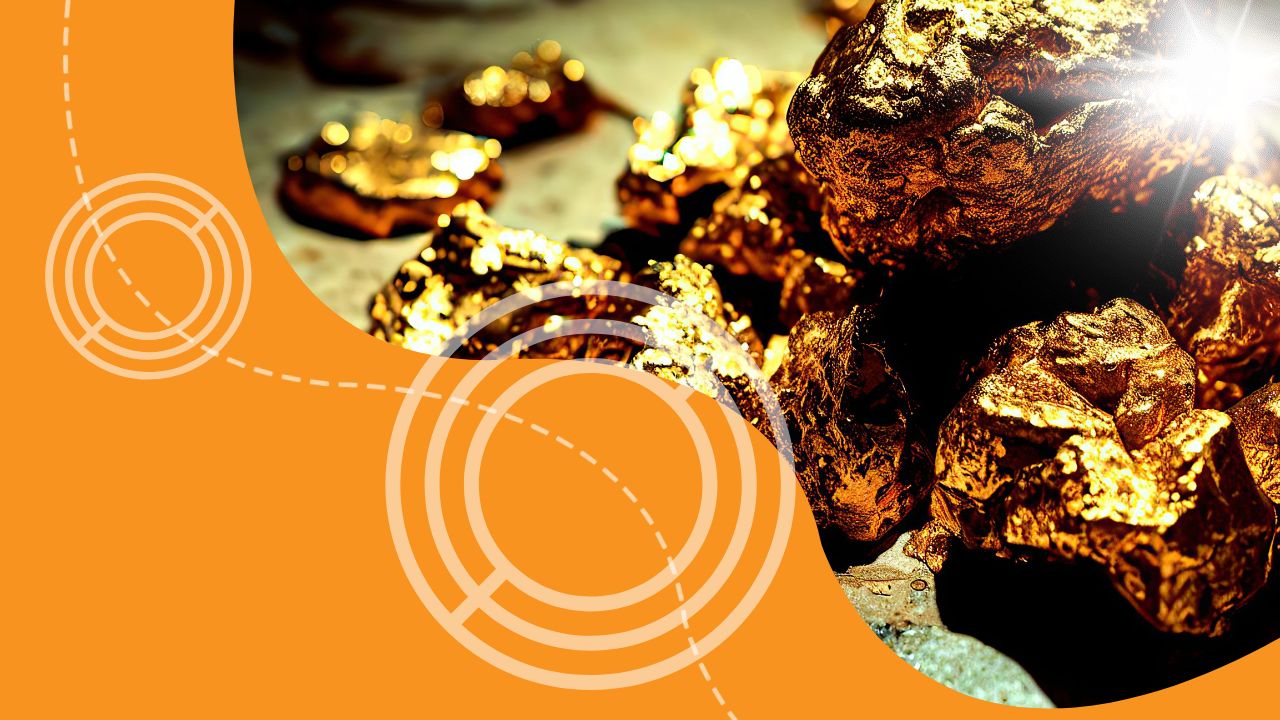
Aurania Resources CEO Keith Barron recently showcased a remarkable quartz sample containing visible gold from Brittany, France, at the PDAC convention in Toronto. The sample boasts an impressive 46% gold content, a grade Barron likened to legendary discoveries such as the Croesus mine in Ontario. This discovery has sparked significant interest, with Aurania Resources applying for concessions in Brittany’s high-grade gold area and expecting permits by early summer. The project could also lead to a polymetallic opportunity, with gold revenue potentially funding the extraction of byproducts like antimony.
Barron, who holds a 43% stake in Aurania, is deeply invested in the company’s success, both financially and personally. He expressed his determination to make the venture profitable, saying, “If the company doesn’t make money, I don’t make money, and I intend to make a lot of money”.
Costain has been awarded a significant framework contract by Urenco to lead and deliver an integrated program for infrastructure investment activities at its Capenhurst site in the UK. The contract, spanning a minimum of three years, will see Costain oversee a series of complex work programs aimed at enhancing the long-term resilience of the site, which provides uranium enrichment services for civil nuclear power stations worldwide.
The Capenhurst site plays a crucial role in producing fuel for low-carbon electricity generation, supporting global efforts to transition to sustainable energy. A key focus of the project will be the establishment of Europe’s first High Assay Low Enriched Uranium (HALEU) advanced fuels facility, marking a significant milestone in the nuclear energy sector.
Costain will collaborate closely with local supply chain partners, providing strategic direction, integration, assurance, and governance for the works. Sam White, Managing Director of Natural Resources at Costain, emphasized the importance of the project, stating, “Ensuring the supply of safe, low-carbon electricity is critical for creating a sustainable future. We’re bringing decades of experience in predictable, best-in-class delivery to help safeguard the UK’s energy security and support the transition to more sustainable energy generation.”
White also highlighted Costain’s commitment to the North West region, noting that the project will create new jobs, develop skills, and drive prosperity for local communities.
The European Commission has awarded EIT RawMaterials and InnoEnergy a groundbreaking new project, the Critical Raw Materials (CRM) Facility, aimed at bolstering Europe’s supply chains, reducing dependencies, and mitigating disruption risks. Coordinated by EIT RawMaterials, the initiative seeks to build a resilient and sustainable supply of critical raw materials such as lithium, cobalt, nickel, and manganese by strengthening global partnerships and advancing international projects to diversify Europe’s raw materials sources.
Bernd Schäfer, CEO and Managing Director of EIT RawMaterials, emphasized the importance of the project, stating, “Securing a stable supply of critical raw materials is not just vital for Europe’s industrial competitiveness—it is essential for European security. As we race toward 2030, we must turn ambition into action.” He highlighted that resilient supply chains require strong global partnerships and expressed pride in leading the initiative, leveraging EIT RawMaterials’ expertise in mining, recycling, and advanced materials.
A dedicated team from EIT RawMaterials and InnoEnergy will identify and assess CRM projects in regions including Africa, Latin America, Central and Southeast Asia, Southeastern Europe, and Greenland. These projects will be evaluated for their strategic value to Europe and opportunities for mutually beneficial partnerships between host communities and European industries.
Baptiste Buet, Director of the EU Business Unit at InnoEnergy, noted, “A value chain is only as strong as its weakest link. For batteries, securing sustainable raw materials is critical to the success and stability of a rapidly developing European industry.” He added that while domestic mining, refining, and recycling are essential, the CRM Facility underscores Europe’s commitment to securing global resources for battery cell manufacturers.
The CRM Facility will also focus on developing mid-to-downstream mineral value chains in partner countries and delivering specialized training programs to equip professionals with expertise in CRM management, operations, and sustainable practices.
The world is on the verge of a new geopolitical conflict centered around rare earth elements (REEs)and critical minerals, which are essential for high-tech industries, clean energy, space exploration, and military technologies. These resources have become the focal point of global competition, driven by their strategic importance and economic value.
Countries like the United States, China, and emerging powers such as Türkiye are aggressively positioning themselves to secure access to these minerals. For instance, former U.S. President Donald Trump has pursued aggressive policies toward Ukraine, Greenland, and Canada, aiming to leverage their mineral-rich territories. Ukraine, which holds 5% of global rare earth reserves and the largest titanium reserves in Europe, is being courted by the U.S. for a $500 billion REE deal in exchange for security guarantees.
China currently dominates the REE market, controlling one-third to half of global reserves and nearly 95% of production capacity. This monopoly has raised concerns among Western nations, who are increasingly dependent on Chinese supplies. The U.S. Department of Energy and the European Commission have classified these materials as strategic commodities, prompting efforts to reduce reliance on China and diversify supply chains.
Meanwhile, Türkiye is emerging as a key player, with significant boron reserves and the discovery of the Eskişehir REE reserve, positioning it second only to China. The Turkish government is investing heavily in mapping and securing its mineral resources to achieve strategic commodity independence.
As demand for REEs surges due to advancements in green technologies, artificial intelligence, and defense systems, nations are scrambling to secure their share of these vital resources. The competition is not just about economic gain but also about geopolitical influence and national security.
The global uranium market is experiencing what industry leaders describe as a “second uranium renaissance” or, as Cameco’s Sean Quinn prefers to call it, a “rejuvenation.” This revival is marked by robust demand, structural supply shortfalls, and growing support for nuclear energy from both political entities and financial institutions.
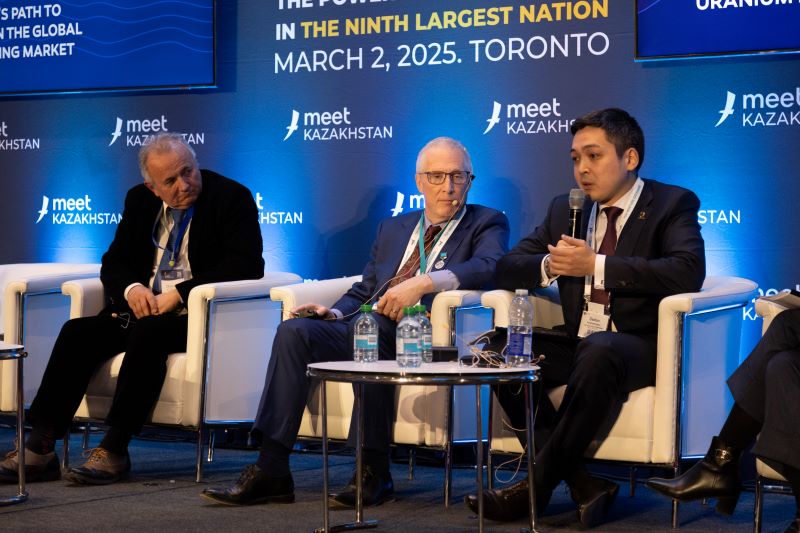
During a panel discussion at the MeetKazakhstan conference held on 2 March 2025 at the 93rd PDAC‘2025 Convention in Toronto, key players from Kazatomprom, Cameco, and Orano shared insights into Kazakhstan’s remarkable journey to becoming the world’s leading uranium producer and discussed the future landscape of the industry.
Kazatomprom: Strategic Vision and Market Discipline
Dastan Kosherbayev, Chief Director for Strategy and International Development at Kazatomprom, emphasized the company’s multi-vector policy that mirrors Kazakhstan’s broader approach to international relations. “We pursue no geopolitical ambition and we’re driven strictly by business or commercial interests,” Kosherbayev stated, highlighting the company’s long-standing partnerships with major industry players.
Kazatomprom became the world’s number one uranium producer in 2011 and the top seller in 2018, maintaining what Kosherbayev described as an “impeccable record” of delivering on all obligations since the company’s establishment in 1997.
The company’s competitive advantage lies in its geology and mining methods. Kazakhstan’s uranium deposits allow for cost-efficient extraction using in-situ recovery (ISR), which Kosherbayev noted is “the most environmentally friendly method that enables us to produce uranium without disrupting any other activities.”
Market Discipline and Global Presence
A key factor in the uranium market’s recovery has been Kazatomprom’s commitment to market discipline. Since 2017, the company has implemented production cuts that removed 48,000 tons of uranium from the market, helping eliminate surplus and revitalize the industry.
Kazatomprom maintains a diverse sales portfolio, with transportation routes through both the Northern route via St. Petersburg and the Trans-Caspian International Transport Route, providing logistical flexibility for deliveries to Western markets.
Updated Strategic Direction
Kosherbayev revealed that Kazatomprom has recently updated its long-term strategy, focusing on five major strategic goals:
Replenishing the resource base to address the upcoming structural uranium deficit expected at the beginning of the next decade
Exploring potential opportunities in conversion and enrichment, though “not at any cost”
Investigating possible expansion into rare earth metals, leveraging existing capabilities at their Ulba Metallurgical Plant
Enhancing trading functions through Kazatomprom’s Swiss trading facility
Continuing commitment to ESG principles
When asked about international expansion, Kosherbayev indicated that Kazatomprom is open to opportunities but prioritizes securing guaranteed demand. “A lot of behind-the-scenes work is carried out currently, and should something arise, we’re going to notify the general public in due course,” he explained.
Partnerships: Keys to Success in Kazakhstan
Cameco’s Long-Term Perspective
Sean Quinn, Senior Vice-President and Chief Legal Officer at Cameco, shared insights from his company’s nearly three-decade involvement in Kazakhstan. Cameco’s interest dates back to 1992, shortly after Kazakhstan declared independence, with JV Inkai being formed in 1998 and beginning production in 2008.
Quinn attributed their success to several factors: “We’ve taken a very long-term view… geographical diversity is important to Cameco… and we’ve had a patient, long-term focus.” He added that having significant operating assets in different jurisdictions, particularly in Northern Saskatchewan, has allowed the company to weather industry ups and downs.
Orano’s Evolution from Exploration to Innovation
Christian Polak, Senior Advisor for Strategy and Partnership at Orano Mining, traced his company’s journey in Kazakhstan back to the 1990s. “In 1996, we signed an agreement with Kazatomprom. We set up the company KATCO where Orano is 51% and Kazatomprom is 49%,” Polak explained.
He emphasized the importance of the initial decade spent building relationships and understanding the country before beginning production in 2006. KATCO now employs approximately 1,200 people.
The partnership has evolved beyond commercial relationships to include scientific collaboration. In 2022, Orano signed a memorandum of understanding with Kazatomprom during the Kazakh president’s visit to France, establishing around 20 scientific projects focused on geology, processing, mining, and environment.
Sustainable Development and Future Outlook
Polak highlighted Orano’s commitment to sustainable mining practices in Kazakhstan. “Even as we continue to produce, we have to think about the future of the country and the future of deposits,” he stated. Orano works closely with Kazatomprom to develop technologies that predict environmental conditions after production ends.
Building positive relationships with local communities is equally important: “We have to share very closely with the populations… to restitute what we found before we arrived.”
Looking ahead, all three companies see opportunities for growth as nuclear energy gains renewed support globally. Quinn mentioned Cameco’s investments in Westinghouse and other fuel cycle opportunities like Global Laser Enrichment (GLE) as providing “even greater exposure to some of that untapped demand.”
Kosherbayev noted that while uranium accounts for 90% of Kazatomprom’s revenue, the company is exploring opportunities to extract valuable by-products such as rare earth elements, beryllium, tantalum, and niobium from its mining operations.
A United Industry
Despite being competitors, the panel emphasized the collaborative nature of the uranium industry. As Kosherbayev concluded, “We may have our differences, but we are like a family… siblings may have their own differences internally, but externally we all come as a big family.”
This spirit of cooperation, combined with strategic vision and sustainable practices, positions Kazakhstan and its international partners to continue leading the global uranium market as nuclear energy plays an increasingly important role in the world’s energy transition.
The European Union (EU) and South Africa have strengthened their collaboration with a R94-billion (€4.7-billion) investment package announced at the EU-South Africa Summit in Cape Town. European Commission President Ursula von der Leyen emphasized that clean energy and green hydrogen will form the cornerstone of this partnership, leveraging South Africa’s abundant renewable resources and its 91% share of global platinum group metals (PGM) reserves.
Von der Leyen highlighted the potential for South Africa to create quality jobs through the beneficiation of its metals and minerals, particularly in the clean hydrogen value chain. “You have clean energy in abundance, from wind to sun. You have raw materials critical for electrolysers, including PGMs, and a rising industry to produce clean hydrogen,” she stated. The Clean Trade and Investment Partnershipaims to support South Africa in adding value to local production, with a focus on clean energy, raw materials, and green hydrogen.
The partnership aligns with South Africa’s Just Energy Transition, with €4.4-billion of the investment package dedicated to renewable energy projects. This initiative is part of the Scaling up Renewables in Africa campaign, launched by Von der Leyen and South African President Cyril Ramaphosa at last year’s G20 Summit. The collaboration also includes investments in connectivity infrastructure and the local pharmaceutical industry.
PGMs play a critical role in the hydrogen economy, particularly in proton exchange membrane (PEM) technology for electrolysers and fuel cells. The World Platinum Investment Council (WPIC) notes that PGMs are essential for producing green hydrogen and enabling its use in decarbonization efforts. By 2030, hydrogen-related platinum demand is projected to exceed 600,000 ounces, driven by applications in mobility, stationary power, and midstream processes like ammonia cracking and liquid organic hydrogen carriers (LOHC).
South Africa’s Anglo American Platinum and venture capital firm AP Ventures are already supporting the commercialization of LOHC technology, which allows hydrogen to be transported using existing fuel infrastructure. This innovation, alongside the production of e-fuels like sustainable aviation fuel, underscores the versatility of PGMs in the energy transition.
Von der Leyen expressed her commitment to co-hosting the Scaling up Renewables in Africacampaign with Ramaphosa, aiming to bring clean, affordable power to the continent. “Together, we’ll help accelerate Africa’s clean energy journey,” she said.
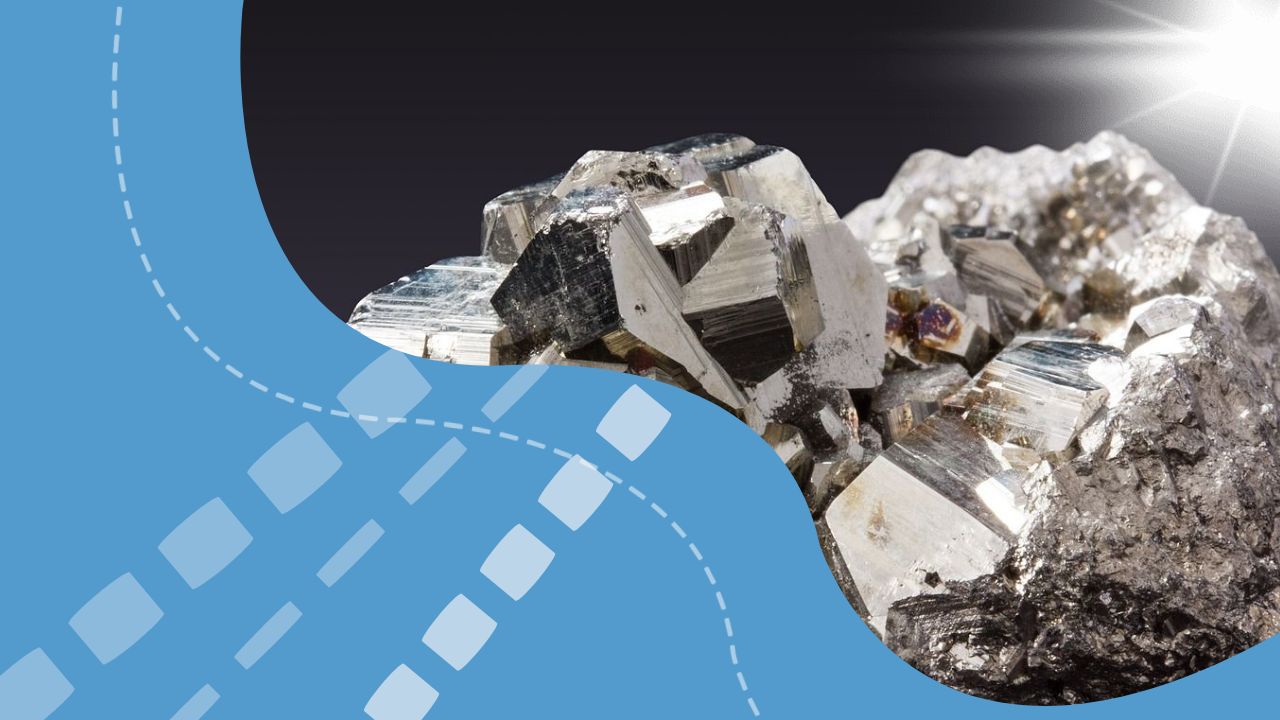
A century after zinc production began in Odda, Norway, European metals company Boliden has officially inaugurated the expanded Odda zinc smelter, marking a significant milestone for the facility. The expansion increases the plant’s annual zinc production capacity from 200,000 tonnes to 350,000 tonnes, solidifying its position as Europe’s second-largest and the world’s most productive zinc smelter. Notably, the facility can now produce 1,000 tonnes of cast zinc per full-time employee annually.
The project involved extensive infrastructure upgrades, including the installation of a new roasting furnace, a sulfuric acid plant, and a modernized cellhouse. Additionally, the leaching and cleaning plant and the foundry were expanded and updated to enhance production efficiency.
Boliden President and CEO Mikael Staffas described the expansion as a historic achievement, emphasizing its role in producing the world’s most climate-efficient zinc. “This zinc will primarily be used for rust protection in various European applications, contributing to a responsible climate transition. It’s also a flagship for Norwegian industry, ensuring pride for another 100 years,” he stated.
Zinc, the fourth most widely used metal globally, is critical for protecting steel structures from corrosion. It is heavily utilized in the construction, automotive, and energy sectors, particularly in wind turbines exposed to harsh environments. Additionally, zinc plays a vital role in agriculture, addressing zinc-deficient soils to boost global food production.
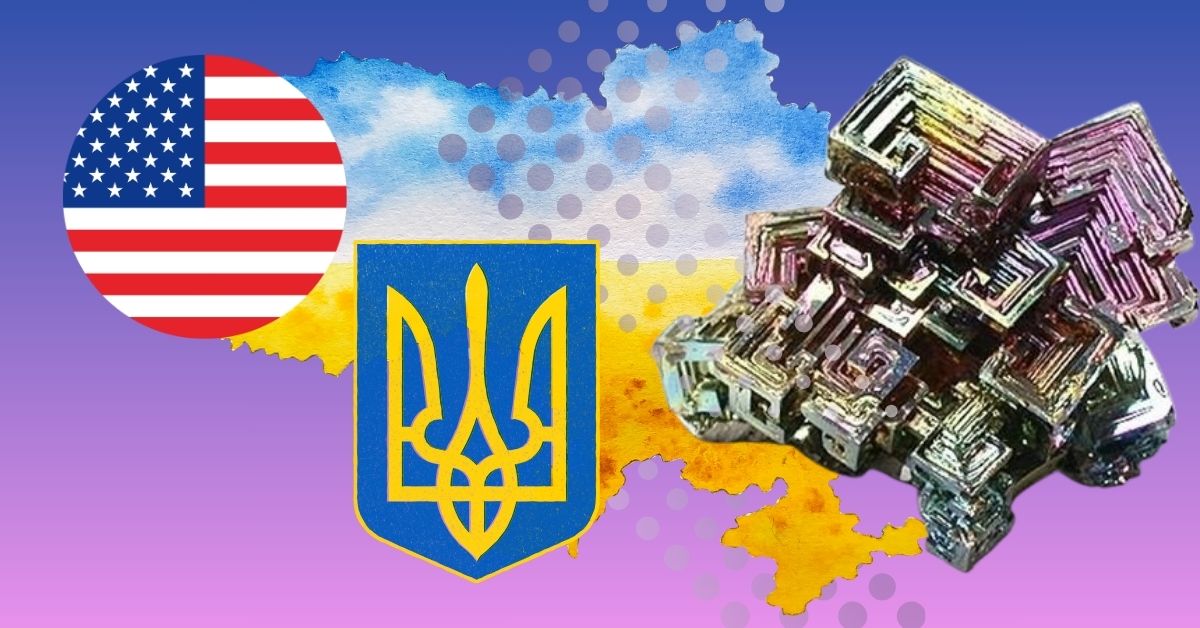
The Dublin based US-backed TechMet Ltd has its eyes on Ukraine’s Dobra lithium project. CEO Brian Menell says they’ve been sizing it up since 2023. But there’s a twist, progress could hinge on a minerals deal between Washington and Kyiv. And after a chaotic meeting between Presidents Zelenskiy and Trump in February, that’s looking uncertain. Despite some over the top claims about Ukraine’s rare earths, the country does have serious mineral potential about a third of Europe’s lithium is sitting there.
During his recent appearance on Bloomberg’s “The Opening Trade,” Menell highlighted how Ukraine’s vast yet underdeveloped resources could reshape global supply chains for green energy, defense, and high-tech industries, while outlining prerequisites for economic viability.
Unlocking Ukraine’s Mineral Potential
Menell pointed to Ukraine’s abundance of strategic minerals, including lithium, titanium, and elements crucial for advanced batteries and electronics. “There’s immense potential here,” he stated, noting that Soviet-era geological data indicates significant reserves. However, he emphasized that outdated surveys, infrastructure gaps, and complex regulations present major obstacles to investment.
Key Requirements for Successful Development
According to Menell, moving forward requires:
Modernising data and infrastructure through updated geological mapping and improved transport and processing facilities
Implementing regulatory reforms and investment incentives with streamlined permitting and clearer policies to lower capital barriers
Ensuring security and political stability through robust guarantees to protect long-term investments amid regional volatility
Impact of a Potential US-Ukraine Minerals Deal
A minerals agreement between the US and Ukraine could significantly boost Ukraine’s economic recovery while reducing Western dependence on Chinese supply chains. “A well-structured US-Ukraine minerals deal could be a game-changer,” Menell asserted, suggesting deeper US involvement could promote modernized mining projects aligned with international environmental and operational standards.
While Ukraine’s mineral wealth presents substantial opportunities, Menell acknowledged that development requires decades of sustained investment. His insights align with broader discussions viewing critical minerals as the next frontier in geopolitical strategy.
As global powers compete for essential resources, Menell underscores the need for a coordinated, transparent, and secure investment framework in Ukraine that balances economic opportunity with strategic imperatives of national security and sustainable development.