Website: Europe.com

  • Anglo American’s Sakatti Copper Project Gains EU Strategic Status

    Anglo American’s Sakatti Copper Project Gains EU Strategic Status

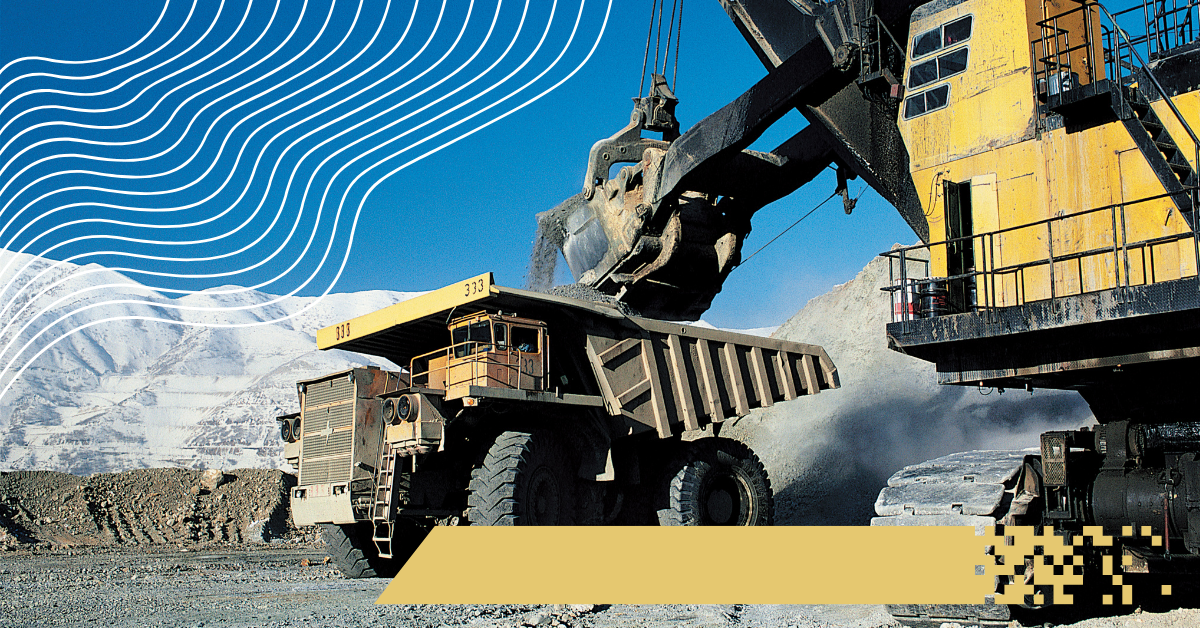
    Anglo American’s Sakatti copper and polymetallic project, situated in Finnish Lapland, has received the distinguished designation of a ‘Strategic Project’ by the European Commission under the European Union’s Critical Raw Materials Act (CRMA). This landmark recognition underscores Sakatti’s pivotal role in bolstering the EU’s security of supply for critical raw materials and ensures an expedited permitting process and streamlined development timelines for the project.

    Alison Atkinson, Anglo American’s Projects & Development Director, expressed pride in the achievement, remarking, “We are delighted to be awarded Strategic Project status for Sakatti – an important milestone for this exceptional mineral deposit with a high concentration of future-enabling metals, including a primary product of copper. This aligns seamlessly with Finland’s and the EU’s critical raw materials priorities.”

    The Sakatti project is poised to make a significant contribution to the EU’s ambitions of reducing reliance on external sources for critical minerals. Currently, the EU produces approximately 4% of its critical minerals but aims to increase this to 10%. Sakatti is projected to deliver an annual production of approximately 100,000 tonnes of copper equivalent metal starting in the early 2030s, addressing the growing demand for metals essential to decarbonisation, advanced technologies, and sustainable energy systems.

    The Sakatti deposit was discovered in 2009, a milestone in Anglo American’s two-decade presence in Finland. Located 15 kilometres north of Sodankylä, the project is set to become one of Anglo American’s innovative FutureSmart mines—underground operations characterised by cutting-edge automation, low carbon emissions, and minimal environmental impact.

    Finland’s rich natural resources, advanced processing capabilities, and robust investment in the critical minerals value chain position the country as a cornerstone in Europe’s sustainable raw materials strategy. With Sakatti’s development, Anglo American aims to further cement Finland’s role as a reliable supplier of responsibly sourced materials vital to the green energy transition and a low-carbon future.
  • GravitHy Secures €60 Million to Decarbonize Steel

    GravitHy Secures €60 Million to Decarbonize Steel

    GravitHy, the pioneering green steel company, announced the successful close of a €60 million funding round, backed by prestigious investors and public funding from the French program “Première Usine.” This investment signifies a major milestone in the company’s journey to revolutionize the steel industry and drive decarbonization.

    Leading the charge with €60 million in new capital, the round attracted major players like Advantage Partners, Inc., Ecolab, Marcegaglia, Rio Tinto, and Siemens Financial Services. Existing shareholders, InnoEnergy and ENGIE New Ventures, also participated in the round, reaffirming their confidence in GravitHy’s vision.

    Accelerating Growth and Reaching New Heights

    Under the leadership of CEO Jose Noldin, this funding will finance the development of GravitHy’s industrial-scale Direct Reduced Iron (DRI) and Hot Briquetted Iron (HBI) plant in Ville de Fos-sur-Mer. The plant, scheduled to commence commercial production in 2029 after an extensive commissioning phase and gradual ramp-up, will produce 2 million tons annually, resulting in up to 90% reduction in CO2 emissions compared to traditional steel production methods.

    Nicolas Chabannes, GravitHy’s CFO, emphasizes the significance of this fundraising: “This is a crucial step in securing the necessary capital for our plant construction. The market’s interest and the commitment of our investors demonstrate the relevance of our industrial project and our ability to attract investment. We are actively engaging with all stakeholders to finalize the project financing.”

    Alice Vieillefosse, GravitHy’s Growth Officer, added: “We are dedicated to driving innovation and providing low-carbon DRI/HBI to our valued customers. We will forge strategic partnerships to ensure competitive growth and accelerate the transition towards a sustainable steel industry.”

    Generating Jobs and Empowering a Sustainable Future

    GravitHy’s groundbreaking plant is projected to create up to 500 direct jobs and contribute significantly to the regional economy.

    This ambitious project with a total investment of €2.2 billion underscores GravitHy’s commitment to transforming the steel industry through sustainable and technologically advanced solutions. With the support of its dedicated investors, GravitHy is poised to become a leading force in shaping a greener and more sustainable future for steel.

    ###

    About GravitHy
    GravitHy is a pioneering green steel company committed to decarbonizing the steel industry through the production of low-carbon Direct Reduced Iron (DRI) and Hot Briquetted Iron (HBI). GravitHy aims to deliver superior quality, sustainable steel solutions, contributing to a cleaner and more sustainable future for generations to come.

    ###

  • President Zelenskiy Reveals US Proposed “Large, Comprehensive” Minerals Deal

    President Zelenskiy Reveals US Proposed “Large, Comprehensive” Minerals Deal

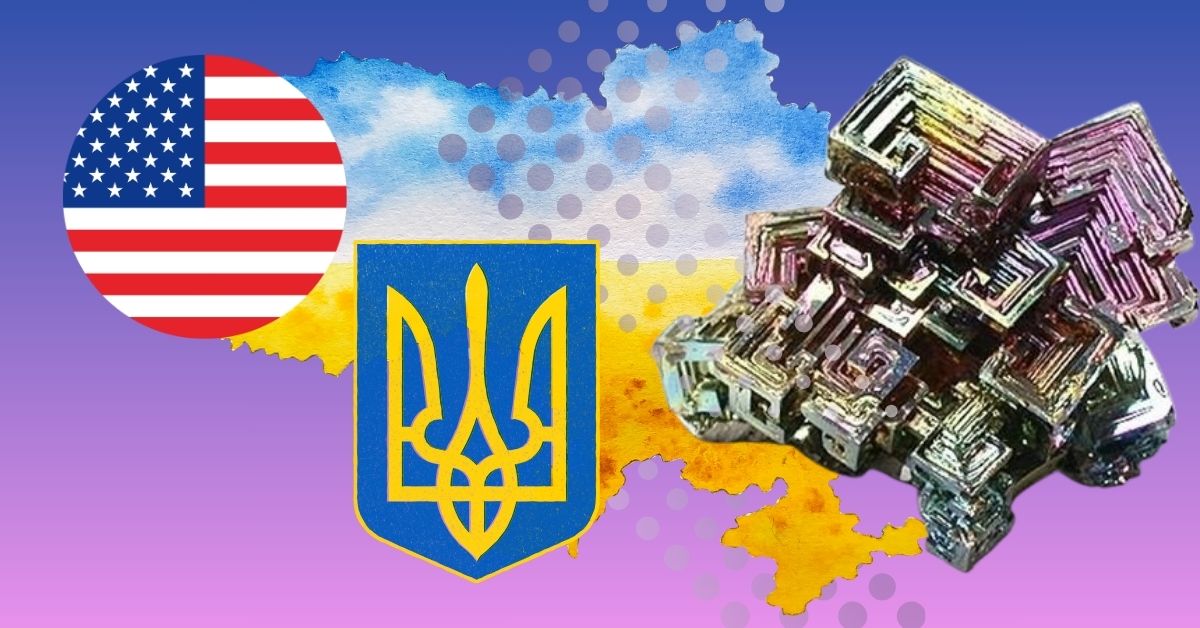
    Kyiv, Ukraine – Ukrainian President Volodymyr Zelenskiy announced on 25 March that the United States has presented a significantly expanded proposal for a minerals deal, moving beyond the initial framework agreed upon last month. This development follows President Donald Trump’s recent public statement indicating an imminent agreement between the two nations.

    The new proposal comes after a previously planned deal was derailed in February following a tense exchange between Trump and Zelenskiy at the White House. While the specific details of this “large, comprehensive agreement” remain confidential, Zelenskiy confirmed that it excludes US involvement in Ukraine’s nuclear power sector, a point previously raised by Trump.

    “Previously, we had a framework agreement, followed by the development of a full agreement. Now, the American side has proposed a grand agreement right away,” Zelenskiy stated to reporters.

    A Ukrainian official, speaking to the Financial Times, clarified that while the nuclear issue was discussed, it was ultimately omitted from the current proposal. Zelenskiy had previously acknowledged discussions regarding the Zaporizhzhia nuclear power plant, Europe’s largest, currently under Russian control, but maintained that these talks did not progress further.

    A US Treasury spokesperson, in a statement to the Financial Times, reiterated, “The United States remains committed to the quick conclusion of this vital agreement and to securing a lasting peace for both Ukraine and Russia.”

    The initial framework agreement outlined a fund where Ukraine would contribute 50% of future profits from the extraction of state-owned natural resources. Reports suggest that Ukraine possesses mineral deposits valued at upwards of $10 trillion, including crucial rare earth elements used in defense and high-tech industries. However, the economic viability of these deposits is yet to be internationally validated. Ukrainian data indicates the country holds deposits of 22 of the 34 minerals identified by the European Union as critical.

    This expanded proposal signifies a potential shift in the strategic partnership between the US and Ukraine, particularly concerning critical mineral resources, amidst ongoing geopolitical tensions in the region. The full implications of this “large, comprehensive” deal are expected to unfold as further details are released.

  • Lithium Mine Project in France Designated Strategic by EU: A Boon or Burden?

    Lithium Mine Project in France Designated Strategic by EU: A Boon or Burden?

    The Imerys EMILI lithium mine project in the Allier region has been designated a “strategic project” by the European Commission. While this designation is undoubtedly positive, sparking celebrations amongst proponents, a closer look reveals a more nuanced reality.

    Securing the “strategic project” label offers several tangible benefits. Primarily, it unlocks easier access to crucial European funding, a lifeline for any ambitious mining project, especially in Europe where regulations and operating costs often outweigh those in other regions.

    The label also promises streamlined administrative procedures, providing greater predictability and efficiency in the notoriously complex world of European bureaucracy. While currently, administrative hurdles in France are already relatively manageable, this designation further strengthens the certainty for project developers.

    However, the label is not a carte blanche. The EMILI project, now under the microscope of heightened scrutiny, will be held to even stricter standards regarding environmental protection, social responsibility, and democratic engagement.

    This increased responsibility is seen by many as a necessary trade-off, ensuring that the pursuit of vital resources doesn’t come at the cost of environmental degradation or social displacement.

    The project’s impact extends far beyond local shores. In a volatile geopolitical landscape where access to critical minerals is increasingly contested, Europe’s recognition of EMILI as a strategic venture highlights the continent’s commitment to securing its own supply chains and asserting its technological sovereignty.

    For proponents, the “strategic project” designation cements the project’s role as a cornerstone of European industry and a generator of green energy solutions. They argue that the exceptional lithium deposit in the Allier region, coupled with responsible development practices, will offer a unique opportunity to generate economic growth and prosperity for both the region and the continent.

    The coming months and years will reveal whether EMILI can successfully navigate the challenges and fulfill its ambition to become a model for sustainable, ethically responsible lithium extraction in Europe.

  • EU Selects 47 Projects to Bolster Raw Materials Security

    EU Selects 47 Projects to Bolster Raw Materials Security

    The European Commission has, for the first time, selected a list of 47 Strategic Projects aimed at enhancing domestic capacities for strategic raw materials. These initiatives are expected to fortify Europe’s raw materials value chain and diversify its supply sources. The Strategic Projects represent a key milestone in the implementation of the Critical Raw Materials Act (CRMA), which seeks to ensure that the EU achieves extraction, processing, and recycling targets of 10%, 40%, and 25%, respectively, by 2030. By meeting these benchmarks, the projects will play a pivotal role in supporting Europe’s green and digital transitions, alongside strengthening the defence and aerospace sectors.

    Key Details of the Strategic Projects

    The selected 47 Strategic Projects span across 13 EU Member States, including Belgium, France, Italy, Germany, Spain, Estonia, Czechia, Greece, Sweden, Finland, Portugal, Poland and Romania. Covering various stages of the raw material value chain, the projects include:

    • 25 focusing on extraction,
    • 24 on processing,
    • 10 on recycling, and
    • 2 on substitution.

    These initiatives encompass 14 out of the 17 strategic raw materials identified in the CRMA. Notable resources include lithium (22 projects), nickel (12 projects), cobalt (10 projects), manganese (7 projects), and graphite (11 projects), which are vital for the EU battery value chain. Moreover, magnesium and tungsten projects will reinforce the resilience of the EU’s defence sector.

    Benefits and Criteria

    To qualify, projects needed to demonstrate contributions to securing EU’s raw materials, compliance with environmental, social, and governance (ESG) standards, technical feasibility, and cross-border benefits. With an anticipated investment of €22.5 billion, these projects will benefit from coordinated support regarding funding, streamlined permitting procedures, and connections with off-takers. Extraction permits will be processed within a maximum of 27 months, while other projects will follow a 15-month timeline, significantly shortening current durations of 5 to 10 years.

    Background on the CRMA

    The Critical Raw Materials Act became effective on 23 May 2024, with the European Commission subsequently inviting proposals for recognition of Strategic Projects. Following assessments and consultations involving Member States and the European Parliament, the final list of projects was announced. The Commission is also evaluating applications from non-EU countries and plans to issue a new call for proposals by the end of summer.

    This represents a landmark achievement towards securing Europe’s supply of strategic raw materials and boosting sovereignty in industrial sectors.

  • Metinvest Expands to Scandinavian Markets, Signs Annual Contracts with Swedish SSAB

    Metinvest Expands to Scandinavian Markets, Signs Annual Contracts with Swedish SSAB

    Since the beginning of the war, Metinvest Group has restructured its logistics and shifted focus to new markets, including Scandinavian countries. In a recent interview with FAQ Talks, Dmytro Nikolaienko, Commercial Director of Metinvest, revealed that the company has begun supplying iron ore to SSAB, a leading Swedish steelmaker, for its plant in Finland.

    “While Europe remains our primary market, with many consumers in Eastern Europe, we have successfully found new buyers for our iron ore during the war. For example, we now supply SSAB, shipping ore to their Finnish plant via Polish ports,” Nikolaienko stated. He added that SSAB has become a long-term client, with supplies secured under annual contracts.

    SSAB is one of Europe’s largest steel producers, specializing in high-strength steel and operating in over 40 countries. The company, headquartered in Stockholm, produces more than 8 million tonnes of steel annually.

    Metinvest’s mining segment saw a 39% increase in export revenue last year, reaching 2.5billion, with physical exports surging by 73, nearly $3.9 billion of which came from Metinvest and Zaporizhstal. The company now supplies iron ore, flat steel, and semi-finished products to 51 countries, including newly entered markets like India, Sweden, and Norway.

    Metinvest also remains the largest taxpayer in Ukraine’s steel industry, contributing UAH 19.8 billion (61% of the sector’s total taxes) to state budgets in 2024.

  • EU Deepens Ties with Central Asia

    EU Deepens Ties with Central Asia

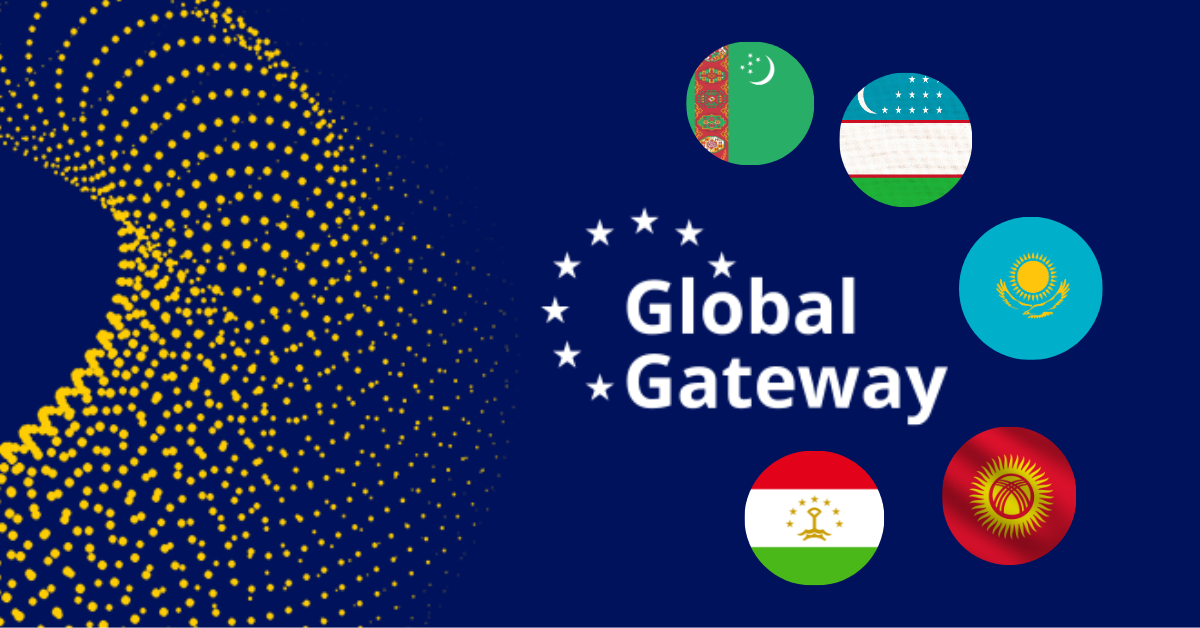
    Brussels, 22 March, 2025 – The European Union (EU) is making a significant push into Central Asia, aiming to strengthen its partnership with the five strategically important countries through the Global Gateway strategy. European Commissioner for International Partnerships Jozef Síkela concluded a week-long tour of the region, meeting with officials and business leaders in Turkmenistan, Kazakhstan, Tajikistan, Kyrgyzstan and Uzbekistan.

    The visit, which took place ahead of the first EU-Central Asia Summit on 3-4 April 2025, focused on boosting investment in key sectors like digital connectivity, transport infrastructure, critical raw materials, and renewable energy.

    Concrete Commitments:

    Commissioner Síkela announced several key agreements during his trip, including:

    • €422 million in investment: A significant portion of this funding will be channeled through the European Investment Bank (EIB) and other EU financial institutions, including grants and loans, for projects across various sectors.
    • Transport Corridor Development: The EU reiterated its commitment to the Trans-Caspian Transport Corridor, a globally important trade route connecting Central Asia to Europe. A €200 million framework loan agreement was signed between the EIB and the Development Bank of Kazakhstan to support sustainable transport and renewable energy development.
    • Support for Critical Raw Materials: Collaboration in critical raw materials (CRM) will receive a €3 million boost, focusing on sustainable and responsible supply chains, job creation, and economic resilience.
    • Energy Security & Climate Action: The EU announced grants totaling €51.6 million to modernize Tajikistan’s electricity grid, promote energy efficiency, and support water-efficient technologies and innovative solutions in Kyrgyzstan.
    • Digital Connectivity Expansion: Two key agreements worth an undisclosed amount were signed to improve digital infrastructure and expand high-speed internet access to underserved populations.

    Stronger Partnership:

    Commissioner Síkela emphasized the growing partnership between the EU and Central Asia, stating, “Central Asia and the European Union are strong partners. We can deliver long-term benefits for people and businesses on both sides.” He highlighted the need to address challenges like climate change, energy security, and digital divide, while unlocking new economic opportunities through the Global Gateway initiative.

    The visit underscores the EU’s commitment to its Global Gateway strategy, aiming to bridge the global investment gap and build sustainable and resilient connections with partner countries. The upcoming EU-Central Asia Summit further solidifies this commitment and paves the way for future collaborations.

  • The right mine, at the wrong time at the wrong place?

    The right mine, at the wrong time at the wrong place?

    The controversial video “Not In My Country: Serbia’s Lithium Dilemma” in now live on the YouTube channel Journeyman Pictures: https://lnkd.in/ejacPysy

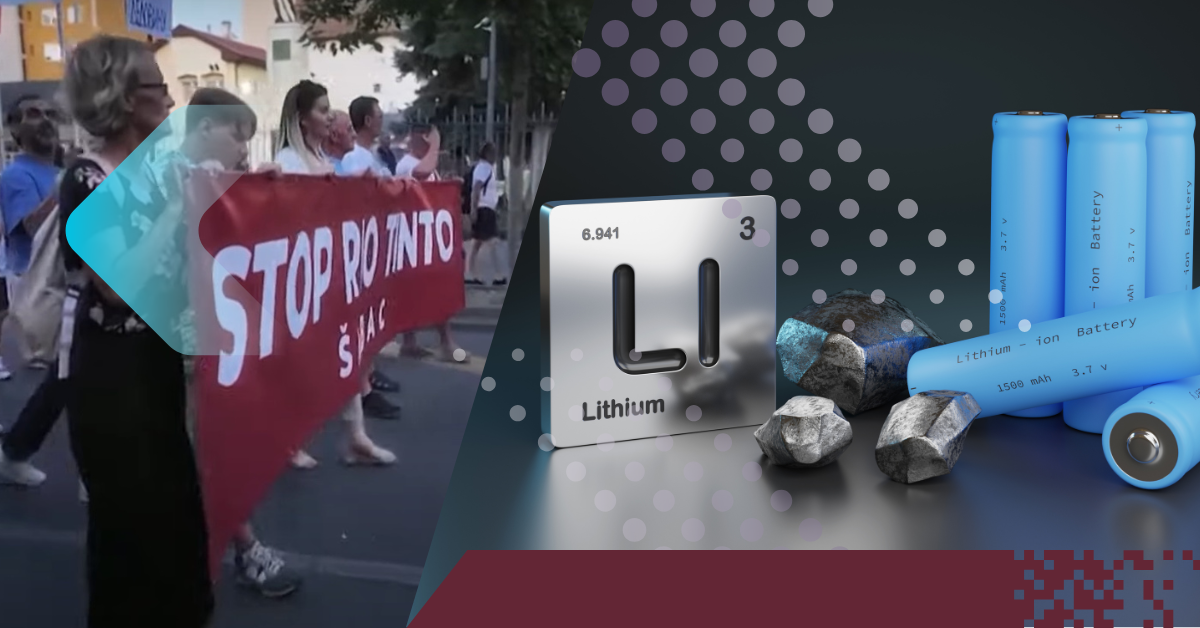
    Belgrade, Serbia – August 2024: Massive protests have erupted in Serbia over the proposed lithium mine in the Jadar Valley, spearheaded by British-Australian mining giant Rio Tinto. Approximately 25,000 people took to the streets of Belgrade, expressing their fury over the project’s potential environmental impact and raising concerns about the nation’s future.

    The controversy stems from the Serbian government’s reversal of a 2022 decision to halt the project, reinstating it two years later. This move has ignited widespread public outrage, with many fearing the mine will devastate local agriculture and natural habitats.

    Environmental and Political Concerns Fuel Opposition

    Climate expert Dr. Peter Tom Jones, director of the KU Leuven Institute for Sustainable Metals and Minerals, traveled to Serbia to investigate the strong opposition. He notes the paradox of Serbia, home to Europe’s largest lithium deposit, resisting a project vital for the continent’s transition to electric vehicles and renewable energy storage.

    Rio Tinto plans to invest $2.4 billion in the Jadar mine, potentially making Serbia a leading lithium producer. However, the project has faced fierce resistance from local groups like NAD Jadar, who cite fears of pollution and environmental destruction.

    Marijanti Babic, Rio Tinto’s country head in Serbia, claims the mine will be an “invisible mine,” operating primarily underground with minimal surface impact. She emphasises the company’s commitment to preserving local farming and utilising modern, electronically controlled operations.

    However, resistance groups allege intimidation and threats, claiming they will “defend this with their lives.” The project has become deeply politicised, with allegations of disinformation campaigns and distrust of both Rio Tinto and the Serbian government.

    Disinformation and Distrust Plague the Project

    Anthropologist Jena Vasilovich from the University of Belgrade points to a lack of transparency and democratic process as key drivers of public distrust. She also highlights past grievances with similar projects and a general dissatisfaction with the current political regime under President Vučić.

    Rio Tinto has established an information center and a “fake news wall” to combat what they claim is an organised disinformation campaign. They deny allegations of radioactivity, excessive acid use, and the existence of a large aquifer beneath the mine.

    The company has engaged in extensive community outreach, holding over 150 events in the Jadar Valley to address local concerns. They emphasize their commitment to environmental, social, and governance (ESG) standards and highlight the project’s potential economic benefits, including the creation of 20,000 jobs in the battery value chain.

    Economic Potential vs. Environmental Risks

    Companies like battery manufacturer 11 ES see the Jadar mine as a crucial step towards establishing a European lithium battery supply chain, reducing reliance on China. They highlight the project’s potential to drive economic growth and support the transition to climate neutrality.

    However, environmental groups remain skeptical, citing past mining industry practices and the potential for long-term environmental damage. They call for stricter regulations and greater transparency.

    The European Union sees the Jadar mine as a strategic asset, aiming to secure its lithium supply and reduce dependence on external sources. However, the project has become entangled with Serbia’s EU membership aspirations, adding another layer of complexity to the debate.

    A Nation Divided

    The Jadar lithium mine has divided Serbia, pitting economic potential against environmental risks and fueling political tensions. As the global demand for lithium surges, Serbia faces a critical decision that will shape its economic and environmental future.

  • Docville Cancels Lithium Mine Documentary Due to “Overestimated Sensitivity”

    Docville Cancels Lithium Mine Documentary Due to “Overestimated Sensitivity”

    The Docville documentary festival in Leuven has decided to cancel a planned screening and debate surrounding a controversial lithium mine in Serbia. The decision, described as being made “with a bit of a heavy heart,” was influenced by the subject’s sensitivity. The festival’s director, Frank Moens, confirmed to VRT NWS that this marks the first time such a cancellation has occurred at the festival.

    The cancellation applies to the debate titled “Ethical Mining: Is That Possible?” and the accompanying documentary, Not in My Country: Serbia’s Lithium Dilemma, directed by Peter Tom Jones of the KU Leuven Institute for Sustainable Metals and Minerals. The documentary explores the contentious development of a lithium mine in Serbia’s Jadar Valley.

    The European Union sees lithium mining as crucial for the green transition, especially for producing batteries for electric vehicles. However, Europe faces challenges in mining lithium domestically, with Serbia identified as a prime location. Yet, proposals to establish lithium mines have provoked significant opposition due to concerns over environmental impacts, such as polluted water, noise, and threats to biodiversity.

    Jones, who supports lithium mining as part of the green transition, highlights emotional and historical resistance within Serbia. Activists have voiced concerns about the mine’s potential to harm agriculture, water quality, and the local ecosystem, including threats to bees and other wildlife.

    Moens explained the difficulty of organising a balanced debate on the topic, as some parties refused to participate if specific individuals were included, and there were disagreements over moderators. Without a debate, the festival opted not to show the documentary. This contrasts with last year’s successful discussion about a Swedish lithium mine, which included perspectives from the indigenous Sami community. Moens admitted, “We probably underestimated it a bit.”

    Despite this setback, Docville still offers a wide range of documentaries, with the festival kicking off next Wednesday.

  • Cornwall to Host Prestigious International Mining Games in 2024

    Cornwall to Host Prestigious International Mining Games in 2024

    Cornwall has been selected to host the 47th International Mining Games, a prestigious event celebrating the global mining industry. The competition will take place over two days at the King Edward Mine Museum in Troon, near Camborne, on March 21 and 22, 2025. This marks the first time since 2012 that Cornwall has hosted the event, which attracts teams from around the world.

    The games, established in 1978 to honor the 91 miners who lost their lives in the Sunshine Mine disaster in the USA, feature seven challenging events. These include jackleg drilling, hand drilling, and gold panning, showcasing the skills and traditions of mining.

    This year, 45 teams from countries such as Australia, the USA, Canada, and Germany will compete. A local team, comprising students and alumni from the renowned Camborne School of Mines, will also participate, highlighting Cornwall’s deep-rooted connection to the mining industry.

    The women’s and co-ed competitions will be held on Friday, March 21, followed by the men’s and alumni competitions on Saturday, March 22, from 8:00 to 16:00 GMT.

    Carol Richards, a trustee of the King Edward Mine Museum, expressed excitement about hosting the event, stating it aligns with the museum’s mission to celebrate Cornwall’s mining heritage and promote education in geoscience, geology, and mining. She emphasized that the museum is an ideal venue to inspire interest in STEM (science, technology, engineering, and mathematics) fields.

    The International Mining Games not only honor the legacy of miners worldwide but also serve as a platform to foster global camaraderie and showcase the enduring significance of mining in modern society.