Website: Europe.com

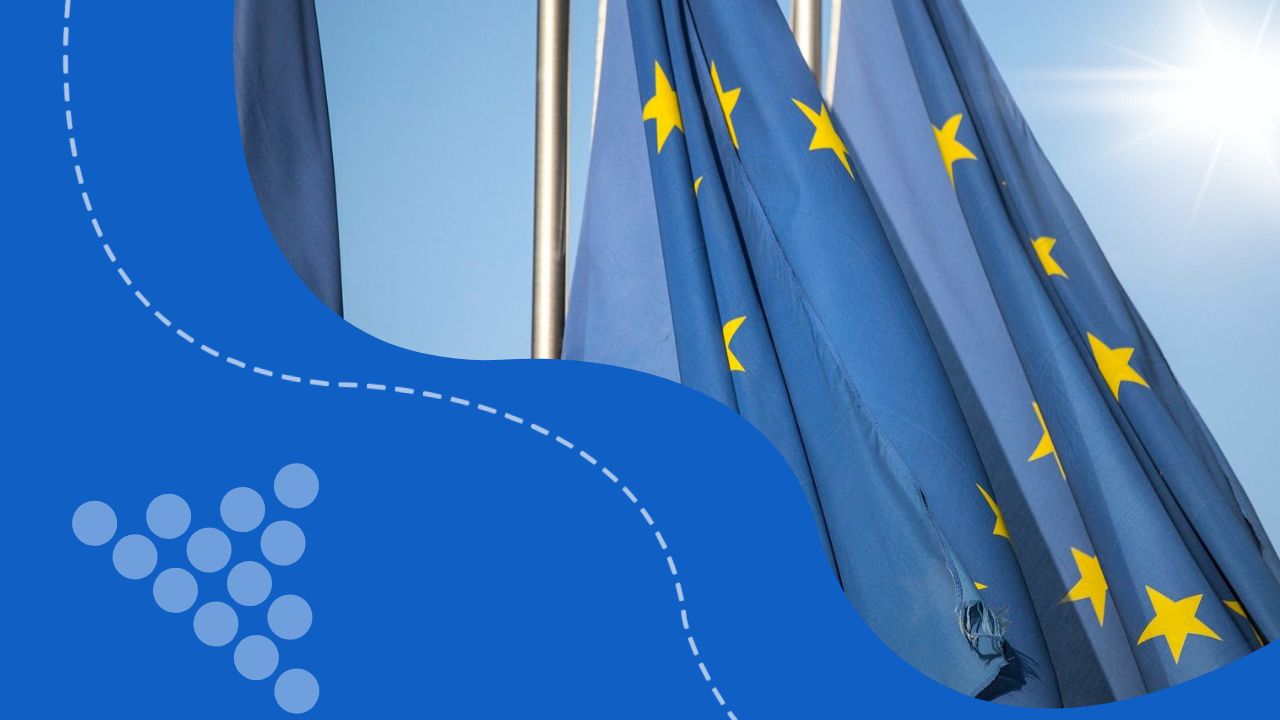
  • EU Weighs Import Curbs and Export Duties to Protect Metals Industry

    EU Weighs Import Curbs and Export Duties to Protect Metals Industry

    The European Commission is considering new trade restrictions on metal imports and exports to counter the impact of U.S. tariffs and protect the EU’s struggling metals industry, according to a draft policy document.

    With concerns that U.S. metal tariffs under the Trump administration could divert excess aluminum to Europe, the EU is evaluating potential import curbs. Additionally, it is planning duties on scrap metal exports to bolster domestic production. The EU already has safeguards in place for steel, including import limits, and launched a probe into alloy imports last December. However, European producers have called for further measures to address the global oversupply, particularly from China.

    The draft document highlights that EU metal producers have lost significant market share over the past decade, with half of primary production capacity remaining curtailed since 2021. The U.S. tariffs on aluminum are expected to exacerbate these challenges, increasing the risk of trade diversion from multiple countries.

    To reinforce its trade defense strategy, the EU plans to introduce a “melted and poured rule,” aimed at preventing importers from disguising a metal’s true origin by making minor modifications. A new proposal for steel trade measures, based on tariff rate quotas, is also expected by the third quarter of 2024 to replace the current system, which expires in 2026.

    Additionally, the Commission is considering imposing export duties of up to 25% on scrap metals as part of a broader steel and metals action plan. The initiative is a key component of the EU’s Clean Industrial Deal, designed to strengthen European industry and enhance competitiveness against Chinese and U.S. rivals. The final plan is set to be announced on Wednesday, though revisions may still be made.

  • Once-Promising Samsonivska-Zakhidna Mine Now in Critical Condition

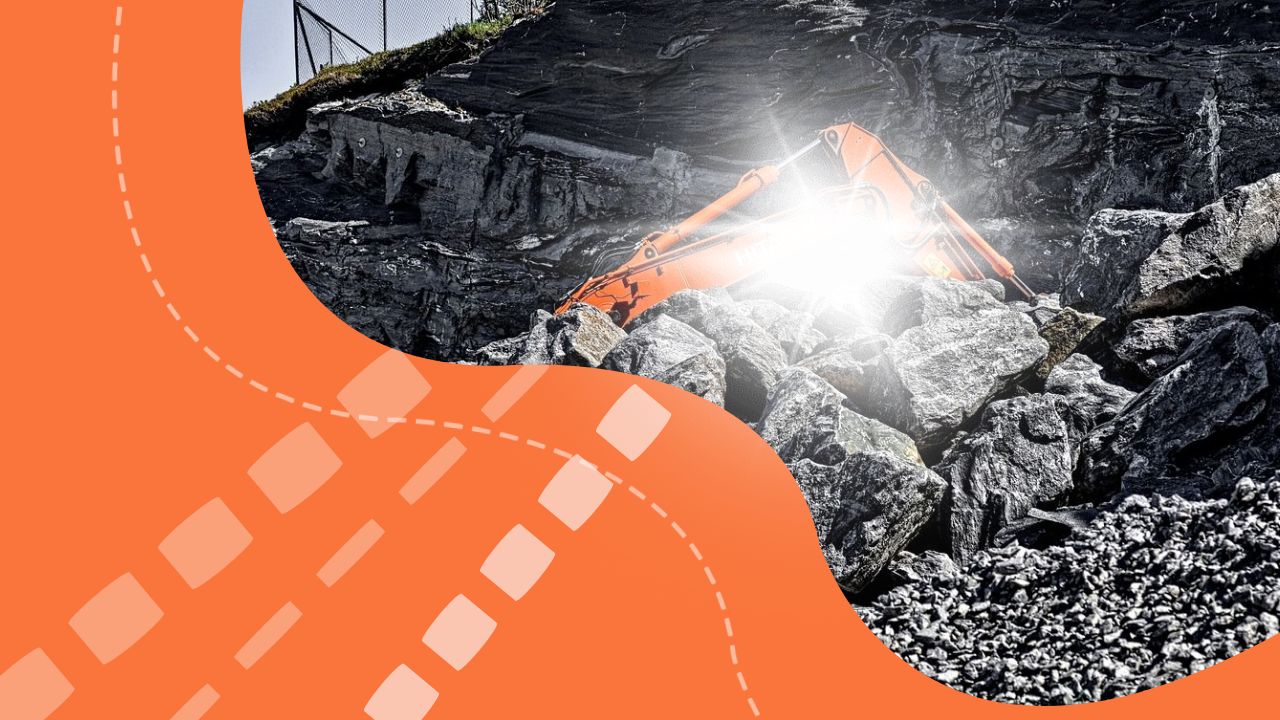
    Once-Promising Samsonivska-Zakhidna Mine Now in Critical Condition

    The Samsonivska-Zakhidna mine, once hailed as the “mine of the future,” is now in a dire state, according to Artem Lysohor, chairman of the Luhansk Regional Military Administration.

    Located near Otamanivka, the mine was handed over to a Russian investor for a symbolic price following the occupation in 2014. Despite initial promises of large-scale development, increased coal production, and new machinery, none of these commitments have materialized.

    “Last year, there was talk of restarting operations, but it seems they have changed their minds,” Lysohor stated.

    Before the Russian occupation, Samsonivska-Zakhidna was one of Luhansk’s key coal producers, contributing significantly to the region’s economy. Now, its future remains uncertain.

  • Western Balkans Face Economic Strain as EU Green Tariffs Loom

    Western Balkans Face Economic Strain as EU Green Tariffs Loom

    The Western Balkans’ heavy reliance on coal-fired power could lead to a significant economic setback when the European Union’s new carbon border adjustment mechanism (CBAM) comes into effect next year. The eco-tariff will place a levy on carbon-intensive imports, making electricity exports from the region more costly.

    Coal accounts for between 60% and 95% of power generation across the region, with 60% of electricity exports heading to the EU. With close economic ties to the bloc, countries like Bosnia and Herzegovina could face annual revenue losses exceeding €220 million ($231.99 million), according to CEE Bankwatch.

    While some analysts see CBAM as an incentive for the Western Balkans to accelerate their green transition, a lack of renewable energy investment and continued government subsidies for aging coal plants have stalled progress. Many governments are now seeking delays or exemptions, but these would require substantial clean energy investments or carbon pricing reforms that are unlikely to be implemented in time.

    Switching to renewables presents significant social and economic challenges. Agora Energiewende estimates the cost of the energy transition at around €40 billion, excluding support for approximately 30,000 coal workers. Unlike EU nations, which have access to a €17.5 billion Just Transition Fund, the Western Balkans lack dedicated financial support to cushion the economic impact.

    The EU has allocated up to €9 billion for the region’s green and digital transition, along with €20 billion through the Western Balkan Guarantee Facility. However, experts argue that this funding is insufficient to drive a just transition. Ultimately, Western Balkan nations must take the lead in implementing energy reforms, as external support alone will not be enough.

  • Czechia Commits to Phasing Out Coal by 2033 Amid Clean Energy Transition Debate

    Czechia Commits to Phasing Out Coal by 2033 Amid Clean Energy Transition Debate

    The Czech government has announced plans to phase out coal-fired power generation by 2033, aligning with the European Union’s broader push for cleaner energy. Some of the country’s oldest coal plants, including the Opatovice lignite power plant, are already transitioning, with Opatovice aiming to stop using coal by 2030. However, the shift to natural gas as an alternative has sparked controversy. While natural gas emits fewer greenhouse gases than coal, critics argue that it perpetuates reliance on fossil fuels, undermining efforts to achieve climate neutrality.

    The EU’s ambitious “Fit for 55” policy, which aims to cut emissions by at least 55% by 2030 compared to 1990 levels, is driving this transition. Through emissions trading, coal power is becoming increasingly unprofitable, with funds from the system directed into the EU’s Modernisation Fund. This fund supports lower-income member states in transitioning to cleaner energy. Since 2021, the fund has distributed €15.5 billion, with Czechia, Romania, and Poland receiving the largest shares. In December, Czechia was allocated an additional €130 million, primarily for natural gas projects and waste-to-energy infrastructure.

    Despite these investments, environmental groups have raised concerns. CEE Bankwatch reports that Czech plants near Vrato and Opatovice have received nearly €350 million in subsidies from the Modernisation Fund. Local environmental committee member Robert Hrdina from Pardubice acknowledges that gas is cleaner than lignite but warns of potential energy security risks. “Switching to gas will improve air quality, but it ties us to foreign energy imports,” he said. Hrdina also emphasized the need for greater focus on energy efficiency, noting that many apartment buildings lack proper insulation, which could reduce energy consumption by up to 50%.

    As Czechia moves toward its coal-free future, the debate continues over whether natural gas is a necessary short-term solution or a step in the wrong direction.

  • Metso Launches Cu POX Leaching Solution to Revolutionize Copper Sulphide Processing

    Metso Launches Cu POX Leaching Solution to Revolutionize Copper Sulphide Processing

    Metso has unveiled its groundbreaking Cu POX leaching solution, a cutting-edge hydrometallurgical process designed to enhance copper sulphide leaching efficiency while prioritizing environmental sustainability. This innovative technology addresses the growing challenges of changing ore compositions and depleting deposits, offering a scalable and flexible solution for the mining industry.

    At the heart of the process is Metso’s proprietary OKTOP Autoclave unit, which oxidizes copper concentrate under high pressure and temperature. This generates a copper-bearing pregnant leach solution (PLS), which is further processed through solvent extraction and electrowinning (SX-EW) to produce high-purity LME Grade A copper cathodes.

    Petteri Pesonen, Metso’s Copper Hydrometallurgy Technology Manager, explained, “The Cu POX leaching process uses high-temperature oxidation to convert sulphide sulphur into sulphate and sulphuric acid, ensuring efficient copper dissolution with recovery rates of up to 99%. It also minimizes environmental impact by reducing emissions and optimizing resource use, such as through closed-loop water systems.”

    The technology is designed to integrate seamlessly with existing SX-EW infrastructure and can enhance heap leaching operations by supplementing PLS production as resources diminish. Metso provides comprehensive support, from batch testing and pilot trials to plant commissioning and training, ensuring a smooth implementation process.

    In a related development, Metso secured a contract with Barrick Gold in September 2024 to supply key process equipment for the Lumwana copper project in Zambia, further solidifying its position as a leader in copper processing innovation.

  • European Lithium Announces Maiden 45M-Tonne Rare Earth Resource at Greenland’s Tanbreez, Positions as Critical Minerals Hub

    European Lithium Announces Maiden 45M-Tonne Rare Earth Resource at Greenland’s Tanbreez, Positions as Critical Minerals Hub

    ASX-listed European Lithium has unveiled a maiden mineral resource estimate (MRE) of 45-million tonnes grading 0.4% rare-earth oxide at its Tanbreez project in Greenland, marking a pivotal step in establishing the site as a major critical minerals supplier. The MRE, initially prepared in 2016 for Rimbal, was disclosed after European Lithium increased its stake in the project to 7.5% and deemed it a material asset following a partnership with Nasdaq-listed Critical Metals Corp (CMC).

    The Tanbreez project spans rare earth deposits at Tanbreez Fjord and Tanbreez Hill, hosted within a 270-meter-thick mineralized kakortokite unit covering 5 km by 2.5 km. While the broader host unit holds 4.7-billion tonnes, current drilling focuses on a fraction of the area. European Lithium and CMC now jointly own 49.5% of the project, with CMC completing extensive due diligence, including a recent drilling program to expand the resource.

    Executive Chairperson Tony Sage emphasized the project’s untapped potential: “Drilling has only covered 5% of the area—deeper and extension drilling will begin shortly to target a higher resource.” He highlighted Tanbreez’s role in delivering rare earth elements (REEs) to meet surging demand in North America and Europe, particularly for defense and next-generation technologies.

  • Metinvest CEO Discusses Challenges and Prospects for Ukraine’s Metallurgy

    Metinvest CEO Discusses Challenges and Prospects for Ukraine’s Metallurgy

    Ukraine offers a wide range of investment opportunities across various industries, including rare earth metals mining, agriculture, automotive manufacturing, and household appliance production. However, according to Metinvest Group CEO Yuriy Ryzhenkov, investments in metallurgy are impossible without security guarantees, and the industry cannot fully develop without continuous investment.

    In an interview with BBC Talking Business, he stated that since 2022, Metinvest has lost about 40% of its assets, including Ukraine’s largest steel plants—Azovstal and Ilyich Iron and Steel Works. The blockade of Black Sea ports caused logistical disruptions, but deliveries were restored in 2023-2024, allowing Metinvest to operate at full capacity, supplying products to Europe and the Far East.

    The company also faced significant challenges in 2023 due to power supply disruptions and unstable electricity prices. To minimize losses, Metinvest had to shut down less energy-efficient facilities. Ryzhenkov noted that this was a major challenge for engineers, who had to maintain production while preventing industrial accidents.

    A key issue remains the high cost of electricity, which severely impacts iron ore mining—a crucial sector for Ukraine’s economy. One of Metinvest’s mining and processing plants halted operations in mid-2023 and remains idle.

    Despite these difficulties, Metinvest paid UAH 20 billion in taxes in 2024, a 36% increase from the previous year. Since 2022, the company has invested over UAH 30 billion in capital projects in Ukraine, making it the country’s second-largest investor.

  • K+S Exceeds 2024 Profit Expectations Amid Higher Agricultural Sales

    K+S Exceeds 2024 Profit Expectations Amid Higher Agricultural Sales

    German potash and salt miner K+S surpassed 2024 core profit forecasts, driven by increased sales volumes from agricultural customers that helped offset lower potash prices.

    The company reported earnings before interest, tax, depreciation, and amortization (EBITDA) of €557.7 million ($607.2 million), exceeding analysts’ expectations of €542.3 million, according to Vara Research.

    In contrast, competitors such as US-based Mosaic and Canada’s Nutrien posted weaker-than-expected results due to lower sales.

    “Considering that we had a year in which potash prices were at a relatively low level … we really came through this year well,” CEO Burkhard Lohr stated.

    Potash prices remained stable in 2024 following a period of volatility caused by Russia’s invasion of Ukraine, which had previously pressured margins for potash producers.

    For 2025, K+S projects EBITDA in the range of €500 million to €620 million, compared to analysts’ average estimate of €537.5 million. Lohr also expressed optimism about global potash demand, stating that it could reach 80 million tons, depending on the spring season.

    K+S announced plans to propose a 2024 dividend of €0.15 per share, significantly lower than the €0.70 paid out last year.

  • Portugal Discovers Rare Mineral Deposits, Poised to Become a Strategic Player in Europe

    Portugal Discovers Rare Mineral Deposits, Poised to Become a Strategic Player in Europe

    In a groundbreaking development, rare mineral deposits have been identified in Portugal, potentially positioning the country as a strategic protagonist in the global market and transforming its future, as well as that of Europe. The discovery comes at a time when the importance of rare earth elements in the development of cutting-edge technologies is gaining global prominence. Historically, regions like Ukraine and market-dominant powers such as China have dominated this sector. However, the recent findings in Portugal could shift this dynamic.

    According to MiningWatch Portugal, an independent network monitoring the country’s extractive industry, four significant rare earth deposits have been located in the Alentejo region, near the border with Estremadura. These deposits are situated in Monforte-Tinoca, Assumar, Crato-Arronches, and Penedo Gordo.

    In Monforte, Iberian Resources Portugal has already secured a contract for prospecting and research, uncovering not only rare earths but also valuable minerals like gold, silver, lead, zinc, tungsten/wolfram, and tin. Similarly, in Assumar, the same company has submitted a request for prospecting and investigation, targeting similar minerals. Additionally, exploration contracts have been issued for sites in Crato and Arronches.

    Meanwhile, in Penedo Gordo, Acúrcio Henriques Parra has applied for prospecting and investigation rights. This area has confirmed deposits of rare earths, alongside other valuable minerals such as zirconium, hafnium, titanium, niobium, tantalum, yttrium, and scandium.

    These discoveries could significantly enhance Portugal’s role in the global supply chain of rare minerals, reducing Europe’s reliance on external markets and fostering technological advancement.

  • Portugal’s Battery Value Chain Receives Major Boost with Five Key Developments

    Portugal’s Battery Value Chain Receives Major Boost with Five Key Developments

    In a significant stride for Portugal’s battery value chain, five major developments have been announced in the past two weeks, marking a pivotal moment for the country’s role in the global energy transition and electric vehicle (EV) industry.

    1. CALB Group Co., Ltd., the world’s fourth-largest battery producer, has confirmed the Final Investment Decision (FID) for a battery gigafactory in Sines. The facility, set to begin construction this year, will initially produce 15 GWh and is expected to be operational by 2028.
    2. Savannah Resources PLC has resumed field work in its concession area in Boticas, advancing plans to start production at Europe’s largest lithium spodumene resource by 2027. The project, which currently employs 50 people (mostly locals), has received strong support from the Portuguese government, emphasizing its strategic importance for the region and Europe.
    3. Lifthium Energy has identified Estarreja as the preferred location for its lithium refinery, signaling significant progress. The company’s €35 million pilot plant and state-of-the-art R&D lab in Coimbra are nearing completion.
    4. DST Group, based in Braga, has partnered with CALB to collaborate on battery recycling and storage solutions, further strengthening Portugal’s position in the battery ecosystem.
    5. Portugal’s Battery Cluster (Battery Cluster Portugal), which includes all the above entities alongside 50 other organizations, has been officially recognized as one of the country’s four key Competitiveness Clusters for the 2024-2030 cycle.

    These developments come at a critical time, as the European Commission recently announced an urgent integrated industrial plan for the automotive sector, which is undergoing its largest transformation in over a century. The battery value chain is central to this transition, supporting nearly 15 million high-quality jobs across Europe.

    Despite challenges, these milestones highlight Portugal’s growing influence in the global battery market and its commitment to leveraging this opportunity for economic and environmental benefits.