Website: Europe.com

  • Rio Tinto’s Jadar Lithium Project in Serbia Gains EU Strategic Status Amid Fierce Environmental Opposition

    Rio Tinto’s Jadar Lithium Project in Serbia Gains EU Strategic Status Amid Fierce Environmental Opposition

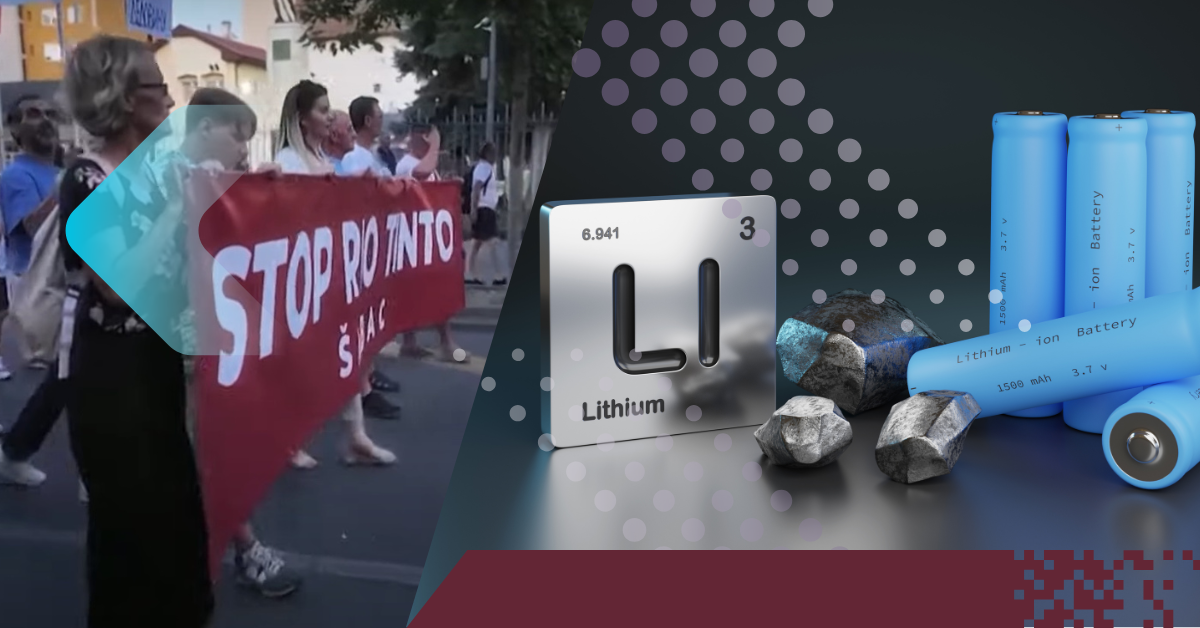
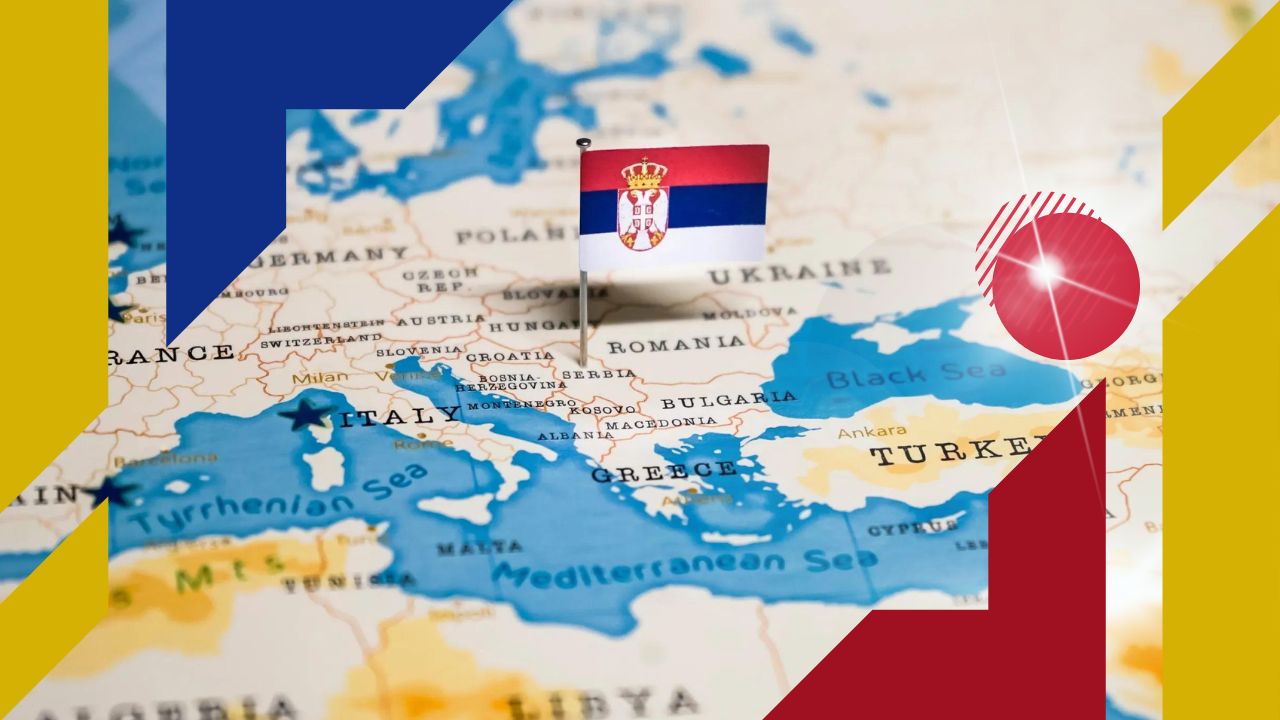
    The controversial lithium and boron mining project in Serbia’s Jadar Valley, spearheaded by Anglo-Australian mining giant Rio Tinto, has been designated as one of 13 strategic projects outside the EU under the European Commission’s Critical Raw Materials Act (CRMA). The move aims to secure long-term access to critical raw materials vital for Europe’s green transition.

    Located in western Serbia, the Jadar Valley is believed to host Europe’s largest lithium reserves and one of the most significant global deposits. The lithium extracted from the site is considered crucial for manufacturing electric vehicle (EV) batteries, an industry central to the EU’s climate and industrial strategies.

    Despite its strategic importance, the Jadar project has sparked intense opposition within Serbia. Environmentalists have organized mass protests since 2021, arguing the mine threatens local ecosystems, water sources, and agriculture. Public pressure led the Serbian government to revoke Rio Tinto’s licenses in 2022—a decision later overturned by the Constitutional Court in 2023.

    The European Commission’s endorsement reflects growing concern over the EU’s dependence on Chinese-dominated supply chains for critical minerals. By supporting the Jadar project, Brussels aims to bolster domestic resilience and reduce geopolitical vulnerability.

    However, local opposition remains firm. Environmental groups warn of renewed protests and blockades if the mine proceeds, arguing that no economic benefit can outweigh the environmental cost.

    Rio Tinto has pledged to meet the EU’s environmental and human rights standards as part of the project’s strategic designation. “The project will undergo multiple stages of scrutiny and public consultation,” said Chad Blewitt, Managing Director of the Jadar project. “It positions Serbia at the forefront of the green and digital revolution.”

  • Rio Tinto Reevaluates Cost of Serbian Lithium Project Amid EU Backing and Local Opposition

    Rio Tinto Reevaluates Cost of Serbian Lithium Project Amid EU Backing and Local Opposition

    Rio Tinto is revising the estimated capital cost of its contentious Jadar lithium project in Serbia after it was designated one of the European Commission’s 13 strategic critical materials projects under the Critical Raw Materials Act (CRMA). Chad Blewitt, managing director of the Jadar mine, confirmed the update in an interview with Reuters on Wednesday.

    The project, initially valued at over €2.55 billion ($2.91 billion), is being recalculated to reflect EU environmental and human rights standards tied to its strategic status. “That will be reflected in the final capital cost,” Blewitt said, noting that no revised figure or timeline would be shared until the company secures a field exploitation licence.

    The Jadar project was halted in 2022 after mass protests over environmental concerns led the Serbian government to revoke Rio Tinto’s exploration permits. However, the Constitutional Court reinstated the licences in 2023, allowing the Anglo-Australian miner to resume planning.

    If realized, the mine could meet 90% of Europe’s current lithium demand, playing a central role in the continent’s green energy and digital transformation strategies. Despite this, local opposition remains strong, with activists threatening fresh protests and transport blockades if construction proceeds.

    “Whatever happens next will involve multiple stages of scrutiny and public consultation,” Blewitt emphasized, adding that the project could position Serbia as a pivotal supplier in Europe’s lithium supply chain.

    Rio Tinto is one of the few global mining giants heavily investing in lithium amid a market downturn. Its $6.7 billion acquisition of U.S.-based Arcadium Lithium and investments exceeding $1 billion in Chile signal a long-term bet on EV battery metals. While current lithium prices are depressed due to supply gluts, demand forecasts remain optimistic heading into the next decade.

  • EU Adds 13 Global Projects to Strategic List Under Critical Raw Materials Act

    EU Adds 13 Global Projects to Strategic List Under Critical Raw Materials Act

    The European Commission has expanded its list of strategic initiatives under the Critical Raw Materials Act (CRMA) by designating 13 new international projects aimed at diversifying and securing Europe’s long-term supply of essential raw materials. The newly added projects—located in Canada, Greenland, the UK, Norway, Kazakhstan, Serbia, Ukraine, Brazil, Zambia, Madagascar, Malawi, South Africa, and New Caledonia—complement the 47 strategic projects within the EU announced in March, bringing the total to 60 priority projects.

    The Commission’s focus lies heavily on critical battery materials, with 10 of the new projects targeting lithium, nickel, cobalt, manganese, and graphite. Two others center on rare earth elements (REEs), including Frontier Rare Earths’ Zandkopsdrift project in South Africa and Mkango Resources’ Songwe Hill project in Malawi, which will supply key REEs like neodymium, praseodymium, dysprosium, and terbium.

    Mkango’s Songwe Hill is paired with its Pulawy separation plant in Poland, forming a vertically integrated supply chain now backed by the EU. Together, the operations will produce 1,953 tonnes/year of Nd/Pr oxides and 56 tonnes/year of Dy/Tb oxides in the first five years of full production, with both projects enjoying coordinated EU-level support.

    In Zambia, Kobaloni Energy received strategic status for its cobalt refinery project—Africa’s first—viewed as critical for establishing a secure and traceable battery-grade cobalt supply. CEO Johnny Velloza described the EU endorsement as a major milestone toward accelerating development.

    GreenRoc Strategic Materials’ Amitsoq graphite project in Greenland also gained strategic designation, becoming the first and only such project in the country. The EU’s Commissioner for Industrial Strategy, Stéphane Séjourné, is expected to visit the site this year, underlining its growing strategic weight.

    The 13 new international projects are estimated to require a total of €5.5 billion in capital investment, with the Commission committing to deeper cooperation with host nations—particularly those with existing raw materials partnerships.

    The CRMA, which came into force in May 2024, provides a legislative backbone for the EU’s ambition to reduce critical material dependencies and accelerate projects essential to the green and digital transitions.

  • European Auto Sector Feels Strain as China’s Rare Earth Export Curbs Disrupt Supply Chains

    European Auto Sector Feels Strain as China’s Rare Earth Export Curbs Disrupt Supply Chains

    The European automotive sector is facing mounting pressure following China’s sweeping export restrictions on rare earth elements, which are critical to electric motors, high-tech components, and defense systems. Several parts suppliers have already suspended production, and major automakers like Mercedes-Benz and BMW are actively seeking ways to mitigate the risk of supply shortages.

    China’s decision in April to halt exports of a wide array of rare earths and related magnets has sent shockwaves through global industries, underlining Beijing’s dominant position—it produces about 90% of global rare earths and nearly 100% of heavy rare earths. The restrictions, introduced as part of broader trade tensions with the U.S., apply globally and have upended tightly synchronized supply chains.

    Mercedes-Benz production chief Joerg Burzer revealed that while its production remains unaffected for now, the company is working with suppliers to build “buffers” and stockpiles. Meanwhile, BMW confirmed supply disruptions within its supplier network, though its own production lines continue operating. Swedish airbag maker Autoliv and German electronics association ZVEI both confirmed the situation is under constant review, with task forces now in place.

    According to CLEPA, Europe’s auto supplier association, only 25% of export license requests from suppliers have been approved by China, with many rejected on “highly procedural grounds.” The group warned that additional factory shutdowns are likely.

    The issue is further complicating the already fragile geopolitical standoff between China and the U.S. President Donald Trump, who recently scaled back punitive tariffs following market turbulence, has accused China of violating recent truce terms. Chinese President Xi Jinping and Trump are expected to discuss the curbs in an upcoming call, with rare earths expected to top the agenda.

    With few viable alternatives to Chinese supply in the short term, auto manufacturers are scrambling to innovate. BMW has introduced magnet-free electric motors, while ZF and BorgWarner are developing low- to zero rare earth models—but commercial scalability remains years away.

    “There is no solution for the next three years except to come to an agreement with China,” said Andreas Kroll, managing director of Noble Elements, a rare earth importer.

    As rare earth supplies dwindle and diplomatic tensions escalate, Western governments are under growing pressure to accelerate diversification efforts. Brussels has already identified 13 non-EU mining projects to help reduce critical mineral dependency, and the EU’s industrial strategy chief Stephane Séjourné emphasized the urgency: “The export curbs increase our will to diversify.”

  • Cornish Lithium Secures Game-Changing Tech for UK Battery Future

    Cornish Lithium Secures Game-Changing Tech for UK Battery Future

    Cornish Lithium has turbocharged its journey to full-cycle domestic lithium production by acquiring breakthrough processing technology and patents from Australian innovator Lepidico. This strategic move empowers Cornish Lithium to mine, process, and refine battery-grade lithium hydroxide entirely within its Trelavour Downs site in Cornwall—marking a milestone in the UK’s ambition to build an independent, sustainable lithium supply chain.

    The technology, proven through licensed pilot trials since 2021, enables a streamlined “pit to battery-grade product” pathway. By operating at atmospheric pressure and moderate temperatures, the process slashes carbon emissions, setting a new environmental standard for the industry. Cornish Lithium now holds exclusive rights to the intellectual property and plans to license the process globally under its own brand.

    This acquisition also reinforces the UK government’s designation of the Trelavour Hard Rock Project as a Nationally Significant Infrastructure Project, bringing the country closer to producing over 50,000 tonnes of lithium carbonate equivalent (LCE) domestically by 2030. With its low-emission demonstration plant already online and further expansion plans, Cornish Lithium is positioning itself—and Cornwall—at the heart of the UK’s green energy transition.

    “This is a huge step forward for the whole country, allowing us to secure the UK’s future lithium supply,” said Jamie Airnes, CEO of Cornish Lithium.

  • Tungsten West Unveils Restart Plan for UK’s Hemerdon Mine, Targeting 20% of Global Non-China Tungsten Supply

    Tungsten West Unveils Restart Plan for UK’s Hemerdon Mine, Targeting 20% of Global Non-China Tungsten Supply

    Tungsten West, a UK-based mining company, has released a detailed development and economic plan for restarting operations at the Hemerdon tungsten and tin mine in Devon. The company projects that, once operational, the mine could supply over 20% of the global primary tungsten output from outside China—a major boost for Western critical mineral supply chains.

    Fully permitted and construction-ready, the Hemerdon project is expected to produce approximately 332,000 metric tonne units (mtu) of tungsten trioxide and 462 tonnes per year of tin concentrate during steady-state operations. Production could begin within 12 months of securing funding.

    Tungsten West is currently in discussions with multiple potential investors and aims to close a $93-million funding round by the end of 2025. The project benefits from around $300 million in historical investment and promises robust returns, with a projected post-tax life-of-mine cash flow of $456 million, a net present value of $190 million, and an internal rate of return (IRR) of 29.3%—based on a conservative tungsten price of $400/mtu.

    CEO Jeff Court highlighted the project’s strategic importance: “At full capacity, Hemerdon is expected to produce over 20% of the global non-China supply of tungsten and will significantly strengthen the developed world’s supply chain for this critical metal.”

    The plan outlines an initial 11-year mining phase, followed by four years of stockpile processing and 12 additional years of aggregate sales. A long-term expansion program—dubbed “Hemerdon Futures”—could extend mine life beyond 40 years.

    Key investments include a new front-end processing system, upgrades to existing processing facilities, and stringent environmental noise mitigation measures. The mine will process 3.5 million tonnes of ore annually and is forecasted to sit within the lowest quartile of global tungsten producers with an all-in sustaining cost of $144/mtu.

    In response to China’s recent export restrictions on tungsten, which have driven market prices above $400/mtu, Tungsten West emphasized the growing importance of secure, domestic supply chains for dual-use critical metals.

    The company has also received regulatory approval for limited trial processing of 2,500 tonnes of on-site material and plans to issue additional convertible loan notes to bridge funding through financial close. Hannam & Partners is acting as the financial adviser and broker for the restart funding.

  • Mundoro Reports Solid Q1-2025 with Strategic Focus on Copper Exploration Across Serbia, Bulgaria, and the U.S.

    Mundoro Reports Solid Q1-2025 with Strategic Focus on Copper Exploration Across Serbia, Bulgaria, and the U.S.

    Mundoro Capital Inc. (TSXV: MUN | OTCQB: MUNMF) has released its operating and financial results for Q1-2025, highlighting a strategic focus on advancing copper exploration projects in Serbia, Bulgaria, and the United States. The Company reported a stable cash position of $5.2 million with no long-term debt, and net income of $451 for the quarter.

    While total fee income dipped to $740,392, exploration and evaluation expenditures totaled $1.76 million, most of which were partner-funded. Net exploration costs for Mundoro stood at $307,875. Corporate expenses rose modestly to $296,732 due to audit fee accruals.

    Key Exploration Highlights:

    Serbia (BHP-Mundoro Partnership):

    • Borsko Project: Passive seismic and ground AMT surveys were completed with 3D inversion models expected in Q2-2025. Drill planning is underway for a new NW target area.

    • Trstenik Project: Mapping and structural analysis were completed. Delayed forestry permits have pushed drilling plans to later in 2025.

    • South Timok Projects: Ground surveys and structural interpretations advanced across several licenses, identifying new targets in covered terrains.

    Mundoro-Owned Serbian Projects:
    Holding ~419 sq km in the prolific Timok Magmatic Complex, Mundoro is progressing toward potential third-party partnerships.

    Bulgaria (JOGMEC-Mundoro):

    • The EE1 copper project faces permitting delays due to legal appeals. A planned 1,800-meter drill program is pending final government approval.

    USA Projects:

    • Dos Cabezas (AZ): Defined six porphyry targets; partner visits and fieldwork ongoing.

    • Copperopolis (AZ): Generative work confirmed porphyry-style alteration; assay results expected Q2-2025.

    • Picacho (AZ): Geochronology confirms Laramide age, reinforcing porphyry potential.

    Generative Exploration:
    Mundoro continues to explore new opportunities in Serbia’s Cretaceous/Tertiary belts, the U.S. Laramide Belt, and additional global copper trends.

    Despite reduced partner-funded programs, Mundoro remains focused on high-potential copper exploration and expanding its strategic partnerships across tier-one mineral belts.

  • Uzbekistan and Turkey’s Aydeniz Group Explore New Mining Investment Opportunities

    Uzbekistan and Turkey’s Aydeniz Group Explore New Mining Investment Opportunities

    The Ministry of Mining Industry and Geology of Uzbekistan hosted a meeting between Deputy Minister Ulugbek Yusupov and representatives of Turkish company Aydeniz Group to discuss expanding investment cooperation in the country’s mining sector.

    During the talks, the Uzbek side highlighted the government’s ongoing efforts to foster a favorable investment environment. These include regulatory reforms, improved infrastructure, and investor protections aimed at attracting both local and international partners to participate in mineral exploration and development.

    Particular focus was placed on the transparent allocation of subsoil plots, with officials emphasizing that promising mining areas are now made available through open electronic auctions. This system, accessible to both domestic and foreign investors, is designed to increase fairness, visibility, and competition in the sector.

    The Aydeniz Group expressed strong interest in exploring potential projects and praised Uzbekistan’s commitment to openness and investor-friendly reforms.

  • Uzbekistan and Türkiye Reaffirm Strategic Partnership in Geology and Mining

    Uzbekistan and Türkiye Reaffirm Strategic Partnership in Geology and Mining

    On 26 May 2025, Uzbekistan’s Deputy Minister of Mining Industry and Geology, Rakhim Yusupov, held official talks with a Turkish delegation headed by Ramazan Sarı, Deputy Director of Türkiye’s General Directorate of Mineral Research and Exploration (MTA). The meeting underscored the enduring and productive cooperation between the two nations in the fields of geology and mining.

    Both sides praised the strength and strategic nature of their bilateral relations and expressed a shared commitment to deepening collaboration further. The discussions highlighted Uzbekistan’s ongoing sectoral reforms, which aim to modernize geological research and attract foreign investment to the mining industry.

    A key focus of the talks was Uzbekistan’s “E-auksion” electronic platform—an open-access system designed to provide entrepreneurs and investors with transparent opportunities to explore and develop newly identified mineral-rich sites. The initiative aligns with the government’s broader goals of enhancing transparency, boosting investor confidence, and unlocking the country’s geological potential.

    The meeting concluded with a mutual interest in expanding technical exchange, knowledge-sharing, and joint exploration projects between the two countries.

  • Uzbekistan and Austria Deepen Ties with Focus on Energy, Digitalization, and Infrastructure

    Uzbekistan and Austria Deepen Ties with Focus on Energy, Digitalization, and Infrastructure

    On 20 May, the Ministry of Economy and Finance of Uzbekistan held high-level talks with an Austrian delegation led by Andreas Reichhardt, Deputy Minister of Finance and Director General for Telecommunications, Postal Services, and the Mining Industry of Austria. The meeting underscored a mutual commitment to expanding economic cooperation and advancing practical joint initiatives.

    Representatives from both nations discussed the implementation of priority bilateral projects, focusing on enhancing energy efficiency, modernizing heating systems, and applying innovative technologies across key sectors of Uzbekistan’s economy. The sides agreed to prepare and sign a memorandum of cooperation in the energy sector.

    The Austrian delegation proposed closer collaboration in the digitalization of small and medium-sized enterprises (SMEs), aiming to support sustainable business growth. Additionally, detailed discussions were held on the modernization of tax audit and administration systems, with a goal to boost transparency, oversight, and digital governance.

    Cybersecurity, legal reforms, and institutional strengthening in the area of information security were also on the agenda, reflecting a shared interest in digital resilience. The Uzbek side expressed keen interest in leveraging Austria’s experience with energy-saving technologies and smart urban infrastructure as part of the country’s broader development strategy.

    This dialogue marks a pivotal step toward deepening economic and technological ties between Uzbekistan and Austria, aligning both countries around shared goals of innovation, efficiency, and sustainable growth.