Website: Europe.com

  • Tajikistan’s Minister Showcases Nation’s Mining Potential at London Stock Exchange Forum

    Tajikistan’s Minister Showcases Nation’s Mining Potential at London Stock Exchange Forum

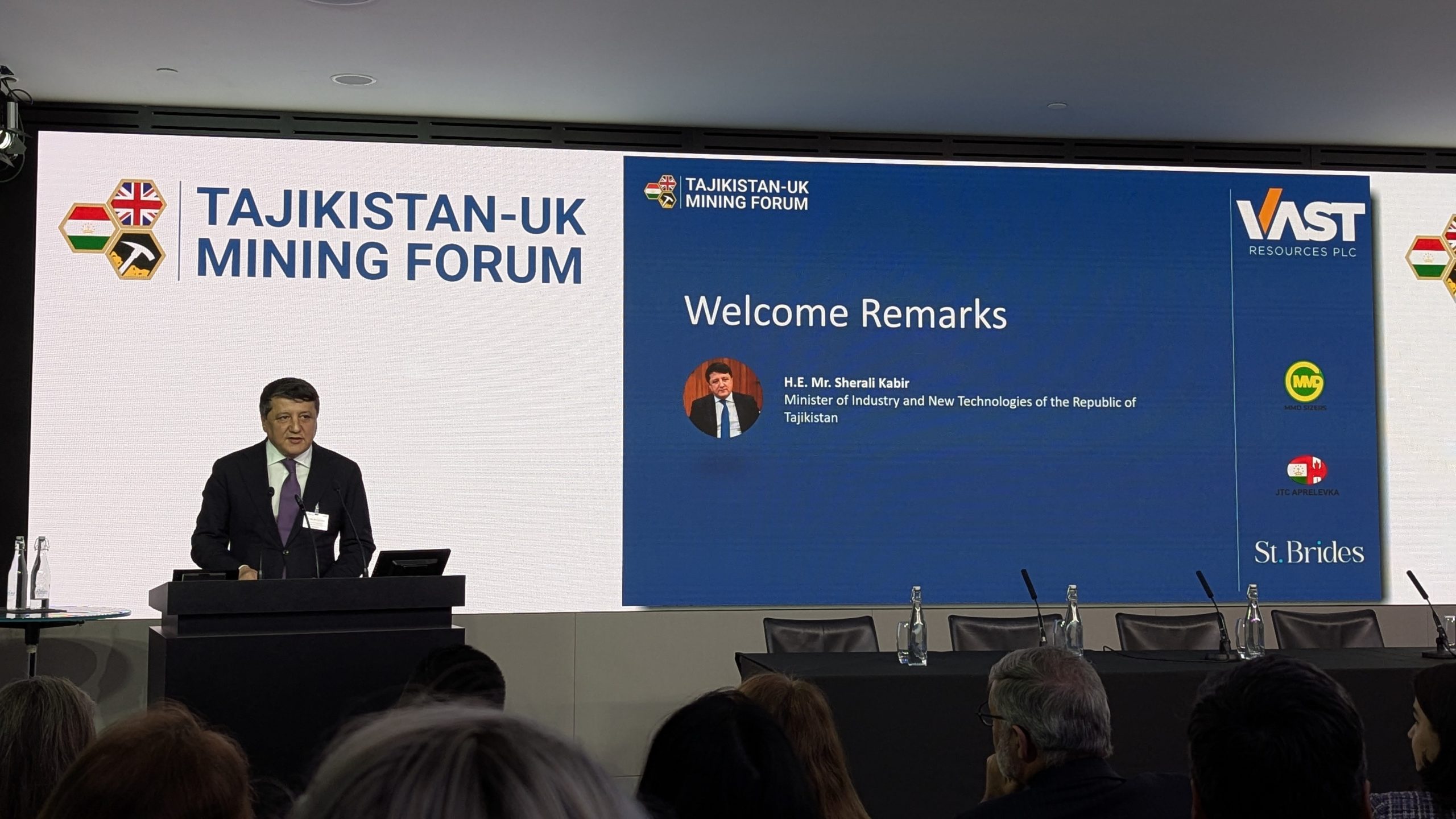
    His Excellency Sherali Kabir, Minister of Industry and New Technologies of the Republic of Tajikistan, delivered a compelling presentation at the Tajikistan-UK Mining Forum held yesterday at the London Stock Exchange. The high-profile event, which took place on 19 May 2025, highlighted the significant investment opportunities within Tajikistan’s rapidly developing mining sector.

    Mineral Wealth and Strategic Resources

    In his address, Minister Kabir emphasised Tajikistan’s extensive mineral resources, noting that the country currently extracts over fifty types of raw materials from explored deposits. These include gold, silver, lead, antimony, tungsten, rare and scattered elements, precious and semi-precious stones, and rock salt.

    The Minister highlighted that Tajikistan possesses ten different types of strategic metals and minerals that feature on the critical resources lists of China, the European Union, the United States, and the United Kingdom. These include copper, aluminium, lithium, zinc, antimony, chlorite, graphite, nickel, tungsten, and rare earth metals.

    “Dependence on critical raw materials may soon replace dependence on oil and gas,” Minister Kabir stated, emphasising the growing global demand for these resources due to international economic competition, industrialisation in developing countries, and ongoing transformations in the global economic order.

    Future Market Prospects

    Minister Kabir presented a strategic outlook for the critical minerals market, predicting substantial price increases for rare earth metals—potentially up to 1,000 percent by 2035—driven largely by the projected production of 140 million electric vehicles worldwide. Despite the current global market for rare earth metals being valued at only $15 billion annually, Tajikistan is positioning itself to become an integral part of new supply chains.

    “We are a country that possesses unique resources, and we believe we can be part of new supply chains. We will certainly use this opportunity,” the Minister asserted.

    Investment Framework and Government Support

    The Tajik government has established a robust investment framework that guarantees stability for mining projects. Minister Kabir explained that investment agreements include provisions ensuring that legislative changes will not affect approved projects during their operational period, thus mitigating fiscal risks for investors.

    “The task of our government is to ensure foreign investors feel comfortable in Tajikistan,” Minister Kabir stated, emphasising the government’s commitment to supporting international partners through active engagement and advocacy.

    Value-Added Production Strategy

    Looking ahead, Minister Kabir revealed that Tajikistan is moving away from the direct sale of raw mineral concentrates. The government has implemented a five-year programme using tariff regulation to encourage domestic processing of metals, aiming to create higher value-added products within the country.

    This strategic shift coincides with Tajikistan’s impressive economic growth, with an overall growth rate of approximately 8.5% and industrial sector expansion of 25% this year, following last year’s 20% increase.

    International Cooperation

    The forum also saw the signing of a non-binding Memorandum of Understanding between Vast Resources PLC, an AIM-quoted mining company that sponsored the event, and the Ministry of Industry and New Technologies of Tajikistan. The MoU establishes a framework for cooperation in identifying new exploration and exploitation targets for non-ferrous and strategic mineral deposits, as well as developing a “Tajik Mineral Investment Fund”.

    The Tajikistan-UK Mining Forum marked an important milestone in strengthening bilateral relations and showcasing the Central Asian nation’s growing significance in the global critical minerals supply chain.
  • Firing the Starting Gun: Turning Insight into Action in the Race to 2030

    Firing the Starting Gun: Turning Insight into Action in the Race to 2030

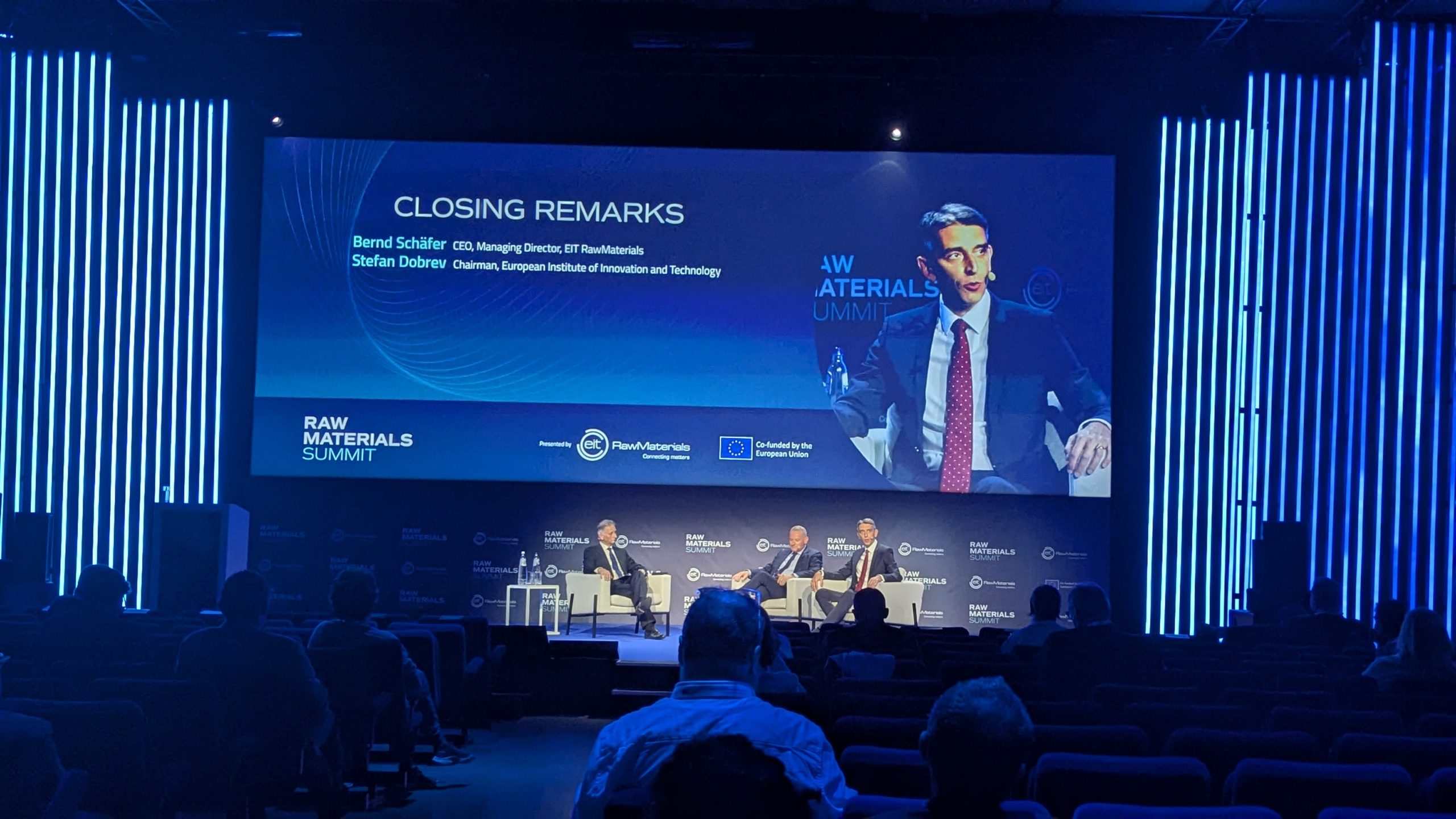
    As the seventh edition of the Critical Raw Materials Summit drew to a close in Brussels, a closing session posed a series of compelling questions to the audience—questions that go beyond policy declarations and dig deep into how Europe must act to secure its raw materials future.

    Moderated with thoughtfulness and energy by Peter Handley, the final panel brought together Stefan Dobrev (Chair, EIT Governing Board) and Bernd Schäfer (CEO, EIT RawMaterials) for a sharp and candid reflection. Here are some of the critical questions and takeaways that framed the conversation:

    -How do we turn knowledge into impact?
    Not just reports or roadmaps, but tangible benefits for citizens, companies, and Europe’s industrial resilience—transforming innovation into products, battery life, and economic value.

    -It’s time to rethink security not just in terms of weapons, but as a question of access—access to critical materials, supply chains, talent, and technology.

    -From cross-border partnerships to internal collaboration among stakeholders, building strong and flexible ecosystems emerged as a cornerstone for success.

    -Acting on foresight—rather than waiting for mandates—was framed as a key responsibility for innovation communities and industrial clusters.

    -Transparency, analytical rigour, and courage to act—especially when outcomes are uncertain—were named as critical success factors.

    -Redesigning supply chains, forging new international partnerships, and ensuring circularity demand risk-taking and creativity.

    Throughout the Summit sessions, a recurring theme was the call for courage—the courage to innovate, to collaborate, and to confront challenges with proactive solutions. Europe, it was said, must not wake up too late to the risks ahead. Strategic autonomy, competitiveness, and sustainability all depend on moving from insight to action.

    A few final reflections from the session:

    The Summit saw a stronger-than-ever presence from international partners and DGs across the European Commission. The CEO Roundtable with BloombergNEF marked a promising new format for high-level engagement on circularity.


  • Crossing the Valley of Death: Europe’s Raw Materials Start-up Ecosystem

    Crossing the Valley of Death: Europe’s Raw Materials Start-up Ecosystem

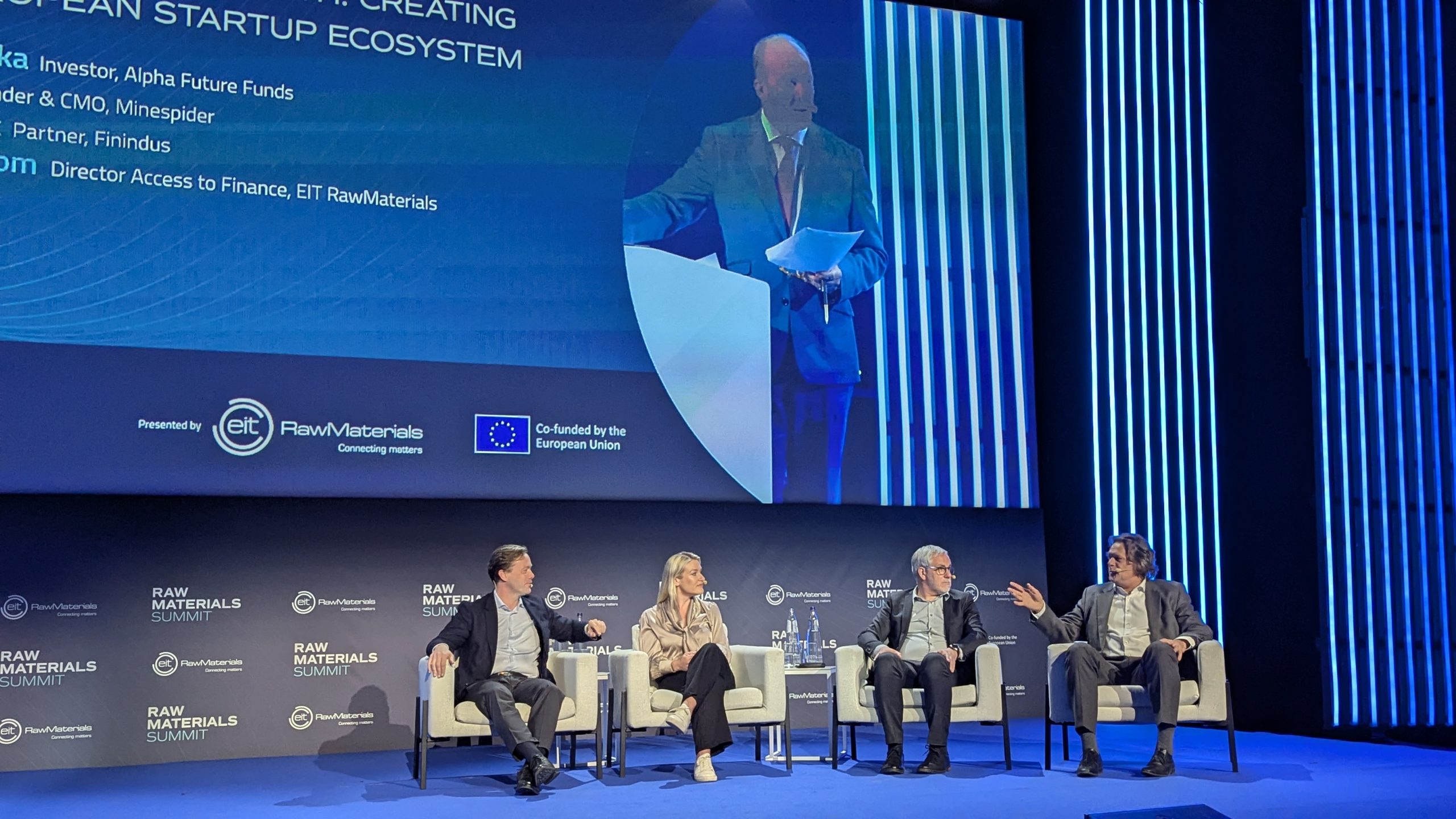
    At the EIT Critical Raw Materials Summit in Brussels on May 15, industry experts discussed the challenges facing Europe’s raw materials start-ups. The panel featured Antony Slotboom (EIT RawMaterials), Benedikt Sobotka (Alpha Future Funds), and Ella Cullen (Minespider), with David Eades moderating.

    Key insights included:

    – Europe has sufficient capital but lacks focus on the crucial development stage where start-ups are too small for banks but need more funding than typical VCs provide

    – The notorious “Valley of Death” affects many promising innovations that struggle to transition from early-stage development to market-ready solutions

    – Cultural differences with the US: European investors are more cautious, while US investors take bigger risks with larger funding tickets – “In the US, you might see a $27 million ticket from a family office – that’s not unusual”

    – Corporate partnerships are vital but challenging to secure: “It’s easier to get a cheque from a VC than a purchase order from a major corporate”

    – European start-ups must think globally from day one, seeking customers and investors internationally

    – The raw materials market is inherently global, with downstream clients often in Europe due to regulations, but upstream clients across Australia, Latin America, and Africa

    – Europe’s strength lies in collaboration networks between start-ups, corporates, and research institutions, but support must extend beyond initial phases

    Cullen shared Minespider’s experience: “We were fortunate to get Horizon 2020 and EIT RawMaterials funding, but the real challenge is scaling – building a fully functional solution and getting it to market.”

    Sobotka concluded: “We need to move beyond the mindset that every junior mining company must become a major. Sometimes, it’s about building a portfolio and accepting that not every venture will succeed – but the ones that do can pay for the rest.”

    The panel called for a more risk-tolerant investment culture and greater ecosystem collaboration to help European raw materials start-ups compete globally.

    hashtagEITSummit hashtagRawMaterials hashtagInnovation hashtagStartups hashtagVentureCapital hashtagSustainability

  • Europe’s Critical Raw Materials Race: 20 Years Behind, But Not Too Late.

    Europe’s Critical Raw Materials Race: 20 Years Behind, But Not Too Late.

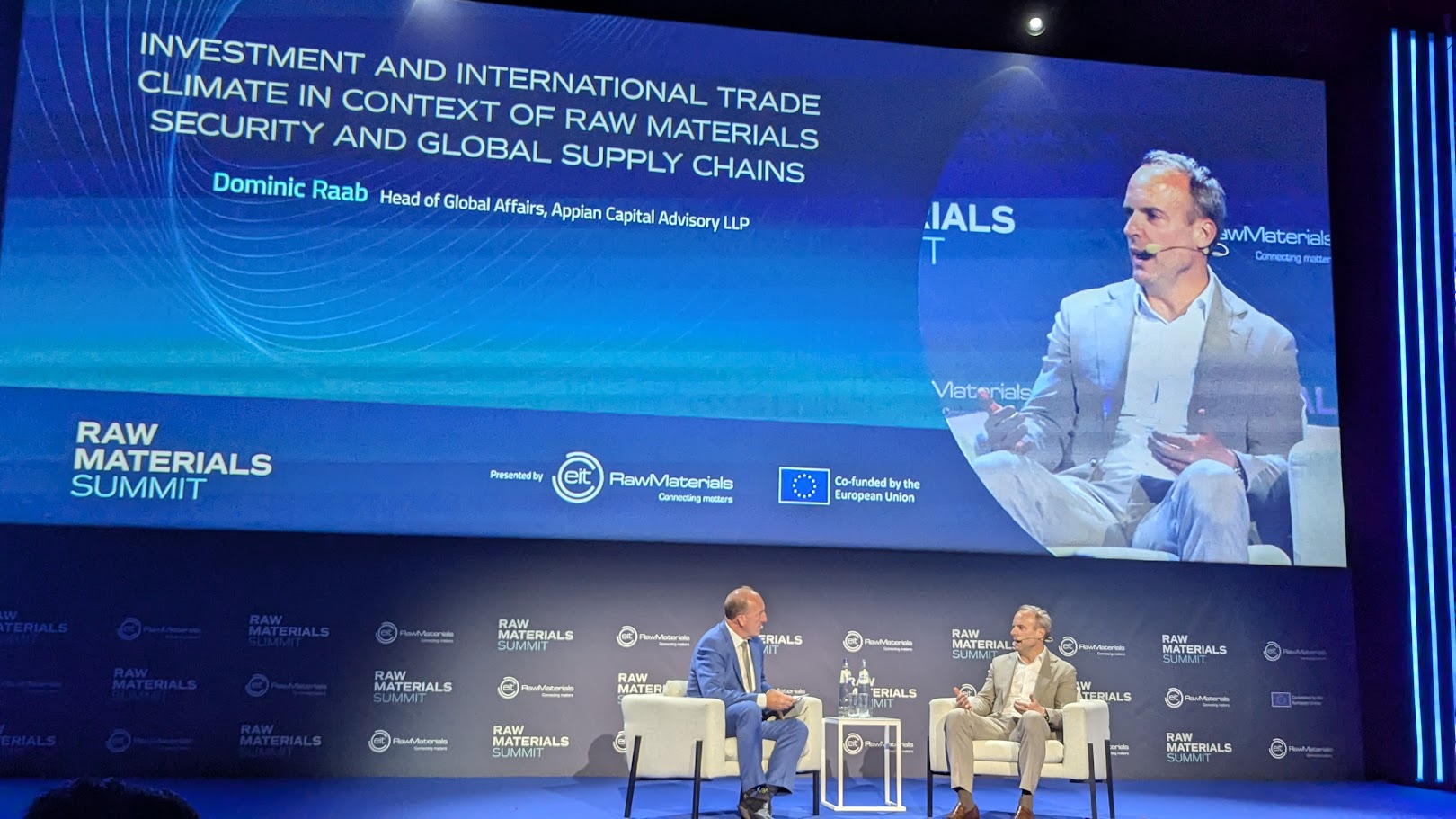
    On 14 May, MINEX Forum had an opportunity to attend a fireside chat with the Right Honourable Dominic Raab—former UK Foreign Secretary and Deputy Prime Minister—at the EIT Critical Raw Materials Summit in Brussels.

    Raab offered a frank and sobering assessment: Europe is two decades behind China in industrial strategy and supply chain resilience when it comes to critical raw materials.

    He pointed to China’s head start and dominant position in the critical minerals market—not only in extraction but across the entire value chain including processing, refining, and end-product manufacturing. In stark contrast, Europe remains highly fragmented, slow-moving, and unclear in governance when it comes to critical materials strategy.

    What stood out most? His call for “friendshoring.”

    Raab emphasised that the West—particularly Europe—must look beyond its borders and proactively build strategic partnerships with non-EU countries across Africa, South America, the Middle East, and Asia. These partnerships should not only secure access to raw materials, but also enable co-investment in local processing and infrastructure—an offer that goes beyond extraction and addresses shared economic development.

    He noted: “We’ve got to start making better offers. Because China already is.”

    Key takeaways from the session:

    The urgency is real. We are not only in a resource competition but a geopolitical one.

    Friendshoring isn’t charity—it’s smart economics and strategic security.

    Europe must move from policy poetry to delivery prose. Governance, coordination, and speed are now strategic assets.

    Creating clear points of contact and leadership across member states is essential to attracting investment and building trust with global partners.

    This is not a race we can afford to lose—and catching up demands bold, collaborative moves.

  • European Tungsten Prices Reach Highest Level Since 2013 Amid Chinese Export Curbs

    European Tungsten Prices Reach Highest Level Since 2013 Amid Chinese Export Curbs

    European tungsten prices have surged to their highest point since 2013, driven by China’s tightening restrictions on critical mineral exports. The price of ammonium paratungstate (APT)—a vital intermediate in tungsten metal production—has reached $400 per metric ton unit (mtu) on the European spot market, marking an 18% increase since February, according to Reuters.

    The spike follows China’s recent export curbs and quota reductions on key strategic metals, including tungsten, tellurium, molybdenum, bismuth, and indium. These measures, imposed in retaliation to US tariffs earlier this year, have intensified global supply concerns.

    China dominates global tungsten production, accounting for over 80% of the 81,000 tons produced worldwide last year, according to the US Geological Survey (USGS). Tungsten’s exceptional properties—such as its highest melting point of any element, extreme hardness, and excellent electrical and thermal conductivity—make it indispensable across various industries. Initially popularized in incandescent light bulbs, tungsten now underpins sectors ranging from aerospace and semiconductors to defense and industrial drilling.

    Tungsten carbide, second only to diamond in hardness, is crucial for metalworking tools and industrial drills, while tungsten crucibles facilitate the melting of other high-temperature materials. In the defense sector, tungsten is used for “penetrators,” armor-piercing projectiles currently in high demand amid the ongoing conflict in Ukraine.

    China’s Tightening Grip on Exports
    The global tungsten scarcity has been exacerbated by China’s export restrictions. The country’s first tungsten ore mining quota for 2024 was set at 58,000 tons—a 6.5% decrease from the previous year.

    “Since the Chinese export ban was announced, there has been an over-reliance on scrap supplies, but now those are running thin, and there’s growing panic over the inability to secure new primary tungsten material,” said Oliver Friesen, CEO of Guardian Metal Resources.

    The stakes are especially high for the United States, which ceased commercial tungsten mining in 2015 and remains heavily reliant on imports. A looming 2027 deadline mandates the US military to eliminate purchases of tungsten mined or processed in China or Russia—the latter being the world’s third-largest producer.

    North American Efforts to Secure Supply
    In response, Canada’s Almonty Industries recently announced an offtake agreement to provide tungsten oxide exclusively for US defense applications. The company operates tungsten mines in Spain, Portugal, and South Korea.

    “Almonty can produce enough tungsten for US/EU/Korea defense demand but not enough for the entire US/EU/Korea market—defense and civilian combined,” Almonty’s CEO Lewis Black stated. Shares of Almonty rose 4.6% in Toronto following the announcement, giving the company a market capitalization of C$688 million ($492 million).

    “Tungsten is a small market… But the industries that depend on it are exponentially bigger, which is why it is on everyone’s critical mineral list,” Reuters columnist Andy Home noted.

  • Kazatomprom and Romania’s SN Nuclearelectrica Discuss Expanding Uranium Supply Cooperation

    Kazatomprom and Romania’s SN Nuclearelectrica Discuss Expanding Uranium Supply Cooperation

    Kazatomprom, Kazakhstan’s national atomic company, held discussions with Romania’s Ministry of Energy and state-owned company SN Nuclearelectrica S.A. regarding the expansion of natural uranium supplies and the development of the beryllium industry.

    A key outcome of the talks was the discussion of terms for a ten-year contract to supply Kazakhstani natural uranium for Romania’s current and planned nuclear power plants. Kazatomprom anticipates that the contract will strengthen long-term cooperation between the two countries and provide reliable raw material supplies for Romania’s nuclear energy sector.

    Additionally, the Ulba Metallurgical Plant (UMP), a subsidiary of Kazatomprom, may begin processing Romanian beryllium. Romanian representatives expressed interest in scientific and technical cooperation with UMP and further exploration of processing beryllium raw materials from Romanian deposits. UMP specializes in processing beryllium and tantalum and exports its products globally.

    In Kazatomprom’s 2024 report, uranium production (proportional to its ownership share) reached 12.3 thousand tons, marking a 10% increase from 11.1 thousand tons in 2023 and 11.4 thousand tons in 2022. This growth was mainly driven by joint ventures Budenovskoye, Akbastau, and Karatau.

    However, production of beryllium products fell to 735.1 tons in 2024, down from 842.8 tons in 2023 and 1,295.4 tons in 2022. Tantalum production also declined, with 135.1 tons produced in 2024 compared to 153.8 tons in 2023 and 165.3 tons in 2022.

    Kazatomprom’s 2024 financial report stated that revenue reached 1.81 trillion tenge (up from 1.43 trillion tenge in 2023). The largest consumers of Kazakh uranium and other products included:

    • China: 663.7 billion tenge (522.5 billion tenge in 2023)

    • Kazakhstan: 336.6 billion tenge (182.6 billion tenge)

    • Russia: 253.2 billion tenge (215 billion tenge)

    • Canada: 164.9 billion tenge (131.1 billion tenge)

    • USA: 140.9 billion tenge (152.5 billion tenge)

    • France: 110.9 billion tenge (82.6 billion tenge)

    • United Kingdom: 44.7 billion tenge (40.6 billion tenge)

    • UAE: 29.3 billion tenge (no imports in 2023)

    Other countries purchased Kazakh products worth 69.2 billion tenge, down from 107.6 billion tenge in 2023. Although Romania was not among the largest consumers, Kazatomprom confirmed it continues to supply its products to the country.

  • Uzbekistan Focuses on Supporting Construction Material Producers

    Uzbekistan Focuses on Supporting Construction Material Producers

    A meeting was held with construction material producers of Uzbekistan under the leadership of Deputy Prosecutor General S.I. Samadov and Minister of Mining Industry and Geology B.F. Islamov. The event brought together representatives of responsible departments to address existing challenges in the sector.

    Key issues discussed included operational problems faced by producers, particularly in cement manufacturing, and strategies for overcoming these obstacles. A major point of concern was the availability of coal required for production.

    Officials informed entrepreneurs that coal deposits are actively being developed in the Surkhandarya region, presenting an opportunity for local coal fuel to be supplied to manufacturers. This initiative aims to improve the reliability and quality of fuel for construction material production, reducing dependence on external sources.

    The meeting underscored the government’s commitment to supporting local industries and enhancing the efficiency of Uzbekistan’s construction material sector.

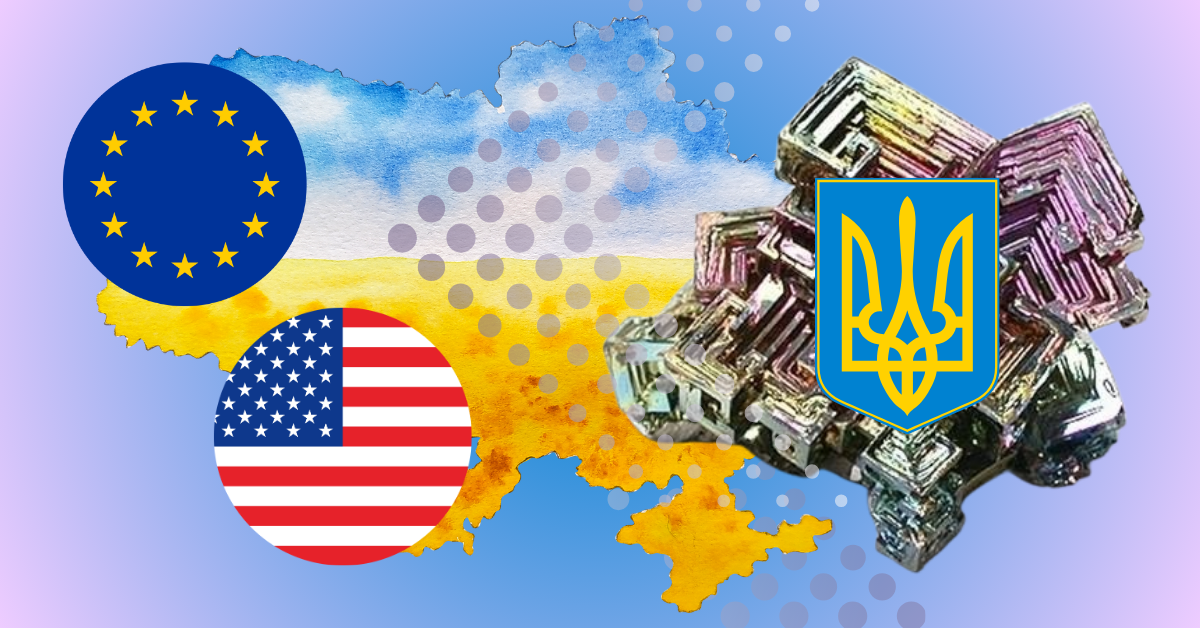
  • US-Ukraine Investment Agreement Faces Long Road to Mining and Energy Sector Boost

    US-Ukraine Investment Agreement Faces Long Road to Mining and Energy Sector Boost

    The recently ratified investment agreement between Ukraine and the United States, championed by US President Donald Trump, is not anticipated to deliver tangible results for at least a decade, experts told the Financial Times.

    The agreement, approved by Ukraine’s parliament on May 8, outlines the establishment of a joint “reconstruction investment fund” to support future mining and energy projects. Despite optimism, industry leaders warn that substantial challenges lie ahead, including Russia’s ongoing war on Ukraine, heavily damaged infrastructure, restricted Soviet-era geological data, corruption risks, and unexploded ordnance contamination.

    According to Eric Rasmussen, former head of natural resources at the European Bank for Reconstruction and Development, “It could be 10-15 years — that’s the sort of timeline we talk about.” Peter Bryant of the advisory group Clareo echoed these sentiments, stating that the deal “does little to de-risk the supply chain in the next 10 years.”

    Ukraine boasts significant natural resources, including iron ore, coal, lithium, graphite, and titanium-bearing ores. It is also Europe’s third-largest gas producer. While oil and gas fields may be quicker to develop, mining projects are expected to face lengthy geological exploration before reaching feasibility.

    Ukrainian Minister Yulia Svyrydenko mentioned that the reconstruction fund would be operational “within a few weeks,” although profits are expected to be reinvested for the first decade.

    US-backed TechMet, which aims to secure Ukrainian lithium, called the agreement promising but noted the long-term commitment required. DTEK, Ukraine’s largest private energy firm, expressed optimism, signaling that Ukraine was “open for business.”

    However, not all are convinced. One mining executive remarked skeptically, “This romantic idea that there’s lakes of lithium to be tapped is just not the case.”

  • Ferrexpo’s Ukrainian Unit Faces Bankruptcy Proceedings Amid Legal Turmoil

    Ferrexpo’s Ukrainian Unit Faces Bankruptcy Proceedings Amid Legal Turmoil

    Ukraine-focused miner Ferrexpo announced on Thursday that the Commercial Court of Poltava has accepted an application to initiate bankruptcy proceedings for its Ukrainian subsidiary, Ferrexpo Poltava Mining (FPM).

    Following the announcement, Ferrexpo’s shares dropped 6.6%, trading at 65 pence.

    Despite the court’s acceptance of the application, the company clarified that formal bankruptcy procedures have not yet commenced. A preparatory court hearing is scheduled for May 27, during which the court will review the application.

    Ferrexpo has been embroiled in legal disputes in Ukraine since 2022 when its main shareholder, Ukrainian billionaire Kostiantyn Zhevago, was arrested on embezzlement charges linked to the collapse of Finance & Credit Bank.

    In 2024, a Ukrainian court ruled against FPM, demanding a payment of 4.73 billion hryvnias ($114.06 million), alleging the subsidiary had provided guarantees to Bank F&C. Although this claim was suspended by the Ukrainian court of appeal, the final decision remains pending.

  • North Macedonia’s ESM Plans to Open New Coal Mine Near Greek Border

    North Macedonia’s ESM Plans to Open New Coal Mine Near Greek Border

    North Macedonia’s state-owned power utility, Elektrani na Severna Makedonija (ESM), has announced plans to open a new coal mine in Zivojno, close to the Greek border, according to the Ministry of Environment and Physical Planning.

    The ministry is currently seeking public feedback on the environmental impact assessment study for the project, with submissions open until May 15.

    ESM intends to begin operations at the Zivojno mine in 2026, following a three-year preparatory phase. Despite its ambitious start, the mine is projected to have a relatively short operational life of just four years, local broadcaster Telma reported.

    The announcement comes amid North Macedonia’s broader strategy to phase out coal-fired energy production. The government has committed to closing its two existing coal plants, REK Bitola and Oslomej, by 2030, as part of its efforts to transition towards cleaner energy sources.