Website: Europe.com

  • More Than Half of EU’s Strategic Mining Projects Located in Water-Stressed Regions as Brussels Prepares to Weaken Water Protection Law

    More Than Half of EU’s Strategic Mining Projects Located in Water-Stressed Regions as Brussels Prepares to Weaken Water Protection Law

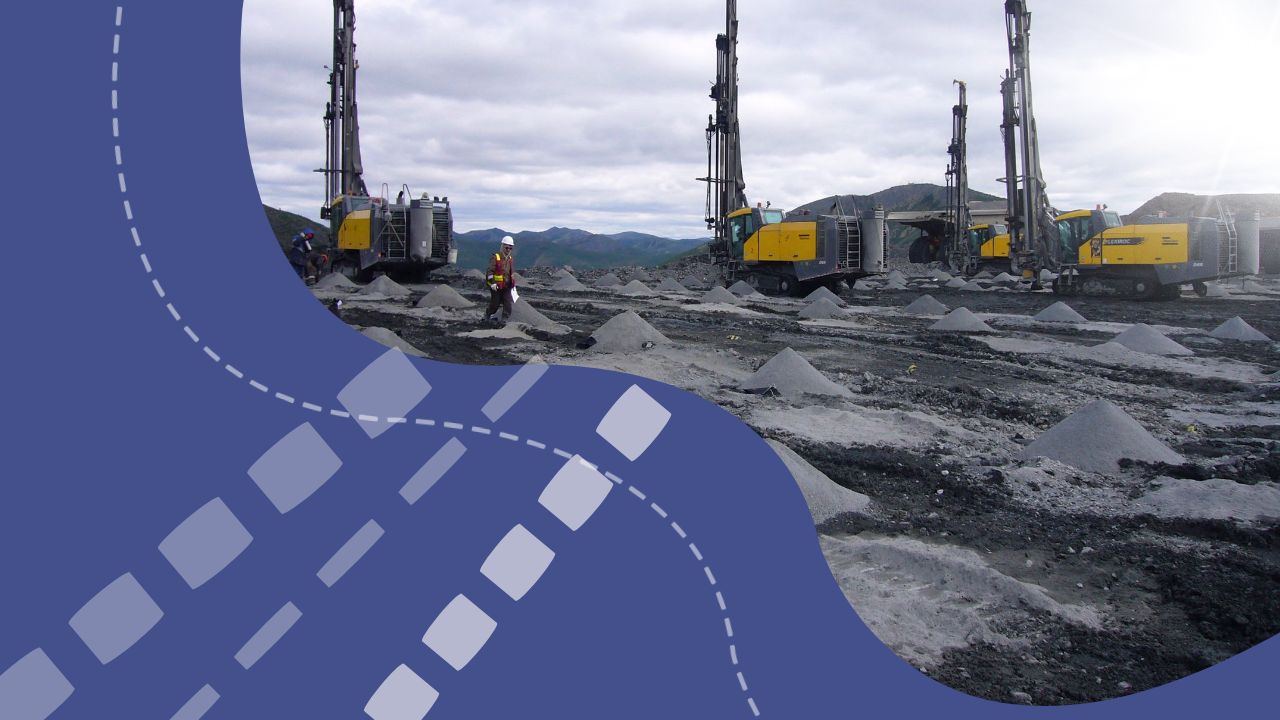
    More than half of the 33 planned new or expanded mines designated as strategic projects under the EU’s Critical Raw Materials Act are located in areas that have been drying over the past two decades, according to analysis by Watershed Investigations using NASA satellite data — a finding that has alarmed environmental groups as the European Commission prepares to revise the bloc’s flagship water protection law to speed up mining permitting.

    Nearly half of the strategic mines are in zones that experienced drought conditions in the past three months according to EU data, and a quarter are in regions deemed water-stressed. Six of the strategic mines are planned for highly water-stressed areas in Spain, with others in Portugal and Greece — countries that rank among the top ten EU nations with the worst water scarcity according to the European Environment Agency. In 2024, Catalonia declared a state of emergency over its worst-ever drought and water-use restrictions were imposed in Andalucía. In 2022, 96% of Portugal was experiencing extreme or severe drought conditions.

    The European Commission is preparing to revise the Water Framework Directive — the EU’s key law protecting rivers, groundwater and wetlands — with the stated aim of removing permitting bottlenecks and improving access to strategic minerals. Mining industry trade association Euromines has been pushing for these changes, including longer deadlines for countries to meet water quality targets, amendments to how the WFD’s no-deterioration rule is applied, and greater legal certainty for industrial projects. The association insisted the proposed changes are “not a licence to pollute” and maintained that its priority remains strong environmental safeguards alongside legal clarity.

    Environmental groups dispute that framing. Sara Johansson of the European Environmental Bureau said the mining industry had “not presented a shred of evidence” that the WFD was creating bottlenecks for mining projects, and described the planned revision as reckless. Professor Kaveh Madani, director of the UN University Institute for Water, Environment and Health, warned that weakening water protections in drought-prone regions was “a form of Russian roulette” that could produce long-lasting or irreversible damage to rivers, aquifers and ecosystems. “Fast-tracking mining in water-stressed regions by weakening safeguards is a form of Russian roulette,” he said. “History may judge it as recklessness tomorrow.”

    The European Commission defended the strategic project selection, saying mines were assessed by independent experts and must comply with EU environmental law, with environmental and water impact assessments carried out by national authorities. Several mining companies contacted by the Guardian disputed suggestions their projects would place undue pressure on water resources, pointing to closed-loop recycling systems, monitoring programmes and regulatory oversight.

    The tension reflects a broader structural conflict within EU critical minerals policy: the same regions with the richest mineral endowments for the energy transition — Spain, Portugal, Greece — are among the most acutely water-stressed, and the mining processes needed to extract those minerals are among the most water-intensive in industry.
  • Europe’s Aluminium Supply Chain Is Quietly Fracturing as Primary Output Collapses and Scrap Exports Surge

    Europe’s Aluminium Supply Chain Is Quietly Fracturing as Primary Output Collapses and Scrap Exports Surge

    Europe recycles more of its available aluminium scrap than any other major industrial region on earth, and yet it still runs a structural supply deficit of an estimated 2 million tonnes annually. That paradox sits at the centre of one of the most consequential and least-discussed industrial supply chain failures facing the European economy — one with direct implications for electric vehicle production, renewable energy infrastructure and defence manufacturing.

    A two-decade collapse in primary output

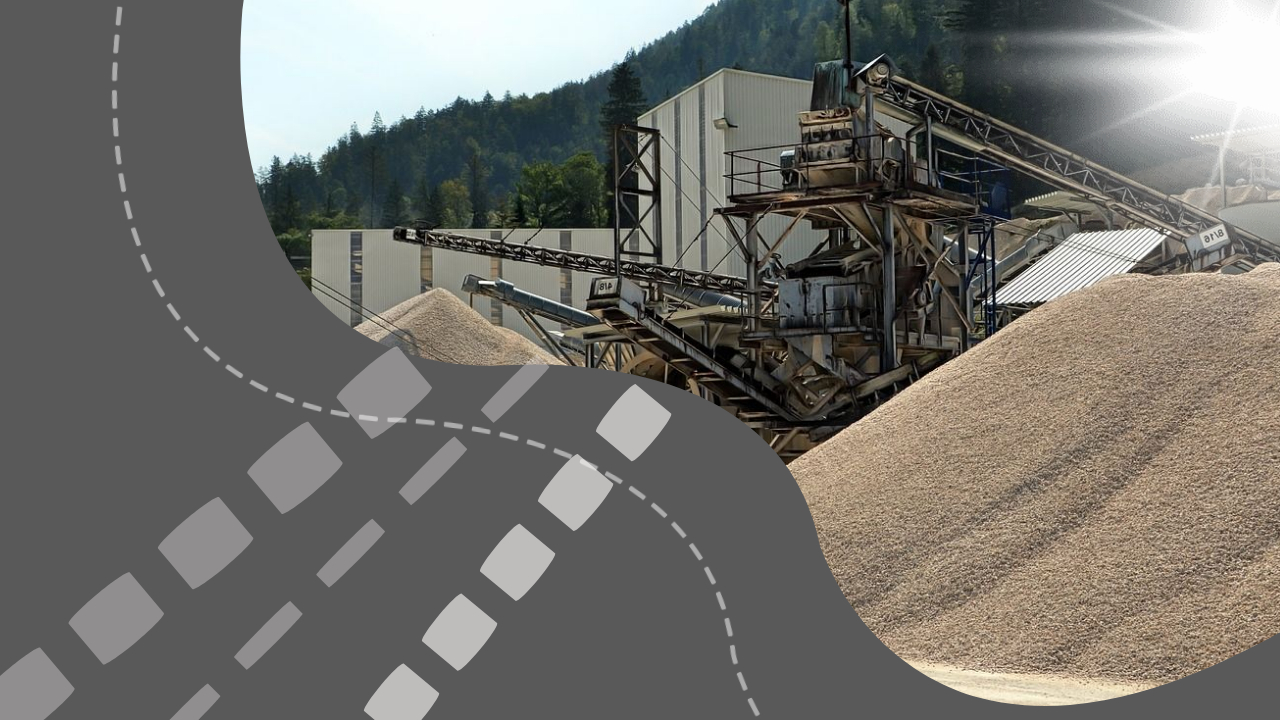
    The structural retreat of European primary aluminium production is stark. In 2002, Europe produced 4.9 million tonnes of primary aluminium and imported 2.6 million tonnes to supplement domestic demand. By 2025, the equation had inverted entirely: domestic output had fallen to 3.4 million tonnes while imports climbed to 4.4 million tonnes. Within the EU specifically, primary production contracted from 2.9 million tonnes in 2005 to approximately 1.2 million tonnes by 2025 — a decline of close to 60% over two decades.

    The cause is energy. Primary aluminium production through the Hall-Héroult electrolysis process requires 13 to 16 megawatt-hours of electricity per tonne produced, with electricity representing roughly 40% of total operating costs. When European wholesale electricity prices surged after 2021, the financial arithmetic of domestic smelting collapsed rapidly. Nearly 50% of EU primary smelting capacity was curtailed or permanently closed between 2021 and 2023.

    The scrap leakage paradox

    Europe achieves an 81% recycling rate on its potentially available aluminium scrap — yet ships approximately 1.4 million tonnes offshore each year, primarily to Asian buyers who account for roughly 75% of EU scrap export destinations. EU aluminium scrap exports surged 74.7% year-on-year in March 2026 and have risen 66% since 2014. The trajectory is moving in precisely the wrong direction as downstream manufacturers face intensifying feedstock pressure.

    The mechanics are straightforward: Asian buyers consistently offer prices that European recyclers, facing elevated energy and operating costs, cannot match. This is not a market failure in the conventional sense — it reflects genuine cost differentials. But the consequence is that high-grade scrap exits the domestic system, leaving lower-quality material for European processors, increasing costs and reducing alloy yields.

    Secondary production carries compelling economics where feedstock is available. It requires approximately 600 to 800 kilowatt-hours per tonne versus 13,000 to 16,000 for primary production — a 95% energy reduction. Yet even at world-leading recycling rates, the 2-million-tonne structural deficit persists, because the export channel means the effective feedstock pool available to European recyclers is significantly smaller than aggregate scrap generation figures imply. There is also a metallurgical ceiling: repeated recycling cycles introduce trace element contamination that prevents secondary metal from substituting for primary aluminium in high-specification aerospace, electrical and structural applications.

    Demand is accelerating while supply retreats

    This structural supply deterioration is colliding with a demand surge. Global aluminium consumption is projected to rise approximately 40% between 2020 and 2030, requiring an additional 33.3 million tonnes across all sectors. For Europe specifically, the energy transition alone could add approximately 5 million tonnes of annual demand by 2040 — roughly 30% growth above current consumption levels. Electric vehicles use substantially more aluminium than internal combustion vehicles; solar and transmission infrastructure, construction and packaging are all growing additional demand drivers.

    What policy can and cannot do

    The EU has assembled a meaningful regulatory framework: the Waste Shipment Regulation holds potential to restrict scrap exports to non-OECD countries, the Packaging and Packaging Waste Regulation will boost beverage can collection through deposit return schemes, the Critical Raw Materials Act encourages recycling infrastructure investment, and end-of-life vehicle rules will improve automotive scrap recovery. European industry has committed approximately €700 million to new recycling plants and processing capacity.

    But regulatory measures cannot override the price differential that makes exporting scrap to Asian buyers economically rational for collectors and traders. Deposit return schemes do not extend to industrial and post-production scrap streams where volume is largest. And without targeted energy cost relief for energy-intensive recycling operations, the structural incentive to export rather than process domestically remains intact regardless of the regulatory framework.

    A realistic pathway forward requires three simultaneous interventions: enforced trade measures that retain more scrap within the EU, targeted industrial energy policy that allows European recyclers to operate on a viable cost basis, and design-for-recyclability requirements embedded across automotive, construction and packaging sectors. No single intervention closes the gap. Recycling is not a replacement for primary aluminium production — it is the foundation of a more resilient, lower-carbon supply architecture, and the strategic objective is integration rather than substitution.

  • Norra Kärr’s 25-Year Mining Lease Marks Europe’s Best Shot at Heavy Rare Earth Sovereignty — But the Window Is Closing

    Norra Kärr’s 25-Year Mining Lease Marks Europe’s Best Shot at Heavy Rare Earth Sovereignty — But the Window Is Closing

    The grant of a 25-year exploitation concession to Leading Edge Materials for the Norra Kärr heavy rare earth project in southern Sweden represents one of the most significant developments in European critical minerals in years — not because it completes the supply chain, but because it creates the legally secured upstream anchor without which no European mine-to-magnet chain is possible.

    Why heavy rare earths are different from every other critical mineral

    Dysprosium, terbium and yttrium are not simply scarce — they are structurally irreplaceable in the applications that define the energy transition and modern defence. Dysprosium maintains the coercivity of neodymium-iron-boron permanent magnets at elevated operating temperatures; without it, EV motor performance degrades in real-world conditions. Terbium performs a similar function at even smaller addition volumes, making it among the most cost-sensitive elements in the entire battery supply chain on a per-kilogram basis. China controls approximately 85 to 90% of global rare earth processing capacity, and its dominance in the heavy rare earth segment specifically is even more pronounced, because ionic clay deposits that supply much of the world’s heavy rare earth production are geologically specific to southern China’s weathering conditions.

    What makes Norra Kärr exceptional

    Most operating rare earth mines produce predominantly light rare earth elements, with heavy rare earths as a byproduct. Norra Kärr inverts that ratio. The deposit’s eudialyte-group mineralogy concentrates dysprosium, terbium and yttrium as the primary economic drivers. At projected annual output of approximately 248 tonnes of dysprosium oxide and 36 tonnes of terbium oxide from a 5,340-tonne mixed rare earth oxide operation, independent research by the Edison Group estimates Norra Kärr’s dysprosium output alone would exceed total current European annual demand of approximately 200 tonnes — making it potentially the first European project capable of satisfying the continent’s entire requirement for this critical element.

    Technical work on the deposit spans 15 years, including a pre-feasibility study from 2015. That foundation means the company is advancing from an accumulated knowledge base rather than a greenfield position.

    What the mining lease actually changes

    Before the exploitation concession, every conversation with investors, financiers and potential offtake partners was framed by the residual risk of the concession not being awarded. That risk no longer exists. The project has moved from contingent to confirmed: 25 years of legally secured development rights transform the investment conversation from whether the project can proceed to when and on what terms.

    For the European Investment Bank and Nordic Investment Bank — both of which require completed feasibility studies and de-risked development assets before entering formal due diligence — the mining lease is a prerequisite. Binding offtake discussions with European refiners and separators seeking dysprosium and terbium supply are now transactional conversations rather than planning exercises.

    How the 2016 setback was overcome

    The original exploitation concession granted in 2013 was revoked in 2016 on environmental grounds relating to the project’s proximity to Lake Vättern, one of Sweden’s largest freshwater bodies. The redesigned project incorporates two fundamental changes: the mine footprint has been reduced by 65%, and all chemical processing has been fully decoupled from the mine site, with downstream hydrometallurgical work to be conducted at a separate pre-permitted industrial facility. The mine site sequence is now limited to quarrying, crushing, grinding, magnetic separation and concentrate transport — removing the most complex chemical activities from the ecologically sensitive location without materially altering project economics.

    The race between European policy and non-European capital

    The Norra Kärr concession arrives at a moment when US capital is already moving faster than European policy. Energy Fuels has acquired Vacuumschmelze, Europe’s largest permanent magnet manufacturer. USA Rare Earths has taken stakes in French refiner Carester and UK metallisation company Lescoma Metals. The pattern mirrors the US approach of deploying public capital as a catalyst for private investment — a mechanism that has mobilised significant private sector activity in the United States while European critical minerals policy has generated frameworks without equivalent capital deployment.

    The next steps for Norra Kärr are an updated pre-feasibility study, environmental permit application under Sweden’s Environmental Code — benefiting from 15 years of baseline data and the project’s reduced footprint — and engagement with CRMA strategic project designation. Sweden is implementing a single-authority environmental permitting framework that should be operational when the Norra Kärr application is submitted, potentially reducing timeline and procedural complexity. The company targets first production within four years.

    A genuinely sovereign European heavy rare earth supply chain requires not just Norra Kärr but separation capacity, alloying capability and magnet manufacturing infrastructure built by European entities with European capital. The mining lease provides the upstream anchor. Whether European policy can move quickly enough to build the remaining links before non-European capital occupies those positions is the defining industrial sovereignty question of this decade.

  • Barroso Deep Dive: Why Portugal’s Savannah Resources Project Is Europe’s Most Strategically Significant — and Most Contested — Lithium Development

    Barroso Deep Dive: Why Portugal’s Savannah Resources Project Is Europe’s Most Strategically Significant — and Most Contested — Lithium Development

    Europe’s lithium supply problem is structural, not cyclical. Battery-grade lithium cannot be sourced from a spot market and delivered in weeks — it requires years of upstream development, precise mineral processing and tightly controlled chemical conversion before it reaches a cathode plant. Europe currently produces almost none of this input domestically, leaving EV manufacturers and battery gigafactories exposed to supply chains running through Australia, Chile and Chinese processing infrastructure.

    Portugal’s Barroso deposit, developed by London-listed Savannah Resources, represents the most advanced and largest-scale attempt to change that reality within European borders.

    The geological foundation

    Barroso sits within the Iberian Massif, a Variscan-age geological formation that hosts one of the world’s densest concentrations of lithium-bearing pegmatite bodies. The primary mineral at the deposit is spodumene — the commercially preferred hard-rock lithium source for battery manufacturers, whose chemical structure enables efficient conversion to lithium hydroxide monohydrate, the form most compatible with the nickel-rich NMC cathode chemistries used in high-energy-density EV batteries.

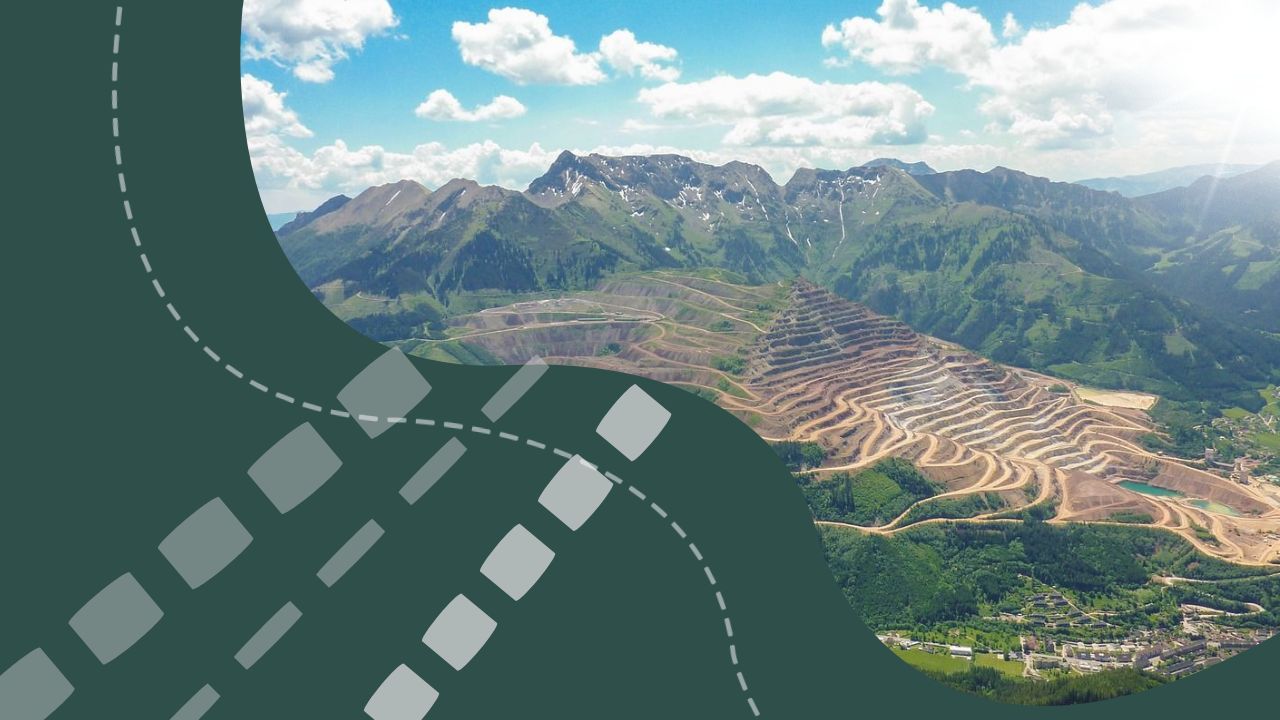
    The confirmed mineral resource stands at 39 million tonnes at an average grade of 1.05% Li₂O — Europe’s largest confirmed spodumene deposit by a substantial margin. Potential extensions of 35 to 62 million tonnes could push the total above 100 million tonnes and extend the mine life beyond 50 years. Portugal’s Atlantic coastline position adds a logistics advantage: Barroso sits within 300 kilometres of five deep-water ports, enabling concentrate delivery to processing facilities in northern Europe or North America at substantially lower cost than landlocked Central European competitors.

    The processing chain

    Run-of-mine ore passes through crushing, dense media separation and froth flotation to produce spodumene concentrate grading approximately 6% Li₂O — the product sold to downstream converters. Those converters roast the concentrate to convert alpha-spodumene to the more reactive beta form, then leach with acid to produce lithium hydroxide or carbonate. The deposit also contains recoverable feldspar and quartz for the ceramics and glass industries, providing co-product revenues that improve economic resilience during periods of price softness.

    At the DFS target of 191,000 tonnes per year of spodumene concentrate, Barroso would produce enough lithium to supply battery packs for approximately 500,000 electric vehicles annually — meaningful but not sufficient to close Europe’s structural deficit, underlining the scale of the continent’s supply challenge.

    State commitment and project milestones

    In January 2026 Portugal awarded Savannah a €110 million non-reimbursable grant — one of the largest direct fiscal contributions to a single European mining project in recent history. Non-reimbursable grants reduce capital expenditure without creating debt obligations, directly improving the project’s internal rate of return and signalling that the Portuguese state has moved from rhetorical support to material financial commitment. The project was classified as a strategic project under the EU’s Critical Raw Materials Act in March 2025. A final investment decision is targeted for end of 2026, with construction in 2027 and first production in late 2028.

    A decade of opposition and the June 2026 injunction

    Barroso has faced persistent community and legal opposition for close to a decade, with intensity unusual even by global mining standards. A precautionary injunction granted by the Mirandela Administrative and Fiscal Court on 9 June 2026 halted geotechnical fieldwork for three weeks, filed by the Barroso Assembly of Common Land Holders following the granting of a second administrative easement. The Portuguese government intervened by formally declaring the project of national and European strategic importance, arguing the suspension endangered the energy transition framework. The injunction was lifted on 30 June 2026, with no right of appeal available to opponents against the lifting order.

    The Barroso region holds GIAHS designation from the UN Food and Agriculture Organisation, recognising its Globally Important Agricultural Heritage status linked to centuries-old communal land management and agropastoral farming. This designation carries no legal veto over mining, but exposes the project to international environmental advocacy that regulatory opposition alone cannot generate. Environmental concerns centre on projected annual water consumption of up to 600,000 cubic metres and potential groundwater impacts on surrounding agricultural communities.

    The strategic supply chain case

    A significant portion of global lithium processing capacity sits within Chinese industrial infrastructure, meaning that even when raw lithium is sourced from Australia or Chile, the chemical conversion step frequently passes through Chinese facilities before reaching European battery makers. A domestic European spodumene producer at Barroso’s scale would allow European converters to establish processing relationships entirely within EU and friendly-nation supply chains — directly addressing the bloc’s stated objective of repatriating critical mineral value chains and reducing strategic exposure to third-country processing dependencies.

  • KGHM Sets 32 Billion Zloty Investment Strategy Through 2030 Targeting 730,000 Tonnes Copper and New “KGHM 2.0” Polish Mine

    KGHM Sets 32 Billion Zloty Investment Strategy Through 2030 Targeting 730,000 Tonnes Copper and New “KGHM 2.0” Polish Mine

    Polish state-controlled copper and silver producer KGHM has unveiled its Strategy 2055+ plan committing more than 32 billion zlotys ($8.55 billion) in investment through the end of the decade, with targets for copper output of 730,000 tonnes, silver production of 1,290 tonnes and average annual adjusted EBITDA of 12 billion zlotys between 2026 and 2030.

    The strategy centres on securing ore supplies closer to KGHM’s Polish smelters to reduce logistics costs, with approximately 80% of planned copper output expected to come from domestic assets. Chief Executive Remigiusz Paszkiewicz said the company plans to build a new mine in Poland dubbed “KGHM 2.0,” with an ambition to transform the group into “a modern, multi-raw material industrial group” after 2035.

    Nearly 80% of planned investment will go to the core Polish business, with the remainder allocated to overseas assets in Chile, the US and Canada. Despite the domestic focus, KGHM’s foreign operations — led by the Sierra Gorda mine in Chile, in which the company holds a 55% stake, and the Robinson mine in Nevada — generated approximately 48% of group EBITDA in 2025. Deputy Chief Executive for foreign assets Anna Sobieraj-Kozakiewicz said the company intends to grow the contribution of overseas assets over time. “We want the position of our foreign assets to grow, because this builds the company’s global credibility and resilience to structural changes,” she said.

    KGHM’s strategy coincides with its recent letter of intent with Canada’s Lumina Metals for copper concentrate supply from the Nowa Sól project in Poland, which the company views as a processing opportunity for its Glogow smelter rather than a competitive threat.

  • ACG Raises Gold Recovery at Turkey’s Gediktepe Mine to 85% With Patented Heap Leach Process While Cutting Cyanide Use by 45%

    ACG Raises Gold Recovery at Turkey’s Gediktepe Mine to 85% With Patented Heap Leach Process While Cutting Cyanide Use by 45%

    ACG has achieved a sustained improvement in gold recovery at its Gediktepe Mine in Turkey, raising commercial recovery from approximately 75% to 85% through a proprietary technical approach developed internally by the company, for which patent protection has been secured in Turkey and is progressing in 35 other countries.

    The improvement, delivered under commercial operating conditions between April 2025 and June 2026, is accompanied by a 45% reduction in cyanide consumption, reduced leach cycle times and lower overall operating costs — a combination that is contributing to stronger cash flow and improved margins on oxide ore processing.

    ACG Chairman and CEO Artem Volynets described the results as demonstrating the strength of the company’s technical team. “As we move into the sulphide ramp-up phase and copper production, disciplined process control and recovery efficiency will be key to delivering performance and optimising cash flow,” he said.

    The company expects the improvements to continue through the remaining oxide phase and intends to apply the patented process approach to sulphide and transitional ore as Gediktepe advances toward copper production. The broader applicability of the proprietary process beyond Gediktepe is also highlighted as a potential asset for the company.

  • Poland’s Coal Waste Heaps Could Become a Strategic Rare Earth Source — If the Country Moves Fast Enough

    Poland’s Coal Waste Heaps Could Become a Strategic Rare Earth Source — If the Country Moves Fast Enough

    Poland has no proven primary deposits of rare earth elements, yet researchers at the Polish Academy of Sciences argue the country may be sitting on millions of tonnes of material that could prove just as valuable: the vast coal mine waste heaps scattered across its industrial landscape, which contain germanium, gallium, cobalt, dysprosium and other critical elements essential for semiconductors, wind turbines and defence electronics.

    Dr Łukasz Kruszewski of the Institute of Geological Sciences makes a striking claim: Poland’s greatest potential for rare earths and associated critical elements lies not in new mines but in existing coal seams and the waste left behind by decades of extraction. Lublin coal co-occurs with germanium and gallium — both critical for semiconductors — alongside cobalt. Other promising sites include the Tajno massif, copper-polymetallic deposits near Legnica in Lower Silesia, and historic uranium fields around Kowary enriched in rare earths, particularly yttrium.

    The most significant opportunity may be the hałdy — the iconic black spoil heaps of Upper Silesia. More than 200 exist, some containing tens of millions of tonnes of material. Small concentrations do not necessarily preclude economic extraction at that scale, Kruszewski argues. Methods adapted from gold leaching — using carbonate solutions that rare earths readily bind to — could extract materials with minimal disturbance. Biological extraction using bacteria is also under study at the University of Warsaw. A US example from Virginia, where researchers developed a viable recovery process for rare earths and cobalt from coal waste within two years, demonstrates how quickly innovation can close the viability gap.

    Poland is transposing the EU’s Critical Raw Materials Act through draft national legislation and operates a National Critical Raw Materials Exploration Programme funded at 180 million zloty through 2032 — though rare earths sit in the programme’s third-tier priority group. By comparison, Spain’s equivalent programme is funded at over €180 million. A planned rare earth processing facility in Puławy, developed by Grupo Mkango with Grupa Azoty and designated as an EU strategic project, has operations targeted for 2027 to 2028.

    Systemic obstacles remain. Mining companies have shown limited interest in cooperation with researchers. Regional coordination within the Visegrad Group — essential given shared geological realities across borders — remains aspirational. And the window is narrowing as Western governments race to secure critical mineral supply chains and China maintains dominance across production and processing.

  • Middle Island Resources Expands Bobija Gold-Silver Discovery to 80,000m² as Phase Two Drilling Links Three Separate Zones in Serbia

    Middle Island Resources Expands Bobija Gold-Silver Discovery to 80,000m² as Phase Two Drilling Links Three Separate Zones in Serbia

    Middle Island Resources has received final assay results from phase two reverse circulation drilling at its Bobija project in Serbia, with results expanding the discovery significantly and linking three previously separate mineralised zones into a single large system covering approximately 80,000 square metres.

    The standout intersection from the programme came in hole BMLRC022, which returned 41 metres at 1.03 grams per tonne gold, 52.9 grams per tonne silver, 0.17% copper, 0.94% lead and 1.26% zinc from one metre depth. Other significant Central Zone results include BMLRC023, which returned 40 metres at 1.23 grams per tonne gold, 64.0 grams per tonne silver, 0.15% copper, 0.99% lead and 0.92% zinc from one metre, and BMLRC028, which intersected 28 metres at 1.18 grams per tonne gold, 66.6 grams per tonne silver, 0.19% copper, 1.22% lead and 1.62% zinc from 20 metres. Step-out drilling north of the historic Central Zone extended the mineralised footprint beyond previously interpreted boundaries, with BMLRC024 returning 13 metres at 1.87 grams per tonne gold, 93.2 grams per tonne silver, 0.30% copper, 1.46% lead and 0.68% zinc from three metres.

    Phase two comprised 17 holes for 1,363 metres. Mineralisation remains open to both the east and west on each cross section, with several high-grade intersections at the limits of current drilling. CEO Peter Spiers described Bobija as rapidly emerging as a major shallow gold-silver discovery. “Historic work targeted lead, zinc, and barite and largely overlooked gold, but our drilling is consistently demonstrating that gold and silver comprise a dominant part of the Bobija system,” he said.

    Phase three drilling is planned to test multiple open extensions, focusing on the northern and southern limits of the current target area and assessing continuity within and between the Central, West and North zones. The Bobija project covers 182 square kilometres across five mineral licences, with Middle Island holding a ten-year option to acquire two granted mining licences from local company Bobija doo Ljubovija.

  • Zelenskiy Presses Ireland to Speed Up Aughinish Alumina Investigation During Dublin Visit

    Zelenskiy Presses Ireland to Speed Up Aughinish Alumina Investigation During Dublin Visit

    Ukrainian President Volodymyr Zelenskiy has urged Ireland to complete its investigation into whether alumina exports from the Aughinish plant are contributing to Russian weapons production, pressing for a swift result during a visit to Dublin as part of the country’s rotating EU presidency.

    “We are grateful to the government that Ireland is conducting the relevant investigation. We definitely hope for a positive result for us and we really hope we won’t have to wait months for this result,” Zelenskiy said at a joint news conference with Irish Prime Minister Micheal Martin. “Every tonne of raw material that ends up in Russia is used against us,” he added.

    The Aughinish Alumina plant in southwest Ireland is Europe’s largest alumina refinery and continues to export the material to Russia despite mounting political pressure. The plant is owned by Rusal, the Russian aluminium giant. Alumina is a feedstock for aluminium production, which is used in a wide range of Russian military systems.

    The EU did not include alumina exports to Russia or reference the Irish plant in its 21st sanctions package last month. However, EU foreign policy chief Kaja Kallas indicated that limits on Irish alumina exports to Russia could be included in future sanctions packages if unanimity among member states can be secured.

    Martin, who invited Zelenskiy to Dublin for the start of Ireland’s six-month EU Council presidency, said the investigation was nearing completion and that Dublin would discuss its findings with the European Commission once finalised. “We do not want to be in a position where material emanating from a plant in Ireland goes to support the Russian war machine,” he said, while also defending the EU’s decision to leave the plant off current sanctions packages by citing its importance to EU supply chains.

  • Reveille Resources Plans London’s Aquis Float to Revive Dormant Italian Uranium Deposits Abandoned After Chernoby

    Reveille Resources Plans London’s Aquis Float to Revive Dormant Italian Uranium Deposits Abandoned After Chernoby

    A company planning to mine uranium at two historical deposits in northern Italy is seeking to list on London’s small-cap Aquis exchange as soon as this week, aiming to capitalise on Europe’s renewed interest in nuclear energy and domestic critical mineral security.

    Reveille Resources, which will be operated by Ippolito Ingo Cattaneo alongside his father Andrea Cattaneo, is targeting two uranium deposits in Lombardy known as Novazza and Val Vedello, for which licence applications were submitted last year. Evidence of uranium at both locations was first identified as far back as 1912, with formal exploration beginning in the 1950s as part of Italy’s first nuclear energy programme. That exploration was suspended in the 1980s following the Chernobyl disaster, which triggered widespread public concern over nuclear energy across Europe.

    The company is now seeking to revive interest in the sites against a backdrop of European energy security concerns and growing government investment in small modular reactor technology. “Against a backdrop of increasing concerns regarding energy security and access to natural gas supplies from Russia and the Middle East, together with the growing recognition of nuclear energy as a source of low-carbon baseload electricity, European governments, including Italy, are demonstrating renewed interest in nuclear energy,” Reveille said, adding that there is increasing strategic focus on securing domestic and Western-aligned sources of critical and strategic minerals including uranium.

    The Cattaneo family is set to own approximately one-fifth of the company following its float, with other mining companies they are involved in also holding shares. New Jersey-based Yorkville Advisors Global, which has financed other energy-related companies including London-listed Fermi, is also participating. The company expects to be admitted to Aquis on Thursday.