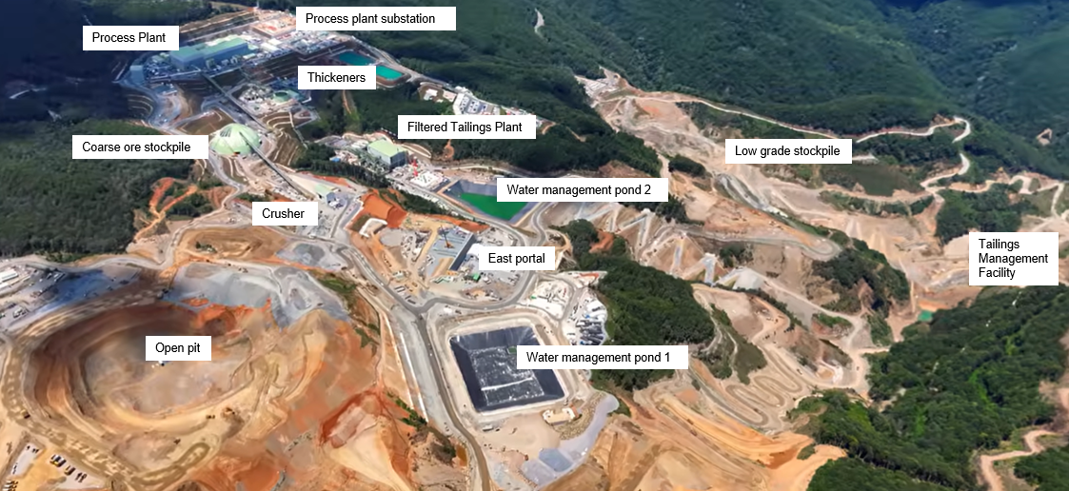
Eldorado Gold Corporation has announced that its Skouries Project in Greece has reached 97% completion and is on track to commence production of copper-gold concentrate in the third quarter of 2026, with full commercial production expected by the fourth quarter. The project is anticipated to contribute significantly to the company’s growth, with projections for 2026 indicating gold production between 60,000 to 100,000 ounces and copper production of 20 to 40 million pounds. This development is part of Eldorado’s broader strategy to enhance its operational portfolio and cash flow generation.
In its second quarter financial results for 2026, Eldorado reported gold production of 104,616 ounces and revenues of $487.5 million, reflecting a favourable gold price environment despite a decrease in production compared to the previous year. The company’s total cash costs per ounce sold increased to $1,432, influenced by higher production costs and lower sales volumes. Eldorado’s net earnings attributable to shareholders rose to $172.8 million, or $0.69 per share, signalling a strong performance amid ongoing investments in growth projects.
The Skouries Project, part of the Kassandra Mines Complex, is expected to play a pivotal role in Eldorado’s future operations, with a feasibility study indicating a 20-year mine life and average annual production of 140,000 ounces of gold and 67 million pounds of copper. The company has secured concentrate sales agreements for the expected production volumes in 2026 and is actively working on finalising additional agreements to cover production through 2029. With significant capital investments planned, Eldorado is well-positioned for a successful ramp-up to commercial production, supported by a robust operational framework and strategic partnerships.
The Geneva Platform for Resilient Value Chains has submitted a comprehensive input paper to the European Commission’s Directorate-General for Internal Market, Industry, Entrepreneurship and SMEs (DG GROW) regarding the establishment of the Critical Raw Materials Centre (CRMC). This paper outlines five core pillars and two cross-cutting themes aimed at addressing the current gaps in the EU’s raw materials strategy. The authors, Dr. Tom Moerenhout and Maximilian Kessler, argue that the EU’s approach to critical raw materials must evolve to ensure security of supply and competitiveness in the global market.
The first pillar focuses on establishing an ‘Industry Intelligence’ hub to collect and analyse market data, which is currently lacking in the EU. The authors highlight the need for a structured system to gather forward-looking information about demand, project pipelines, and supply chain vulnerabilities. They draw comparisons with Japan’s successful trading house model, which integrates state and industry efforts to provide a clearer picture of market dynamics. The proposed Intelligence Hub would serve as a central platform for confidential information sharing, enabling better-informed decisions on investment support and stockpiling.
The second pillar advocates for ‘Early-risk investment’, proposing a fund similar to Japan’s JOGMEC to support exploration and feasibility studies. The authors stress that the EU currently lacks coherent funding mechanisms for early-stage projects, which hampers the development of strategic mining initiatives. The paper also discusses the need for coordinated financing, stockpiling strategies, and international co-investment to enhance the EU’s position in the global critical minerals landscape. By implementing these recommendations, the CRMC could significantly bolster the EU’s resilience against supply chain disruptions and enhance its competitive edge in critical raw materials.
The European Metals Association has expressed strong support for the objectives of the Critical Raw Materials Act (CRMA), aimed at enhancing the resilience and sustainability of Europe’s raw materials value chains. The association welcomes the establishment of an EU Critical Raw Materials Centre, which is intended to provide crucial support for projects related to critical raw materials (CRMs). This includes diversifying supply, offering financial and technical assistance, pooling demand, and providing market intelligence focused on ensuring supply security.
In its response to a public consultation, the European Metals Association outlined several key recommendations for the CRM Centre. These include the need for robust market intelligence capabilities to monitor the dynamics of critical raw materials markets and the downstream demand from European industries. The association advocates for the Centre to operate as an independent body, equipped with the necessary financial tools to facilitate CRM investments in close collaboration with member states and industry stakeholders. Additionally, they stress the importance of strategic stockpiling, which should be risk-based and developed in cooperation with industry, ensuring that it does not distort market conditions.
The association also highlighted the necessity of a dedicated Critical Raw Materials Fund, which should combine various financial instruments to support both existing industrial bases and new strategic projects across the CRM value chain. Furthermore, they called for improved regulatory coherence across EU legislation to eliminate barriers that hinder investment in the raw materials sector. The European Metals Association’s comprehensive recommendations aim to strengthen the EU’s critical raw materials value chain, ensuring that Europe can secure its supply of essential materials amidst growing global demand and geopolitical challenges.
In a significant move to bolster its mining sector and reduce reliance on foreign sources, particularly China, Sweden has officially designated the mining of critical metals and rare earth minerals as a national security interest. This announcement was made by Ebba Busch, Sweden’s Enterprise Minister and Deputy Prime Minister, on 23 July 2026. The strategy aims to enhance Sweden’s position in the global mining landscape, especially as China currently dominates the rare earth market, accounting for approximately 69% of global production. This dependency has raised concerns among Western nations, prompting Sweden to take decisive action to secure its mineral supply chains.
Central to Sweden’s strategy is the Per Geijer deposit located at LKAB’s Kiruna mine, which is one of the European Union’s flagship projects aimed at reducing reliance on Chinese imports. The deposit boasts an impressive 1.2 billion tonnes of total mineral resources, including 2.2 million tonnes of rare earth oxides. Johan Menckel, the newly appointed President and CEO of LKAB, emphasised the company’s potential role in shaping Europe’s industrial value chains. The Swedish government plans to expedite the environmental permitting process for mining projects by establishing a dedicated authority, addressing current delays that hinder project approvals.
Additionally, the government is exploring the establishment of a state-owned investment company to further support the mining sector. Deputy Prime Minister Busch highlighted the necessity for Sweden to leverage its rich natural resources and world-class mining companies. The strategy also includes a review of the mineral fee structure to ensure that local communities benefit more directly from mining activities. However, the expansion of mining rights has raised concerns among Sweden’s indigenous Sami population, who fear that increased mining activities could threaten their traditional way of life. As Sweden moves forward with its ambitious mining strategy, it must balance economic interests with the rights and concerns of local communities.
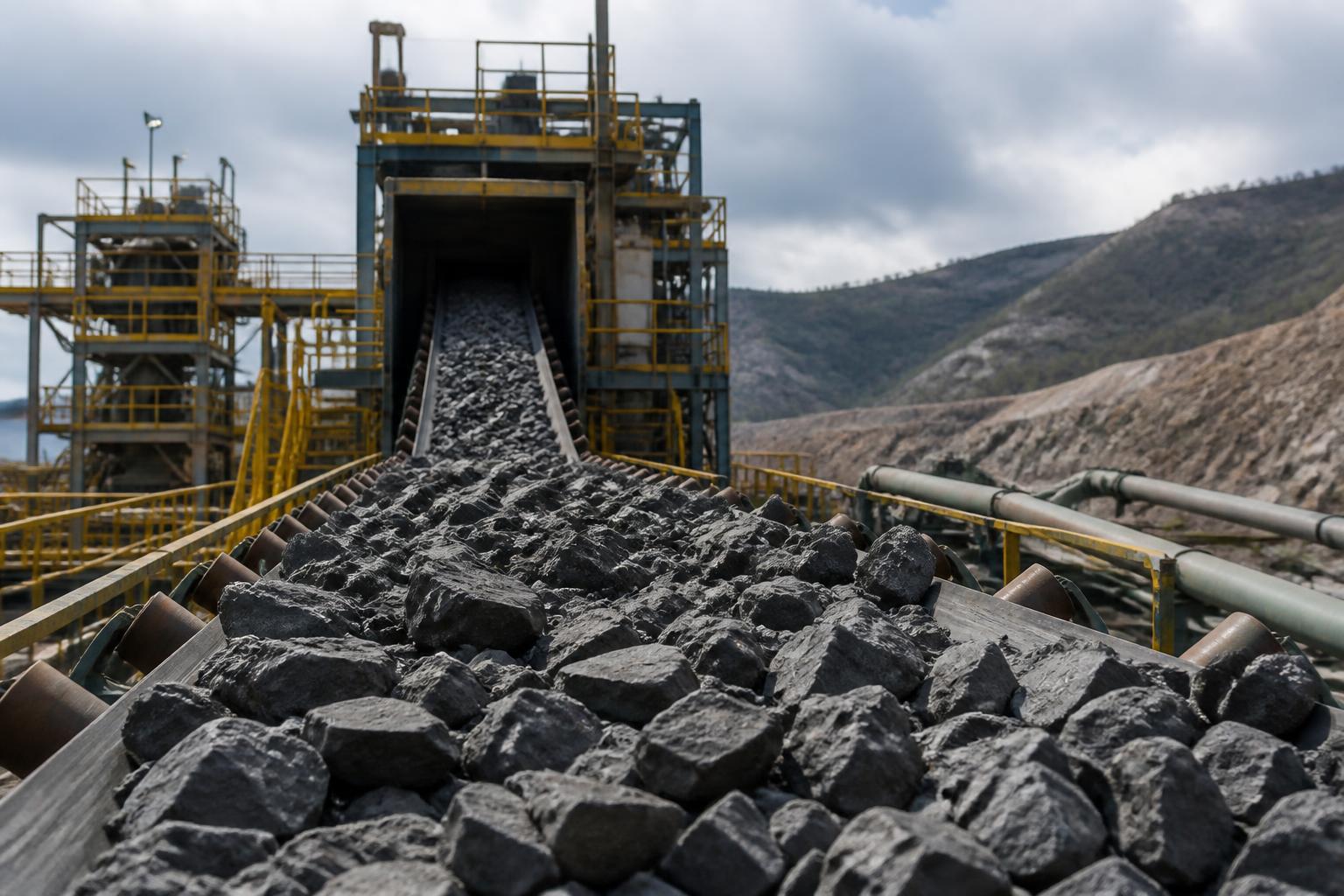
Eldorado Gold Corporation has announced a significant milestone at its Skouries copper-gold project located in Northern Greece, with the first ore successfully processed through the newly commissioned crushing circuit. This development marks the transition of the project into the commissioning phase, which is a crucial step towards full production. The company is targeting the production of copper-gold concentrate in the third quarter of 2026, with plans for commercial production to commence in the fourth quarter of the same year, contingent on the completion of final site energization and commissioning activities.
The successful crushing of the first ore is a testament to the effective operation of the front-end processing systems at Skouries. The company has reported that commissioning activities are progressing across various operational areas, including crushing, grinding, flotation, and concentrate handling. Eldorado Gold has also taken proactive measures to ensure that commissioning readiness is maintained, including the addition of supplemental generators to provide interim power while awaiting final site energization from the Greek power authority.
With an ore stockpile of approximately 3.9 million tonnes, the open pit mining operations at Skouries are running ahead of schedule, allowing for a steady ramp-up of the processing plant. This stockpile is expected to support the commissioning and first year of production, reducing risks associated with the initial operational phase. Eldorado Gold’s CEO, George Burns, expressed confidence in the project’s progress, highlighting the team’s commitment to completing the remaining steps safely and methodically as they work towards the first concentrate production.
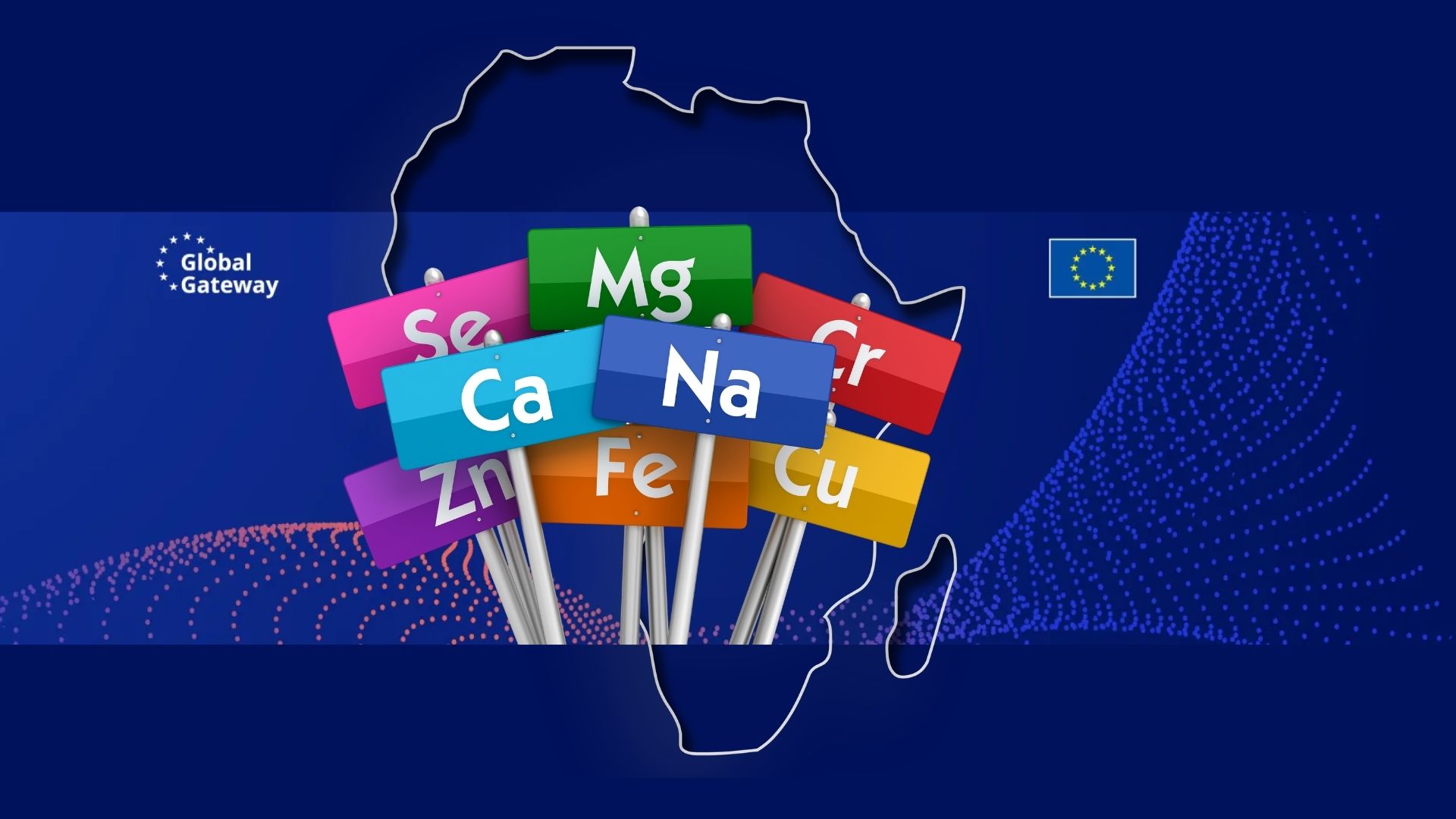
As the European Union accelerates its green and industrial transitions, securing reliable access to critical raw materials has become a strategic imperative. The continent faces significant supply chain vulnerabilities, with China controlling approximately 70% of global mineral processing and refining capacity. Global demand for lithium alone is projected to surge by more than 350% by 2040, intensifying competition among major economies for secure sources. The European Critical Raw Materials Act represents the EU’s comprehensive response to these challenges, with Africa emerging as a central pillar of the bloc’s diversification strategy.
The EU has already established critical minerals partnerships with several African nations, including South Africa, Rwanda, Namibia, the Democratic Republic of the Congo, and Zambia, backed by substantial financing commitments through the Global Gateway initiative, which aims to mobilise €300 billion in public and private investments. However, current cooperation frameworks remain heavily focused on extraction rather than value-added activities such as processing and manufacturing. This approach creates tension with sustainability objectives and fails to deliver the mutual economic benefits that African governments increasingly demand. Mining operations risk driving deforestation, water and soil pollution, whilst their substantial energy requirements may divert critical resources from domestic electrification in a region where approximately 600 million people lack access to affordable energy.
To achieve genuine supply chain diversification and ensure commercially viable partnerships, the EU must fundamentally reshape its approach. This requires closing coordination gaps across fragmented EU and member state initiatives, introducing demand aggregation and non-price public procurement criteria, and expanding circular economy cooperation including battery recycling and mine tailings reprocessing. Critically, the EU should adopt phased public-private partnership models that combine upfront infrastructure investment with binding commitments to mining, processing and refining activities. Development cooperation must be aligned with critical mineral initiatives to strengthen local infrastructure, skills and regulatory capacity. Long-term purchasing and offtake agreements for processed or refined minerals, coupled with robust environmental, social and governance safeguards and meaningful community engagement, are essential to prevent the perpetuation of the resource curse and ensure that African countries derive tangible, lasting benefits from their mineral wealth.
Europe’s security of supply for critical raw materials is deteriorating, according to a new International Energy Agency report, raising serious questions about the effectiveness of the European Union’s Critical Raw Materials Act launched two years ago. The continent remains heavily dependent on a small number of countries, particularly China, which dominates the market for cobalt, lithium, manganese, and raw material processing, while Indonesia leads in nickel production. Together, these nations accounted for more than three-quarters of global refining growth between 2023 and 2025.
The vulnerability became apparent when Chinese export restrictions on magnets forced some European car manufacturers to cut production last year, while the number of Chinese products requiring export licenses tripled. Compounding these challenges, global investments in critical minerals fell by 9 percent in 2025, further jeopardizing Europe’s raw materials security.
Peter Tom Jones, Director of the Institute for Sustainable Metals and Minerals at KU Leuven, argues the strategy is fundamentally flawed. He contends that Europe’s approach of dividing the raw materials chain into separate components is inadequate in a world where China actively restricts exports and expands its monopoly. Jones advocates for comprehensive European investment across the entire value chain—from mining and processing to refining and manufacturing batteries and electric vehicles—requiring billions in state-backed funding.
The bankruptcy of Swedish battery manufacturer Northvolt in 2025 has deterred private investment, underscoring the need for major government intervention. Jones also recommends implementing an export ban on metal and battery waste to keep high-quality materials within Europe for recycling rather than shipping them to China.
Andor Lips, strategic advisor on critical raw materials at TNO, suggests Europe should pursue resilience through diversification and partnership rather than complete independence. He recommends building relationships with countries like Australia and Canada, which produce critical materials like rare earth ores for wind turbine magnets. While acknowledging that new European mines and recycling infrastructure require time to develop, Lips believes the Critical Raw Materials Act represents progress, though Europe must absorb supply shocks in coming years before the strategy fully materializes.
Energy Transition Minerals (ASX: ETM) has accused Greenland of effectively seizing one of the world’s largest rare earth deposits outside China by blocking development of the Kvanefjeld project and refusing to renew its exploration licence.
The Australian-listed company has invested approximately $150 million in the project since 2013, advancing it through resource definition, environmental studies, and public consultation before submitting a mining licence application in late 2020. However, Greenland’s coalition government subsequently enacted Act 20, legislation banning projects with uranium concentrations exceeding 100 parts per million, effectively halting Kvanefjeld’s application. Managing director Daniel Mamadou contends the legislation was specifically designed to stop the project after the government campaigned against its development. The dispute has escalated into a legal battle spanning more than three years of arbitration and court proceedings, with the central question being whether Act 20 applies retroactively to Kvanefjeld and whether such application constitutes expropriation. ETM argues that exploration results from 2025 identify rare earth mineralization with uranium levels well below the legal limit in unexplored areas, and proposes separating uranium from rare earth concentrate and permanently returning it underground. Kvanefjeld hosts critical rare earth elements including neodymium, praseodymium, dysprosium, and terbium, essential for permanent magnets used in electric vehicles, wind turbines, and defence technologies.
ETM previously estimated the project could supply up to 15% of global rare earth production, potentially providing Europe with a significant non-Chinese source of critical minerals. While pursuing Kvanefjeld through legal channels, ETM has diversified by acquiring the Penouta brownfield project in Spain, aiming to restart Europe’s only producing tantalum mine.
A group of researches from Finland, Portugal, France and Greece published a new research on paradoxes and challenges of the energy transition analysed through sociopolitical geology perspective. This academic paper examines the complex sociopolitical challenges surrounding Europe’s energy transition through the lens of sociopolitical geology, a transdisciplinary field addressing the intersection of geology, environment, and society. The authors identify a critical paradox: while the environmental movement has long advocated for energy transition away from fossil fuels, opposition to mining for critical raw materials (CRM) needed for this transition has emerged from both radical environmental groups and right-wing populist movements, creating what the authors describe as a “political shear zone” in society.
The paper traces how geopolitical shifts, including China’s dominance in CRM production, Russia’s resource-focused strategy, and the rise of populist movements, have complicated Europe’s path toward energy independence. The EU’s Critical Raw Materials Act (2024) aims to accelerate domestic mineral extraction, yet this conflicts with simultaneous commitments to nature conservation, as mineral deposits often overlap with protected areas.
The authors highlight specific case studies, particularly European lithium projects in Serbia (Jadar) and Portugal (Barroso), where opposition has become entangled with broader political agendas unrelated to mining itself. They note that communities in southern and eastern Europe view these projects as “sacrifice zones” for northern European consumers, raising legitimate concerns about unequal distribution of transition costs and benefits.
Crucially, the paper argues that known global mineral resources may be insufficient for the energy transition, and limited new supply can be ramped up in the short term. The authors contend that the energy transition requires profound societal change that cannot be achieved through technology or top-down regulation alone. They advocate for legally binding community development agreements, responsible project siting, genuine stakeholder engagement, and cross-disciplinary collaboration between industry, governments, scientists, and activists to build trust and achieve sustainable solutions.
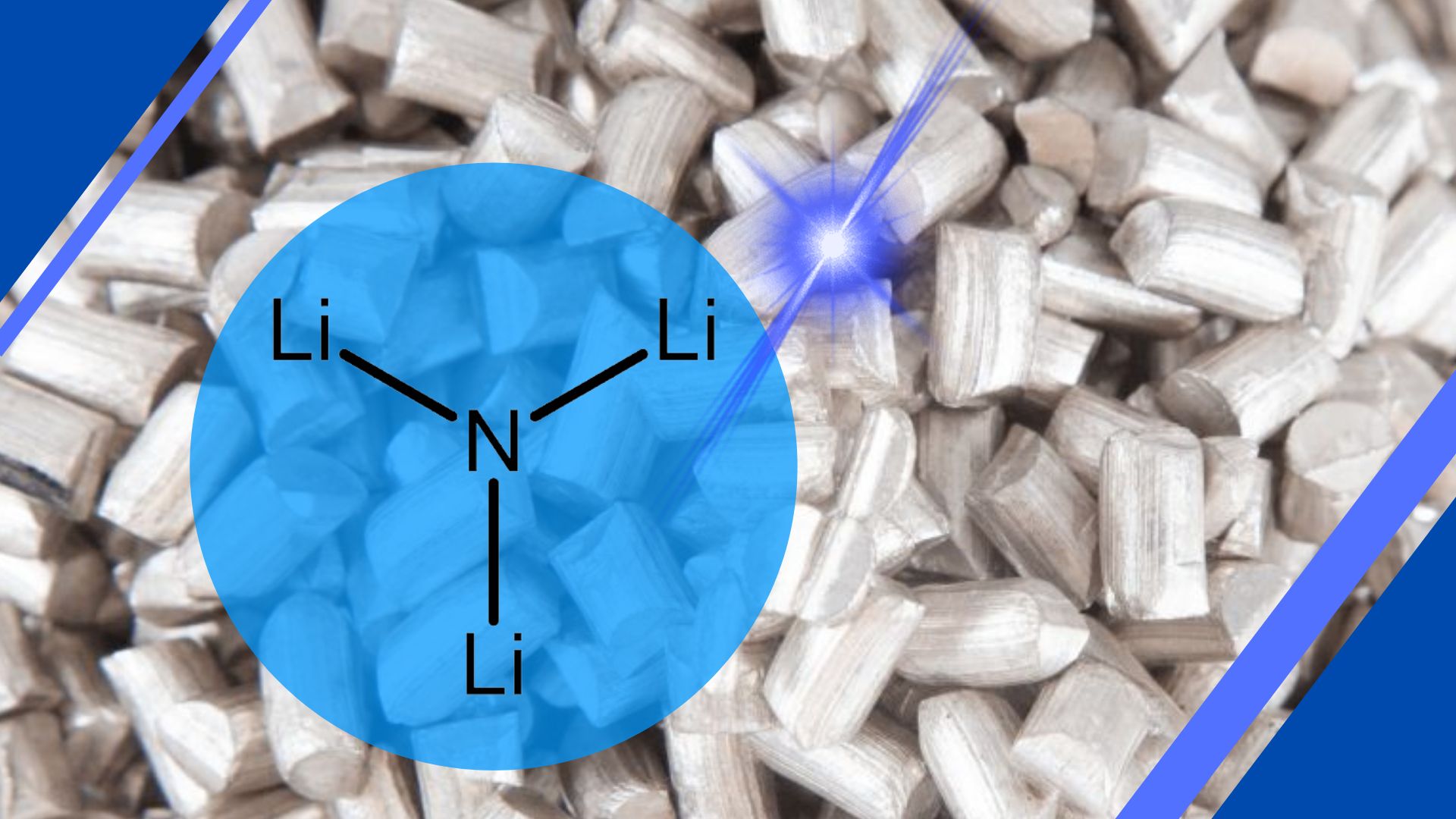
As the world pivots towards renewable energy and electric vehicles, one critical material has emerged as the linchpin of this transformation: lithium. This soft, silvery metal powers the batteries that drive electric cars, store renewable energy, and fuel the technologies of tomorrow. Yet Europe – the continent that ignited the green energy revolution – finds itself in an unexpected position: dangerously dependent on distant suppliers for a resource it urgently needs. The stakes are high, and Europe’s response could reshape global supply chains for decades to come.
The Lithium Imperative: Why This Element Matters
Clean technologies are revolutionising global economies. Solar panels harness the sun’s energy, wind turbines spin on hillsides, and electric vehicles replace combustion engines on roads worldwide. Behind each of these innovations lies lithium, the critical raw material that makes energy storage possible.
The scale of Europe’s ambition is staggering. The continent has committed to becoming carbon neutral by 2050 – a target that requires unprecedented quantities of lithium. According to projections, Europe’s demand for lithium could increase more than 20-fold by mid-century compared to current levels. This surge in demand reflects the sheer volume of batteries needed for electric vehicles, renewable energy storage systems, and grid stabilisation.
However, this explosive growth in demand has created a crisis of supply. Global prices for lithium have become highly volatile, swinging wildly with market sentiment and geopolitical tensions. For Europe to achieve its climate goals, it must solve a fundamental challenge: how to secure access to lithium when other countries have already locked in their supply chains?
Understanding Critical Raw Materials
The concept of “critical raw materials” emerged gradually in European policy circles. In 2011, the European Commission adopted its first list of 14 materials and material groups that merited close monitoring. Every three years, regulators revisited this list as global circumstances shifted.
The turning point came around 2019. Critical raw materials – once relegated to technical spreadsheets in Brussels – suddenly became a political priority of the highest order. The timing was significant: by 2020, lithium was added to the critical raw materials list just as Europe was launching its most ambitious climate initiative yet.
Modern economies run on raw materials. But some resources are so essential to maintain and so risky to secure that their absence could cripple entire industries. These are the materials that now define strategic competition in the 21st century.
The European Green Deal: Ambition Meets Reality
The European Green Deal represented a transformative vision: to reconcile Europe’s economy with its planet. Launched with the promise of turning the transition to a climate-neutral economy into Europe’s “next engine of growth,” the initiative encompassed everything from renewable energy investments to algorithmic innovations.
But the Green Deal revealed an uncomfortable truth: building clean technology at scale requires enormous quantities of raw materials. To power the continent’s clean energy future, Europe needs substantial amounts of lithium, copper, cobalt, and rare earth elements. The irony became starkly apparent – Europe, the champion of climate action, barely produces most of these materials itself.
Lithium exemplifies this predicament. While Europe excels in many sectors, lithium mining and processing remain almost entirely absent from the continent. Currently, Europe accounts for less than 0.1% of global lithium mine production, making it almost entirely dependent on imports.
The Global Lithium Landscape: Who Holds the Power?
Understanding Europe’s vulnerability requires examining the global lithium supply chain. Three countries dominate upstream production, each controlling different segments of the market.
Australia leads in hard rock mining, shipping most of the world’s spodumene concentrate – concentrated lithium extracted from mining ore. Chile dominates the production of lithium carbonate through massive evaporation ponds in the Atacama Desert, where vast salt flats are transformed into lithium repositories. And China, perhaps most significantly, controls approximately 70% of global battery-grade lithium hydroxide refining – the processed form essential for electric vehicle batteries and energy storage systems.
This concentration creates dangerous dependencies. When one country controls such a large portion of a critical supply chain, geopolitical risks multiply. Supply disruptions, trade disputes, or policy changes in any one nation can reverberate across the entire global economy.
For years, Europe overlooked an obvious solution: its own lithium deposits. Deep beneath European soil lie resources that were long considered economically unviable or technically challenging to extract. But as competition for lithium intensified, Europe began reconsidering these deposits. New extraction methods and new mine projects – ones that experts believe could cut Europe’s lithium imports by half – suddenly moved from the margins to the centre of strategic planning.
In December 2025, Cris Moreno, Managing Director and CEO of Vulcan Energy, announced a historic moment for the continent: comprehensive financing to fully fund the construction of Project Lionheart. This facility represents more than just another mining project – it embodies Europe’s determination to reshape its relationship with critical raw materials.
Located in Germany’s Palatinate region, Lionheart sits atop Europe’s largest lithium resource: a vast underground reservoir of lithium-rich, hot geothermal brine. The project’s brilliance lies not merely in the resource beneath the ground, but in how it extracts that resource.
Innovation in Extraction
The Lionheart process represents a significant leap forward in sustainable lithium production. Rather than simply pumping brine and abandoning it, Vulcan Energy operates an elegant closed-loop system:
Geothermal Energy Extraction: Hot brine is pumped to the surface, and the thermal energy is harvested as a renewable energy product.
Heat Distribution: This renewable heat feeds into local district heating grids, providing genuine utility beyond lithium extraction.
Lithium Concentration: Only after energy extraction does the lithium separation process begin. The brine passes through extraction columns where lithium is concentrated into a 40% lithium chloride concentrate.
Brine Reinjection: Crucially, the brine is re-injected into the reservoir, creating a closed-loop system with minimal waste.
Final Processing: The lithium chloride concentrate travels to downstream facilities where green power converts it into battery-quality lithium hydroxide suitable for electric vehicle batteries.
This process is revolutionary because it achieves dual benefits: generating renewable energy while extracting lithium, all with a minimal environmental footprint. When fully operational by 2028, Lionheart will produce 24,000 tonnes of battery-grade lithium annually – enough to power approximately half a million electric vehicles per year.
Europe’s Broader Resilience Strategy
Project Lionheart represents one crucial piece of Europe’s larger strategic puzzle. The continent’s approach to critical raw materials extends far beyond a single project or even domestic extraction.
Regional Cooperation
The financing structure of Lionheart exemplifies European cooperation. Germany’s raw materials fund acted as a minority investor, attracting additional equity investors to the project. Simultaneously, the European Investment Bank provided a substantial debt portion, demonstrating how public and private capital can align around strategic objectives.
Industrial Partnerships
Companies like Umicore, a Belgian battery materials leader and one of Europe’s largest battery players, have become off-takers for Lionheart’s lithium. Umicore’s commitment reflects three compelling reasons for a European supply chain:
Cost Competitiveness: Local sourcing reduces transportation costs and improves margin efficiency in the battery supply chain.
Geopolitical Risk Reduction: Diversified, local supply chains insulate Europe from political disruptions in distant suppliers.
Sustainable Sourcing: A European supply chain enables transparent oversight of environmental and labor standards, ensuring low-carbon, responsibly sourced lithium.
International Partnerships
Europe also recognizes that complete autonomy in raw materials is neither achievable nor necessary. Instead, the strategy emphasizes risk management through diversification. The European Investment Bank, for example, provides technical assistance to a lithium mining project in Namibia, creating secured supply chains for European manufacturers while supporting development in Africa.
The Critical Raw Materials Act: Policy Framework for Action
The turning point in European policy came with the Critical Raw Materials Act, which entered into force in 2024. Built on decades of analysis starting with the original 14-material list from 2011, this legislation translates strategic thinking into legal reality.
The Act’s core principle is straightforward yet powerful: reduce dependency to build resilience and competitiveness. Specifically, the regulation states that Europe should not rely on any single supplier for more than 65% of any critical raw material.
To operationalise this vision, the European Commission designated 47 strategic projects across the EU, with 18 specifically focused on lithium. These projects receive concrete benefits:
Accelerated Permitting: Regulatory timelines are compressed, allowing faster project development.
Improved Financing Access: Projects gain preferential access to European investment capital.
Comprehensive Scope: Initiatives span the entire value chain – extraction, processing, recycling and substitution technologies.
Project Lionheart stands as one of these designated strategic projects, recognized as “the first green mine in Europe.” The European Commission has committed to ramping up support for critical raw materials to €2 billion annually, with additional funding rounds already underway.
Impact on Europe’s Electric Vehicle Revolution
The timing of Lionheart’s development aligns perfectly with Europe’s electric vehicle boom. In 2025 alone, close to 1.9 million fully electric cars were sold across the EU—a figure that reflects the continent’s genuine shift away from internal combustion engines.
Each of these vehicles requires a battery, and each battery requires lithium. Without securing domestic or closely-partnered sources of lithium, Europe risks becoming a captive consumer, dependent on suppliers who may not prioritize European interests.
By providing 24,000 tonnes of battery-grade lithium annually, Lionheart removes this vulnerability. The lithium produced can be woven directly into European battery supply chains, powering the next generation of electric vehicles manufactured in German, French and Swedish factories.
Lessons in Strategic Resilience
Europe’s approach to lithium offers important lessons in strategic thinking for the 21st century:
First, diversification matters. Rather than seeking 100% autonomy – an impossible goal – Europe embraces multiple sources: domestic extraction, international partnerships and investments in processing capabilities.
Second, policy must align with industrial realities. The Critical Raw Materials Act did not emerge from theoretical exercises; it reflected genuine business needs articulated by manufacturers and investors. Government policy created conditions that entrepreneurs could seize.
Third, innovation becomes strategic. Lionheart’s success depends on novel extraction technologies that previous generations dismissed as uneconomical. As climate urgency mounts, what was once marginal becomes central.
Fourth, finance follows frameworks. Once the European Commission established strategic designations and committed public capital, private investors followed. The project attracted equity investors, bank financing and international development partners because policy created certainty.
Looking Forward: Momentum Building
The momentum is undeniable. Projects are breaking ground across the continent. Financing deals are taking shape. The second call for critical raw materials projects has closed, with the pipeline full of new initiatives spanning extraction, processing, and recycling.
Recycling deserves particular attention as an emerging opportunity. As electric vehicles reach end-of-life, their batteries represent not waste but resources. Recovering lithium, cobalt, and other materials from spent batteries can significantly reduce dependence on virgin extraction while creating new industrial capabilities within Europe.
Conclusion: The Green Supply Chain Revolution
The clean energy transition requires more than renewable power and efficient vehicles. It requires secure, sustainable supply chains for the materials that make this transition possible. For decades, Europe outsourced this responsibility, concentrating on technology and consumer markets while others controlled raw materials.
The lithium story represents Europe’s course correction. Through Project Lionheart and initiatives like it, Europe is building a different future: one where clean technology and responsible sourcing go hand in hand, where geopolitical resilience aligns with climate commitments, and where a continent leads not just in environmental vision but in strategic execution.
With €2 billion annually supporting critical raw materials development, with the first green mine in Europe approaching completion, and with companies like Umicore securing local supply for their batteries, Europe is gaining genuine momentum. The clean tech era will be built on critical raw materials, and increasingly, those materials will have a European origin.
This is not just about lithium. It is about whether Europe can translate its climate ambitions into economic reality – and whether it can build the resilient, sustainable supply chains that future generations will depend upon.
About This Documentary
This article is based on a documentary-style video produced by the European Investment Bank Group (EIB Group) as part of a new series exploring the topics driving Europe’s biggest conversations. The EIB Group is actively supporting Europe’s transition to a competitive, resource-secure future through strategic investments in critical raw materials and clean technology infrastructure.
To stay competitive globally and strengthen its tech leadership, Europe is investing in the resources needed for the technologies of tomorrow. Critical raw materials, especially lithium, are key to powering this transition. The documentary features interviews with key industry and policy leaders shaping Europe’s lithium strategy.
Featured Contributors
The video includes insights from industry and policy experts who are driving Europe’s critical raw materials agenda:
Cris Moreno, Managing Director and Chief Executive Officer of Vulcan Energy, discussing the innovative geothermal extraction methods at Project Lionheart
Francis Wedin, Founder and Executive Chair of Vulcan Energy, sharing the strategic vision behind Europe’s first green lithium mine
Dr. Jan Klasen, Director of the KfW German Raw Materials Fund, explaining how public investment catalyses private sector participation in strategic projects
Stephan Jannis, Chief Operating Officer of Battery Cathode Materials at Umicore, detailing why European battery manufacturers are prioritising local lithium supply chains
These contributions highlight the collaborative effort between private enterprises, government institutions and development banks working to secure Europe’s raw materials future.
More episodes in this documentary series are available on the EIB Group’s YouTube channel, exploring additional topics central to Europe’s economic and environmental transformation.