Germany is poised to emerge as a significant buyer of Australian lithium in efforts to reduce its reliance on Chinese imports. During a recent visit to Australia, German Foreign Minister Annalena Baerbock emphasized the need to diversify the nation’s lithium supply chain, particularly in light of past political tensions stemming from reliance on Russian fuel during the Ukraine conflict. Baerbock highlighted the current circuitous route of lithium, originating in Australia, then exported to China for processing before being re-imported, advocating for direct importation from Australia to strengthen ties between democracies and free markets. Australian Federal Resources Minister Madeleine King echoed similar sentiments, advocating for Australia’s dominance in the international critical minerals sector and urging European markets to prioritize ethical and sustainable sources for critical minerals. The Federal Government’s ‘Resources and Energy Quarterly’ (REQ) for March 2024 projected a substantial increase in Australia’s lithium mine production by 2029, driven primarily by the growing demand for electric vehicles (EVs). With Europe leading the EV market expansion, Germany’s initiative to diversify its supply chain with Australian lithium sets a precedent for other international markets, paving the way for a promising future for the commodity.
Website: Europe.com
-

German Investor Boosts Stake in Impact Minerals Amidst Funding for Drilling Project
Susanne Bunnenberg, a German investor, has expanded her ownership in Impact Minerals, an Australia-based rare earths exploration company. She acquired an additional 450.2 million shares, totaling A$460,169, thereby increasing her stake from 15.83% to 16.85%. This stake increment coincides with Impact Minerals securing a $180,000 grant from the Western Australian government. The grant is designated for drilling activities at the Caligula copper target within Impact’s wholly owned Arkun Project, as reported by mining.com.au. The drilling initiative encompasses 40 boreholes spanning 2,000 meters and aims to investigate a rare earths soil geochemistry anomaly at the Hyperion site.
-
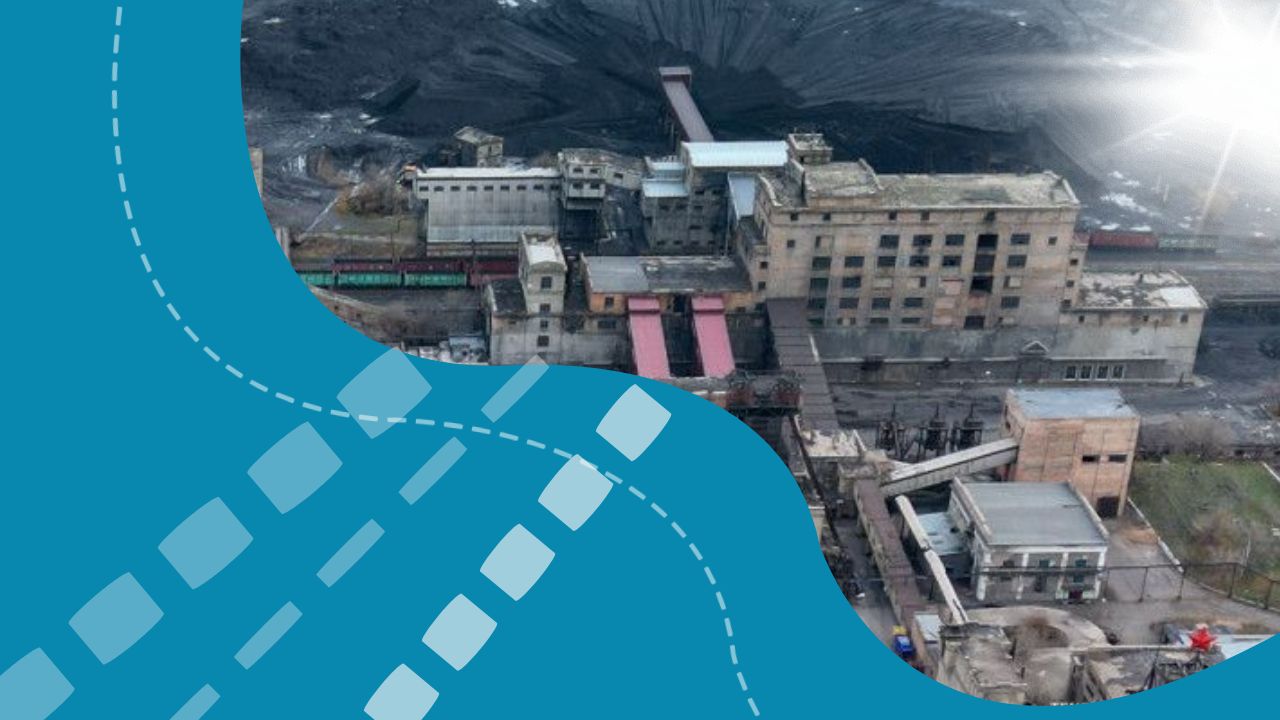
Uranium Deposit Discovered in Southern Poland’s Świętokrzyskie Region
Świętokrzyska Industrial Group Industria (ŚGP Industria) has confirmed the presence of uranium in a deposit located within the Świętokrzyskie Region in southern Poland. The company intends to conduct further exploratory work to ascertain the size of the deposit and suitable extraction methods. While the exact location remains undisclosed, detailed assessments in the coming months will focus on determining the deposit’s magnitude and optimal exploitation techniques.
According to estimates by the International Atomic Energy Agency, Poland harbors around 100,000 tons of natural uranium, with only 7,000 tons confirmed thus far. ŚGP Industria secured an exploratory concession from the Ministry of Climate and Environment for a polymetallic deposit containing uranium in the region.
The verification of uranium presence in the deposit follows extensive efforts by the company. Subsequent exploration endeavors will aim to precisely delineate the composition of various elements within the deposit, its dimensions, and potential extraction methodologies.
Szczepan Ruman, president of the Board of ŚGP Industria, expressed satisfaction with the progress, emphasizing the significance of the discovery for mining development in the Świętokrzyskie Region and Poland’s access to critical raw materials, particularly uranium for the nuclear sector. Ruman highlighted the discovery’s importance in fostering cooperation with Rolls-Royce for the implementation of small modular reactors (SMRs) in Poland.
The company’s research drew upon documents from the National Geological Archive of the State Geological Institute in Warsaw, incorporating data from the Soviet atomic program and uranium exploration activities in the Świętokrzyskie Mountains during the 1950s.
-
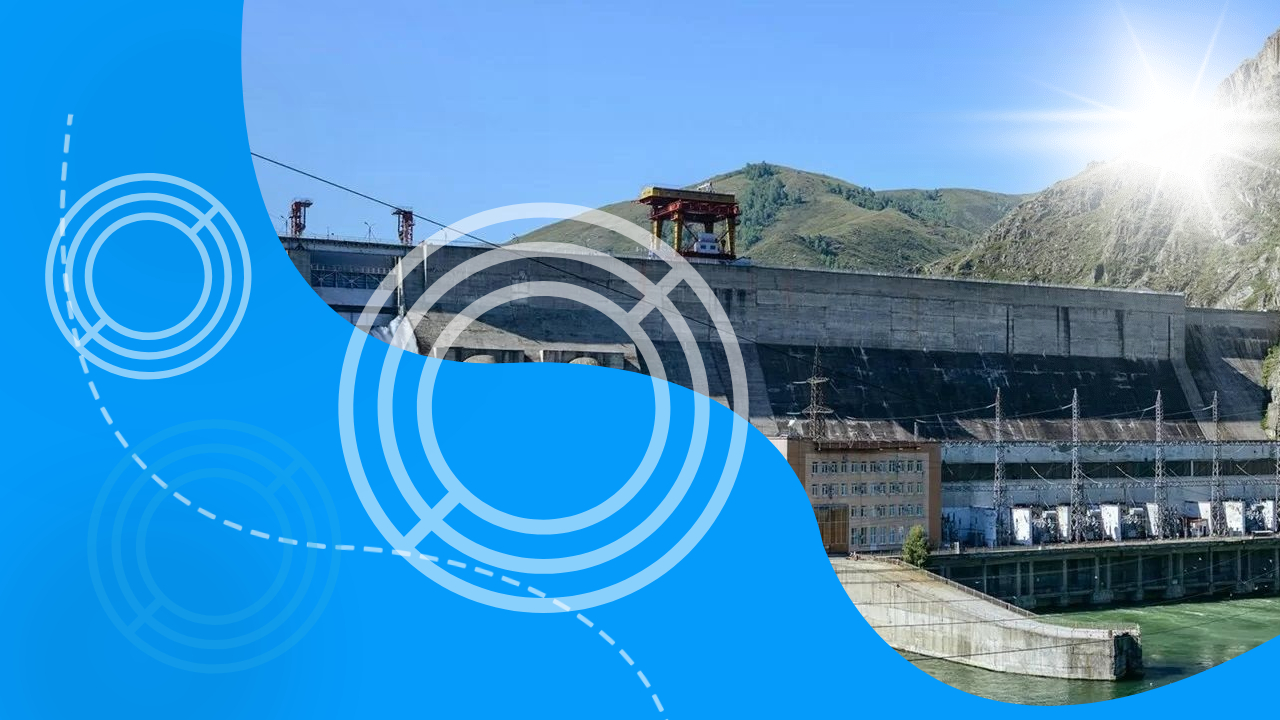
LEAG Plans Construction of Hydrogen-Ready Gas Power Plant in Eastern Germany
LEAG, the largest lignite mine operator in Eastern Germany, has announced plans to construct one of Germany’s inaugural hydrogen-ready gas power plants. Boasting a capacity of 870 megawatts (MW), the proposed gas turbine power plant could see construction commencing as early as 2025, pending specific tender criteria outlined in the government’s power plant strategy and EU agreement on state support.
The move towards hydrogen-ready gas plants is pivotal in ensuring electricity supply security amid the escalating share of intermittent renewable energy sources and the looming phase-out of coal by 2038. LEAG envisions a six-year construction timeline for the gas power plant, situated in the Schwarze Pumpe industrial park, with an anticipated grid connection by 2030. Leveraging existing access to the natural gas grid, the plant is slated to integrate into Germany’s future hydrogen core network.
LEAG’s initiative aligns with its broader strategy of transitioning towards renewable energies in the Lusatia coal-mining region. The recent approval of Germany’s power plant strategy aims to establish an investment-friendly framework for new hydrogen-ready gas-fired power plants. Despite the imperative role of such plants in intermittent operation scenarios, their construction faces financial challenges due to high fuel costs, necessitating governmental support.
While LEAG’s proposal signals progress, a recent report highlights Germany’s sluggish pace in implementing hydrogen plans, with current production facilities totaling only 0.3 gigawatts (GW) against a 2030 target of 10 GW. Bridging this gap remains critical for Germany’s energy transition ambitions.
-
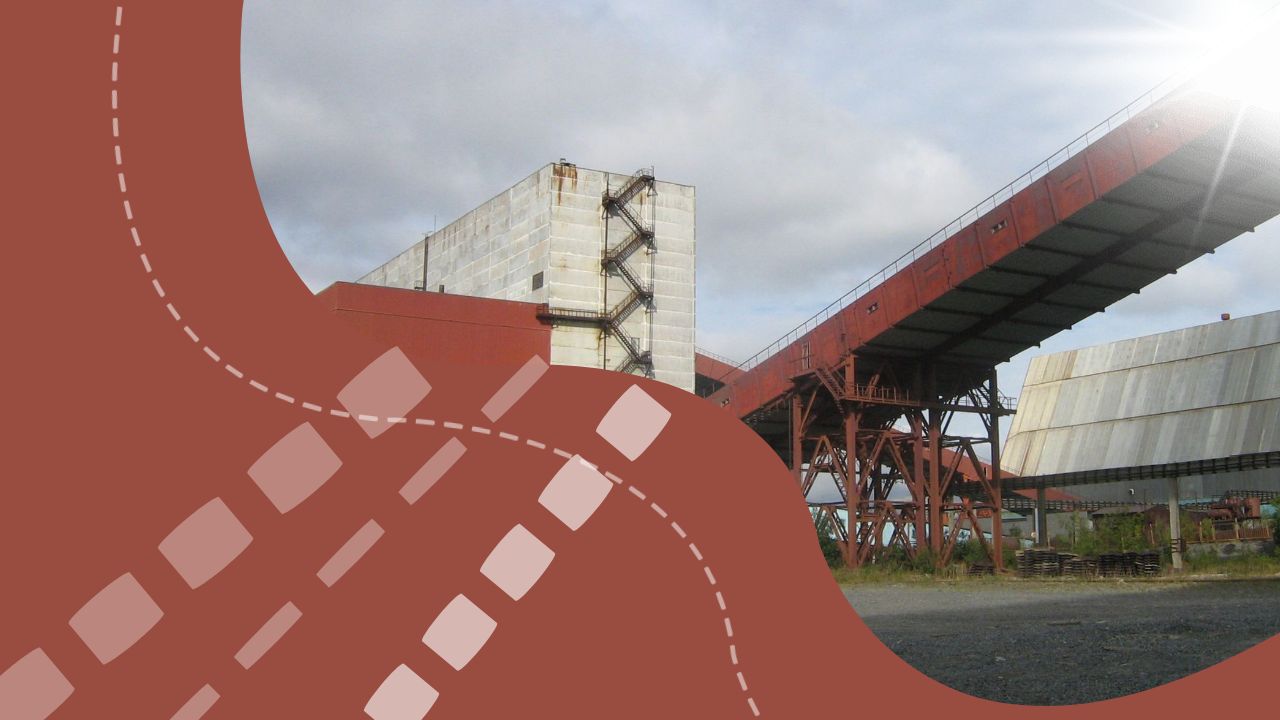
Serbia’s Minister of Energy and Mining Retains Position in New Government
Minister of Energy and Mining, Dubravka Đedović Handanović, is set to continue her role under the new prime minister-designate, Miloš Vučević, who has also proposed to appoint Minister of Environmental Protection, Irena Vujović, as deputy prime minister, maintaining her current position.
Following December’s general election, President Aleksandar Vučić designated Miloš Vučević, the head of the ruling Serbian Progressive Party (SNS), as the next prime minister. Vučević’s proposed cabinet includes retaining Dubravka Đedović Handanović and Irena Vujović in their respective ministerial roles, with Vujović additionally taking on the role of deputy prime minister.
Previously serving as deputy prime minister and minister of defense under Prime Minister Ana Brnabić, Vučević brings extensive political experience, having served as the mayor of Novi Sad from 2012 to 2022.
Đedović Handanović, who assumed office in October 2022, has overseen significant developments in Serbia’s energy sector, including the country’s inaugural renewable energy auctions and the legal restructuring of the state-owned power utility, Elektroprivreda Srbije (EPS).
Serbia is currently in negotiations with Hyundai Engineering and UGT Renewables for a strategic partnership to construct a series of solar power plants totaling 1.2 GW in peak capacity, along with battery storage, to be transferred to EPS upon completion.
Last week, Minister Đedović Handanović inaugurated a desulfurization system at TENT A, Serbia’s largest coal-fired power plant. She is also scheduled to speak at the upcoming Belgrade Energy Forum on May 13, organized by Balkan Green Energy News.
With 18 years of experience in the international banking sector, Đedović Handanović brings a wealth of expertise to her ministerial role, having previously served on the Executive Board of NLB Komercijalna banka, focusing on corporate and investment banking.
-
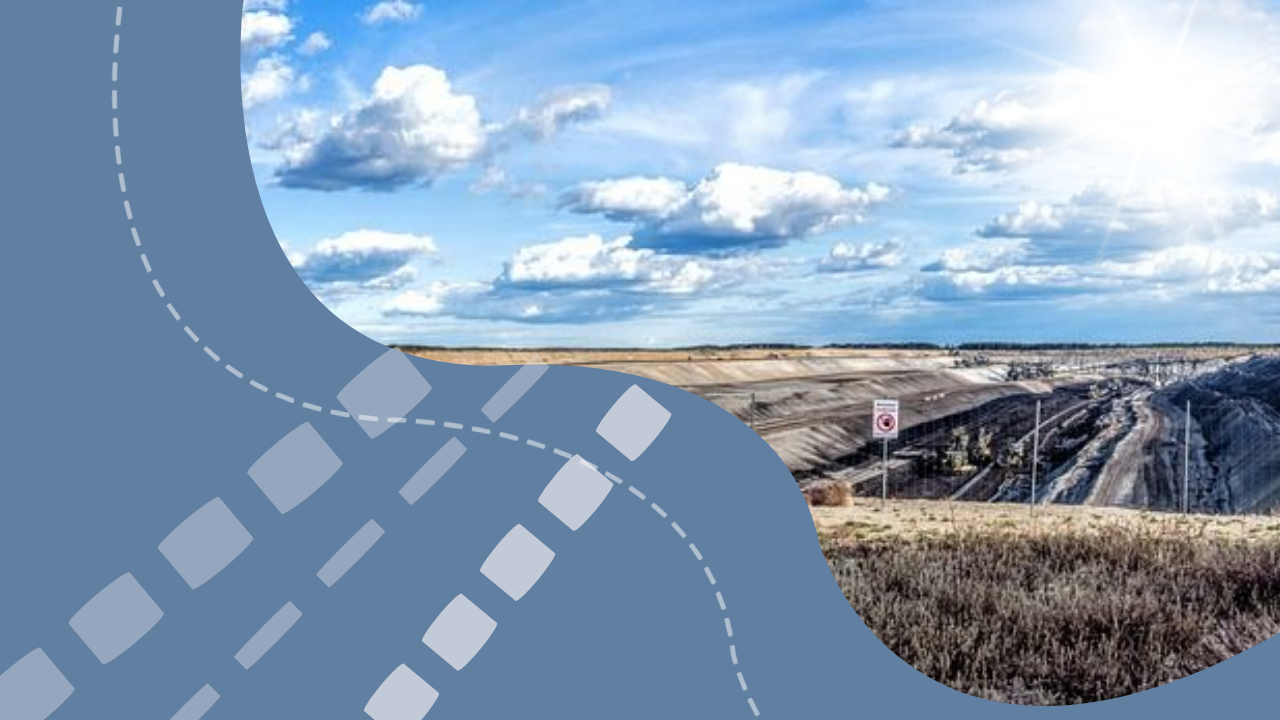
UN Launches Panel to Address Critical Energy Transition Minerals
UN Secretary-General António Guterres has announced the formation of a Panel on Critical Energy Transition Minerals, recognizing the escalating demand for minerals vital to renewable energy technologies. Co-chaired by Ambassador Nozipho Joyce Mxakato-Diseko of South Africa and Director-General for Energy Ditte Juul Jørgensen of the European Commission, the panel aims to establish global principles to ensure environmental and social standards, equity, transparency, sustainability, and human rights in the minerals value chain.
Speaking at the panel’s launch, Secretary-General Guterres emphasized the importance of managing critical minerals responsibly in the transition to renewable energy, particularly for developing countries. He stressed the need to ensure that the renewables revolution advances with justice, benefiting all stakeholders, especially marginalized communities.
Ambassador Mxakato-Diseko commended the Secretary-General’s initiative, highlighting the panel’s alignment with sustainable development goals and climate agreements. She emphasized the objective of building trust and certainty to unlock the potential of critical minerals for shared prosperity while leaving no one behind.
Director-General Jørgensen underscored the urgent need for a fair and transparent approach in the global minerals value chain to meet ambitious renewable energy goals. She expressed her commitment to developing principles that uphold sustainability and human development standards, both globally and locally.
Critical energy transition minerals such as copper, lithium, nickel, cobalt, and rare earth elements are essential for achieving the targets set at COP28 and limiting global warming to 1.5°C. Without a significant increase in the supply of these minerals, the transition to renewable energy will face significant hurdles.
While developing countries with abundant mineral reserves have the potential to drive green economic growth, proper management is crucial to avoid perpetuating commodity dependence and exacerbating environmental and social challenges. The panel aims to address these issues by providing globally agreed guidance for responsible and fair value chains.
-
Cornish Metals Receives Favorable Assessment for South Crofty Tin Project
Cornish Metals expresses satisfaction with the Preliminary Economic Assessment (PEA) conducted independently for the South Crofty tin project in Cornwall, heralding promising financial prospects. The base case after-tax Net Present Value (NPV) of US$201 million and an Internal Rate of Return (IRR) of 29.8% validate the project’s potential to operate as a cost-effective mine, according to Cornish Metals. Projected estimates, based on a 14-year life of mine (LOM) and a tin price of US$31,000 per tonne, foresee South Crofty yielding a clean, high-grade tin concentrate. With the PEA indicating a payback of upfront capital expenditure within three years and a projected total revenue of US$626 million over the project’s lifespan, Cornish Metals underscores the financial viability of South Crofty. The forecasted all-in sustaining cash cost (AISC) of US$13,661 per tonne positions South Crofty as a competitive player in the tin production market, notes Cornish Metals. Over the 14-year LOM, the project anticipates producing 49,310 tonnes of tin metal in concentrate, maintaining an average annual tin production exceeding 4,700 tonnes for years 2 through 6, with a peak of over 5,000 tonnes in year four. Owen Mihalop, the chief operating officer, highlights the NPV as a robust starting point for further project evaluation, signaling Cornish Metals’ progression towards a construction decision and targeted first tin production in 2027. Ken Armstrong, interim chief executive, emphasizes the significance of the PEA as a pivotal step towards responsible tin mining revitalization in Cornwall and the UK, underscoring South Crofty’s strategic advantages in terms of existing permits and infrastructure.
-
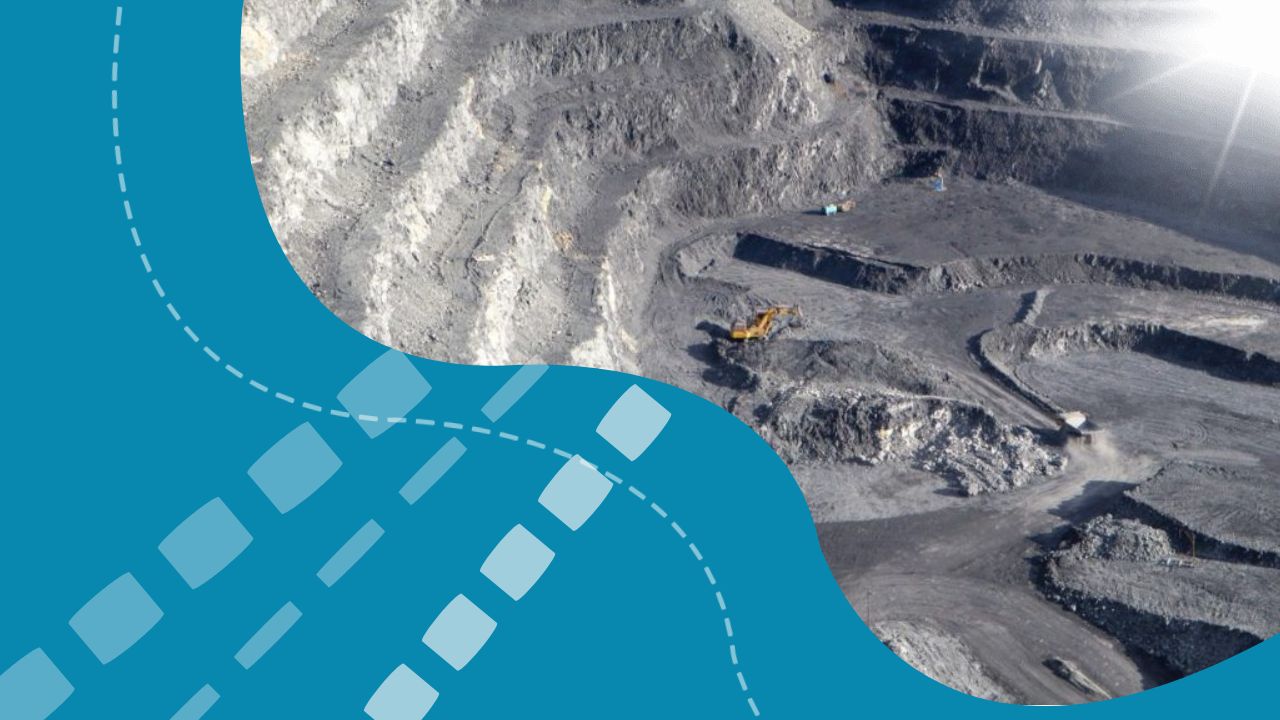
Rolls-Royce Revises UK Nuclear Factory Plans Amid Government Delays
Rolls-Royce has adjusted its strategy for constructing nuclear factories in the UK, citing prolonged delays in a government design competition for its small modular reactor (SMR) initiative. Initially proposing the establishment of two factories, the company has opted out of constructing a pressure vessel manufacturing facility due to time constraints, choosing instead to procure heavy pressure vessels from external suppliers. While plans for a second factory geared towards producing modular units for SMRs persist, this shift underscores the obstacles posed by the protracted design competition delay. Rolls-Royce has hinted at the potential reconsideration of its decision regarding the pressure vessel factory contingent upon the development of a robust order pipeline. In response, a Department of Energy Security and Net Zero spokesperson emphasized the UK’s commitment to expediting the SMR competition, aiming for swift investment inflow to bolster the nation’s energy infrastructure. Rolls-Royce SMR spokesperson echoed the sentiment, highlighting the prioritization of the Modules Assembly & Test Facility for component integration, essential for accelerating deployment. However, they emphasized the potential for future investment in additional factory infrastructure contingent upon fleet commitments both domestically and internationally.
-
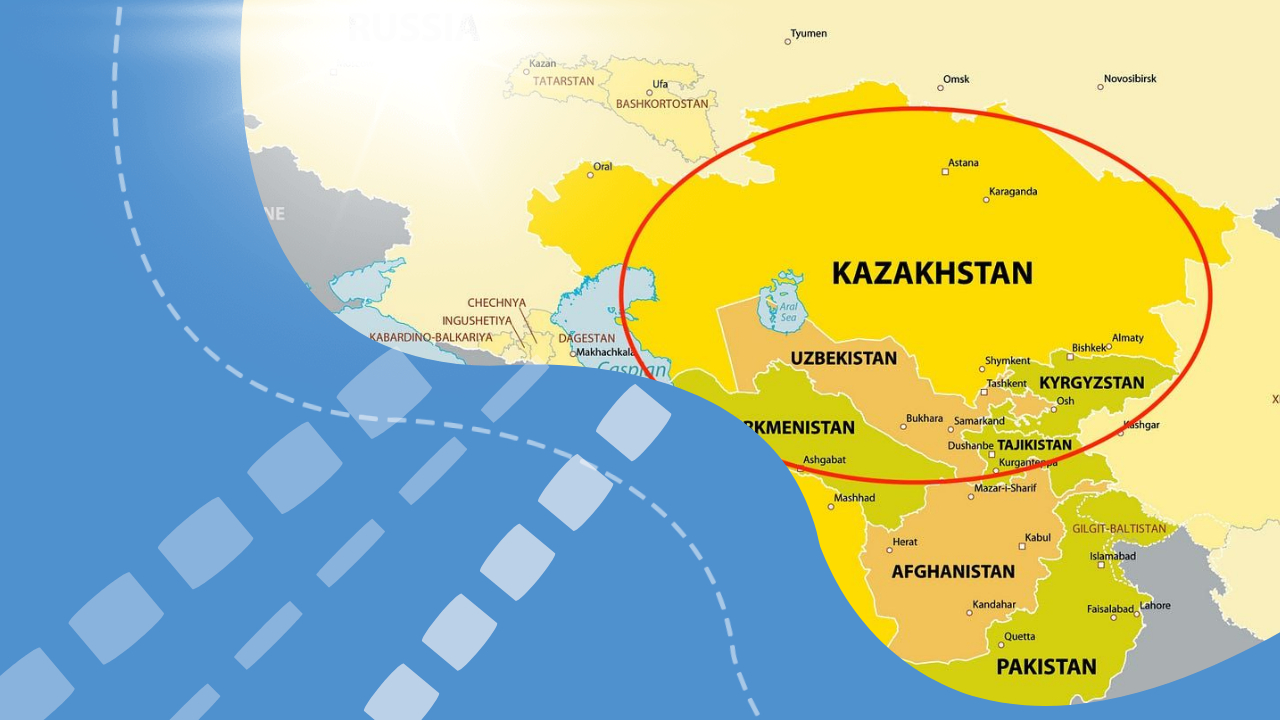
Severe Storms Disrupt Uranium Mining Operations in Southern Kazakhstan
Recent severe storms in southern Kazakhstan have caused significant disruptions to operations at various uranium mines, including the vital Inkai mine and processing complex, as outlined in a report by Global X ETFs. These disturbances have led to logistical challenges, particularly in the delivery of reagents, consequently impacting production at the Inkai facility. Despite uranium spot prices stabilizing below $100, attributed to factors like utilities’ purchasing hiatus and profit-taking by hedge funds, prices have remained at levels unseen in 16 years, according to Global X ETFs. The market’s resilience is partly bolstered by government support for nuclear energy, with expansion initiatives announced by countries like Ukraine and Serbia. The flooding, primarily in the region where Kazatomprom operates, Kazakhstan’s leading uranium producer, has intensified supply constraints. Melting snowstorms have further impeded operations at several uranium mines, including the Inkai mine and processing complex. Joint Venture Inkai, managing the Inkai project in partnership with Cameco and Kazatomprom, has been notably impacted by the disruptions. Hindered reagent deliveries have disrupted production activities. However, a return to normal operations at the Inkai facility is anticipated within three months upon the restoration of access roads. Questions have arisen regarding the accuracy of the report’s information, particularly concerning discrepancies in dates. This raises concerns about potential oversights during research or misinterpretation of data by the author. In addition to the uranium mining disruptions, severe flooding has ravaged parts of Kazakhstan and Russia, notably in the Ural Mountains and Siberia. The collapse of the Orsk Dam has resulted in at least eight fatalities and extensive damage, covering an area comparable to western Europe. While flood relief efforts have made significant strides, thousands remain displaced, with ongoing evacuations and housing challenges persisting in affected regions.
-
ArcelorMittal Poland Invests in Coke Plant Modernization for Environmental Impact Reduction
ArcelorMittal Poland, the Polish arm of the global steel giant ArcelorMittal, has disclosed plans to invest PLN 165 million ($40.9 million) in the modernization of its coke plant located in Zdzieszowice, as outlined in the company’s official statement. According to the press release, the ongoing modernization efforts at ArcelorMittal Poland’s Zdzieszowice coke plant have already reached the halfway mark. Notable upgrades include the construction of a 90-meter chimney, installation of new gas pipelines, and the initiation of a nitrogen oxide reduction unit for each of the Combined Heat and Power (CHP) boilers utilizing treated coke oven gas. The subsequent phase involves the modernization of three coke oven batteries and the decommissioning of an outdated chimney. All activities are slated for completion by 2026. Wojciech Koszuta, CEO of ArcelorMittal Poland, underscores the company’s commitment to reducing its environmental footprint amid the steel industry’s decarbonization challenges. While aiming for carbon neutrality by 2050, Koszuta emphasizes the interim importance of coke for blast furnaces, necessitating emission reduction measures at the Zdzieszowice plant. In a strategic move, ArcelorMittal Poland placed one of its coke oven batteries at the Kraków facility into hot mothballing by the end of 2023. This decision, driven by factors such as diminished coke demand and the pricing dynamics between coking coal and coke, aligns with the company’s optimization objectives. Previously, in 2023, ArcelorMittal Poland allocated PLN 1.5 billion ($363 million) towards modernization and expansion initiatives across three plants, aimed at enhancing product quality, energy efficiency, and overall operational efficacy. Notably, substantial investment was directed towards upgrading the blast furnace in Dąbrowa Górnicza.