In a joint statement, CEEMET, ECEG, IMA-Europe, CEC Footwear, CEPI, Euratex, Euromines, Eurofer, industriAll European Trade Union, SEA Europe, UEPG, Cotance, Cerame-Unie, Eurometaux, CLEPA, ACEA, and Eurelectric have called for a European Industrial Deal aimed at ensuring quality industrial jobs in Europe. Building upon the Antwerp Declaration adopted in February and signed by over 1000 industry leaders and unions, the sectoral social partners and industrial associations are urging the European Commission, European Parliament, and Belgian European Council Presidency to focus on this initiative. The deal, supported by manufacturing workers in metal, chemical, textile, and mining industries, emphasizes the importance of a Just Transition, re-skilling and up-skilling initiatives, social dialogue, and a stable regulatory environment for industries. The signatories stress that industry in Europe is crucial for delivering climate solutions and that a strong industrial fabric and social dialogue are essential for ensuring a Just Transition.
Website: Europe.com
-
WWF-Norway Sues Norwegian Government Over Deep-Sea Mining Approval
The World Wildlife Fund (WWF) in Norway has taken legal action against the Norwegian government over its decision to allow deep-sea mining, alleging that the move was made without proper investigation of its environmental impact. WWF-Norway contends that the government’s approval violates Norwegian law, disregards expert advice, and establishes a risky precedent, according to the organization’s CEO, Karoline Andaur. Despite concerns raised by scientists, the European Union, and the UK regarding potential harm to marine life, Norway became the first country to permit commercial deep-sea mining in January, emphasizing the significance of minerals for green energy applications like electric car batteries. The lawsuit challenges the adequacy of the government’s assessment, as critiqued by the Norwegian Environment Agency, raising fundamental legal and scientific gaps in the decision-making process. In response, the Ministry of Energy stated that it had followed due process and welcomed the court’s review while refraining from further comment. The lawsuit sheds light on the broader international debate as the European parliament and several nations call for a temporary ban on seabed mineral extraction, urging coordination at the upcoming International Seabed Authority meeting.
-
Norway to Launch Seabed Mineral Exploration Amid Environmental Concerns
Two companies announced on Wednesday their intentions to acquire offshore seabed acreage on the Norwegian continental shelf for mineral exploration, marking the potential inception of a controversial new mining industry. Norway is poised to become the first nation to commence commercial production of metals like copper, cobalt, zinc, and rare earth elements (REE) from its continental shelf, which are crucial for transitioning away from oil and gas.
Nominations for seabed acreage, submitted by the May 21 deadline, will set the stage for Norway’s inaugural seabed mineral exploration licensing round later this year, according to Norwegian authorities. The country’s energy ministry has yet to comment on the process.
Loke, a startup backed by TechnipFMC, Wilhelmsen, and Kongsberg Gruppen, revealed that it had nominated numerous blocks rich in polymetallic crusts containing cobalt and rare earth elements. “We are encouraged by the significant resource potential and are looking forward to the first licensing round,” Loke’s CEO Walter Sognnes said in an email to Reuters.
Oslo-listed Green Minerals has also nominated four areas, each consisting of multiple blocks, and anticipates beginning pilot production by 2028, as per a recent investor presentation.
Environmental organizations, including Greenpeace, have urged a global moratorium on seabed mineral mining, citing the risk of irreversible harm to little-studied marine life. In response, the Norwegian government asserts that the exploration phase will help assess the environmental impact and enhance knowledge of seabed ecosystems.
Norwegian oil firm Aker BP AKRBP has not disclosed whether it submitted nominations but has previously expressed interest in exploring the resource potential. The government plans to issue the first licenses in 2025, but companies will need additional approvals to start production. Furthermore, the Norwegian parliament, which decided in January to open extensive areas in the Norwegian and Greenland Seas for potential mining, must approve the initial projects.
-
BHP and Kingsrose Mining Form Alliance for Nickel and Copper Exploration in Nordic Countries
BHP (ASX, LON, NYSE: BHP) and Australian junior miner Kingsrose Mining (ASX: KRM) announced on Wednesday the signing of two joint exploration agreements aimed at developing nickel and copper assets in Norway and Finland. This partnership marks a significant step for both companies, with BHP potentially investing $56 million over the next decade to secure up to a 75% stake in Kingsrose’s assets.
The agreement will unfold in three phases. Initially, BHP will fund up to $20 million for regional generative exploration over a four-year period in selected areas of interest across the two Nordic countries. This phase grants BHP exclusive rights to choose which targets will advance as projects.
Kingsrose Mining has been expanding its portfolio of critical minerals projects, focusing on nickel, copper, and platinum group metals in Norway and Finland. In the second phase of the partnership, BHP can earn up to a 75% stake by contributing an additional $36 million over seven years. Throughout both phases, Kingsrose will manage the ventures and receive a management fee to cover overhead costs.
This collaboration excludes Kingsrose’s existing Penikat and Råna projects, which the company plans to continue developing independently. The news of the agreements led to a surge in Kingsrose’s stock, which jumped over 21% to 57 Australian cents by the close of trading in Sydney, giving the company a market capitalization of just over A$40 million.
-
EU to Launch Critical Minerals Initiative for Green Transition
The European Commission is poised to issue calls for projects aimed at enhancing the EU’s supply of critical minerals within the coming days, according to a senior official. This initiative is part of a broader strategy to secure essential materials like lithium and copper, which are vital for the EU’s green and digital transformations. The EU Critical Raw Materials Act, which becomes effective on May 23, is at the heart of this effort, ensuring that the EU can independently produce electric vehicles and wind turbines, thereby reducing reliance on China.
Maros Sefcovic, the Commission Vice-President, announced that the first meeting of the board overseeing the act, comprising EU member representatives, will be convened soon. “Shortly after this meeting, we aim to launch the first call for strategic projects,” Sefcovic stated during the EU Raw Materials Summit in Brussels.
Projects focused on processing, recycling, or mining that are deemed strategic will benefit from an expedited permitting process, receiving approvals within 15-27 months, significantly faster than the usual timeframe. Sweden’s Eurobattery Minerals AB has already indicated its intention to apply for a strategic project designation for a mine in Finland.
Additionally, the Commission is planning joint EU purchases of approximately 30 critical materials, leveraging its experience with joint gas purchases. Sefcovic emphasized the need for swift action, although he acknowledged the necessity of garnering support from EU member states, which had been a challenge with gas.
The existing platform for gas procurement could serve as a model for these mineral purchases, despite the increased complexity of managing multiple materials. This system is expected to enhance the EU’s ability to forecast future demand more accurately. The Commission is also exploring the potential for stockpiling key minerals, drawing inspiration from Japan’s approach to rare earth reserves.
-
Rock Tech Lithium Receives Full Permits for Guben Refinery
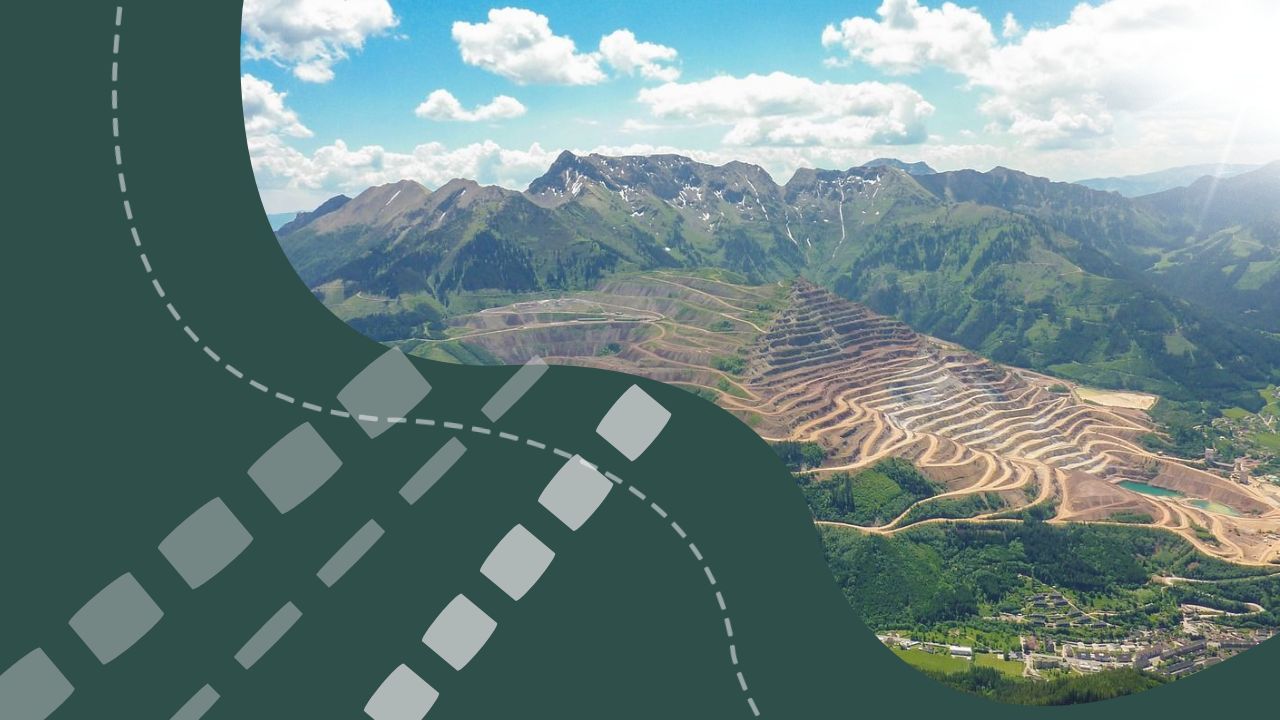
Rock Tech Lithium Inc. has announced the receipt of full permits for its planned lithium refinery in Guben, Germany. The Brandenburg State Office for the Environment granted final approval after an extensive review under the federal immission control act. This refinery is set to produce 24,000 tons of battery-grade lithium hydroxide annually.
Dirk Harbecke, Rock Tech’s Chairman and CEO, highlighted the significance of this achievement, noting that it marks the first full-scale lithium refinery in Europe to be permitted without any appeals. He credited the team’s efforts and the support from Brandenburg authorities for this milestone.
Rock Tech is a cleantech company operating in Canada and Germany, focusing on producing lithium hydroxide for electric vehicle batteries. The company plans to build lithium converters near its customers to ensure supply-chain transparency and just-in-time delivery. The Guben facility is the first, with a second converter planned for Red Rock, Ontario, Canada. Rock Tech sources raw material from its Georgia Lake spodumene project in Ontario and other responsible mines, aiming to include discarded batteries in the future. The company is committed to strict environmental, social, and governance standards and is developing a proprietary refining process for greater efficiency and sustainability.
-
EU to Launch Calls for Critical Minerals Projects and Joint Purchases
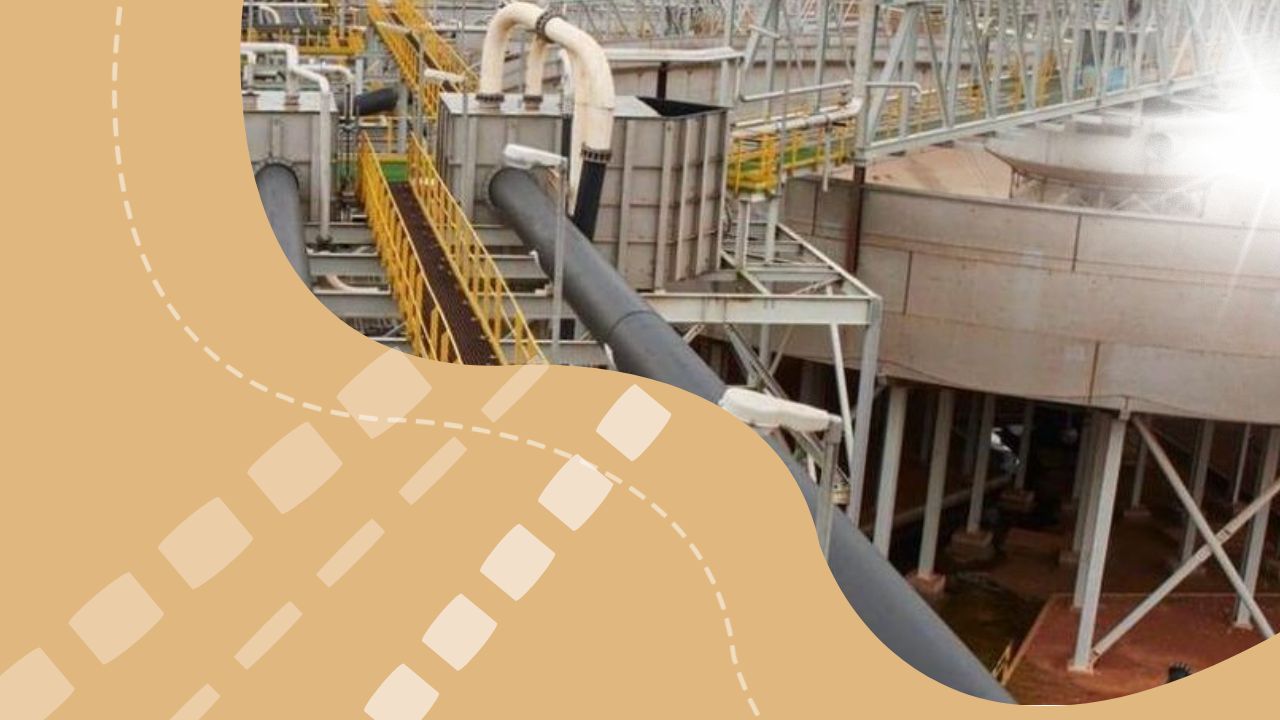
The European Commission is set to initiate calls for projects aimed at improving the EU’s supply of critical minerals, with plans to start joint EU purchases similar to its existing gas scheme, announced a senior commissioner on Wednesday. The EU Critical Raw Materials Act, which ensures a stable supply of essential minerals like lithium and copper for the EU’s green and digital transitions, comes into effect on May 23. This act is crucial for the production of electric vehicles and wind turbines, reducing the bloc’s reliance on China.
Commission Vice-President Maros Sefcovic mentioned that the EU executive would soon hold the inaugural meeting of a board overseeing the act. “Within days after that… we would like to launch the first call for strategic projects,” Sefcovic stated at the EU Raw Materials Summit in Brussels. Strategic projects in processing, recycling, or mining will benefit from expedited permits within 15-27 months. Eurobattery Minerals AB from Sweden has expressed intentions to apply for a strategic mine in Finland.
Additionally, Sefcovic revealed that the Commission is drafting plans for joint purchases of around 30 critical materials, leveraging its gas purchase scheme experience. The EU executive aims to facilitate connections between global suppliers and EU buyers, hoping to launch the scheme promptly despite potential hesitations from member states. The existing gas purchase platform could serve as a model, though acquiring diverse critical minerals presents more complexity. The Commission is also exploring stockpiling key minerals, inspired by Japan’s approach to rare earths.
-
Polish Government Backs Rolls-Royce Plan to Build Nuclear Power Plants
The Polish government has endorsed a proposal by Rolls-Royce to construct nuclear power plants in the country. Rolls-Royce SMR expressed its approval of the announcement by the Polish industrial group, Industria, which will facilitate the approval process for building Rolls-Royce Small Modular Reactor (SMR) power plants in Poland.
In a statement, Rolls-Royce SMR highlighted that obtaining a Decision in Principle marks the initial step toward deployment. This decision requires input from several government departments. Recently, Polish Minister of Climate and Environment, Paulina Hennig-Kloska, provided the final necessary opinion, confirming that the investment would have a positive impact. This opinion followed endorsements from the Polish Minister of State Assets, the Chief of the Polish Internal Security Agency, and Poland’s Chief Geologist.
With all required documentation now in place, the Polish Minister of Climate and Environment can issue a Decision in Principle to proceed with the deployment of Rolls-Royce SMRs in Poland. Minister Hennig-Kloska emphasized that this investment is in the public interest and aligns with Poland’s energy and climate policies, a sentiment echoed by other supporting government agencies.
This decision enables Rolls-Royce to advance its commercial and technical discussions on deploying its SMR power plants in Poland. Each self-contained, factory-built unit is capable of providing low-carbon energy to a million homes for over 60 years.
Alan Woods, Director of Strategy and Business Development at Rolls-Royce SMR, welcomed the government’s conclusion. He stated, “We are delighted the Polish Government has concluded that the deployment of our unique ‘factory-built’ nuclear power plants would have a positive impact for the country, and we look forward to a Decision in Principle to deploy Rolls-Royce SMRs in Poland.”
Rolls-Royce SMR is also on track to complete Step 2 of the Generic Design Assessment by the UK nuclear industry’s independent regulators this summer, further solidifying its position as a leader in the European nuclear sector.
-
Chinese Company Expresses Interest in Montenegro’s Berane Coal Mine
An unnamed Chinese company has shown interest in purchasing the coal mine in Berane, a northeastern town in Montenegro, which has been inactive for several years, according to local media reports. Representatives from the Chinese firm have already visited Berane for discussions regarding the potential acquisition, though the current status of the negotiations remains unclear, as per broadcaster RTCG.
Nikola Scekic, head of the mining company, stated, “It is about a serious company that has expressed interest in our mine. We hope that the further talks will result in a good decision.” The Berane coal mine, owned by Serbia-registered company Metalfer, halted production in March 2020 due to the COVID-19 pandemic. Additionally, the mine has been without electricity since November 2022 due to a power substation failure.
In January, Montenegro’s energy ministry announced its goal to restart production at the mine, promising to conduct an economic analysis to determine the best approach. Restarting operations will require new investments and strategic partnerships, with the government needing to evaluate both existing and potential production capacities, energy minister Sasa Mujovic stated.
At its peak, the Berane coal mine employed 150 workers and supported a supply chain of 20 smaller firms, as noted by RTCG.
-
Gravitricity to Develop Underground Gravity Energy Storage Projects in Europe
Edinburgh-based company Gravitricity has announced its plans to develop underground gravity energy storage projects for deep mine operators in Slovenia, Germany, the Czech Republic, and Finland. This innovative approach repurposes end-of-life mine shafts, which would otherwise face expensive infilling and decommissioning costs.
Gravitricity’s energy storage system, known as GraviStore, utilizes heavy weights—up to 12,000 tonnes—suspended in deep shafts by cables attached to winches. During periods of excess electricity, such as on windy days, these weights are winched to the top of the shaft, ready to generate power when needed. The weights can be released in less than a second, with the winches acting as generators to produce electricity either in a quick burst or more gradually, depending on demand.
The company highlighted that GraviStore offers many advantages similar to pumped storage hydro and lithium-ion batteries, but without the performance degradation that affects batteries over time. This system can operate for decades with consistent efficiency.
Gravitricity’s current clients include the Velenje coal mine in Slovenia, owned by the government-run Premogovnik Velenje; First Quantum Minerals’ Pyhäsalmi mine in Finland, Europe’s deepest zinc and copper mine; the former Darkov mine in the Czech Republic, managed by the state enterprise DIAMO; and the Geiger Group’s Grube Teutschenthal mine in Germany.
“Gravity energy storage presents a powerful green opportunity for mine operators, extending the life of mines beyond material extraction,” said Martin Wright, founder and executive chairman of Gravitricity. “This alternative to decommissioning provides economic and employment opportunities in communities facing the decline of traditional jobs. Our engagements with mine operators demonstrate significant interest in our technology, and we are working with both mine owners and public sector organizations to transform these plans into operational realities.”
Gravitricity has already demonstrated its GraviStore technology with a 250kW above-ground prototype, successfully raising and lowering two 25-tonne weights to generate power and verify the system’s rapid response capabilities. The £1-million, 12-meter-high test rig proved the system can achieve full power in less than a second, making it highly valuable for frequency response and backup power markets, with the flexibility to adjust power output based on demand.