Website: Europe.com

  • LME Takes Action to Prevent Abuse of Russian Aluminium Sanctions-Based Rule

    LME Takes Action to Prevent Abuse of Russian Aluminium Sanctions-Based Rule

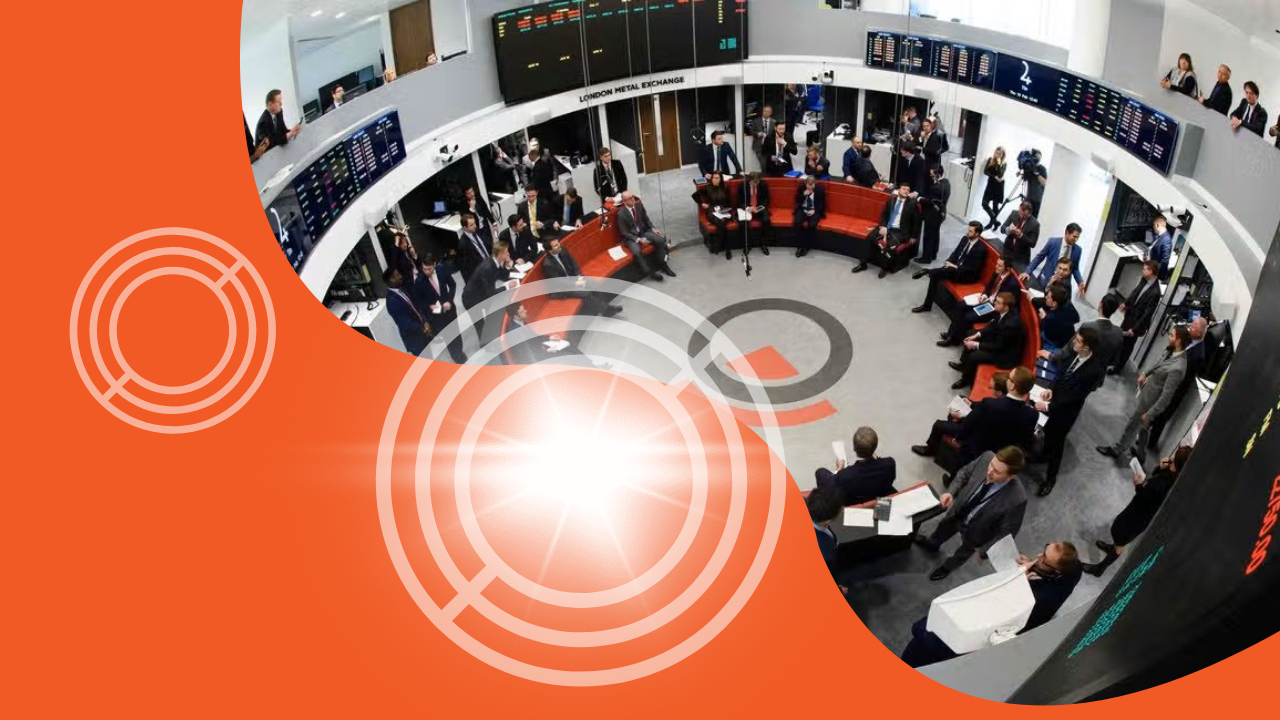
    The London Metal Exchange (LME) has announced plans to prevent the manipulation of its rules regarding Russian aluminium, which were introduced in response to international sanctions. The exchange aims to ensure that its regulations are not exploited for personal gain.

    In recent months, concerns have been raised that some market participants may be taking advantage of the LME’s rules, which allow Russian aluminium to be traded on the exchange as long as it meets certain conditions. These conditions include ensuring that the metal is not owned or controlled by sanctioned entities or individuals.

    To address these concerns, the LME has proposed changes to its rules, which are expected to come into effect later this year. The revised rules will introduce stricter requirements for verifying the origin and ownership of Russian aluminium, making it more difficult for traders to circumvent the sanctions.

    The LME’s move is seen as a response to growing concerns about the integrity of the global aluminium market. The exchange has faced criticism for allowing Russian aluminium to continue trading on its platform, despite international sanctions imposed on Russia following its invasion of Ukraine.

    Industry insiders welcome the LME’s decision, stating that it will help to maintain confidence in the market and prevent abuse of the sanctions-based rule. The changes are also expected to bring greater transparency to the trade of Russian aluminium, making it easier to identify and prevent any potential breaches of sanctions.

    The LME’s proposal is currently open for public consultation, with feedback expected from market participants and other stakeholders. Once finalized, the new rules are expected to take effect later this year, providing a more robust framework for trading Russian aluminium on the exchange.
  • Romania Government Announces Strategy to Align Mining Legislation to the EU’s Critical Raw Materials Act

    Romania Government Announces Strategy to Align Mining Legislation to the EU’s Critical Raw Materials Act

    The Romanian Government has recently unveiled a strategic plan to align its mining legislation with the European Union’s Critical Raw Materials Act (CRMA). This move aims to enhance the country’s mining sector and ensure compliance with EU standards.

    Here are the key points from the announcement:

    1. Copper as a Strategic Material: The Romanian Ministry of Economy formally listed copper as a strategic and critical material. This recognition underscores the importance of copper in various industries and highlights Romania’s commitment to supporting its extraction and utilization.
    2. Overhaul of Mining Legislation: The government plans to overhaul existing mining legislation. This includes simplifying and streamlining the inspection and permitting process for constructing mines within Romania. By creating a more efficient regulatory framework, Romania aims to attract foreign investment and encourage public-private partnerships in the mining sector.
    3. Access to Critical Minerals: The announcement emphasizes opening new sites and reevaluating existing ones to acquire critical minerals. These minerals play a crucial role in Europe’s green energy transition and are essential for sustainable development.
    4. Unified Regulatory Body: Romania intends to establish a single regulatory mining monitoring and control body. This body will fast-track inspection and permitting processes, improving overall efficiency.

    Commenting on this positive development, Mr. Grant Sboros, Chief Executive Officer of Euro Sun, said “This announcement clearly signifies Romania’s intention to comply fully with the EU’s CRMA and to formally list copper as a strategic and critical material. We are also greatly encouraged by the details contained in this announcement which include plans to provide the regulatory framework necessary to attract foreign investment to encourage public-private partnerships specific to mining. This provides investor predictivity and fiscal stability. Of significant value for Euro Sun is also the plan to create a single regulatory mining monitoring and control body to fast-track inspection and permitting processes and improve efficiencies.” As the second biggest copper resource measured and indicated in Europe, Euro Sun continues to work closely with the Romanian Government to understand and implement these changes made to Romania’s mining legislation.

    Euro Sun Mining Inc., a Toronto Stock Exchange-listed mining company, is closely collaborating with the Romanian Government to understand and implement these changes in Romania’s mining legislation. Euro Sun’s Rovina Valley gold and copper project, which hosts the second-largest gold deposit in Europe, aligns with the circular economy and contributes to job creation and investment in Hunedoara County.

    This positive development provides investor predictability and fiscal stability, fostering a conducive environment for mining activities in Romania.

  • Ukraine: 92.67% of EMSS shares to be taken from the beneficiary of Rosatom

    Ukraine: 92.67% of EMSS shares to be taken from the beneficiary of Rosatom

    The Ministry of Economy has prepared drafts of President’s orders to carry out the decision of the National Security and Defence Council to withdraw corporate rights and immovable belonging to Russians.

    In particular, Ukraine will take 92.67% of the statutory capital in Energomashspetsstal. The shares belong to EMSS Holdings Limited (Cyprus), the beneficiary of which is Rosatom.

    Moreover, the rights to EMSS’ debts amounting to 11.2 billion UAH will also be seized. These funds the company had to return to enterprises connected to Rosatom.

    EMSS is situated in Kramatorsk in Donetsk region, and was numerous times shelled by invading Russian forces in 2022.

  • Ukraine’s DTEK seeks $350mn to restore energy capacity after Russian attacks

    Ukraine’s DTEK seeks $350mn to restore energy capacity after Russian attacks

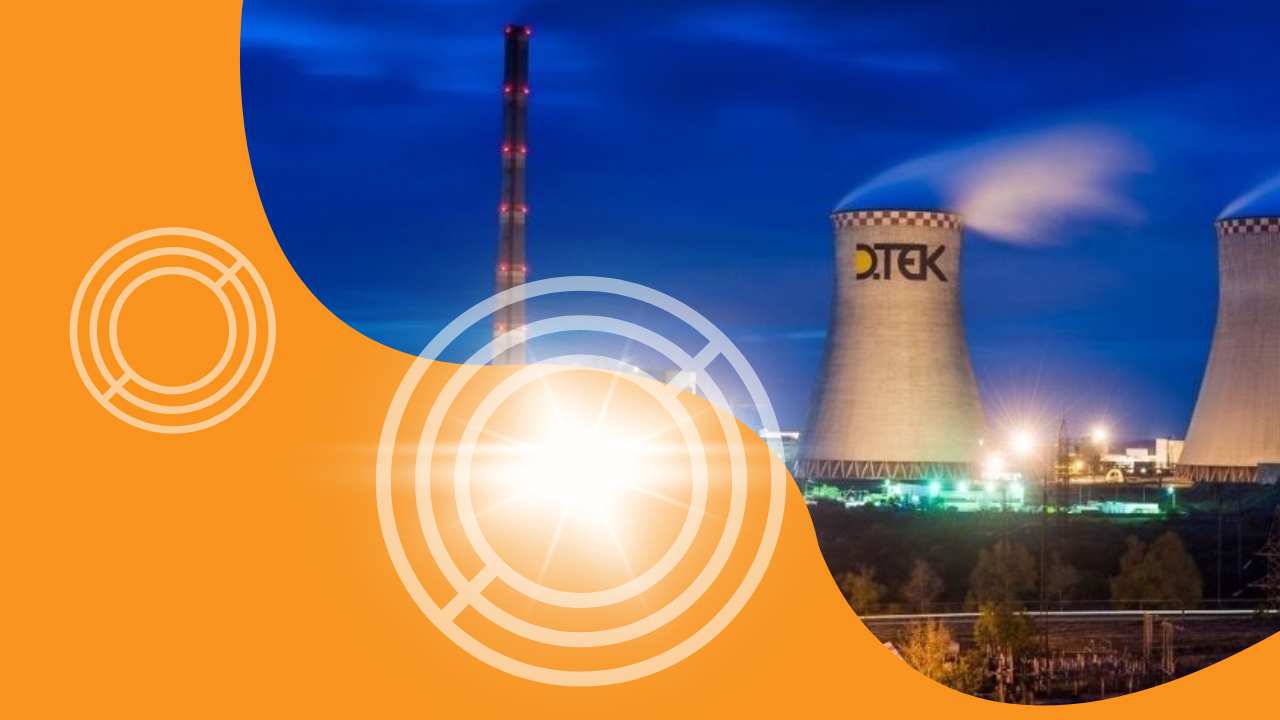
    Ukraine’s leading private energy company, DTEK, has sounded the alarm, indicating an urgent need for $350mn to recuperate lost capacity resulting from Russia’s relentless assaults on thermal power plants (TPPs).

    Dmytro Sakharuk, DTEK’s executive director, underscored the severity of the situation, warning of potential electricity shortages during peak demand periods in the upcoming summer and winter months. The dire predicament stems from the devastation inflicted by recent attacks, which have left the country grappling with the loss of 8 GW of generation capacity.

    Throughout March, DTEK’s vital energy infrastructure bore the brunt of at least 10 assaults as Russian forces renewed their onslaught. The repercussions have been profound, with an estimated 80% of DTEK’s thermal generating capacity sustaining damage or destruction.

    Sakharuk shed light on the precarious conditions faced by DTEK, revealing that while the company operates six power plants, one remains inoperative due to its proximity to the conflict zone and incessant shelling. This strategic facility, crucial for sustaining energy supply, now lies in ruins, its coal supply routes obliterated.

    The financial toll of these devastating attacks is staggering, with estimated damages reaching $250mn, alongside an additional $100mn earmarked for repair works. Last year’s onslaught inflicted marginally lower losses, prompting DTEK to expend $110mn on recovery efforts.

    In light of the pressing need for financial resources, DTEK is exploring avenues to secure funding. Efforts include sourcing critical parts and components from European energy facilities, with ongoing negotiations involving the governments of Germany, Romania, Bulgaria, Greece and Lithuania.

  • The role of critical raw materials in economic and environmental sustainability

    The role of critical raw materials in economic and environmental sustainability

    In today’s global economy, the significance of battery raw materials, rare earth elements and other critical raw materials cannot be overstated. They serve as the backbone of essential technologies driving electromobility, renewable energy generation and storage, energy-efficient consumer and industrial products, as well as aerospace and defence applications.

    As geopolitical tensions escalate worldwide, access to these critical raw materials emerges as a pivotal factor influencing the economic and environmental sustainability of entire nations. European Commission President Ursula von der Leyen underscored this reality in her 2022 State of the Union address, declaring that “lithium and rare earths will soon be more important than oil and gas.”

    While China and Japan have long prioritized sustainability in their raw materials supply chains, the European Union has lagged behind. Recognizing the urgent need to bridge this gap, the EU has introduced the Critical Raw Materials Act to fortify domestic supply chains while advancing economic and environmental sustainability within the region.

    The CRMA aims to enhance reliable and sustainable access to critical raw materials by setting clear targets for domestic mining, processing, and recycling to achieve by 2030. Additionally, the act aims to mitigate the EU’s dependence on individual non-member states or nations to avoid overreliance on single sources.

    Among the 34 critical raw materials identified by the EU, 16 are categorized as strategic raw materials. Notably, rare earth elements and lithium stand out as crucial components driving Europe’s transition to electromobility and renewable energy. These materials are also integral to sustaining the competitiveness of domestic manufacturers reliant on sustainable supplies.

    While the EU possesses sufficient mineral resources to meet the targets outlined in the CRMA for rare earth elements and lithium, political and social resistance, combined with complacency among some end-users, have hindered necessary investment and development efforts.

    Although the role of lithium in electrification and the energy transition is widely recognized, the intricate significance of rare earth elements remains less understood. This presents a potential blind spot that EU policymakers and industry stakeholders must address to ensure the success of sustainable raw materials strategies.

  • CRMA targets in Europe: Overcoming challenges for rare earths and lithium

    CRMA targets in Europe: Overcoming challenges for rare earths and lithium

    EU governments have recently approved domestic European mining and extraction of critical raw materials, despite concerns from environmentalists. The Critical Raw Materials Act (CRMA), proposed by the European Commission in March 2023, aims to reduce reliance on foreign suppliers, particularly China, and ensure a diversified supply chain. This move aligns with the European Green Deal, which aims for carbon neutrality by 2050.

    Under the CRMA, 34 critical and 17 strategic raw materials have been identified as crucial for green technologies, digital transitions, and defence and space industries. The new law establishes the following targets for the EU’s annual raw material consumption:

    1. 10% from local extraction
    2. 40% to be processed within the EU
    3. 25% to come from recycled materials

    Extraction projects will receive permits within a maximum of 27 months while recycling and processing projects should receive permits within 15 months. These materials are urgently needed for industries producing essential goods such as wind turbines, solar panels, electric cars, and computer chips. However, some lawmakers expressed concerns about the lack of explicit mention of community consent near mining sites and the need for stronger provisions related to protected areas. Despite these reservations, the CRMA aims to enhance the EU’s strategic autonomy by reducing dependencies on overseas sources.

  • KGHM Announces Impressive Results for 2023: Effective Production and Strategic Investments

    KGHM Announces Impressive Results for 2023: Effective Production and Strategic Investments

    KGHM, a leading global copper and silver producer, has released its results for the year 2023, highlighting efficient production, increased investments, financial stability, and a commitment to sustainable development.

    In 2023, KGHM exceeded its production targets for copper in concentrate, silver in concentrate, electrolytic copper, and metallic silver. Consolidated revenues of the KGHM Group reached PLN 33.5 billion, with adjusted EBITDA at nearly PLN 5.4 billion and equity of the Group at PLN 26.8 billion.

    Investments in 2023 focused on advancing mining projects, such as connecting the GG-1 shaft to the Rudna mine and commencing preparatory work for the GG-2 shaft. The company also completed work on a Central Air Conditioning System and a Surface-based Air Conditioning Station at the Rudna mine. Additionally, KGHM continued to develop the Żelazny Most Tailings Storage Facility and the Hybrid Smelter program at the Legnica Copper Smelter and Refinery.

    KGHM ended 2023 in a strong financial position, with PLN 33.5 billion in consolidated revenues and a Group operating result of nearly PLN 5.4 billion. Cash and cash equivalents increased by PLN 0.5 billion, and the company maintained a safe level of debt, with net debt/EBITDA at 1.1.

    The company is committed to sustainable development and has enhanced actions related to responsible production. KGHM is advancing its Climate Policy and projects involving energy transformation. By 2030, the company aims to significantly reduce CO2 emissions through the increased use of renewable energy sources.

    KGHM’s safety initiatives include operating under the “Zero harm” principle, employing early warning systems and innovative solutions to improve workplace safety, and conducting over 300 assistance and charitable actions in 2023. The company also commenced a KGHM Academy, which offers preventive programs, workshops, and pro-social actions.

    In summary, KGHM’s 2023 results demonstrate efficient production, increased investments, financial stability, and a commitment to sustainable development, positioning the company for continued success in the global copper and silver markets.

  • Ferrexpo soars higher as exports resume and production climbs

    Ferrexpo soars higher as exports resume and production climbs

    Ferrexpo PLC (LSE:FXPO) shares rocketed 11% higher as production at the Ukraine-based iron pellet maker hit its highest since the Russian invasion, while exports have also resumed from ports in the country.

    Output jumped 203% to 1.8 million tonnes of pellets in the first quarter of this year, though this was still some way short of the 2.8 million tonnes produced before the start of the war.

    Executive chair Lucio Genovese said production improved even though 669 employees are currently serving with the Ukraine military, the most since the outbreak of fighting.

    “It is pleasing that despite facing so many challenges, we are able to report solid production and sales numbers for the quarter,” Genovese said.

    “As long as we believe the level of risk is acceptable, taking into account the ongoing war in Ukraine, we will continue to use all the export capacity available to ensure that we are supporting the interests of all stakeholders.”

    “The ability to export through the Ukrainian Black Sea ports has been positive not just for our production and sales, but also for the morale of our workers. They can sense that the company is working hard to protect their jobs and livelihoods.

    “Although it is positive that we have been able to export through the Black Sea ports, it has not been without its challenges. Logistics have been complex and shipping and insurance costs have increased. As the ports provide access to larger vessels, we have, however, benefited from economies of scale.”

    Ferrexpo shares have been hurt recently by a legal action related to its principal shareholder, billionaire Konstantyin Zhevago, that sparked a provision of £105 million in its recent results.

    Shares were 5.7p up at 53.9p.

  • US and UK Impose Restrictions on Russian Metal Imports Amid Ukraine Conflict

    US and UK Impose Restrictions on Russian Metal Imports Amid Ukraine Conflict

    In a joint effort to disrupt Russian export revenue amidst the ongoing conflict in Ukraine, Washington and London have announced measures prohibiting metal-trading exchanges from accepting new aluminum, copper, and nickel produced by Russia. The move comes as part of broader sanctions targeting key Russian industries following Moscow’s invasion of Ukraine, which has resulted in significant casualties and widespread destruction.

    Russia, a major producer of aluminum, copper, and nickel, stands to be significantly impacted by the restrictions imposed by the United States and the United Kingdom. The measures aim to limit Russia’s ability to finance its military campaign in Ukraine by curbing revenue generated from metal exports.

    Both the US Treasury Department and UK officials emphasized the targeted nature of the sanctions, designed to minimize disruption to global metal markets while effectively restricting new Russian metal production. Existing stocks of Russian metal on global exchanges will be exempt from the restrictions to mitigate potential market instability.

    While bilateral contracts will not be affected by the measures, trading of Russian metals off the exchanges is expected to face discounts, thereby reducing Russia’s revenue from metal exports. The US and UK authorities will closely monitor the trading of Russian metal elsewhere to ensure compliance with the sanctions.

    The action marks the latest escalation in sanctions against Russia by Western nations in response to its invasion of Ukraine in February 2022. The US and UK had previously implemented economic measures targeting the metals and mining sector, with tariffs imposed on Russian metal imports.

  • France Unveils Plans to Revitalize Mining and Renewable Energy Sectors

    France Unveils Plans to Revitalize Mining and Renewable Energy Sectors

    In a bid to reduce dependency on imports and align with climate targets, France announces measures aimed at revitalizing copper mining and expediting lithium and geothermal energy projects. Finance Minister Bruno Le Maire outlined potential steps to streamline research permits for geothermal energy, mining, and carbon storage, with provisions allowing the repurposing of depleted oil and gas wells for carbon storage.

    Speaking at a geothermal drilling site in a Paris suburb, Le Maire emphasized leveraging France’s diverse energy resources, including wind, hydro, biomass, and solar energy, alongside untapped geological assets. The proposed legislation seeks to accelerate the revival of copper mining, halted for over two decades, to meet the rising demand for cables essential in renewable energy infrastructure and cross-border power connections.

    With lithium projects on the horizon, spearheaded by companies like Imerys SA, Eramet SA, and Arverne Group SA, France aims to cover a significant portion of its electric-vehicle battery needs by 2035. The national geothermal action plan, published in 2023, outlines ambitious targets to triple renewable heat production from deep geothermal energy and geothermal heat pumps by 2028 and 2030, respectively.