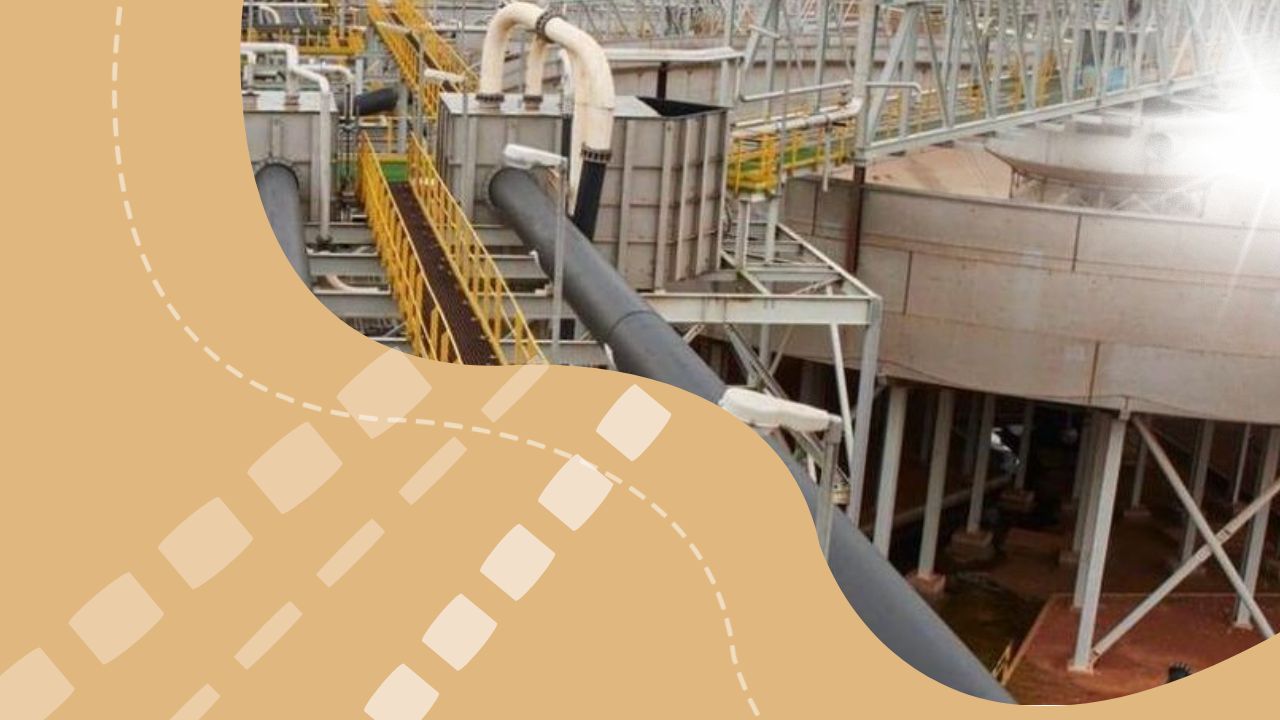
In a significant legal development, the Cluj Court of Appeal has permanently revoked the environmental permit for the Rovina gold project, operated by Canada-based Euro Sun Mining. The decision was based on deficiencies noted in the permit, including missing chapters and uncertified experts among the signatories. Following challenges from various NGOs regarding flaws in the environmental impact assessment, the Cluj-Napoca ordinary court nullified the permit in December. This recent ruling by the Cluj Court of Appeal, issued in April of this year, definitively halts any mining activities by Euro Sun at the Rovina site. Roxana Pencea Brădățan of local non-profit Declic hailed the decision as a victory for local communities and environmental protection in Romania, emphasizing its significance in the ongoing battle for environmental preservation. Despite the setback, Euro Sun Mining expressed intentions to reinitiate procedures and secure another environmental permit following the lower court’s ruling. CEO Grant Sboros reiterated the company’s commitment to resubmitting necessary documentation and expressed confidence in obtaining timely certification. Euro Sun asserts that the Rovina project ranks among the largest developing gold deposits globally, and the second largest in Europe, with substantial gold and copper resources estimated at 286 gold equivalent tonnes. The initial gold mining license for Rovina was granted to Euro Sun’s subsidiary, Samax Romania, in 2015 for a duration of 20 years, with governmental ratification occurring three years later.
Website: Europe.com
-
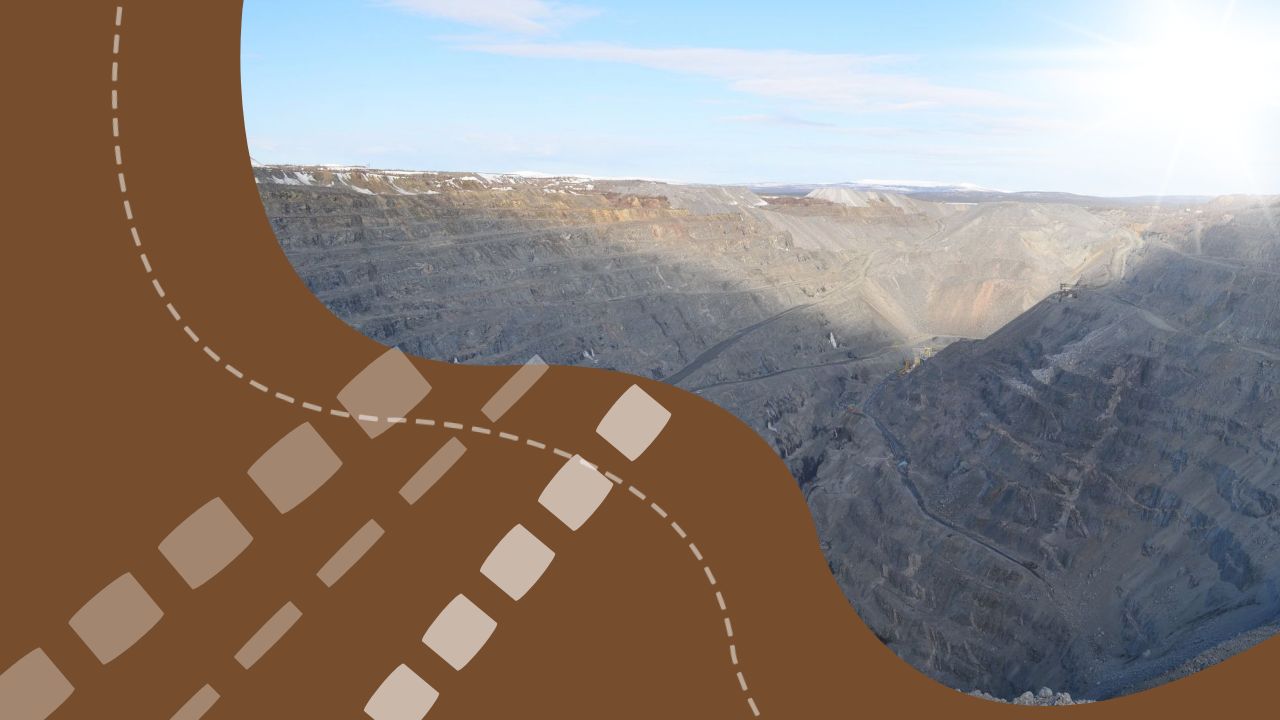
G7 Nations Set 2035 Deadline to End Unabated Coal Use
In a significant move towards combating climate change, the Group of Seven (G7) nations declared on Tuesday their commitment to terminating the use of “unabated” coal by 2035. This resolution, reached after deliberations among energy, climate, and environment ministers in Turin, Italy, marks a breakthrough in G7 negotiations that had previously stalled over several years. The communiqué released following the talks stipulates the intention to “phase out existing unabated coal power generation in our energy systems during the first half of 2030s.” However, by specifying “unabated” coal, the agreement offers flexibility for countries to continue employing this fossil fuel post-2035 if they implement measures to capture carbon emissions before release into the atmosphere. Furthermore, the accord allows countries the option to adopt a timeline aligned with maintaining a limit of 1.5°C temperature rise, in accordance with their net-zero pathways. Several G7 members, representing major economies in the developed world, have made substantial progress in reducing coal dependency. Notably, the UK, Italy, and Canada generate less than 6% of their electricity from coal, while France relies minimally on it. Conversely, coal still constitutes a significant portion of electricity generation in Japan (32%), Germany (27%), and the US (16%), according to data from the think tank Ember. This announcement follows closely on the heels of the US Environmental Protection Agency’s unveiling of new regulations mandating coal-fired power plants to either capture the majority of their climate pollutants or cease operations by 2039. Italian Environment and Energy Security Minister Gilberto Pichetto Fratin defended the agreement, emphasizing that the language assures a phased reduction of coal usage across G7 nations while safeguarding economic and social stability. Although some climate experts view the agreement positively as a step forward after years of impasse, others criticize the 2035 deadline as insufficient for limiting global warming to 1.5 degrees Celsius. Climate Analytics contends that to achieve this goal, all coal usage in G7 countries must cease by 2030 at the latest, with natural gas use ending by 2035. Jane Ellis, head of climate policy at Climate Analytics, underscores the necessity for a swifter transition to renewables, particularly highlighting concerns regarding ongoing investments in domestic gas facilities by G7 governments. Notably, while the resolution addresses coal, it omits any mention of a phase-out plan for gas, despite its significant contribution to CO2 emissions. The G7’s leadership in climate policy often influences broader international efforts, including those within the G20, where decisions impact major emitters and fossil fuel producers alike.
-

MetalsTech Secures 10-Year Extension for Sturec Gold Mine Operations in Slovakia
MetalsTech (MTC) has achieved a significant milestone with the extension of its underground mining permit for the Sturec Gold Mine in Slovakia. The ten-year extension, effective from 2024 to 2034, solidifies the company’s commitment to continued extraction of gold and silver utilizing advanced underground mining methods. This development is poised to bolster the operational sustainability and potential profitability of the mine, marking a pivotal juncture in its long-term trajectory.
The decision to extend the mining permit underscores the strategic importance of the Sturec Gold Mine in MetalsTech’s portfolio, highlighting its rich ore deposits and the viability of ongoing extraction efforts. With this extension in place, the company is poised to leverage its expertise and resources to maximize the value derived from the mine’s mineral reserves.
In addition to securing the permit extension, MetalsTech remains dedicated to advancing its comprehensive program of bulk-scale metallurgical and mineralogical test work. This ongoing research initiative is instrumental in refining extraction and processing techniques, ensuring optimal efficiency and efficacy in harnessing the valuable mineral resources present within the Sturec Gold Mine.
As MetalsTech continues to navigate the complexities of underground mining operations, the extension of the mining permit stands as a testament to the company’s commitment to sustainable resource management and operational excellence. With a steadfast focus on innovation and optimization, MetalsTech remains poised to unlock the full potential of the Sturec Gold Mine, driving value for stakeholders and contributing to the broader economic landscape of Slovakia.
-
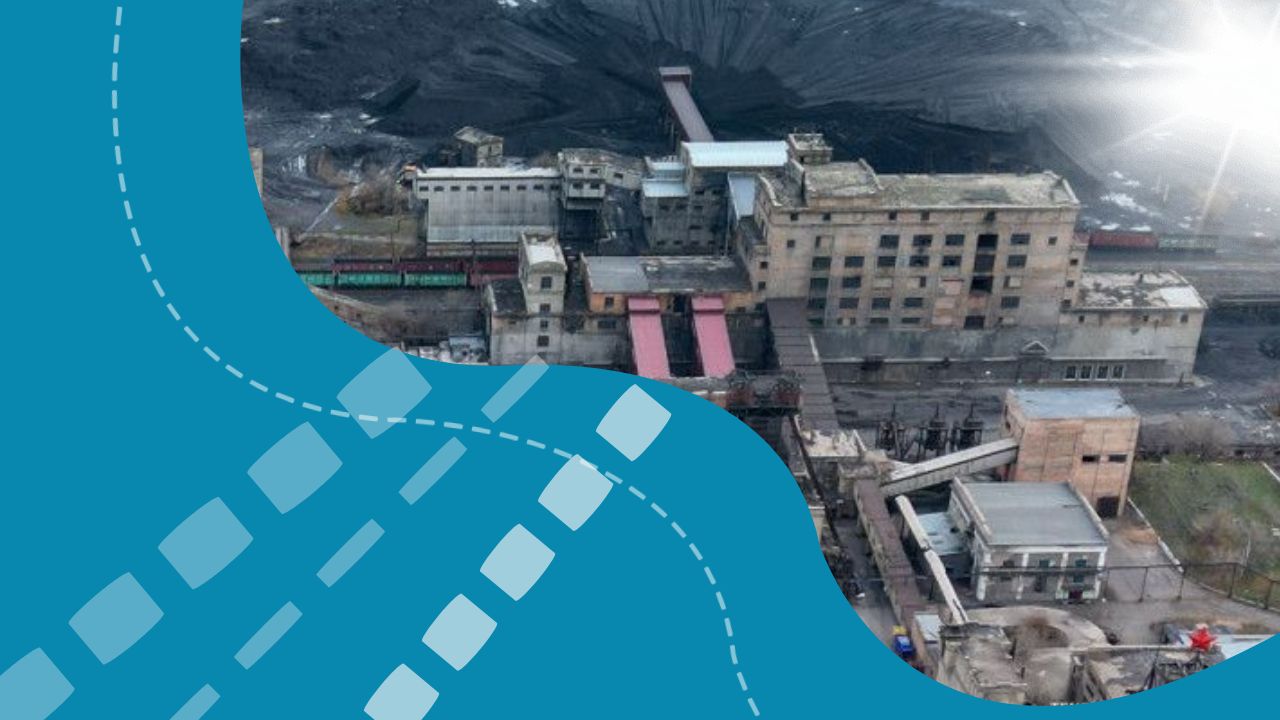
Women Lead Fight Against Copper Mine Pollution in Eastern Serbia
In a stirring display of resilience and determination, nearly two dozen women from various walks of life in eastern Serbia have emerged as the frontline defenders in a battle against environmental degradation caused by a nearby copper mine. These women, representing multiple generations and diverse professions including nursing, teaching, and homemaking, are rallying together to demand the relocation of their village, citing the severe pollution of land and water attributed to the operations of China’s Zijin Mining.
Since January, as the male residents of the village continue their daily routines, these women have taken shifts guarding a barricade on a bridge in Krivelj, determined to obstruct the passage of trucks entering the mine premises. The mine, operated by Zijin’s subsidiary, Serbia Zijin Copper, has faced mounting scrutiny due to its environmental impact, prompting commitments from the company to address the concerns and facilitate the relocation of the affected community.
In a recent development, Zijin has agreed to halt the transit of large trucks through the village, a concession welcomed by residents who temporarily lifted the blockade to allow necessary work to proceed. Despite the company’s efforts to relocate some villagers, the majority of the population, primarily Vlachs, Orthodox Christians deeply rooted in their heritage, remain steadfast in their demand to relocate as a unified community.
Zijin has expressed its commitment to transparent and equitable relocation plans, engaging with all stakeholders involved in the process. Local authorities are optimistic about completing the relocation by the end of 2025, aiming to safeguard the well-being of the villagers and restore the integrity of their environment. Amidst the turmoil, sentiments of sorrow and determination resonate among the villagers, epitomized by Stana Jorgovanovic, a 79-year-old homemaker who reflects on the emotional toll of leaving behind her cherished village.
In a poignant gesture of solidarity and resilience, fifteen of these women have chosen to share their stories and aspirations for the future through portraits captured in familiar settings that evoke a sense of safety and defiance. Whether standing on the village hillsides, within their homes, or at the barricade itself, these women embody a collective spirit of defiance against environmental injustice, determined to protect their families and advocate for their rights.
-

Aurubis Launches Ambitious Investment Program in Bulgaria
Aurubis, a leading global supplier of non-ferrous metals, has initiated a groundbreaking investment program titled “Investments for Progress: Bulgaria 2027,” with a staggering budget of BGN 800 million. The program aims at bolstering the country’s industrial infrastructure, enhancing energy efficiency, and modernizing production facilities. The kickoff ceremony, held on April 25, marked the commencement of several pivotal projects, including the expansion of cathode copper capacity, the construction of new photovoltaic plants, and the implementation of energy efficiency initiatives. Notably, the expansion of the cathode copper refinery near Pirdop and Zlatitsa stands out as a flagship endeavor, promising to boost production capacity by 50%, from 230,000 to 340,000 tons annually. This ambitious venture underscores Aurubis’ commitment to sustainable growth and its pivotal role in meeting the surging global demand for copper amid the ongoing energy transition. The ceremony witnessed the presence of key dignitaries, including CEO Roland Harings of the Aurubis Group and Dr. Petko Nikolov, the Minister of Economy, who hailed the initiative as a significant milestone for Bulgaria’s economic advancement and bilateral relations with Germany.
-
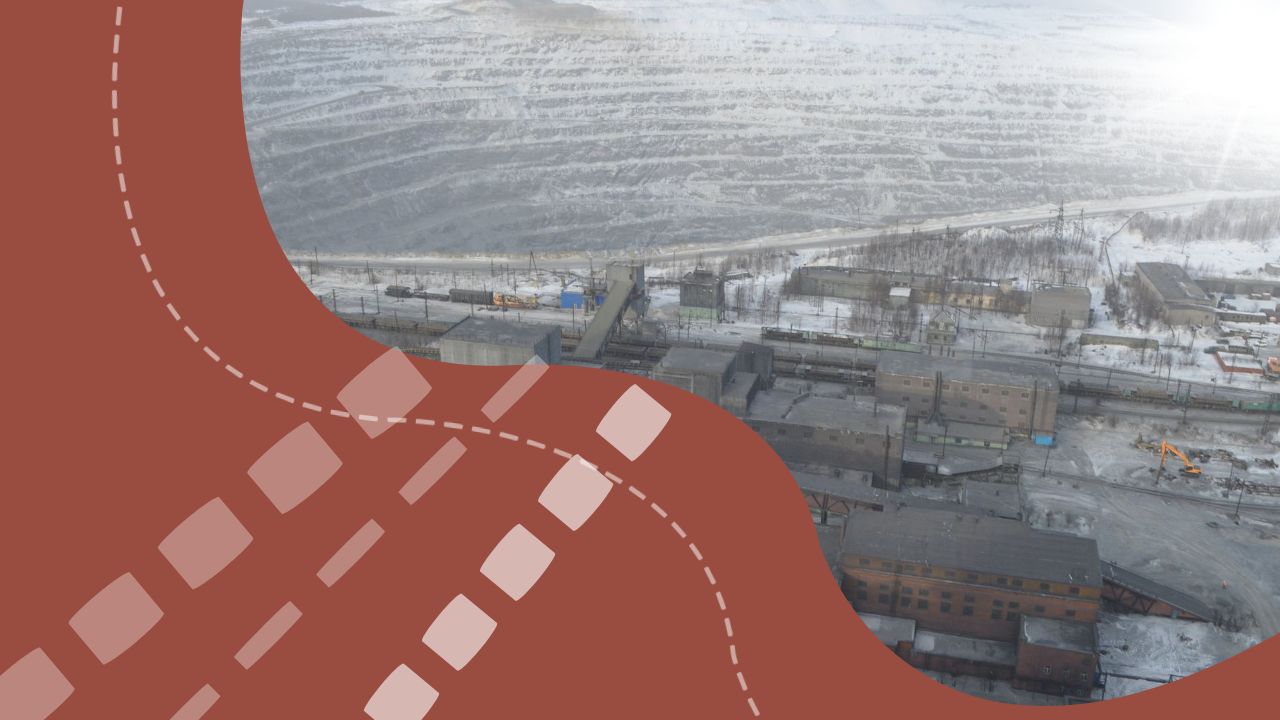
Aurubis AG Initiates Expansion Project to Boost Copper Production in Bulgaria
Aurubis AG, renowned as Europe’s leading refined copper producer, has embarked on a significant project at its Bulgarian smelter aimed at augmenting group copper production by approximately 110,000 metric tons, according to statements by its CEO.
Roland Harings, CEO of Aurubis, disclosed plans to ramp up the output of copper cathodes at the Pirdop refinery in Bulgaria by 50%, targeting an annual production capacity of 340,000 tons. This endeavor forms part of a larger investment totaling 400 million euros ($429 million), with 120 million euros allocated specifically to expand the facility’s tankhouse, the final stage in the copper refining process.
Anticipated to be completed by the latter half of 2026, the expansion initiative will enable the Pirdop plant to undertake comprehensive metal refinement locally, eliminating the need to dispatch initial metal stages, known as anodes, to Aurubis’ primary smelter network in Germany and Belgium.
Harings emphasized the significance of this expansion in bolstering the group’s cathode production capacity, foreseeing a reduction in Europe’s reliance on copper imports, thus fostering positive developments for the continent’s industrial capacity. The surplus copper is slated to cater primarily to the European market, fueled by escalating demand propelled by trends such as renewable energy and electric vehicles.
In addition to the expansion project, Aurubis has outlined plans for a comprehensive modernization of the Pirdop smelter during a scheduled large-scale maintenance shutdown in 2025. Furthermore, the company is spearheading efforts to enhance sustainability by integrating more solar power facilities at the site.
Addressing concerns regarding metal theft at its Hamburg site, Harings expressed optimism that the associated costs would no longer impede the company’s earnings. Despite previous earnings reports being impacted by such incidents, Harings remains confident in Aurubis’ prospects, anticipating robust performance driven by favorable production levels and steadfast demand.
“I continue to expect we will reach our target of pre-tax profits of between 380 and 480 million euros this fiscal year,” Harings affirmed.
-
Federal Government’s $11 Billion Investment Sparks Debate Over Rare Earth Mining in Australia
The Federal Government’s bold investment of $11 billion to expand the Critical Minerals Facility, overseen by Export Finance Australia and the Northern Australia Infrastructure Facility, has reignited discussions surrounding rare earth mining in Australia. Despite scientific concerns, the government aims to bolster the nation’s position in the critical minerals market, tapping into the vast potential of rare earth elements crucial for various technologies including renewable energy, defense systems, and telecommunications.
Australia, boasting approximately one-fifth of the world’s potential rare earth supply, has seen a surge in exploration endeavors supported by a $225 million fund allocated by Geoscience Australia. This initiative has spurred significant interest, leading to the establishment of 419 new exploration tenements by 49 companies. Proponents of mineral sand mining predict a prosperous future, with Professor Susan Park highlighting Australia’s advantageous position to capitalize on the impending mining boom.
Federal Minister for Trade and Tourism Don Farrell underscored the government’s commitment to unlocking new critical minerals projects, envisioning Australia as a renewable energy powerhouse while emphasizing job creation in emerging industries. Collaborations with international partners such as the Republic of Korea and Germany are also sought to diversify global supply chains and enhance economic resilience.
However, not all stakeholders share the government’s enthusiasm for a new mining era. Concerns voiced in the Harvard International Review highlight environmental risks associated with rare earth extraction, including the release of toxic chemicals and radioactive residues. The potential impact on agricultural land and water sources has drawn criticism, particularly regarding proposed mineral sand mines in Victoria’s Murray Basin and the Northern Territory.
China’s recent ban on rare earth extraction and separation technologies has further underscored the global significance of Australia’s rare earth reserves. While aiming to mitigate environmental degradation and bolster national security, China’s dominance in the rare earth market has left a legacy of pollution and ecological damage, as evidenced by the devastating effects of mining activities in Bayan Obo.
In Australia, the debate over rare earth mining continues to intensify, with proposed projects facing scrutiny over their potential impact on agricultural livelihoods and environmental sustainability. The government’s investment signals a strategic push towards economic growth and technological advancement, yet the ensuing environmental and social implications warrant careful consideration and public discourse.
-

Gabriel Resources Challenges Seizure of Roșia Montană Gold Corporation Shares
Gabriel Resources, the majority shareholder of Roșia Montană Gold Corporation SA, has initiated legal action against various Romanian institutions and RMGC itself, contesting the seizure imposed on the company’s shares to settle a USD 10 million debt owed to Romania. The debt stems from damages awarded to Romania by the International Center for Settlement of Investment Disputes (ICSID) following the cessation of the gold mining project at Roșia Montană. Meanwhile, RMGC has filed separate lawsuits against Romanian authorities. Four cases have been brought before the Alba Tribunal, with Gabriel Resources and RMGC as plaintiffs, challenging resolutions and precautionary measures imposed by Romanian authorities to secure the debt settlement.
-

Strickland Metals Limited Acquires Rogozna Project in Serbia
Strickland Metals Limited has finalized a binding share sale and purchase agreement (SPA) with ISIHC Ltd, a subsidiary of Ibaera Capital Fund LP, for the complete acquisition of Betoota Holdings Ltd (Betoota). Betoota, the proprietor of Zlatna Reka Resources d.o.o., possesses 100% ownership of the Rogozna Project, spanning four exploration licenses across approximately 184 km2 in the Trepca mining district of the southern Republic of Serbia. The project boasts a JORC compliant Inferred Mineral Resource amounting to 5.44 million oz Au Eq, supported by extensive historical drilling of 100,000 m, indicating significant exploration potential. Outgoing Chief Executive Officer Andrew Bray expressed enthusiasm over the acquisition, highlighting the strategic utilization of the company’s robust financial position to unlock substantial value for Strickland shareholders. The acquisition, primarily facilitated through the issuance of escrowed Strickland scrip, constitutes approximately 19.4% of the post-transaction capital structure. Serbia’s established mining jurisdiction and the project’s considerable upside potential in gold, copper, and zinc underscore the strategic significance of this acquisition. Strickland Chairman Anthony McClure commended Bray for his instrumental role in leading the company’s growth and expressed confidence in leveraging the strong balance sheet for further value creation.
-
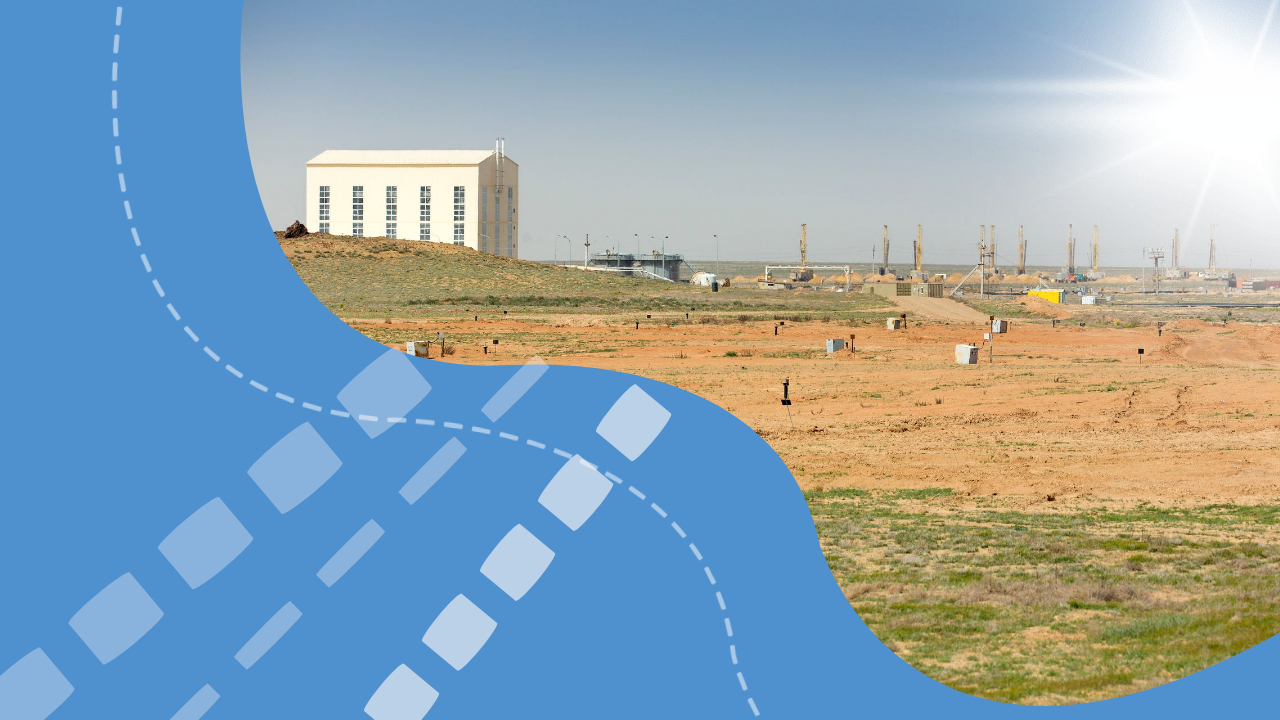
Adriatic Metals PLC Initiates Operational Transition at Rupice Mine in Bosnia and Herzegovina
Adriatic Metals PLC, represented by chief executive Paul Cronin, has commenced the transition process to assume control as the mining operator at the Rupice Mine in Bosnia and Herzegovina. This strategic move aims to enhance productivity and sustainability. Following an Accelerated Development Action Plan (ADAP), the company is taking operational control from Nova Mining and Construction, having invested approximately $11 million in equipment and inventory. This transition enables Adriatic Metals to directly oversee the mine’s operations, develop its local workforce, and optimize costs by integrating local suppliers into its supply chain. Moreover, the company has introduced new technologies and bolstered health and safety measures under the ADAP to minimize operational incidents and environmental impacts. To support these initiatives, Adriatic Metals has secured a $25 million short-term loan facility from Orion Mining Fund, bolstering its working capital. These strategic steps align with broader efforts to enhance efficiency and position the Rupice Mine as a driver for local economic development.