Website: Europe.com

  • Fatal Cave-In at Myslowice-Wesola Coal Mine Claims Two Lives, One Miner Still Missing

    Fatal Cave-In at Myslowice-Wesola Coal Mine Claims Two Lives, One Miner Still Missing

    A tragic cave-in at the Myslowice-Wesola coal mine in southern Poland early Tuesday has resulted in the deaths of two miners, with one still unaccounted for, according to mining authorities. The incident, which occurred at approximately 3:30 a.m., took place 870 meters (2,800 feet) underground in a section where 15 miners were working, as reported by Rajmund Horst, the deputy head of the mining company.

    Rescue teams managed to bring two miners to the surface who were subsequently declared deceased. Another miner, who was retrieved from the site, is currently receiving medical treatment. Of the 12 miners who sustained injuries, nine remain hospitalized, while the others have been treated and released.

    Efforts are ongoing to locate the missing miner, with six rescue teams actively involved in the search. The area where the cave-in occurred, near the coal face, is known for its heightened risk of cave-ins and methane gas explosions, which are prevalent hazards in many Polish coal mines.

    This incident marks the second cave-in at the Myslowice-Wesola mine this year, following a previous incident on April 17 that resulted in the death of one miner. Additionally, two other miners have lost their lives in separate mining accidents in Poland this year. In 2023, the Polish mining sector saw 15 fatalities due to workplace accidents.

  • European Mine Owners Explore Green Future with Underground Energy Storage

    European Mine Owners Explore Green Future with Underground Energy Storage

    As mining operations wind down across Europe, mine owners are turning to innovative solutions for a sustainable future, eyeing underground energy storage as a pathway to a low-carbon economy.

    Active deep mine operators in Slovenia, Germany, The Czech Republic, and Finland are investigating the potential of underground gravity energy storage offered by Edinburgh-based firm Gravitricity, providing green opportunities to mining communities grappling with dwindling employment prospects.

    Gravitricity’s revolutionary energy storage system, dubbed GraviStore, utilizes heavy weights totaling up to 12,000 tons suspended in deep shafts by cables attached to winches. This presents a promising alternative for end-of-life mine shafts, mitigating the need for costly infilling and decommissioning processes.

    Teaming up with energy multinational ABB and lifting specialists Huisman, Gravitricity aims to commercialize the technology for mine operators, transforming recently decommissioned mines into potential sites for sustainable energy storage solutions.

    Projects are already underway, including installations at the Velenje mine in Slovenia, Pyhäsalmi Mine in Finland, Darkov Mine in the Czech Republic, and Grube Teutschenthal mine in Germany. At Velenje, feasibility assessments for installing systems in specific shafts are ongoing, with potential pilot projects on the horizon.

    Martin Wright, Founder, and Executive Chairman of Gravitricity, emphasized the transformative potential of gravity energy storage, presenting not only an alternative to decommissioning but also fostering economic and employment opportunities in declining mining communities.

    Gravitricity’s successful demonstration of the GraviStore technology with an above-ground 250 kW demonstrator underscores its viability, showcasing its ability to rapidly respond to demand fluctuations and its potential in frequency response and backup power markets.

  • Report Reveals Human Rights Abuses in Race for Energy Transition Minerals

    Report Reveals Human Rights Abuses in Race for Energy Transition Minerals

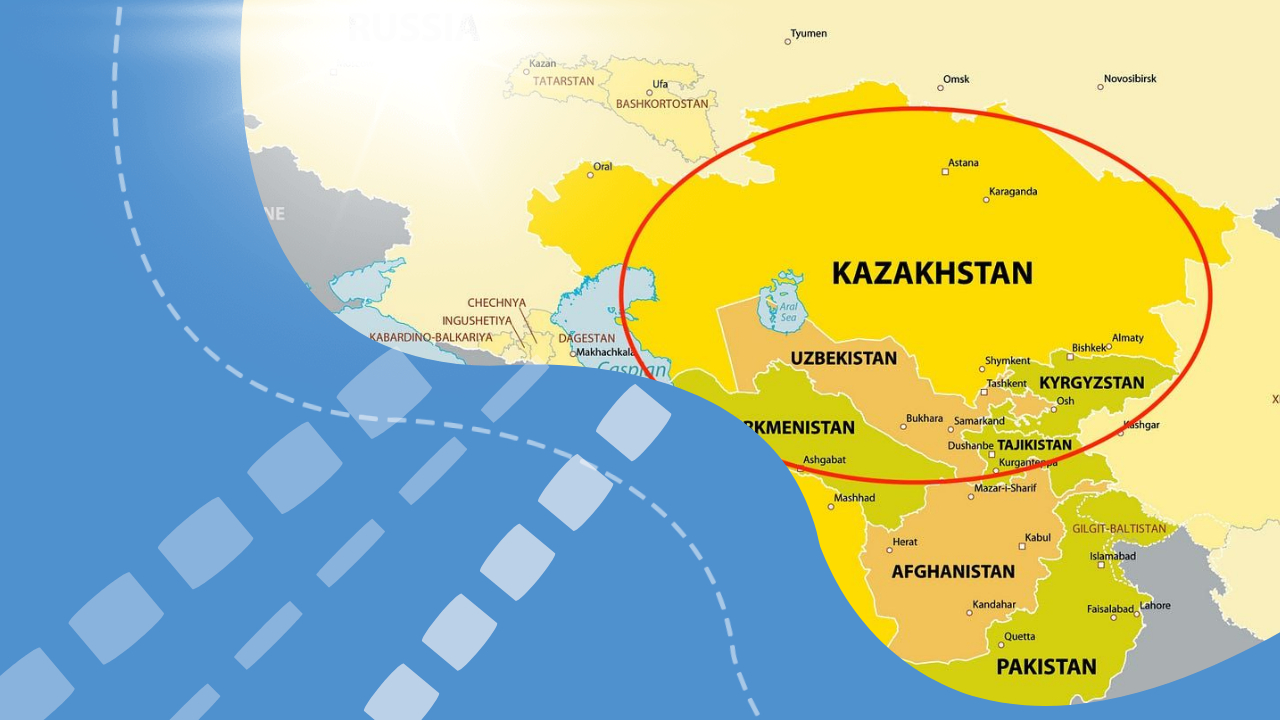
    A recent report from the U.K.-based Business and Human Rights Resource Center sheds light on a concerning trend accompanying the global push for low-carbon technologies. As nations like the United States and Europe increasingly pivot towards renewable energy sources, the demand for critical minerals used in electric vehicles, wind turbines, and solar panels has surged. However, this transition is not without its consequences. The report highlights over 400 allegations of human rights abuses across 16 countries in Eastern Europe and Central Asia over the past five years. These allegations are linked to the extraction, smelting, and refining of metals and minerals essential for the energy transition, such as copper, zinc, uranium, and iron.

    The surge in demand for these minerals has led to a market worth $320 billion in 2022, according to the International Energy Agency. To meet the ambitious goal of net-zero greenhouse gas emissions by 2050, production of these materials will need to increase six-fold by 2040. Many of these resources are located in some of the world’s least-developed countries, where environmental regulations and labor protections may be lax.

    The report identifies numerous cases of alleged abuses, ranging from health and safety concerns for workers to environmental pollution. In Russia, which holds significant reserves of rare-earth minerals, over 100 allegations were recorded, including instances of workplace accidents and toxic pollution. Similar issues were reported in other countries like Armenia, Ukraine, and Kazakhstan, where inadequate safety measures and environmental contamination have sparked community protests.

    One concerning trend highlighted in the report is the close ties between extractive companies and political elites. In several countries, oligarchs with political connections own or control major mining operations, potentially influencing regulatory oversight and accountability mechanisms.

    Despite the gravity of these findings, the report suggests that the documented allegations may only scratch the surface due to repression and censorship in some of the countries studied. Independent journalists and human rights defenders face obstacles in investigating and reporting on abuses, leading to underreporting of incidents.

    The report’s authors call for increased transparency, community consultation, and respect for human rights in the extraction and processing of energy transition minerals. They emphasize the importance of ensuring that the transition to renewable energy promotes shared prosperity and fair treatment of workers and communities.

  • Polish Mining Industry Faces Challenges, Ministry Official Warns

    Polish Mining Industry Faces Challenges, Ministry Official Warns

    During the European Economical Congress in Katowice, Marta Jamo, the director of the Ministry of Industry’s analytics department, highlighted the critical state of Poland’s mining sector. Despite turning a profit last year, the industry struggles to convert it into tangible assets, she stated. Jamo pointed out the persistent issue of high coal piles, stemming from past practices of unregulated imports and a lack of understanding of market and energy industry demands. Emphasizing the urgency, she stressed the need to address the social contract.

  • KGHM and ARP Forge Partnership for Renewable Energy Development

    KGHM and ARP Forge Partnership for Renewable Energy Development

    Listed copper producer KGHM has taken a significant stride towards renewable energy integration by signing a letter of intent with the state industrial development agency ARP, as announced in a press release by KGHM.

    The letter of intent delineates a framework for collaboration between KGHM and ARP, particularly in the realm of renewable energy sources and the facilitation of energy transformation initiatives. Among the key aspects outlined in the agreement is the joint analysis of real estate resources to identify potential investments and the exploration of opportunities for co-implementing projects.

    Additionally, both parties have committed to fostering dialogue with stakeholders from the state administration, European Union institutions, and industry organizations concerning matters pertaining to energy transition.

    In a statement quoted in the press release, KGHM CEO Andrzej Szydlo expressed the company’s strategic approach to bolstering its renewable energy capacity. Szydlo highlighted KGHM’s plans to augment its photovoltaic sources, both through independent investments on its sites and acquisitions of pre-existing plants within the country. The incorporation of photovoltaic farms into KGHM’s assets is viewed as a measure to mitigate market volatility in the energy sector, with the recently acquired installations projected to cover approximately 2 percent of the company’s electricity consumption.

    Echoing this sentiment, KGHM’s CFO, Piotr Krzyżewski, emphasized the company’s commitment to reducing carbon emissions by increasing the share of renewable energy sources in its energy mix by 2030. Krzyżewski underscored specific projects, including photovoltaic power plant installations at various KGHM facilities such as the Glogow smelter, the Cedynia smelter, the Tailings Plant, and the Obora sand plant.

    The signing of the letter of intent took place during the European Economic Congress held in Katowice, marking a pivotal moment in KGHM’s journey towards sustainable energy practices.

  • Umicore and STL1 Forge Exclusive Partnership for Germanium Valorization

    Umicore and STL1 Forge Exclusive Partnership for Germanium Valorization

    In a groundbreaking development for the mining sector in the Democratic Republic of Congo (DRC), Umicore, a global leader in materials technology and recycling, has inked an exclusive, long-term partnership agreement with STL1, a subsidiary of Gécamines. This partnership is set to revolutionize the valorization of germanium extracted from the Big Hill2 tailings site located in Lubumbashi, DRC.

    Under the terms of the agreement, Umicore will lend its expertise to optimize STL’s newly established processing facility at the Big Hill site. Leveraging its refining and recycling proficiency, Umicore aims to enhance the extraction process of germanium, a critical metal used in high-tech applications. In return, Umicore secures exclusive access to the processed germanium for its material solutions production.

    STL, over the years, has been extracting metals including zinc, silver, cobalt, copper, and germanium from the Big Hill’s extensive reserves. With a century’s worth of mining activity contributing to 10 million tons of metals-containing slags, STL’s focus now shifts to maximizing the value derived from these resources within the DRC. This strategic move aligns with its commissioning of a new hydro-metallurgical facility in 2023, aimed at optimizing the valorization of germanium concentrates.

    The collaboration between Umicore and STL marks a significant milestone in enhancing the local mining industry’s capabilities. The partnership not only promises to diversify Umicore’s germanium supply sources but also ensures a steady, multi-annual offtake of substantial volumes, bolstering the resilience of the supply chain.

    The commencement of refining operations by Umicore is slated for the final quarter of 2024, with subsequent plans for ramping up STL’s germanium extraction capacities. Umicore’s Electro-Optic Materials (EOM) Business Unit stands to benefit from this agreement, as it specializes in utilizing and recycling germanium for optical and electronic applications such as fiber optics, solar cells, and electronics.

    Moreover, the collaboration extends beyond operational and technical support, with Umicore committed to skill development initiatives to analyze germanium content in tailings for recycling purposes. This aligns with STL’s ambitions to expand downstream germanium product offerings while adhering to the highest Environmental, Social, and Governance (ESG) standards.

    The partnership holds promise for stimulating economic growth, creating job opportunities, and fostering skill development within local communities. Mathias Miedreich, CEO of Umicore, emphasized the significance of the agreement in advancing circular business models and contributing to the local economy through sustainable resource utilization.

    In echoing the sentiment, Guy Robert Lukama, Chairman of Gécamines SA/STL, underscored the strategic importance of the partnership in realizing the organization’s vision to emerge as a major player in strategic minerals processing. He highlighted the potential for job creation and economic empowerment, emphasizing the pivotal role of partnerships in driving industrial revolution and energy transition agendas.

    Grant Dempsey, General Manager of STL, reiterated the transformative impact of the collaboration, emphasizing its potential to bolster the local economy, industry, and environment. The partnership, he noted, will not only enhance operational efficiency but also contribute to emission reductions and resource optimization across various sectors.
  • Resistance to EU Coal Phase-Out Evident in Bulgarian Mining Village

    Resistance to EU Coal Phase-Out Evident in Bulgarian Mining Village

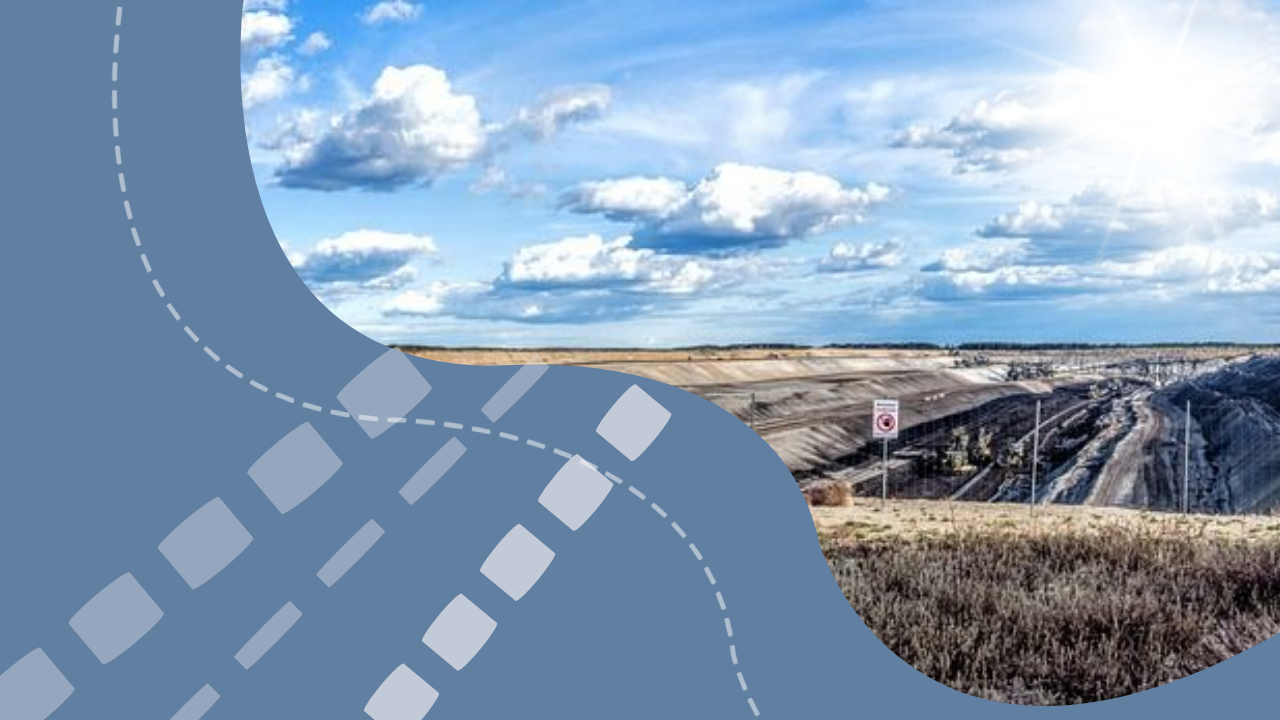
    In Beli Bryag, a Bulgarian mining village already displaced for an open-pit mine, opposition to the European Union’s coal phase-out is palpable. Despite significant community displacement to make room for the mine’s expansion, Bulgaria’s commitment to exit coal by 2040 aligns with EU aims for carbon neutrality by midcentury. However, for residents like Beli Bryag Mayor Ivelina Dimcheva, the situation is dire, especially with uncertainty looming over the mine’s longevity. The resistance to the Green Deal underscores broader concerns in coal-dependent Bulgaria ahead of both European parliamentary and national elections. Stanimir Georgiev, a veteran miner, voices discontent, organizing protests against what he perceives as a threat to livelihoods posed by the EU’s environmental policies.

  • Polish Government Sticks to Coal Exit Plan Despite Calls for Acceleration

    Polish Government Sticks to Coal Exit Plan Despite Calls for Acceleration

    Marzena Czarnecka, speaking to a Polish broadcaster, reaffirmed the government’s commitment to the existing coal exit agenda, dismissing any plans for alteration. Despite mounting pressure to expedite Poland’s transition to a carbon-free economy, Czarnecka expressed confidence in the coal exit plan formulated in 2020, asserting its continued relevance under the current administration. This determination persists despite calls from the Expert Council for Energy Security and Climate for a coal exit by 2035, highlighting the escalating costs associated with coal mining and carbon permits. The Council also warned of the diminishing competitiveness of domestic manufacturing in the European market due to its high carbon footprint. Poland’s reluctance to swiftly abandon coal raises concerns that it may impede the EU’s goal of reducing carbon emissions by 55% from 1990 levels by 2030, as suggested by the think tank Ember in 2021.

  • Polish Government Delays Spin-Off Plan for State-Owned Coal Power Plants

    Polish Government Delays Spin-Off Plan for State-Owned Coal Power Plants

    Poland’s new government has decided to postpone the implementation of the plan to separate state-owned utilities’ coal-fired power plants and merge them into a new state-run entity, without proposing an alternative strategy. Industry Minister Marzena Czarnecka indicated the government’s interest in acquiring coal assets from state-controlled power utilities, which led to a surge in their share prices. Czarnecka emphasized the need for any acquisition to align with coal supplies from Polish mines during an interview with TVP Info television. State-controlled utilities, facing declining profitability, have been pushing for a swift spin-off of their coal-fired power plants, particularly after Czarnecka’s previous statement suggesting mines should be linked to utilities. Following this announcement, shares of Poland’s major utility companies, PGE and Tauron, experienced notable increases in trading. Fitch Ratings previously warned of potential credit downgrades for Polish utilities unless the government presents an alternative to the previous administration’s plan for spinning off coal assets.

  • Kazakhstan Implements Measures to Address Raw Material Shortage

    Kazakhstan Implements Measures to Address Raw Material Shortage

    The Ministry of Industry and Infrastructure Development of the Republic of Kazakhstan has mandated domestic raw material producers to supply the necessary volumes of products to enterprises in the processing industry. This decision comes in response to the ongoing challenge of raw material shortages faced by Kazakh metallurgists, primarily due to exports. On average, around 87% of primary metals were shipped to other countries, exacerbating the deficit domestically. It is expected that the amendments introduced in May will alleviate this issue, ensuring that domestic industrial enterprises are adequately supplied with raw materials. Additionally, these measures aim to replenish the domestic market with finished products and enhance Kazakhstan’s export potential. By 2029, Kazakhstan intends to increase lead and aluminum processing by four and five times respectively, while copper processing is projected to increase thirteenfold by that time.