Website: Eurasia.com

  • Arafura Rare Earths Locks In $145 Million Australian Government Financing as Nolans Project Reaches $659 Million in Committed Funding

    Arafura Rare Earths Locks In $145 Million Australian Government Financing as Nolans Project Reaches $659 Million in Committed Funding

    Arafura Rare Earths has finalised agreements with Australia’s National Reconstruction Fund Corporation for approximately $145 million in government support, bringing the total equity and equity-like commitments secured for its Nolans rare earths project in the Northern Territory to around $659 million.

    The agreements formalise a commitment whose key terms were first established in January 2025, with the final contracts now completed and the conversion price at which government support could be transformed into Arafura shares also defined. The National Reconstruction Fund Corporation is a state-owned body established to support domestic manufacturing and industrial capability.

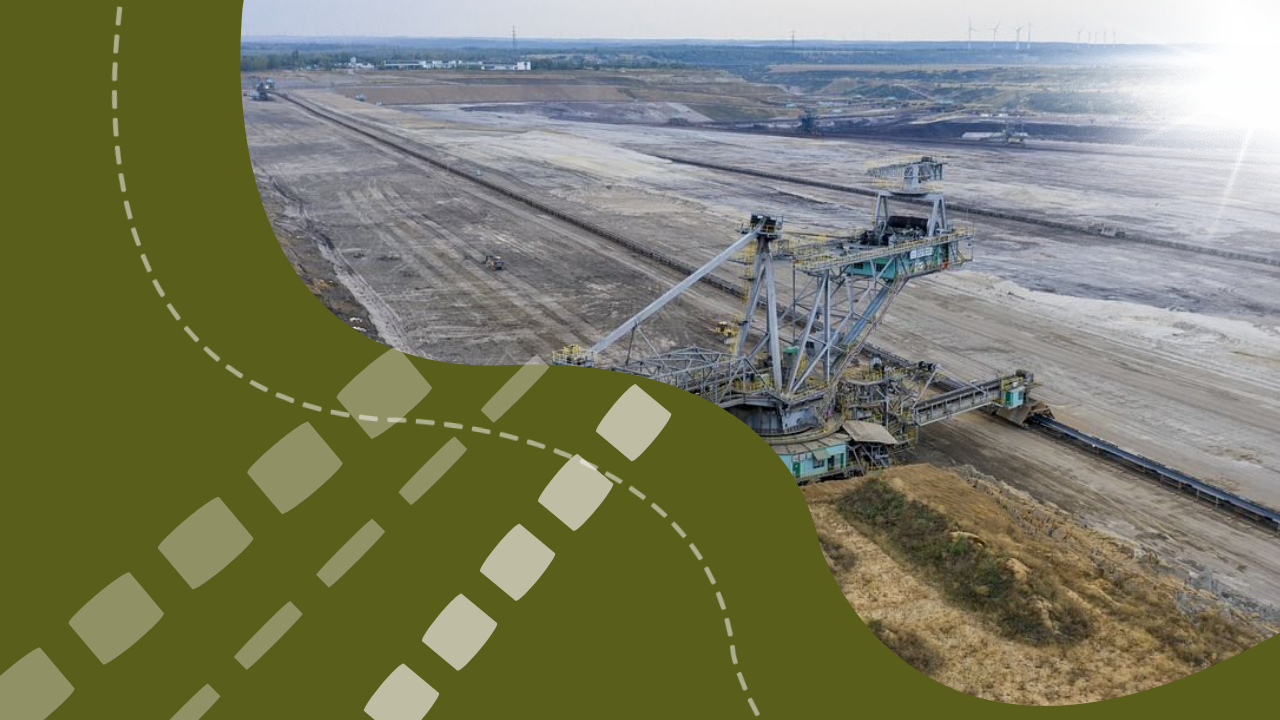
    The latest milestone follows binding commitments secured in April 2026 from Germany’s raw materials fund and Export Finance Australia, which together significantly expanded the project’s financing base. The Nolans project is planned to become Australia’s first facility to combine rare earth mining with downstream processing at a single integrated site — a distinction that has attracted attention from governments seeking to build rare earth supply chains outside China.

    Despite the progress, several key steps remain before full financing can be achieved and a final investment decision made. Major project loan agreements still need to be finalised, shareholders must be engaged, and all conditions precedent to the investment decision must be satisfied.

    Arafura is seeking to supply neodymium-praseodymium oxide for use in permanent magnets for electric vehicle motors and wind turbines, with planned output of 4,440 tonnes per year from the second half of 2029.
  • Solidcore’s Tokhtar Gold Deal Stuck in Limbo as Ministry Denies Receiving Acquisition Application

    Solidcore’s Tokhtar Gold Deal Stuck in Limbo as Ministry Denies Receiving Acquisition Application

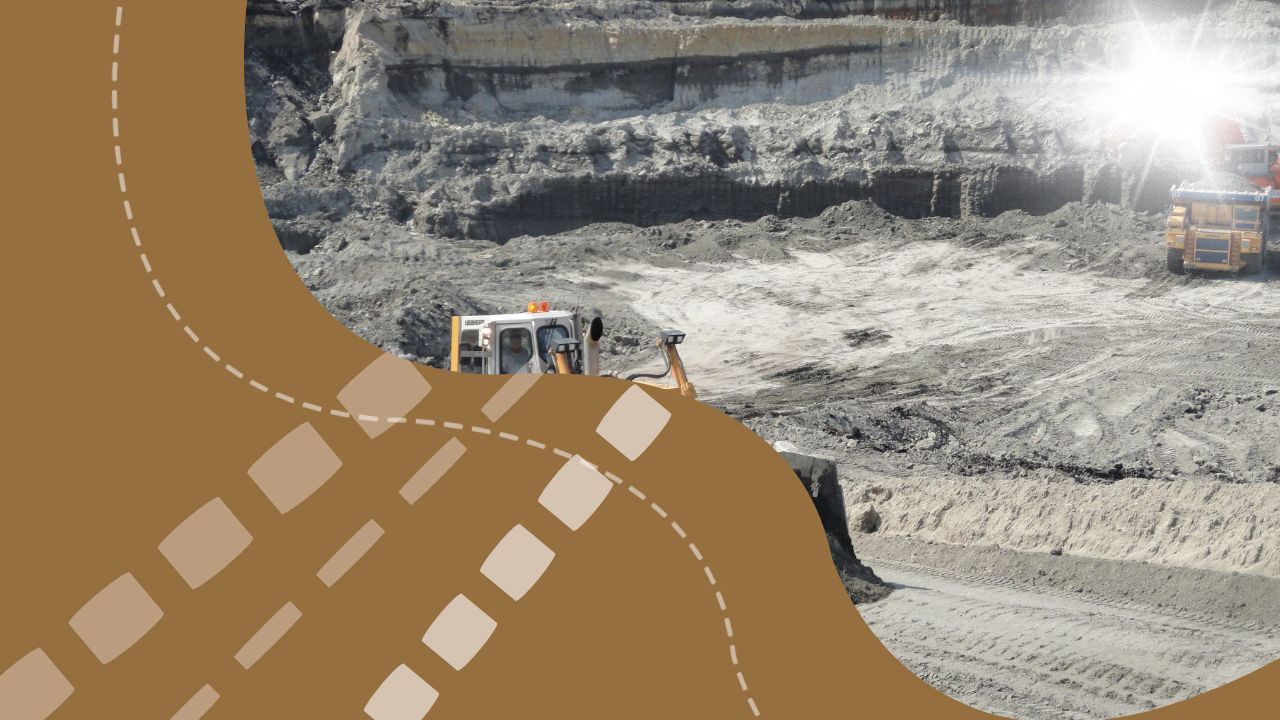
    A regulatory impasse has emerged around Solidcore Resources’ planned acquisition of the Tokhtar gold project in Kazakhstan’s Kostanai Region, after the Ministry of Industry and Construction stated it has received no application to transfer subsoil use rights for the project — even as Solidcore has been publicly waiting for government approval for more than a year.

    In a formal response to inbusiness.kz via the eotinish electronic platform, the ministry confirmed it had received no application regarding the acquisition of the Tokhtar, South Tokhtar and Barambai licence areas, and said it therefore had no information on the reasons for the deal’s non-approval or its current status. Solidcore chief executive Vitaly Nesis told the publication in April that the deal had “not been approved by state authorities,” declining to elaborate further. The unresolved status of the transaction was also acknowledged during Solidcore’s 2025 annual results webcast without explanation.

    The disconnect is puzzling given standard procedure: applications to transfer subsoil use rights for solid minerals are normally submitted to the relevant sectoral regulator — in this case the Ministry of Industry — raising the question of whether an application was ever formally submitted, and if so where it was directed.

    Solidcore announced the intended acquisition more than a year ago. The deal was structured in two phases: a 51% stake to be purchased in the third quarter of 2025 for approximately $25 million, with the remaining 49% to follow based on a resource valuation of the Tokhtar, South Tokhtar and Barambai areas. JORC-compliant mineral resources at Tokhtar and South Tokhtar were estimated at 1.1 million ounces of gold, equivalent to approximately 34.2 tonnes. Aurora Minerals provided geological and legal support for the project.

    Ownership records add further complexity to the picture. According to the Ministry of Industry’s solid minerals contract register, the Tokhtar production contract belonged to GRK Tokhtar LLP, while the South Tokhtar-Barambai exploration and production contract was held by Kompleksnaya Geologo-Ekologicheskaya Ekspeditsiya LLP. Both companies were linked to Mukhamedjan Turdakhunov, a long-serving president of the Sokolovskoye-Sarbaiskoye Mining and Processing Association within ERG. Aurora Minerals’ website identifies the seller as KAML Kazakhstan LLP, and public data from adata.kz shows a related entity — KAML Limited, registered in 2024 — with Turdakhunov and ERG board member Eduard Surlevich listed as founders.

  • EU Agrees Critical Medicines Act to Cut Drug Supply Chain Dependence and Build Emergency Stockpiles Across Member States

    EU Agrees Critical Medicines Act to Cut Drug Supply Chain Dependence and Build Emergency Stockpiles Across Member States

    The European Council and European Parliament have reached a political agreement on the Critical Medicines Act, a landmark piece of legislation designed to reduce the EU’s dependence on single-source pharmaceutical suppliers, expand domestic production capacity and establish coordinated emergency stockpile mechanisms across member states.

    EU Health Commissioner Olivér Várhelyi described the law as “Europe’s essential safety net,” saying it was designed to prevent shortages, reduce supplier concentration risk and strengthen local production to protect public health. “Patients in the EU must have access to the medicines they need, when they need them,” he said.

    The agreed legislation contains four main components. On supply chain diversification, member states will be required to promote resilient and diversified pharmaceutical supply chains in public procurement procedures. Where high dependence on a single or limited number of third countries is identified, public contracting authorities must give preference to EU-manufactured products — a buy-European provision that mirrors approaches being taken in critical minerals and semiconductor policy.

    On production capacity, the Act establishes a strategic projects mechanism to increase and modernise EU manufacturing of critical medicines and their active ingredients, with faster administrative support and easier access to financing. Projects producing medicines for rare diseases will benefit from accelerated approval processes.

    For emergency stockpiles, member states requiring companies to maintain reserves must ensure this does not compromise supply to other EU countries. A voluntary solidarity mechanism will enable member states to share information on available stockpiles and redistribute them in the event of a shortage emergency. Joint procurement provisions aim to improve access to critical medicines and medicines for rare diseases across the bloc.

    The agreement will now proceed to formal approval by both the European Parliament and the Council before entering into force.

  • China Warns Britain Over British Steel Nationalisation Plans, Threatening “Strong Measures” to Protect Chinese Companies

    China Warns Britain Over British Steel Nationalisation Plans, Threatening “Strong Measures” to Protect Chinese Companies

    China has issued a formal warning to the British government over its plans to nationalise British Steel, urging London to “make decisions prudently” and threatening to take action to protect the interests of Chinese companies if the process moves forward.

    Beijing’s commerce ministry said China would “closely follow developments” and take “strong measures to safeguard the legitimate rights of Chinese companies,” after Prime Minister Keir Starmer announced on Monday that Britain could bring British Steel into full public ownership. The Chinese statement called on the UK government to “respect the wishes of firms and market principles, and avoid the abuse of administrative coercive measures.”

    The British government seized operational control of British Steel from its Chinese owners, Jingye Group, in April 2025 after the company failed to secure the raw materials needed to keep the Scunthorpe blast furnaces operating. New legislation giving the government the power to bring the steelmaker into public ownership has since been passed. A government spokesperson said the powers would only be used “where the public interest test has been met” and that the administration remained committed to respecting the rights of businesses.

    The dispute adds a fresh dimension to an already complex period in UK-China relations, as London attempts to balance economic engagement with Beijing against domestic industrial policy imperatives and growing pressure to protect strategically important manufacturing assets.

  • Mystery Investor Acquires 30% Stake in Kazakhstan’s Largest Coal Mine as Samruk-Energo Prepares Full Exit From Bogatyr Komir

    Mystery Investor Acquires 30% Stake in Kazakhstan’s Largest Coal Mine as Samruk-Energo Prepares Full Exit From Bogatyr Komir

    An unidentified investor has acquired a 30% stake in Forum Muider Limited — the holding company that owns Bogatyr Komir, Kazakhstan’s largest coal producer — through a new share issuance that simultaneously diluted the stakes of both existing shareholders, state energy holding Samruk-Energo and Russian aluminium giant Rusal, raising transparency concerns about the privatisation of a strategically significant national asset.

    According to Samruk-Energo’s 2025 financial statements, Forum Muider Limited issued and placed 7,779 new shares in favour of the new investor in the course of 2025. As a result, from 24 September 2025, the stakes of both Samruk-Energo and Rusal’s Miradore Enterprises Limited were reduced from 50% to 35% each, with the new investor holding the remaining 30%. Data from adata.kz identifies the third shareholder as a non-resident entity called Primet LLC.

    Samruk-Energo’s exit from the structure is now imminent. On 30 December 2025, the national company signed an agreement to sell its remaining 35% stake to the same investor, subject to a number of conditions precedent including the signing of an undertaking agreement on the mechanism for declaring and paying historical dividends owed to both Samruk-Energo and Miradore at the level of both Bogatyr Komir and Forum Muider. The company’s management expects all conditions to be met and the transaction to close in 2026. Samruk-Energo had already classified the investment as an asset held for sale at year-end, valued at 77.1 billion tenge on its balance sheet, while recognising an impairment and disposal loss of 15.7 billion tenge during 2025.

    The identity of the beneficial owner behind Primet LLC has not been publicly disclosed, prompting questions about whether the privatisation of Samruk-Energo’s stake in Kazakhstan’s largest coal enterprise is proceeding with adequate transparency.

    Bogatyr Komir is a major contributor to Kazakhstan’s energy system. Its Bogatyr and Severny open-pit mines in Ekibastuz produced 45.3 million tonnes of coal in 2025 — a 6% increase on 2024 output of 42.7 million tonnes — supplying coal-fired power plants in Astana, Pavlodar, Petropavlovsk, Stepnogorsk, Almaty and Karaganda. The company raised its Ekibastuz coal prices by 30% last year and is planning a further 20% increase in July 2026. A cyclical-flow extraction technology upgrade at the Bogatyr mine is also planned, which is expected to significantly improve profitability.

    The ownership restructuring follows a broader corporate reorganisation in which Forum Muider B.V., previously registered in the Netherlands, was merged into Forum Muider Limited — a company registered in Cyprus in 2023 — which then relocated to the Astana International Financial Centre jurisdiction in late October 2025.

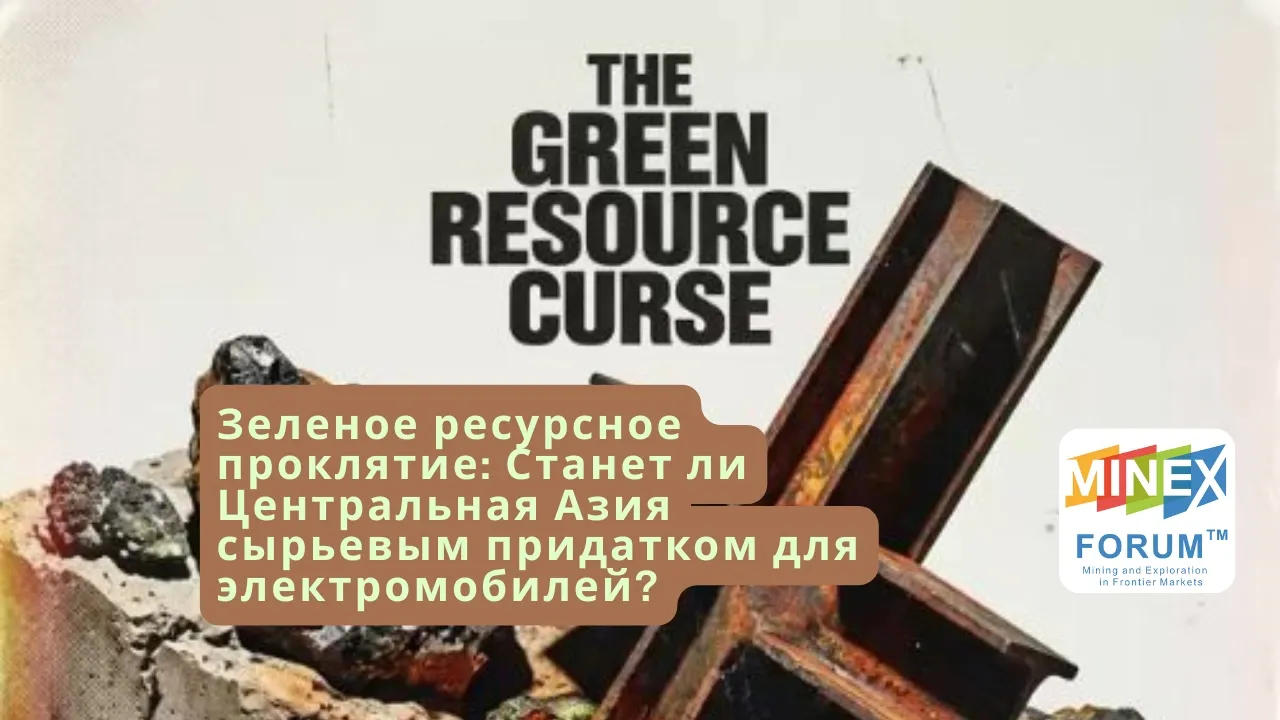
  • Зеленое ресурсное проклятие: Станет ли Центральная Азия сырьевым придатком для электромобилей?

    Зеленое ресурсное проклятие: Станет ли Центральная Азия сырьевым придатком для электромобилей?

    О чем видео: Фокус на глобальном энергетическом переходе и экономике. По мере роста спроса на электромобили и чистую энергию начинается битва за критически важные минералы (литий, кобальт, редкоземельные элементы).

    Ключевые детали: Видео объяснит концепцию «зеленого ресурсного проклятия» — ситуации, когда развивающиеся страны берут на себя весь экологический ущерб от добычи руды, экспортируют ее за бесценок, а затем вынуждены импортировать дорогие готовые технологии. Главной темой станет попытка Казахстана и Узбекистана вырваться из этой ловушки путем создания собственных заводов по переработке и рафинированию (midstream).

    Видео подготовлено по материалам публикации “Central Asia as New Battle Grounds: Critical Mineral Strategies of Kazakhstan and Uzbekistan” в Journal of Eurasian Studies.
    https://journals.sagepub.com/doi/epdf/10.1177/18793665261442863

    #CentralAsia #CriticalMinerals #EnergySecurity #Geopolitics #China #GreenResourceCurse

  • Kazakhstan and Turkey Unveil $920 Million Investment Package Spanning Mining, Food Processing and Logistics at Tokayev-Erdoğan Summit

    Kazakhstan and Turkey Unveil $920 Million Investment Package Spanning Mining, Food Processing and Logistics at Tokayev-Erdoğan Summit

    Presidents Kassym-Jomart Tokayev and Recep Tayyip Erdoğan were presented with a package of joint investment projects during the Kazakhstani-Turkish summit in Astana, with five new initiatives expected to attract more than $920 million in investment and create over 3,100 jobs across Kazakhstan.

    The projects span five regions and multiple sectors. In Abai Region, Turkish mining company Miryıldız plans to build a mining and processing plant — an extension of the company’s existing $480 million gold development programme at the Zhanan deposit. In Almaty, İskefe Holding intends to launch gelatin production. In Turkestan Region, Orzax Group will establish a modern facility for the production of dietary supplements. In Aktobe, S Sistem Lojistik is partnering with Kazpost to create a logistics centre at the city’s international airport. In Astana, Tiryaki Holding will build a plant for the deep processing of wheat and peas.

    Deputy Prime Minister Serik Zhumangarin briefed the two heads of state on the broader trajectory of Turkish investment in Kazakhstan, noting that approximately 100 investment projects involving Turkish companies have already been completed in the country, with a combined value of around $4 billion across various economic sectors. A further 50 joint projects with a total estimated value of approximately $4 billion are currently being implemented, underscoring what Zhumangarin described as a high level of investment interaction between the two countries.

  • Kazzinc Death Toll Rises to Three as Kazakhstan Vice Minister Vows to Identify Those Responsible for Ust-Kamenogorsk Explosion

    Kazzinc Death Toll Rises to Three as Kazakhstan Vice Minister Vows to Identify Those Responsible for Ust-Kamenogorsk Explosion

    The death toll from the explosion at Glencore’s Kazzinc facility in Ust-Kamenogorsk has risen to three, Kazakhstani officials confirmed, as a joint investigative team comprising law enforcement, the state labour inspectorate and emergency services continues to work at the site.

    Vice Minister of Labour and Social Protection Baurzhan Tuyakbayev told a Senate briefing that investigators are working to establish the precise cause of the incident, examining several possible factors including failure to observe safety regulations, inadequate worker safety briefings, a technological malfunction at the facility, or the continued use of outdated equipment. “We will find out the cause, and believe me, responsibility will follow,” he said.

    Asked when the last workplace safety and industrial security inspection had been conducted at the facility, Tuyakbayev said large enterprises of Kazzinc’s scale fall within the highest-risk category — those employing between 5,000 and 10,000 workers — and are subject to annual preventive inspections. He said inspections of Kazzinc and other major enterprises had been carried out in both the previous year and the year before that, and that all compliance orders issued at the time had been fulfilled within the prescribed deadlines without the imposition of fines.

    The explosion, which occurred on 5 May at the Kazzinc plant in Ust-Kamenogorsk, was followed by a fire and the partial collapse of a roof structure. Environmental officials in East Kazakhstan Region launched urgent air quality monitoring in the immediate aftermath. Prime Minister Olzhas Bektenov has personally taken control of the situation at the plant.

  • Turkey Poised to Play Bigger Role in Critical Minerals Diversification as OECD Warns Export Restrictions at Historic Highs

    Turkey Poised to Play Bigger Role in Critical Minerals Diversification as OECD Warns Export Restrictions at Historic Highs

    Turkey is emerging as a significant potential contributor to global critical minerals supply chain diversification, backed by its resource endowment — including the world’s second-largest rare earth element reserve — and its strategic geographic position connecting Asia, Africa and Europe, a senior OECD official has said.

    Marion Jansen, director at the OECD Directorate for Trade and Agriculture, made the assessment on the sidelines of the OECD Critical Minerals Forum in Istanbul. “Türkiye is already an important player in critical minerals,” she told Anadolu Agency, pointing to the country’s strength as a major global supplier of borates and its significant rare earth reserves, discovered in the central province of Eskişehir in 2022. “This is one of the countries where more investment could take place,” she said. Turkey’s location also gives it a natural advantage as a logistics and transit hub. “Türkiye is situated between Asia, Africa and Europe. This is a fantastic trading hub.”

    As a participant in the OECD’s export credit arrangement, Turkey also has a voice in coordinated international financing efforts for critical minerals projects — a mechanism Jansen described as increasingly important as the world works to broaden the supplier base for minerals essential to the energy transition, digitalisation and defence industries.

    Jansen used the forum to deliver a pointed warning about the structural conditions undermining the global critical minerals market. In some markets, a single country accounts for up to 90% of global supply at either the extraction or processing stage. “This is not good,” she said, noting that excessive concentration distorts markets and prevents normal price formation, while high entry barriers limit the emergence of new participants.

    On export restrictions, the OECD data she cited painted a concerning picture. The use of export restrictions on critical materials has increased nearly fivefold between 2009 and 2024 and remains at historically elevated levels, with the most severe measures — including outright export prohibitions — being deployed with growing frequency. “It becomes nearly acceptable to use it and that’s not good news for the multilateral trading system at all,” she said.

    Investment in the sector faces its own structural challenges, Jansen noted. Mining and processing projects require long-term capital commitments in markets where price volatility is a real risk precisely because competition is limited. “If market conditions are not competitive, the risk that prices will be volatile is real,” she said, adding that addressing these investment barriers will be essential to unlocking the supply diversification the global economy needs.

  • China’s East Hope Group Advances $12.6 Billion Aluminium Megaproject in Kazakhstan

    China’s East Hope Group Advances $12.6 Billion Aluminium Megaproject in Kazakhstan

    China’s East Hope Group, one of the world’s largest producers of electrolytic aluminium and alumina, is progressing plans for a colossal $12.6 billion investment in Kazakhstan’s aluminium sector, according to the country’s Ministry of Industry and Construction.

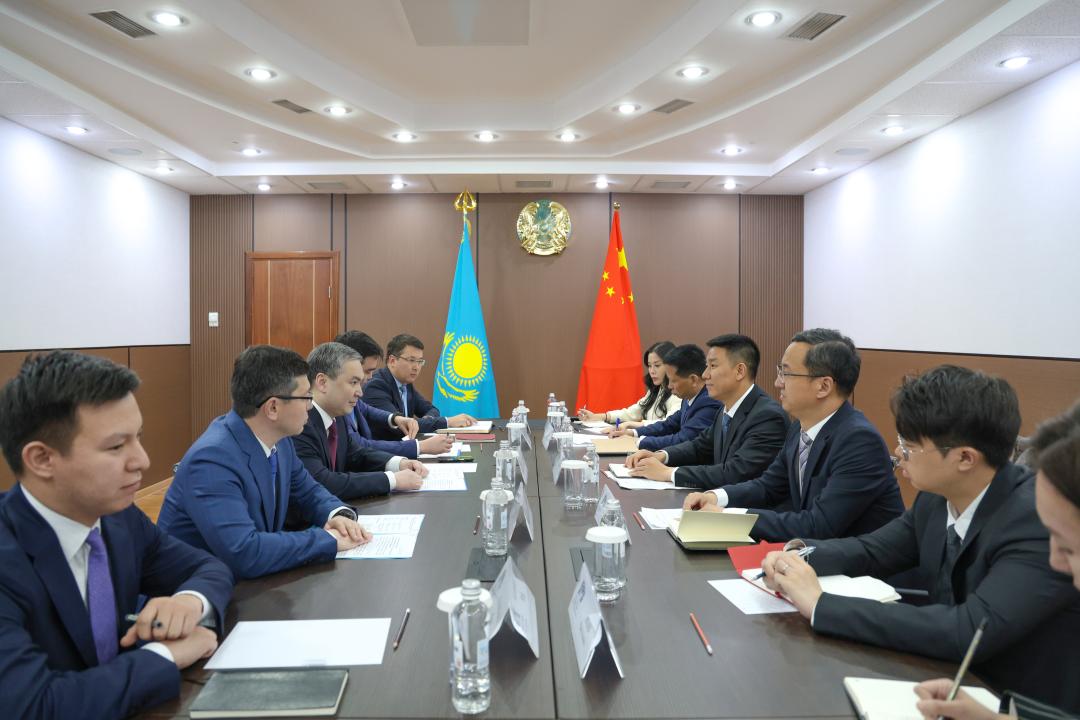
    Kazakhstan’s Industry and Construction Minister Yersayin Nagaspayev held discussions with Chen Lei, East Hope Group’s Director for Strategic Investments. The two sides discussed establishing a full-cycle aluminium cluster within Kazakhstan, spanning the entire process from bauxite extraction through to primary aluminium output.

    Nagaspayev emphasised that full-cycle production projects are in keeping with Kazakhstan’s state industrial policy, which is geared towards deeper processing and the manufacture of high-value-added goods.

    The talks also covered the project’s current status, the formation of a raw materials base, and the development of production capacity and industrial cooperation. The company is currently undertaking geological exploration across multiple blocks in the Aktobe and Kostanay regions. The broader vision encompasses the development of 11 bauxite and coal deposits across the Kostanay and Aktobe regions, with the project expected to generate approximately 10,000 jobs once fully operational. KursivThe Times Of Central Asia

    The initiative has been gathering momentum since February 2025, when East Hope registered a subsidiary in Kazakhstan to serve as the project’s principal operational centre. An investment framework agreement was subsequently signed between East Hope and the Kazakh government. The Times Of Central AsiaMysteel

    As part of the scheme, East Hope Group intends to construct a 1-gigawatt coal-fired power station in the Kostanay region, whilst also exploring potential renewable energy ventures. The project is designed around circular economy principles, with the aim of creating a complete production cycle for green aluminium products. Qazaqgreen

    Both parties reaffirmed their commitment to advancing the project and strengthening investment cooperation.