Website: Asia.com

  • A Chinese company will invest $1.75 billion to construct a metallurgical plant in Shymkent in Kazakhstan

    A Chinese company will invest $1.75 billion to construct a metallurgical plant in Shymkent in Kazakhstan

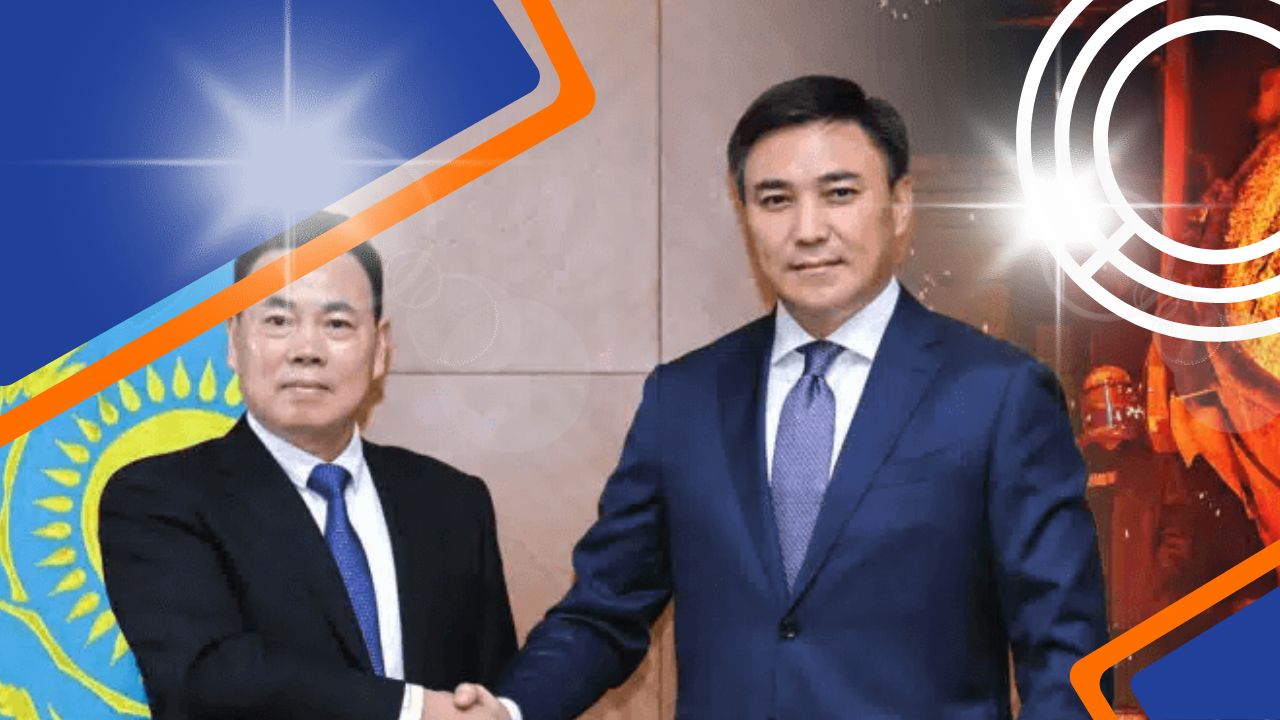
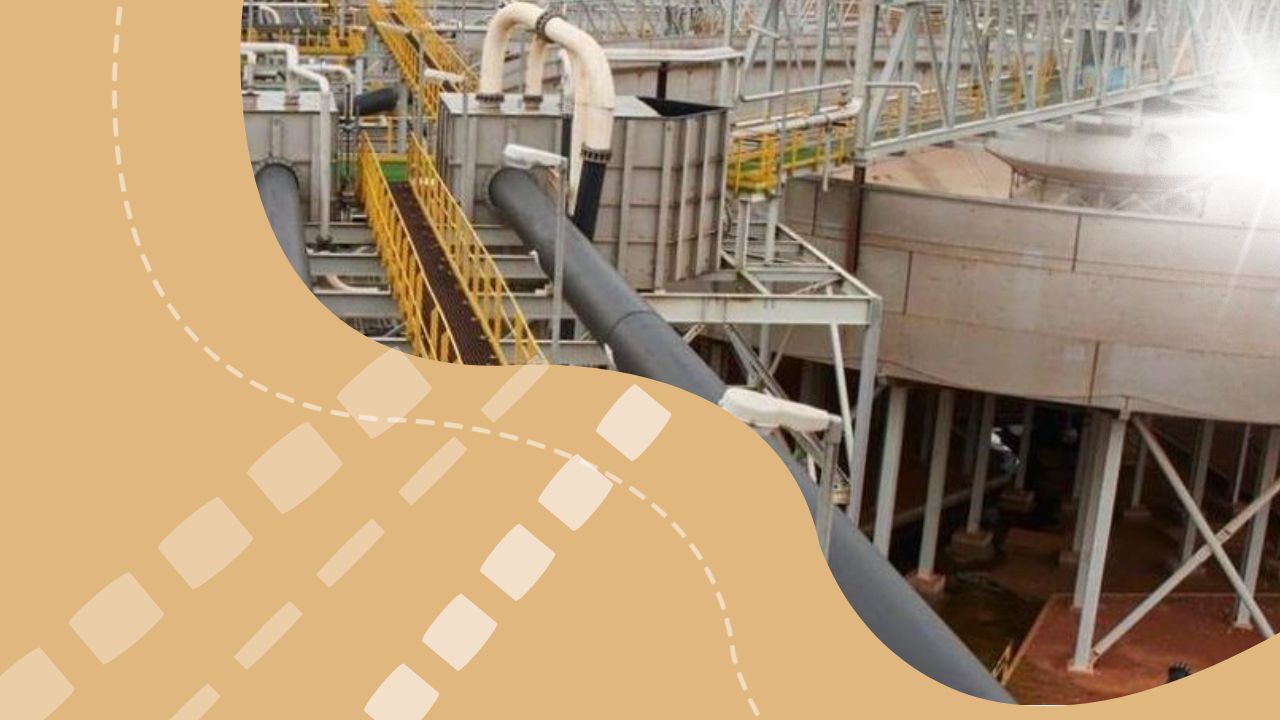
    Fujian Hengwang Investment Co., a Chinese company, has signed an agreement to construct a $1.75 billion metallurgical plant in Shymkent, a city in southern Kazakhstan. The project will be located in the Temir industrial zone and is expected to create thousands of new jobs. The plant’s annual production capacity will be five million tons, and it will be built in three stages over a period of five years. Although the specific products to be manufactured at the plant have not been disclosed, Fujian Hengwang Investment Co. is part of the Jiangsu Coastal Steel Group Co., a major player in steel production and international trade.

    In addition to this ambitious project, Shymkent is also witnessing other significant investments. Alarko Holding, a Turkish company, is involved in building a greenhouse complex covering 500 hectares with an investment of $650 million, which will create 2,000 new jobs. Furthermore, a combined-cycle plant with a maximum capacity of 500 MW is under construction, aiming to provide high-quality electricity, heat, and hot water supply to the city.

  • Foreign Investment Clash: Maraldy Residents Oppose Gold Mining Enterprise in Kazakhstan

    Foreign Investment Clash: Maraldy Residents Oppose Gold Mining Enterprise in Kazakhstan

    In the village of Maraldy, Republic of Kazakhstan, tensions have escalated as local residents stand in opposition to the construction of a gold mining enterprise. Minister of Industry and Construction, Kanat Sharlapaev, weighed in on the situation, emphasizing the impact on both the community and foreign investors.

    Sharlapaev lamented that a responsible foreign investor had become entangled in the conflict. A small group of individuals, ostensibly motivated by environmental concerns, has hindered the village’s development. The investor had personally funded the factory’s construction, creating jobs for all 300 villagers and committing to infrastructure improvements.

    However, Sharlapaev pointed out that a vocal minority—those who wield influence through social networks and journalism—intimidate the local population. These individuals lack an understanding of production processes yet attempt to dictate the investor’s actions. The minister stressed the importance of attracting foreign investors to stimulate job creation and enhance social infrastructure.

    When questioned about the project’s benefits for the state, Sharlapaev outlined several key points:

    1. **Job Creation:** The gold mining enterprise would generate employment opportunities.
    2. **Mineral Extraction Tax:** The state would receive revenue from a 7.5% mineral extraction tax.
    3. **Gold Reserves:** The National Bank would purchase the mined gold, bolstering Kazakhstan’s gold and foreign exchange reserves.

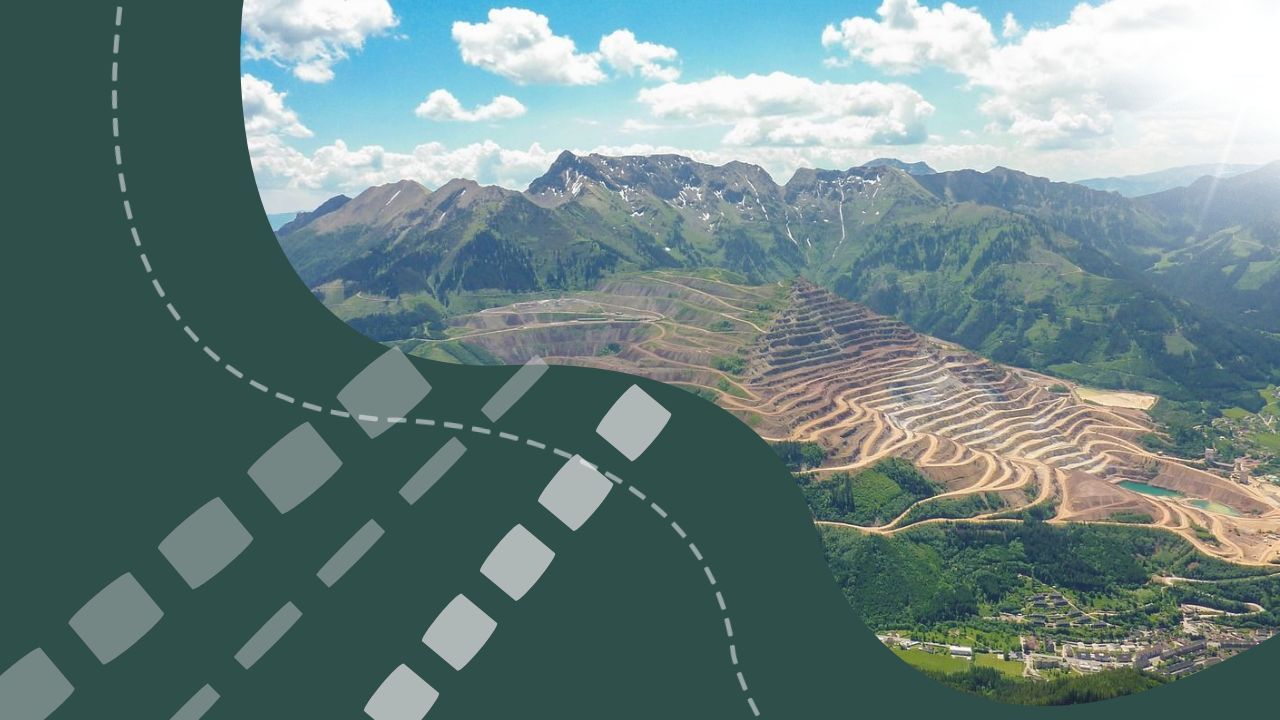
    The backdrop to this conflict lies in the discovery of gold reserves in the Maraldy area after years of geological exploration. While authorities assert the safety of production processes, local residents fear the environmental impact of cyanide treatment on rivers and soil.

    The Maralicha-Gold company conducted the deposit exploration, with VSAM Production’s founders, Li Hailan and Aydin Ramazanov, benefiting from the venture.

  • Title: Polymetal Announces Name Change to Solidcore Resources plc Amid Sanctions and Business Restructuring

    Title: Polymetal Announces Name Change to Solidcore Resources plc Amid Sanctions and Business Restructuring

    Gold mining company Polymetal has announced its intention to rename the business to Solidcore Resources plc, according to a release obtained by “Kursiva”. The move comes in the wake of U.S. sanctions following the sale of its Russian operations, which retained the name “Polymetal”. The company’s leadership is seeking shareholder approval for the new name. Polymetal’s release also highlights that the sale of its Russian business has significantly reduced debt and increased liquidity, necessitating investments of over $1 billion in projects in Kazakhstan and Central Asia, particularly the new Irtysh GOK and merger and acquisition deals. The company notes that due to ongoing complex geopolitical and macroeconomic conditions, and the lack of access to major debt financing sources, the board recommends not paying dividends for the year ending December 31, 2023. Polymetal has also completed its re-domiciliation from Jersey to the Astana International Financial Centre (AIFC) and is now listed on the AIX and Moscow Exchange.

  • Kyrgyzstan’s Kumtor Gold Mine Reports $300 Million Profit in the Last Two Years

    Kyrgyzstan’s Kumtor Gold Mine Reports $300 Million Profit in the Last Two Years

    During a forum in Bishkek, Kyrgyzstan’s Prime Minister Akylbek Japarov announced that the profit from the Kumtor gold deposit over the past two and a half years amounted to $300 million, with dividends totaling $100 million from 1994 to May 2021. Japarov highlighted the significant financial era the nation has entered due to their productive work. Kumtor, one of the largest gold mines in Central Asia, is located in the Issyk-Kul region in northern Kyrgyzstan, approximately 60 km from the Chinese border at an altitude of over 4,000 meters. The mine was previously owned by Canadian Centerra Gold Inc., but Kyrgyzstan took control in May 2021 citing environmental concerns and tax issues. Legal disputes arose, leading to an international arbitration initiated by Centerra, though a settlement was later reached. As of February 2023, Kyrgyzstan’s Cabinet of Ministers ended the temporary management of Kumtor Gold Company, which now operates as a subsidiary of the state-owned Kyrgyzaltyn. Formerly producing 15-17 tons of gold annually up to 2021, the mine yielded 17.3 tons in 2022.

  • Dutch PM Rutte Offers to Share Green Energy Experience with Kazakhstan

    Dutch PM Rutte Offers to Share Green Energy Experience with Kazakhstan

    Dutch Prime Minister Mark Rutte expressed his willingness to share experience in green energy with Kazakhstan during a meeting with Kazakh President Kassym-Jomart Tokayev in Astana. Rutte praised Kazakhstan’s rapid development and balanced international position, highlighting the potential for collaboration in agriculture, green energy, and water management.

  • Representatives of Ministries Hold Meeting with Residents of East Kazakhstan Region

    Representatives of Ministries Hold Meeting with Residents of East Kazakhstan Region

    Representatives of the Ministry of Industry and Infrastructure Development and the Ministry of Ecology, Geology and Natural Resources of Kazakhstan met with residents of several districts in the East Kazakhstan Region to discuss issues related to subsoil use and attracting investments to the region. Several industrial projects are being implemented in the region. In particular, exploration work has been ongoing in the Samar district since 2006, and the company “Cascade-N” plans to build a gold extraction plant here. Deputy Minister of Industry and Infrastructure Development of Kazakhstan, Iran Sharkan, noted that the opening of the plant will create new jobs for local residents and will also provide appropriate social benefits. The Samar project has passed all stages of development and complies with the current legislation on ecology and subsoil use.

  • Kazakhstan Ministry of Industry and Trade Reports Growth in Metallurgy Sector

    Kazakhstan Ministry of Industry and Trade Reports Growth in Metallurgy Sector

    The Head of the Ministry of Industry and Trade of Kazakhstan, Kanat Sharlapayev, shared the results of the metallurgy industry’s progress. He announced that from January to April of 2024, there was a 5.1% increase in production, as reported by the department’s press center. Sharlapayev highlighted that by 2025, steel and pig iron production is expected to increase to 4 million tons and 3 million tons, respectively. Additionally, the production of flat rolled products is projected to reach 2.6 million tons according to government plans. Several companies, including KazMinerals, “KazZinc,” and “Kazakhmys,” will contribute to the growth of copper production, while “KazZinc” is tasked with lead and zinc production, and the “Kazakhstan Aluminum Plant” will ramp up aluminum production.

  • Kyrgyzstan Budget Committee Approves Concept of Uranium and Thorium Mining Law

    Kyrgyzstan Budget Committee Approves Concept of Uranium and Thorium Mining Law

    The Committee on Budget, Economic, and Fiscal Policy of the Jogorku Kenesh (Parliament) of the Kyrgyz Republic today, May 27, considered and approved the draft law “On Amendments to Certain Legislative Acts of the Kyrgyz Republic (to the Code of the Kyrgyz Republic on Administrative Offenses, the Law of the Kyrgyz Republic “On Subsoil”) and the recognition of the Law of the Kyrgyz Republic “On Prohibition of Activities Related to Geological Exploration of Subsoil for the Purpose of Uranium and Thorium Deposits Exploration and Development in the Kyrgyz Republic” as no longer in force in the first reading.

    The Minister of Natural Resources, Ecology, and Technical Supervision, Melis Turgunbaev presented the information about the draft law. The Minister noted that the draft law proposes to declare the Law of the Kyrgyz Republic “On Prohibition of Activities Related to Geological Exploration of Subsoil for Uranium and Thorium Deposits Exploration and Development in the Kyrgyz Republic” dated December 14, 2019, No. 139, which prohibits activities related to geological exploration of subsoil for uranium and thorium deposits, as no longer in force. The adoption of the Law will be accompanied by monitoring by state bodies of modern technologies for uranium and thorium extraction, which will contribute to minimizing the negative impact of mineral extraction on the environment. If such technologies are identified, state bodies will introduce requirements for their implementation by subsoil users.

    During the discussion, deputies Azamat Isirailov, Aisarakan Abdybaeva, and Nadira Narmatova raised questions about mechanisms and procedures for ensuring environmental safety and protecting public health. The Minister emphasised that adopting the draft law will be accompanied by introducing and enforcing environmental protection standards by subsoil users, including minimising emissions of harmful substances, ensuring workplace safety, and compliance with norms regarding the permissible impact on water and soil resources.

    The lifting of the ban would enable the extraction of valuable minerals at 83 deposits highly demanded in the global market. Turgunbayev highlighted the Kyzyl-Ompol deposit, which holds significant reserves of titanomagnetite, with mining operations to be conducted by state-owned companies.

  • Kazakhstan to Welcome New Metallurgical Plant in Five Years

    Kazakhstan to Welcome New Metallurgical Plant in Five Years

    In a recent development, Kazakhstan is set to launch a new metallurgical plant in five years, with a capacity of 5 million tons, in Shymkent. The project will be carried out by the Chinese company Fujian Hengwang Investment Co., Ltd, with the necessary documents already signed in the city’s administration, as reported by kapital.kz.

  • Britain – Kazakhstan rare earth relations

    Britain – Kazakhstan rare earth relations

    In March, Kazakhstan and the United Kingdom signed a Roadmap for Cooperation in the field of critical minerals. This initiative aims to strengthen the partnership by establishing joint ventures within Kazakhstan. Kazinform’s correspondent investigates the benefits that Kazakhstan stands to gain from this collaboration with the UK.

    As the world rapidly moves towards a “green” future, the demand for critical minerals is steadily increasing. These minerals, including rare elements and certain metals, are crucial for the economic prosperity and national security of leading nations. The creation of sustainable supply chains and access to these elements’ deposits are at the heart of the UK’s strategy for critical minerals, adopted in July 2022 and updated in March last year.

    “We are moving towards a world based on critical minerals: we need lithium, cobalt, and graphite for electric vehicle batteries; silicon and tin for our electronics; rare earth elements for electric vehicles and wind turbines,” states the UK strategy document.

    The document emphasizes that critical minerals will become even more significant in the future, with expectations that by 2040, the world will need four times more of these minerals for clean energy technologies.

    Participants at the “Energy Transition 2023” conference at the Chatham House in the UK reported that wind generators and electric vehicle manufacturers urgently need neodymium and praseodymium, while suppliers of high-voltage power lines require cobalt and aluminium.

    Of the 18 critical minerals identified by the British Geological Survey, eight are already produced in Kazakhstan, with raw material bases for the other eight available in the country. This positions Kazakhstan among the top 10 key partners for the UK in this sector.

    Kazakhstan and the UK approved a Roadmap for Strategic Partnership in the field of critical minerals in March 2024. The British side emphasizes “sharing experience in mineral extraction and processing with support for the full lifecycle of raw material extraction,” viewing London as a financial and trade hub. Kazakhstan’s Ministry of Industry and Construction aims to create production with added value for critical raw materials, parts, or components for subsequent delivery to consumer countries.

    Deputy Minister of Industry and Construction, Iran Sharkan, noted that the minimum raw material processing threshold for investors matches the intermediate level, meaning goods of low technological complexity or semi-finished products. Specific projects include collaborative work on advanced international practices and modern technology for geological mapping, as well as promoting best practices in regional exploratory and mapping work for critical minerals between the Geological Survey of Kazakhstan and the British Geological Survey.

    One existing example of cooperation is the joint venture between MaritimeHouse and “Zhezkazganredmet” for rhenium processing in Kazakhstan. Rhenium is a rare metal mainly used as an alloying addition in the production of heat-resistant alloys essential for high-temperature installations like aircraft engines, industrial gas turbines, and rocket engines.

    According to Kazakhstan’s Ministry of Industry and Construction, beryllium, tantalum, vanadium, copper, titanium, and phosphorus are already being supplied to the UK market. However, the ministry did not comment on the degree of processing or the form of the exported products in response to Kazinform’s inquiry.

    Experts highlight that cooperation with Kazakhstan is vital for the UK to achieve its goals of securing access to mineral resources. Jeff Townsend, founder of the British Critical Minerals Association, stated that about 40% of Kazakhstan’s territory has been fully explored, making it an incredible opportunity to build a continuous supply chain from initial exploration and extraction to early processing stages and subsequent processing and marketing in the UK.

    Political changes in Kazakhstan over recent years have made the country more attractive to British companies. However, Townsend noted three challenges: the lack of understanding of Kazakhstan’s business environment among British companies, logistical difficulties in delivering goods to the UK, and competition with Chinese companies. Despite these challenges, the British believe that their technological advantages and expertise will help them overcome these obstacles and maintain their competitiveness.