Website: Asia.com

  • Kazakhstan Commits to Expanding Mining Industry and Attracting Investment at the Government GM chaired by President Tokayev

    Kazakhstan Commits to Expanding Mining Industry and Attracting Investment at the Government GM chaired by President Tokayev

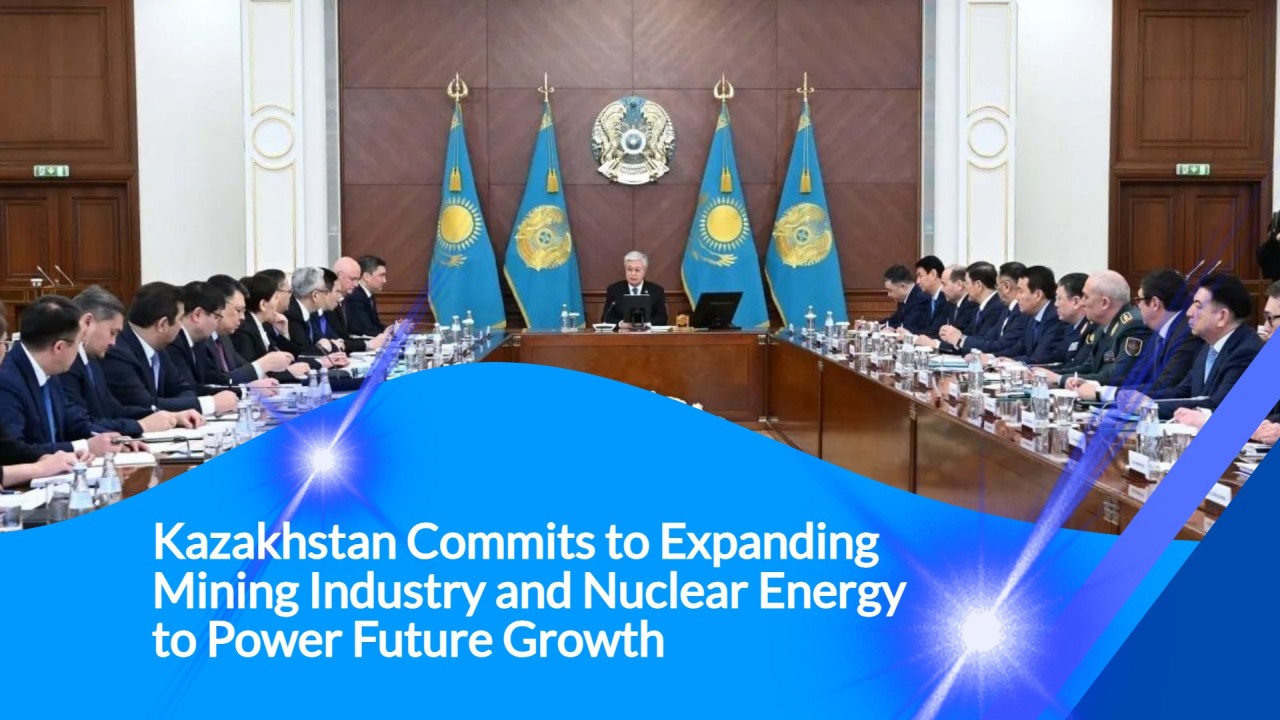
    On 28 January 2025 at the general annual meeting with his Government, President Kasym-Jomart Tokayev outlined Kazakhstan’s dedication to strengthening its mining sector, with a particular focus on energy transition materials, including lithium, copper and uranium. With global demand on the rise, Kazakhstan is seizing this opportunity by offering exiting opportunities to foreign investment and advanced technologies. Major foreign companies are already engaged in geological exploration, and a unified platform has been launched to facilitate the transparent distribution of subsoil use rights.  Tokayev stressed that the legal framework for this platform should be fully established by the end of the current parliamentary session.

    Kazakhstan Focuses on Revitalising Investment Climate Amidst Declining FDI

    In response to slowing foreign direct investment (FDI) flows, President Tokayev has urged the government to attract high-quality investments.  Data reveals a concerning decline in FDI. During the first nine months of 2024, Foreign Direct Investment reached $12.7 billion, a 36% decrease compared to the same period in 2023. Despite a challenging economic environment, Kazakhstan is committed to creating a more attractive investment climate through additional financial incentives and a comprehensive ecosystem that supports investors at all levels. Government support for business ventures should come with clear expectations. President Tokayev outlined: “Investors who receive government assistance must accept reasonable countermeasures, such as job retention, investment in modernisation, and adherence to environmental regulations.”

    Kazakhstan Turns to Nuclear Energy to Power Future Growth

    Kazakhstan’s increased production contributed to a global uranium production growth of 11.7% in 2024, with the country accounting for 37.3% of the total global uranium supply. In 2025 Kazatomprom, Kazakhstan’s national atomic company, plans to produce between 25,000 and 26,500 tons of uranium. This represents an increase of 7 to 14 percent over its 2024 output of 23,270 tons. The country aims to produce higher value-added nuclear products like fuel assemblies, not just natural uranium. This will allow the country to deliver its ambitious goal of creating Nucleal Energy Production in Central Asia.

    President Tokayev emphasised the critical need for Kazakhstan to achieve full self-sufficiency in electricity and establish reserves of 15-20%. The government plans to introduce at least 3 gigawatts of new power capacity over the next two years, with a focus on innovative coal-fired power stations and the construction of Kazakhstan’s first nuclear power plant. These efforts aim to ensure energy supply to all regions and support the country’s commitment to carbon neutrality.


    Discover Kazakhstan’s Mining Potential

    at the 15th MINEX Kazakhstan Forum in Astana on 9-10 April 2025

    Dear Ming Industry Professionals,

    At the heart of these developments is Kazakhstan’s commitment to becoming a global leader in the extraction and processing of uranium, precious metals and critical raw materials – vital resources in the face of rising global demand.

    Don’t miss this chance to explore Kazakhstan’s vast mineral wealth and connect with decision-makers shaping the future of mining in Central Asia.

    We are excited to invite you to the 15th MINEX Kazakhstan Mining and Exploration Forum, taking place on 9-10 April 2025 in Astana, Kazakhstan. This premier event offers unparalleled insights into Kazakhstan’s rapidly evolving mining sector and the country’s ambitious plans for growth and investment.

    MINEX Kazakhstan 2025 will feature:

    • 100+ expert speakers
    • 450+ delegates from 30+ countries
    • 50+ exhibitors showcasing cutting-edge technologies
    • Networking opportunities with key industry stakeholders
    Register before 31 January to save  https://2025.minexkazakhstan.com/registration/

    We look forward to welcoming you in Astana!

  • Kazakhstan’s backing of Geological Exploration in the 2025-27 Budget represents less than 1.6%

    Kazakhstan’s backing of Geological Exploration in the 2025-27 Budget represents less than 1.6%

    Kazakhstan, — ranked 6th globally in mineral diversity — has long prioritised geological exploration and mining investments. However, recent budget allocations indicate a continuing conservative government spending on these sectors relying on private investment. According to government data, private investments in geology over the past five years amounted to $1 billion.

    In the latest budget for 2025-2027 Kazakhstan’s Ministry of Industry and Construction has laid out its financial commitments to the mining industry and geological exploration.

    The budget documentation reveals a target of achieving 82% local content in procurement of works and services by mining complex subsoil users, indicating a continued push toward developing domestic mining services capabilities.

    Key Budget Programs and Subprograms

    1. Budget Program 089: Ensuring Rational and Comprehensive Use of Subsoil and Increasing Geological Study of the Territory of the Republic of Kazakhstan

    • 2023: 10,186,675 thousand KZT ≈ $22,637,056 USD
    • 2024: 9,715,419 thousand KZT ≈ $21,589,820 USD
    • 2025: 9,715,446 thousand KZT ≈ $21,589,880 USD
    • 2026: 9,974,344 thousand KZT ≈ $22,165,209 USD
    • 2027: 10,241,033 thousand KZT ≈ $22,757,851 USD

    2. Subprogram 102: Regional, Geological Survey, Prospecting, Evaluation, and Exploration Works

    • 2023: 8,166,541 thousand KZT ≈ $18,147,869 USD
    • 2024: 7,636,507 thousand KZT ≈ $16,970,016 USD
    • 2025: 7,636,507 thousand KZT ≈ $16,970,016 USD
    • 2026: 7,865,602 thousand KZT ≈ $17,479,116 USD
    • 2027: 8,463,564 thousand KZT ≈ $18,807,920 USD

    3. Subprogram 103: Monitoring Mineral Resources and Groundwater

    • 2023: 576,749 thousand KZT ≈ $1,281,664 USD
    • 2024: 765,125 thousand KZT ≈ $1,700,278 USD
    • 2025: 727,732 thousand KZT ≈ $1,617,182 USD
    • 2026: 788,079 thousand KZT ≈ $1,751,287 USD
    • 2027: 614,485 thousand KZT ≈ $1,365,522 USD

    A Slight Dip in Geological Exploration spending

    The budget document for 2025-2027 reveals a negligent increase in spending on geological exploration and mining development. While the 2026 and 2027 figures show a slight recovery, the overall trend remains downward compared to the 2023 allocation. The most significant reduction was between 2023 and 2024, reflecting a nearly 5% cut in government expenditure on geological surveys and subsoil monitoring.

    The geological exploration budget for 2025, primarily focuses on enhancing the country’s geological knowledge base and improving mineral resource management, will see 9.7 billion tenge ($19 million) directed toward comprehensive subsurface studies and increasing geological coverage. A smaller portion, 257.8 million tenge, has been earmarked for applied research through the U.M. Akhmedsafin Institute.

    Local Content Development

    Mining industry experts suggest that while the geological exploration budget is conservative, the broader industrial development initiatives and focus on local content development could help strengthen the country’s mining ecosystem. However, there are concerns about whether the current level of investment in geological exploration will be sufficient to maintain Kazakhstan’s competitive position in the global mining sector.

    The ministry’s overall budget shows a declining trend from 646.8 billion tenge in 2025 to 406.8 billion tenge in 2027, raising questions about long-term funding stability for geological programs. This comes at a time when many resource-rich nations are increasing their investments in geological surveys and mineral exploration to secure their positions in critical mineral supply chains.

    Comparison with Other Major Mining Jurisdictions

    The allocation represents a concerning trend in Kazakhstan’s commitment to geological exploration, especially when compared to peer jurisdictions.

    • Australia: The Australian government increased its funding for geological surveys in 2024, with an annual budget exceeding AUD $225m million ($156 million), reinforcing its position as a leading mining destination.
    • Canada: The Canadian government committed CAD 1.5 billion ($1.05 billion USD) in 2024 to critical mineral exploration, focusing on lithium, nickel, and rare earth elements.
    • Chile: As a major copper and lithium producer, Chile continues to expand geological exploration funding, securing over $832 million USD in government-led initiatives.

    For a country positioning itself as a major mining jurisdiction, Kazakhstan’s geological exploration budget seems insufficient to drive significant new discoveries. This could impact the pipeline of future mining projects.

    The government emphasises “increasing geological knowledge” and “attracting foreign investment” as priorities, with goals to expand explored territories to 2,247,100 km² by 2027, up from 2,038,100 km² in 2025 and ensure 100% open electronic access to geological information, according to the ministry’s stated objectives. However, industry experts question whether these goals can be met with the current funding levels.

    Broader Industrial Development Context

    The geological exploration budget sits within a larger industrial development framework, where the ministry has allocated 37.8 billion tenge ($83.6 million) for overall industrial development. This includes significant funding for manufacturing projects through the Development Bank of Kazakhstan and support for various industrial initiatives.

    A notable element of the industrial strategy is the allocation of 1 billion tenge ($1,9 million) for the modernisation of Zhezkazganredmet, aimed at improving the processing of metallurgical waste and rare metals production, indicating some attention to mineral processing capabilities despite the limited exploration budget.

    Future Implications

    The ministry’s budget document outlines plans to achieve full digitalisation of geological information access, suggesting a focus on maximising the utility of existing data rather than generating new geological knowledge through field exploration. While this approach might yield short-term efficiencies, industry experts warn that it could lead to a discovery gap in the medium to long term. The reduced investment in new geological surveys might particularly impact the exploration for critical minerals, which are becoming increasingly important in the global transition to green energy.

    The conservative government spending on geological exploration raises several concerns:

    1. Declining Mineral Discovery Rates: Reduced funding for geological surveys may lead to fewer mineral discoveries, limiting the country’s ability to replenish its mineral reserves.
    2. Decreased Foreign Investment: International mining companies prioritize jurisdictions with strong geological knowledge and governmental support. Lower exploration funding could make Kazakhstan less attractive for foreign investors.
    3. Risk to Economic Diversification: The Kazakh government has emphasized economic diversification, but lower spending on mining research contradicts this goal.

    Looking Ahead

    Kazakhstan’s mining sector faces both challenges and opportunities in the coming years. On the one hand, declining ore grades, aging infrastructure, bureaucratic delays, increasing environmental and water scarcity concerns, and the need for greater technological innovation pose significant hurdles. On the other hand, the global demand for critical minerals like copper, lithium, steel and rare earth elements presents a major opportunity for Kazakhstan to expand its mining industry and become a key supplier to the global economy.

    The ministry’s overall budget shows a declining trend, suggesting that unless there’s a significant policy shift, geological exploration funding might remain constrained in the medium term.

    As global demand for minerals continues to grow, particularly for critical minerals essential to the energy transition, Kazakhstan’s decision to maintain a relatively modest geological exploration budget might need reassessment. The country’s rich mineral endowment and strategic location position it well for mining sector growth, but realising this potential may require more substantial investment in basic geological work.

    To fully capitalise on these opportunities, Kazakhstan needs to:

    • Increase investment in geological exploration: Discovering new deposits is crucial for sustaining the mining industry in the long term.
    • Promote technological innovation: Adopting advanced mining techniques and investing in research and development can improve efficiency, reduce environmental impact, and unlock new resources.
    • Strengthen the regulatory framework: A clear, transparent, and stable regulatory environment is essential for attracting both domestic and foreign investment.
    • Develop human capital: Investing in education and training programs can ensure that Kazakhstan has a skilled workforce to support the mining industry.

    By strategically allocating resources and addressing these key challenges, Kazakhstan can solidify its position as a major player in the global mining industry and drive economic growth for years to come.


    Kazakhstan’s mining sector has long been a pillar of its economy, but declining government and private spending on geological exploration could threaten future growth. While global competitors increase spending to enhance their mining sectors, Kazakhstan’s budget cuts raise questions about the country’s long-term strategy in the global mineral market. Without renewed investment in exploration and subsoil research, the nation risks falling behind in the race to secure its position as a top-tier mining jurisdiction.

    MINEX Kazakhstan Mining & Exploration Forum, returns to Astana on 9-10 April 2025, with a sharp focus on geological exploration investment and development strategies.

    The Forum arrives at a critical juncture for Kazakhstan’s mining sector. Recent government budget figures show geological exploration funding will remain at 9.71 billion KZT ($21.5 million USD) for 2025, significantly below peer jurisdictions like Australia ($156 million) and Canada ($1.05 billion). This backdrop sets the stage for crucial discussions on private sector participation and innovative funding approaches in geological exploration.

    “With Kazakhstan aiming to expand its explored territories to 2,247,100 km² by 2027, the need for increased investment and technological innovation in geological exploration has never been more pressing,” states the forum organising committee. “MINEX Kazakhstan 2025 will serve as a vital platform for addressing these challenges and identifying new opportunities.”

    The two-day forum will feature targeted sessions on:

    • Public-private partnerships in geological exploration
    • Digital transformation of exploration activities
    • Critical minerals development
    • Sustainable mining practices
    • Investment frameworks and opportunities

    Call to Action: Shape Kazakhstan’s Mining Future

    MINEX Kazakhstan 2025 is accepting proposals for:

    Speaking Opportunities

    • Technical presentations on exploration projects and technologies
    • Case studies of successful exploration programs
    • Panel discussions on funding mechanisms
    • Innovation showcases

    Exhibition Spaces

    Limited premium spaces are available for companies showcasing:

    • Exploration technologies and services
    • Digital solutions
    • Laboratory and analytical services
    • Environmental management systems

    For the mining community, this forum represents a unique opportunity to influence the future direction of Kazakhstan’s geological exploration sector. With the government emphasising digital access to geological information and modernization of mining operations, industry participation in these discussions is crucial.

    Registration Information

    Early registration is now open with special rates for mining companies, service providers, and academic institutions.

    For participation details, visit https://2025.minexkazakhstan.com/registration/ or contact: kz@minexforum.com

    Join us this April in Astana to contribute to the development of Kazakhstan’s mining sector. Together, we can address the exploration funding gap and unlock the country’s rich mineral potential.

    #MINEXKazakhstan2025 #Mining #Exploration #Kazakhstan #Investment
  • Kazakhstan’s Uranium Industry: From Mining Excellence to Nuclear Power Leadership

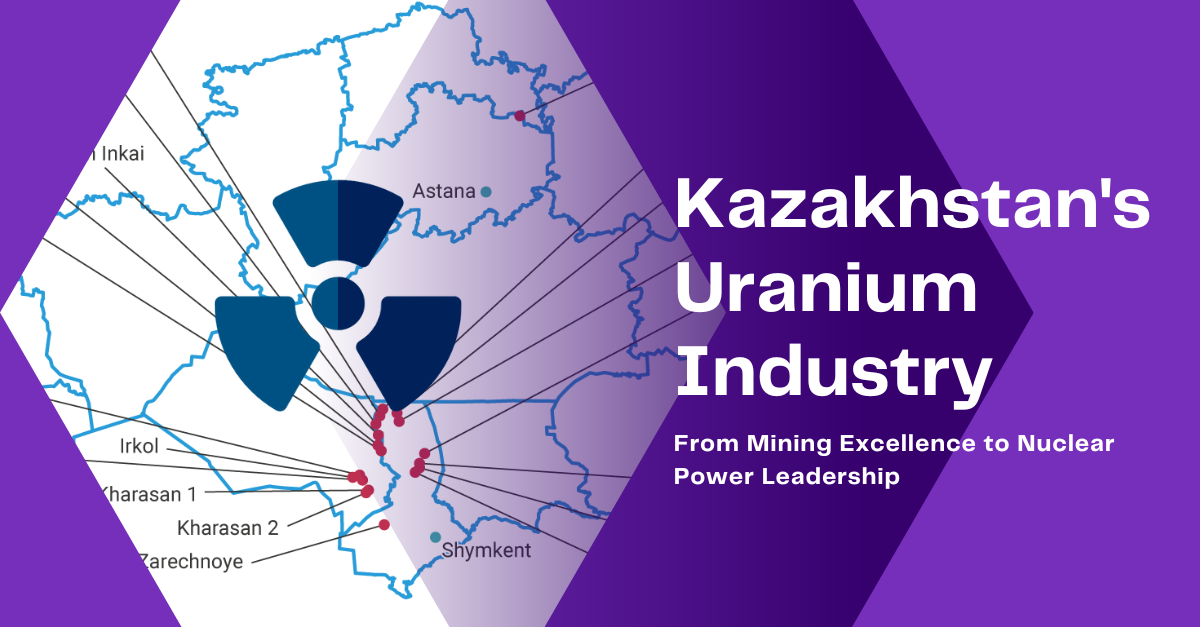
    Kazakhstan’s Uranium Industry: From Mining Excellence to Nuclear Power Leadership

    In the heart of Central Asia, a nation known for its vast steppes and abundant natural resources is poised to embark on a transformative journey. Kazakhstan, the world’s leading uranium producer, is taking bold steps towards nuclear power generation, a move that could reshape not only its own energy landscape but potentially that of the entire region.

    A Uranium Powerhouse Looks Inward

    Kazakhstan’s role in the global nuclear fuel cycle is already formidable. Responsible for 43% of global uranium production in 2022 and possessing 12% of the world’s uranium resources, the country has long been a key player in the international atomic energy market. However, until now, Kazakhstan’s involvement has primarily been as a supplier of raw materials rather than a producer of nuclear energy. This is set to change dramatically. President Kassym-Jumart Tokayev has recently emphasised the urgent need for nuclear power plants (NPPs) in Kazakhstan, citing growing energy shortages and the country’s ambitious development goals. The government’s vision extends beyond a single reactor; there are now plans for potentially three NPPs across the country, with the Almaty region likely to host the first.

    Balancing Act: Climate Commitments and Energy Security

    Kazakhstan’s push for nuclear energy is driven by a complex interplay of factors. On one hand, the country has committed to achieving carbon neutrality by 2060, a goal that necessitates a significant shift away from its current reliance on coal, which accounts for about 70% of electricity generation. On the other hand, Kazakhstan faces an existing electricity deficit and increasingly relies on imports to meet its energy needs. The government’s plan to decommission all coal power plants by 2050 adds urgency to the development of alternative baseload power sources. Nuclear energy, with its low carbon footprint and ability to provide consistent power output, emerges as an attractive solution to this dilemma.

    From Skepticism to Support: A Shift in Public Opinion

    The path to nuclear power in Kazakhstan has not been without its challenges. The legacy of the Semipalatinsk nuclear test site and the shadow of the Chernobyl disaster have long bred public skepticism about nuclear energy. Concerns about safety, corruption, and dependence on foreign technology have been persistent themes in the national discourse. However, recent developments suggest a shift in public sentiment. A referendum reportedly saw 70% of voters supporting the construction of NPPs, indicating growing acceptance of nuclear energy as a necessary component of Kazakhstan’s future energy mix.

    The Consortium Approach: Navigating Geopolitical Waters

    As Kazakhstan moves forward with its nuclear ambitions, the formation of an international consortium to construct and operate the plants has emerged as a key strategy. President Tokayev has pointed to Turkey’s Akkuyu nuclear project as a potential model, though experts caution that this approach comes with both opportunities and risks. The choice of reactor vendors and consortium partners presents a complex geopolitical challenge. Russia, France, China, and South Korea are all potential suppliers, each bringing different technical capabilities, financing options, and political considerations to the table. Balancing these factors will be crucial for the success of Kazakhstan’s nuclear program.

    Sanctions and International Partnerships: A Delicate Dance

    The role of Russian participation in Kazakhstan’s nuclear future is particularly complex. While Rosatom, Russia’s state nuclear corporation, isn’t under direct sanctions, many of its subsidiaries and key personnel are affected by international sanctions regimes. This creates potential complications for financing and technology transfer, requiring careful structuring of any Russian involvement to avoid compromising other international partnerships.

    A recent British-Kazakh Society webinar highlighted the multifaceted nature of Kazakhstan’s nuclear ambitions. Experts discussed the potential benefits of an international consortium for construction and operation, but also cautioned against over-reliance on any single partner, particularly given the geopolitical climate and potential sanctions risks. The “Turkish model,” heavily reliant on Rosatom, was cited as a cautionary tale, with its cost overruns and delays due to sanctions-related complications.

    Developing a robust regulatory framework, including an independent nuclear regulator, is paramount. Kazakhstan’s existing status as the world’s leading uranium producer offers leverage in negotiations with technology vendors and the potential to develop higher-value nuclear fuel cycle capabilities domestically. Maximising local content and industrial development will be crucial for long-term economic benefits.

    Building Domestic Capabilities: Beyond Resource Extraction

    Kazakhstan’s nuclear ambitions extend beyond simply generating electricity. The country sees an opportunity to develop its domestic nuclear industry capabilities, moving up the value chain from uranium mining to fuel fabrication and potentially even reactor component manufacturing. A new fuel fabrication plant, with 49% Chinese investment, is already under construction. Kazakhstan is also producing nuclear fuel pellets, adding value to its uranium output. These developments, coupled with the potential for multiple NPP projects, could create economies of scale that justify further investments in local supply chains and workforce development.

    Regulatory Frameworks and Financial Challenges

    As Kazakhstan moves forward, the development of a robust regulatory framework emerges as a critical priority. Currently, the country lacks an independent nuclear regulator, though experts suggest this could be developed following IAEA guidelines. Financing multiple large-scale nuclear projects will also present significant challenges. Nuclear projects are notorious for cost overruns, as exemplified by the UK’s Hinkley Point C. Kazakhstan’s sovereign wealth fund and access to foreign loans will be crucial, but careful financial planning is essential. With Kazakhstan already dedicating over 20% of its budget to debt service, careful financial planning and potentially innovative funding approaches will be necessary to avoid overburdening state resources.

    A Regional Game-Changer

    Kazakhstan’s nuclear power program has implications that extend far beyond its borders. As the first Central Asian nation to embark on such an ambitious nuclear energy plan, Kazakhstan’s success or failure could influence the energy strategies of neighboring countries. Moreover, with both China and Russia having vested interests in Central Asia, Kazakhstan’s nuclear program adds another layer to the complex geopolitical dynamics of the region. As a resource-rich area often seen as a bridge between East and West, Central Asia – and Kazakhstan in particular – must navigate carefully to ensure its energy ambitions don’t become a stage for superpower rivalry.

    Looking to the Future

    As Kazakhstan stands on the brink of a new nuclear era, the path forward is both promising and challenging. Success will require balancing multiple priorities:

    • Developing clear criteria for consortium partners that address both technical and geopolitical considerations
    • Building robust regulatory frameworks aligned with international standards
    • Creating sustainable financing structures
    • Maximising local content and industrial development opportunities
    • Ensuring environmental and safety standards meet international best practices

    The timeline for announcing the initial consortium structure appears to be measured in months rather than years. However, experts emphasise the importance of “hurrying slowly” to ensure a proper foundation for what will be a multi-decade program. Kazakhstan’s nuclear journey is more than just a national energy strategy; it’s a bold step towards redefining the country’s role in the global energy landscape. If successful, it could offer a model for other developing nations seeking to balance energy security, economic development, and climate goals. As the world watches, Kazakhstan prepares to write a new chapter in its history – one powered by the atom and fueled by ambition.

    https://2025.minexkazakhstan.com/

    As Kazakhstan makes strides in its nuclear power ambitions, the uranium mining sector is poised for further growth and transformation. One of the best platforms to explore these prospects is the MINEX Kazakhstan Mining and Exploration Forum, taking place in Astana on April 9-10, 2025. The event offers an excellent opportunity to bring together industry stakeholders, experts, and policymakers to discuss the future of uranium mining in Kazakhstan and its role in the global nuclear landscape.

    A dedicated session on “Kazakhstan’s Uranium Industry: From Mining Excellence to Nuclear Power Leadership” will provide a comprehensive overview of the country’s uranium industry and the potential implications of nuclear power generation on the sector.

    Key topics include:

    • The role of uranium in the global energy transition: Debating the future of nuclear energy and its contribution to decarbonizing the global economy.
    • Kazakhstan’s uranium resources and production outlook: An overview of current operations, exploration activities, and future production potential.
    • The impact of Kazakhstan’s nuclear power program on uranium demand: Analysing how domestic consumption will affect export volumes and global uranium prices.
    • Nuclear Fuel Cycle and Value-Added Production: A deep dive into Kazakhstan’s plans to add value to its uranium resources by expanding into nuclear fuel fabrication, with insights into ongoing and upcoming projects, including the fuel fabrication plant under construction.
    • Investment opportunities in Kazakhstan’s uranium sector: Exploring the role of foreign investment in Kazakhstan’s nuclear ambitions, including joint ventures in uranium mining and fuel production, and the role of international partnerships with China, Russia, and France.
    • Technological advancements in uranium mining and processing: Showcasing innovations that enhance efficiency, safety, and environmental sustainability.
    • Geopolitical factors influencing uranium markets: Assessing the role of international relations, supply chain security, and price volatility.
    • Environmental and Safety Considerations: Addressing the environmental impact of uranium mining and nuclear power, and ensuring that the regulatory framework prioritises safety, sustainability, and adherence to international nuclear standards.
    • The role of uranium in the global energy transition: Debating the future of nuclear energy and its contribution to decarbonizing the global economy.
    • Future Prospects for the Region: Understanding how Kazakhstan’s nuclear power program could affect not only the country but also the wider Central Asian region, potentially positioning Kazakhstan as a leader in nuclear energy development.
    Are you interested in participating in the Forum?

    Please submit speaker proposal via the Forum’s website before 1 March https://2025.minexkazakhstan.com/speaking-opportunities/

    Call to Action: Shape Kazakhstan’s Mining Future

    MINEX Kazakhstan 2025 is accepting proposals for:

    Speaking Opportunities

    • Technical presentations on exploration projects and technologies
    • Case studies of successful exploration programs
    • Panel discussions on funding mechanisms
    • Innovation showcases

    Exhibition Spaces

    Limited premium spaces are available for companies showcasing:

    • Exploration technologies and services
    • Digital solutions
    • Laboratory and analytical services
    • Environmental management systems

    For the mining community, this forum represents a unique opportunity to influence the future direction of Kazakhstan’s geological exploration sector. With the government emphasising digital access to geological information and modernization of mining operations, industry participation in these discussions is crucial.

    Registration Information

    Early registration is now open with special rates for mining companies, service providers, and academic institutions.

    For participation details, visit https://2025.minexkazakhstan.com/registration/ or contact: kz@minexforum.com

    Join us this April in Astana to contribute to the development of Kazakhstan’s mining sector. Together, we can address the exploration funding gap and unlock the country’s rich mineral potential.

    #MINEXKazakhstan2025 #Mining #Exploration #Kazakhstan #Investment

  • Navoi Mining Secures ESG Rating, Reinforcing Sustainability Commitment

    Navoi Mining Secures ESG Rating, Reinforcing Sustainability Commitment

    Navoi Mining & Metallurgical Company (NMMC), the world’s fourth-largest gold producer, has received its first Environmental, Social, and Governance (ESG) Entity rating from Sustainable Fitch. The company was assigned a rating of ‘3’ on a five-point scale, where ‘1’ indicates low risk and ‘5’ represents high risk, with an overall entity score of 51 out of 100.

    The rating reflects an in-depth evaluation of NMMC’s sustainability initiatives, corporate governance standards, and environmental and social performance. The company’s environmental and social metrics earned a rating of ‘3,’ acknowledging strong internal policies on emissions and water management, an absence of major environmental incidents, and a low gender pay gap. Its corporate governance received a rating of ‘2,’ highlighting adherence to international financial reporting standards, robust internal audits, and a structured risk management framework.

    NMMC’s ESG rating aligns with global mining industry standards, considering the sector’s environmental footprint, high resource consumption, and waste generation. Notably, NMMC is the first mining company in Uzbekistan to secure a public ESG rating, reinforcing its leadership in sustainability and transparency.

    Eugene Antonov, First Deputy CEO and Head of Transformation at NMMC, emphasized the company’s commitment to ESG principles as part of its ongoing transformation program. He also noted that Uzbekistan’s designation of 2025 as the “Year of Environmental Protection and the Green Economy” aligns with NMMC’s sustainability goals under the national “Uzbekistan-2030” strategy.

    Boris Samoylenko, Head of ESG at NMMC, stated that the rating validates the company’s efforts to integrate sustainable practices while setting a benchmark for future improvements in ESG performance.

  • Unified Subsoil Use Platform Launched in Kazakhstan

    Unified Subsoil Use Platform Launched in Kazakhstan

    Kazakhstan has launched a unified platform for subsoil use, a digital system streamlining the process from applying for exploration or mining to auctioning and licensing. Kazakh Vice-Minister of Industry and Development Zhannat Dubiyrova announced the launch during a meeting of the Ministry of Industry and Infrastructure Development.

    As of today, 22 state services in the sphere of geology and subsoil use are available on the platform. The system allows potential users to pay their subscription fees directly through the platform.

    The interactive map feature on the platform provides a comprehensive picture of the requested area, from infrastructure to geological and geophysical reports.

    Moreover, the platform automates the control process for licenses and contracts related to solid minerals, increasing transparency and efficiency. Previously, this control was conducted manually for 3,000 licenses and contracts.

    The system has also automated the annual reports of subsoil users, eliminating the need for paperwork.

    The Kazakh Government’s National Geological Service has digitized over 56,000 open secondary geological reports to populate the platform.

    The launch of the platform was the result of significant work conducted since July 2024, which included studying international experience, re-engineering business processes, and reviewing system architecture. The project was based on best practices from Finland, Canada, the United Kingdom, and the United Arab Emirates.

    The development of the platform was carried out by the Information and Accounting Center (AIOC) under the Ministry of Finance of the Republic of Kazakhstan. The platform can be accessed at minerals.e-qazyna.kz.

    Since its launch, the platform has processed 506 applications for licenses and other state services in the digital format. In January 2025, the platform successfully held auctions for 21 mining sites, with over 50 companies participating. The total subscription bonus payment was 20.069 billion tenges.

    Thus, the launch of the Unified Platform for Subsoil Use marks an important milestone in the geology and subsoil use sector, elevating the interaction between state authorities and subsoil users to a new level, ensuring transparency and control over subsoil resources.

    Main Photograph: A screenshot of the Unified Platform for Subsoil Use in Kazakhstan

  • Uzbekistan’s Uranium Resources A Significant Asset for the Future

    Uzbekistan’s Uranium Resources A Significant Asset for the Future

    Uzbekistan’s Uranium Resources: A Significant Asset for the Future

    Uzbekistan is making strides in expanding its uranium resources through modernisation, digitalisation and strategic international partnerships. Recent geological explorations and research have revealed promising prospects for new deposits, positioning the nation as a key player in the global nuclear energy market.

    Domestic Exploration and Development

    The state-owned enterprise “Navoiuran” is spearheading the effort to boost the country’s uranium reserves. Through its dedicated geological exploration expeditions – “Bukantau”, “Nurota”, and “Zirabulok” – the company is actively surveying and drilling across the northern, central, and southern regions of Uzbekistan.These expeditions are focused on identifying new uranium deposits and enhancing the resource base. Exploration work involves detailed geological studies, geophysical surveys, and core sampling to assess the concentration of valuable elements such as Uranium, Molybdenum, and Selenium.

    International Collaboration

    Recognising the importance of global collaboration, Uzbekistan is actively partnering with foreign entities to accelerate uranium exploration and development. Notably, joint research initiatives with Japanese companies JOGMEC and Itochu have fostered financial and technological advancements. These collaborations have led to the successful implementation of international standards in research and geological services at the Jasaga deposit.

    Key Objectives and Future Prospects

    Uzbekistan has set an ambitious goal of expanding its uranium mineral resource base to 100,000 tonnes by 2030. To achieve this, “Navoiuran” is committed to:

    • Continued exploration and development activities
    • Implementing advanced technologies and digitalisation
    • Investing in training programs for young professionals
    • Attracting foreign investment through international partnerships

    By focusing on these key objectives, Uzbekistan aims to solidify its position as a major uranium producer, enhance its influence in the global energy sector, and strengthen its international standing.

  • Azerbaijan’s Mining Industry Production Volume Revealed for 2024

    Azerbaijan’s Mining Industry Production Volume Revealed for 2024

    The production volume in Azerbaijan’s mining industry totaled 41.2 billion manats in 2024, according to data from the State Statistics Committee.

    This represents a decrease of 3.7 billion manats or 8.3% compared to the previous year. In 2023, the mining industry production volume was 44.9 billion manats.

    Key figures for 2024:

    • Metal ore mining: 382 million manats
    • Other mining sectors: 256 million manats
    • Mining industry services: 2.5 billion manats

    Other sectors within the mining industry also contributed to the overall production volume. The extraction of metal ores accounted for 382 million manats, while other mining activities generated 256 million manats. Additionally, mining-related services amounted to a production value of 2.5 billion manats.

    Despite the year-over-year decrease, the mining sector continues to play a major role in Azerbaijan’s economy, accounting for a significant portion of the country’s industrial output

  • National Environmental Data Bank System of Kazakhstan (NBDES) Goes into Full-Scale Operation

    National Environmental Data Bank System of Kazakhstan (NBDES) Goes into Full-Scale Operation

    ASTANA, Kazakhstan – The National Bank of Data on the State of the Environment and Natural Resources (NBDSOSiPР) has been successfully introduced into industrial exploitation. The main objective of the system is to ensure the principle of “single window” access to the entire infrastructure of the ecological fund, thereby promoting effective interaction between the government, natural resource users, and the general public.

    The NBDSOSiPР is designed to collect, store, and process data on the state of the environment and natural resources in Kazakhstan. It aims to improve the efficiency of environmental monitoring, analysis, and decision-making by providing a unified platform for accessing and sharing environmental information.

    The system is expected to enhance transparency and public participation in environmental management, as well as to support the implementation of the country’s environmental policies and international commitments.

    The launch of the NBDSOSiPР is a significant step towards modernizing Kazakhstan’s environmental management system and promoting sustainable development. It is anticipated that the system will contribute to the improvement of the country’s environmental performance, the protection of its natural resources, and the well-being of its people.

  • Kazakhstan’s Nuclear Energy Future: Insights from Expert Panel Discussion

    Kazakhstan’s Nuclear Energy Future: Insights from Expert Panel Discussion

    Kazakhstan, known for its abundant uranium reserves, stands at a pivotal moment as it considers expanding its role in the global nuclear energy sector beyond mere resource supply.  In a significant move that could reshape Central Asia’s energy landscape, Kazakhstan is advancing plans to develop nuclear power capabilities, with potential implications for both domestic energy security and global nuclear fuel markets. A recent British-Kazakh Society webinar brought together international experts to examine the opportunities and challenges ahead.

    The webinar featured a panel of distinguished experts, moderated by Nicholas Pomeroy, General Director of AngloKazakh. The panel included Ben Godwin, Managing Partner at PRISM Strategic Intelligence; Aldiyar Toktarov, Chairman of the Atomic Industry Development Association; Mehmet Ogutcu, Chairman of the London Energy Club and Biplab Rakshi, Managing Director of Atomic Acquisitions.

    Nuclear Power in Kazakhstan: Ambitious Plans Meet Complex Realities

    In a significant move that could reshape Central Asia’s energy landscape, Kazakhstan is advancing plans to develop nuclear power capabilities, with potential implications for both domestic energy security and global nuclear fuel markets.  The country faces an existing electricity deficit and increasingly relies on electricity imports. With about 70% of current electricity generation coming from coal, Kazakhstan must balance its ambitious 2060 net-zero target against growing energy demands. The government’s plan to decommission all coal power plants by 2050 adds urgency to developing alternative baseload power sources.

    Following a national referendum that approved nuclear power development, Kazakhstan has announced plans for not just one, but potentially three nuclear power plants: one in the initial phase, with additional facilities proposed for West Kazakhstan (Aktau) and East Kazakhstan. This ambitious scope has raised both excitement and concerns among industry observers.

    The Consortium Question

    A key focus of Kazakhstan’s nuclear strategy is the formation of an international consortium to construct and operate the plants. While the exact composition remains unannounced, President Tokayev has pointed to Turkey’s Akkuyu nuclear project as a potential model. However, experts at the webinar highlighted both opportunities and risks in this approach.

    The Turkish model, which relies heavily on Russian state nuclear corporation Rosatom for financing and technology, has faced challenges including sanctions-related complications affecting international equipment supplies. This has led to cost overruns and delays, prompting suggestions that Kazakhstan might benefit from a more diversified partnership approach.

    Sanctions and International Partners

    The role of Russian participation emerges as a particularly complex issue. While Rosatom itself isn’t under direct sanctions, experts noted that 70 of its subsidiaries and key personnel are designated under various international sanctions regimes. This creates potential complications for international financing and technology transfer.

    Ben Godwin, partner at PRISM Strategic Intelligence, emphasised that while Russian involvement might seem inevitable given regional ties, Kazakhstan will need to carefully structure any such participation to avoid compromising other international partnerships and financing options.

    Local Content and Industrial Development

    A recurring theme in the discussion was Kazakhstan’s opportunity to develop domestic nuclear industry capabilities. Aldiyar Toktarov, chairman of the Atomic Industry Development Association, highlighted how multiple nuclear projects could create economies of scale that justify investments in local supply chains and workforce development.

    Kazakhstan’s position as the world’s largest uranium producer provides unique leverage. Experts suggested the country could use this advantage to negotiate better terms with technology vendors and potentially develop higher-value nuclear fuel cycle capabilities domestically.

    Regulatory and Financial Challenges

    The development of an appropriate regulatory framework emerges as a critical near-term priority. Currently, Kazakhstan lacks an independent nuclear regulator, though experts noted this could be developed following IAEA guidelines. The financial aspects also present challenges, with nuclear projects notorious for cost overruns. Recent examples cited include the UK’s Hinkley Point C project, whose budget has escalated from £16 billion to potentially £40-50 billion.

    Kazakhstan’s current fiscal situation adds another layer of complexity. With the country already dedicating over 20% of its budget to debt service, financing multiple large infrastructure projects simultaneously will require careful planning and potentially innovative funding approaches.

    Looking Ahead

    The path forward for Kazakhstan’s nuclear ambitions will require balancing multiple priorities. These include:

    – Developing clear criteria for consortium partners that address both technical and geopolitical considerations
    – Building robust regulatory frameworks aligned with international standards
    – Creating sustainable financing structures that don’t overburden state resources
    – Maximising local content and industrial development opportunities
    – Ensuring environmental and safety standards meet international best practices

    While the timeline for announcing the initial consortium structure appears to be measured in months rather than years, experts emphasized the importance of “hurrying slowly” to ensure proper foundation-laying for what will be a multi-decade program.

    The success of Kazakhstan’s nuclear power program could have implications beyond its borders, potentially offering a model for other developing nations seeking to balance energy security, economic development, and climate goals. However, the complexity of the challenges ahead suggests that careful planning and international cooperation will be essential for turning these ambitious plans into reality.

    The British-Kazakh Society plans to host further webinars to delve deeper into these critical areas, ensuring continued dialogue and progress. For more information on upcoming events, visit the BKS website.

  • ERG’s AI-Powered Steel Belt Monitoring System Wins Digital Almaty Awards 2025

    ERG’s AI-Powered Steel Belt Monitoring System Wins Digital Almaty Awards 2025

    Eurasian Resources Group (ERG) has been recognised for its innovative application of artificial intelligence (AI) in industry, with its Steel Belt Monitoring (SBM) system winning the prestigious Digital Almaty Awards 2025.

    Developed by ERG’s Donskoy Processing Plant in collaboration with BTS, the SBM system uses machine vision to monitor the steel belts of roasting furnaces. The system’s two key modules predict overheating and detect defects early on, enabling operators to take timely action and minimise disruptions to the production process.

    The SBM system has already delivered impressive results, reducing overheating time by 75% since July 2024 and achieving an 80% accuracy rate in defect detection. The system has also generated cost savings of over 170 million tenge in its first three months of operation.

    “This project is a major step forward for the entire industry,” said Dias Yeldes, the project manager at Donskoy Processing Plant. “The use of artificial intelligence allows us not only to optimise production processes, but also to significantly reduce costs. We are proud of our team and grateful to everyone who supported us on this journey.”

    The development and implementation of the SBM system was led by Askat Bukeyev, head of BTS’s industrial AI development department, along with Dias Yeldes, Nursultan Karasartov and Zharbol Maksat from Donskoy Processing Plant.