Website: Asia.com

  • Amulsar Gold Mine Set for September 2025 Opening, Says Minister

    Amulsar Gold Mine Set for September 2025 Opening, Says Minister

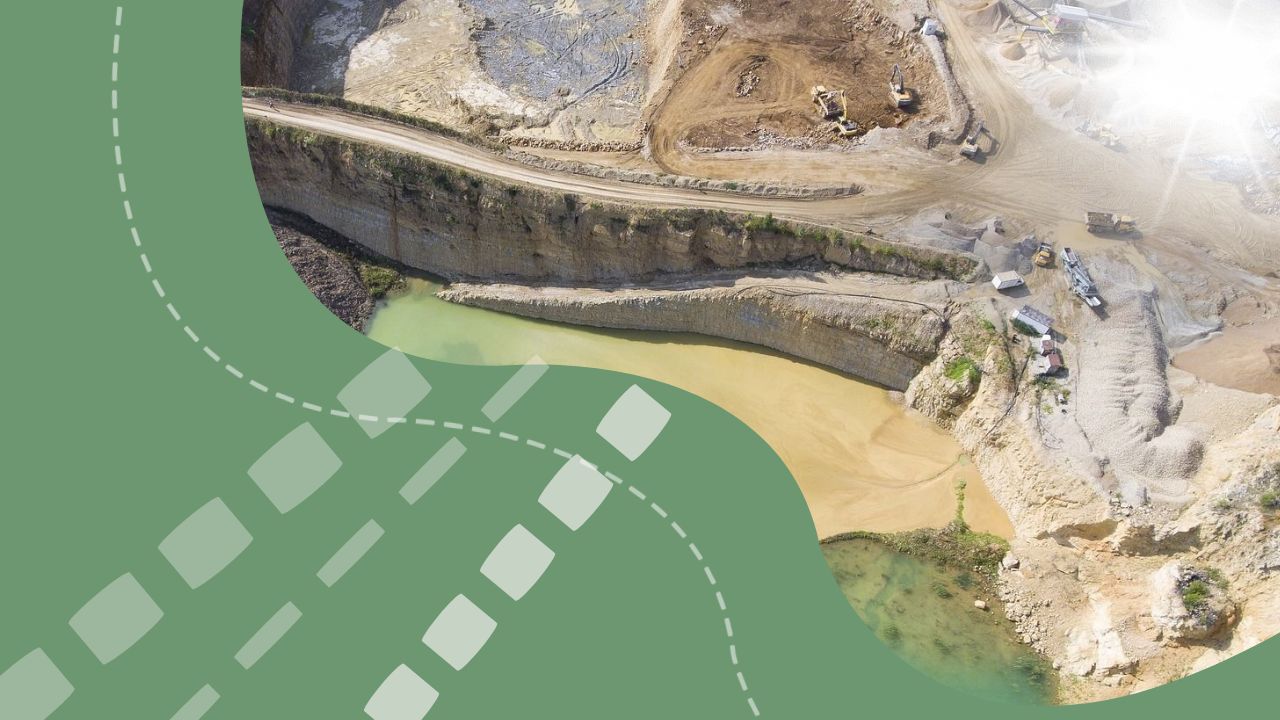
    Mining operations at the Amulsar gold deposit in Armenia are anticipated to begin in September-October 2025, according to Armenian Economy Minister Gevorg Papoyan.

    The minister confirmed that a high-quality audit had deemed the project both feasible and profitable. He stated, “We believe the financing issue will be resolved shortly. With $500 million already invested, an additional $100 million will be contributed by the company, and the remaining $150 million will be financed by our financial institutions.”

    Construction work is scheduled to start in the spring, with the aim to kick off mining operations by autumn, providing a significant boost to Armenia’s economy and industry.

    Project Progress and Financial Investments

    Hayk Aloyan, CEO of Lydian Armenia, the company holding the license for the Amulsar gold deposit, revealed that 70-80% of the required work to commence operations has already been completed. An additional $250 million is needed to finalise the project.

    Lydian Armenia plans to produce approximately 210,000 ounces of gold annually, potentially generating $500 million in revenue and $120 million in taxes at current global prices.

    In a significant development, on 27 December 2024, Lydian Armenia signed an agreement to transfer 12.5% of its shares to the Armenian government.

    About the Amulsar Deposit

    The Amulsar gold deposit, Armenia’s second-largest pure gold deposit, contains around 31 million tons of ore and 40 tons of pure gold. Located 13 km from the resort town of Jermuk, between the Arpa and Vorotan rivers, the mine has faced delays due to environmental protests.

    Concerns have been raised about the potential contamination of groundwater in Jermuk and Lake Sevan. Despite protests in 2018-2019 and 2020, the Investigative Committee of Armenia reported in August 2021 that there are no significant environmental threats from the mine’s operation if appropriate measures are taken.

    In conclusion, the imminent start of mining at Amulsar promises to be a pivotal moment for Armenia’s economy and industrial sector.

  • Kumtor Gold Company Produced 54 Tonnes of Gold in Three Years

    Kumtor Gold Company Produced 54 Tonnes of Gold in Three Years

    The Board of Directors of Kumtor Gold Company Closed Joint Stock Company recently convened at the Kumtor mine to review the company’s performance for 2024 and outline future objectives.

    During the meeting, Bolotbek Idirisov, Chairman of the Board, highlighted that since May 2021, the introduction of external management and subsequent transfer of the Kumtor mine into the Kyrgyz Republic’s ownership has resulted in the production of over 54 tonnes of gold. He announced, “Net income for this period totalled more than US$1.2 billion. Between May 2021 and December last year, US$891.6 million was paid to the Kyrgyz Republic in taxes and other payments to the state budget. Now we are facing no less ambitious tasks, on the fulfilment of which we will work together.”

    The meeting also involved reports from the heads of various departments, including the mine, gold recovery plant, and other structural divisions. Board members conducted a thorough inspection of the mine’s operations, visiting open pits, underground mining projects, heavy mining equipment repair workshops, the gold extraction plant, fuel and refuelling complex, treatment facilities, and the tailings pond.

    As Kumtor continues to set ambitious goals, the company remains committed to maintaining its strong performance and contributing significantly to the Kyrgyz Republic’s economy.

  • Rosatom to Aid Kyrgyzstan with Industrial Site Clean-up

    Rosatom to Aid Kyrgyzstan with Industrial Site Clean-up

    Russia’s state nuclear corporation Rosatom is set to assist Kyrgyzstan in addressing environmental contamination at a former industrial facility, officials announced today.

    The Federal Environmental Operator, a division of Rosatom, recently took part in high-level discussions in Bishkek where authorities approved immediate remediation work at the Crystal plant complex.

    Stanislav Zhabrikov, Director for Environmental Projects Implementation at the Federal Environmental Operator, highlighted the organisation’s credentials, noting: “Having amassed considerable expertise in managing environmental legacy issues within Russia, we are now expanding our role as a trusted partner to colleagues abroad.”

    The Crystal facility, established in 1989 in Tash-Kumyr, was formerly involved in polycrystalline silicon manufacture. The site currently harbours hazardous chemical residues requiring specialist treatment.

    The collaboration marks a significant step in addressing historical industrial pollution in the region, though specific details regarding the scope and timeline of the clean-up operation have yet to be disclosed.

  • Kazakhmys Ships First Batch of Refined Selenium Using New Eco-Friendly Technology

    Kazakhmys Ships First Batch of Refined Selenium Using New Eco-Friendly Technology

    Mining and metals giant Kazakhmys has dispatched its first 100-tonne shipment of high-purity technical selenium, marking a significant milestone for Kazakhstan’s metals industry.

    The technical selenium, graded ST-1, was produced at Kazakhmys Progress LLP’s selenium refining and slag processing plant in Balkhash. This represents the first industrial-scale production in Kazakhstan using a unique vacuum distillation method. The innovative technology has increased the added value of selenium from 30% to 97% of the global market price. The inaugural shipment contained selenium with a purity of at least 99.5%.

    “The vacuum distillation method ensures a high degree of selenium purification without using reagents, making the process environmentally safe,” a company spokesperson explained. “This technology was developed by scientists at the Institute of Metallurgy and Ore Beneficiation of Satbayev University. It has enabled the operation of a unique facility that produces selenium meeting global non-ferrous metals market standards.”

    The project’s origins trace back to the modernisation of the gas cleaning system at the precious metals shop of Kazakhmys Smelting LLP’s Balkhash Copper Smelter in 2017-2018. This upgrade increased crude selenium production from 60 to 100 tonnes annually, making refining economically viable.

    “The implementation of the crude selenium refining project, produced as a by-product of precious metals production, began at the Balkhash industrial site in 2020. A new production unit was launched in 2022, with full-scale industrial operations commencing in 2023,” the spokesperson added.

    Prime Minister Olzhas Bektenov highlighted the significance of this unique technology at an extended government meeting. He noted that selenium is widely used in the production of solar panels, photocopiers, glass, ceramics, as well as in medicine and the chemical industry. The launch of this new production facility in Balkhash opens up prospects for strengthening Kazakhstan’s and Kazakhmys’ economic positions in the global non-ferrous metals market.

    This development represents a major step forward in Kazakhstan’s metallurgical capabilities, combining environmental responsibility with economic advancement.

  • Rosatom CEO Confirms Readiness to Join Kazakhstan’s NPP Project

    Rosatom CEO Confirms Readiness to Join Kazakhstan’s NPP Project

    Rosatom’s CEO Alexey Likhachev has confirmed the Russian state nuclear energy corporation’s readiness to participate in the construction of Kazakhstan’s first nuclear power plant (NPP). This announcement follows discussions between the heads of government of Kazakhstan and Russia, and suggests a move towards closer collaboration on the project.

    “Based on what the heads of our cabinets [Olzhas Bektenov and Mikhail Mishustin] discussed, I think it is safe to say that we are heading toward joint resolutions,” Likhachev told Interfax-Kazakhstan.

    Likhachev emphasised the existing cooperation between the two countries in the nuclear sector, highlighting Kazakhstan’s significant expertise in nuclear technologies and its position as a leading uranium producer. He noted that Kazakhstan is approaching the project with a high level of professionalism, engaging with multiple potential vendors.

    A recent visit by a Kazakhstani delegation to the Leningrad NPP in Saint Petersburg, where they examined Russian nuclear technologies and infrastructure, further underscores the growing interest in Rosatom’s offerings. Likhachev reiterated Rosatom’s commitment to the project, stating, “We will work here with great pleasure.”

    Kazakhstan’s President Kassym-Jomart Tokayev has previously stated that the NPP will be built by an international consortium. Rosatom is among four shortlisted potential vendors, alongside China’s CNNC, South Korea’s KHNP, and France’s EDF. Kazakhstan’s Ministry of Energy aims to select the winning bidder by June. Rosatom’s public expression of interest signals a strong intent to secure the contract.

  • Xanadu Hands Reins for Mongolian Project to Chinese Mining Giant

    Xanadu Hands Reins for Mongolian Project to Chinese Mining Giant

    Xanadu Mines has officially transferred the operational reins of its flagship Kharmagtai copper-gold project in Mongolia to its joint venture partner, Chinese mining giant Zijin Mining. This significant step marks the beginning of a new phase for the world-class project, which will now move towards final development under Zijin’s leadership.

    The transition follows the successful completion of a prefeasibility study (PFS) late last year, which highlighted Kharmagtai’s potential as a major copper-gold operation. The PFS outlined a 29-year mining operation, expected to produce an average of 165,000 tonnes of copper and 75,000 ounces of gold annually. The project’s estimated post-tax net present value (NPV) stands at US$930 million (A$1.49 billion), based on conservative copper and gold price assumptions.

    Xanadu’s executive chairman, Colin Moorhead, expressed optimism about Kharmagtai’s future. “Encouraged by an improving regulatory environment, it is reasonable to expect Kharmagtai will be the next large-scale copper mine built in Mongolia,” he said. The project is currently advancing toward a final investment decision by Zijin, which will follow the completion of a bankable feasibility study based on the PFS.

    The study, which is expected to reflect more current gold prices (around US$2,725 per ounce), will be a key factor in finalizing the investment decision. The two companies are scheduled to meet in Xiamen, China, in early February to discuss the project’s budget, scope, and delivery timeline.

    Xanadu is also reviewing strategic funding options to maximize shareholder value. Among the possibilities is retaining a 50% interest in the joint venture and funding its share of the project costs, selling a portion of its interest to Zijin for US$25 million, or selling its entire stake for US$50 million. Management has indicated a preference for the partial sell-down option, which would provide immediate liquidity while keeping a 25% stake in the project.

    The Mongolian government’s recent positive signals toward mining investments, coupled with ongoing global interest in the country’s resources, sets the stage for Kharmagtai’s next major development milestone. With a bankable feasibility study on the horizon, ongoing water exploration programs, and efforts to secure government approvals, the project is well-positioned to play a key role in the global electrification transition.

    As global demand for copper continues to rise, Xanadu’s flagship Kharmagtai project is poised to become a major player in the mining sector.

  • Kazakhstan Sees Dramatic FDI Drop, Blames Commodity Markets and Project Completion

    Kazakhstan Sees Dramatic FDI Drop, Blames Commodity Markets and Project Completion

    Kazakhstan has experienced a staggering 98.4% year-on-year (YoY) decline in foreign direct investment (FDI) inflows for the first nine months of 2024, according to Kazakh Invest, the national investment promotion company. This drastic drop, which saw FDI plummet from $2.3 billion to just $72.9 million, is being attributed to a confluence of factors, including volatile commodity markets and the completion of major infrastructure projects.

    Kazakh Invest insists the decline isn’t a reflection of flawed investment policies but rather external economic pressures. “The decline in FDI inflows is not related to inefficiencies in investment policy but rather to objective economic factors, including commodity market volatility and investors’ decisions,” the company stated. They emphasized the significant role of the mining sector in Kazakhstan’s FDI landscape, highlighting that these market fluctuations are beyond government control.

    A key factor contributing to the decline is a 93.4% reduction in reinvested earnings. Kazakh Invest suggests this could indicate decreased profits for foreign-owned businesses or increased dividend payouts to international shareholders. The completion of large-scale projects, such as Tengizchevroil’s Future Growth Project, has also played a significant role. While this project’s completion has impacted FDI inflows, Kazakh Invest believes it will pave the way for investment in other promising sectors like renewable energy, agriculture, logistics, and digital technologies.

    Despite the sharp decline, Kazakh Invest maintains that Kazakhstan remains an attractive destination for foreign investors, citing its leading investment volume in new projects among Central and North Asian states. The United Nations Economic and Social Commission for Asia and the Pacific (ESCAP) reported $15.7 billion in investment projects for Kazakhstan in 2024, an 88% increase from 2023.

    Economist Galymzhan Aitkazin suggests that the overall gross FDI inflow decline of 35.7% YoY, totaling $12.7 billion for the first three quarters of 2024, reflects international investor interest rather than capital flight. Kazakh Invest echoed this sentiment, pointing to the completion of the $46 billion Tengizchevroil project as a primary driver of the decline in gross FDI inflows.

    While Kazakhstan attracted $931.9 million in FDI from Russia in the first half of 2024, making it the largest investor, this figure still represents a 21.4% decrease compared to the same period in 2023. Other significant investors include Singapore, Luxembourg, Switzerland, and Cyprus, focusing primarily on trading, financial, and processing sectors.

    President Kassym-Jomart Tokayev has stressed the need for a comprehensive ecosystem to attract high-quality investments. Kazakh Invest has reiterated its commitment to this goal.

    While net FDI remained negative at -$1.6 billion for the first nine months of 2024, it is an improvement compared to -$3.2 billion in 2023. However, FDI outflows have doubled compared to the previous year, reaching $1.5 billion.

    The National Bank acknowledged in August 2023 that relying solely on gross FDI inflows can be misleading, as it overlooks capital outflows and doesn’t provide a complete picture of the investment climate.

  • Kazatomprom Secures Exclusive Uranium Exploration License for Inkai-Mynkuduk Block in Turkestan Region

    Kazatomprom Secures Exclusive Uranium Exploration License for Inkai-Mynkuduk Block in Turkestan Region

    National Atomic Company Kazatomprom JSC (Kazatomprom), the world’s largest uranium producer, announced on 30 January 2025 that it has secured an exclusive subsoil use license to explore uranium deposits at the Inkai-Mynkuduk block, located on the northern flank of the Inkai deposit in Kazakhstan’s Turkestan region. The license, granted by Kazakh authorities, permits exploration activities for six years, with an option to extend for an additional five years.

    Strategic Expansion in Shu-Sarysu Uranium Province
    The newly licensed Inkai-Mynkuduk block lies within the prolific Shu-Sarysu uranium province, a region renowned for its sandstone-hosted uranium reserves. Preliminary geological assessments estimate inferred resources (P1 and P2 categories) exceeding 20,000 tonnes of uranium, underscoring the area’s potential to bolster Kazakhstan’s position as a global leader in uranium supply.

    CEO Highlights Growth and Sustainability Goals
    “This license marks a pivotal step in our strategy to secure long-term resource bases while adhering to sustainable extraction practices,” said Yerzhan Mukanov, CEO of Kazatomprom. “The Inkai-Mynkuduk block complements our existing operations and aligns with growing global demand for nuclear energy as a low-carbon solution.”

    Next Steps
    Kazatomprom plans to commence exploration activities immediately, focusing on detailed geological surveys and drilling programs to confirm resource estimates. The company emphasised its commitment to environmental stewardship and community engagement throughout the project lifecycle.

    About Kazatomprom
    National Atomic Company Kazatomprom JSC is the world’s largest producer of natural uranium, with operations across Kazakhstan. The company supplies uranium to nuclear utilities globally and prioritizes safe, sustainable mining practices aligned with the UN Sustainable Development Goals. Kazatomprom’s shares are listed on the London Stock Exchange (LSE: KAP) and the Astana International Exchange (AIX: KAP).

    For media inquiries:
    Kazatomprom Press Office
    Email: press@kazatomprom.kz
    Phone: +7 (7172) 45 80 63

    Forward-Looking Statements
    This release contains forward-looking statements regarding resource estimates and exploration outcomes. Actual results may differ due to technical, economic, or regulatory factors.

  • Kazatomprom Plans Up to 14% Increase in Uranium Production for 2025

    Kazatomprom Plans Up to 14% Increase in Uranium Production for 2025

    Kazatomprom, Kazakhstan’s national atomic company, announced plans to produce between 25,000 and 26,500 tons of uranium in 2025, according to a statement issued on Monday. This represents an increase of 7 to 14 percent over its 2024 output of 23,270 tons.

    The company anticipates that uranium production from most mining operations will see varying percentage declines compared to targets set under existing subsoil use contracts, with these reductions expected to stay within an acceptable deviation of up to 20 percent.

    Additionally, Kazatomprom reported a 10 percent rise in uranium production for 2024, reaching 23,270 tons, compared to the previous year.

    Further details on the company’s financial performance for 2024 will be provided on March 19.

    Kazatomprom serves as the national operator for the export of uranium, rare metals, nuclear fuel, and related technologies.

  • President Focuses on Revitalising Investment Climate Amidst Declining FDI

    President Focuses on Revitalising Investment Climate Amidst Declining FDI

    [vc_row type=”in_container” full_screen_row_position=”middle” column_margin=”default” column_direction=”default” column_direction_tablet=”default” column_direction_phone=”default” scene_position=”center” text_color=”dark” text_align=”left” row_border_radius=”none” row_border_radius_applies=”bg” overflow=”visible” overlay_strength=”0.3″ gradient_direction=”left_to_right” shape_divider_position=”bottom” bg_image_animation=”none”][vc_column column_padding=”no-extra-padding” column_padding_tablet=”inherit” column_padding_phone=”inherit” column_padding_position=”all” column_element_direction_desktop=”default” column_element_spacing=”default” desktop_text_alignment=”default” tablet_text_alignment=”default” phone_text_alignment=”default” background_color_opacity=”1″ background_hover_color_opacity=”1″ column_backdrop_filter=”none” column_shadow=”none” column_border_radius=”none” column_link_target=”_self” column_position=”default” gradient_direction=”left_to_right” overlay_strength=”0.3″ width=”1/1″ tablet_width_inherit=”default” animation_type=”default” bg_image_animation=”none” border_type=”simple” column_border_width=”none” column_border_style=”solid”][vc_column_text text_direction=”default”]President Kassym-Jomart Tokayev has sounded the alarm over slowing foreign direct investment (FDI) flows into Kazakhstan, urging the government to redouble its efforts to attract high-quality investments to keep pace with global trends.

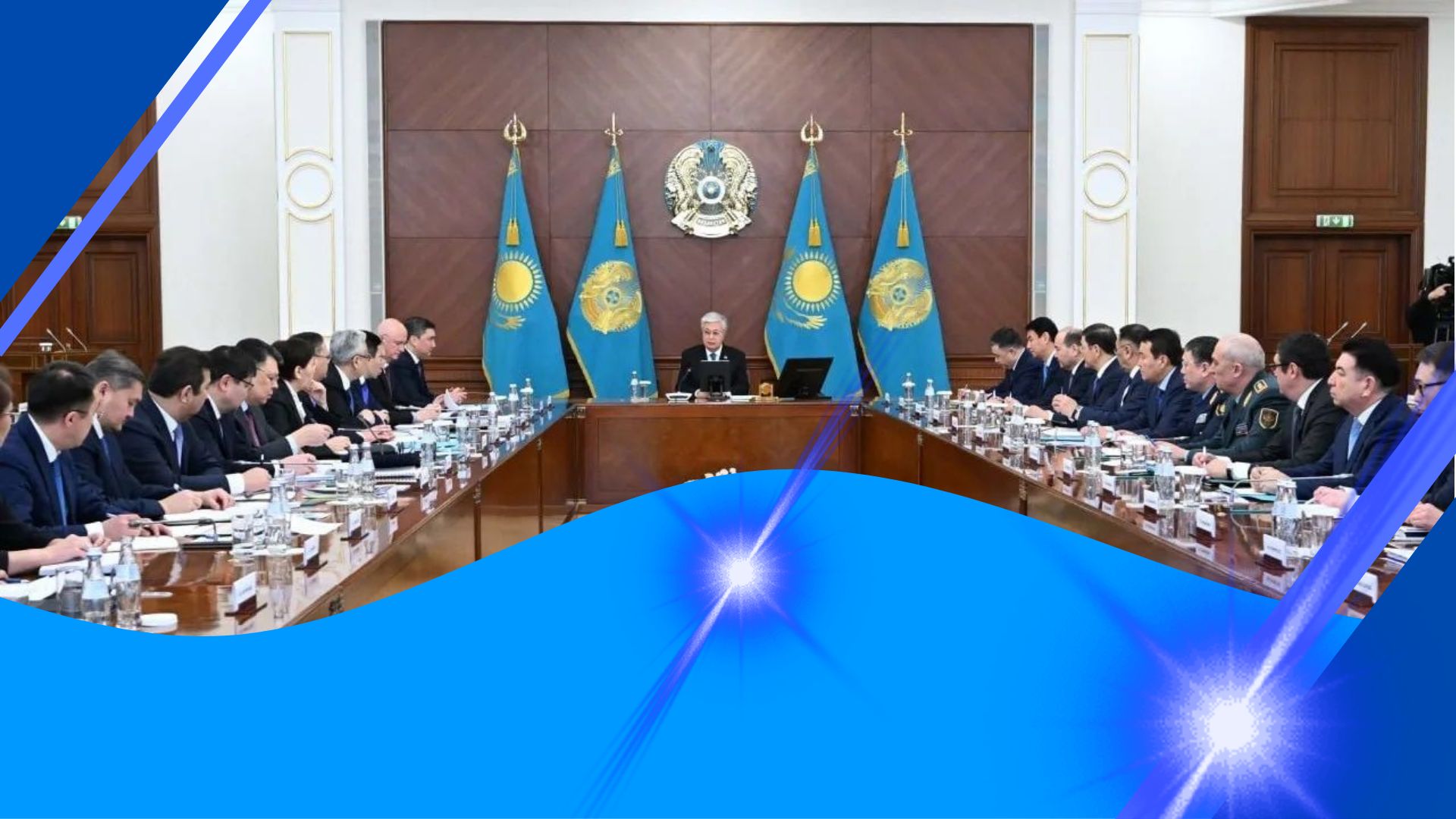
    Speaking on 28 January 2025 at the general meeting of his Government in Astana against the backdrop of a challenging economic environment and heightened international competition, President Tokayev emphasised the critical need for qualified investment in the country: “We must intensify the government’s work in the field of investment, otherwise, we risk falling behind in the face of these rapidly changing conditions.”

    Data reveals a concerning decline in FDI. During the first nine months of 2024, Foreign Direct Investment reached $12.7 billion, a 36% decrease compared to the same period in 2023. This decline has been observed in a number of regions, including Aktobe, Almaty, Atyrau, East Kazakhstan, Jambyl, Pavlodar, North Kazakhstan regions, and the city of Almaty.

    Locking in Leaner Investments:

    Recognising the pressures on government budgets, President Tokayev proposed a proactive approach: “In light of the limited availability of budget funds, we must consider introducing an array of additional financial incentives for investors who are willing to commit to high-quality projects.” This policy aligns with President Tokayev’s broader vision of economic liberalisation. He called for the creation of a comprehensive ecosystem that fosters, supports, and safeguards investors at all levels – both domestically and internationally.

    Mutual Benefits and Responsibilities:

    Government support for business ventures should come with clear expectations. President Tokayev outlined: “Investors who receive government assistance must accept reasonable countermeasures, such as job retention, investment in modernization, and adherence to environmental regulations.”

    President Tokayev’s impactful message signifies Kazakhstan’s commitment to creating a more attractive investment climate while simultaneously promoting responsible and sustainable development. The focus on attracting high-quality FDI is crucial for the country’s economic future.

    Photo: Acorda[/vc_column_text][/vc_column][/vc_row]