Website: Asia.com

  • New Support Measures for Kazakhstan’s Mining and Metallurgy Industry Under Consideration

    New Support Measures for Kazakhstan’s Mining and Metallurgy Industry Under Consideration

    In a recent meeting, the Committee of Geological, Mining, Coal, and Metallurgical Industries of the Presidium of Kazakhstan’s National Chamber of Entrepreneurs discussed new support measures for the mining and metallurgy industry. The proposed measures aim to attract additional investments to the sector.

    One key proposal is to reduce the mineral extraction tax by 10 times for companies engaged in extracting metals from technogenic mineral formations. Additionally, projects for processing mineral raw materials could be granted the same benefits as priority investment projects listed in Kazakhstan’s Entrepreneurial Code.

    Furthermore, the committee considered fully deducting expenses for geological exploration and proposed a five-year exemption from the mineral extraction tax for subsoil users developing low-grade and capital-intensive deposits (with an internal rate of return not exceeding 15%). Such mechanisms are already in place in the oil and gas sector.

    In 2025, Kazakhstan’s national railway holding, NC “KTZh”, plans to increase price limits on export transportation tariffs. Last year, railway transportation showed negative dynamics: coal transportation decreased by 7%, iron ore by 10%, and non-ferrous metals by 5%.

    To prevent mining and metallurgical enterprises from losing export markets, parties are trying to agree on a special methodology for decision-making on tariff reductions. One of the main criteria for setting prices will be the financial condition of the producers.

  • Kazakhstan’s Extractive Industry in 2024: Results and Challenges

    Kazakhstan’s Extractive Industry in 2024: Results and Challenges

    The extractive sector in Kazakhstan faced numerous hurdles in 2024, with a mix of progress and setbacks across various industries. While many companies are expected to release full production reports in spring 2025, preliminary data offers insight into the performance and challenges encountered by the nation’s resource sectors.

    Mining and Metallurgy

    According to Kazakhstan’s National Statistics Bureau (Qazstat), the industrial production index for the extractive industry stood at 99.8% in 2024 compared to the previous year. The decline was mainly attributed to a drop in coal production, despite positive trends in other areas.

    Coal Mining

    The coal industry in Kazakhstan experienced a decline in production, with a 3.9% decrease in total output, which amounted to 108.46 million tonnes. This was due to reduced extraction of both hard and brown coal. However, despite the drop in volume, the total value of the coal sector increased by 2.9%, reaching 537.79 billion tenge.

    The coal industry continues to face challenges such as logistical issues, with disruptions in transportation to Russia and Europe. These challenges are compounded by the growing global shift toward greener energy solutions, putting further pressure on traditional coal industries. In response, the government is focusing on the development of “clean coal” technologies and strengthening cooperation with international partners.

    Mining of Non-Ferrous Metals

    In terms of non-ferrous metals, Kazakhstan witnessed positive developments, with production of copper and zinc ores growing by 7.4% and 15.9%, respectively. The production of refined copper rose by 11.6%, while zinc output also saw a slight increase. Meanwhile, silver production continued to decline, which is expected to continue due to the diminishing quality of ore.

    The mining of iron ore experienced growth, with a 20.2% increase, bringing the total output to 57.21 million tonnes. Notably, production of iron ore pellets also showed positive trends.

    Precious Metals

    Kazakhstan’s precious metal mining sector remained relatively stable, with gold production seeing a small increase of 0.09% compared to 2023. The country produced 132.32 tonnes of raw and semi-processed gold. Gold extraction is expected to grow in the coming years, with new mining projects in development, including those at Bakhtai, Sarymbet, and Novoleninogorsk.

    Despite this, silver mining saw a sharp decline, falling by 18.5% as companies reported decreasing yields. The primary reasons for this downturn are lower ore content and reduced demand for silver.

    Challenges for the Extractive Sector

    Kazakhstan’s extractive sector faced several key challenges in 2024, many of which stemmed from global trends and domestic issues. While some sectors, such as copper and gold, showed positive growth, others, like coal and silver, faced significant obstacles.

    One of the primary concerns for the coal sector was logistical issues caused by trade disruptions with Russia, as well as fluctuating global prices. Additionally, the push for greener energy alternatives has placed pressure on traditional coal industries, creating an uncertain future.

    Despite these challenges, the extractive industry remains a vital part of Kazakhstan’s economy, accounting for a significant portion of national revenue. Moving into 2025, the sector is expected to focus on innovation and international collaboration to overcome these obstacles and drive growth across the country’s resource industries.
  • Solidcore Exceeds Production Plan by 3%

    Solidcore Exceeds Production Plan by 3%

    Solidcore Resources plc, formerly Polymetal, surpassed its 2024 production target by 3%, producing 490,000 ounces of gold equivalent, according to the company’s official report. This marks a modest 1% increase year-on-year.

    The bulk of the production came from the Kyzyl asset (Bakyrchik deposit), contributing 320,000 ounces, with the remainder produced at the Varvarinsk hub facilities.

    Gold-bearing ore extraction reached 5.2 million tonnes, slightly below 2023 levels. The processing of this ore remained stable at 6.37 million tonnes. However, the average gold content in the ore gradually declined year-on-year to 2.8 g/t.

    In terms of sales, Solidcore saw a 17% increase in the volume of finished products sold, reaching 536,000 ounces of gold equivalent. This was largely driven by the Kyzyl project, which contributed 365,000 ounces to the total, a 35% rise from the previous year. The positive performance was partially due to the unloading of concentrate stockpiled the previous year, following logistical challenges.

    The increased sales volume, combined with record-high gold prices, led to a near-doubling of Solidcore’s revenue, which reached $1.327 billion. As of the end of 2024, the company’s net cash position had risen to $374 million.

    Looking ahead to 2025, Solidcore forecasts a decrease in production to 470,000 ounces, primarily due to the planned reduction in gold content and recovery rates at both the Kyzyl and Varvarinsk operations.

  • Digital Kazakhmys: Embracing Technology for a Sustainable Future

    Digital Kazakhmys: Embracing Technology for a Sustainable Future

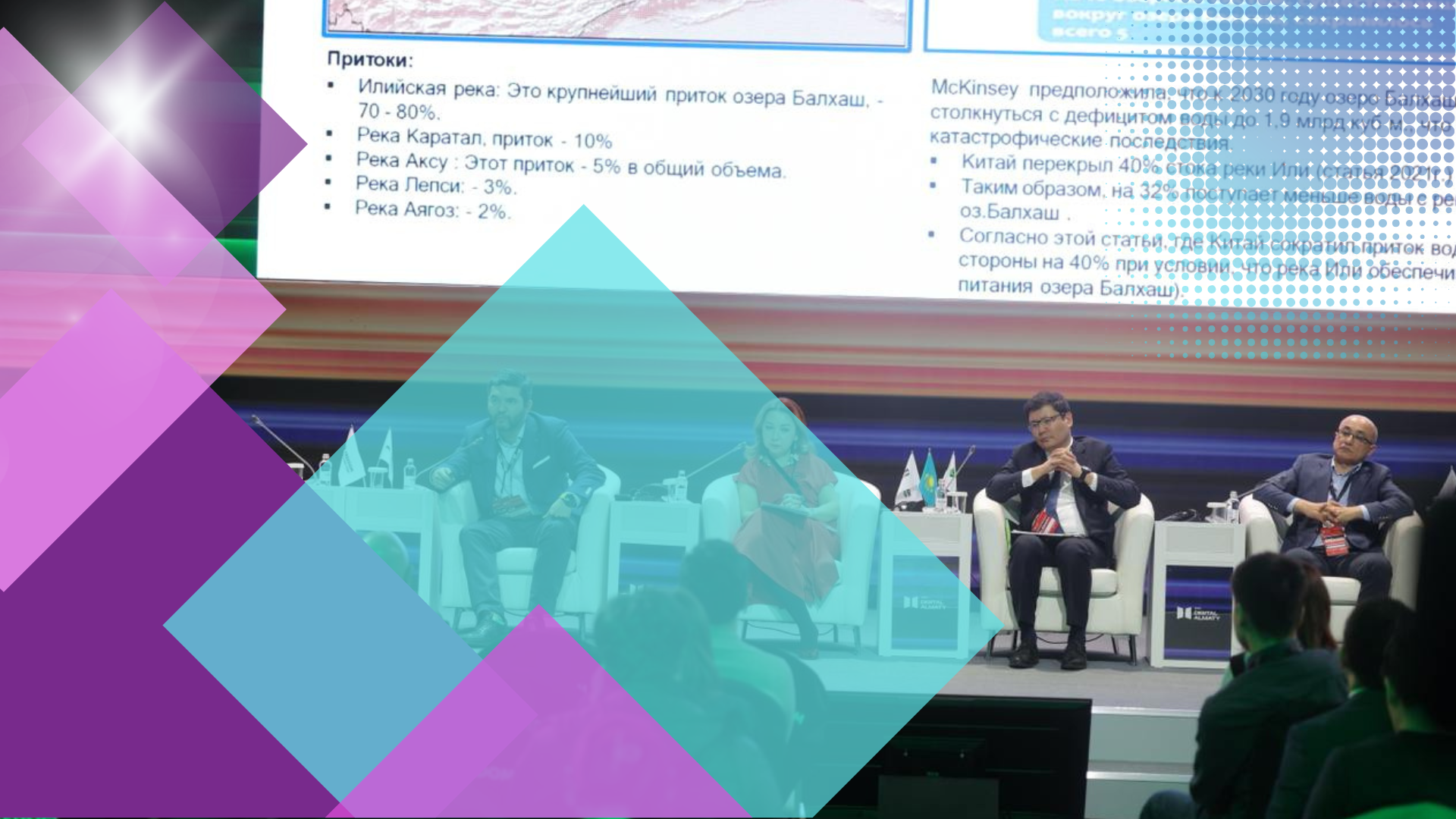
    The integration of automation represents an investment in the future, where technology benefits both businesses and people. The use of artificial intelligence in automation takes production efficiency to a new level. This was highlighted by Saken Shayakhmetov, Director of Sustainable Development at Kazakhmys Corporation, during his speech at the Digital Almaty 2025 forum.

    “Our main focus in developing the digital agenda is to nurture the competencies of the younger generation. Hence, we have a project with The Ulytau Educational Foundation, currently covering 85 schools across our regions. Through this foundation, we implement STEM laboratories, smart libraries, and career guidance activities. By educating skills and competences, we are developing digital proficiencies,” said Saken Shayakhmetov.

    Kazakhmys also operates two technological colleges that specialise in mining education. Currently, there are active efforts to establish a technical foundation in the Ulytau region.

    In addition, the company is addressing the challenges faced by Lake Balkhash. According to McKinsey’s research, by 2030, Balkhash may face a water deficit of up to 1.9 billion cubic metres, which would have serious consequences. Understanding these challenges, the corporation is implementing several significant projects to preserve this Kazakhstani gem. At the end of 2024, it was announced that $5 million would be allocated for the preservation of Lake Balkhash’s ecosystem, including research projects and the implementation of sustainable water management approaches in the region.

    Another crucial principle is employee safety, which involves monitoring their location and using an automated medical examination system to eliminate human error. Among the technologies being employed are predictive maintenance to minimise downtime, optimise technological processes, enhance safety, and reduce human factor risks.

    In 2018, at the 67th mine of the Zhezkazgan field, the company specialists implemented the DMMS (Digital Monitoring and Management System) for the first time, in compliance with industrial safety legislative requirements. As of today, this system is implemented in 13 underground facilities, with plans to cover four more in 2025.

  • Kazakhstan Set to Join Nuclear Club: Nation Builds First Power Plant

    Kazakhstan Set to Join Nuclear Club: Nation Builds First Power Plant

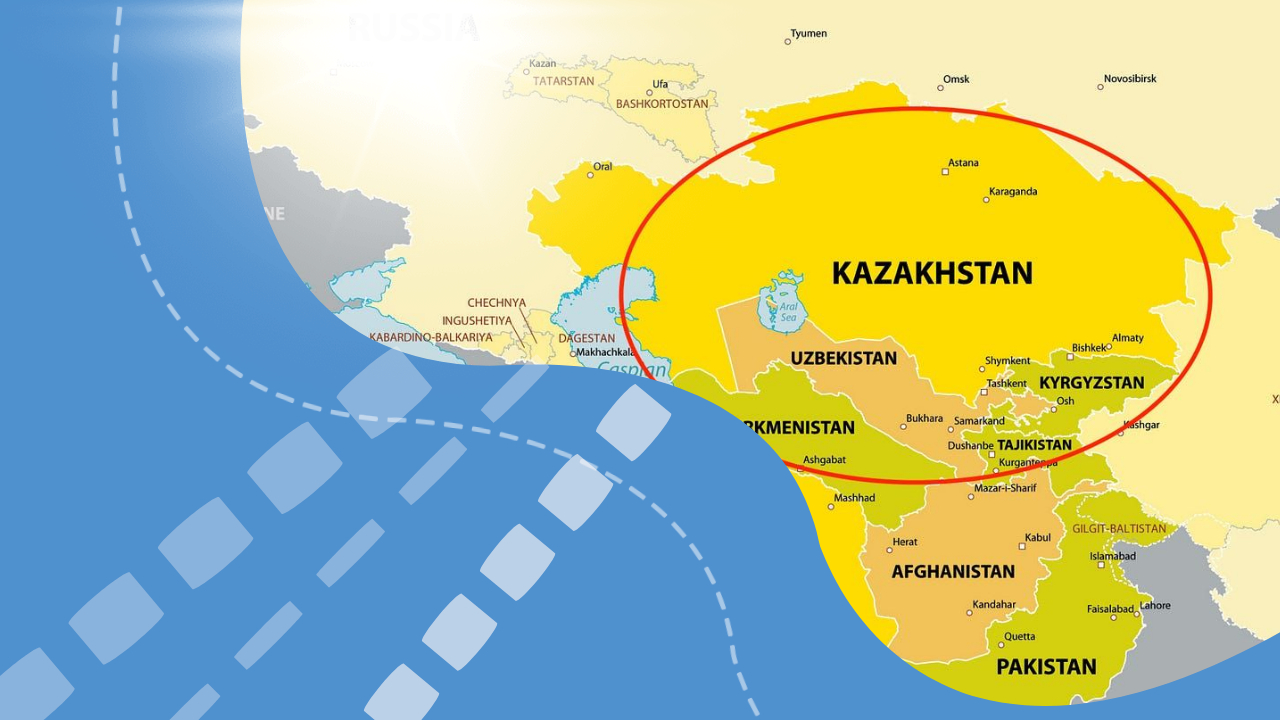
    Kazakhstan, a key ally of Russia and responsible for 43% of global uranium production in 2022, is embarking on a significant step towards nuclear power generation. Possessing 12% of the world’s uranium resources and previously operating a now-decommissioned Russian-built reactor, the nation is now actively pursuing its first nuclear power plant (NPP). This development, as reported by the World Nuclear Association, signals a potential shift in the global nuclear landscape.

    Currently, Kazakhstan focuses on producing nuclear fuel pellets, adding value to its uranium output. A new fuel fabrication plant, with 49% Chinese investment, is also under construction. In 2023, uranium production reached 21,112 tonnes, with projections of 21,000-22,500 tonnes for 2024. Kazatomprom, the national atomic company, manages 13 uranium mining projects, some in joint ventures with foreign entities.

    President Kassym-Jumart Tokayev recently emphasised the urgent need for the NPP, citing growing energy shortages and the country’s development goals. He instructed the government to create long-term plans for the nuclear industry and identify suitable locations for future plants, prioritising modern, safe technologies. The Almaty region is likely to host the first NPP, according to Kazakh news outlet Vlast.kz, quoting Prime Minister Olzhas Bektenov. President Tokayev reiterated the commitment to carbon neutrality, but with a more “rational” approach.

    The government aims for complete energy self-sufficiency and reserves of 15-20%, targeting an additional three gigawatts of energy capacity within two years. Strengthening the Western Zone’s electrical networks by 2027 is also planned.

    While Kazakhstan has considered nuclear power for decades, the legacy of Chernobyl and the Semipalatinsk nuclear test site has bred public scepticism. Concerns about nuclear safety, corruption, and dependence on foreign infrastructure remain. A recent referendum, however, reportedly saw 70% of voters support the construction of NPPs.

    Choosing a reactor vendor presents a geopolitical challenge. Russia, France, China, and South Korea are all potential suppliers, and balancing technical and commercial factors with international relations will be complex. Financing and localising the projects are also critical. Some fear Russian influence via Rosatom, but Kazakhstan’s growing capabilities, including fuel assembly production with French technology and Chinese investment, offer more options. Carnegie Politika suggests that Kazakhstan’s sovereign wealth fund and increasing availability of foreign loans can address financial needs.

    This move could mark the beginning of Kazakhstan’s nuclear era. While nuclear energy for civilian use is accepted in theory, its potential for dual use raises concerns. Kazakhstan’s development will make it the first Central Asian nation with a nuclear power programme, impacting the entire region. With both China and Russia having vested interests in Central Asia, particularly Kazakhstan, it is vital that this resource-rich region, seen as a bridge between East and West, does not become a stage for superpower rivalry.


    Prof. KN Pandita (Padma Shri) is the former director of the Center of Central Asian Studies at Kashmir University. This article reflects the author’s personal views and not necessarily those of EurAsian Times. He can be contacted at knp627 (at) gmail.com.

  • Copper Demand Expected to Surge as Oil Consumption Declines

    Copper Demand Expected to Surge as Oil Consumption Declines

    Global demand for copper is projected to rise significantly, while oil consumption is expected to decline, reports inbusiness.kz citing EnergyProm.

    In Kazakhstan, copper ore production reached 160.2 million tons in January–December 2024, marking a 7.4% increase compared to the same period in 2023. However, the actual copper content in these ores ranges from 0.5% to 6%, with 5% considered exceptionally rich. The country’s copper concentrate production stood at 567.2 thousand tons, down 2.1% from the previous year, with copper content in the concentrate varying from 8% to 35%.

    Meanwhile, the global demand for copper is surging, with Goldman Sachs referring to it as the “new oil” due to its crucial role in clean energy technologies. According to the International Monetary Fund (IMF), copper demand is set to rise from 25.9 million tons in 2023 to 39.1 million tons by 2040, while oil consumption is expected to fall from 101.9 million to 66 million barrels per day. A significant portion of this growth will be driven by the electric vehicle (EV) industry, where copper is essential for battery components.

    Data from the U.S. Geological Survey indicates that global copper production reached 22 million tons in 2023, with North, South, and Central America dominating the market. These regions host 15 of the world’s 20 largest copper deposits.

    Chile led global production with 5 million tons in 2023, followed by China (1.7 million tons) and the U.S. (1.1 million tons). Russia ranked sixth with 910 thousand tons, while Kazakhstan also secured a spot among the top producers, mining 600 thousand tons.

  • Navoiuran State Enterprise: Perspective Plans Discussed with Itochu Corporation

    Navoiuran State Enterprise: Perspective Plans Discussed with Itochu Corporation

    A high-level meeting took place in Uzbekistan at the state enterprise ‘Navoiuran’ with a delegation from the Japanese corporation Itochu Corporation, led by Daisuke Inoue, Executive Director and Chief Operating Officer of the Metals and Mineral Resources Department.

    The Japanese delegation was warmly received by the enterprise’s management, headed by Director General J. Faizullaev. During the discussions, the enterprise’s leadership emphasised the long-standing cooperation with Itochu Corporation, highlighting the relationship’s foundation of mutual trust and friendship.

    While the specific details of the perspective plans were not fully elaborated in the initial report, the meeting signals continued collaborative efforts between Navoiuran State Enterprise and the prominent Japanese corporation.

    The engagement underscores the ongoing international business relationships and strategic partnerships in the metals and mineral resources sector.

  • Armenian Mining Giant Hit By First-Ever Workers’ Strike

    Armenian Mining Giant Hit By First-Ever Workers’ Strike

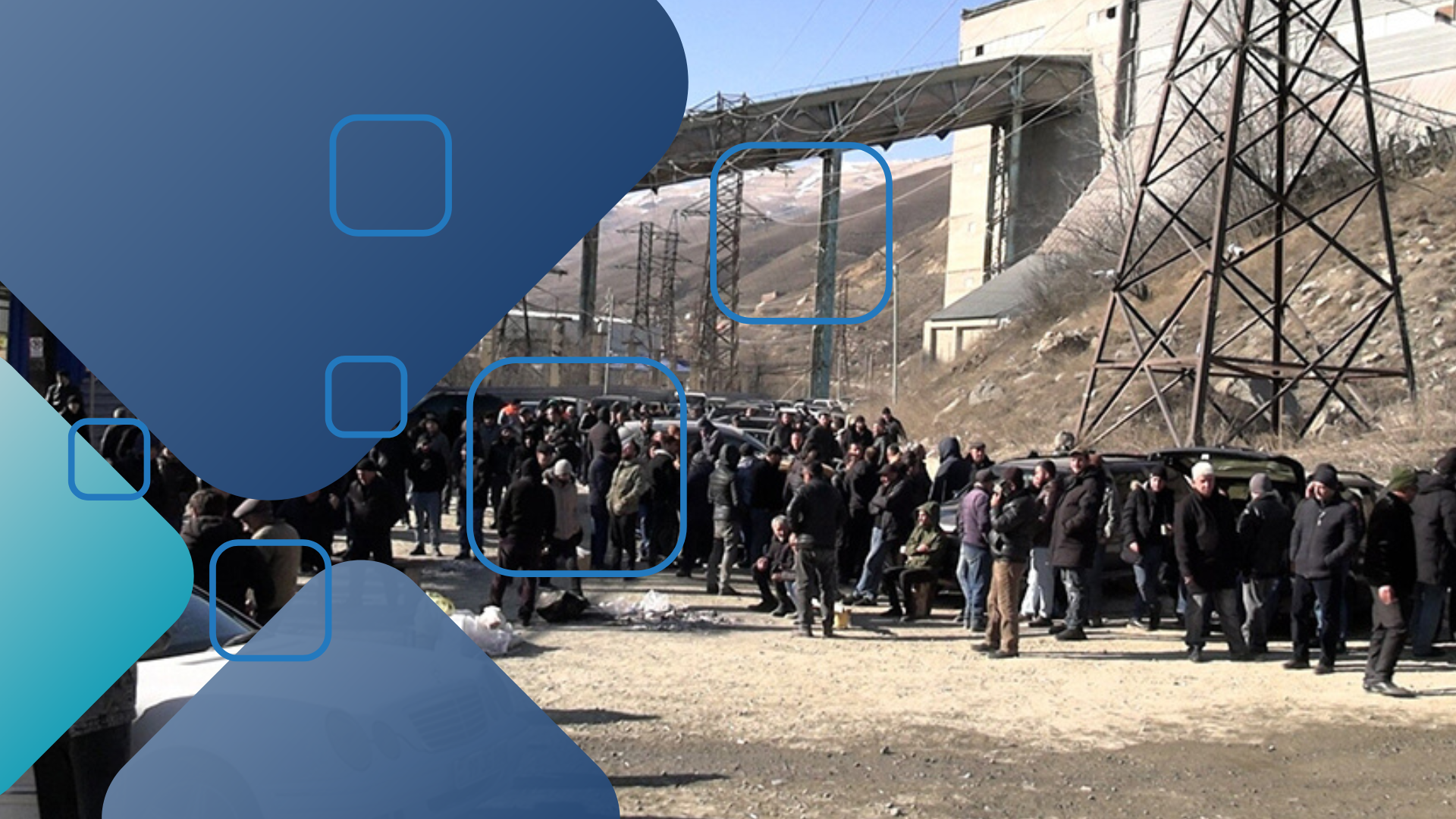
    Production at Armenia’s largest mine has ground to a halt for a fourth day as hundreds of workers strike for better pay and conditions. The walkout, a first for the Zangezur Copper-Molybdenum Combine (ZCMC), began on Friday and shows no signs of abating.

    Workers are demanding a 50% pay rise and improvements to their working environment. Dozens have even resorted to camping inside the ZCMC premises in Kajaran, in the south-east of the country.

    A ZCMC spokesperson confirmed to RFE/RL’s Armenian Service that work has stopped at several of the mine’s production facilities. However, management has dismissed the strike as illegal and threatened legal action against those involved. They claim the protesters represent only a small portion of the 4,600-strong workforce, and that employees earn significantly more than the Armenian average wage. The company states that workers’ monthly salaries range from 329,000 to 594,000 drams (£650-£1,175), far exceeding the national average of 291,000 drams.

    Strike leader Shavarsh Margaryan disputes these figures, arguing that they represent gross pay, not take-home pay. “People earn 30 percent less than those sums,” he said, accusing management of misleading the public.

    To counter the company’s claims about low participation, strike leaders organised a secret ballot, concluding on Monday evening. They claim over 2,400 workers took part. Eduard Pahlevanyan, head of a union representing mining and jewellery workers, confirmed he and other union representatives will meet with ZCMC executives once the ballot is counted.

    Despite the planned meeting, the ZCMC spokesperson has maintained that management “is not going to negotiate with the wrongdoers.” The standoff continues, leaving the future of production at Armenia’s key mine uncertain.

  • Armenia Develops Strategic Molybdenum Export Plan with USAID Support

    Armenia Develops Strategic Molybdenum Export Plan with USAID Support

    A comprehensive export strategy for molybdenum has been meticulously crafted through collaborative efforts between USAID, Ameria Management Advisory, and Modex Consulting, with notable contributions from international expert Andreas Klassen.

    The strategic plan positions molybdenum as a pivotal export product for Armenia, with targeted initiatives aimed at bolstering the country’s global standing in molybdenum production. As reported by Modex, the strategy outlines specific actions designed to enhance Armenia’s competitive position in the international market.

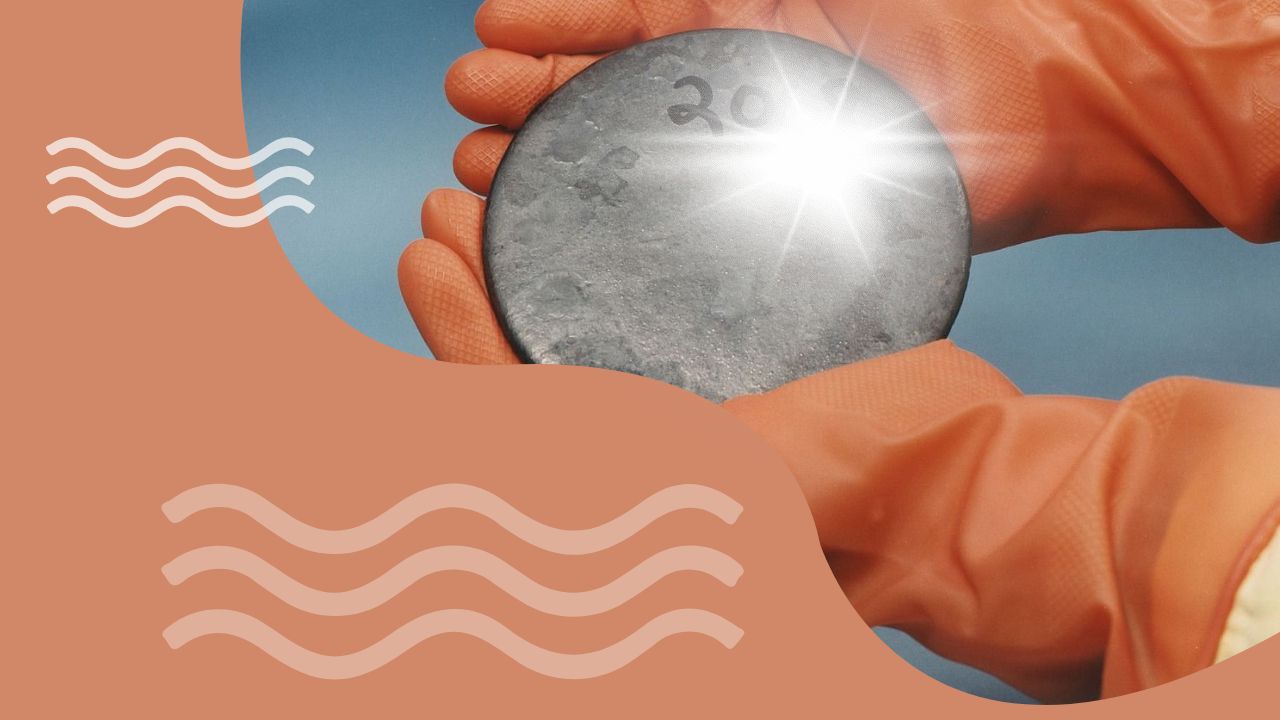
    Molybdenum’s significance in modern industrial applications cannot be overstated. The metal’s exceptional physicochemical properties make it crucial in developing high-performance alloys that ensure equipment strength and corrosion resistance. These specialised alloys find critical applications in diverse sectors, including aerospace, chemical and pharmaceutical manufacturing, and complex architectural engineering.

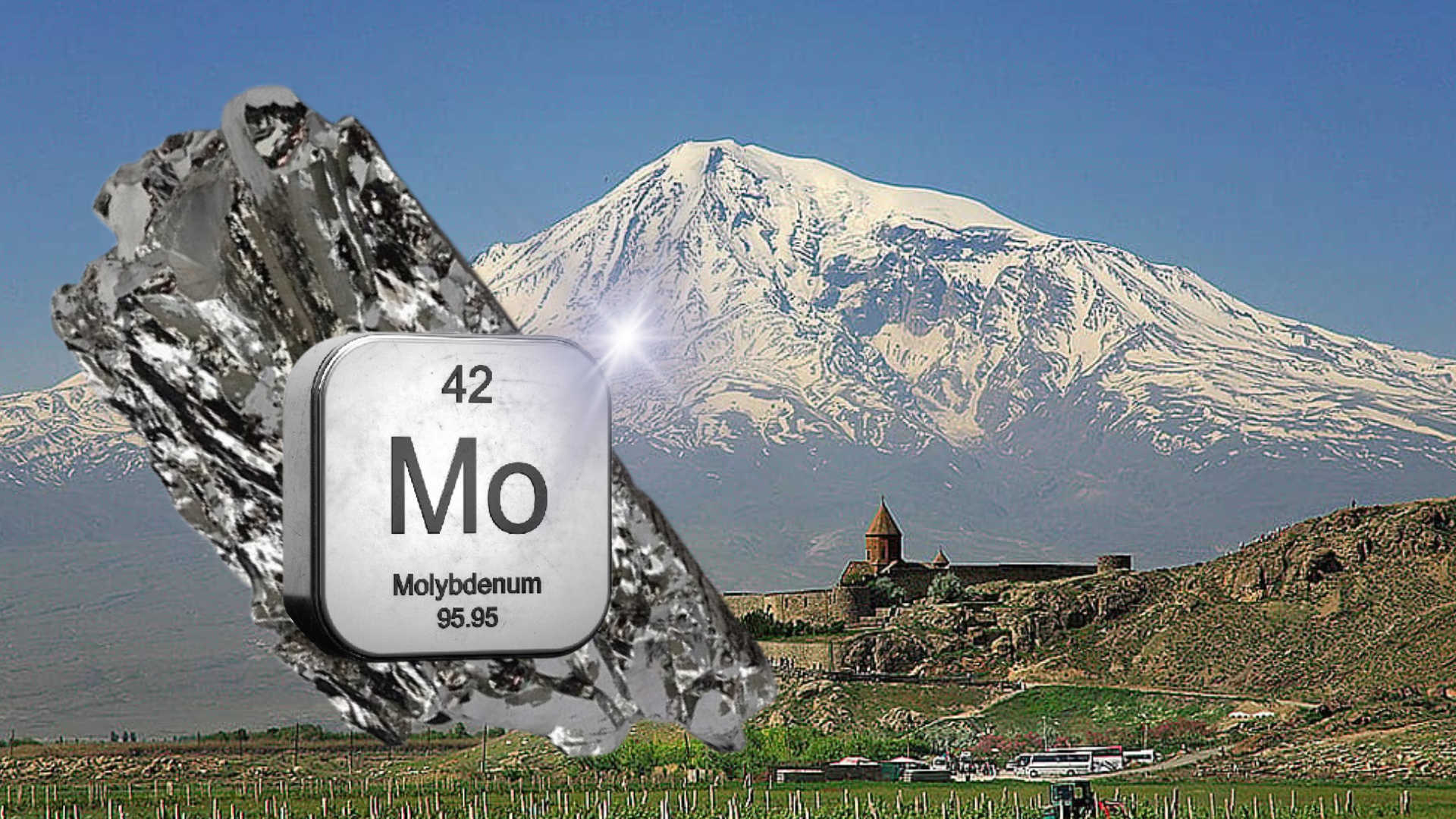
    Armenia has already established itself as a formidable player in global molybdenum production. In 2023, the country secured the sixth position worldwide, producing 10,900 tonnes—representing approximately 4% of global production. The nation trails only behind industrial powerhouses such as China, Chile, the United States, Peru, and Mexico.

    The export strategy’s robustness is underscored by Armenia’s impressive comparative competitive advantage. Using the Balassa index—a metric developed by Hungarian economist Béla Ballasa—Armenia’s molybdenum export competitiveness reached a remarkable 171 in 2023. This index compares a product’s export share within a country’s total exports against its global export proportion.

    Interestingly, despite its significant production capabilities, Armenia remains unaffiliated with the International Molybdenum Association (IMOA), presenting potential future opportunities for international engagement and market expansion.

    The strategic plan draws inspiration from the economic principles of comparative advantage, originally conceptualised by renowned English economist David Ricardo. By leveraging its inherent production strengths, Armenia aims to carve a distinctive niche in the global molybdenum market.

    As the strategy unfolds, stakeholders anticipate strengthened international trade relationships and enhanced economic opportunities for Armenia’s mining and export sectors.

  • Eurasian Resources Group expects a neutral-to-bullish outlook for key metals in 2025

    Eurasian Resources Group expects a neutral-to-bullish outlook for key metals in 2025

    Eurasian Resources Group has shared its market expectations for 2025 and beyond, highlighting several key trends across various metals and industries:

    Copper market growth: The global copper market is expected to grow by 4% year-over-year in 2025, with a compound annual growth rate (CAGR) of 2.5% projected between 2024 and 2034.

    Stainless steel and ferrochrome demand: Development of renewable energy sources like wind turbines, along with record sales in home appliances and consumer goods, is expected to drive strong growth in stainless steel demand, reaching 4.8% in 2025. This growth will significantly benefit the ferrochrome industry.

    Aluminum demand: An average 3% year-over-year growth in aluminum demand is anticipated in 2025, primarily driven by the automotive and renewable energy sectors.

    Cobalt market outlook: While currently in surplus, the global electric vehicle (EV) sector is expected to continue growing and may represent over 60% of cobalt demand by 2030. This is projected to lead to market deficits as cobalt demand outpaces supply by the end of the decade.

    AI impact on metals demand: Artificial intelligence is expected to increasingly boost additional metals demand. Bank of America has estimated that demand directly from data centers for copper could be around 200,000 tonnes per year between 2025 and 2028.

    Overall outlook: Eurasian Resources Group expects a neutral-to-bullish outlook for key metals in 2025, subject to various macro trends and factors such as the economic situation in China, potential trade protectionist measures, and US monetary policy.

    The group notes that while the speed and consistency of economic recovery may be uneven, the long-term fundamentals for metals and minerals in ERG’s product portfolio appear promising.