Website: Asia.com

  • Uzbek Geologists Discover New Coal Seams at Urikli Site

    Uzbek Geologists Discover New Coal Seams at Urikli Site

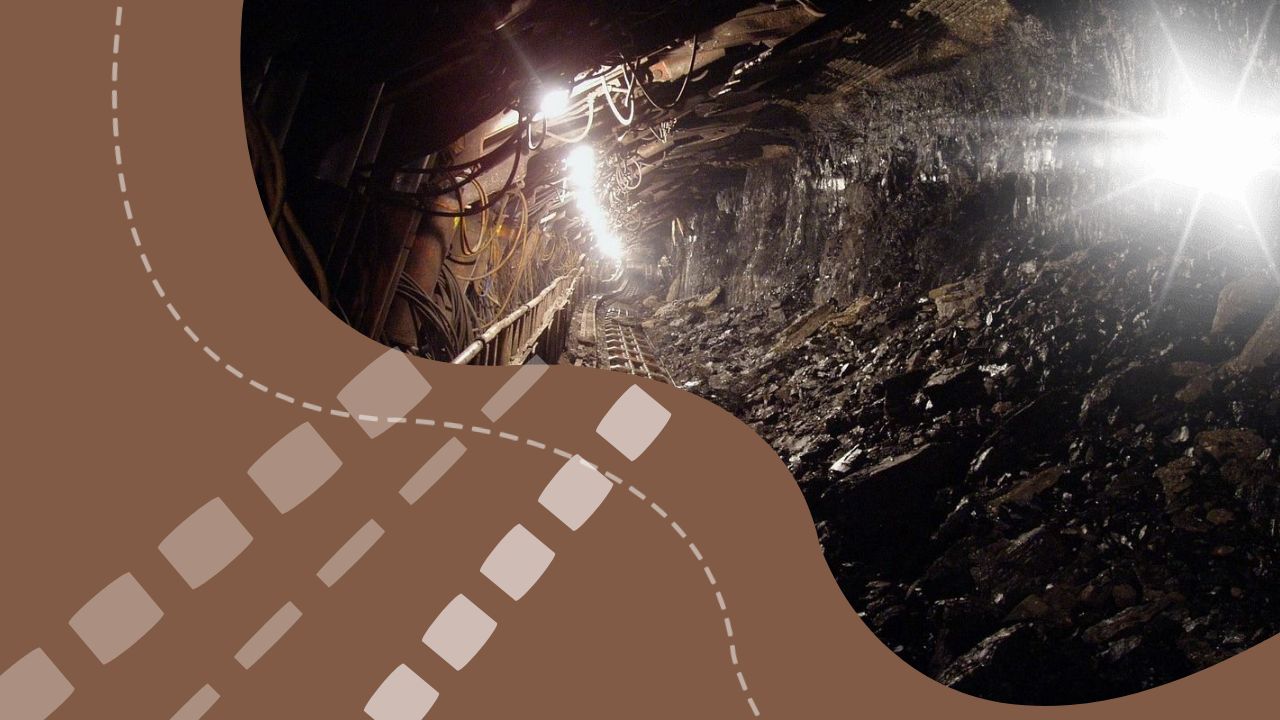
    Specialists from the Surkhandarya Field Expedition, part of the Hissar Central Geological Exploration Expedition under JSC “Uzbekgeologorazvedka,” are conducting underground and surface tunneling operations to assess coal reserves at the Urikli site.

    During the course of the underground exploration, coal seams numbered 3, 4, 5, and 6 were identified. Geological exploration continues, with further assessments underway to determine the full extent and potential of the deposit.

    These efforts form part of a broader initiative to explore and utilize Uzbekistan’s mineral resources more effectively.

  • Uzbekistan Approves Technical Regulation on Mine Hoisting Equipment Safety

    Uzbekistan Approves Technical Regulation on Mine Hoisting Equipment Safety

    The Cabinet of Ministers of Uzbekistan has adopted Resolution No. 269, officially approving the General Technical Regulation on the Safety of Mine Hoisting Equipment. This decision follows Presidential Decree No. PP-91 from February 28, 2024, aimed at organizing the activities of the Agency for Technical Regulation and enhancing safety standards in the industrial sector.

    The regulation sets unified requirements for the design, packaging, labeling, and identification of mine hoisting equipment, as well as outlines procedures for conformity assessment. It also includes a roadmap for the phased implementation of the regulation.

    These updated safety standards are crucial for ensuring the reliability of industrial operations, environmental protection, and the safety of workers.

    According to the resolution, the new regulation will come into force six months after its official publication.

  • Gold Drives Uzbekistan’s Export Surge in Q1 2025, Making Up Nearly Half of Total Shipments

    Gold Drives Uzbekistan’s Export Surge in Q1 2025, Making Up Nearly Half of Total Shipments

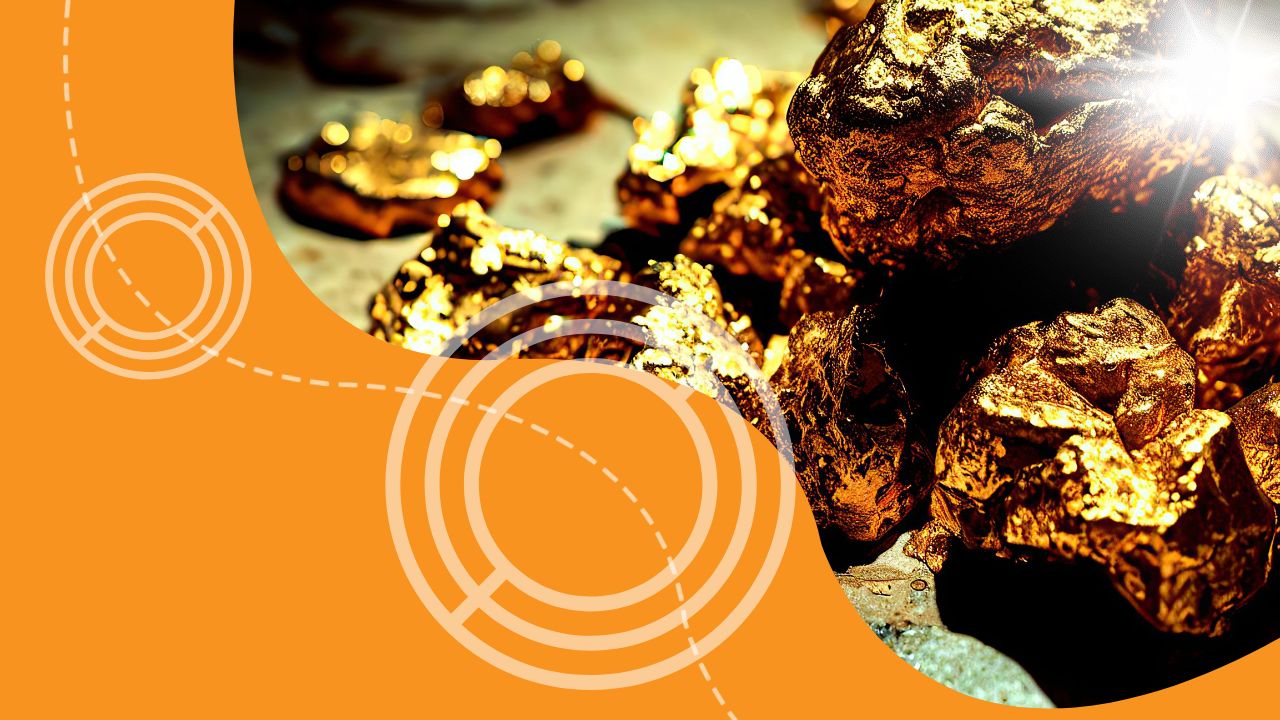
    Uzbekistan’s National Statistics Committee has released its foreign trade data for the first quarter of 2025, revealing that gold remains the country’s top export commodity. According to the report, gold accounted for 44% of total export value, with shipments totaling $3.65 billion—an increase of 36.8% compared to the same period last year.

    The majority of these exports occurred in February and March, a trend driven by rising global demand and soaring gold prices.

    Other notable export figures include coal, coke, and briquettes, which tripled to $400,000, and natural gas, which grew to $94.3 million in value. However, exports of oil and oil products dropped by 16.7% year-on-year to $109.5 million.

    On the import side, Uzbekistan brought in $48.8 million worth of coal, down 7.1% from a year ago. Oil imports also declined to $443.1 million, marking a 16% decrease. The most significant drop was seen in gas imports, which plummeted 8.5-fold to just $38.5 million during the reporting period.

  • Uzbekistan Opens Nation’s First 1,000-Meter Skip Shaft at Zarmitan Mine

    Uzbekistan Opens Nation’s First 1,000-Meter Skip Shaft at Zarmitan Mine

    On April 30, 2025, Uzbekistan marked a historic milestone in its mining industry with the inauguration of the country’s first 1,000-meter-deep skip shaft. The event was held at the Zarmitan deposit, part of the Southern Mining Department in the Koshrabot district of Samarkand Region, under the investment project “Development of Lower Horizons of the Zarmitan Deposit.”

    The ceremonial launch was attended by Deputy Minister of Mining and Geology U. Yusupov, Chairman of the Board of NMMC JSC K. Sanakulov, leaders of the plant’s enterprises, representatives of Mine Construction Alliance S.r.o, media personnel, plant workers, and industry veterans.

    As part of the project, the skip shaft—measuring 6.5 meters in diameter—was deepened to 1,000 meters. This engineering achievement, which incorporates innovative construction solutions and digital technologies, will significantly boost ore transport efficiency, reduce operational costs, and create 90 new jobs. The projected annual economic benefit is estimated at 19.2 billion Uzbek soums.

  • Uzbekistan’s Mining Minister Meets Traxys North America to Boost Investment and Cooperation

    Uzbekistan’s Mining Minister Meets Traxys North America to Boost Investment and Cooperation

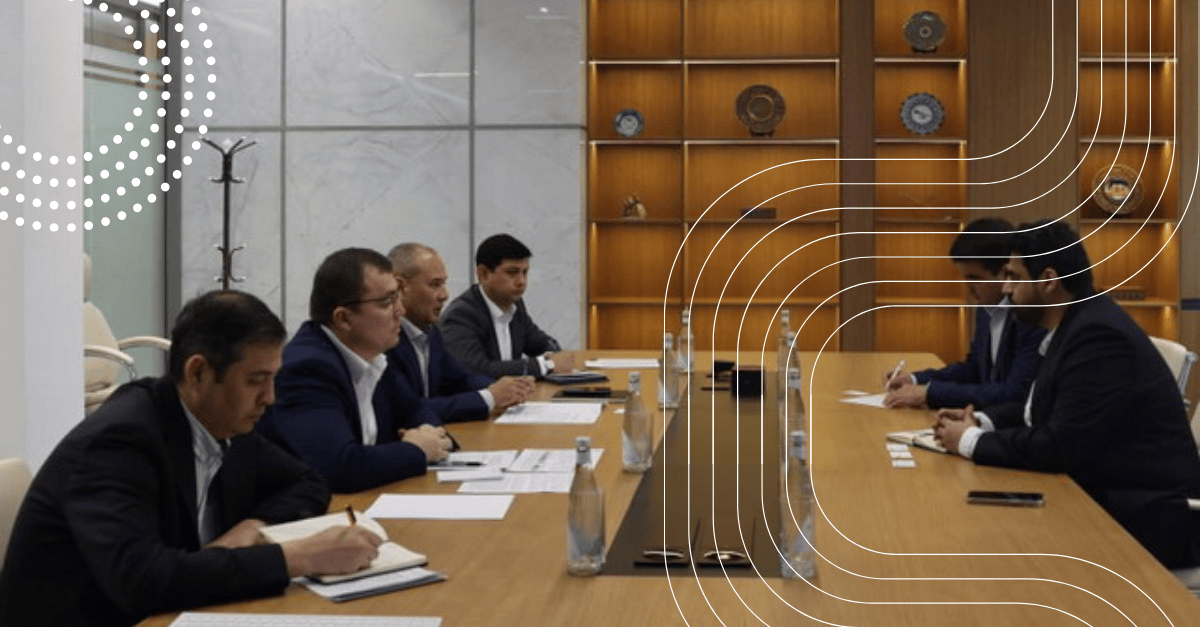
    The Minister of Mining Industry and Geology of Uzbekistan, B. Islamov, held a meeting with a delegation led by Mark Kristoff, President of Traxys North America LLC.


    During the discussions, the delegation was briefed on Uzbekistan’s ongoing reforms aimed at modernizing its mining and geological sectors. The meeting focused on opportunities to strengthen international cooperation, attract foreign investment into mineral exploration, and improve production processes.


    Both parties expressed mutual interest in expanding collaboration, with emphasis on leveraging Traxys’s global experience and capital in support of Uzbekistan’s resource development goals.

  • Production of Rhenium Launched at AGMK

    Production of Rhenium Launched at AGMK

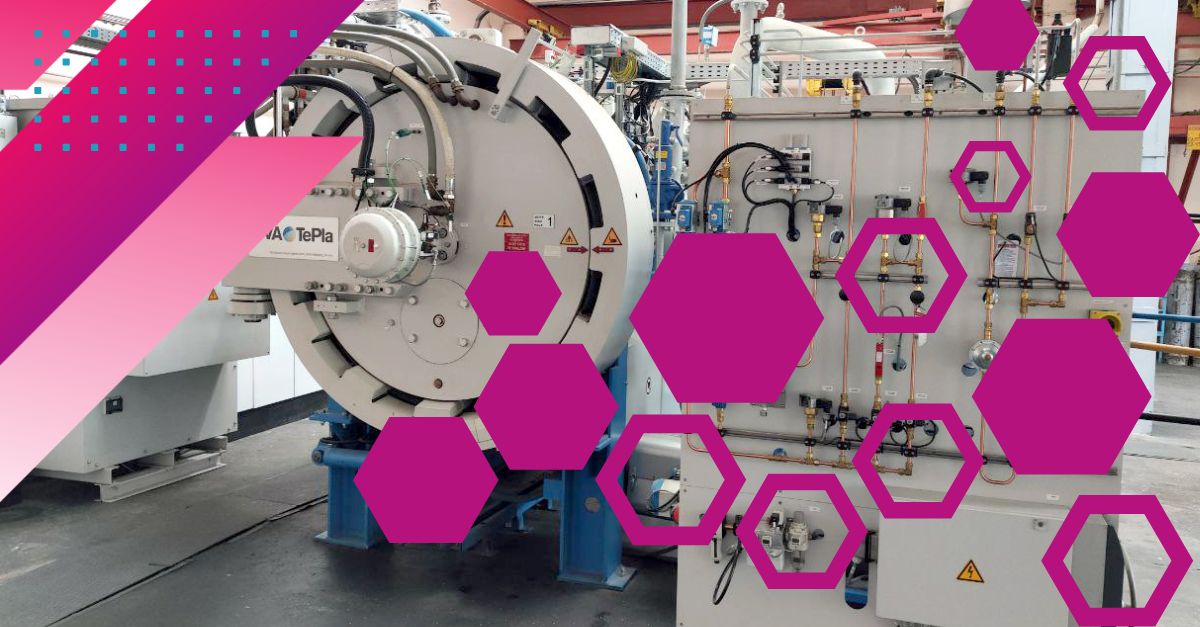
    The Almalyk Mining and Metallurgical Complex (AGMK) has officially commenced the industrial-scale production of rhenium, marking a significant milestone for the Uzbek metallurgical industry. Following years of meticulous research and development, AGMK succeeded in producing rhenium with an impressive purity of 99.9% as early as 2021. This rare and valuable element is extracted from ammonium perrhenate, derived at the copper-smelting plant through hydrogen reduction.

    According to AGMK’s business plan, the launch of large-scale rhenium production was scheduled for 2025. To achieve this goal, the Uzbek Metallurgical Technologies Complex has established a specialised production facility equipped with state-of-the-art German technology. The raw materials required for production are supplied by the copper-smelting plant and other domestic enterprises. AGMK is poised to produce up to three tonnes of rhenium annually.

    A Rare and Versatile Metal

    Rhenium, the 75th element on Mendeleev’s periodic table, boasts exceptional physical and chemical properties, making it indispensable across various industries. As one of the densest and hardest metals, rhenium is integral to:

    • Oil Refining: It serves as a key component in catalysts.
    • Aerospace and Electronics: Critical for advanced manufacturing.
    • Nuclear Industry: Used in thermocouples to measure high temperatures in reactors.
    • Medical Equipment: Vital for the production of devices addressing severe illnesses.
    • Jewellery: Applied as a premium coating for decorative pieces.

    Currently, the global market price for rhenium averages around $2,000 per kilogram, with demand remaining consistently high.

    This new development strengthens AGMK’s position as a significant player in the global market for strategic metals.

  • Solidcore Resources Reports Q1 2025 Production Results, Reaffirms Full-Year Outlook

    Solidcore Resources Reports Q1 2025 Production Results, Reaffirms Full-Year Outlook

    Solidcore Resources plc (“Solidcore” or the “Company”) announced its production results for the first quarter ended 31 March 2025. Despite facing temporary shipment delays that impacted sales, the Company reaffirmed its full-year production and cost guidance, citing confidence in a strong recovery during the second half of the year.

    Chief Executive Officer Vitaly Nesis commented, “While sales have been deferred due to shipment delays, the fundamentals of our business remain solid. We expect a meaningful recovery beginning in May as concentrate stockpiles start to unwind.”

    Operational Highlights:

    • Solidcore recorded no fatalities or lost time injuries among its employees and contractors during the quarter.

    • Gold equivalent (GE) production totaled 68 thousand ounces (Koz), a 42% decrease year-on-year, largely due to delays in concentrate shipments from the Kyzyl mine to Amursk POX, impacted by operational challenges linked to international sanctions.

    • Kyzyl’s production of gold in concentrate rose 6% to 97 Koz due to higher ore grades, though shipment delays led to a stockpile of 41 Koz of payable metal.

    • At Varvara, production fell 10% year-on-year as planned, reflecting lower grades and reduced third-party processing.

    • Sales were notably down to 38 GE Koz from 116 GE Koz a year earlier, resulting in revenue of US$ 109 million, a 63% decline year-on-year. A strong rebound is anticipated in the second half as operations normalize.

    Strategic Developments:

    • Solidcore announced the acquisition of the Tokhtar gold property, located near its Varvara hub. The property adds 1.1 million ounces of JORC-compliant Mineral Resources at an average head grade of 2.4 g/t, bolstering the Company’s long-term growth pipeline.

    • The acquisition of the initial 51% interest is on track to complete in Q3 2025, pending regulatory approvals.

    Outlook: The Company reiterated its full-year guidance of 470 GE Koz in production, with Total Cash Costs (TCC) and All-In Sustaining Costs (AISC) expected within the ranges of US$ 1,000–1,100/oz and US$ 1,350–1,450/oz, respectively.

    Solidcore remains well-positioned to navigate near-term operational hurdles and capitalize on favorable gold market dynamics.

  • China Deepens Grip on Uzbekistan’s Mineral Sector Amid Global Race for Critical Resources

    China Deepens Grip on Uzbekistan’s Mineral Sector Amid Global Race for Critical Resources

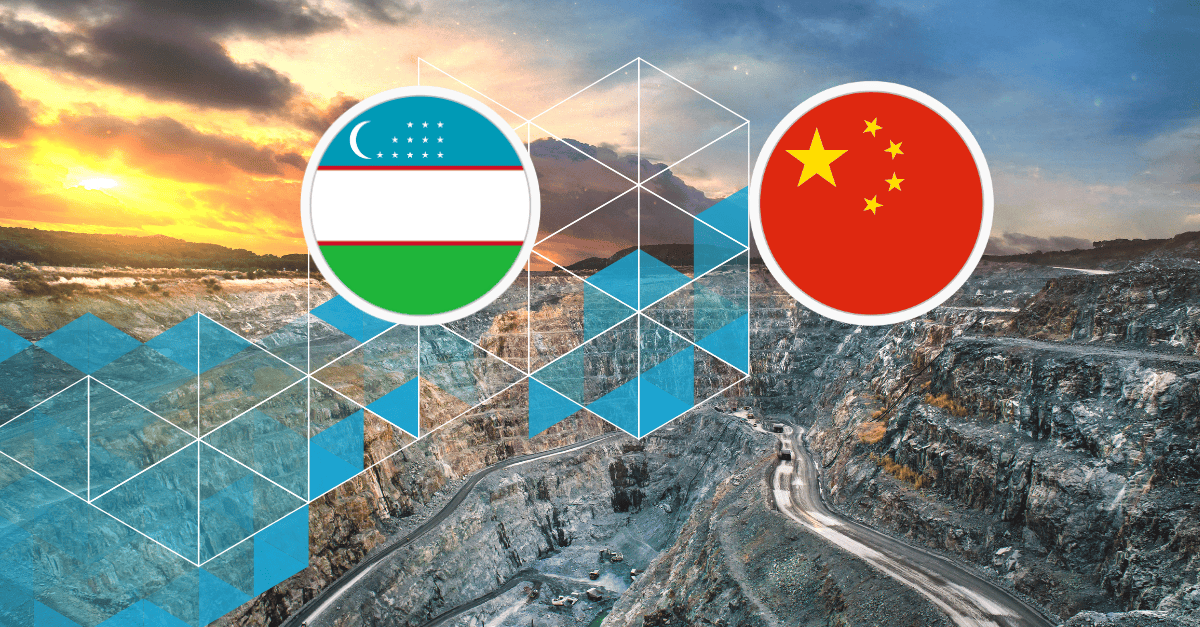
    As global powers intensify their pursuit of critical minerals, Central Asia has emerged as a strategic pivot. Among its nations, Uzbekistan stands out—not only for its rich deposits of copper, tungsten, molybdenum, and rare earth elements, but also for its increasingly central role in China’s mineral strategy.

    Already heavily involved in the region’s energy and infrastructure sectors, China has taken a proactive investment stance in Uzbekistan’s mining industry. In 2024, Limaomaoli Metal Company launched construction of the Syurenata mining complex in Parkent, aimed at processing 1 million tons of iron ore concentrate annually. Simultaneously, China Baoli Technologies is investing $200 million in a non-ferrous metal facility in the Ipak Yuli Free Economic Zone, targeting up to 45,000 tons of annual output with $18 million in export potential.

    Copper, a linchpin in global energy transition efforts, is another key focus. China Mining Energy Group is spearheading a $200 million copper mining project in Chust (Namangan region), expected to yield 30,000 tons per year and create 420 local jobs. Additionally, Boi Yi Da is planning a new copper processing plant in the same region, while a $2.7 billion project to tap copper and silver reserves in Bobotog is under negotiation.

    For Uzbekistan, these ventures promise significant job creation, technological transfer, and a move up the value chain—critical steps toward its goal of becoming a producer of value-added mineral products. They also reflect Tashkent’s broader push to localize mineral processing, boost exports, and attract FDI into downstream sectors.

    For Beijing, meanwhile, these deals help secure raw materials essential for its green economy and industrial resilience, while also reducing reliance on vulnerable maritime supply routes. The copper and iron ore flowing from Uzbekistan may soon become vital to China’s supply diversification strategy.

    Yet, the growing Chinese footprint is not without challenges. Concerns around environmental degradation and transparency in resource deals are mounting. Public unease over Chinese firms acquiring mineral rights is increasingly voiced in Uzbek media and civil society. Moreover, critics warn that unless Chinese investments support advanced processing, Uzbekistan risks becoming locked into the role of a mid-tier raw exporter.

    There’s also increasing Western interest. France has inked uranium deals with Tashkent, and the U.S. recently signed a critical minerals investment agreement. China’s accelerated moves may reflect efforts to edge out competitors and reinforce dominance over global mineral supply chains.

    Ultimately, China’s growing influence in Uzbekistan’s mining sector presents both a strategic opportunity and a test. A long-term, mutually beneficial partnership will require more than capital—it will demand transparency, environmental responsibility, and alignment with Uzbekistan’s industrial transformation goals.

  • Uzbekistan and Saudi Arabia Explore Deeper Cooperation in Mining Sector Reforms

    Uzbekistan and Saudi Arabia Explore Deeper Cooperation in Mining Sector Reforms

    Officials from Uzbekistan and Saudi Arabia held high-level talks this week to discuss expanding cooperation in the mining sector, with a focus on reform, localization, and industrial collaboration.

    On 23 April, Uzbekistan’s Ministry of Mining Industry and Geology hosted a delegation led by Nasser Albakran, Director at Saudi Arabia’s Ministry of Energy. The meeting in Tashkent was attended by First Deputy Minister Oybek Nasritdinkhodjaev, Deputy Minister Ulugbek Yusupov, and other Uzbek mining officials, including Director Mirabdulla Ilkhamov of the State Scientific-Practical Center for Localization and Industrial Cooperation Development.

    The discussions centered on Uzbekistan’s ongoing reforms in mining and geology, and the country’s aim to enhance local content in investment projects. Both sides expressed interest in strengthening bilateral ties and sharing experience in industrial localization and cooperation.

    The talks underscore growing regional interest in Uzbekistan’s mineral wealth and its strategy to attract foreign partners for technology transfer, sustainable development, and local industry growth.

  • Navoi Mining and Metallurgical Combine Expands Capacity at Tech Waste Recycling Plant

    Navoi Mining and Metallurgical Combine Expands Capacity at Tech Waste Recycling Plant

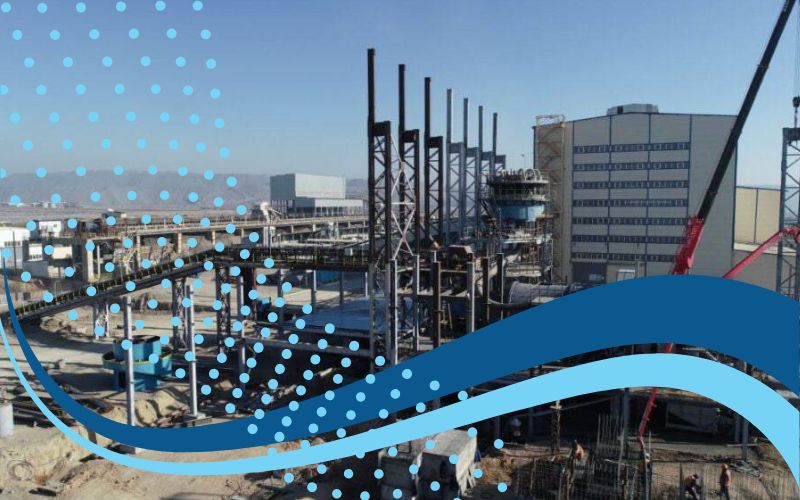
    Navoi Mining and Metallurgical Combine (NGMC) continues its ambitious expansion drive with significant progress reported at Hydrometallurgical Plant 7 (GMZ-7) – a facility specializing in processing technogenic waste.

    Located in the Kyzylkum Desert, GMZ-7 stands as a testament to NGMC’s commitment to sustainable development. Unlike other hydrometallurgical plants in the combine, GMZ-7 boasts the unique advantage of eliminating the costs associated with ore mining, processing, sorting, and transportation.

    Having processed 16 million tonnes of technogenic waste in 2024, GMZ-7 aims to reach 19 million tonnes this year. Further cementing this commitment, NGMC has initiated a major investment project: “Expansion of Processing Capacity of Hydrometallurgical Plant No. 7,” slated for completion in 2030.

    “Within the framework of the Sustainable Development Programme of JSC ‘NGMK’, construction work is underway for installing four new mills, each with a capacity to process 10 million tonnes of technogenic waste annually. These additions will bring the total number of mills on site to ten. Two of the new mills have already been commissioned. Essential equipment and spare parts are being localised and manufactured by Navoi Machine-Building Plant and Zarqush Repair and Mechanical Plant,” explained Olzhon Akhatov, Deputy Chief Engineer at GMZ-7.

    Further expansion plans include extending several factory sections, marking a crucial step towards boosting production volumes.

    These investments underline NGMC’s dedication to technological innovation and responsible resource management, showcasing its position as a leader in sustainable industrial practices.