Website: Asia.com

  • New Lime Plant Under Construction at Almalyk Mining and Metallurgical Complex

    New Lime Plant Under Construction at Almalyk Mining and Metallurgical Complex

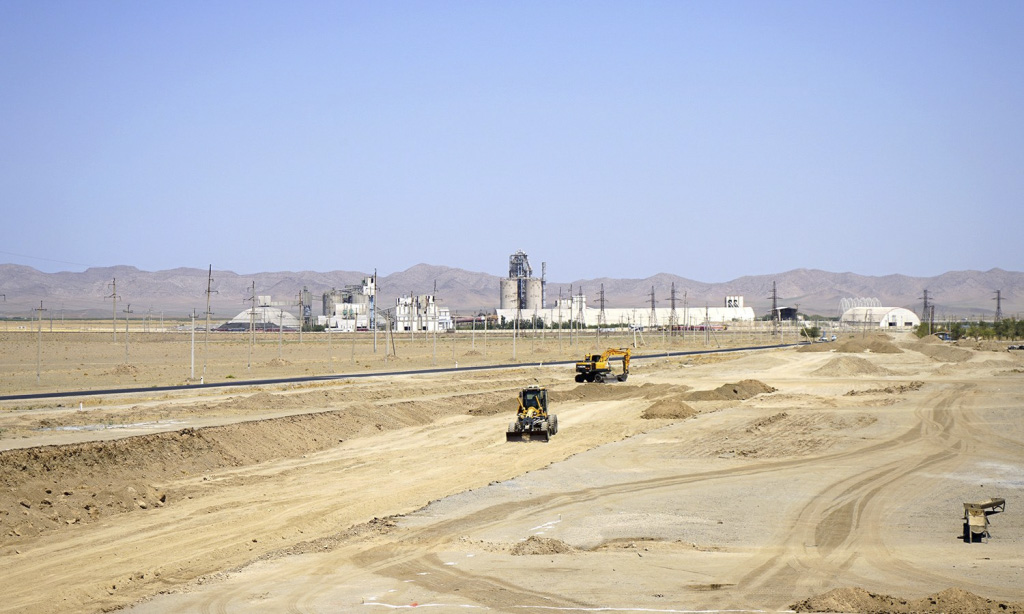
    In a significant move towards industrial modernisation, the Almalyk Mining and Metallurgical Complex (AMMC) is constructing a new lime plant in the Farish district of the Jizzakh region as part of the investment project ‘Development of the Yoshlik I Deposit’. This project is strategically vital for ensuring a continuous and efficient supply of raw materials and reagents to production enterprises, aiming to elevate the industrial potential of the region.

    The total cost of the project, which is being implemented in accordance with the Presidential Decree of the Republic of Uzbekistan No. PP-4731 dated May 2, 2020, amounts to $99.9 million. Once operational, the plant will produce 2,200 tonnes of lime daily, equating to 737,000 tonnes annually. A notable feature of the facility is its full adaptation to operate on coal fuel, which is expected to significantly reduce production costs.

    The financial structure of the project highlights AMMC’s capability to independently and transparently attract external financing. An EPC contract has been signed with the Chinese company Jiangsu Pengfei Group Co., Ltd., with an advance payment of $15 million already disbursed. Additionally, a loan agreement for $84.8 million has been secured with the Bank of China, backed by insurance from Sinosure.

    The raw material base for the plant will consist of local limestone deposits ‘Chimkurgon-1’ and ‘Chimkurgon-2′, located in the Farish district, allowing for complete localisation of the production chain. The project is also set to create 323 new jobs in the region.

    As of August 10, 2026, all necessary expert procedures for the investment project have been successfully completed, and the technical and economic justification for the project has been officially approved by the Cabinet of Ministers. The general contractor has manufactured modern technological equipment valued at $60 million, which is ready for shipment. Furthermore, positive conclusions have been obtained from urban planning, industrial safety, and state architectural and construction control authorities, enabling the official commencement of construction works.

    Currently, construction activities are actively progressing on the 21.2-hectare site. Mobilisation works have been fully completed, and 20 units of special equipment have been brought to the construction site. Concrete slabs have been laid in the administrative and domestic complex, dining hall, and workers’ dormitories, with wall construction ongoing. Importantly, excavation work for the foundations of the main technological installations has begun.

    Simultaneously, the construction of railway infrastructure necessary for transporting finished products and organising efficient logistics is advancing rapidly. Excavation and soil relocation works have been completed, with a total volume of 37,100 cubic metres, achieving 95% readiness. A total of 2,264 concrete sleepers and special beams for switch points have been delivered to the industrial site.

    To ensure stable energy supply to the facility, grounding and cable channel installation works have been completed. Four supports for a 110 kV overhead power line have been installed, and the construction of platforms and concrete bases for two transformer substations, each with a capacity of 16,000 kVA, has been finalised.

    A workforce of 106 highly qualified specialists and workers is currently engaged on the construction site. Resource distribution is being managed according to the project’s priority directions: 80 workers are focused on building administrative and residential facilities, 18 are involved in constructing the railway branch, and 8 specialists are executing complex electrical installation works.

    The systematic and sequential implementation of this investment project will lay a crucial foundation for ensuring the production capacities of the Almalyk Mining and Metallurgical Complex with domestic raw materials. The modern plant, being constructed with advanced technologies, is expected to accelerate the development pace not only of AMMC but also of the entire industry in New Uzbekistan in the coming years.
  • Talco Extends non-binding Agreement to Acquire 60% Stake in Eastern Aluminum Extrusion Factory

    Talco Extends non-binding Agreement to Acquire 60% Stake in Eastern Aluminum Extrusion Factory

    Saudi Arabia’s Al Taiseer Group Talco Industrial Company has announced a six-month extension of its non-binding memorandum of understanding (MoU) to acquire a 60% stake in the Eastern Aluminum Extrusion Factory, located in Dammam. This extension, which will last from August 24, 2026, to February 23, 2027, provides additional time for the completion of due diligence procedures, as stated in Talco’s filing to the Saudi Exchange.

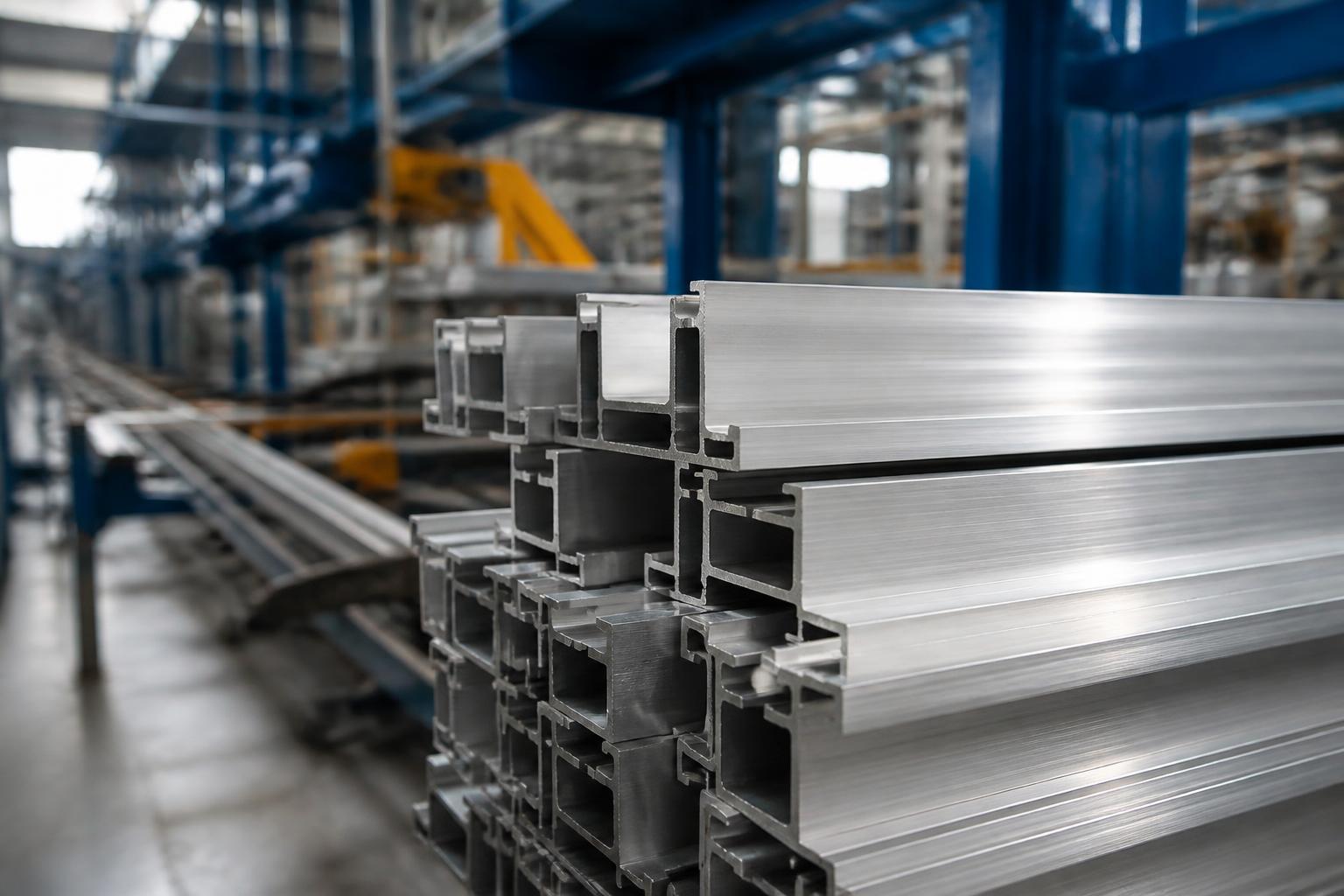
    Founded in 1976, Talco has established itself as a pioneer in the manufacturing of aluminum-related products within Saudi Arabia and the broader Gulf region. The company currently boasts a production capacity of up to 60,000 metric tonnes per annum, catering to the global market. The initial MoU was signed in November 2025, and the agreement has already seen a previous extension in March 2026.

    Talco’s core business segments include aluminium extrusion and thermoset powder coating, which encompasses advanced polyester and epoxy metal coatings. Additionally, the company manufactures various accessories, such as rubber gaskets and weatherstrips, designed for sealing systems. The ongoing procedures related to the proposed transaction indicate that Talco is committed to expanding its footprint in the aluminium sector, which is crucial for the development of infrastructure and manufacturing capabilities in the region.

    As the deadline for the MoU approaches, industry observers will be keen to see how this acquisition could enhance Talco’s operational capabilities and market presence. The aluminium industry is witnessing significant growth, driven by increasing demand in construction, automotive, and packaging sectors, making this acquisition a strategic move for Talco in maintaining its competitive edge.


  • Kazakhmys and CNCEC Consortium to Construct New Sulfuric Acid Plant at Zhezkazgan Smelter

    Kazakhmys and CNCEC Consortium to Construct New Sulfuric Acid Plant at Zhezkazgan Smelter

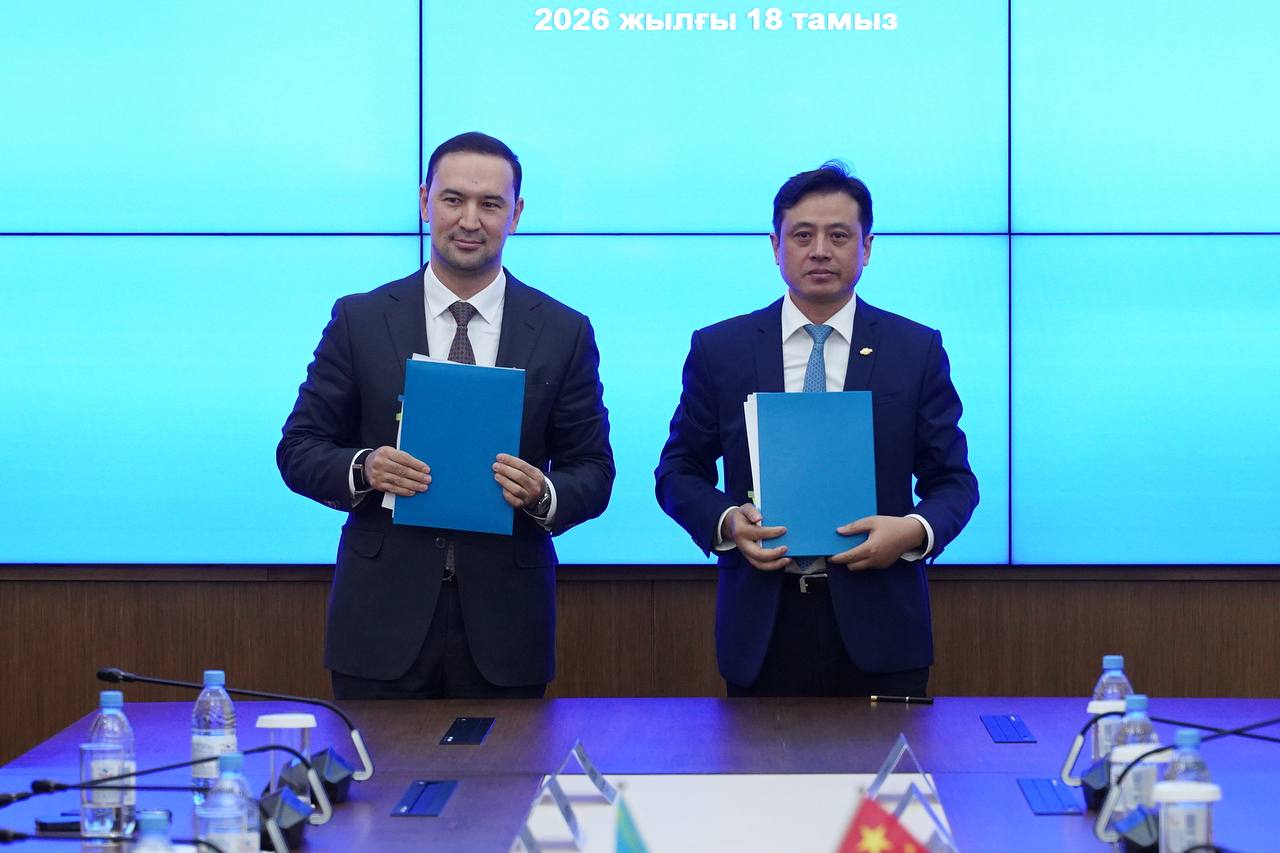
    Kazakhmys, a leading player in the mining and metallurgy sector, has announced a significant development in its operations with the signing of an agreement with a consortium from the China National Chemical Engineering Company (CNCEC) to construct a new sulfuric acid plant at its Zhezkazgan copper smelter in Kazakhstan. The engineering, procurement, and construction (EPC) contract is valued at approximately $213.76 million, marking a substantial investment in the modernization of the facility.

    The decision to build the new sulfuric acid plant is part of a broader initiative aimed at modernizing the Zhezkazgan copper smelter and aligning it with contemporary environmental standards. The existing metallurgical gas utilization infrastructure, which dates back to the 1970s, is in dire need of technological upgrades. The project will not only involve the construction of the new production facility but also the modernization of the process gas capture and purification system, which will include the installation of advanced equipment such as converter enclosures, cooling towers, and electrostatic precipitators.

    One of the key goals of this project is to enhance the efficiency of gas capture, with expectations that the new system will achieve a capture rate of 99%. Furthermore, the residual sulfur dioxide concentration in the treated gases will meet the stringent requirements outlined in the international Best Available Techniques Reference Documents (BREF), significantly reducing SO₂ emissions and the overall environmental impact of the Zhezkazgan smelter.

    The new sulfuric acid plant is designed to have a production capacity of 350,000 tons per year and will be capable of processing up to 300,000 normal cubic meters of process gases per hour. The commissioning of the plant is tentatively scheduled for 2028, with full-scale mobilization and preparatory work expected to commence by the end of 2026. The construction and installation phase is projected to take around 29 months.

    This initiative is a crucial part of Kazakhmys’ long-term modernization program for the Zhezkazgan copper smelter, aimed at improving the reliability of the gas purification system and ensuring compliance with modern environmental regulations. Kazakhmys Group, known for its vertically integrated operations in mining and non-ferrous metallurgy, ranks among the top producers globally, holding the 20th position in copper-in-concentrate production and 12th in blister and cathode copper production, according to the company’s website.


  • Kazakhstan at the Centre of New Uranium Shortage Amid Rising Demand for Nuclear Energy

    Kazakhstan at the Centre of New Uranium Shortage Amid Rising Demand for Nuclear Energy

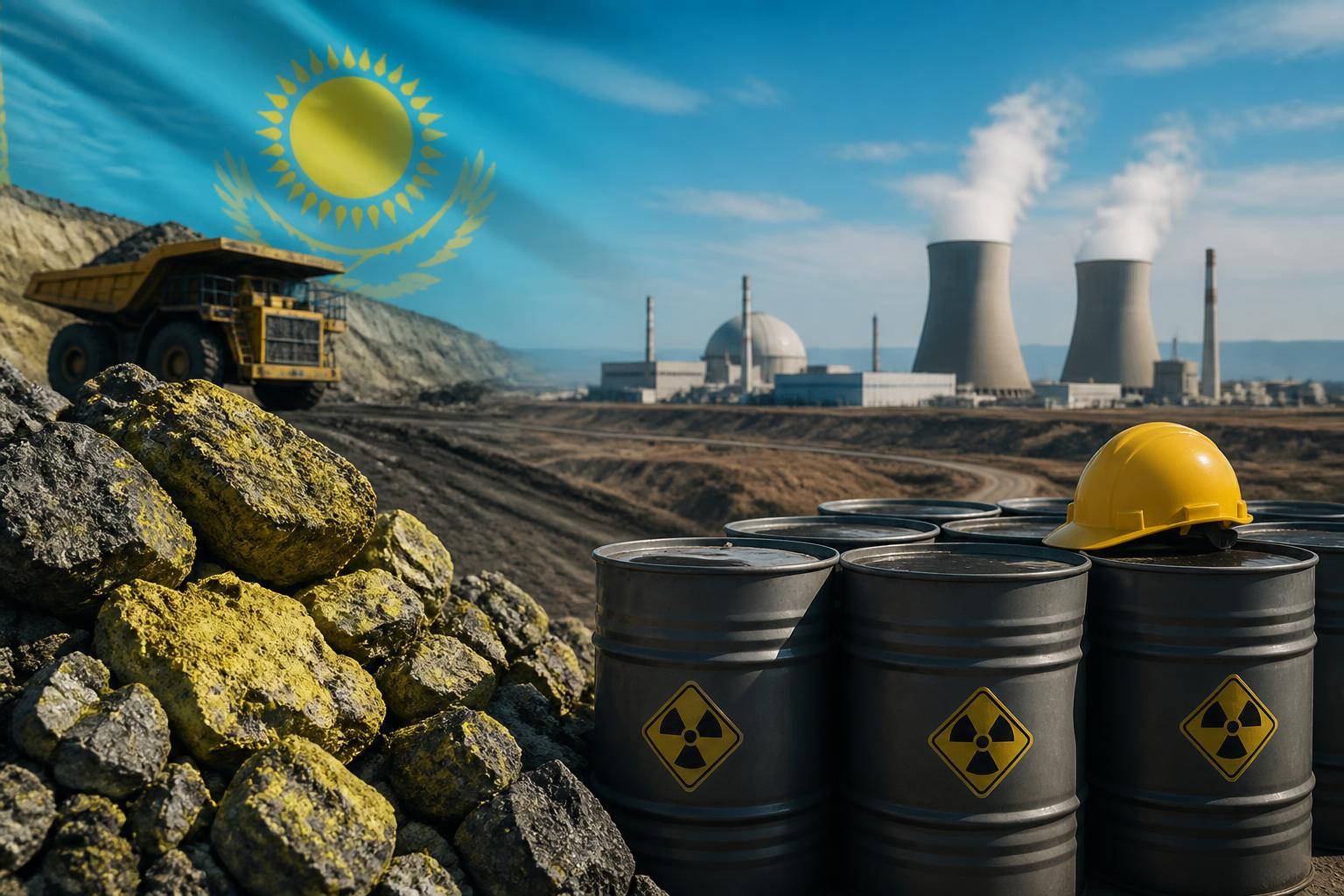
    Kazakhstan has emerged as a pivotal player in the global uranium market, currently facing a significant shortage of this critical mineral due to an upsurge in demand driven by renewed interest in nuclear energy. Anna Bryndza, Executive Vice President for International Affairs at the pricing agency UxC, discussed the complexities surrounding uranium extraction during a recent podcast with World Nuclear News (WNN). She highlighted that uranium mining remains one of the most challenging phases of the nuclear fuel cycle, compounded by supply disruptions, geopolitical risks, trade sanctions, construction delays, and rising production costs.

    Kazakhstan is responsible for approximately 40% of the world’s natural uranium oxide production, serving as a stable source of this energy resource for nuclear power plants in countries such as the USA, Russia, France, India, and China. Bryndza noted that the current deficit in uranium supply will not be resolved quickly, as new capacities are required across all sectors of the nuclear fuel market. The industry is responding to clear price signals, indicating a pressing need for timely operationalisation of new capacities to meet forecasted demand.

    Recent announcements from companies engaged in the nuclear fuel cycle, including Orano, Urenco, and Solstice, regarding major production expansion projects, have been viewed positively. However, there is a cautious approach to increasing supply, influenced by past experiences, particularly the long-lasting effects of the Fukushima disaster, which severely disrupted supply chains. Suppliers are now meticulously planning their expansion rates to ensure they align with actual demand rather than mere signals.

    Since the early 2010s, Kazakhstan has been ramping up uranium production, but the market faced a downturn following the Fukushima incident in 2011. Production levels from 2015 to 2024 fluctuated between 19,500 and 24,700 tonnes, with Kazatomprom and its affiliates aiming to produce between 27,500 and 29,000 tonnes this year, up from 25,800 tonnes last year. The peak of low-cost uranium production in Kazakhstan is expected to occur in the early 2030s.

    Bryndza also pointed out that recent geopolitical events have shifted the perception of nuclear energy and uranium supply towards national security concerns. This has led to government policies aimed at ensuring domestic capabilities, particularly regarding high-assay low-enriched uranium (HALEU), which is becoming increasingly important for the next generation of small modular reactors. Currently, there is no established market for HALEU, and significant gaps must be addressed to create a viable supply chain.

    UxC, known for its price information services, has been publishing uranium price indicators for over three decades. The agency’s approach to pricing aims to encompass a broad range of market participants, facilitating collective decision-making and enhancing the effectiveness of price indicators. Despite Kazakhstan’s status as a leading uranium producer, global prices for this critical mineral are set abroad, raising questions about how UxC’s pricing impacts Kazatomprom’s revenues and tax contributions to the state.


  • China’s Ambitious Plans for a New Gold Hub in Hong Kong

    China’s Ambitious Plans for a New Gold Hub in Hong Kong

    This summer marked a significant shift in the global gold market as Hong Kong initiated trial trading under a new centralized settlement system for precious metals. This development is poised to alter the dynamics of gold trading worldwide, as China continues to establish a sovereign mechanism for trading and settling transactions in physical gold. In January 2026, the Hong Kong government and the Shanghai Gold Exchange signed a cooperation agreement to create a government-owned entity, the Hong Kong Precious Metals Centralized Settlement Company, known as ‘Gondzin Settlements’. This system offers a comprehensive range of gold-related services, from the deposit and withdrawal of physical gold to the settlement of transactions, including over-the-counter deals.

    The Gondzin Settlements system is seamlessly integrated with a network of certified vaults, allowing for efficient management of both cash balances and physical gold operations. A massive certified vault capable of holding 2,000 tonnes of gold is set to be constructed in Hong Kong, significantly surpassing the UK’s gold reserves, which were approximately 310 tonnes this spring. Establishing such a vault is a complex task, requiring robust physical security and risk management systems, but China appears undeterred.

    The urgency of establishing a gold hub in Hong Kong has been amplified by recent geopolitical tensions, particularly the ongoing conflict in the Persian Gulf, which has threatened the stability of existing gold trading hubs in the United Arab Emirates. Experts suggest that the creation of the Hong Kong gold hub is part of a long-term strategy by Beijing to enhance the yuan’s status as a global reserve currency, backed by physical gold, reminiscent of the Bretton Woods system.

    Interestingly, the recent five-year socio-economic development plan for Hong Kong, which extends to 2030, notably omits any mention of the gold hub, raising questions about its future integration into the broader economic strategy. The system also offers clients the option to operate through ‘unallocated’ accounts, allowing for faster transactions without the need to physically move gold bars.

    In partnership with the Shanghai Gold Exchange, the ‘Delivery Connect’ service has been launched to facilitate cross-border transactions and gold movement between Hong Kong and mainland China. The Gondzin Settlements has become an international member of the Shanghai Gold Exchange, enabling market participants to store physical gold in designated warehouses in Hong Kong, ensuring its free movement.

    China is effectively creating its own ecosystem for precious metal trading, attracting participation from major global banks, including JPMorgan, HSBC, and UBS. One potential outcome of this system is the decoupling of gold prices from the traditional London fixing, which has been dominated by the London Bullion Market Association (LBMA) for the past decade. The Hong Kong hub is being positioned as an alternative to London, with the potential to establish its own pricing mechanism if it achieves sufficient trading volumes.

    The status of ‘Good Delivery’, a standard set by the LBMA for gold and silver bars, is also a topic of interest. Currently, only bars from refineries with Good Delivery status are accepted in the new Chinese system, but there is potential for Gondzin Settlements to develop its own standards in the future. This ambitious Chinese initiative increases the demand for gold imports, particularly from Russia, which has seen a significant rise in gold exports to Hong Kong, from under $1 billion in 2022 to $10.8 billion last year. This trend not only reflects rising gold prices but also growing physical volumes.

    The establishment of the Hong Kong gold hub opens up new avenues for Russian companies and banks, particularly in circumventing sanctions through alternative payment methods. Despite Western threats of secondary sanctions, China has not turned away from Russian gold, indicating a complex interplay of geopolitical and economic factors that will shape the future of the global gold market.


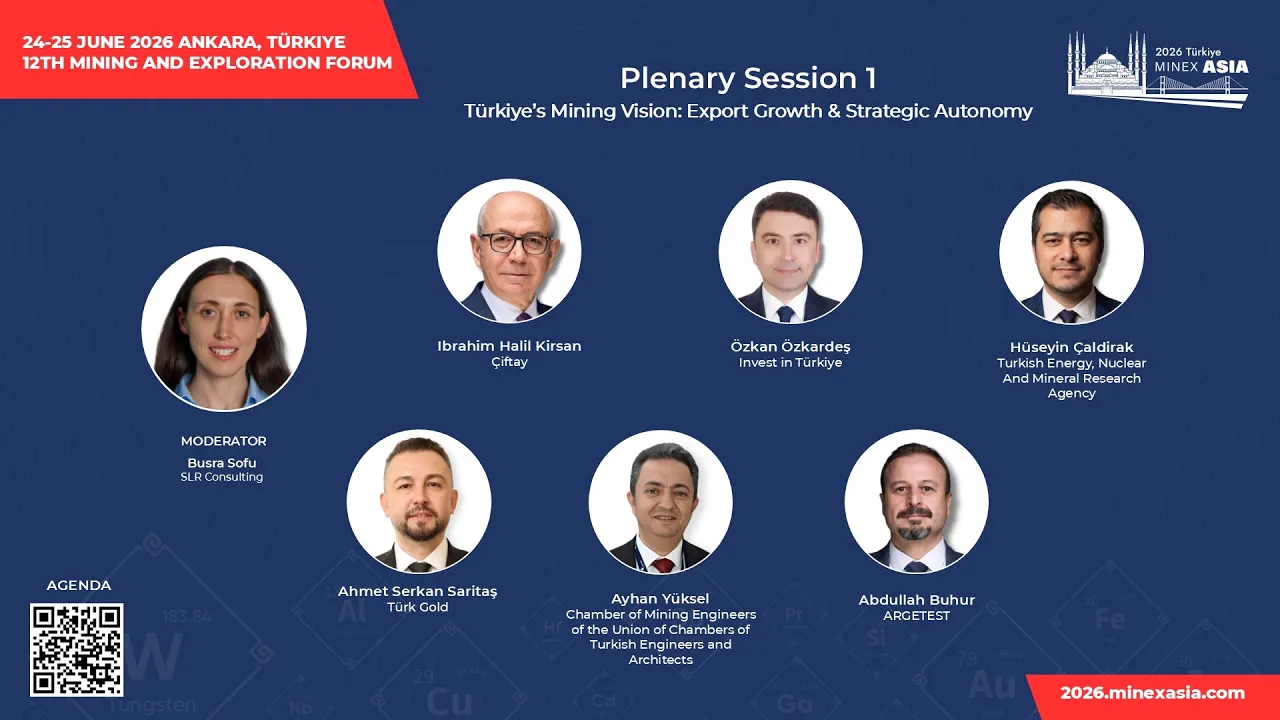
  • MINEX Asia 2026 – Türkiye’s Mining Vision: Export Growth & Strategic Autonomy

    MINEX Asia 2026 – Türkiye’s Mining Vision: Export Growth & Strategic Autonomy

    Plenary Session 1 – Türkiye’s Mining Vision: Export Growth & Strategic Autonomy

    Background

    Driven by a state target to scale solar and wind capacity to 120 gigawatts by 2035, Türkiye is pivoting from a traditional exporter of raw minerals into a high-value midstream refining hub. This structural shift moves beyond the historical “dig-and-ship” model, prioritising domestic value-chain integration and technological sovereignty. The cornerstone of this ambition is the world-class Beylikova rare earth elements (REE) project in Eskişehir.

    Key themes

    Downstream Industrialisation: Mandating local, midstream refining to ensure raw geological wealth is directly converted into high-value manufacturing inputs.
    Geopolitical Integration: Positioning Türkiye as a secure, ESG-compliant partner bridging Western supply chains with Eurasian mineral wealth.
    Regulatory Streamlining: Centralising ministerial oversight to accelerate strategic permitting while ensuring strict alignment with international standards like the EU Green Deal.

    Moderator

    Busra Sofu
    Senior Mining Engineer – Advisory
    SLR Consulting

    Speakers:

    Critical Mineral Needs and Turkey’s Mining Perspective in Light of Energy Transition and Digitalisation
    Ibrahim Halil Kirsan
    TOBB Turkey Mining Council President, ÇIFTAY Board Member
    Mining Council, TOBB, ÇİFTAY

    Why Invest in Türkiye?
    Özkan Özkardeş
    Project Manager
    Invest in Türkiye

    Türkiye’s Mining Vision: Export Growth & Strategic Autonomy
    Ahmet Serkan Saritaş
    Deputy General Manager – Technical
    Türk Gold Corp.

    What should be the changes in Turkey’s mining legislation and the fundamental principles of national mining policy?
    Ayhan Yüksel
    Chairman of the Board of Directors
    Chamber of Mining Engineers of the Union of Chambers of Turkish Engineers and Architects (TMMOB)

    The Role of Geochemical and Metallurgical Laboratories in End-to-End Data Generation Across the Mining Value Chain
    Abdullah Buhur
    Deputy General Manager, Laboratory Services
    ARGETEST

    Türkiye’s R&D and Production Vision in the Rare Earth Elements Ecosystem
    Hüseyi̇n Çaldırak
    Group Manager | Senior Researcher
    Turkish Energy, Nuclear And Mineral Research Agency | Rare Earth Elements Research Institute


    #TurkeyMining #CriticalMinerals #RareEarthElements #EnergyTransition #MiningIndustry #StrategicAutonomy #SustainableMining

  • Investment Programme Advances at Nurkazgan Mine with New Infrastructure Developments

    Investment Programme Advances at Nurkazgan Mine with New Infrastructure Developments

    The Nurkazgan mine’s Western section is undergoing significant advancements as part of its investment programme aimed at enhancing production infrastructure and improving extraction efficiency. A key milestone in this initiative is the construction of a crushing and conveyor complex, along with ore pass No. 16, located at a depth of -140 metres. This project is set to facilitate the continued extraction of lower levels of the deposit and enable the transition to continuous ore transportation to the surface. Over 8.4 billion tenge will be allocated for the creation of this autonomous infrastructure network across various levels of the mine.

    The majority of the funding, exceeding 6 billion tenge, is earmarked for the construction of the crushing and conveyor complex at the -140 metre level, which is expected to commence operations by the end of 2026. The remaining funds will support the establishment of a service base, which will be relocated underground to optimise processes. Plans for 2027 include the commissioning of an underground explosives storage facility with a capacity of 30 tonnes at the 0 metre level, alongside the launch of a repair station. By 2028, the construction of a refuelling station at the -60 metre level is anticipated to be completed.

    The necessity for extensive modernisation stems from the progressive shift of mining operations to deeper levels of the mine, and subsequently, the development of the Eastern section of the Nurkazgan deposit. As part of the project, builders are excavating conveyor drifts, transfer chambers, and crushing chambers, where technological equipment will soon be installed. The rock mass will be transported by load-haul-dump (LHD) machines over minimal distances and dropped into the ore pass, where a crushing complex will be installed to process large rock blocks.

    A significant advantage of this project is its execution by the Corporation’s own resources. All phases of the work are being carried out by internal specialised divisions and relevant services, ensuring a high level of coordination, quality of work, prompt resolution of emerging issues, and effective use of internal resources. The management, coordination, and support of the project are overseen by the Capital Production Projects Department. Construction and installation work is being performed by the G. Omarov Shaft Construction Trust, while the installation of conveyor equipment is managed by the Repair and Mechanical Specialised Management. The manufacturing of technological equipment and metal structures is provided by Maker LLP. Quality control of mechanical and electrical work is conducted by the respective services of the chief mechanic and chief energy specialist of Nurkazgan TKO.

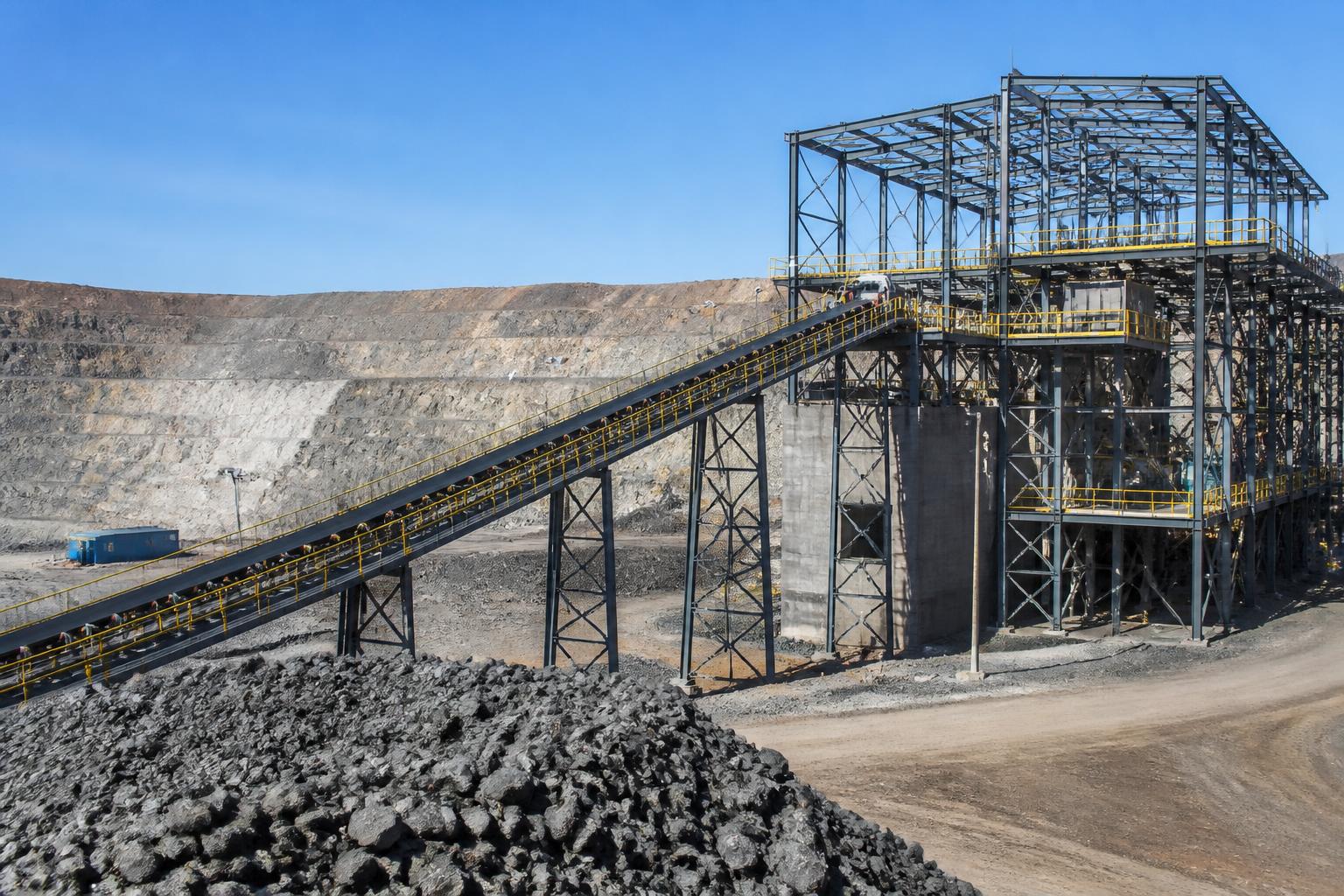
    Crushed ore will be fed into a new conveyor cascade with a total length of 844 metres. With a belt width of 1200 mm and a speed of 3.5-4 m/s, the system will ensure the continuous lifting of 1200 tonnes of ore per hour to a height of nearly 100 metres. At this point, the complex will connect with the existing main conveyor 3.2. The scheme includes the physical extension of the existing mainline and the phased augmentation of current main conveyors, creating a seamless transport artery for delivering ore from the depths of the mine directly to the processing plant.

    In addition to direct economic benefits and reduced fleet maintenance costs, the project enhances workplace safety. The automation of processes for moving large volumes of rock mass will completely remove personnel from potentially hazardous areas of underground mining. The implementation of these engineering solutions will ensure uninterrupted ore delivery, improve production efficiency, and establish a reliable foundation for the sustainable operation and long-term development of the Nurkazgan mine.


  • Qarmet Advances Major Construction Projects to Enhance Production Capacity

    Qarmet Advances Major Construction Projects to Enhance Production Capacity

    Qarmet is making significant strides in the construction of strategically important facilities that are set to underpin the company’s future production growth, product line expansion, and extensive technological upgrades. The new production capacities are taking shape, with massive concrete foundations and installed metal structures and technological equipment already visible on-site.

    A key project in this initiative is the construction of a new section rolling mill, with engineering, equipment supply, installation supervision, and construction work being managed by CERI. To date, over 1,500 tonnes of rebar and more than 1,500 tonnes of metal structures have been delivered to the site. The complex will feature 11 overhead cranes, with construction activities progressing across the entire site: specialists are pouring concrete for the foundations of buildings and technological equipment, erecting reinforced concrete frames, and installing metal structures and crane equipment.

    The project is currently in an active implementation phase. Once the new section rolling mill is operational, Qarmet will be able to produce an additional 540,000 tonnes of metal products annually. The facility will also commence the production of high-strength rebar grades A600 and A1000, alongside new product types that are in demand in both domestic and international markets, including angles and channels.

    Simultaneously, large-scale construction is underway at the new coke battery No. 8-9 site. Currently, the coal tower structure is being erected at a height of +5.3 meters, and the upper foundation slab for coke battery No. 9 is being reinforced. Specialists are also working on soil development and reinforcing the flue gas ducts of the transverse bore, constructing the walls of the longitudinal bore of KB-9, and laying the foundation for the future chimney.

    At coke battery No. 8, the installation of metal structures continues, with 300 out of the planned 500 tonnes already installed. The groundwork for the end platforms of coke batteries No. 8 and No. 9 has been fully completed. Once the complex is operational, its production capacity will reach 1.5 million tonnes of dry coke per year. The implementation of this project will strengthen Qarmet’s raw material base and enhance the resilience of its complete metallurgical cycle.

    “The new section rolling mill and coke batteries No. 8-9 are crucial elements of Qarmet’s extensive investment programme and a clear testament to the company’s ongoing technological renewal. Today, the construction sites are not only forming the bodies of future productions but are also laying the foundation for the new industrial strength of the enterprise. The implementation of these projects will increase output volumes, expand the range of in-demand metal products, strengthen the raw material base, and enhance the resilience of the entire production cycle,” noted Qarmet specialists.

    Tons of concrete and metal structures are already taking shape in the outlines of new productions. Step by step, Qarmet is renewing key links in the technological chain, implementing modern solutions, and creating capacities that will define a new level of efficiency, reliability, and competitiveness for the company for decades to come.


  • Zijin RG Gold Expands Equipment Fleet with New Komatsu Bulldozers

    Zijin RG Gold Expands Equipment Fleet with New Komatsu Bulldozers

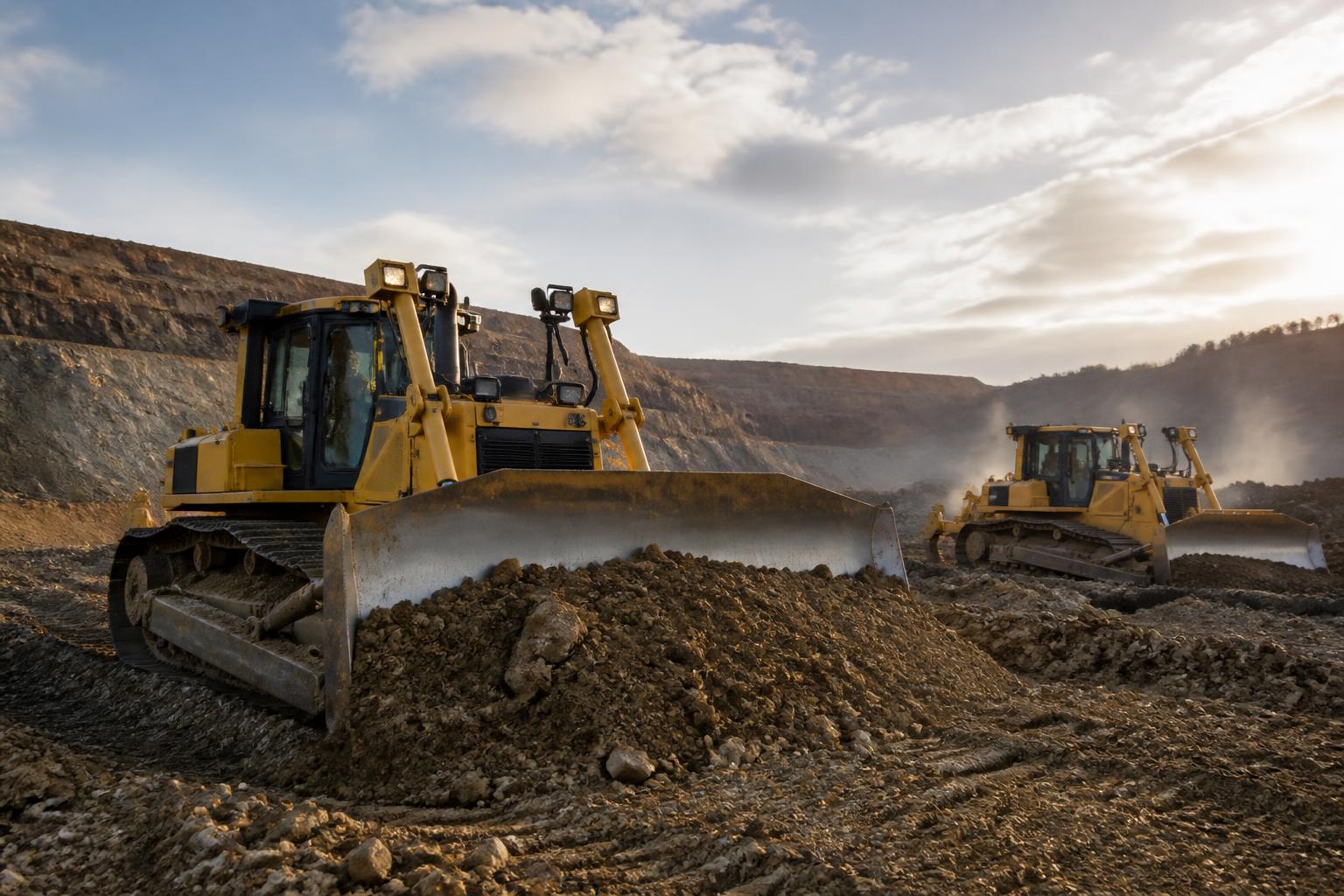
    Zijin RG Gold has celebrated the acquisition of two new Komatsu bulldozers, the WD600 and D275A, marking a significant milestone in the company’s strategy to enhance its mining equipment fleet and improve operational efficiency. This initiative is part of a broader plan to transition towards a self-sufficient operational model, bolstering production resilience, enhancing industrial safety, and creating additional avenues for future growth. The strategy is supported by its parent company, Zijin Mining Group.

    With the addition of these bulldozers, Zijin RG Gold now boasts a fleet of over 45 Komatsu machines. The company has established a long-term partnership with KOMEK MACHINERY Kazakhstan, which provides comprehensive service support aimed at ensuring reliable, safe, and efficient operation of the equipment throughout its lifecycle. This collaboration underscores the commitment to maintaining high operational standards and maximising the longevity of the machinery.

    On the same day, representatives from Zijin RG Gold and KOMEK MACHINERY Kazakhstan held a working meeting to discuss future collaboration directions. Key topics included enhancing workplace safety, improving equipment productivity and reliability, developing personnel competencies, and implementing advanced global practices from Komatsu.

    The expansion of its equipment fleet is a crucial step in strengthening Zijin RG Gold’s production capacity and reaffirms the company’s commitment to sustainable development, modern technology adoption, and increased efficiency in mining operations. This strategic move is expected to not only enhance operational capabilities but also contribute to the overall growth and sustainability of the mining sector in Kazakhstan.


  • China Introduces Hard Pure Gold: A Revolutionary Advancement in Gold Jewelry

    China Introduces Hard Pure Gold: A Revolutionary Advancement in Gold Jewelry

    China has unveiled an innovative form of 24-carat gold known as Hard Pure Gold (硬足金), a metallurgical breakthrough that combines the purity of traditional 24-carat gold with the hardness and durability of lower-carat alloys. This new material has rapidly gained dominance in the Chinese jewellery market, thanks to advancements in nanocrystalline engineering and microstructural modifications that fundamentally alter gold’s behaviour at the atomic level.

    Unlike conventional pure gold, Hard Pure Gold maintains a purity of over 99.9% while being up to four times harder than standard 24K gold. It resists scratching, bending, and deformation, all while preserving the deep yellow luster that has long been cherished in Chinese culture. This innovation has transformed the gold jewellery industry, allowing major brands such as Chow Tai Fook, Lukfook, and China Gold to create intricate, lightweight, and durable designs without compromising on investment purity.

    Officially established as a new category of high-purity gold jewellery in May 2025, Hard Pure Gold represents a significant technological advancement in the production of nearly pure (24K) gold that is significantly harder and more durable than traditional 24K gold without reducing its purity. The category has been endorsed by the Ministry of Industry and Information Technology (MIIT) in collaboration with the Chinese jewellery industry and the World Gold Council, aiming to create a global standard for modern high-purity jewellery that combines traditional purity with enhanced mechanical strength.

    This breakthrough is not only a milestone for jewellery manufacturing but also for materials science. By controlling grain size through severe plastic deformation, controlled annealing, and surface hardening, metallurgists have successfully transformed one of nature’s softest metals into a technologically advanced form of pure gold. Hard Pure Gold is defined as jewellery containing no less than 99.0% gold and possessing a hardness of at least 60 HV, achieved through microstructural modifications rather than alloying.

    The introduction of Hard Pure Gold has significant implications for the market and culture. According to the China Gold Association, jewellery made from pure gold now accounts for over 60% of 24-carat gold sales in major Chinese cities. Consumers appreciate its combination of purity, durability, and modern design, while it retains the traditional association of pure gold with prosperity and heritage, appealing to younger buyers seeking lightweight, contemporary styles. The technology also enhances China’s competitiveness in exports, as markets in Singapore, Malaysia, and Japan increasingly adopt products made from Hard Pure Gold.

    Despite its success, Hard Pure Gold faces ongoing challenges, including repair and resizing issues that can alter its microstructure and reduce hardness, confusion in labelling where some sellers mislabel products as ‘hard gold’, and increased production costs associated with advanced processing techniques. To address these challenges, China’s national standard GB/T 18043–2020 now provides clear definitions and testing criteria for verifying Hard Pure Gold products.

    In conclusion, Hard Pure Gold (硬足金) represents a fusion of ancient luxury and cutting-edge metallurgy. By engineering the crystalline structure of gold rather than altering its chemistry, Chinese scientists and jewellers have transformed one of the softest precious metals on Earth into a durable, high-performance, and culturally significant innovation. This development underscores China’s leadership in materials science technology and the evolving future of pure gold craftsmanship.