Website: Asia.com

  • Shugyla Gold to Commence Gold Production at Akdingek Deposit in 2027

    Shugyla Gold to Commence Gold Production at Akdingek Deposit in 2027

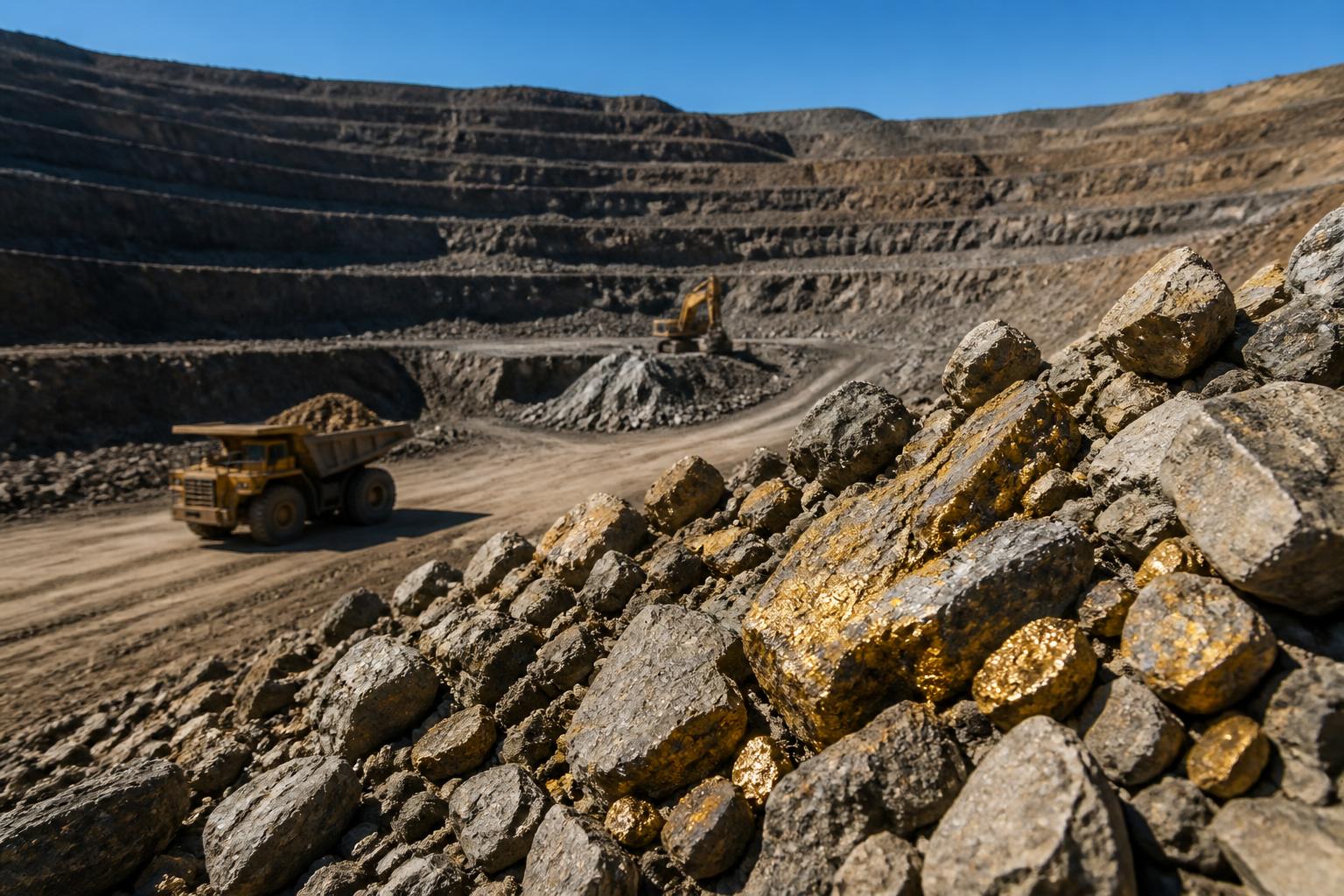
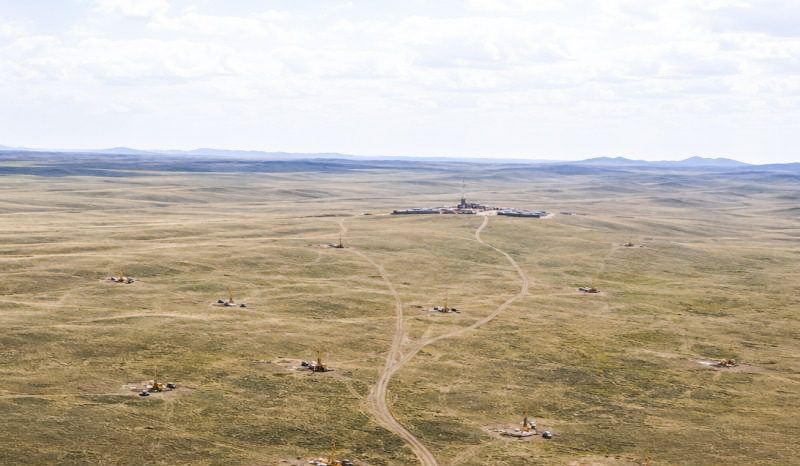
    Shugyla Gold LLP is set to begin gold extraction at the Akdingek deposit in the Zharminsky district of the Abai region, with production slated to start in 2027. The company plans to extract 100,000 tonnes of gold-bearing ore annually, utilising open-pit mining techniques and employing blasting operations. The mine is expected to operate for five years, from 2027 to 2031, with a daily production capacity of 137 tonnes.

    The geological structure of the Akdingek deposit allows for open-pit mining to a depth of 40 metres. While the specific gold content in the ore has not been disclosed, the project documentation indicates that mining operations will be conducted in shifts, with a continuous work schedule throughout the year. The site will be powered by a diesel-electric station.

    In January 2025, Shugyla Gold announced plans to extract placer gold from the valleys of the Büyük and Colorado rivers, also located in the Zharminsky district. This area is part of the Boko-Vasilyevsky ore field, with confirmed reserves estimated at 905,100 cubic metres of ore, containing 202.4 tonnes of pure gold at an average concentration of 0.224 grams per cubic metre.

    The company aims to mine 392,700 cubic metres of ore from this site between 2026 and 2028. However, financial reports for 2024 indicate that Shugyla Gold incurred a loss of 4.8 billion tenge, a significant increase from a loss of 200.1 million tenge in 2023. Despite these losses, the company reported its first revenue of 281.1 million tenge in 2024, marking a shift from its previous focus solely on mineral exploration.

    Shugyla Gold is owned by Shugyla Kent LLP, both of which are registered at the same address in the Akzhal village of the Zharminsky district. Shugyla Kent also owns KST Production, based in Ust-Kamenogorsk, which is managed by Tazlime Sarsebaeva and Abzal Nuriyev.
  • Qarmet Recycling Launches Aluminium and Metal Recovery Plant in Kazakhstan

    Qarmet Recycling Launches Aluminium and Metal Recovery Plant in Kazakhstan

    Qarmet Recycling, formerly known as Recycling Company, has unveiled plans for a new facility aimed at recycling metals, including aluminium, from old vehicles. Located in the village of Doskey in the Bukhar-Jyrau district of the Karaganda region, the plant is part of Kazakhstan’s industrial and innovative development programme. The facility, which was established on June 15, 2016, has recently undergone ownership changes and is now under the management of Qarmet, which acquired the property in 2024.

    The primary operations of the plant involve the production of cast iron, steel, aluminium, and non-ferrous metal alloys from scrap materials derived from decommissioned vehicles, special machinery, and agricultural equipment. The recycling process includes melting metals and converting waste oils into fuel and gas, as well as processing hydrocarbon-containing waste, such as used tyres, into usable energy sources. This shift in focus comes as the company adapts to new emission standards that were revised following changes in ownership and operational scope.

    With an annual processing capacity of up to 80,000 tonnes of end-of-life vehicles (ELVs), the plant is expected to yield approximately 63,750 tonnes of ferrous scrap and 16,250 tonnes of other materials annually. The facility sources its raw materials through a tendering process involving both individuals and legal entities. However, the actual volume of recycling and the specific client list are contingent upon the outcomes of these competitive procedures.

    In addition to vehicle recycling, the plant has the capability to process up to 14,000 tonnes of oil-containing waste per year, including 7,000 tonnes of used oils and lubricants from its pyrolysis facilities. The facility also handles solid hydrocarbon waste, such as tyres, with a processing capacity of up to 9,000 tonnes annually. The output from these operations includes up to 6,000 tonnes of liquid pyrolysis fuel and between 3,500 to 4,500 tonnes of fuel oil each year, along with 600,000 cubic metres of fuel gas.

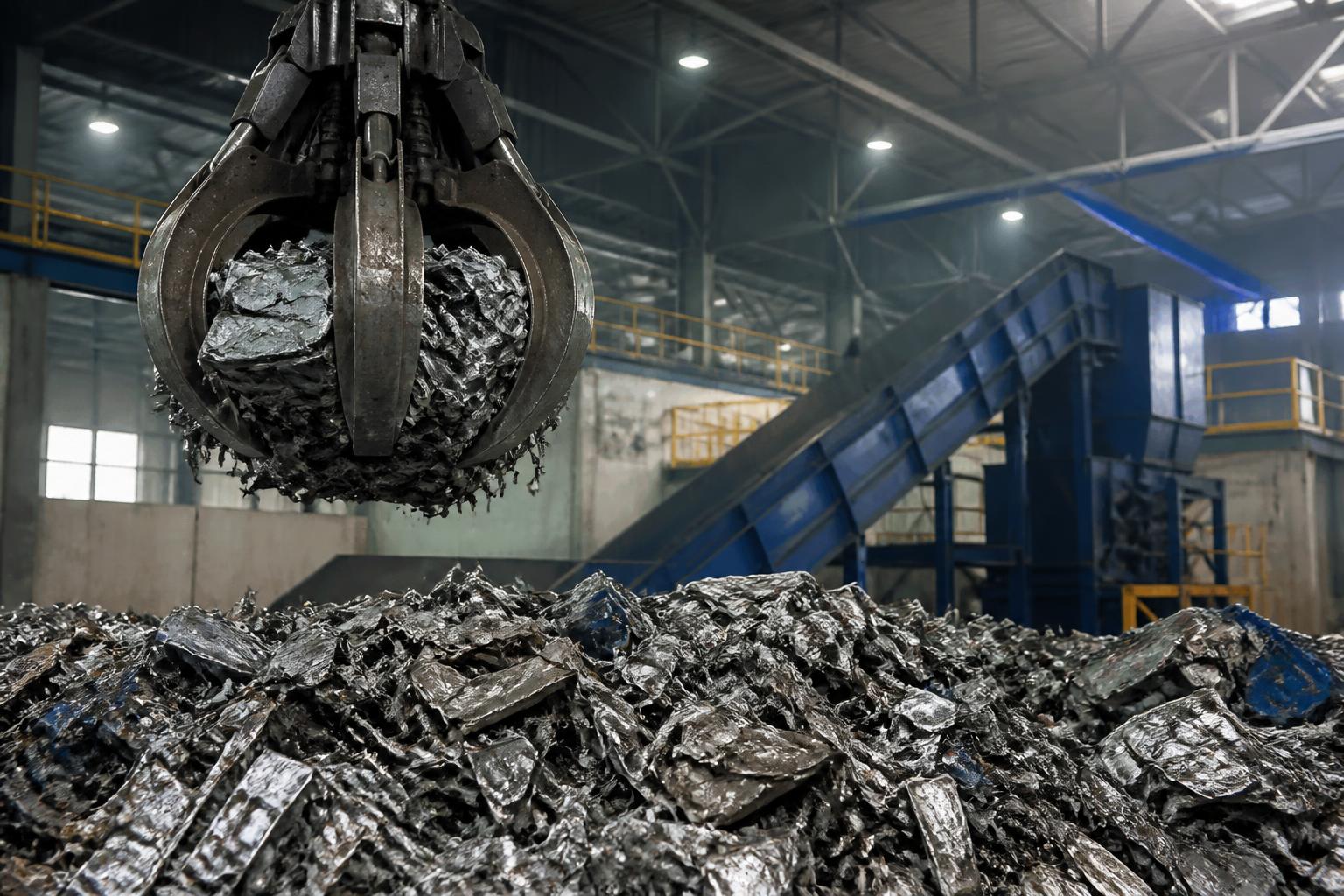
    Before recycling, vehicles undergo a preparation process where oils and technical fluids are removed. The vehicles are then compressed into briquettes, which are sorted and processed into different categories of metals and other materials. The plant features advanced shredding and melting equipment, including two induction furnaces capable of producing 2,000 tonnes of metal annually. The melted metal is then cast into moulds for further use.

    Qarmet Recycling is part of the Qarmet group, owned by entrepreneur Andrei Lavrentev, who ranks 11th on Forbes’ list of Kazakhstan’s wealthiest individuals, with a net worth of $877 million.


  • Uzbekistan Accelerates Geological Sector Transformation Through Digitalisation

    Uzbekistan Accelerates Geological Sector Transformation Through Digitalisation

    Uzbekistan is embarking on a significant transformation of its geological sector, aiming to attract up to $30 billion in investments by 2030 through the implementation of digital solutions and artificial intelligence. President Shavkat Mirziyoyev recently presented an ambitious plan to modernise the mining and geological industries, highlighting the need for a comprehensive national geological database to enhance global investor interest in new projects. Currently, Uzbekistan lacks a unified geological data platform, unlike Kazakhstan, which has had its Unified Subsoil Use Platform operational since 2025. The establishment of a digital geological map is deemed essential, as it will integrate historical data with current information, thereby improving the attractiveness of Uzbekistan’s geological resources to international investors.

    To facilitate this transformation, Uzbekistan plans to digitise over 36,000 reports and other information sources stored in various formats. This process is expected to take several years, drawing on the experiences of Russia and Kazakhstan, which have already undertaken similar initiatives. The new Centre for Technological Transformation will oversee the digitisation efforts, which will include compiling geological maps, drilling data, laboratory results, and production indicators into a single electronic database. Such a consolidation is anticipated to enhance the efficiency of discovering new mineral deposits.

    The government’s strategy includes leveraging artificial intelligence to expedite the analysis of geological data, improve resource estimation, and enhance drilling operations. Specific targets have been set, including a 10% reduction in the cost of geological exploration and a doubling of the speed at which new deposits are identified. Additionally, the number of investment proposals is expected to quadruple as a result of these digital advancements.

    Currently, only 40% of Uzbekistan’s mineral resources have been explored, but the government is keen to increase this figure significantly. By 2030, the country aims to boost its reserves of gold, silver, and copper substantially. Uzbekistan is home to over 30 types of critical minerals and is actively pursuing 76 investment projects worth approximately €2.4 billion. However, further exploration is necessary for some deposits, particularly for rare earth metals and uranium.

    The government has outlined plans for 44 projects between 2026 and 2030 that will incorporate artificial intelligence and machine learning in geological activities, focusing on six key mining enterprises. These projects aim not only to automate production processes but also to enhance geological exploration through digital transformation. The use of advanced technologies, including digital geological modelling, is already being implemented by major companies like the Navoi Mining & Metallurgy Combinat.

    Furthermore, Uzbekistan is working on a geospatial monitoring system to ensure transparency and accountability in the mining sector. This system will require all mining operators to submit their reports in a machine-readable format, facilitating quicker and more accurate verification of compliance with regulations. The geospatial monitoring initiative aims to prevent illegal activities and ensure adherence to environmental standards, using aerial and satellite technology to monitor mining operations effectively. As of June 2026, information on over 2,000 mineral deposits has already been integrated into this new system, marking a significant step towards a more modern and efficient geological sector in Uzbekistan.


  • Norterra Resources: Early-Stage Mining Opportunities in Central Asia

    Norterra Resources: Early-Stage Mining Opportunities in Central Asia

    In the world of mining, the most intriguing opportunities often lie in the shadows, waiting to be discovered. This sentiment resonates deeply with the team at Norterra Resources, where the focus is on early-stage exploration in regions like Central Asia and Africa. The thrill of examining geological data, historical work, and promising indicators is what drives their exploration efforts. At Norterra, the journey begins with a thorough review and screening of potential projects, seeking those where geology, scale, and exploration potential converge.

    One such project is A14-KZ-0325, a copper-zinc exploration asset located in East Kazakhstan’s Rudny Altai metallogenic belt. Historical assessments suggest the presence of a mineralized system that extends for up to 2 km at the surface, with impressive reported grades of up to 2.35% zinc and 1.36% copper. However, the objective at this stage is not to assert that the answers are already known; rather, it is about identifying the right questions worth pursuing and understanding where further exploration could yield significant value.

    This approach encapsulates the essence of early-stage mining: the ability to uncover potential before it becomes apparent to the broader market. Norterra Resources is committed to this philosophy, continuously seeking out opportunities that may not yet be on the radar of other industry players. As they delve deeper into their portfolio, more insights and developments are expected to emerge, highlighting the importance of early exploration in the mining sector. The excitement of finding hidden gems in the mining landscape is what keeps the industry vibrant and full of possibilities.

  • Teako Minerals Launches Field Program at Tynset Copper-Zinc-Silver Project in Norway

    Teako Minerals Launches Field Program at Tynset Copper-Zinc-Silver Project in Norway

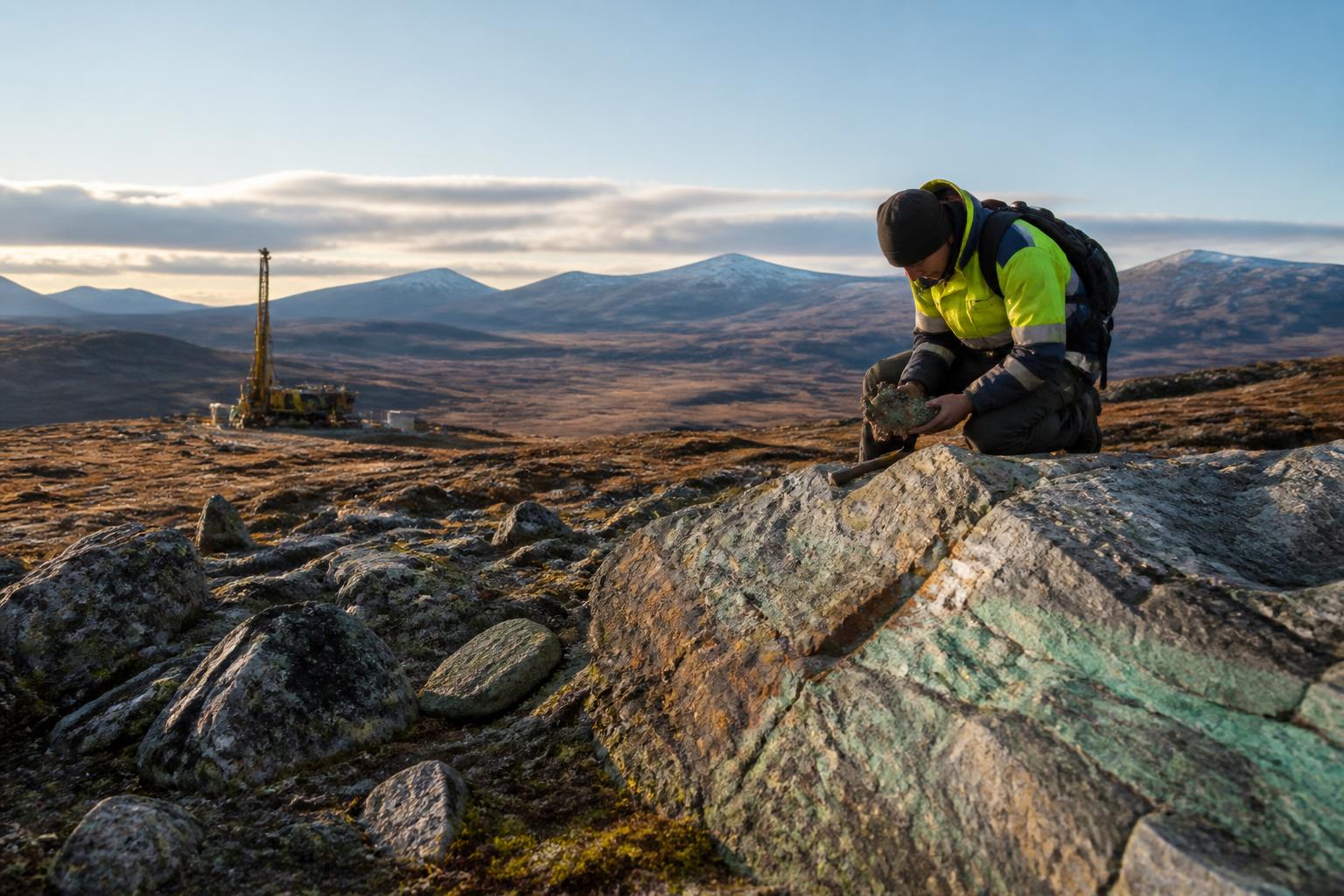
    Teako Minerals Corp. has officially commenced its 2026 field program at the Tynset copper-zinc-silver (Cu-Zn-Ag) volcanogenic massive sulphide (VMS) project located in central Norway. This initiative aims to enhance the company’s existing geological datasets and establish high-priority drill targets in the Storbekken Priority 1 target area. The field program will encompass detailed geological mapping, systematic sampling, and an Induced Polarization (IP) geophysical survey, with the first diamond drilling expected to begin between Q4 2026 and Q1 2027.

    In addition to the fieldwork, Teako has expanded the Tynset Project by securing four new exploration licenses that cover the high-priority Nonsvola and Vingelen target areas, thereby increasing the strike length of the prospective volcanic belt. The company has engaged Geovisor Oy to conduct approximately 10 line kilometres of IP surveying, set to commence in mid-October 2026, which will play a crucial role in refining drill targets.

    The 2026 field program is designed to improve the understanding of the geological and structural characteristics of the area, focusing on the identification of key lithological contacts and the characterization of mineralized outcrops. The integration of geochemical and spectral data will enhance the interpretation of geophysical results, ultimately guiding the drilling efforts towards the most promising areas.

    The Tynset Project, which is 100% owned by Teako, spans 121 square kilometres and includes 14 granted exploration claims. It is strategically located near established infrastructure, including a railway and national road, facilitating access to deep-sea ports. Historical data from previous exploration efforts indicate a favourable geological setting for Cu-Zn-Ag VMS mineralization, with significant soil and stream sediment anomalies suggesting the potential for new discoveries.

    Teako’s commitment to leveraging advanced exploration technologies and strategic partnerships underscores its goal of addressing the increasing demand for critical minerals while delivering value to shareholders. The company’s focus on the Tynset Project, alongside its broader portfolio of over 60 projects in Norway, positions it well within the competitive landscape of mineral exploration and development.

  • Challenges Facing Ferrexpo and Metinvest Amid Black Sea Port Blockade

    Challenges Facing Ferrexpo and Metinvest Amid Black Sea Port Blockade

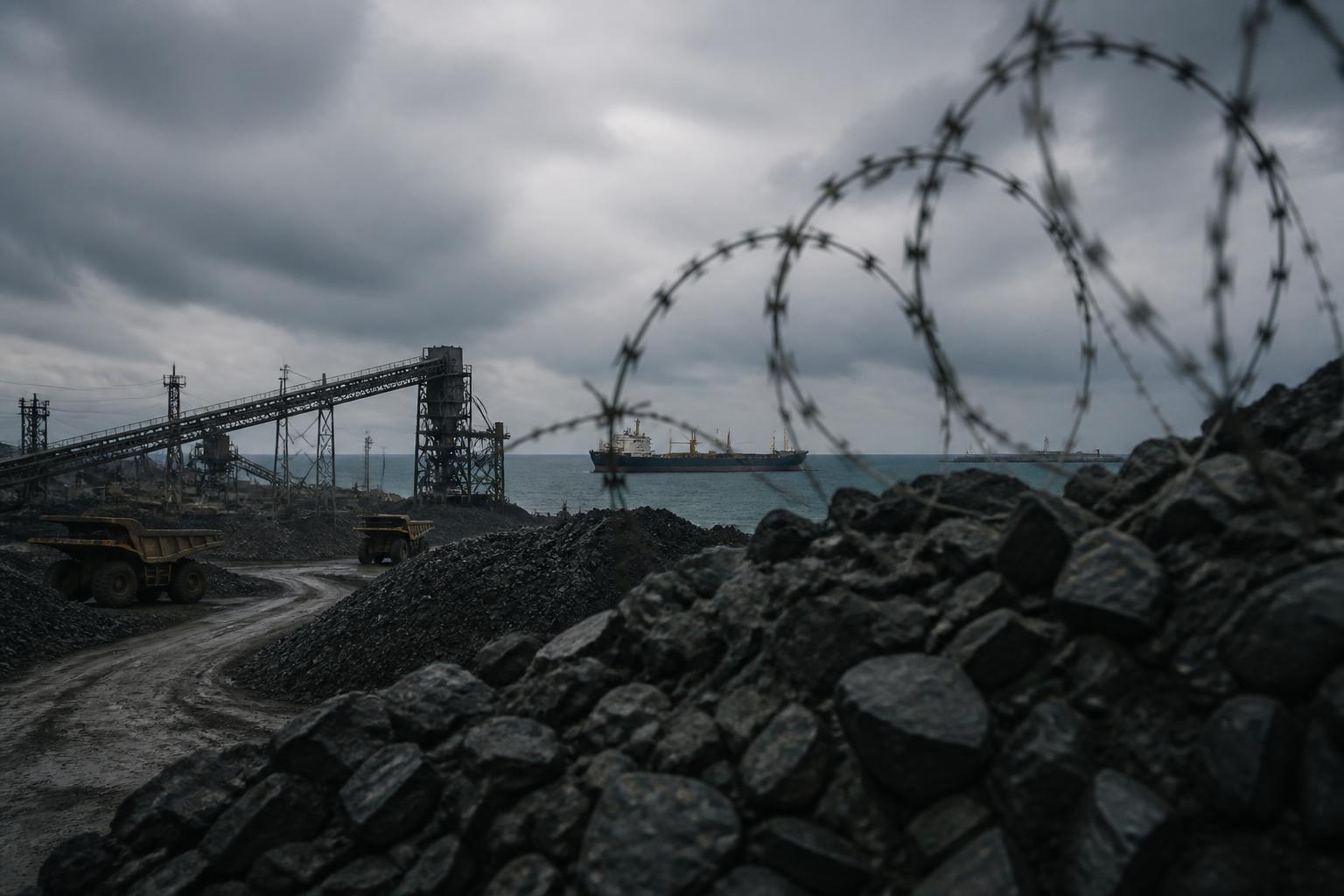
    The ongoing blockade of the Black Sea ports has severely impacted Ukraine’s mining and metallurgy sectors, particularly affecting major players like Ferrexpo and Metinvest. The closure of these ports has not only disrupted agricultural exports but has also halted the maritime export of iron ore, which is crucial for the economy. Ferrexpo has been forced to suspend production at its Poltava mining and processing plant, while Metinvest has temporarily halted operations at its Southern Mining and Processing Plant (Southern GOK).

    Before the war, Ukraine produced a record 81.2 million tonnes of iron ore in 2021, with a significant portion exported to China. However, the onset of the conflict led to a drastic decline in production and exports, dropping nearly 2.5 times due to the loss of key domestic buyers and the blockade of maritime routes. The only alternative has been to redirect iron ore exports via rail to the European Union, but this has proven economically unfeasible due to high logistics costs.

    The situation briefly improved in late 2023 when a maritime corridor reopened, allowing for a resurgence in exports. However, this recovery was short-lived, as Russian attacks on energy infrastructure led to rising electricity costs, which account for a significant portion of production expenses. The combination of low global iron ore prices and high transportation costs has made it difficult for Ukrainian companies to compete with Australian and Brazilian producers.

    As of early 2026, the situation remains dire, with exports dropping by 27.3% in the first half of the year. Ferrexpo, lacking its own steel production facilities in Ukraine, is particularly vulnerable, relying entirely on exports. The company has warned that without additional funding and the resumption of full-scale shipments, it may only have enough resources to operate until mid-September. Meanwhile, Metinvest, which has its own steel mills, is also facing challenges, including a significant reduction in production and increased transportation costs due to the blockade.

    Experts warn that the continued closure of maritime routes threatens the macroeconomic stability of Ukraine, with the potential for widespread plant shutdowns if the situation does not improve soon. The reliance on European markets is not a viable long-term solution, as the logistics and costs associated with land transport are prohibitive. The Ukrainian mining sector is at a critical juncture, with the need for government intervention and support to mitigate the impact of these challenges on the industry and the economy as a whole.


  • European Lithium Prepares for Merger with Critical Metals Amid Shareholder Movements

    European Lithium Prepares for Merger with Critical Metals Amid Shareholder Movements

    European Lithium is gearing up for a significant merger with Nasdaq-listed Critical Metals Corp., with a crucial deadline approaching in September. The company has filed an application with the Australian Securities Exchange to list 193,019 new shares, a move that reflects confidence from its directors who have exercised options at A$0.08 per share. This decision indicates management’s belief in the company’s future, even as it prepares for a shift in ownership structure due to the merger.

    The merger will see Critical Metals acquire all outstanding shares and options of European Lithium through two interlocking schemes of arrangement under Australian law. Shareholders of European Lithium will receive 0.035 shares of Critical Metals for each share they hold, resulting in approximately 41% ownership of the new entity. The total valuation of the merger is estimated at around US$835 million. A variation agreement signed in July has introduced a special sale facility for shareholders with smaller holdings, allowing for cash returns instead of shares.

    As the merger approaches, European Lithium’s financial health appears stable, with A$306 million in cash and US$11 million in marketable securities as of March 31, 2026. However, the recent share issuance ahead of the merger could complicate the exchange ratio calculations for investors.

    At the heart of this merger is the Tanbreez rare earth project in Greenland, which Critical Metals is advancing. The project is gaining momentum, with operational progress reported, including active drill rigs and preparations for a pilot plant. A US$30 million acceleration program has been approved, aiming for first ore production by late 2028 or early 2029.

    Analysts are divided on the outlook for Critical Metals, with some expressing optimism about the Tanbreez project’s potential, while others have downgraded their ratings due to concerns over project timelines. This divergence in analyst opinions is likely to impact European Lithium’s valuation post-merger.

    Recent trading activity has seen European Lithium’s share price fluctuate, with a notable drop of 4.2% recently, although the stock has seen substantial gains over the past year. As the merger deadline approaches, the decisions of shareholders will be critical in determining the outcome of this significant corporate transaction.


  • The Role of SKZ-U in Kazakhstan’s Uranium Industry: A Comprehensive Overview

    The Role of SKZ-U in Kazakhstan’s Uranium Industry: A Comprehensive Overview

    The uranium industry in Kazakhstan is not solely about the extraction of raw materials; it encompasses a complex network of enterprises that support the production process. One such enterprise is SKZ-U LLP, located in the Kyzylorda region, which specializes in the production of sulfuric acid, a critical technological reagent for uranium mining companies under Kazatomprom. As the national operator for the export and import of natural uranium and its compounds, Kazatomprom is the world’s largest producer of natural uranium, leveraging one of the largest resource bases in the industry.

    Kazatomprom employs in-situ recovery technology, which allows for uranium extraction directly from the ore-bearing horizon. This method involves injecting special solutions through wells to convert uranium from minerals into a solution, which is then extracted. Sulfuric acid plays a vital role in this process, creating the necessary chemical conditions for uranium leaching. Therefore, the production of sulfuric acid at SKZ-U is integral to the uranium extraction process, ensuring a consistent supply for operations utilizing this technology.

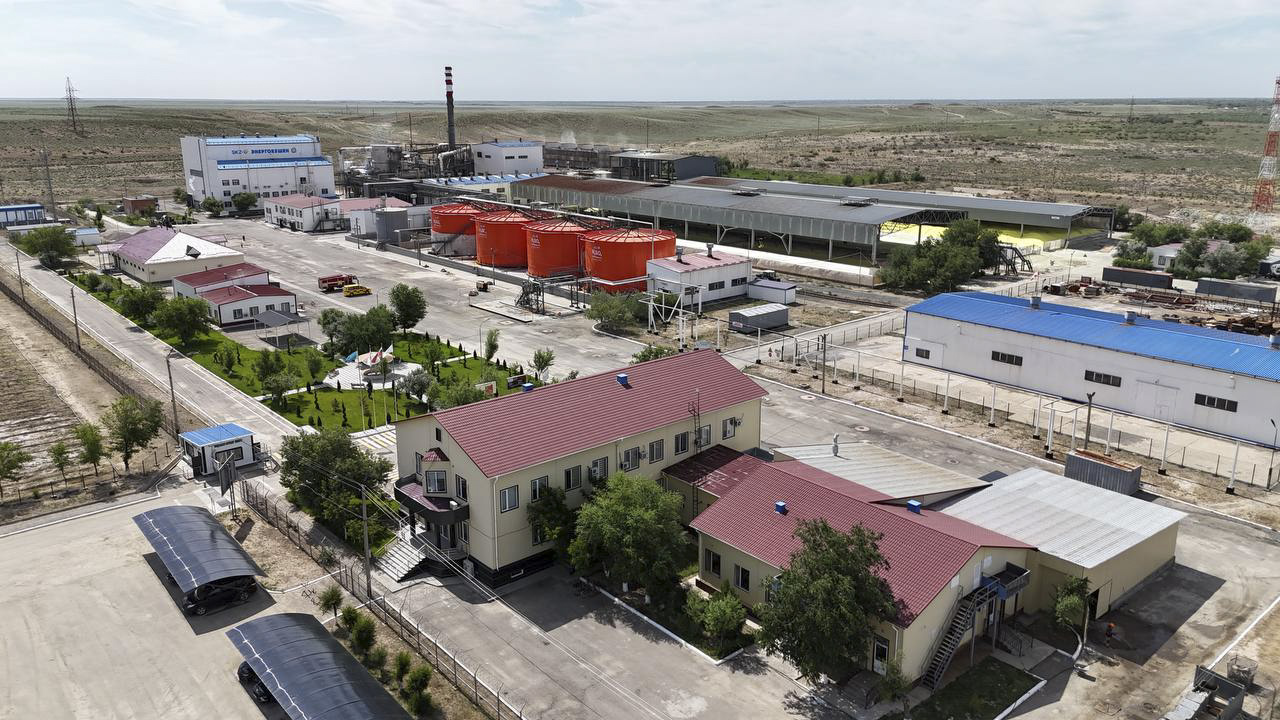
    Founded in 2007 with the participation of Kazatomprom, SAP-Japan Corporation, and UrAsia London Limited, SKZ-U began construction of its sulfuric acid plant in 2010, reaching a designed capacity of 500,000 tonnes per year. The plant commenced industrial operations in 2013 and has since maintained a production capacity of approximately 1,500 tonnes per day. The facility includes a sulfuric acid workshop, an energy complex, and infrastructure for employee accommodation, alongside initiatives for renewable energy generation.

    The production process at SKZ-U is highly efficient, with a raw material conversion rate of 99.7%. The primary raw material, granulated sulfur, is sourced from Samruk-Kazyna Ondeu, which acquires it from Tengizchevroil. The manufacturing process involves several chemical transformations, ultimately producing sulfuric acid while simultaneously harnessing the heat generated for steam and electricity production. This dual approach not only meets industrial demands but also promotes energy efficiency.

    Since 2013, SKZ-U has generated its own electricity, and in 2014, it established a solar power station with a capacity of 418 kW, aligning with Kazakhstan’s transition to a green economy. The plant employs 277 individuals, with a significant majority residing in the local area, reflecting the company’s commitment to regional development and social responsibility.

    SKZ-U has implemented various social support initiatives, including special payments for employees working in hazardous conditions and health-related programs. The company also actively engages in community support, participating in charitable initiatives and providing assistance to vulnerable populations.

    As SKZ-U continues to evolve, it has become a vital link in the broader industrial chain, integrating the oil and gas, chemical, energy, and uranium sectors. The company remains focused on ensuring stable production, product quality, and reliable supply for uranium mining enterprises while advancing technology, safety, and social infrastructure. This interconnectedness within the production chain is essential for the industrial resilience of Kazakhstan’s uranium sector.


  • Navoiyuran Reports 136% Surge in Net Profit for H1 2026

    Navoiyuran Reports 136% Surge in Net Profit for H1 2026

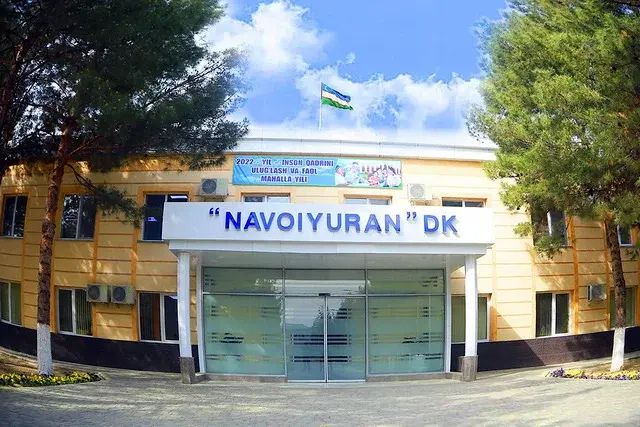
    Navoiyuran, a state enterprise in Uzbekistan, has reported a remarkable 136.1% increase in net profit for the first half of 2026, reaching nearly 4.3 trillion soums. This significant growth is compared to the 1.8 trillion soums recorded during the same period in 2025. The company’s net revenue also saw a substantial rise, growing by 101.8% year-on-year to 9.7 trillion soums, while gross profit surged by 109.1%, exceeding 7 trillion soums.

    The financial health of Navoiyuran has improved markedly, with total assets climbing to 19.8 trillion soums, reflecting a 70.5% increase from the previous year. Capital has also risen by 60.1% to 15 trillion soums, and retained earnings have increased by 73.3% to reach 13.3 trillion soums. Over the past year, the enterprise’s total profit amounted to 7.9 trillion soums, which is 56.6% higher than the previous year.

    However, the company has also seen an increase in long-term bank loans, which rose to 3.6 trillion soums by the end of the reporting period, compared to 1.6 trillion soums a year earlier. This increase in debt may be a point of concern as the company prepares for future growth.

    Looking ahead, Navoiyuran is planning to conduct an initial public offering (IPO) in the latter half of 2026, aiming to offer between 10 to 15 percent of its shares. Despite these ambitious plans, the company has yet to transition from a state-owned enterprise to a joint-stock company, which is a crucial step before the IPO can take place. The expected IPO could provide Navoiyuran with additional capital to further enhance its operations and financial standing in the competitive mining sector.

  • Concerns Raised Over Ernst & Young Advisory’s Compliance in Navoi Mining Audit Procurement

    Concerns Raised Over Ernst & Young Advisory’s Compliance in Navoi Mining Audit Procurement

    The Agency for Industrial Cooperation and Public Procurement has responded to Anhor.uz’s inquiry regarding procurement number 7081330 by the Navoi Mining and Metallurgy Combinat (NGMK) for an audit of its procurement system and forensic evaluation of anti-corruption mechanisms. This inquiry was prompted by questions from the Association of Public Procurement Participants about the compliance of the winning bidder with established qualification requirements.

    In April 2026, NGMK announced a procurement for a forensic evaluation for the year 2025. The winner was identified as Ernst & Young Advisory, which proposed to carry out the work for 1.16 billion sums, including VAT. One of the requirements in the technical specifications was that the contractor must be a current auditing organisation listed in the relevant register of the Ministry of Economy and Finance. The Association raised concerns about whether the winning company met this requirement, as Ernst & Young Advisory operates as a separate legal entity.

    In response to the inquiry, the Agency stated that it would not consider conducting an audit of this procurement, citing existing regulations that stipulate that compliance with public procurement legislation and internal audits should be conducted by the relevant services of the state customer itself. The Agency recommended that inquiries regarding procurement number 7081330 be directed to the internal audit or compliance service of NGMK.

    Regarding the legality of Ernst & Young Advisory’s participation in the procurement, the Agency did not provide a direct answer about the company’s compliance with the specific requirement of the technical specifications. Instead, it referred to provisions of the Public Procurement Law that regulate the requirements for participants and the responsibilities of the procurement commission. Specifically, the state customer and the procurement commission are responsible for ensuring that the procedure for determining the contractor complies with legal requirements, as well as for the justification and impartiality of decisions made.

    The Agency’s response did not conclude whether Ernst & Young Advisory had the necessary status as an auditing organisation at the time of its participation in the procurement. The Association of Public Procurement Participants noted that merely having founders from an auditing organisation or belonging to an international network does not automatically confer the corresponding status to another legal entity.

    When asked whether such circumstances were sufficient to meet the qualification requirements, the Agency referred to Article 36 of the Public Procurement Law, which outlines requirements for the participant’s resources, their right to enter into contracts, absence of tax debts, insolvency procedures, and being listed among unscrupulous contractors. However, the Agency’s response did not provide a direct assessment of Ernst & Young Advisory’s compliance with the requirement for the status of an auditing organisation.

    The Agency also clarified that it lacks the authority to conduct internal or unscheduled audits of the procurement. According to Article 75 of the Public Procurement Law, state control in this area is carried out by the Accounts Chamber, the General Prosecutor’s Office, the Anti-Corruption Agency, the Ministry of Economy and Finance, and the Committee for Competition Development and Consumer Rights Protection. Consequently, the Agency refrained from providing a legal assessment of the disputed procurement and directed the inquiry to the internal audit or compliance service of NGMK.