Month: April 2024

  • Kyrgyz Ministry of Ecology Stresses Compliance with Mining Legislation

    Kyrgyz Ministry of Ecology Stresses Compliance with Mining Legislation

    The Ministry of Ecology in Kyrgyzstan has issued a reminder regarding the imperative need to adhere to the country’s mining laws concerning subsoil use.

    In order to prevent the unauthorized transfer of licenses for subsoil exploitation, the Ministry underscores that, as per the Subsoil Law, such transfers are prohibited until a period of two years has elapsed since the conclusion of the license agreement for conducting mining activities.

    Furthermore, it is clarified that the transfer of a license to another party, resulting from the transfer of rights under the license, is treated akin to obtaining a new license. This action necessitates the payment of a bonus as mandated by Kyrgyz tax laws. However, any such transfer can only occur if the current subsoil user is devoid of outstanding payments related to bonuses, royalties, and fees for subsoil use.

    According to Article 351 of the Tax Code, except in specific instances like inheritance or the reorganization of a legal entity without altering its ownership structure, the transfer of subsoil usage rights to another entity is subject to taxation.

    Failure to meet the stipulated deadlines for bonus or license fee payments can lead to the suspension and eventual termination of subsoil usage rights.

  • China’s Strategic Dance: Unveiling the Depths of Sino-Kazakh Economic Cooperation

    China’s Strategic Dance: Unveiling the Depths of Sino-Kazakh Economic Cooperation

    In a narrative often oversimplified by the Belt and Road Initiative, China’s economic entwinement with Kazakhstan goes beyond a mere node in a transregional strategy. While Kazakhstan undeniably serves as a linchpin in China’s westward connectivity ambitions, reducing its role solely to that obscures the nuanced interplay between Chinese adaptability and Kazakhstani agency.

    A prime example is the symbiotic relationship forged in uranium extraction and nuclear fuel supply. Contrary to assumptions, Chinese entities find themselves navigating Kazakhstan’s terms, illustrating a power dynamic that challenges clichéd perceptions.

    Kazakhstan reigns as the globe’s leading natural uranium producer, commanding 43% of the market in 2022. Its prowess stems from abundant resources and cost-efficient extraction methods, notably in-situ leaching (ISL). Kazatomprom, the national nuclear company, wields formidable influence, leveraging its dominance to modernize the sector and attract foreign investment.

    Over two decades, Kazakhstan’s uranium output skyrocketed, facilitated by strategic alliances with China. Despite producing no nuclear energy domestically, Kazakhstan’s ambitions align with China’s voracious demand for uranium, driven by an ambitious nuclear energy expansion unmatched by the West.

    China, with its burgeoning civilian reactor fleet, employs a multifaceted strategy to secure uranium supply, encompassing domestic mining, overseas ventures, and strategic reserves. Recent investments in domestic exploration signal China’s intent to reduce reliance on foreign suppliers, with Kazakhstan playing a pivotal role in historical uranium imports.

    This intricate dance between China and Kazakhstan underscores a narrative far richer than the Belt and Road rhetoric suggests, revealing a strategic partnership shaped by mutual interests and strategic maneuvering.

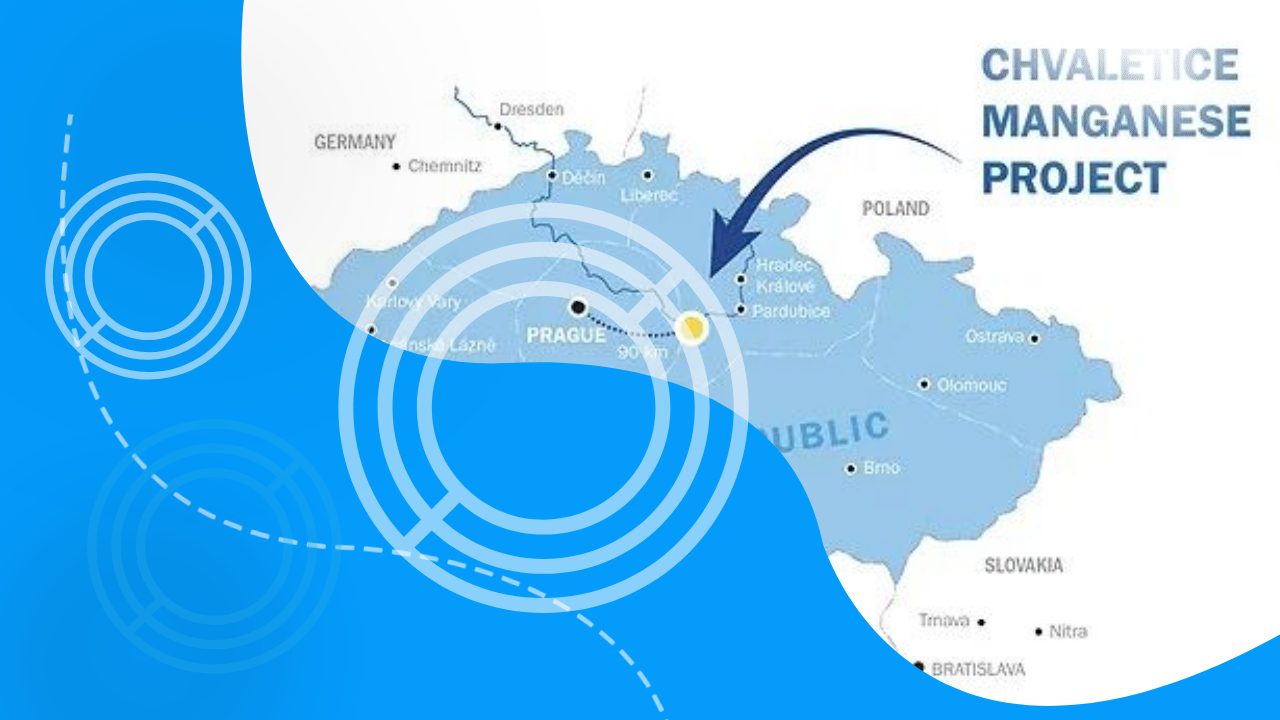
  • Euro Manganese has attained the endorsement of the Environmental and Social Impact Assessment (ESIA) for its Chvaletice Manganese Project.

    Euro Manganese has attained the endorsement of the Environmental and Social Impact Assessment (ESIA) for its Chvaletice Manganese Project.

    The Company has received a positive ESIA binding statement from the Czech Ministry of Environment, which approves the environmental and social conditions set out in the ESIA. This is the culmination of a four-year process, where 14 separate government authorities were required to provide a positive opinion on the Company’s ESIA, after which the ESIA was open to a public commentary period. No comments were received from the public, NGOs or regional municipalities during this period, demonstrating the excellent stakeholder engagement processes managed by the Company’s local Czech team.

    The approval of the ESIA is the key gating permit from which subsequent permits can follow, including the Land Planning Permit and the Construction Permit. Receipt of the ESIA also allows the Company to progress to the final determination of the Mining Lease for the Project.

    Euro Manganese is a battery materials company focused on becoming a leading producer of high-purity manganese for the electric vehicle industry. The Company is advancing development of the Chvaletice Manganese Project in the Czech Republic and pursuing an opportunity to produce battery-grade manganese products in Bécancour, Québec.The Chvaletice Project is a unique waste-to-value recycling and remediation opportunity involving reprocessing old tailings from a decommissioned mine. It is also the only sizable resource of manganese in the European Union, strategically positioning the Company to provide battery supply chains with critical raw materials to support the global shift to a circular, low-carbon economy.Euro Manganese is dual listed on the TSX.V and the ASX, and is also traded on the OTCQX.Authorized for release by the CEO of Euro Manganese Inc.Neither TSX Venture Exchange nor its Regulation Services Provider (as that term is defined in the policies of the TSX Venture Exchange) or the ASX accepts responsibility for the adequacy or accuracy of this release.

  • Ukrainian Iron Ore Industry Shifts Towards High-Quality Concentrate Production

    Ukrainian Iron Ore Industry Shifts Towards High-Quality Concentrate Production

    Amidst the global push for green steel production, Ukrainian mining and processing plants are urged to enhance the quality of iron ore concentrate, transitioning to higher iron content levels, reports UAprom. This call to action was underscored during the “Iron Ore Deposits of Ukraine: Current Problems and Development Prospects” international conference held at the Taras Shevchenko National University of Kyiv on March 21-22, where leading scientists and industry representatives convened.

    Yelena Belan, an expert on iron ore production at Metinvest Group, emphasized the importance of meeting market quality requirements to avoid losing opportunities for product sales and enterprise capacity.

    Ensuring consistent high-quality products with elevated iron content positions Ukrainian enterprises to lead the green modernization of Europe and integrate into the global green metallurgy system.

    Despite the use of low-grade ores with approximately 30% total iron content, Ukrainian iron ore industry relies on extensive processing methods such as crushing, grinding, magnetic separation, flotation, and dewatering to upgrade these ores. The resultant magnetite concentrate with 64-68% iron content undergoes fundamental qualitative changes, making it significantly different from the original ore, noted experts from the Institute of Geology at Taras Shevchenko National University of Kyiv.

    Concerns regarding the tax treatment of deep processing were also addressed, with experts asserting that magnetite concentrate represents a distinct product compared to the original ore. This sentiment was echoed by scientists from the Semenenko Institute of Geochemistry, Mineralogy, and Ore Formation of the National Academy of Sciences of Ukraine, emphasizing the need to reconsider rent taxation policies.

    Ukraine witnessed a substantial reduction in iron ore exports in 2023, down by 26% compared to 2022, with raw material exports plummeting by 60% compared to pre-war 2021 levels. Revenues from iron ore exports for Ukrainian companies also experienced a significant decline.

    Major iron ore producers in Ukraine include Ingulets GOK, Kryvyi Rih Iron Ore Plant, Poltava Mining, Northern GOK, Central GOK, Southern GOK, ArcelorMittal Kryvyi Rih, and Sukha Balka.

  • Ussuri Capital Plans $1 Billion Investment for Carbon-Neutral Steel Mill in Romania

    Ussuri Capital Plans $1 Billion Investment for Carbon-Neutral Steel Mill in Romania

    Ussuri Capital, a Turkish investment firm, has unveiled plans to invest up to 960 million euros ($1 billion) in constructing a carbon-neutral steel mill in Romania. Completing the feasibility study and business plan in March, the company is now engaged in due diligence on potential land plots for plant location and exploring the project’s capital structure, as stated in a recent press release.

    The project’s initial phase, valued at 160 million euros, will involve installing a push-pull pickling line, a cold rolling mill, and a hot-dip galvanising line, along with a colour coating line. This phase is slated for commissioning in 2027, utilizing hot rolled coils imported from non-EU countries as the initial feedstock.

    The subsequent phase, estimated between 715 to 800 million euros, will encompass constructing an electric arc furnace and a continuous casting module, expected to be completed by 2030.

    Upon operationalization, the Romanian plant aims to annually produce 400,000 tonnes of pickled coils, 250,000 tonnes of cold-rolled coils, and 250,000 tonnes of hot-dip galvanised coils.

    Revenue projections from downstream operations are anticipated to hit 324 million euros, with an EBITDA of 38 million euros within two years post the first phase’s commissioning, yielding an EBITDA margin of roughly 12%.

    Ussuri Capital, headquartered in Istanbul, focuses on green steel investments, commodities, metals, and mining.

  • ArcelorMittal Zenica to Close Coke Oven Battery Due to Maintenance Costs and Decreasing Demand

    ArcelorMittal Zenica to Close Coke Oven Battery Due to Maintenance Costs and Decreasing Demand

    ArcelorMittal Zenica, a steel plant based in Bosnia and Herzegovina and a subsidiary of global steelmaker ArcelorMittal, has announced its decision to shut down its coke oven battery. This move comes amidst escalating maintenance expenses for the unit and dwindling demand for its products, as stated in a press release on the company’s website.

    The coke plant in Zenica has been in operation for over 40 years, with operations suspended from 1992 to 2008. Despite significant modernization efforts over the past decade, the company has deemed further investments unjustifiable from an economic standpoint, citing an inability to meet stringent environmental standards.

    Nikhil Mehta, CEO of ArcelorMittal Zenica, expressed the company’s commitment to minimize the closure’s impact on the local economy, stating, “This is a difficult day for the company…We plan to try to transfer a significant number of employees from this plant to other units in Zenica.”

    While the coke oven battery closes, the company will maintain steel production by procuring coke from external suppliers.

    ArcelorMittal Zenica concluded 2023 with a loss of BZN 159 million ($88.2 million), influenced by reduced steel demand, a 20% year-on-year surge in electricity prices, and a decline in global steel prices, as reported by GMK Center.

    Zenica Steel, which employs 2.2 thousand people and produces approximately 700 thousand tons of steel annually, specializes in rebar, wire rod, mesh, and grating.

  • Germany Shuts Down Seven Coal-Fired Power Stations Over Easter

    Germany Shuts Down Seven Coal-Fired Power Stations Over Easter

    Over the Easter weekend, Germany closed seven coal-fired power stations, according to statements from power generators RWE and LEAG on Sunday. The government’s decision to reactivate five plants during the winter due to a gas supply shortfall, coupled with its efforts to decrease reliance on Russian gas, led to this action.

    Five of the shut-down plants were situated in the Rheinish mining district near Cologne, Western Germany, including sites like Grevenbroich-Neurath and Bergheim-Niederaussem. This move results in decommissioning approximately 2,100 megawatts (MW) of lignite capacity, as stated by operator RWE. Additionally, two plants in Jänschwalde, Brandenburg, near Berlin, were shut down after being brought back online recently.

    The decision to keep coal plants operational stemmed from Germany’s strategy to address climate change, which faced challenges following Russia’s invasion of Ukraine in February 2022. In response to the war and subsequent energy price spikes, Germany opted to extend the lifespan of some coal-fired plants and temporarily restart others. This strategy also involved delaying the closure of several nuclear power plants as a contingency measure.

    Despite concerns, Germany’s grid operator assured the public that the shutdown of coal plants wouldn’t impair power supply security following the end of the 2023/4 winter season. However, the decision to delay closures necessitates a review by the Economy Ministry to assess the increase in greenhouse gas emissions and propose offsetting measures by the end of June.

    The move to close coal-fired power plants was praised by Green Party lawmaker Kathrin Henneberger, who emphasized its significance in combating the climate crisis and achieving climate goals.

  • “Казцинк” отказался считать генерацию Бухтарминской ГЭС возобновляемой

    “Казцинк” отказался считать генерацию Бухтарминской ГЭС возобновляемой

    В горно-металлургической компании пересмотрели выбросы от потребления электричества.

    “Казцинк” пересматривает свои показатели выбросов от использования электроэнергии. К такому выводу пришел корреспондент inbusiness.kz, ознакомившись с годовым отчетом за 2023 год англо-швейцарского трейдера Glencore, контролирующего почти 70% акций казахстанкой горно-металлургической компании.

    “Мы пересчитываем наши данные о прямом и косвенном использовании энергии и связанных с этим показателях выбросов области охвата 2 (Scope 2 – категория косвенных выбросов, в том числе от производства приобретенной электроэнергии, пара, тепла или охлаждения, потребляемых отчитывающейся компанией. – Прим.) для нашего промышленного актива “Казцинк” в Казахстане, чтобы привести их в соответствие с подходом протокола по парниковым газам к определению прямых и косвенных источников энергии и заявленных значений возобновляемых источников энергии в отношении целей учета выбросов области охвата 2 после пересмотра нашего подхода в части нашей новой процедуры отчетности по выбросам и энергии (Emissions and Energy Reporting Procedure (EERP)”, – говорится в документе Glencore.

    В нем поясняется, что трейдер управляет “Казцинком”, который состоит из разных промышленных площадок, в том числе Бухтарминской ГЭС.

    “В прошлом Бухтарма генерировала электроэнергию, которая считалась передаваемой и потребляемой другими промышленными объектами “Казцинка” и рассматривалась как полностью интегрированный прямой источник энергии, поэтому выбросы регистрировались только в рамках области охвата 1 (Scope 1 – категория прямых выбросов предприятия при производстве. – Прим.). Выбросы области охвата 2, относящиеся к выработке косвенных источников энергии, не рассчитывались ни в рамках географического, ни рыночного подхода для электроэнергии, вырабатываемой на Бухтарме и потребляемой промышленными площадками “Казцинка”. Любая электроэнергия, произведенная Бухтармой, но не считавшаяся переданной и использованной промышленными площадками “Казцинка”, продавалась в национальную сеть. Промышленные объекты “Казцинка” также покупали электроэнергию у других поставщиков, которая всегда учитывалась как косвенная энергия для целей учета выбросов, а сопутствующие выбросы учитывались как выбросы области охвата 2″, – поясняется в отчетности.

    Недавняя оценка деятельности “Казцинка” на соответствие протоколу по выбросам парниковых газов и новой процедуре отчетности по выбросам и энергии (EERP) показала, что, хотя между Бухтарминской ГЭС и некоторыми промышленными объектами “Казцинка” имеется сеть прямых линий электропередачи, они не используются исключительно “Казцинком” и также физически связаны с национальной электрической сетью (НЭС) Казахстана, что практически означает, что “Казцинк” получает всю электроэнергию из национальной сети.

    “Из-за отсутствия прямой эксклюзивной линии электропередачи между Бухтармой и какими-либо промышленными активами “Казцинка”, мы решили рассматривать это как косвенную поставку энергии на другие промышленные активы “Казцинка” и, таким образом, пересчитать наше прямое и косвенное потребление энергии и связанные с ним выбросы области охвата 2 как в рамках локационного, так и рыночного подхода. В итоге в нашем пересчитанном базовом 2019 году 10,4 ПДж (или 2877 ГВт*ч) энергоснабжения “Казцинка”, которое ранее считалось прямым источником энергии, теперь считается косвенным источником энергии. В рамках нашего подхода с привязкой к местоположению в области охвата 2 этот пересчет добавляет 1,8 млн тонн CO2-экв (углеродного следа – Прим.) к общим выбросам наших промышленных активов с привязкой к местоположению в области охвата 2, что представляет собой увеличение на 16%”, – поясняется в годовом отчете.

    В нем подчеркивается, что протокол по выбросам парниковых газов устанавливает конкретные критерии качества для заявленных значений возобновляемых источников энергии (ВИЭ) в рамках рыночного подхода, которые требуют, чтобы они основывались на четких договорных основаниях для прав на экологические характеристики.

    “Договоренности о потреблении “Казцинком” электроэнергии с Бухтармы датируются 1997 годом и напрямую не предусматривают передачи каких-либо экологических выгод одновременно с соответствующими объемами электроэнергии (как это было принято в то время). Поэтому, следуя указаниям протокола по выбросам парниковых газов и EERP, мы решили учитывать энергию, потребляемую “Казцинком”, как невозобновляемую. В отсутствие публикуемого коэффициента остаточного содержания выбросов в электросети для Казахстана мы используем местный коэффициент выбросов МЭА для расчета выбросов. В базовом 2019 году этот пересчет добавляет 1,8 млн тонн CO2-экв к нашим рыночным выбросам области охвата 2, что представляет собой увеличение на 15% от общего объема рыночных запасов области охвата 2 наших промышленных активов”, – детализируется в выкладке.

    Вместе с незначительным влиянием на заявленные выбросы области охвата 3 категории 3 (Scope 3 category 3 – по выбросам от топлива или энергии, не учтенным в областях охвата 1 или 2), то есть на 0,1% больше в пересчитанном базовом сценарии 2019 года, этот пересчет у “Казцинка” представляет собой увеличение на 0,4% от общего зарегистрированного объема кадастра выбросов его промышленных активов во всех трех областях охвата (Scope 1, 2 and 3), отмечается в документе.

    “Казахстан был недавно утвержден в качестве страны, выдающей I-REC (International Renewable Energy Certificate – международный сертификат возобновляемой энергии. – Прим.), что дает возможность четко документировать заявленные значения “Казцинка” на экологические характеристики возобновляемой генерации Бухтармы. “Казцинк” ведет переговоры с ECOJER, казахстанским уполномоченным органом I-REC, и инициировал процесс подачи заявки на I-REC и в отношении Бухтармы. Мы будем предоставлять последующие обновления по процессу подачи заявки.  Если такие сертификаты I-REC будут выданы, “Казцинк” намерен заявить и вывести их из обращения и соответствующим образом отразить это в рыночных показателях выбросов области охвата 2 “Казцинка”, – подчеркивается в отчете.

    К слову, в отчетности за третий квартал прошлого года “Самрук-Энерго” сообщал, что “ведутся корпоративные мероприятия по заключению дополнительного соглашения к договору аренды имущественного комплекса Бухтарминской ГЭС с АО “Казцинк” от 26 июня 1997 года”.

    Отметим, что данные по выбросам от использования электроэнергии, исходя из требований устойчивого развития, в стране рассчитывают не только “Казцинк”, но и горнопромышленная компания Polymetal.

    “Уровень прямых и косвенных энергетических выбросов группы (область охвата 1 и 2) по итогам 2023 года вырос на 5% по сравнению с 2022 годом. В Казахстане прямые и косвенные энергетические выбросы (область охвата 1 и 2) выросли на 10% год к году вследствие изменений законодательства Казахстана, которые сделали невозможной закупку “зеленой” электроэнергии из магистральной сети. Усилия компании направлены на проектирование собственных солнечных электростанций общей мощностью до 40 МВт на Варваринском и Кызыле для снижения энергозависимости активов от местного рынка электроэнергии”, – указывается в пресс-релизе золотодобывающей компании за прошлый год.

    В ходе конференц-звонка по финансовым итогам 2023 года руководство Polymetal пояснило, что прошлогоднее изменение регулирования в сфере поставок электроэнергии привело к тому, что золотодобывающая компания была вынуждена перейти от двухсторонних договоров с конкретными поставщиками электроэнергии к закупкам из общего пула электричества, поставляемого станциями, из-за чего состав покупаемой ею электрической энергии изменился в пользу угольной генерации.

    Здесь речь идет о внедрении с июля в Казахстане единого закупщика, который закупает электроэнергию у ВИЭ и традиционных электростанций и с миксом продает ее потребителям на оптовом рынке. Напомним, в этой модели не участвуют крупные горно-металлургические компании “Казцинк” и Евразийская группа, имеющие свои станции.
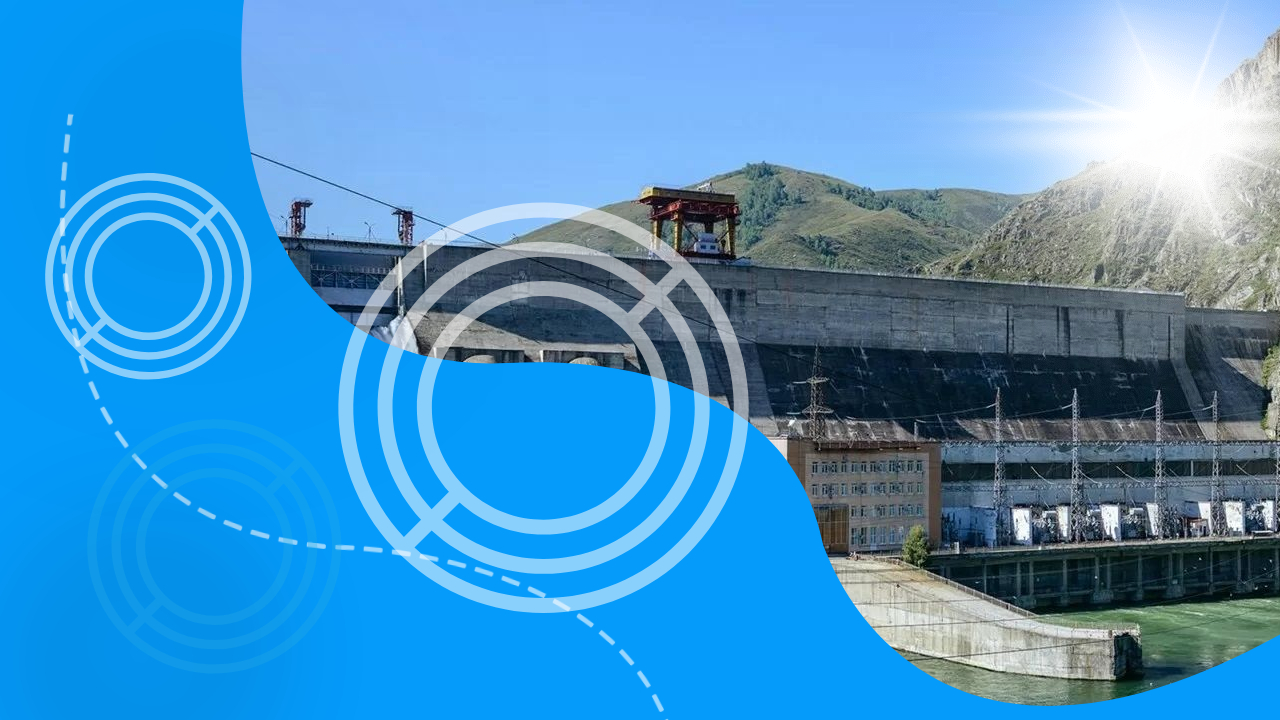
  • Kazzinc Declines to Classify Buhtarminskaya Hydropower Plant’s Generation as Renewable

    Kazzinc Declines to Classify Buhtarminskaya Hydropower Plant’s Generation as Renewable

    The Kazakhstan-based mining company “Kazzinc,” which is controlled by the Swiss-British trader Glencore, has reviewed its emissions data related to electricity consumption. According to a report from inbusiness.kz, the company is revising its Scope 2 emission metrics following an analysis of Glencore’s annual report for 2023. This review aims to align with the Greenhouse Gas Protocol’s definition of direct and indirect energy sources and renewable energy targets under the Emissions and Energy Reporting Procedure (EERP). The revision includes recalculating direct and indirect energy use and associated emissions for “Kazzinc,” including power generation at the Buchtarma Hydroelectric Power Station. Previously, this station was considered a fully integrated direct source of energy, but due to changes in reporting procedures, it will now be classified as an indirect source, potentially increasing the company’s reported emissions.

    The rationale behind this decision is based on the fact that the hydroelectric station utilizes water resources, which are subject to regulation and cannot be classified as renewable energy sources. Consequently, this move has sparked discussions within the energy sector, particularly regarding the classification of hydroelectric power and its eligibility for renewable energy incentives.

  • СП «Казатомпрома» и канадской Cameco начнет строительство аффинажного цеха

    СП «Казатомпрома» и канадской Cameco начнет строительство аффинажного цеха

    Совместное предприятие «Инкай» (60% — «Казатомпром», 40% — канадская компания Cameco) объявило о планах начать строительство в этом году аффинажного цеха по производству урана мощностью 4 тыс. тонн в год.

    «Планируемая деятельность направлена на увеличение мощности производства на 4 тыс. тонн урана в виде ЗОУ (закиси-окиси урана – Курсив) на руднике «Инкай». Проектом предусматривается строительство аффинажного цеха с реконструкцией существующего ЦППР на участке ОПЗ (основной перерабатывающий завод — Курсив) месторождения Инкай… Начало строительства – 2024 год. Завершение работ – 2025 год», — говорится в материалах СП к общественным слушаниям по проекту, которые пройдут 2 апреля.

    Объемы работ, предусмотренные рабочим проектом, включают в себя строительство аффинажного цеха, трансформаторной подстанции с дизель-генератором и реконструкцию существующего цеха переработки продуктивных растворов. Согласно планам СП, строительство будет вестись без остановки технологического процесса добычи и первичной переработки урана. Все новые объекты будут интегрированы в существующие инженерные сети, а также подключены к электроснабжению. Стоимость работ не раскрывается, однако компания планирует завершить строительно-монтажные работы за 18 месяцев (540 календарных дней).

    В связи с тем, что проектируемый объект разместится в пределах существующего предприятия размер санитарно-защитной зоны останется прежним – 500 метров. Рудник Инкай находится в 10 км от села Тайконыр Сузакского района. Аффинажный цех будет работать до 2045 года – завершения срока отработки месторождения Инкай. За СП закреплена территория площадью 240,79 квадратных километров. Аффинажный цех получит новое оборудование (прокалочную печь и сопутствующее оборудование) от Cameco. Он будет производить 4 тыс. тонн урана при работе 311 дней в году или 7450 часов. Вода будет браться из собственных артезианских скважин, а питьевая вода – привозиться в бутылях.

    СП добывает уран методом подземного скважинного выщелачивания на месторождении Инкай в Сузакском районе Туркестанской области. Метод подземного скважинного выщелачивания предусматривает собой циркуляцию сернокислых растворов через рудоносные пласты для растворения урана и откачки его на поверхность для последующего извлечения. Такой подход приводит к минимальному нарушению поверхности, не оставляя пустой породы и хвостов обогащения. После добавления химических реагентов уран выводится в осадок в особых емкостях. Полученная масса высушивается, и готовая продукция поставляется потребителям в виде желтого порошка (желтый кек или концентрат природного урана, содержащий в среднем 67% урана).

    Согласно отчету СП, совокупный объем рудных запасов месторождения составлял на 1 января 2023 года 127 тыс. тонн урана, общий объем минеральных ресурсов, включая запасы, — 148 тыс. тонн урана.

    В состав «Инкая» входят пять площадок. Площадка №1 – основной перерабатывающий завод (ОПЗ). Площадка №2 и №3 – это промышленные площадки по добыче урана. Площадка №4 – вахтовый лагерь. В компании работает 745 человек.

    Ранее Cameco сообщила о том, что общий объем добычи на Инкае в 2023 году составил 8,3 млн фунтов или около 3192 тонн урана. Также в компании отметили ряд операционных проблем в прошлом году с поставкой реагентов и бурением скважин.

    «Казатомпром», занимающий лидирующие позиции на мировом рынке урана, сообщил в январе, что может снизить производственные планы на 2024 год из-за сложностей с закупками серной кислоты — ключевого компонента при добыче урана. В то же время компания заверяла покупателей, что полностью исполнит обязательства по поставкам в рамках действующих контрактов. Выручка «Казатомпрома» по итогам 2023 года составила 1,4 трлн тенге, при этом ее рост (43%) опередил подорожание урана за год (чуть более 20%).