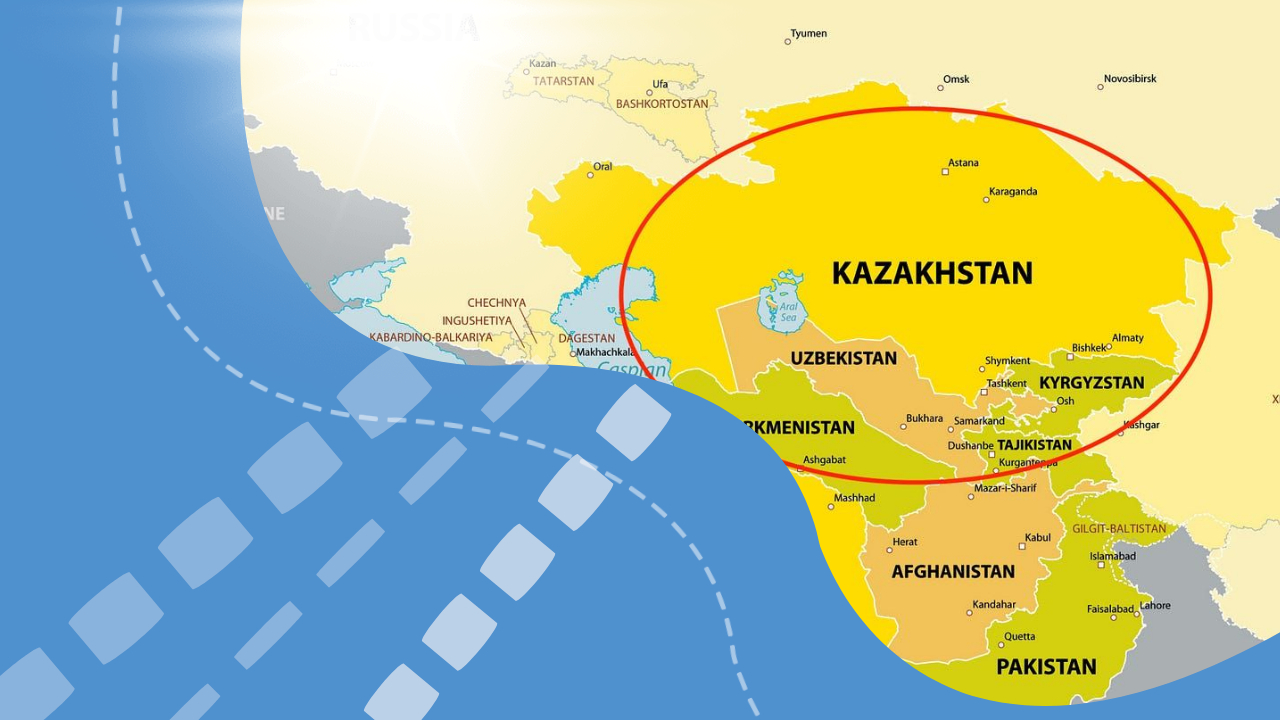
Website: Kazakhstan.com

  • Kazakhstan Proposes Rare Earth Research Center in Astana Amid EU Cooperation Push

    Kazakhstan Proposes Rare Earth Research Center in Astana Amid EU Cooperation Push

    President Kassym-Jomart Tokayev has proposed the creation of a Regional Research Center for Rare Earth Metals in Astana, aiming to deepen strategic cooperation between Central Asia and the European Union. The announcement came during the “Central Asia – European Union” summit held in Samarkand. According to the president, rare earth elements represent a key area of partnership as Kazakhstan currently produces 19 out of 34 raw materials deemed critical for the EU economy, including uranium, titanium, copper, lithium, cobalt, and tungsten.

    Kazakhstan, in collaboration with the European Bank for Reconstruction and Development (EBRD), is already advancing exploration projects and integrating modern, sustainable practices in the mining sector. The proposed research center would provide companies and investors with up-to-date information on available deposits, technologies, and development prospects.

    During the summit, Tokayev also declared Kazakhstan’s readiness to boost exports to the European Union by $2 billion. This follows recent news of the discovery of a rare earth deposit in the Karaganda region, estimated to contain around one million tons of resources.
  • Kazakhstan to Auction 50 Mineral Deposits Including Gold, Copper, and Rare Earth Metals

    Kazakhstan to Auction 50 Mineral Deposits Including Gold, Copper, and Rare Earth Metals

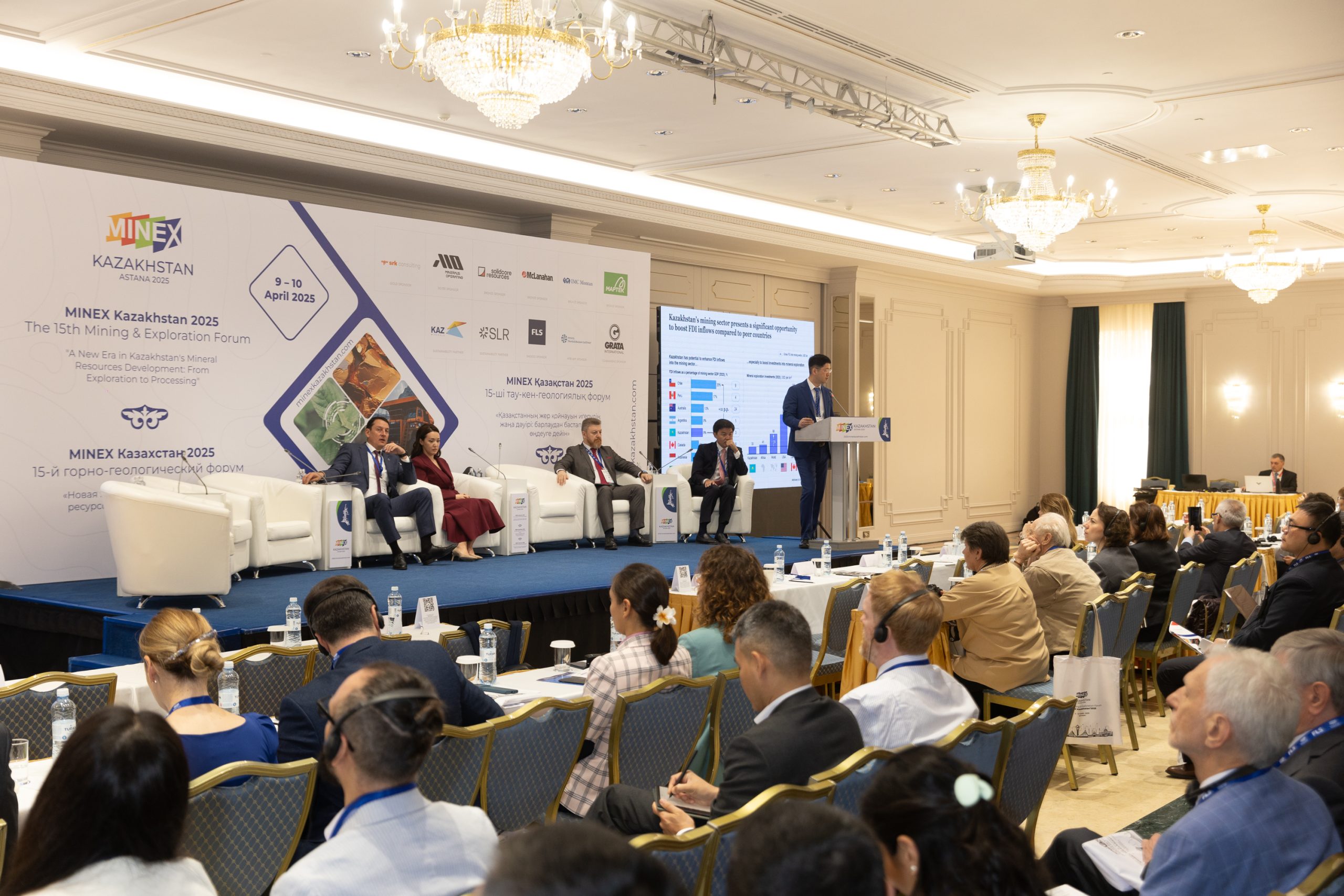
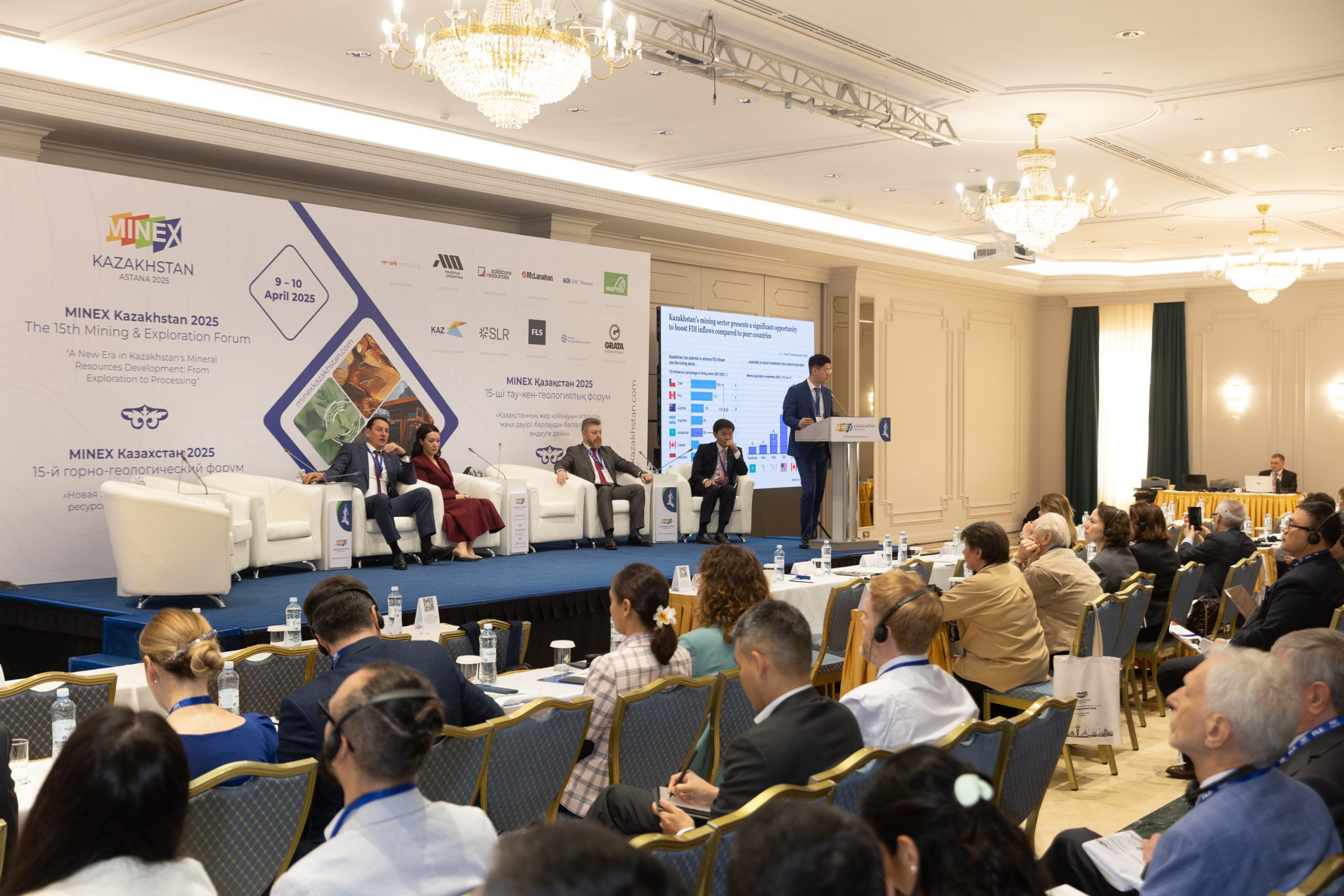
    Kazakhstan is set to hold a large-scale electronic auction in June 2025, offering 50 solid mineral deposits, including gold, copper, coal, polymetals, and rare earth elements, according to Almas Kushumov, Director of the Subsoil Use Department at the Ministry of Industry and Construction. He made the announcement during the MINEX Kazakhstan forum.

    The rights will be granted for both exploration and extraction, with deposits containing balance reserves to be auctioned directly for mining. The full list of deposits is expected to be published in the coming days.

    Kushumov noted that 117 deposits were auctioned via e-auctions in 2023–2024, bringing in over 20 billion tenge in signing bonuses for the state. In 2024, 43 new deposits were officially registered, including 22 solid mineral sites. Resource growth figures include:

    • 20 tons of gold

    • 9,000 tons of silver

    • 48,000 tons of copper

    Kazakhstan’s current reserve lifespan is estimated at 33 years for gold and 44 years for copper, based on current production levels.

    Minister of Industry and Construction Kanat Sharlapayev previously stated that companies from the United States, the European Union, and China would be able to participate in the auctions for rare and rare earth metal rights. He emphasized that competition among major players in the global critical materials market—used in dual-use goods, renewable energy tech, electric vehicles, and more—could help maximize Kazakhstan’s revenues.

    Quote:

    “This will be a high-interest auction. The competition between Western countries and China in the rare earth sector gives us the opportunity to attract the best offers,” Sharlapayev said.

  • Kazakhstan Launches New Era of Resource Development at 15th MINEX Forum

    Kazakhstan Launches New Era of Resource Development at 15th MINEX Forum

    Date: April 9, 2025

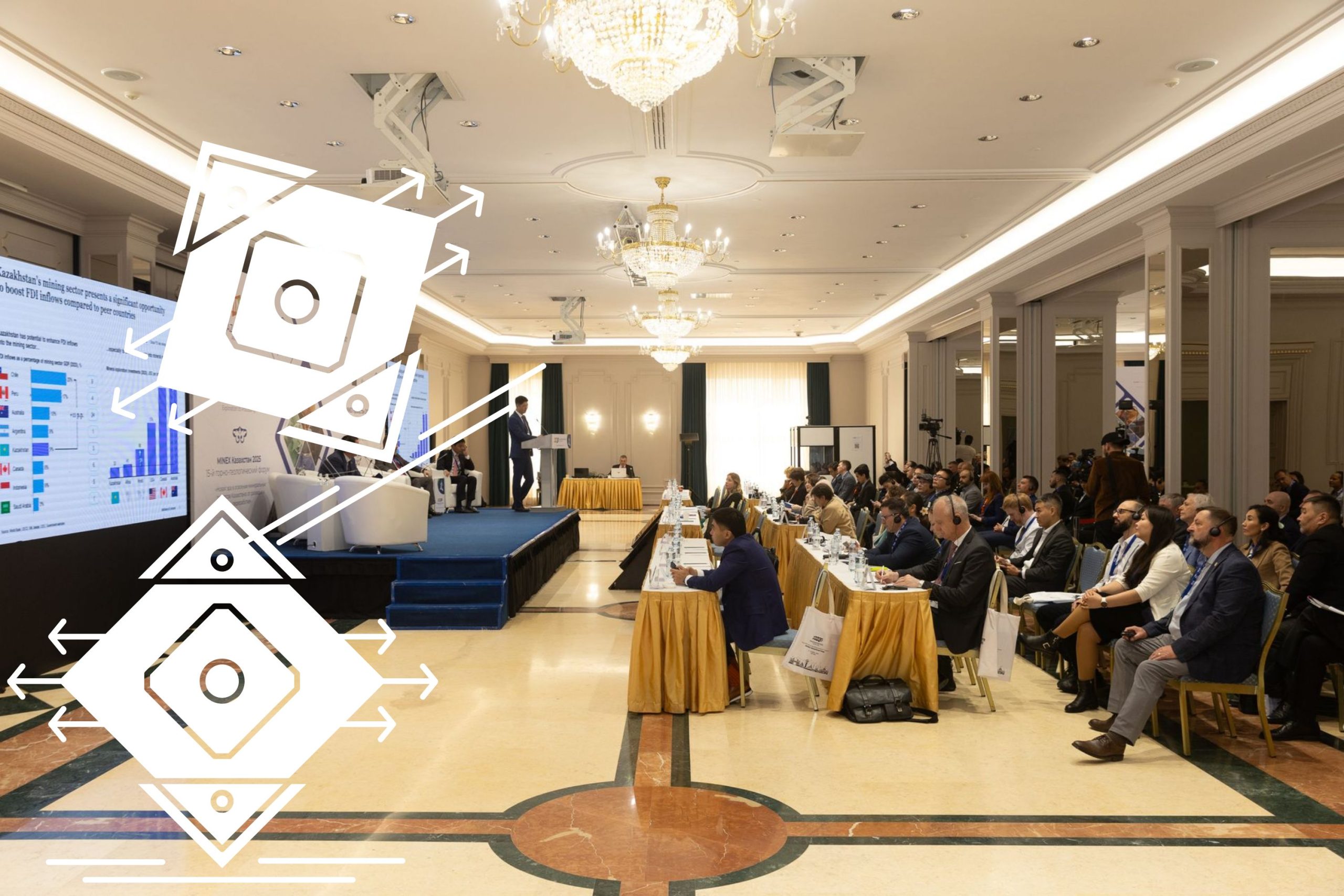
    The 15th MINEX Kazakhstan Mining and Geological Forum is underway today in Astana under the theme: “A New Era of Kazakhstan’s Mineral Resource Development: From Exploration to Processing.”

    The event brings together around 100 speakers, 450 delegates, and 40 exhibitors from across Central Asia, Europe, North America, Africa, the Middle East, Australia, China, India, Malaysia, and Singapore.

    In her keynote address, Zhannat Dubirova, Vice Minister of Industry and Construction, highlighted recent digitalization milestones achieved in the country’s resource sectors:

    “Since the beginning of this year, we have launched the Unified Subsoil Use Platform, which now provides 22 digitized public services. So far, it has processed 506 applications. Investors can now apply directly through the portal to participate in auctions. In January, this led to $40 million in investments across 21 sites.”

    She also announced that manual oversight of more than 3,000 licenses and contracts related to solid mineral resources had been fully digitized.

    Almas Kushumov, Director of the Subsoil Use Department at the ministry, presented the results of state-led geological surveys:

    “There is growing business interest in resource development. Over the last two years, 117 subsoil plots and deposits were auctioned electronically, generating more than 29 billion tenge in subscription bonuses. In June 2025, we plan to auction 50 gold, silver, coal, and rare metal deposits.”

    The forum is also addressing pressing issues such as Kazakhstan’s role in global critical mineral supply chains, investment climate improvements, uranium sector development, and nuclear energy expansion.

    The event will conclude with a session on talent development and national capacity building, followed by a gala awards ceremony honoring achievements in the mining sector, hosted by the Mining Chamber of Kazakhstan.

    Kazakhstan’s mineral sector is undergoing a significant transformation, driven by government initiatives aimed at boosting economic growth, industrial diversification, and expanding geological exploration.

  • Kazakhstan to Auction 50 Gold, Copper, Coal, and Rare Metal Deposits in June

    Kazakhstan to Auction 50 Gold, Copper, Coal, and Rare Metal Deposits in June

    Kazakhstan will auction 50 deposits of gold, copper, coal, and rare metals in June via its Unified Subsoil Use Platform, representatives from the Ministry of Industry and Construction announced at the 15th MINEX mining and geological forum.

    These deposits, which already have confirmed mineral reserves, will be offered for extraction under licenses valid for up to 25 years. Participating companies must develop a mining plan and specify the development timeline for each site.

    According to the ministry, companies from the United States, the European Union, and China have already applied to participate in the auction.

    Almas Kushumov, Director of the Subsoil Use Department at the Ministry of Industry and Construction of Kazakhstan:
    “These are deposits with proven reserves. We will auction them for extraction — gold, coal, rare and polymetallic deposits. Soon we will publish detailed information on the Unified Subsoil Use Platform. All interested parties will be able to submit documents online and take part in the auction.”

    Experts say that such auctions play a key role in attracting foreign investment to Kazakhstan’s resource sector — especially since some mineral-rich areas have yet to be announced due to incomplete documentation.

    Kushumov noted that in 2024 alone, 23 new deposits of solid minerals were officially added to the national register for the first time.

    “In terms of gold alone, state reserves increased by 20 tonnes. Every year, based on geological exploration results, new reserves are confirmed, added to the state balance, and then made available for extraction.”

  • Kazakhstan Urged to Develop Coal Chemistry Amid Surge in Rare Earth Interest

    Kazakhstan Urged to Develop Coal Chemistry Amid Surge in Rare Earth Interest

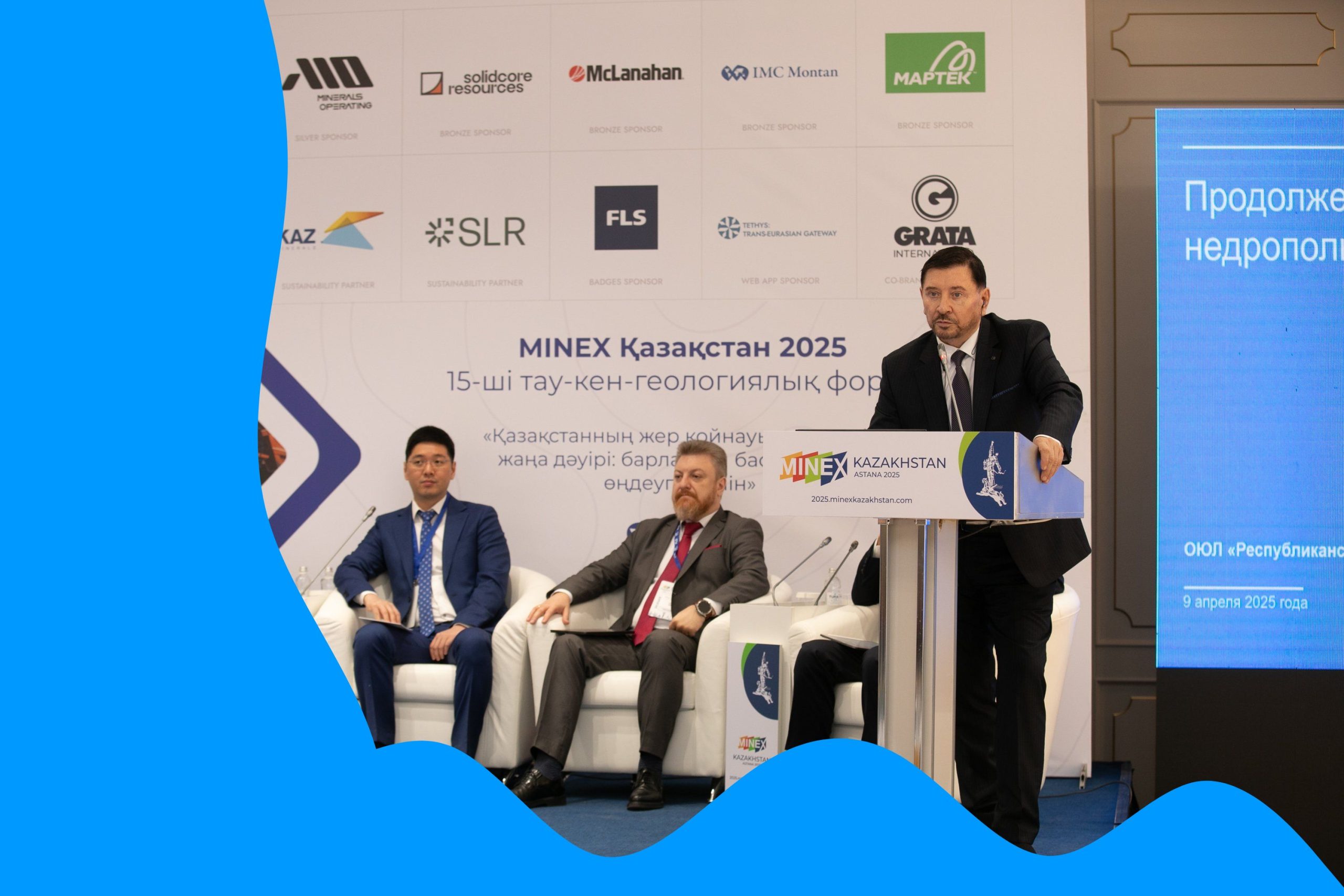
    As global demand for rare earth elements grows, Kazakhstan must not overlook the development of coal chemistry, said Nikolai Radostovets, Executive Director of the Republican Association of Mining and Metallurgical Enterprises (AGMP), at the MINEX Kazakhstan forum.

    “Technologies around the world are constantly evolving. First it was aluminum, then copper and steel. Now rare earths are in high demand. But we also want to see investment interest in the coal industry. Many have recently told Kazakhstan to phase out coal combustion — and we understand this,” Radostovets said.

    Despite global energy transition initiatives and the rise of renewables, coal remains a vital energy source, he emphasized. “You see how the situation is changing. Coal is still a very important product. We need concrete proposals and actions from the government to develop coal chemistry. We’re looking at stimulating cluster-based initiatives, and our industry is actively working on forming clusters with local manufacturers.”

    Discussions are also underway regarding the development of copper and aluminum clusters. “I believe the president and prime minister, by supporting our sector’s cluster initiatives, will create opportunities for processing and developing new products,” he added.

    Global coal giant China Energy is currently selecting a suitable deposit in Kazakhstan to develop coal chemistry. In January, Prime Minister Olzhas Bektenov confirmed the company’s $4 billion interest in coal chemical investment projects in the country.

    Kazakhstan ranks among the world’s top 10 countries in coal reserves, with an estimated 33.6 billion tons. At current consumption rates, that supply could last 300 years. Currently, coal generates about 70% of Kazakhstan’s electricity.

    Vice Minister of Energy Sungat Yesimkhanov previously announced that up to 5 GW of coal-based energy capacity is expected to be introduced by 2035. This includes several power blocks at Ekibastuz GRES-1 and GRES-2, as well as new thermal plants in Kokshetau, Semey, and Ust-Kamenogorsk. While the government forecasts coal’s share in electricity generation to decline to 34% by 2035, major infrastructure projects remain coal-dependent.

  • Kazakhstan Aims to Attract 12 Billion Tenge for Rare Earth Metals Development

    Kazakhstan Aims to Attract 12 Billion Tenge for Rare Earth Metals Development

    Kazakhstan plans to attract nearly 12 billion tenge (approx. $26.7 million) in investments to develop its rare earth and critical mineral deposits, according to the Ministry of Industry and Construction. Currently, the country does not produce rare earth raw materials, but it extracts critical metals such as beryllium, tantalum, niobium, fluorspar, titanium, rhenium, vanadium, antimony, bismuth, scandium, phosphorus, coking coal, bauxite, barite, copper, magnesium, tellurium, and manganese.

    The ministry highlighted cobalt, tungsten, lithium, and other battery and magnet metals as key priorities. Kazakhstan has 56 cobalt deposits and 21 tungsten deposits, with one tungsten mining project already underway in the Almaty region with foreign investors. Additionally, there are seven lithium deposits, with two mining and processing initiatives in progress.

    To boost production, Kazakhstan has developed a comprehensive 2024-2028 plan, focusing on resource expansion, extraction technologies, production modernization, and new standards. Over the next four years, 11.79 billion tenge will be invested in exploration and development, funded by the state budget and other sources.

    The country also aims to enter the battery materials supply chain. In 2024, Kazakhstan began processing manganese sulfate, capturing 5% of the global market. Future projects include processing cobalt, lithium, tin, and tungsten. A joint venture with a German company is exploring lithium deposits, with potential $500 million investments if reserves are confirmed.

    Other collaborations include a Kazakh-British project in Zhezkazgan to process heat-resistant nickel alloys for rhenium extraction, and a Chinese-funded initiative to produce tungsten trioxide.

    Kazakhstan is already a leading producer of titanium, beryllium, and tantalum and seeks technology transfer partnerships for further growth. Recently, Foreign Minister Murat Nurtleu discussed strategic cooperation with U.S. Secretary of State Marco Rubio, particularly in energy and critical minerals.

    Meanwhile, President Kassym-Jomart Tokayev has emphasized the need to develop “new oil” deposits—referring to rare earth metals—as a national priority.

  • 15th International Mining and Geology Forum MINEX Kazakhstan Kicks Off in Astana

    15th International Mining and Geology Forum MINEX Kazakhstan Kicks Off in Astana

    The 15th anniversary of the International Mining and Geology Forum MINEX Kazakhstan has commenced in Astana, attracting over 100 leading speakers and 450 delegates from 30 countries, including Central Asia, Europe, North and South America, the Middle East, Southeast Asia, Africa, and Australia. The participation of global industry leaders highlights Kazakhstan’s growing significance as a key player in the global minerals market.

    The forum’s central theme, “A New Era in Kazakhstan’s Mineral Resource Development: From Exploration to Processing,” addressed critical industry topics such as sustainable development, ESG principles, technological innovation, digitalization, investment, exploration, and cross-border cooperation.

    During the plenary session, Nikolai Radostovets, Executive Director of the Association of Mining and Metallurgical Enterprises (AGMP), emphasized the need for continued reforms in subsoil use legislation and taxation. He noted that the Kazakhstani government is actively working to attract both foreign and domestic companies to geological exploration, with over 3,000 licenses already issued. A second phase of reforms in subsoil use is now anticipated.

    Radostovets highlighted that while the 2017 Subsoil Code initiated industry reforms—introducing a licensing system and establishing CRISCO Association—some issues remain unresolved. President Kassym-Jomart Tokayev has since stressed the importance of completing these reforms. Currently, the Ministry of Industry and Construction is reviewing over 60 amendments to the Subsoil Code, including proposals from AGMP.

    One key discussion point was the potential division of the Subsoil Code into separate codes for hydrocarbons and solid minerals, as seen in other countries, to address differing industry needs. Radostovets also underscored the importance of royalty rates for new deposits, stating that consultants are evaluating rates to align with international tax standards and encourage higher processing levels.

    Additionally, he called for public discussions on proposed amendments, noting that past legislative gaps in the Water and Land Codes had led to enforcement challenges. A working group under the Ministry will soon review amendments, with parliamentary consideration expected by September 2025.

    Radostovets also addressed the need for investment in coal, despite global shifts away from coal burning, emphasizing coal chemistry development and cluster initiatives for copper and aluminum. He expressed optimism that MINEX Kazakhstan would facilitate progress in the second phase of subsoil use reforms.

  • Kazakh Industry Ministry Denies Role in Potential Qarmet Investment Deal

    Kazakh Industry Ministry Denies Role in Potential Qarmet Investment Deal

    The Ministry of Industry and Construction of Kazakhstan has clarified that it is not involved in preparing a potential investment agreement with Qarmet for the modernization of its steel division, citing limited jurisdiction. The ministry’s response came after an inquiry from inbusiness.kz via the e-Otinish government platform.

    In its statement, the ministry emphasized that its role is to formulate and implement policies for industry and mining, while investment agreements fall outside its scope. It advised directing questions to Qarmet directly.

    Despite reaching out to Qarmet in early March, inbusiness.kz has yet to receive answers regarding the potential deal, including whether the steel and mining company would receive tax incentives or other state benefits.

    The ministry, now led by Yersaiyn Nagaspayev, recently made headlines when Nagaspayev visited Qarmet’s facilities in the Karaganda region, one of his first official trips since his appointment.

    Meanwhile, reports indicate that Qarmet plans to secure up to 3.5billion in financing by 2028 from Chinese, international, and Kazakh banks. The company previously had a 450 million debt to former owner ArcelorMittal, partially repaid last year. In 2024, Qarmet also obtained a $350 million export loan from the Kazakh Development Bank at a 9.17% fixed rate.

    Despite claiming $200 million in monthly revenue, Qarmet has not publicly disclosed its financial statements since 2022, raising transparency concerns. The company produces 3.2M tons of pig iron, 3.5M tons of steel, and 6.1M tons of coal annually, employing 29,117 workers—though reports suggest early retirement layoffs occurred last year.

  • Kazakhstan Responds to New U.S. Tariffs, Seeks Exemptions for Key Exports

    Kazakhstan Responds to New U.S. Tariffs, Seeks Exemptions for Key Exports

    The Ministry of Trade and Integration of Kazakhstan has addressed the new U.S. customs duties on select goods, clarifying that the majority of its exports remain unaffected. A preliminary analysis revealed that 92% of Kazakhstan’s U.S.-bound shipments, including crude oil, uranium, silver, and ferroalloys, are exempt under U.S. administrative regulations.

    However, additional tariffs will apply to some goods, impacting 95.2 million worth of exports in 2024. Affected items include phosphorus 15.9M), ferrosilicon (12.7M), lenses(4.1M), wheat gluten (4M),and ammonium nitrate (—representing just 4.8% of total exports to the U.S.

    The Kazakh government has announced consultations with U.S. officials to negotiate further exemptions, emphasizing its WTO membership and adherence to fair trade principles.

    Bilateral trade between Kazakhstan and the U.S. reached 4.2 billion in 2024,with Kazakh exports surging 30.6 billion. The move follows a recent U.S. decision to impose 27% tariffs on Kazakhstan, the highest among Central Asian nations.

  • President Tokayev Reviews Industrial Progress and Sets New Goals for Kazakhstan’s Development

    President Tokayev Reviews Industrial Progress and Sets New Goals for Kazakhstan’s Development

    President Kassym-Jomart Tokayev met with Minister of Industry and Construction Yersain Nagaspayev on April 2, 2025, to discuss the ministry’s achievements in 2024 and outline key priorities for the coming period.

    Minister Nagaspayev reported significant growth in industrial investments and exports of processed goods last year, with plans to further boost production volumes in 2025. He also highlighted progress in geology and digitalization, including the launch of a Unified Subsoil Use Platform, digitized urban planning projects, and plans to introduce a single utility bill system even in rural areas. Additionally, the ministry is developing an AI-powered geological database to enhance resource exploration.

    Following the report, President Tokayev assigned several urgent tasks. These include increasing high-value industrial output, creating a national registry of domestic manufacturers, and improving investor engagement. The President also stressed the importance of meeting housing construction targets, expanding water supply coverage, and further digitizing construction and utility services.

    Furthermore, the ministry must ensure the timely commissioning of industrial facilities and implement subsoil use reforms efficiently. Tokayev emphasized strict oversight in supporting local manufacturers to strengthen Kazakhstan’s economic resilience.