Website: Kazakhstan.com

  • Kazakhstan Invests in Skills: The Future of Science and Workforce in the Mining Industry

    Kazakhstan Invests in Skills: The Future of Science and Workforce in the Mining Industry

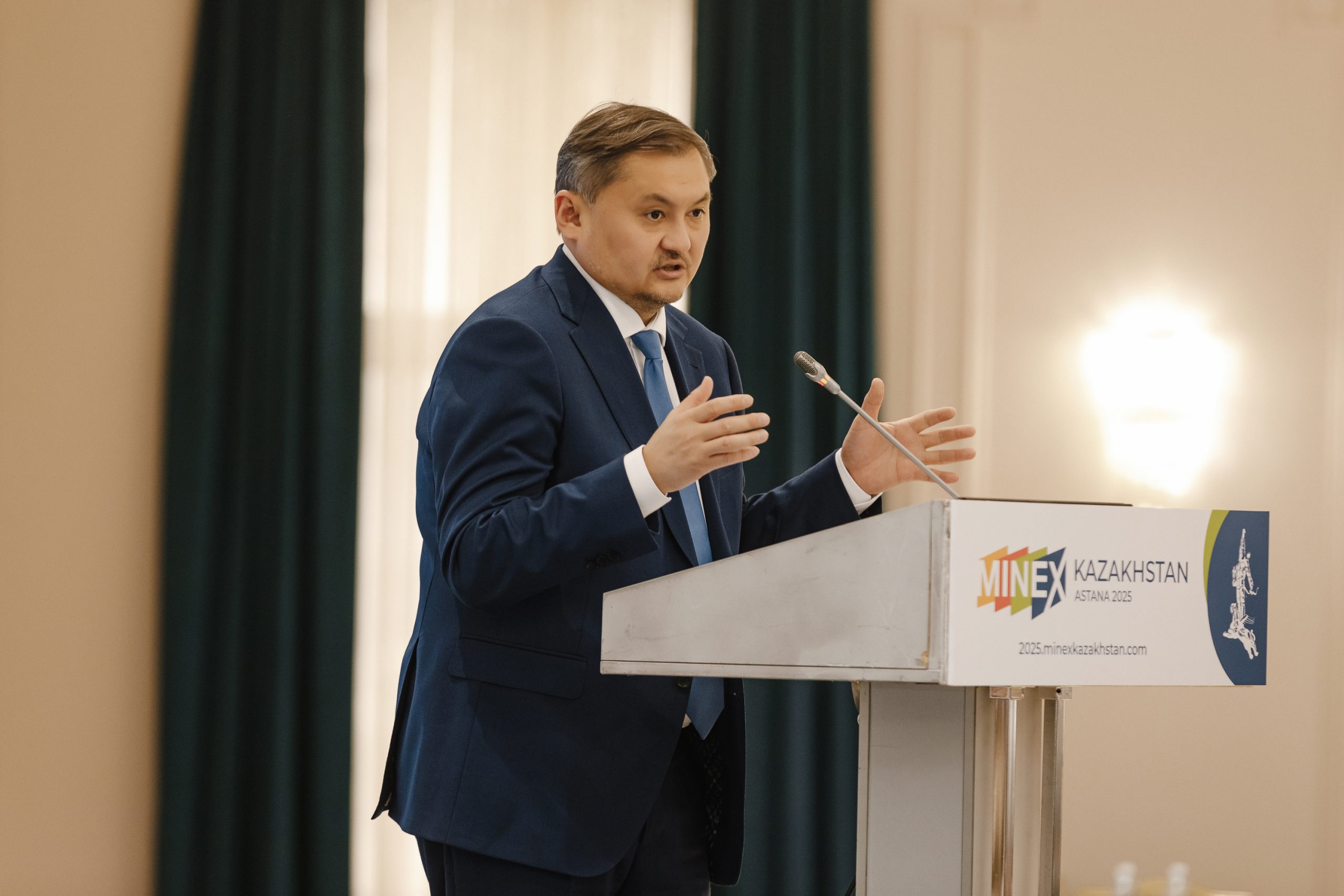
    At the MINEX Kazakhstan Mining and Geological Forum, a session was held on the future of scientific research and workforce development in the country’s mining sector. The event was moderated by Bakyt Manasbayeva, Deputy Executive Director of the Association of Mining and Metallurgical Enterprises (AMME).

    Kazakhstan’s Minister of Science and Higher Education, Sayasat Nurbek, outlined key directions in scientific and technological policy. He emphasized the shift toward an open science model focused on university-based research and greater involvement of private companies. The National Academy of Sciences has now been granted the status of the highest scientific authority, and the Science Fund is being transformed from a grant-giving body into a fund of funds capable of launching joint venture and investment initiatives. Regional science will also gain momentum through newly established science and technology councils under regional administrations.

    In terms of workforce development, Minister Nurbek announced the entry of top international universities such as the University of Exeter and the Colorado School of Mines into Kazakhstan. A new technical university is being opened in Zhezkazgan on the basis of the Kazakhmys geological cluster, and another is planned in Astana with a focus on mining and metallurgy.

    He also highlighted the launch of the Atlas of New Professions six years ago, which maps out future job trends in nine priority economic sectors. The mining and metallurgical industry’s atlas was one of the first to be developed, with regional versions already implemented in nine areas of the country.

    Bakyt Manasbayeva noted that up to 45% of employees at some enterprises are under 35, and this share continues to grow. Young professionals see the industry as offering stability, career growth, and social support. She stressed the need to update the Atlas in response to growing digitalization, automation, environmental concerns, and geopolitical shifts that are changing required skillsets.

    The updated Atlas now includes roles such as mining digitalization specialist, ESG data analyst, rare metals expert, cybersecurity engineer for industrial systems, and digital twin specialist. In the coming months, in-depth interviews with industry experts and employers will be conducted to refine competence matrices and career pathways, culminating in a new version of the Atlas tailored to education, business, and youth.

    The session also featured insights from scientific and industry leaders on commercializing technologies, training a new generation of mining professionals, and the future of geological exploration.

  • Kazakhstan Leads Central Asia in Industrial Output

    Kazakhstan Leads Central Asia in Industrial Output

    In 2024, Kazakhstan emerged as the industrial leader of Central Asia, with total industrial output reaching $106.8 billion, according to the Ministry of Industry. This figure surpasses Uzbekistan’s output by 1.5 times, Kyrgyzstan’s by 16 times, and Turkmenistan’s by nearly 22 times.

    Kazakhstan ranked second in the region for processing volume at $52.2 billion, trailing only Uzbekistan. The country also placed second in the CIS, following Russia, which recorded $1.3 trillion in industrial output, including $896.5 billion from manufacturing. Other notable CIS figures include:

    • Uzbekistan: $68.3B (processing: $58B)

    • Belarus: $62.4B (processing: $56B)

    • Azerbaijan: $37.7B (processing: $11.2B)

    • Armenia: $7.6B (processing: $5.5B)

    • Moldova: $7.6B (processing: $4.6B)

    • Kyrgyzstan: $6.7B (processing: $5.2B)

    • Tajikistan: $4.9B

    • Turkmenistan: $0.5B (processing only)

    In 2024, Kazakhstan launched 180 industrial projects worth 1.3 trillion tenge, generating 14,400 permanent jobs. Key highlights include:

    • KamLitKZ Foundry (Kostanay): 45K tons of cast iron parts annually, 500 jobs

    • Boguty Tungsten Mining (Almaty): 3.3M tons of ore/year, 10K tons of concentrate, 350 jobs

    • Kyzyl Aray Copper: 30K tons of cathode copper/year, 780 jobs

    • Ulytau Gold: Producing 1.78 tons of gold and 1.98 tons of silver/year, 300 jobs

    • KZTA Valve Factory: 45K units/year, 200 jobs

    • TechnoNICOL Insulation Plant (Almaty): 1.4M m³ of stone wool/year, 220 jobs

    In 2025, 190 projects valued at 1.5 trillion tenge are expected to create 20,000 new jobs. Notable plans include:

    • Astana Motors Auto Plant (Almaty): $182B tenge, 2.2K jobs, capacity: 90K vehicles/year

    • KIA Plant (Kostanay): $90B tenge, 1.5K jobs, 70K vehicles/year

    • Liman Field Development (Aktobe): $241.4B tenge, 460 jobs, 1.2M tons of ore/year

    • Ekibastuz FerroAlloys Plant (Pavlodar): $92.4B tenge, 800 jobs, 240K tons of ferrosilicon/year

    • PZTM Rail Welding Plant (Aktobe): $21.4B tenge, 297 jobs, 825 km of rails and 290K sleepers/year

    • TEMPO Kazakhstan Steel Pipe Plant (Karaganda): $15B tenge, 400 jobs, 250K tons/year

    • QazAlPack Aluminum Packaging Modernization (Shymkent): $21.7B tenge, 112 jobs, 1.15B cans/year

    • Silumin of Qazaqstan Radiator Plant (Karaganda): $18.6B tenge, 183 jobs, 3.7M units/year

    President Kassym-Jomart Tokayev continues to emphasize the strategic importance of manufacturing, which experts say reflects a structural transformation of the economy, rising value-added production, and increased investment appeal.

    Meanwhile, S&P Global Ratings reaffirmed Kazakhstan’s sovereign credit rating at ‘BBB-/A-3’ with a stable outlook, citing strong fiscal and external buffers as key factors supporting resilience to external shocks.

  • US Investor James Cameron Offers $5B to Acquire Eurasian Resources Group Amid Kazakhstan’s Rare Earth Push

    US Investor James Cameron Offers $5B to Acquire Eurasian Resources Group Amid Kazakhstan’s Rare Earth Push

    US businessman James Cameron has made a $5 billion offer to acquire Eurasian Resources Group (ERG), according to a letter sent to the company’s board, as the Kazakh mining giant prepares to play a central role in Kazakhstan’s rare earths expansion.

    ERG, headquartered in Luxembourg and 40% owned by the Kazakh government, is a key global producer of copper, cobalt, aluminum, and iron ore. Last year, the company launched a task force to explore Kazakhstan’s reserves of rare earth and rare metals—a strategic move gaining momentum amid geopolitical tensions and a global race to secure critical minerals.

    Talks between ERG and Cameron—not related to the film director of the same name—have reportedly been ongoing since late 2024, according to sources familiar with the matter. Cameron previously served as chairman of FTSE 250 mining firm Petropavlovsk.

    While ERG, the Kazakh government, and Cameron have not publicly commented, the letter seen by Reuters states that Goldman Sachs is in early discussions to advise on the potential acquisition. Financing would be secured through a mix of Cameron’s own capital and equity from investors in the US, Australia, and the Middle East.

    The move comes at a critical time, as Kazakhstan announced a rare earth discovery exceeding 20 million metric tons—a find that could position the country among the top three rare earth holders globally, behind China and Brazil. Prime Minister Olzhas Bektenov has confirmed that previously classified Soviet-era geological data is being declassified to support exploration and investment.

    ERG is poised to play a pivotal role in the country’s plan to increase rare earth production by 40% by 2028. The group once produced one-fifth of the world’s gallium, a strategic metal in semiconductor production, until Chinese output caused a price collapse in 2012. China has since banned gallium exports to the US, further driving American interest in alternative sources.

    The deal could mark a new chapter for ERG, following the death of board chairman and co-founder Alexander Mashkevich last month. With only Patokh Chodiev remaining from the original founding trio, Cameron’s bid could reshape the company’s leadership and strategic direction.

  • Altynalmas Outlines Ambitious Development Plans for Maikainzoloto During Executive Visit

    Altynalmas Outlines Ambitious Development Plans for Maikainzoloto During Executive Visit

    Balamir Makhanov, Chairman of the Board of JSC “AK Altynalmas”, has visited the Maikainzoloto site as part of a working trip, where he met with the company’s workforce to present a roadmap for future development.

    Altynalmas, one of Kazakhstan’s top three gold producers, continues to invest in modernization and expansion across five key regions. The Maikainzoloto asset, recently integrated into the company’s strategic portfolio, is now a focal point for comprehensive growth.

    “Maikainzoloto is a valuable asset within our company structure. We see significant potential here and are committed to ensuring its sustainable development through modernization, new technologies, and resource base expansion,” said Makhanov during the meeting.

    To extend operational life and boost production, five new exploration licenses have been acquired. Among the most promising sites is the Alpys deposit, where exploration is already planned. Additionally, the company aims to construct a processing plant to treat historic tailings, accumulated since the deposit was first developed.

    Altynalmas continues to emphasize corporate social responsibility, focusing on occupational safety, modern personnel and equipment tracking systems, working conditions, and professional development programs. The company also actively supports local communities, investing in social infrastructure, education, and sports initiatives.

    As part of the visit, Altynalmas officially introduced Daniyal Nabiev as the new General Director of Maikainzoloto. With extensive management experience in industrial enterprises, Nabiev’s appointment reflects Altynalmas’ commitment to robust and dynamic growth.

    The outlined development strategy and leadership transition underscore Altynalmas’ determination to strengthen its position in the mining sector while contributing to the socio-economic growth of the Pavlodar region.

  • Kazakhstan Eyes Russian Participation in First Nuclear Power Plant Project

    Kazakhstan Eyes Russian Participation in First Nuclear Power Plant Project

    Kazakhstan’s Foreign Minister Murat Nurtleu has expressed hope that Russia will participate in building the country’s first nuclear power plant (NPP). The statement was made during his meeting with Russian Foreign Minister Sergey Lavrov, according to TASS.

    “We already have over 170 joint projects with Russian businesses, and the NPP construction is among the most strategic. I hope our respective ministries will move forward with the necessary work,” Nurtleu noted.

    The project has strong public support — a referendum held on October 6, 2024, showed 71.12% of Kazakhstani voters are in favor of building a nuclear power plant. Four international companies are currently under consideration to supply technology and lead construction:

    • Rosatom (Russia)

    • CNNC (China)

    • KHNP (South Korea)

    • EDF (France)

    According to Deputy Minister of Energy Sungat Yessimkhanov, the contractor selection will be completed by June 2025. President Kassym-Jomart Tokayev has previously confirmed that the NPP will be developed through an international consortium, should the public support it.

    The first NPP will be located in the village of Ulken, Almaty region. Preparatory work has already begun, with plans to create an industrial zone, social infrastructure, and to modernize local roads and water supply systems to support NPP operations.

    Speaking at the recent National Kurultai, a major national forum, President Tokayev revealed even more ambitious plans:

    “Kazakhstan will not stop at one NPP. We are preparing to establish three nuclear power plants, alongside the formation of a dedicated Nuclear Energy Agency.”

    The push for nuclear energy comes amid Kazakhstan’s broader strategy to diversify its energy mix, reduce emissions, and strengthen energy security in the region.

  • 15th MINEX Kazakhstan Forum Highlights Second Phase of Mining Law Reform

    15th MINEX Kazakhstan Forum Highlights Second Phase of Mining Law Reform

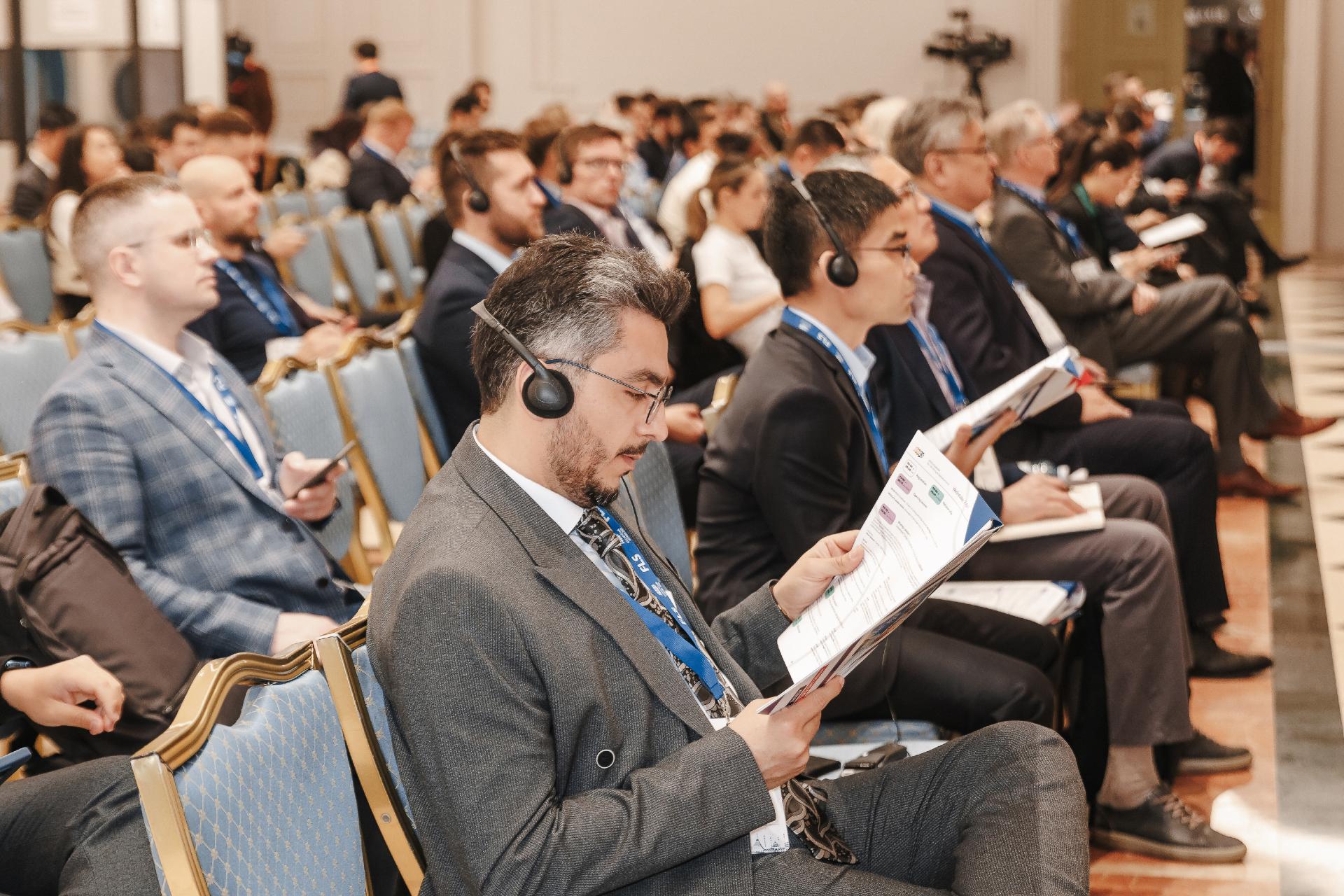
    The 15th anniversary MINEX Kazakhstan Forum has officially opened in Astana, bringing together over 450 delegates and more than 100 speakers from 30 countries, including Central Asia, Europe, the Americas, the Middle East, Southeast Asia, Africa, and Australia. The forum emphasizes Kazakhstan’s growing importance in the global mineral resource market.

    The central theme of the event is “A New Era in Kazakhstan’s Mineral Development: From Exploration to Processing.” Key discussions focused on sustainable development, ESG principles, technological innovation, digitization, investment, exploration, and cross-border cooperation.

    During the plenary session, Nikolai Radostovets, Executive Director of the Republican Association of Mining and Metallurgical Enterprises (AGMP), highlighted the need to continue reforms in subsoil use and taxation.

    He praised the government’s proactive efforts in attracting both domestic and foreign investment in geological exploration. Over 3,000 licenses have been issued, demonstrating momentum in the sector. However, Radostovets emphasized that a second phase of subsoil use reform is necessary to address remaining legislative gaps.

    Notably, he proposed splitting the current Subsoil Code into two separate laws — one for hydrocarbons and another for solid minerals — to better address the specific needs of each sector.

    Radostovets also outlined key priorities for transforming the sector:

    • Classifying exploration expenses as tax-deductible,

    • Introducing agreements for processing low-grade deposits,

    • Stimulating the processing of technogenic mineral formations,

    • Developing a new Tax Code with provisions tailored to the mining sector.

    One of the central issues is the introduction of royalties for new and existing deposits. While initial industry reactions were hesitant, similar to past transitions from contracts to licensing, Radostovets expressed optimism that fair and competitive royalty rates will encourage investment and higher value-added processing.

    The executive also called for greater alignment between the Subsoil Code and other legislation, such as the Water and Land Codes, to address legal inconsistencies.

    Legislative amendments — more than 60 proposals — are currently under review by the Ministry of Industry and Construction. A working group will begin public discussions in the coming weeks, and the finalized amendments are expected to be submitted to Parliament in September 2025.

    Radostovets stressed the importance of coal as a strategic resource, advocating for investment in coal chemistry despite global calls to move away from coal combustion. He also promoted the development of industrial clusters, including copper and aluminum clusters, to support local value-added production.

    “We are optimistic. The MINEX Kazakhstan Forum not only facilitates dialogue and debate but helps us move forward with meaningful reforms in Kazakhstan’s mining sector,” Radostovets concluded.

  • Kazakhstan Targets Nearly ₸12 Billion Investment in Rare Earth Metal Development

    Kazakhstan Targets Nearly ₸12 Billion Investment in Rare Earth Metal Development

    Kazakhstan is set to attract nearly ₸11.79 billion (approx. $26 million) in investments for the exploration and development of rare earth metal deposits over the next four years, according to the Ministry of Industry and Construction.

    Currently, Kazakhstan does not produce rare earth raw materials. However, it already extracts several critical metals recognized by the EU, UK, and US, including beryllium, tantalum, niobium, fluorspar, titanium, rhenium, vanadium, antimony, bismuth, scandium, phosphorus, coking coal, bauxite, barite, copper, magnesium, tellurium, and manganese.

    The government has identified cobalt, tungsten, lithium, and other metals used in batteries and magnet production as key priorities. The national mineral reserve includes 56 cobalt deposits, 21 tungsten deposits, and 7 lithium fields. Exploration and production initiatives for lithium are already underway, including partnerships with German investors, potentially totaling $500 million if reserves are confirmed.

    As part of its 2024–2028 strategic plan, Kazakhstan aims to:

    • Expand its resource base,

    • Implement advanced extraction technologies,

    • Modernize production,

    • Develop new standards for critical minerals.

    The state budget and alternative funding sources will support this effort. In addition, Kazakhstan seeks to become a key player in the battery material supply chain. In 2024, it began manganese sulfate processing, capturing 5% of the global market.

    Several mid-term projects are also in development, including:

    • Cobalt, lithium, tin, and tungsten processing facilities,

    • A UK-Kazakh project in Zhezkazgan processing imported heat-resistant nickel alloys to extract rhenium,

    • A Chinese investment in tungsten trioxide production.

    The Ministry of Industry believes these initiatives will significantly strengthen Kazakhstan’s position in rare and critical metal production within three years. Kazakhstan is already a leading global producer of titanium, beryllium, and tantalum, and aims to attract new partners through technology transfer agreements.

    These moves align with Kazakhstan’s broader strategic partnership with the United States, particularly in energy and critical minerals. President Kassym-Jomart Tokayev has emphasized the importance of developing what he called the country’s “new oil” — critical minerals vital for the global energy transition.

  • Central Asia Emerges as Strategic Battleground in Global Race for Rare Earths

    Central Asia Emerges as Strategic Battleground in Global Race for Rare Earths

    Central Asia is rapidly gaining geopolitical significance due to its rich reserves of rare earth elements (REEs) and strategic minerals that are vital for modern technologies, green energy, and defense industries. As global powers intensify their competition for control over these critical resources, the region is transforming into a strategic focal point for economic and political influence.

    According to the U.S. Geological Survey, Central Asia holds a vast share of the world’s strategic minerals: 38.6% of global manganese ore, 30.07% of chromium, 20% of lead, 12.6% of zinc, and 8.7% of titanium. It also possesses essential rare earth elements like scandium, yttrium, and lanthanides. Kazakhstan’s President Kassym-Jomart Tokayev has described rare earths as the “new oil,” underlining their importance to economic transformation and energy independence.

    As the West seeks to reduce dependency on China, Central Asia has become a key alternative supply hub. The U.S. and EU are ramping up investments in the region’s mining sector. Initiatives like the Mineral Security Partnership (MSP), C5+1 Critical Minerals Dialogue, and Team Europe’s Global Gateway aim to build supply chain resilience. France’s Orano is investing $500 million in Uzbekistan, while the EU is backing green infrastructure and mining diversification projects in Kazakhstan and beyond.

    The U.S., through ERICEN and TIFA, is promoting trade diversification and infrastructure investment, while the G7 has committed to investing $200 billion in Central Asia by 2027, with a focus on Kazakhstan.

    Meanwhile, China continues to dominate with $63 billion in regional investments, primarily in mining and infrastructure. Through the Belt and Road Initiative (BRI), it holds strategic stakes in mining projects in Kazakhstan and Kyrgyzstan and is planning to build nuclear reactors to reinforce its grip on energy and resource supply chains. Russia maintains significant trade with Central Asia and leverages mining and energy collaborations to sustain its influence, including nuclear projects in Tajikistan.

    Central Asian states are trying to strike a balance among competing powers. By shifting from raw material suppliers to value-added economies, they aim to strengthen sovereignty while maximizing the benefits of global interest. However, this balancing act comes with risks: environmental degradation, economic overreliance on foreign powers, and exposure to volatile commodity markets.

    The sustainability of this multipolar strategy will shape the region’s economic future. Whether Central Asia can maintain autonomy amid intensifying competition or becomes caught between competing global giants remains a defining question for the coming decade.

  • Tokayev Meets Pavlodar Governor, Reviews Strong Economic Growth and Industrial Projects

    Tokayev Meets Pavlodar Governor, Reviews Strong Economic Growth and Industrial Projects

    President of Kazakhstan Kassym-Jomart Tokayev met with Asain Baikhanov, the governor of Pavlodar region, to review the region’s 2024 performance and discuss strategic priorities for the upcoming period.

    The meeting revealed that Pavlodar region experienced robust economic growth in 2024, with a 5.8% increase in regional GDP. Investments surged to 1.1 trillion tenge, marking a 38% year-on-year growth.

    Key industrial projects are currently underway in the region, including two major initiatives focused on processing gold-bearing concentrate and producing ferroalloys. A particularly significant development is the planned construction of three ferroalloy plants in Ekibastuz, with a combined capacity of 460,000 tons. These plants are expected to elevate Kazakhstan to the position of the world’s second-largest ferroalloys producer.

    The President emphasized the importance of sustaining the region’s economic momentum and ensuring effective execution of investment projects to support long-term national goals.

  • Kazakhstan Proposes Uranium Mining Contract to Turkey to Fuel Its Growing Nuclear Energy Program

    Kazakhstan Proposes Uranium Mining Contract to Turkey to Fuel Its Growing Nuclear Energy Program

    Kazakhstan has proposed a long-term partnership with Turkey in the nuclear fuel cycle, offering a contract for uranium mining within Kazakhstan to help meet Turkey’s rapidly growing demand for nuclear energy. The announcement was made by Bauyrzhan Duisebayev, Director General of the Chemical Engineering Design Bureau, during the MINEX Kazakhstan forum.

    Duisebayev highlighted that Turkey is emerging as a major nuclear player with four reactors under construction and four more planned. He emphasized that Kazakhstan, given its vast uranium reserves and experience, is a natural partner. He estimated that Turkey’s two existing nuclear plants alone will require 1,800 tonnes of uranium annually, and that future demand could reach 5,000 to 8,000 tonnes per year.

    A presentation prepared for Turkish officials outlined Kazakhstan’s proposed role in the entire nuclear fuel cycle — from uranium mining to fuel fabrication. Currently, Kazakhstan mines uranium in collaboration with Russia, where it is converted, enriched, and fabricated into nuclear fuel. Duisebayev suggested Kazakhstan could independently provide conversion services, potentially at facilities like the Ulba Metallurgical Plant or the Stepnogorsk Mining and Chemical Plant.

    He noted that Turkish officials had expressed interest in nuclear cooperation during President Erdoğan’s visit to Astana for the SCO summit in July 2024, but no uranium contracts have yet been signed. Duisebayev emphasized that Turkey could become involved in three stages of the nuclear cycle — mining, conversion, and fuel fabrication — and eventually, more, except for enrichment, which still requires time and development.

    He also outlined Kazakhstan’s long-term strategy to shift from selling natural uranium to offering higher-value products like uranium tetrafluoride and hexafluoride, enriched uranium, and eventually, only nuclear technologies and energy. This transition is driven by expectations that global uranium demand may decline by 2040 due to the rise of alternative reactors, such as thorium or fast reactors that do not rely on natural uranium.

    Duisebayev mentioned that conversion operations could be hosted not only in Stepnogorsk, now part of Rosatom’s structure, but also in Ust-Kamenogorsk or Uralsk. He expressed hope for progress with or without Turkish participation, including potential cooperation with Rosatom.

    Turkey’s first nuclear power plant, Akkuyu, is being built by Rosatom under a build-operate-transfer model. It will consist of four VVER-1200 reactors with a total capacity of 4,800 MW. The construction cost is estimated at $24–25 billion, with Russia providing both the fuel and the handling of spent nuclear material.