Website: Kazakhstan.com

  • Kazakhstan Discovers Massive Rare Earth Metals Deposit, Potentially Reshaping Global Market

    Kazakhstan Discovers Massive Rare Earth Metals Deposit, Potentially Reshaping Global Market

    Kazakhstan has uncovered significant rare earth metal deposits during exploration work at the Kuyrektikol site, according to an official statement. The Central Geological Survey Company (Centrgeolsyomka) identified several promising areas with total resources estimated at one million tons, positioning the country as a potential global leader in rare earth elements (REEs).

    Located 300 km southeast of Astana in the Karkaraly district, the Kuyrektikol site features ancient volcanic formations rich in REEs, with the Irgyz and Dos 2 areas showing particularly high concentrations exceeding 0.1%, and in some samples reaching 0.25%. Preliminary estimates suggest 800,000 tons of metals in the Irgyz block alone, with drilling indicating continuous ore bodies.

    Additionally, a newly identified prospective zone, named “Zhana Kazakhstan” (New Kazakhstan), extends the mineralized area and is estimated to hold over 20 million tons of REEs at an average grade of 700 grams per ton. Authorities claim this deposit represents a new industrial type of rare earth mineralization, unprecedented in Kazakhstan.

    The discovery could propel Kazakhstan to the forefront of the global rare earth market, boosting its high-tech industry. Meanwhile, geopolitical tensions over REEs continue, as US President Donald Trump recently linked military aid to Ukraine to access to its rare earth resources. Ukrainian President Volodymyr Zelensky initially rejected such a deal, citing lack of guarantees, but negotiations continue with a revised US proposal.
  • Kazakhstan Approves New Technical Regulations for Coal and Coal Products

    Kazakhstan Approves New Technical Regulations for Coal and Coal Products

    The Ministry of Industry and Construction of Kazakhstan has introduced a new technical regulation, “Requirements for Coal and Coal Processing Products”, via Order No. 84 dated March 11, 2025. The regulation will take effect 12 months after its official publication.

    The rules apply to:

    1. Coal and its sorted, enriched, and agglomerated products.
    2. Thermochemical coal processing products, including coke, semi-coke, coal tar, coal oil, boiler fuel, and activated carbon.

    Key changes include:

    • Clear classification of coal grades and processed products.
    • Updated conformity assessment procedures.
    • Removal of mining process requirements (covered by other laws).
    • Differentiated safety standards based on coal type and processing method.

    For example, the regulation now explicitly covers coke, semi-coke, and activated carbon, classified under the Eurasian Economic Union’s trade codes. New rules also set storage limits for processed coal products and fire safety standards.

    To support compliance, 52 mandatory standards and 116 additional standards for conformity assessment have been developed.

    The current regulation (“Safety Requirements for Coal and Its Mining, Processing, Storage, and Transportation”, 2010 No. 731) will be repealed once the new rules take effect.

  • Uzbekistan’s Critical Raw Materials Sector Gains Momentum Amid U.S. Engagement

    Uzbekistan’s Critical Raw Materials Sector Gains Momentum Amid U.S. Engagement

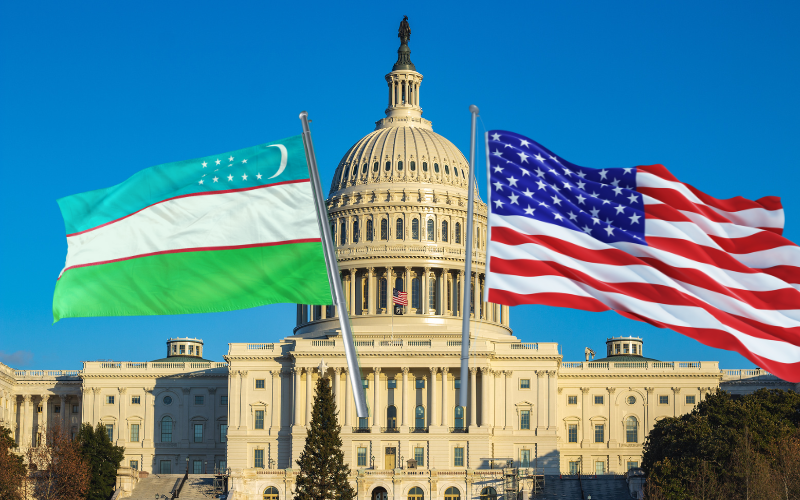
    In a significant stride towards fostering U.S.-Uzbekistan relations, the recent Congressional Breakfast titled “Uzbekistan – Trade, Investment & U.S. Relations” brought together key stakeholders to discuss the evolving economic landscape of Central Asia. The event highlighted Uzbekistan’s ongoing reforms under President Shavkat Mirziyoyev, with a particular focus on the mining and critical minerals sector—a cornerstone for sustainable development and secure supply chains.

    One of the pivotal moments of the gathering was the announcement by Congressman Trent Kelly regarding the introduction of H.R. 2329, a bill aimed at extending Permanent Normal Trade Relations (PNTR) to Uzbekistan. This legislative move, now referred to the House Committee on Ways and Means, underscores the growing importance of Uzbekistan as a strategic partner in the global supply chain for critical raw materials.

    Congresswoman Carol Miller’s recent visit to Central Asia, where she engaged with Presidents Mirziyoyev and Tokayev, further emphasized the region’s potential as a unified partner for the United States. Her presence at the event symbolized the collaborative spirit needed to address challenges in securing critical resources and ensuring regional stability.

    Bridge Capital Partners, in collaboration with Cove Capital LLC, has been at the forefront of these efforts, leveraging American expertise to unlock Central Asia’s potential. Since 2023, Cove Capital has deepened its engagement in the region, advancing initiatives in critical sectors such as minerals, infrastructure, and sustainable development. These partnerships are not only fostering economic growth but also building trusted, long-term relationships across Uzbekistan and Kazakhstan.

    As Uzbekistan continues to open its economy, the mining and critical minerals sector stands out as a beacon of opportunity. The reforms and investments in this area are not just reshaping the nation’s economic trajectory but also positioning it as a key player in the global push for sustainable and secure raw material supply chains.

  • Kazakhstan Explores Investment Opportunities with Turkey’s Çalik Holding

    Kazakhstan Explores Investment Opportunities with Turkey’s Çalik Holding

    Kazakhstan’s Minister of Industry and Construction, Ersayin Nagaspayev, held a meeting with Ahmet Çalık, Chairman of the Board of Çalik Holding, to discuss potential investment opportunities in the country’s industrial and mining sectors.

    Çalik Holding, a major Turkish financial-industrial group with an annual revenue of $2.5 billion, operates across 34 countries, including Central Asia, the Balkans, the Middle East, and Africa. The company specializes in resource extraction, construction, light industry, energy, and finance.

    The meeting focused on the group’s interest in investing in Kazakhstan’s economy, particularly in the mining sector. Çalik Holding is considering acquiring ready-to-extract deposits of precious and base metals such as gold, silver, copper, zinc, and lead, or conducting geological exploration in areas with high potential for mineral discovery.

    Both sides highlighted the strong potential for cooperation in industry, construction, mining, and geological exploration. Minister Nagaspayev emphasized that Kazakhstan has fully digitized its mineral rights application process through the unified “Minerals.e-qazyna.kz” platform. Additionally, the Ministry has prepared a list of 50 solid mineral deposits, which will be auctioned electronically in the second quarter of this year.

    At the conclusion of the meeting, both parties reaffirmed their interest in strengthening and expanding their partnership.

  • EU Deepens Ties with Central Asia

    EU Deepens Ties with Central Asia

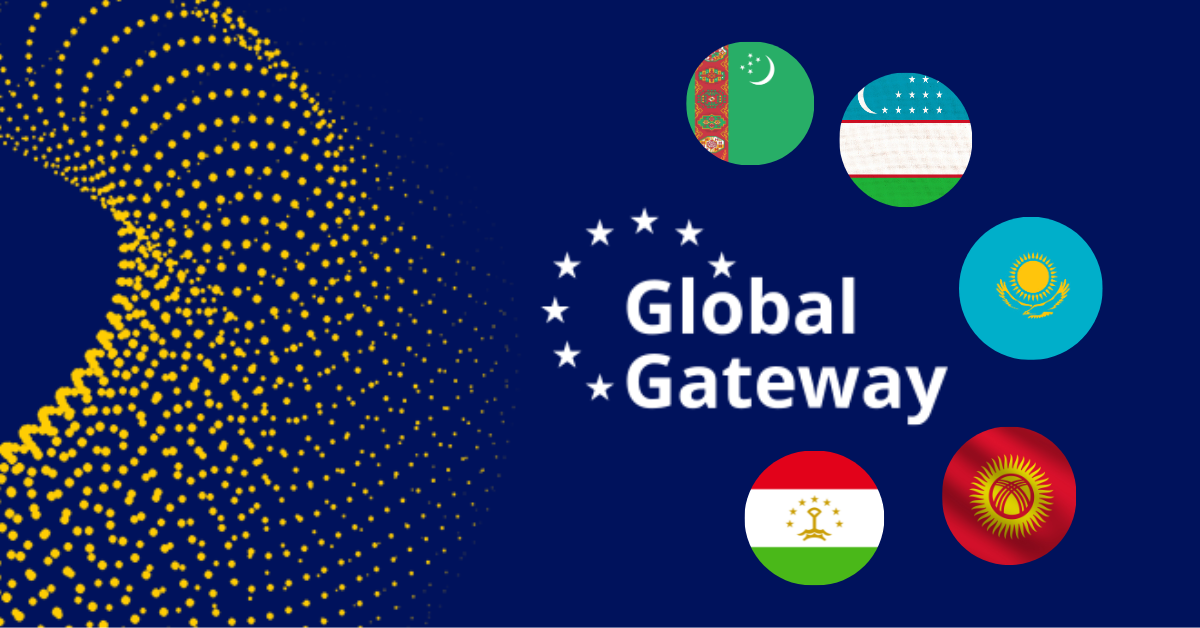
    Brussels, 22 March, 2025 – The European Union (EU) is making a significant push into Central Asia, aiming to strengthen its partnership with the five strategically important countries through the Global Gateway strategy. European Commissioner for International Partnerships Jozef Síkela concluded a week-long tour of the region, meeting with officials and business leaders in Turkmenistan, Kazakhstan, Tajikistan, Kyrgyzstan and Uzbekistan.

    The visit, which took place ahead of the first EU-Central Asia Summit on 3-4 April 2025, focused on boosting investment in key sectors like digital connectivity, transport infrastructure, critical raw materials, and renewable energy.

    Concrete Commitments:

    Commissioner Síkela announced several key agreements during his trip, including:

    • €422 million in investment: A significant portion of this funding will be channeled through the European Investment Bank (EIB) and other EU financial institutions, including grants and loans, for projects across various sectors.
    • Transport Corridor Development: The EU reiterated its commitment to the Trans-Caspian Transport Corridor, a globally important trade route connecting Central Asia to Europe. A €200 million framework loan agreement was signed between the EIB and the Development Bank of Kazakhstan to support sustainable transport and renewable energy development.
    • Support for Critical Raw Materials: Collaboration in critical raw materials (CRM) will receive a €3 million boost, focusing on sustainable and responsible supply chains, job creation, and economic resilience.
    • Energy Security & Climate Action: The EU announced grants totaling €51.6 million to modernize Tajikistan’s electricity grid, promote energy efficiency, and support water-efficient technologies and innovative solutions in Kyrgyzstan.
    • Digital Connectivity Expansion: Two key agreements worth an undisclosed amount were signed to improve digital infrastructure and expand high-speed internet access to underserved populations.

    Stronger Partnership:

    Commissioner Síkela emphasized the growing partnership between the EU and Central Asia, stating, “Central Asia and the European Union are strong partners. We can deliver long-term benefits for people and businesses on both sides.” He highlighted the need to address challenges like climate change, energy security, and digital divide, while unlocking new economic opportunities through the Global Gateway initiative.

    The visit underscores the EU’s commitment to its Global Gateway strategy, aiming to bridge the global investment gap and build sustainable and resilient connections with partner countries. The upcoming EU-Central Asia Summit further solidifies this commitment and paves the way for future collaborations.

  • Kazakhstan Defies Global Steel Production Decline with 6.5% Growth in 2024

    Kazakhstan Defies Global Steel Production Decline with 6.5% Growth in 2024

    Despite a global downturn in steel production and a 20% average drop in steel prices, Kazakhstan has emerged as a standout performer in 2024, achieving an 8th-place ranking worldwide with a 6.5% increase in production. This growth contrasts sharply with the global trend, where steel output fell by 0.8%, according to the World Steel Association. Major producers like China, the United States, Japan, and Russia recorded declines, while countries such as the UK, Argentina, and Pakistan saw even steeper drops.

    The global steel crisis has forced several major plants to halt operations, including Hyundai Steel’s Pohang-2 in South Korea, Acerinox in Spain, and Huachipato in Chile, which closed after 74 years of operation. Similarly, facilities in the US and Portugal have been temporarily idled.

    Kazakhstan’s success is attributed to strategic investments in domestic raw materials and the expansion of production at the Qarmet metallurgical plant. Yerbol Ismailov, Managing Director of Qarmet, highlighted that the company’s growth was anticipated, driven by $3.5 billion in investmentsand a focus on modernization. Qarmet produced over 3.5 million tons of steel in 2024, a 15% increase from the previous year, with plans to reach 5 million tons annually by 2028.

    However, challenges remain. Competing with China and Russia, which offer lower production costs, has been difficult. Qarmet has addressed this by reducing operational costs by 23.5%, lowering the price per ton of slab from 440∗∗to∗∗320, with a target of $280. The company has also implemented anti-corruption measures, digitized operations, and optimized procurement processes to enhance efficiency.

    Despite rumors of financial instability, Qarmet has invested heavily in worker safety, digitalization, and waste management, underscoring its commitment to sustainable growth.

  • Kazatomprom Reports Record Production and Revenue in 2024

    Kazatomprom Reports Record Production and Revenue in 2024

    Astana, March 20, 2025 – President Kassym-Jomart Tokayev recently held a meeting with Meirzhan Yusupov, Chairman of the Board of JSC “National Atomic Company Kazatomprom.” The discussion revolved around the company’s 2024 operational results, as well as its short- and mid-term goals.

    During the meeting, it was reported that uranium production exceeded 23,000 tons last year, with over 16,600 tons sold across the group. Kazatomprom’s consolidated revenue reached a record-breaking 1.8 trillion tenge, marking a 26% increase from 2023. Tax contributions to the national budget surged to 720 billion tenge, representing a 58% rise compared to the previous year.

    The President was briefed on global market developments, new contracts for the supply of natural uranium concentrate, and progress on several investment projects. Notably, the Ulba-TVS plant achieved its full production capacity of 200 tons of low-enriched uranium annually in 2024, marking a significant milestone for the industry.

    A key point of discussion was Kazatomprom’s new development strategy for 2025-2034. This initiative focuses on expanding and efficiently utilizing the nation’s mineral resource base. Licenses for uranium exploration in promising areas with an estimated resource potential of 170,000 tons were acquired last year.

    Mr. Yusupov highlighted recent international collaborations, including agreements with Tajikistan on rare and rare-earth metal processing, with France on workforce training for the nuclear sector, and with Mongolia and Jordan on joint uranium exploration projects.

    Additionally, the President was informed about Kazatomprom’s socially significant initiatives aimed at regional development and support. In 2024, over 3.7 billion tenge was allocated for these projects.

    At the conclusion of the meeting, President Tokayev set forth tasks to further enhance Kazatomprom’s operations and its participation in implementing socially impactful projects.

  • Kazkahmys Halts Operations Over Safety Concerns

    Kazkahmys Halts Operations Over Safety Concerns

    Kazakhmys, the Central Asian mining giant, has announced a temporary shutdown of its higher-risk production facilities across Kazakhstan for a comprehensive safety review. The company will be halting operations at various sites in stages, following a pre-determined schedule.

    This decision comes after management identified a need to strengthen industrial safety and workplace protections.

    Phased Shutdown Schedule:

    • March 20: Eastern Jezkazgan, Abyz, Sayak, Konirat mines; Nurkazgan, Karagaylin, Balakhsh concentrating mills; repair and maintenance, construction, foundry-mechanical plant, and energy repair specialists’ management units.
    • March 21: Southern Jezkazgan, Akbasta, Khachikong, Shatyrkol, Zaysan mines.
    • March 22: Western Jezkazgan mine.
    • March 23: Zhylandi mine.
    • March 24: Jezkazgan concentrating mill.
    • A review is ongoing at the Jomaart mine, which was temporarily halted earlier.

    A dedicated commission has been established to meticulously inspect all operations to ensure compliance with safety regulations. Operations at each site will only resume after all identified violations are rectified and safe working conditions are confirmed.

    “Kazakhmys is fully committed to the well-being of its employees,” said Arman Tleukenenov, an official representative of the Kazakhmys Corporation. “During this temporary shutdown, all employees will continue to receive their full salaries. This demonstrates our dedication to labour rights and workplace safety.”

    Kazakhmys Group is determined to fortify its safety protocols across all its facilities. This initiative will involve strengthening oversight to ensure compliance with all regulations and implementing additional measures to enhance working conditions.

  • Qarmet Reports Robust Growth in 2024 and Ambitious Targets for 2025

    Qarmet Reports Robust Growth in 2024 and Ambitious Targets for 2025

    Kazakhstan’s leading steel producer Qarmet has announced impressive results for 2024 and outlined ambitious plans for the coming year. The company, formerly known as ArcelorMittal Temirtau, demonstrated significant growth across all its major departments.

    Steel Department: Five-Year Production Record
    The company’s Steel Department posted a production volume of 3.5 million tons, marking a notable 16% increase compared to the previous period. May 2024 saw a production peak of 330,000 tons, the highest in five years, showcasing the department’s efficiency and growth trajectory.

    Coal Department: Solid Gains
    The Coal Department mined 6.6 million tons of coal in 2024, reflecting an 8.2% increase from the prior period. This consistent growth underscores Qarmet’s strategic focus on optimizing operations and meeting market demands.

    Iron Ore Department: Leading the Charge
    2024 was a standout year for the Iron Ore Department, which achieved a production volume of 3.3 million tons—an impressive 23% surge compared to the previous period. This sharp growth highlights the department’s strong operational performance.

    Environment & Safety: Significant Progress
    Qarmet’s commitment to sustainability was evident in its ecological and safety initiatives. Preliminary degassing of mines in 2024 resulted in a 50% reduction in methane gas levels, emphasizing the company’s focus on environmental responsibility and worker safety.

    Ambitious Goals for 2025
    Qarmet aims to build on its 2024 successes by achieving a 5% increase in production across steel, coal, and iron ore.

    The targets for 2025 are:

    • Steel: 3.7 million tons
    • Coal: 7.0 million tons
    • Iron Ore: 3.5 million tons

    With a strong foundation and ambitious plans, Qarmet is poised for continued growth and leadership in its sectors, combining operational excellence with a commitment to sustainability and innovation.

  • Kazatomprom aims to Strengthen Position in Uranium Joint Ventures

    Kazatomprom aims to Strengthen Position in Uranium Joint Ventures

    Kazakhstan’s national atomic company Kazatomprom is seeking to increase its stake in joint uranium mining ventures as existing contracts come up for renewal.

    A representative from Kazatomprom presented proposed amendments to Kazakhstan’s Subsoil and Subsoil Use Code to members of parliament this week. The changes would require the state-owned company to obtain at least a 90% share when extending contracts for uranium mining projects.

    “Currently our stake in various projects ranges from 50% and higher. However, many contracts were signed in the late 1990s and early 2000s under fixed terms. We believe it is necessary to revise these parameters,” the Kazatomprom official stated.

    If approved, the amendments could impact agreements with Kazatomprom’s major foreign partners, including companies from China, Canada, France and Japan.

    The company argues the changes will allow Kazakhstan to maximize benefits from its uranium resources as global demand for nuclear fuel grows. However, some analysts caution it may deter future foreign investment in the country’s mining sector.

    Kazatomprom is the world’s largest uranium producer, accounting for around 24% of global primary uranium production. The company operates 26 deposits grouped into 14 uranium mining assets, with foreign partners holding stakes in many key projects.

    The proposed legislation will now be debated in parliament before potentially being signed into law. Kazatomprom says it is open to negotiations with existing partners to ensure a smooth transition if the changes are enacted.