Website: Europe.com

  • Poland files legal complaints against “authoritarian” EU climate policies

    Poland files legal complaints against “authoritarian” EU climate policies

    [vc_section][vc_row][vc_column width=”1/6″][/vc_column][vc_column width=”1/2″][vc_row_inner][vc_column_inner][vc_empty_space][vc_column_text]

    The Polish government has submitted four complaints against EU climate policies, calling them “authoritarian” and pledging that it “will not allow Brussels’ diktat”.

    [/vc_column_text][/vc_column_inner][/vc_row_inner][vc_empty_space][vc_separator][vc_empty_space height=”10px”][vc_row_inner][vc_column_inner width=”2/3″][widget-SocialWidget][/vc_column_inner][vc_column_inner width=”1/3″][link url=”https://notesfrompoland.com/2023/07/18/poland-files-legal-complaints-against-authoritarian-eu-climate-policies/” content_text=”News source”][/vc_column_inner][/vc_row_inner][vc_empty_space][vc_column_text]The Polish government has submitted four complaints against EU climate policies, calling them “authoritarian” and pledging that it “will not allow Brussels’ diktat”.

    Three new cases filed to the Court of Justice of the European Union (CJEU) relate to a ban on the registration of new internal combustion vehicles after 2035, an increase in the EU’s greenhouse gas reduction target, and a reduction of free emission allowances under the EU Emissions Trading System (ETS).

    They follow another complaint filed last week against EU rules on land use, land use change and forestry (LULUCF), which Poland says infringes the competences of member states.

    “Does the [European] Union want to decide in an authoritarian manner what kind of vehicles Poles will drive and whether energy prices will rise in Poland?” tweeted climate minister Anna Moskwa on Monday. “The Polish government will not allow Brussels’ diktat.”

    This morning, the minister added in an interview with Polskie Radio that the government would also file a fifth complaint this week concerning 35,000 tonnes of rubbish that it says has illegally entered the country from Germany.


    Poland’s current national-conservative government has regularly criticised the EU’s climate and environmental policies. Ruling party leader Jarosław Kaczyński has called them “madness and theories without evidence” and “green communism”.

    “At every EU council, we have been against and voted as a government against every single document in the Fit for 55 package,” said Moskwa, referring to the EU’s programme to reduce emissions by at least 55% by 2030.

    “It is no secret that we were against the whole package, we are against increasing climate ambition and the way [these efforts] are carried and forced [upon member countries],” added the minister.


    A recent EU-funded study found Poland to be the bloc’s least green country. It still relies on coal to produce around 70% of its electricity, by far the highest figure in the EU. Poland is Europe’s second-largest producer of brown coal after Germany and the largest producer of hard coal.

    In March, Poland was the only member state to oppose the introduction of a ban on the sale of new petrol and diesel cars from 2035. In an interview today, Moskwa argued that unanimity should have been required for this decision as its impact is heavily dependent on member countries’ energy mix.

    “In our case, [banning combustion engines] is absolutely contrary to climate policy, because it will lead to an increase in coal consumption in the short term if we want to increase electricity production [to power electric vehicles],” she said.

    Asked about the other complaints, Moskwa said Poland was challenging most of them on the same grounds as the ban on the sale of combustion cars.

    “The argument in most of these complaints is the same, mainly concerning the legal basis and unanimity, the impact on the energy mix,” she said.

    One of the EU policies opposed by Poland is changes to ETS stipulating that sectors already covered by the system will be obliged to reduce their greenhouse gas emissions by 62% by 2030 compared to 2005 levels. The reform also envisages a gradual phase-out of free emission allowances between 2026 and 2034.

    Another regulation concerns the provisions on the new EU Carbon Border Adjustment Mechanism (CBAM), which will cover commodities such as iron, steel, cement, aluminium, fertilisers, electricity and hydrogen.

    Importers of these commodities will have to pay the difference between the emission fee in the country of production and the price of emission allowances in the EU ETS. CBAM will be phased in between 2026 and 2034, as free emission allowances in the ETS are phased out.

    Moskwa argues that Poland is pursuing a “very consistent energy transition” focused on creating incentives rather than restrictions. She cited government subsidies for clean energy sources such as the “My Electricity” and “Clean Air” programmes, which have led to a boom in solar micro-installations and heat pumps.

    Data from the European Environment Agency published last month showed that Poland recorded the EU’s largest overall fall in emissions in 2022. However, in proportional terms, Poland’s decline was, though above the EU average, not among the highest in the bloc.

    Main image credit: ETIENNE ANSOTTE | EUROPEAN COMMISSION

    [/vc_column_text][vc_empty_space][epic_post_tag compatible_column_notice=”” font_size=”17px”][/vc_column][vc_column width=”1/6″][vc_text_separator title=”LATEST NEWS” color=”juicy_pink”][vc_empty_space height=”10px”][widget-LatestPosts post_number=”4″][vc_empty_space height=”10px”][vc_text_separator title=”MOST POPULAR” color=”juicy_pink”][vc_empty_space height=”10px”][widget-popular-posts post_count=”4″][vc_empty_space][vc_wp_search title=”Search”][vc_empty_space][lvs display_like=””][/vc_column][vc_column width=”1/6″][/vc_column][/vc_row][/vc_section][vc_section][vc_row][vc_column][distance desktop_type=”50″][/vc_column][/vc_row][vc_row][vc_column width=”1/2″][epic_block_28 compatible_column_notice=”” number_post=”6″ post_offset=”0″ first_title=”You may also like”][/epic_block_28][vc_empty_space][/vc_column][vc_column width=”1/2″][epic_hero_5 compatible_column_notice=”” hero_margin=”0″ content_filter_number_alert=”” post_offset=”0″][/vc_column][/vc_row][/vc_section]

  • Nordic Nickel flags string of ‘encouraging’ exploration results from Pulju Project, Finland

    Nordic Nickel flags string of ‘encouraging’ exploration results from Pulju Project, Finland

    [vc_section][vc_row][vc_column width=”1/6″][/vc_column][vc_column width=”1/2″][vc_row_inner][vc_column_inner][vc_empty_space][vc_column_text]

    Nickel sulphide explorer Nordic Nickel (ASX:NNL) has defined further wide zones of nickel sulphide mineralisation at the Hotinvaara prospect within its flagship Pulju Nickel Project in northern Finland.

    [/vc_column_text][/vc_column_inner][/vc_row_inner][vc_empty_space][vc_separator][vc_empty_space height=”10px”][vc_row_inner][vc_column_inner width=”2/3″][widget-SocialWidget][/vc_column_inner][vc_column_inner width=”1/3″][link url=”https://mining.com.au/nordic-nickel-flags-string-of-encouraging-exploration-results-from-pulju-project-finland/” content_text=”News source”][/vc_column_inner][/vc_row_inner][vc_empty_space][vc_column_text]Nickel sulphide explorer Nordic Nickel (ASX:NNL) has defined further wide zones of nickel sulphide mineralisation at the Hotinvaara prospect within its flagship Pulju Nickel Project in northern Finland.

    The company, which has a $27.65 million market capitalisation, says these latest results come from diamond drilling in the area and confirm the presence of an ‘extensive’ nickel system with ‘significant’ potential at Hotinvaara.

    As a result, Nordic believes these results show the potential to ‘significantly’ expand the current Hotinvaara Mineral Resource Estimate (MRE), with an updated MRE scheduled for completion later this year.

    Nordic reports that the nickel mineralisation is pervasive and disseminated by nature within discrete ‘high-grade’, semi-massive, and net-textured sulphide zones.

    The company notes results delivered a peak assay nickel (Ni) grade of 4.66% Ni obtained in HOT006 and also demonstrated the presence of shallow, anomalous copper intersected for the first time in HOT003.

    Key results include hole HOT006 with 199.1m @ 0.22% Ni from 20.9m and 25.3m @ 0.29% Ni from 340m, including 0.6m @ 4.66% Ni and 0.1% cobalt (Co) from 359.6m; and hole HOT003 with 20m @ 0.26% Ni and 0.01% Co from 284m, including 2.4m @ 0.73% Ni and 0.03% Co from 288m that included 0.4m @ 1.68% Ni and 0.06% Co from 288m.

    The results were generated from 3 diamond holes (HOT002, 003, and 006) completed as part of the company’s maiden diamond drilling program at the Hotinvaara prospect. Drilling is focused on the dual exploration strategy of targeting ‘high-grade’ massive nickel-copper sulphides of a similar style to the nearby world-class Sakatti deposit.

    Drilling is currently paused for a planned break during the northern hemisphere summer and is scheduled to restart in early August 2023. Samples are currently being submitted for core cutting and assaying, with results expected to be received every 3-4 weeks.

    Speaking on the results, Nordic Nickel Managing Director Todd Ross says: “Nordic’s maiden drill campaign continues to confirm historical drilling and, importantly, expand the mineralisation footprint at Hotinvaara. The wide intersections of shallow disseminated nickel sulphides we are seeing in the assays bode well for when we re-evaluate the Mineral Resource at the end of the Phase One drilling program. 

    The high-grade nickel sulphide intersections are highly encouraging, confirming that the mechanisms for the massive sulphide formations were operating at Hotinvaara.

    When drilling re-commences after the northern summer break, our activities will continue to focus on zones of both known and potential massive sulphides and systematically step out from historically drilled areas with the aim of expanding the Mineral Resource. 

    “THE HIGH-GRADE NICKEL SULPHIDE INTERSECTIONS ARE HIGHLY ENCOURAGING, CONFIRMING THAT THE MECHANISMS FOR THE MASSIVE SULPHIDE FORMATIONS WERE OPERATING AT HOTINVAARA”

    Based on what we are seeing at Hotinvaara, the company believes that the Pulju project has the potential to host multiple world-class nickel deposits and thereby produce for many generations the critical minerals desperately needed for the energy transition.”

    Nordic Nickel is an ASX-listed explorer that holds a district-scale landholding of ‘highly prospective’ nickel sulphide tenements in the world-class Central Lapland Greenstone Belt of Finland.

    The company’s Pulju Nickel Project contains mafic-ultramafic lithologies analogous to Anglo American’s nearby world-class 44Mt Sakatti copper-nickel-PGE deposit, with historical drilling confirming the presence of widespread nickel sulphide mineralisation, including a number of high nickel tenor massive sulphide veins.

    Nordic Nickel had $8.02 million cash at hand as of 31 March 2023, according to its latest quarterly report.[/vc_column_text][vc_empty_space][epic_post_tag compatible_column_notice=”” font_size=”17px”][/vc_column][vc_column width=”1/6″][vc_text_separator title=”LATEST NEWS” color=”juicy_pink”][vc_empty_space height=”10px”][widget-LatestPosts post_number=”4″][vc_empty_space height=”10px”][vc_text_separator title=”MOST POPULAR” color=”juicy_pink”][vc_empty_space height=”10px”][widget-popular-posts post_count=”4″][vc_empty_space][vc_wp_search title=”Search”][vc_empty_space][lvs display_like=””][/vc_column][vc_column width=”1/6″][/vc_column][/vc_row][/vc_section][vc_section][vc_row][vc_column][distance desktop_type=”50″][/vc_column][/vc_row][vc_row][vc_column width=”1/2″][epic_block_28 compatible_column_notice=”” number_post=”6″ post_offset=”0″ first_title=”You may also like”][/epic_block_28][vc_empty_space][/vc_column][vc_column width=”1/2″][epic_hero_5 compatible_column_notice=”” hero_margin=”0″ content_filter_number_alert=”” post_offset=”0″][/vc_column][/vc_row][/vc_section]

  • Not everybody can have all of the raw material supply chain

    Not everybody can have all of the raw material supply chain

    [vc_section][vc_row][vc_column width=”1/6″][/vc_column][vc_column width=”1/2″][vc_row_inner][vc_column_inner][vc_empty_space][vc_column_text]

    The EU’s discussions with Australia over “double pricing” of raw materials during the negotiations for a free trade agreement (FTA) point to a conflict of goals in the EU’s approach to ensuring its supply of critical raw materials.

    [/vc_column_text][/vc_column_inner][/vc_row_inner][vc_empty_space][vc_separator][vc_empty_space height=”10px”][vc_row_inner][vc_column_inner width=”2/3″][widget-SocialWidget][/vc_column_inner][vc_column_inner width=”1/3″][link url=”https://www.euractiv.com/section/economy-jobs/news/not-everybody-can-have-all-of-the-raw-material-supply-chain/” content_text=”News source”][/vc_column_inner][/vc_row_inner][vc_empty_space][vc_column_text]The FTA negotiations experienced a setback earlier this week when Australian trade minister Don Farrell deemed the agricultural market access offered by EU negotiators to be insufficient – and subsequently headed back to Canberra.

    While the main point of conflict concerns agricultural market access, the disagreement around double pricing is highly significant for the EU’s critical raw materials policy.

    The EU would like to have access to Australian raw materials under the same conditions as Australian consumers and therefore wants Australia to commit to a policy that would prohibit so-called double pricing that disadvantages EU companies compared to Australian ones.

    One of these policies is the regional government of Western Australia’s policy of reserving 15% of liquified natural gas (LNG) production from each LNG export project for the domestic market, which reduces prices for domestic gas consumers.

    From a European perspective, insisting on this issue makes sense. Even more so, given the fact that the European Commission proposed the EU build up the processing capacity of at least 40% of its need for processed strategic materials by 2030 in its Critical Raw Materials Act (CRMA).

    The current number is far from this target, as the chart of the week below shows, and EU member states want an even higher target of 50% in their negotiating position for the CRMA.

    If the EU is to build up this processing capacity and if this nascent European industry is to be competitive, it needs to be supplied with reasonably priced raw materials.

    However, the EU Commission wants the CRMA to be more than just a policy to guarantee the supply of critical raw materials. The EU wants to be an alternative to other actors, who just extract valuable resources and leave the countries of origin with the problems that a dependence on mining entails.

    The EU wants to help third countries develop their industries along the value chain, so that they can have more value-adding activities than just raw material extraction.

    Already, it’s a bit difficult to see how the EU wants to combine a massive ramp-up of domestic processing capabilities with an additional escalation of processing capabilities in other countries. However, given that the idea of the CRMA is to be much less reliant on China, maybe it is possible to[/vc_column_text][vc_empty_space][epic_post_tag compatible_column_notice=”” font_size=”17px”][/vc_column][vc_column width=”1/6″][vc_text_separator title=”LATEST NEWS” color=”juicy_pink”][vc_empty_space height=”10px”][widget-LatestPosts post_number=”4″][vc_empty_space height=”10px”][vc_text_separator title=”MOST POPULAR” color=”juicy_pink”][vc_empty_space height=”10px”][widget-popular-posts post_count=”4″][vc_empty_space][vc_wp_search title=”Search”][vc_empty_space][lvs display_like=””][/vc_column][vc_column width=”1/6″][/vc_column][/vc_row][/vc_section][vc_section][vc_row][vc_column][distance desktop_type=”50″][/vc_column][/vc_row][vc_row][vc_column width=”1/2″][epic_block_28 compatible_column_notice=”” number_post=”6″ post_offset=”0″ first_title=”You may also like”][/epic_block_28][vc_empty_space][/vc_column][vc_column width=”1/2″][epic_hero_5 compatible_column_notice=”” hero_margin=”0″ content_filter_number_alert=”” post_offset=”0″][/vc_column][/vc_row][/vc_section]
  • Green Transition at Crossroads: EU’s Critical Vote on Raw Materials Regulation

    Green Transition at Crossroads: EU’s Critical Vote on Raw Materials Regulation

    [vc_section][vc_row][vc_column width=”1/6″][/vc_column][vc_column width=”1/2″][vc_row_inner][vc_column_inner][vc_empty_space][vc_column_text]

    The urgent need to decarbonise and the recent remilitarisation efforts are driving up the demand for raw materials. This is where the EU’s Critical Raw Materials Act (CRMA) comes into play, with its fundamental purpose to reduce European states’ external dependence on raw materials and decrease wasteful consumption. Within the European Parliament, various committees will vote on the international and environmental aspects of CRMA next week. The outcome of the vote will have significant implications for how the EU will approach securing critical raw materials within Europe and beyond in the coming decade.

    [/vc_column_text][/vc_column_inner][/vc_row_inner][vc_empty_space][vc_separator][vc_empty_space height=”10px”][vc_row_inner][vc_column_inner width=”2/3″][widget-SocialWidget][/vc_column_inner][vc_column_inner width=”1/3″][link url=”https://www.webwire.com/ViewPressRel.asp?aId=308148″ content_text=”News source”][/vc_column_inner][/vc_row_inner][vc_empty_space][vc_column_text]Unsustainable production and consumption patterns contribute to various social and environmental problems we face today – from human rights violations in vulnerable communities to the looming climate crisis. Indeed, overconsumption of resources in unequal societies lies at the heart of most challenges related to the extractive industries in the contemporary world. The scope of the problems include, but are not limited to, land degradation and deforestation, destruction of ecosystems, disruptions in the safe existence of indigenous communities, and growing levels of greenhouse gas emissions into the atmosphere that contribute to the ongoing climate crisis.

    The challenges can be most easily mitigated when there is no longer a need for such materials in the first place. In addition, the highest environmental and social standards should be in place where extraction is difficult or impossible to avoid since we still require more materials to facilitate such a major transition. Such measures should ensure that the ongoing projects pose little to no risk to the surrounding environment, inform local and Indigenous Peoples and include them in the decision-making process.

    The Position Paper, created by collaborating with various civil society organisations, highlights essential aspects of the CRMA. Below are some of the key takeaways.

    Reducing Raw Material Consumption

    The EU should actively work towards decreasing raw material consumption by at least 10% by 2030. This can be achieved by phasing out single-use products containing critical raw materials, implementing a material passport system to monitor the use of various materials in the production cycle, and encouraging the use of alternative materials where possible.

    Comprehensive Environmental and Social Assessments

    Relying solely on certification schemes is insufficient to ensure environmental and social responsibility. This way, the CRMA should include a broader assessment framework that also considers respect for human rights and environmental performance in relevant industries. This can be achieved through multi-stakeholder governance, adherence to comprehensive standards, accessible grievance mechanisms, and implementation of public audit reports.

    Ensuring a Globally Just Transition

    The CRMA’s focus on the EU supply security through partnerships must prioritise environmental protection, human rights, and the well-being of communities in third countries to enhance the importance of the global justice approach. These efforts imply comprehensive action that involves aligning partnerships with international agreements, implementing robust monitoring mechanisms, supporting domestic development of supply chains, involving civil society and Indigenous Peoples in the decision-making, ensuring transparency, and avoiding undermining commitments through other regulations or trade agreements.

    Balancing Permits and Safeguards

    While expediting permitting procedures is essential, it should not compromise environmental and social safeguards or public participation. We must strike a balance by incorporating elements like Free, Prior, and Informed Consent (FPIC) and Indigenous rights. Adequate resources should be allocated to licensing authorities, with high transparency maintained throughout the process. At the same time, companies with a record of poor corporate conduct should be banned from becoming project promoters to ensure the integrity of public funds. In addition to those, deep-sea mining should be prohibited due to its potentially disastrous negative impacts.

    Ensuring a long-term circular economy approach

    To achieve the goals of the European Green Deal and ensure the EU’s strategic autonomy, a robust circular economy approach should be prioritised. This means implementing a robust recycling strategy, setting higher recycling capacity targets, improving the collection and separation of materials, and promoting the use of recycled content in products.

    Urgent Votes to Shape a Sustainable and Equitable Raw Materials Act

    the upcoming EU Parliament Committees’ vote on the Critical Raw Materials Act is crucial to secure a Critical Raw Materials Act that does not force its way through environmental legislation under the motto of ‘overriding public interest’. Instead, the CRMA should become a regulation that adds to the existing environmental and social frameworks to ensure that no one is left behind, that risks are minimised, and that no projects are initiated where they pose too much risk. By reducing our dependence on primary raw materials, prioritising global justice, and embracing an environmentally friendly approach, we can pave the way for a more equitable and environmentally-just way of acquiring and managing raw materials in Europe. As discussed in this article, these goals can be achieved by ensuring the maintenance of environmental protection frameworks, conducting comprehensive assessments, and balancing permits and safeguards.

    The decisions made in the European Parliament will have far-reaching impacts on states within the EU and globally. It is essential for us, as engaged citizens, to understand the significance of the CRMA and advocate for a future that prioritises the environment, human rights, and well-being of communities. If they are left behind, acquiring raw materials and their usage in the future could become drivers of further inequality and environmental destruction rather than pathways to a greener and healthier future.[/vc_column_text][vc_empty_space][epic_post_tag compatible_column_notice=”” font_size=”17px”][/vc_column][vc_column width=”1/6″][vc_text_separator title=”LATEST NEWS” color=”juicy_pink”][vc_empty_space height=”10px”][widget-LatestPosts post_number=”4″][vc_empty_space height=”10px”][vc_text_separator title=”MOST POPULAR” color=”juicy_pink”][vc_empty_space height=”10px”][widget-popular-posts post_count=”4″][vc_empty_space][vc_wp_search title=”Search”][vc_empty_space][lvs display_like=””][/vc_column][vc_column width=”1/6″][/vc_column][/vc_row][/vc_section][vc_section][vc_row][vc_column][distance desktop_type=”50″][/vc_column][/vc_row][vc_row][vc_column width=”1/2″][epic_block_28 compatible_column_notice=”” number_post=”6″ post_offset=”0″ first_title=”You may also like”][/epic_block_28][vc_empty_space][/vc_column][vc_column width=”1/2″][epic_hero_5 compatible_column_notice=”” hero_margin=”0″ content_filter_number_alert=”” post_offset=”0″][/vc_column][/vc_row][/vc_section]
  • New CLG Europe report calls for circular approach to critical raw materials needed for the green transition

    New CLG Europe report calls for circular approach to critical raw materials needed for the green transition

    [vc_section][vc_row][vc_column width=”1/6″][/vc_column][vc_column width=”1/2″][vc_row_inner][vc_column_inner][vc_empty_space][vc_column_text]

    CLG Europe’s Materials & Products Taskforce has released a new report in partnership with the Wuppertal Institute on the urgent need for more circularity in the EU critical raw materials market.

    [/vc_column_text][/vc_column_inner][/vc_row_inner][vc_empty_space][vc_separator][vc_empty_space height=”10px”][vc_row_inner][vc_column_inner width=”2/3″][widget-SocialWidget][/vc_column_inner][vc_column_inner width=”1/3″][link url=”https://www.corporateleadersgroup.com/news/new-clg-europe-report-calls-circular-approach-critical-raw-materials-needed-green-transition” content_text=”News source”][/vc_column_inner][/vc_row_inner][vc_empty_space][vc_column_text]

    The report, Embracing circularity: A pathway for strengthening the Critical Raw Materials Act, is a direct response to the EU’s proposal for the Critical Raw Materials Act (CRMA) published in March 2023.

    Circularity is far more than just recycling – it also involves looking at how to keep the value of materials in the system more effectively and for longer. The report maintains that this aspect of circularity is not sufficiently addressed by the current CRMA proposal.

    Centring around three key materials – aluminium (bauxite and magnesium), lithium and rare earth elements (REE), the report builds on evidence-based research. It includes circular case studies from businesses such as Ball and Volvo Cars and provides recommendations to policymakers.

    Raw materials play a crucial role in the green transition, in the manufacturing of solar panels, wind turbines and electric cars. As a result, demand in the EU is set to soar over the coming years – lithium demand in particular is expected to be 12 times higher in the EU by 2030 and, globally, 90 times higher by 2050.

    But with 24 of the materials listed in the CRMA imported from China, plus the environmental damage and societal impact of more domestic mines in Europe, the importance of the EU’s strategic autonomy has come into sharper focus.

    The report suggests a circular economy in the EU would help to increase security of supply for critical raw materials. Circular practices require a more deliberate shift towards a reuse model, which could play a key role in managing supply.

    The report showcases the challenges, opportunities and business best practices of embracing more circular practices in CRM use, using case studies from members of the Materials & Products Taskforce and other identified company stakeholders along the value chains of lithium, aluminium and REE.

    From materials technology company Umicore who have developed battery recycling technology with capacity for 7,000 tonnes per year, to aluminium packaging giant Ball’s target to achieve 90% recycling and an 85% recycled content target by 2030.

    The report’s recommendations to policy-makers include how to:

    • Implement a more comprehensive circular approach within the CRMA, rather than focusing only on recycling.
    • Set a flexible approach towards circularity within the CRMA that recognises the need for a case-by-case approach.
    • Deploy forward-looking infrastructure to enable a systems-wide circular economy.
    • Set a clear overall vision on a European Industrial Strategy that combines circularity, carbon neutrality and further sustainability aspects.
    • Create more environmentally and socially sustainable supply chains by diversifying supply chains and promoting responsible mining practices.
    • Implement financial incentives and support schemes to ensure faster the commercial viability of a shift towards green technologies.

    Quotes on the report

    Eliot Whittington, Chief Systems Change Officer, CISL said: “Global competition is heating up around key materials and the climate is heating up in response to our carbon emissions, but by adopting a more circular economy Europe can turbocharge its response to both challenges in one go. As the EU negotiates its Critical Raw Materials Act, it should seize the opportunity to scale up circularity. European policymakers should look to learn from how leading businesses across sectors are already implementing a wide range of circular economy solutions in critical raw materials use, and facilitate the finance flows and flexible, targeted policies needed to take these approaches to scale – accelerating the EU’s journey to climate neutrality and strategic autonomy.”

    Professor Dr Manfred Fischedick, President and Scientific Managing Director of the Wuppertal Institute said: “Russia’s war on Ukraine and the Covid-19 pandemic have highlighted Europe’s high vulnerability – especially in the supply of raw materials, which today is largely import-based. In principle, the EU has the potential to become more independent. However, this would entail higher raw material prices, and mining activities inevitably encroach on nature and landscapes. Circular economy is the better alternative. It can help provide needed materials efficiently and keep extraction of primary raw materials to a minimum. If policymakers set a clear framework for this, it can be the basis for high security of supply and a greener and socially responsible economy.”

    María Mendiluce, CEO, We Mean Business Coalition said: “Shifting to circular economy is vital in achieving a climate neutral and a more competitive EU by 2050. Enhanced circularity should also be applied to the growing usage of critical raw materials, given their essential role in the green and digital transitions. The EU’s Critical Raw Materials Act is a welcome development, but it needs to go beyond the narrow focus on recycling, and it needs to be properly embedded into the broader industrial and sustainability strategy of the EU. Policymakers should aim to enable a systems-wide circular economy that fully harnesses the economic, environmental and social benefits of circularity – and this report provides essential recommendations on this matter.”

    Carey Causey, President, Ball Beverage Packaging EMEA, said: “For aluminium cans, the circularity benefits grow exponentially with increased recycling rates and in a closed-loop scenario. This will result in more efficient material use, energy savings and economic benefits. In addition, the circular economy provides more jobs than the linear economy. Circular economy practices in critical raw materials use can help decouple environmental and social benefits, supporting an inclusive and green transformation towards climate neutrality.”

    Helge Haakon Refsum, Director Business Development, Hydro said: “We’re at a global crossroad, where we must enable industrial development in accordance with the limits for climate and nature. It is key to enable sustainable growth. We must explore industrial synergies – as already done today in the production of synthetic graphite. In addition, by recycling and reusing critical raw materials, we’ll strengthen security of supply, but also limit the need for greenfield mining projects.

    To succeed, we need not only to come together on how to manage end-of-life products and how to reuse these precious minerals, but we also need a coherent public policy supporting the entire value chain.”

    Harry Verhaar, CLG Europe Chair and Head of Global Public & Government Affairs and a Vice President at Signify said: “Incorporating better circular economy practices into how we use critical raw materials brings numerous benefits. It can pave the way for new and more circular business models and solutions. This is parallel to increasing energy and resource efficiency. With the Critical Raw Materials Act, the EU has the opportunity to enhance the pivotal role circularity can play. This will provide businesses with the certainty needed to scale up their action.”

    Wouter Ghyoot, Vice President Government Affairs, Umicore, said: “To secure access to critical raw materials, diversified access to primary raw materials, expansion of refining capacity and closing the loop by recycling will contribute. Speed, scale and efficiency are essential for Europe’s green and digital transition to succeed.”

    Linnea Petersson, Manager Sustainable Materials Strategy, Volvo Cars said: “This is a comprehensive report on critical raw materials covering a multitude of vital aspects such as geopolitics, policies and business case studies. The message is clear: The European economy needs increased focus on all circular economy aspects to produce and use critical raw materials more sustainably.”

    Read more about the report here.

    Learn more about the Materials & Products Taskforce’s work here.

    [/vc_column_text][vc_empty_space][epic_post_tag compatible_column_notice=”” font_size=”17px”][/vc_column][vc_column width=”1/6″][vc_text_separator title=”LATEST NEWS” color=”juicy_pink”][vc_empty_space height=”10px”][widget-LatestPosts post_number=”4″][vc_empty_space height=”10px”][vc_text_separator title=”MOST POPULAR” color=”juicy_pink”][vc_empty_space height=”10px”][widget-popular-posts post_count=”4″][vc_empty_space][vc_wp_search title=”Search”][vc_empty_space][lvs display_like=””][/vc_column][vc_column width=”1/6″][/vc_column][/vc_row][/vc_section][vc_section][vc_row][vc_column][distance desktop_type=”50″][/vc_column][/vc_row][vc_row][vc_column width=”1/2″][epic_block_28 compatible_column_notice=”” number_post=”6″ post_offset=”0″ first_title=”You may also like”][/epic_block_28][vc_empty_space][/vc_column][vc_column width=”1/2″][epic_hero_5 compatible_column_notice=”” hero_margin=”0″ content_filter_number_alert=”” post_offset=”0″][/vc_column][/vc_row][/vc_section]

  • German coal plants follow steps of large miners to clean image

    German coal plants follow steps of large miners to clean image

    [vc_section][vc_row][vc_column width=”1/6″][/vc_column][vc_column width=”1/2″][vc_row_inner][vc_column_inner][vc_empty_space][vc_column_text]

    Germany’s coal companies are following large multinational miners in cleaning up their image, with critics concerned that restructuring plans may set the stage for emissions to rise further.

    [/vc_column_text][/vc_column_inner][/vc_row_inner][vc_empty_space][vc_separator][vc_empty_space height=”10px”][vc_row_inner][vc_column_inner width=”2/3″][widget-SocialWidget][/vc_column_inner][vc_column_inner width=”1/3″][link url=”https://www.miningweekly.com/article/german-coal-plants-follow-steps-of-large-miners-to-clean-image-2023-07-14″ content_text=”News source”][/vc_column_inner][/vc_row_inner][vc_empty_space][vc_column_text]The owner of the country’s second largest coal miner said last week that it will split off its dirty operations from renewables, becoming the latest among several companies to do so. That’s similar to moves by fossil-heavy corporations including Teck Resources and Anglo American, both of which have made efforts to restructure their businesses to get coal assets off their books, rather than shutting them down altogether.

    A key risk is that owners of dirty spun-off assets will continue to run them with less pressure from shareholders to go green. While coal plants were considered critical for ensuring Germany’s energy security during last year’s crisis, companies seeking more favorable financing options are trying to get such assets off their books.

    “The pressure from the financial sector — banks, investors, insurance companies — on operators of coal-fired power plants to divest from their ‘dirty’ business is increasing worldwide,” said Hanns Koenig, Managing Director Central Europe for Aurora Energy Research. “Emissions can of course also rise after such a transaction if the new owners continue to operate power plants.”

    While the idea of spinning off dirty businesses has been underway for a while among large multinationals — with Anglo American completing the demerger of its South African coal business in 2021 — it has only recently gained momentum among German coal operators.

    Czech energy company EPH – which is led by billionaire Daniel Kretinsky — announced last week that it will transfer its German lignite operations into a new sister company, EP Energy Transition. “As a result, EPH will be almost free from all of its current coal assets by 2025 and will completely abandon coal as a power generation source by 2030,” it stated. While the new firm should also invest €10-billion into renewables, the coal plants under the new company are expected to run until 2035-2038, according to the group’s sustainability report.

    Last year, the country’s largest coal operator RWE came under pressure from an activist investor to separate the German utility’s lignite unit from its clean-energy operations, but the proposal was voted down by other shareholders. In October RWE committed to end coal in 2030 — eight years earlier than previously planned — and has since floated plans to spin off its lignite operations into a state-run foundation.

    In contrast to the situation for larger global players, the push in Germany is also coming from small shareholders and municipalities rather than big investment or pension funds. STEAG — a hard-coal burning company largely owned by communal utilities — has worked on the separation of its green operations since last year, and announced the creation of its new renewables subsidiary Iqony this January, while coal assets will continue as STEAG Power GmbH.

    The advantage for the green business is that it gets “more visibility, bank financing and makes it much easier to place our services with customers,” according to Iqony Head of Communications Christoph Dollhausen.

    The possible consequences for emissions might be exemplified by a similar event in 2016, when Swedish energy company Vattenfall AB sold its lignite operations in eastern Germany. The utility said the transaction wiped out 57 million tons of annual CO2 emissions from its portfolio. But the emissions did not vanish: EPH bought up the assets, and restarted the already mothballed coal plants during last year’s energy crisis.

    EPH insists on burning coal until 2038 — whereas Vattenfall had announced plans to cut 55% of its emissions by 2030.

    “If Vattenfall were still the operator in Germany now, it would never have been able to justify such a long coal operation, and would probably have shut down the plants sooner,” said Sebastian Rötters, energy campaigner of Urgewald, a non-profit environmental organization.[/vc_column_text][vc_empty_space][epic_post_tag compatible_column_notice=”” font_size=”17px”][/vc_column][vc_column width=”1/6″][vc_text_separator title=”LATEST NEWS” color=”juicy_pink”][vc_empty_space height=”10px”][widget-LatestPosts post_number=”4″][vc_empty_space height=”10px”][vc_text_separator title=”MOST POPULAR” color=”juicy_pink”][vc_empty_space height=”10px”][widget-popular-posts post_count=”4″][vc_empty_space][vc_wp_search title=”Search”][vc_empty_space][lvs display_like=””][/vc_column][vc_column width=”1/6″][/vc_column][/vc_row][/vc_section][vc_section][vc_row][vc_column][distance desktop_type=”50″][/vc_column][/vc_row][vc_row][vc_column width=”1/2″][epic_block_28 compatible_column_notice=”” number_post=”6″ post_offset=”0″ first_title=”You may also like”][/epic_block_28][vc_empty_space][/vc_column][vc_column width=”1/2″][epic_hero_5 compatible_column_notice=”” hero_margin=”0″ content_filter_number_alert=”” post_offset=”0″][/vc_column][/vc_row][/vc_section]
  • EU Working on E-Bus for Lithium Deal With Latin American Nations

    EU Working on E-Bus for Lithium Deal With Latin American Nations

    [vc_section][vc_row][vc_column width=”1/6″][/vc_column][vc_column width=”1/2″][vc_row_inner][vc_column_inner][vc_empty_space][vc_column_text]

    European Union officials are working on a plan that can help provide electric buses to Latin American nations in exchange for lithium supplies, as they seek to curtail the bloc’s reliance on China for this critical raw material.

    [/vc_column_text][/vc_column_inner][/vc_row_inner][vc_empty_space][vc_separator][vc_empty_space height=”10px”][vc_row_inner][vc_column_inner width=”2/3″][widget-SocialWidget][/vc_column_inner][vc_column_inner width=”1/3″][link url=”https://www.miningweekly.com/article/eu-working-on-e-bus-for-lithium-deal-with-latin-american-nations-2023-07-14″ content_text=”News source”][/vc_column_inner][/vc_row_inner][vc_empty_space][vc_column_text]The European Commission, the bloc’s executive arm, is in talks with automakers and governments to create a private sector consortium that can supply e-buses to Latin America, according to people familiar with the plan who did not want to be named as the discussions are private. In return, this will facilitate access to lithium deposits for the EU firms in these resource-rich countries, they said.

    The initiative is part of a broader push among western economies to ringfence their core industries and counter China, which has a stronghold over the green energy supply chain. For the Latin American countries, the deal will expedite a switch to cleaner public transport and curb carbon emissions.

    The quid pro quo pact is part of the EU’s 300-billion-euro ($335-billion) plan called the Global Gateway, the people said. It aims “to boost smart, clean and secure links in digital, energy and transport sectors” globally, according to the commission’s website.

    The EU has been “working intensively with its Latin American and Caribbean partners on an Investment Agenda,” a spokesperson for the commission said in an email, without sharing specific details. “The partnerships allow both sides to advance trade and investments into secure, sustainable and resilient raw materials value chains.”

    The 27-nation bloc plans to invest around 10-billion euros in projects across Latin America and the Caribbean, with additional contributions coming from the Member States bilaterally and the private sector.

    EU’s ambitious green goals are dependent on obtaining a large amount of minerals, including lithium whose demand is projected to surge 12 times by 2030 and 20 times by 2050.

    “We have to act now and with the highest speed,” said Bernd Schäfer, chief executive officer of EIT RawMaterials that is co-funded by the EU. “It’s a make or break moment.”

    LARGEST RESERVES
    The commission signed a pact with Argentina last month for developing “innovative and sustainable and responsible raw materials value chain projects.” It is expected to sign a similar agreement with Chile next week, two of the people familiar said. Chile and Argentina are among the countries with largest lithium reserves on the planet.

    Europe is not the only one racing to tie-in raw materials for key sectors such as electric vehicles and clean energy.

    A bill was introduced in the US this week to create a national strategy for securing supply chains of critical minerals from the Democratic Republic of Congo. Another US government program has given a $9.2 billion loan to Ford Motor Co. for building battery factories, in a bid to help local firms catch up to China in green technologies.

    The commission is still discussing the details of the plan with member states and the industry, the people said. This includes how the European companies could benefit from being part of the consortium.

    While the whole arrangement could take years to be finalized, the demand in the Latin American region — estimated at about 10,000 e-buses over the next few years — is large enough to stoke interest among European automakers, according to the people familiar.

    BRUSSELS MEETING
    Leaders from the EU, Latin American and Caribbean nations are expected to discuss Global Gateway investment projects in Brussels early next week. Business leaders and officials will also hold a roundtable in the city on critical raw materials and mobility on Monday.

    “It is not about buying lithium, but about sharing a resource that is scarce and that is strategic for sustainable mobility,” Xiana Mendez, Spain’s junior trade minister said in an interview.

    She added that EU intends to set up manufacturing in these resource-rich countries and not just extract minerals from them.

    “The difficulty would be for EU companies to cooperate,” she added. “It would be the first time something like this has been done.”[/vc_column_text][vc_empty_space][epic_post_tag compatible_column_notice=”” font_size=”17px”][/vc_column][vc_column width=”1/6″][vc_text_separator title=”LATEST NEWS” color=”juicy_pink”][vc_empty_space height=”10px”][widget-LatestPosts post_number=”4″][vc_empty_space height=”10px”][vc_text_separator title=”MOST POPULAR” color=”juicy_pink”][vc_empty_space height=”10px”][widget-popular-posts post_count=”4″][vc_empty_space][vc_wp_search title=”Search”][vc_empty_space][lvs display_like=””][/vc_column][vc_column width=”1/6″][/vc_column][/vc_row][/vc_section][vc_section][vc_row][vc_column][distance desktop_type=”50″][/vc_column][/vc_row][vc_row][vc_column width=”1/2″][epic_block_28 compatible_column_notice=”” number_post=”6″ post_offset=”0″ first_title=”You may also like”][/epic_block_28][vc_empty_space][/vc_column][vc_column width=”1/2″][epic_hero_5 compatible_column_notice=”” hero_margin=”0″ content_filter_number_alert=”” post_offset=”0″][/vc_column][/vc_row][/vc_section]
  • Barroso lithium project demonstrates ‘outstanding’ economics

    Barroso lithium project demonstrates ‘outstanding’ economics

    [vc_section][vc_row][vc_column width=”1/6″][/vc_column][vc_column width=”1/2″][vc_row_inner][vc_column_inner][vc_empty_space][vc_column_text]

    Savannah Resources Plc Announces New Scoping Study for the Barroso Lithium Project demonstrates Outstanding Economics

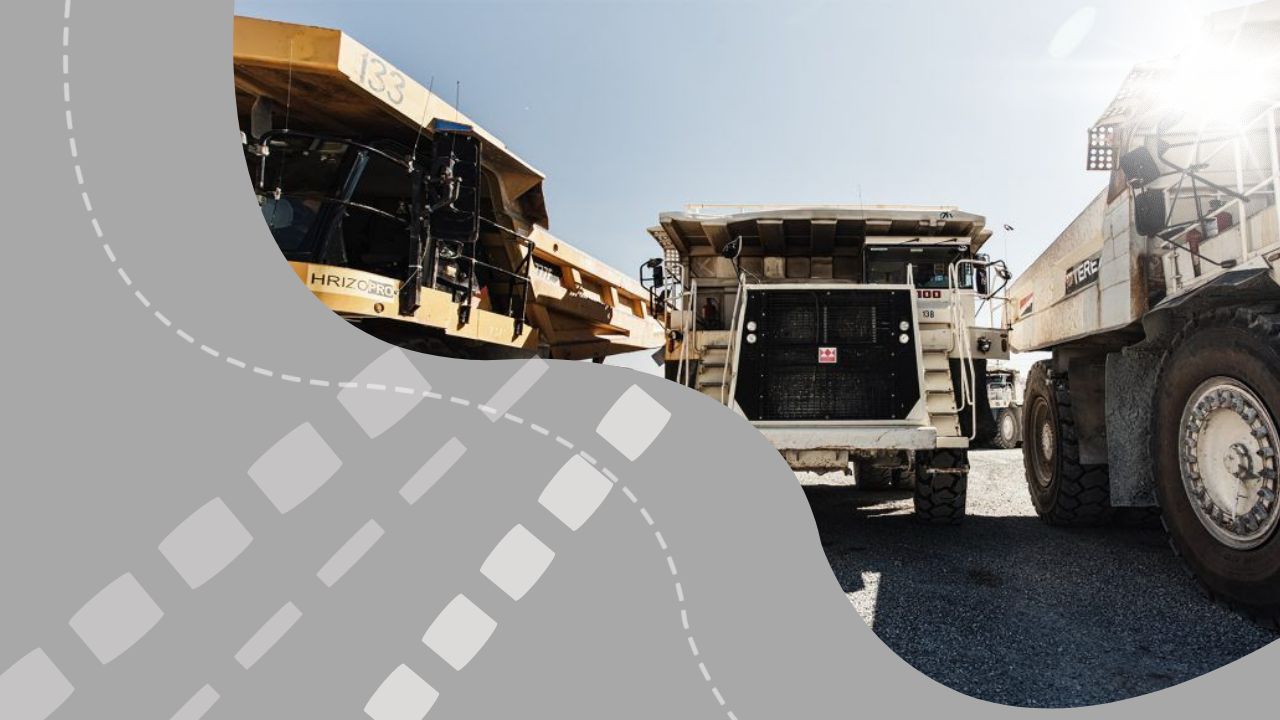
    [/vc_column_text][/vc_column_inner][/vc_row_inner][vc_empty_space][vc_separator][vc_empty_space height=”10px”][vc_row_inner][vc_column_inner width=”2/3″][widget-SocialWidget][/vc_column_inner][vc_column_inner width=”1/3″][link url=”https://www.kitco.com/news/2023-06-12/Savannah-says-new-scoping-study-for-Barroso-lithium-project-demonstrates-outstanding-economics-with-IRR-of-77.html” content_text=”News source”][/vc_column_inner][/vc_row_inner][vc_empty_space][vc_column_text](Kitco News) – Europe-focused lithium developer Savannah Resources (AIM: SAV) today reported the results of a new scoping study undertaken on the company’s 100% owned Barroso lithium project, located in northern Portugal.

    According to a company news release, a new scoping study for the Barroso lithium project demonstrates “outstanding” economics with post-tax NPV of US$953 million, IRR of 77%, and 1.3 year payback; as well as life of mine (LOM) revenue of US$4.2 billion, EBITDA of US$2.8 billion, and post-tax free cash flow of US$1.7 billion.

    Savannah added that the new study is based on average 5.5% grade spodumene concentrate LOM price of US$1,464/t, compared to current 6% grade spot prices of US$3,500/t.

    The company also noted that the project is considered by independent consultants to be of “low technical risk” with open pit mining and conventional processing combining dense media separation and a flotation circuit utilizing environmentally friendly reagents to produce a 5.5% Li2O grade spodumene concentrate.

    The project is scheduled to commence producing concentrate in mid-2026 subject to completion of DFS and project financing.

    “Capable of producing just under 200,000tpa of spodumene concentrate, or c.25ktpa LCE (lithium carbonate equivalent), the Barroso lithium project is one of the most significant potential lithium raw material sources in the European Union,” the company said.

    “Having received its key environmental approval last month and now with the strong business case implied by the scoping study, the Barroso lithium project is well placed to fulfil its role as a major source of responsibly produced lithium in Europe. In this way, it can help to establish Portugal as a key player in Europe’s own end-to-end lithium-ion battery value chain,” it added.

    Savannah Resources is a mineral resource development company and sole owner of the Barroso lithium project in northern Portugal. Production is targeted to begin in 2026, producing enough lithium for 0.5m vehicle battery packs per year.[/vc_column_text][vc_empty_space][epic_post_tag compatible_column_notice=”” font_size=”17px”][/vc_column][vc_column width=”1/6″][vc_text_separator title=”LATEST NEWS” color=”juicy_pink”][vc_empty_space height=”10px”][widget-LatestPosts post_number=”4″][vc_empty_space height=”10px”][vc_text_separator title=”MOST POPULAR” color=”juicy_pink”][vc_empty_space height=”10px”][widget-popular-posts post_count=”4″][vc_empty_space][vc_wp_search title=”Search”][vc_empty_space][lvs display_like=””][/vc_column][vc_column width=”1/6″][/vc_column][/vc_row][/vc_section][vc_section][vc_row][vc_column][distance desktop_type=”50″][/vc_column][/vc_row][vc_row][vc_column width=”1/2″][epic_block_28 compatible_column_notice=”” number_post=”6″ post_offset=”0″ first_title=”You may also like”][/epic_block_28][vc_empty_space][/vc_column][vc_column width=”1/2″][epic_hero_5 compatible_column_notice=”” hero_margin=”0″ content_filter_number_alert=”” post_offset=”0″][/vc_column][/vc_row][/vc_section]
  • Italy vows to jump-start mining renaissance by year’s end

    Italy vows to jump-start mining renaissance by year’s end

    [vc_section][vc_row][vc_column width=”1/6″][/vc_column][vc_column width=”1/2″][vc_row_inner][vc_column_inner][vc_empty_space][vc_column_text]

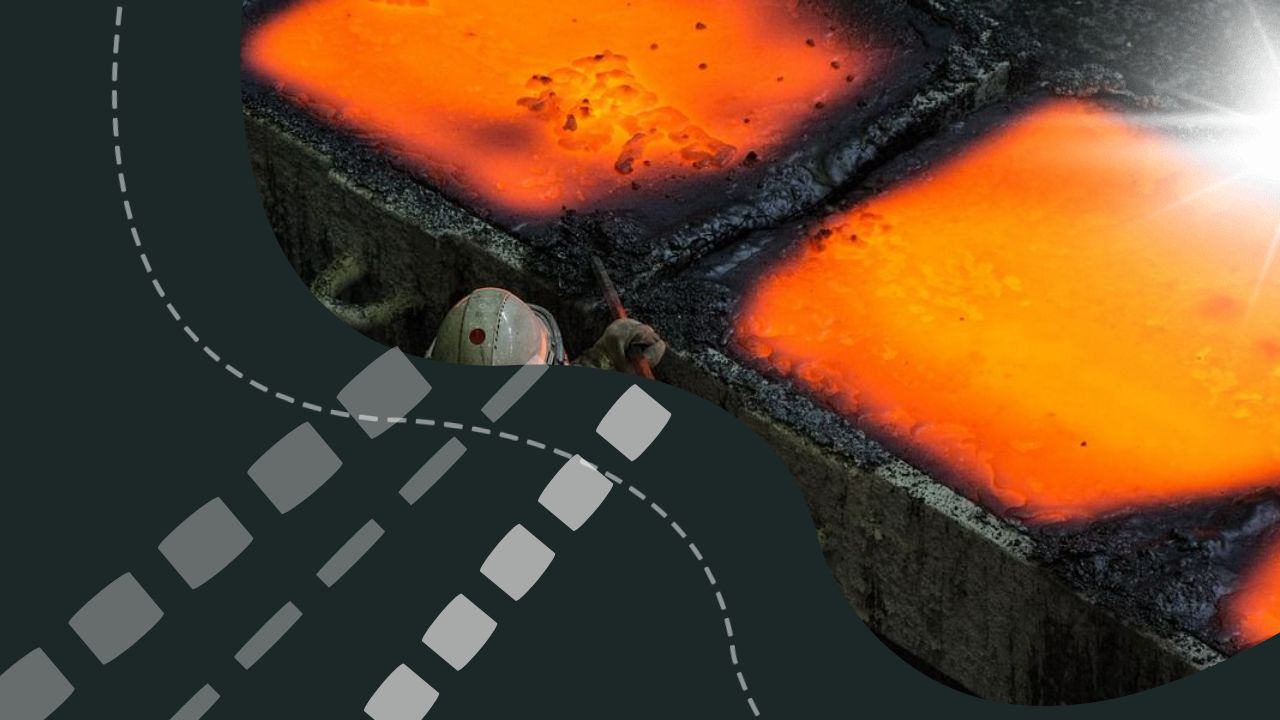
    Enterprise Minister Urso recalled that the Italian underground holds 16 of the EU’s 34 “critical” raw materials, and promised that the legal and geographic framework that will allow the resurgence of Italy’s mining sector “will be clear” by the end of 2023

    [/vc_column_text][/vc_column_inner][/vc_row_inner][vc_empty_space][vc_separator][vc_empty_space height=”10px”][vc_row_inner][vc_column_inner width=”2/3″][widget-SocialWidget][/vc_column_inner][vc_column_inner width=”1/3″][link url=”https://decode39.com/7302/italy-mining-renaissance-2023/#:~:text=Italy%20pushes%20forward%20mines%20re,country’s%20ageing%20mineral%20resource%20maps.” content_text=”News source”][/vc_column_inner][/vc_row_inner][vc_empty_space][vc_column_text]Italy pushes forward mines re-opening effort. Back in April, Enterprise Minister Adolfo Urso announced that Rome was updating the country’s ageing mineral resource maps. On Thursday, he indicated that the companies who want to take part in resurrecting the Italian mining and refining industry “will be able to present their projects” as early as late 2023.

    • “I think that by the end of the year, the whole picture will be clear: European regulations, Italian regulations, and the potential of our territory,” he explained, referring to the extraction and processing of critical raw materials in Europe.

    Hidden, transition-relevant riches. When it unveiled its Critical Raw Materials Act, which seeks to boost the EU’s in-house production and de-risk from monopolistic suppliers (namely, China), the European Commission identified 34 critical raw materials. As Minister Urso underscored, 16 can be found in the Italian underground – in mines “that were closed 30 years ago” and that the country must now re-open and invest in to “re-activate their potential.”

    • The Italian earth houses reserves of lithium, cobalt, nickel, copper and zinc, as well as beryllium and tungsten, which are required across the greentech and digital sectors.
    • Resuming their extraction and processing is conducive to reaching the EU’s goal of producing at least 10% of the CRMs it consumes by 2030.

    It’s bigger than Italy. Today, the supply chain of such materials is firmly in Chinese hands, which gives Beijing the leverage to threaten Europe’s ecological and digital transitions. Last week, the Chinese Communist Party announced restrictions on the export of two key metals, gallium and germanium, in a warning shot to the countries that are curbing its access to other products – such as semiconductors – the country requires for its tech autonomy ambitions.

    • “We have just realised how dangerous it is to rely on Russian fossil sources. We cannot do the same with China on rare earths and precious minerals,” as Minister Urso remarked back in April – especially given Beijing’s “expansionist policy,” which entails “the acquisitions of [CRM] deposits, mainly in Africa, and then concentrating processing at home.”

    A concerted effort. In late June, Minister Urso launched a structural cooperation with his French and German counterparts to coordinate the three countries’ approaches to sourcing CRMs. The trio, representing nearly half of the EU’s GDP, vowed to expand data exchange practices and cooperation in the fields of minerals extraction, refining, processing, recycling and ESG standards while keeping the industries looped in, to work on a green transition that may cater to their needs and ultimately foster the emergence of European industrial champions.[/vc_column_text][vc_empty_space][epic_post_tag compatible_column_notice=”” font_size=”17px”][/vc_column][vc_column width=”1/6″][vc_text_separator title=”LATEST NEWS” color=”juicy_pink”][vc_empty_space height=”10px”][widget-LatestPosts post_number=”4″][vc_empty_space height=”10px”][vc_text_separator title=”MOST POPULAR” color=”juicy_pink”][vc_empty_space height=”10px”][widget-popular-posts post_count=”4″][vc_empty_space][vc_wp_search title=”Search”][vc_empty_space][lvs display_like=””][/vc_column][vc_column width=”1/6″][/vc_column][/vc_row][/vc_section][vc_section][vc_row][vc_column][distance desktop_type=”50″][/vc_column][/vc_row][vc_row][vc_column width=”1/2″][epic_block_28 compatible_column_notice=”” number_post=”6″ post_offset=”0″ first_title=”You may also like”][/epic_block_28][vc_empty_space][/vc_column][vc_column width=”1/2″][epic_hero_5 compatible_column_notice=”” hero_margin=”0″ content_filter_number_alert=”” post_offset=”0″][/vc_column][/vc_row][/vc_section][vc_section][vc_row][vc_column width=”1/6″][/vc_column][vc_column width=”1/2″][vc_row_inner][vc_column_inner][vc_empty_space][vc_column_text]

    Enterprise Minister Urso recalled that the Italian underground holds 16 of the EU’s 34 “critical” raw materials, and promised that the legal and geographic framework that will allow the resurgence of Italy’s mining sector “will be clear” by the end of 2023

    [/vc_column_text][/vc_column_inner][/vc_row_inner][vc_empty_space][vc_separator][vc_empty_space height=”10px”][vc_row_inner][vc_column_inner width=”2/3″][widget-SocialWidget][/vc_column_inner][vc_column_inner width=”1/3″][link url=”https://decode39.com/7302/italy-mining-renaissance-2023/#:~:text=Italy%20pushes%20forward%20mines%20re,country’s%20ageing%20mineral%20resource%20maps.” content_text=”News source”][/vc_column_inner][/vc_row_inner][vc_empty_space][vc_column_text]Italy pushes forward mines re-opening effort. Back in April, Enterprise Minister Adolfo Urso announced that Rome was updating the country’s ageing mineral resource maps. On Thursday, he indicated that the companies who want to take part in resurrecting the Italian mining and refining industry “will be able to present their projects” as early as late 2023.

    • “I think that by the end of the year, the whole picture will be clear: European regulations, Italian regulations, and the potential of our territory,” he explained, referring to the extraction and processing of critical raw materials in Europe.

    Hidden, transition-relevant riches. When it unveiled its Critical Raw Materials Act, which seeks to boost the EU’s in-house production and de-risk from monopolistic suppliers (namely, China), the European Commission identified 34 critical raw materials. As Minister Urso underscored, 16 can be found in the Italian underground – in mines “that were closed 30 years ago” and that the country must now re-open and invest in to “re-activate their potential.”

    • The Italian earth houses reserves of lithium, cobalt, nickel, copper and zinc, as well as beryllium and tungsten, which are required across the greentech and digital sectors.
    • Resuming their extraction and processing is conducive to reaching the EU’s goal of producing at least 10% of the CRMs it consumes by 2030.

    It’s bigger than Italy. Today, the supply chain of such materials is firmly in Chinese hands, which gives Beijing the leverage to threaten Europe’s ecological and digital transitions. Last week, the Chinese Communist Party announced restrictions on the export of two key metals, gallium and germanium, in a warning shot to the countries that are curbing its access to other products – such as semiconductors – the country requires for its tech autonomy ambitions.

    • “We have just realised how dangerous it is to rely on Russian fossil sources. We cannot do the same with China on rare earths and precious minerals,” as Minister Urso remarked back in April – especially given Beijing’s “expansionist policy,” which entails “the acquisitions of [CRM] deposits, mainly in Africa, and then concentrating processing at home.”

    A concerted effort. In late June, Minister Urso launched a structural cooperation with his French and German counterparts to coordinate the three countries’ approaches to sourcing CRMs. The trio, representing nearly half of the EU’s GDP, vowed to expand data exchange practices and cooperation in the fields of minerals extraction, refining, processing, recycling and ESG standards while keeping the industries looped in, to work on a green transition that may cater to their needs and ultimately foster the emergence of European industrial champions.[/vc_column_text][vc_empty_space][epic_post_tag compatible_column_notice=”” font_size=”17px”][/vc_column][vc_column width=”1/6″][vc_text_separator title=”LATEST NEWS” color=”juicy_pink”][vc_empty_space height=”10px”][widget-LatestPosts post_number=”4″][vc_empty_space height=”10px”][vc_text_separator title=”MOST POPULAR” color=”juicy_pink”][vc_empty_space height=”10px”][widget-popular-posts post_count=”4″][vc_empty_space][vc_wp_search title=”Search”][vc_empty_space][lvs display_like=””][/vc_column][vc_column width=”1/6″][/vc_column][/vc_row][/vc_section][vc_section][vc_row][vc_column][distance desktop_type=”50″][/vc_column][/vc_row][vc_row][vc_column width=”1/2″][epic_block_28 compatible_column_notice=”” number_post=”6″ post_offset=”0″ first_title=”You may also like”][/epic_block_28][vc_empty_space][/vc_column][vc_column width=”1/2″][epic_hero_5 compatible_column_notice=”” hero_margin=”0″ content_filter_number_alert=”” post_offset=”0″][/vc_column][/vc_row][/vc_section]

  • Weighing the attractions of recycling rare earth magnets

    Weighing the attractions of recycling rare earth magnets

    [vc_section][vc_row][vc_column][distance desktop_type=”30″][lvs][distance desktop_type=”30″][vc_btn title=”Source – sciencebusiness.net” color=”sky” i_type=”material” i_icon_material=”vc-material vc-material-perm_device_information” add_icon=”true” link=”url:https%3A%2F%2Fsciencebusiness.net%2Fnews%2Fgreen-technology%2Fecosystem-weighing-attractions-recycling-rare-earth-magnets|target:_blank”][distance desktop_type=”30″][vc_column_text]Recovering critical raw materials from rare earth magnets is relatively straightforward, but a number of other issues need to be resolved before a useful recycling system can emerge in Europe.

    The Critical Raw Materials Act, currently making its way through the EU legislative process, addresses some of the barriers, but others need to be tackled before all the pieces fall into place.

    Most permanent magnets, especially those with the highest performance, contain raw materials that are scarce in Europe. With the use of these magnets on the rise, particularly in green technologies such as wind turbines and electric vehicles, Europe is keen to break its dependence on imports, the bulk of which come from China.

    For recycling to make an impact, it’s not just the recycling technology that requires attention, but the whole value chain for rare earth magnets. That stretches from processing the recycled material through to magnet fabrication. Then there have to be end users who are willing to buy magnets from a European producer rather than from China.

    “There are already a lot of magnets in Europe that are collected by scrap dealers and sent back to China for recycling,” said Ana Maria Martinez, a senior research scientist at the independent research organisation SINTEF in Norway. “If we want to keep that material in Europe, the whole value chain has to talk together.”

    Martinez was the project manager for REE4EU, a Horizon 2020 project that set out to demonstrate a closed-loop permanent magnet recycling process for the first time in Europe. Concluding in 2019, the project successfully treated several tonnes of process wastes and end-of-life products containing rare earth elements, resulting in the recovery of almost 100 kilograms of rare earth alloys. This alloy was then used to make new permanent magnets to be used in products.

    While the recycling technology worked, taking it to the market presented further challenges. “The recyclers that we approached with our business case wanted to know: can I get 1,000 tonnes of spent magnets coming to my plant every year? And we didn’t know the answer to that,” Martinez said.

    Rare earth magnets can be found in a wide range of products, from medical imaging devices and industrial robots, to consumer products such as dishwashers and microwaves. The first problem is knowing which of them contain rare earth magnets. “In most cases, until you open up the product, you don’t have a clue,” said Martinez.

    The next problem is getting the magnets out of end-of-life products, most of which have not been designed to be taken apart. Doing this economically, and with due respect for the environment and worker safety, will require automation. “We cannot, in Europe, extract the magnets by hand from the different end-of-life products,” said Martinez.

    Extracting magnets

    These issues are being addressed in a follow-up project called REEPRODUCE, which began in May 2022 with funding from Horizon Europe. “Now we want to show that we can extract those magnets from end-of-life products in an automatised way, and that the chemical process developed in REE4EU can accommodate different magnet chemistries, from different sources,” Martinez said.

    The first pilot has started, testing a sorting technology that uses computer vision and artificial intelligence to identify and pick out products likely to contain rare earth magnets from mixed electrical and electronic equipment waste.

    The next stages will involve building robots that can extract the component containing the magnet from each item, and then extract the magnet itself from the component. “Then all of these magnets will go to a recycling plant, which will be robust enough to accommodate different magnet chemistries and coatings,” said Martinez.

    The REEPRODUCE consortium includes 15 partners, mainly from industry, representing the whole value chain, and it will be up to them how the results are commercialised. “At the end, we’ll present some business cases for external stakeholders, but it is up to the technology owners to decide how to go further,” said Martinez.

    Recycling start-ups

    One of the few European start-ups in the rare earth magnet recycling is HyProMag, founded in 2018 to commercialise a hydrogen-based processing method for magnetic scrap, developed by at Birmingham University’s School of Metallurgy and Materials.

    The process converts neodymium-iron-boron (Nd-Fe-B) magnets into a loose, demagnetised, hydrogenated powder. Coatings, adhesives, screws and other residues can be mechanically separated from the powder, making it suitable for immediate use in magnet fabrication.

    After running a pilot plantat the university, HyProMag is setting up its first full-scale facility for remanufacturing rare earth magnets, with production due to start by the end of this year. A second facility being set up at Pforzheim near Stuttgart, by a German sister company, is expected to begin production at the end of 2024.

    The production capacity of these plants is expected to be 100 tonnes of recycled NdFeB powders, alloys and magnets per year. “That’s tiny compared to the 230,000 tonnes produced last year in China, but it’s a start, and all of our technology is fully scalable,” said Carlo Burkhardt, co-founder HyProMag in Germany and scientific director of the Institute for Precious Metals and Technology at Pforzheim University. The company intends both to market the powder and alloys, and make magnets itself.

    As well as the magnet recycling process, HyProMag has invested a lot of effort in developing systems to analyse and sort waste streams, and to automatically dismantle end-of-life electronic equipment.

    “We’ve found some quite clever ideas for sorting ferrite magnets from Nd-Fe-B magnets, for getting magnets out of hard disk drives, and disassembling traction motors to the point where the material is suitable for hydrogen processing,” said Burkhardt

    Currently part of HyProMag’s facilities, these sorting and dismantling systems could be located further up the waste stream, for example at recycling sites or with manufacturers operating buy-back schemes.

    Burkhardt has seen growing interest in magnets from the recycling sector. “A couple of years ago, magnets were just a nuisance. They cause problems in shredding, they agglomerate, and they contaminate other material streams,” he said. “So, the separation is not only about recovering the magnets, but it can increase the value of the other recycled materials.”

    Other barriers to the development of the sector in Europe include bureaucracy and permitting, some of which should be addressed by the Critical Raw Materials Act. But subsidies are a major headache, with companies in China and the US receiving substantial government support. “We need to have the same conditions in Europe as our competitors, given the strategic importance for European growth and for the green transition,” said Burkhardt.

    The image of recycled rare earth magnets also needs to improve, although there is some movement on this front. “End users now realise that we can recycle and produce magnets that are the same as before, or perhaps even better,” Burkhardt said.

    One of the biggest barriers in Europe is the lack of a skilled workforce, with only limited coverage of magnets in higher education. “No one has Nd-Fe-B as a study subject, for example, nor how they are made, nor their applications, while in China 2,500 engineers [specialising in magnets] graduate every year. In order to develop this market, we need to develop these experts.”

    This is something that Burkhardt is working on as coordinator of REEsilience, a Horizon Europe project that aims to build a more resilient and sustainable supply chain for rare earth magnetic materials and products in Europe. “One of our tasks is to develop a syllabus for magnet experts, not only looking at production aspects, but also the wider framework of magnet use and recycling,” he said.

    Dedicated assessment

    As it stands, these methods face an economic challenge if they are to compete with the rare earth magnets produced cheaply in China. This is where the Critical Raw Materials Act will have decisive effect. The Commission proposed that at least 15% of the EU’s annual consumption of all strategic raw materials should come from recycling, a level increased to 20% by the Council of Ministers. A minimum recycled content for rare earth magnets will also be set, after a dedicated assessment of the appropriate level and likely impacts.

    The Act will also introduce detailed product labelling requirements, including information on the amount, type and chemical composition of magnets installed, their location and the coating, glues and additives used and how to remove them from the product.

    “If we really want to have a rare earth value chain in Europe, from secondary resources, the regulatory framework has to be in place to facilitate that,” said Martinez. “Maybe it will be more expensive to recycle than to buy a magnet from China, but if it is required by law, then we are all on a level playing field and we can do it.”

    Even so, Burkhardt thinks the entry costs are too high for many more rare earth magnet recycling start-ups to emerge in Europe. “About $100 million in funding was needed to develop the HyProMag technology to the level where it is industrially feasible,” he said. “That’s not like a software start-up, where you just need a couple of computers and a good idea.”

    But opportunities may develop in future, as the market matures. “Currently the market is not developed, so companies need to be integrated, but in the years to come there may be much more specialisation, with companies carrying out magnet extraction, powder processing, or magnet production.”

    Meanwhile established industrial companies such as Solvay and Suez are taking an interest, as are rare earth mining companies. HyProMag itself is being acquired by Maginito, a recycling technology company owned by Canadian rare earth mining concern Mkango, which was a partner since the start-up’s formation.[/vc_column_text][distance desktop_type=”30″][/vc_column][/vc_row][/vc_section]