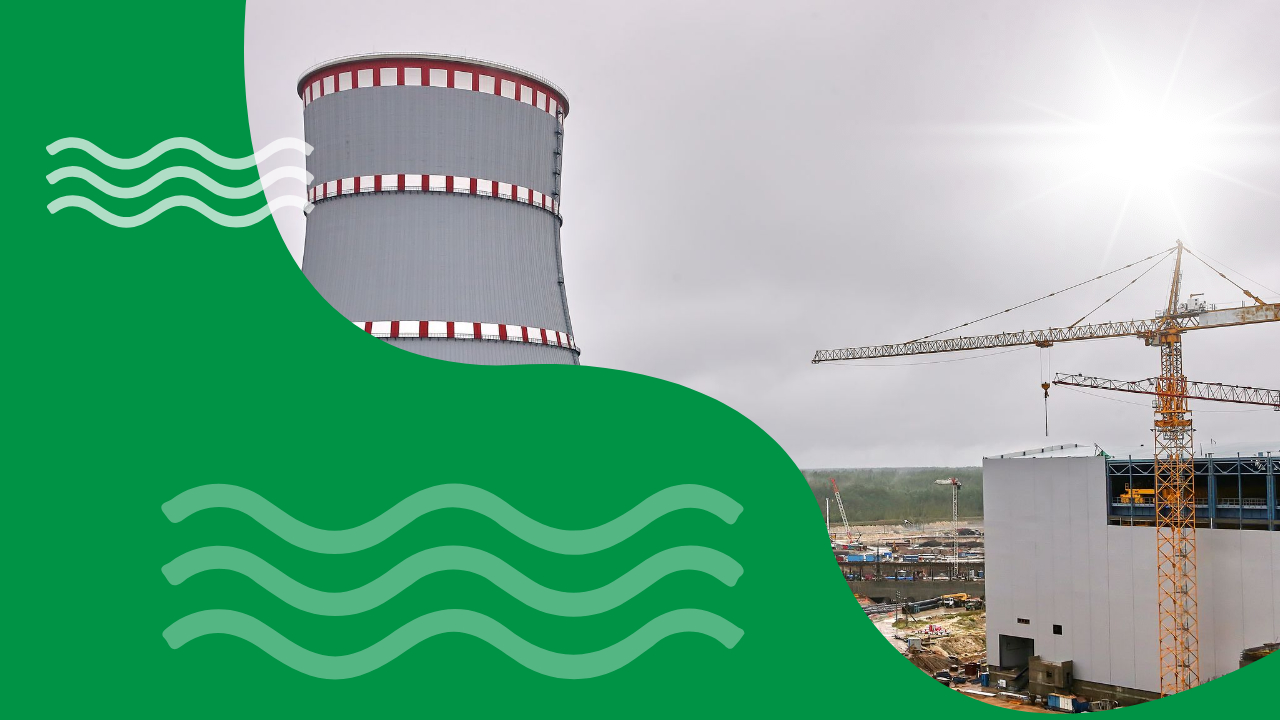
KfW, the government-owned financing institution, urges Germany to adopt a “balanced catalogue of measures” to secure its essential raw material supply amid the global shifts of decarbonization and digitalization. A research report by IW Consult and Fraunhofer ISI, commissioned by KfW, highlights supply risks in the production and supply chains of key raw materials: copper, lithium, and rare earth minerals. The analysis identifies significant dependencies in sectors like automotive manufacturing, emphasizing the need for diversification at the core of any resilience strategy. With limited suppliers posing supply risks, the report suggests a comprehensive approach, including promoting technological progress for substitution and material efficiency. Germany’s transition to renewable energy faces challenges in sourcing resources for “green” technologies, necessitating strategic measures to avoid environmental and social impacts.
Website: Europe.com
-
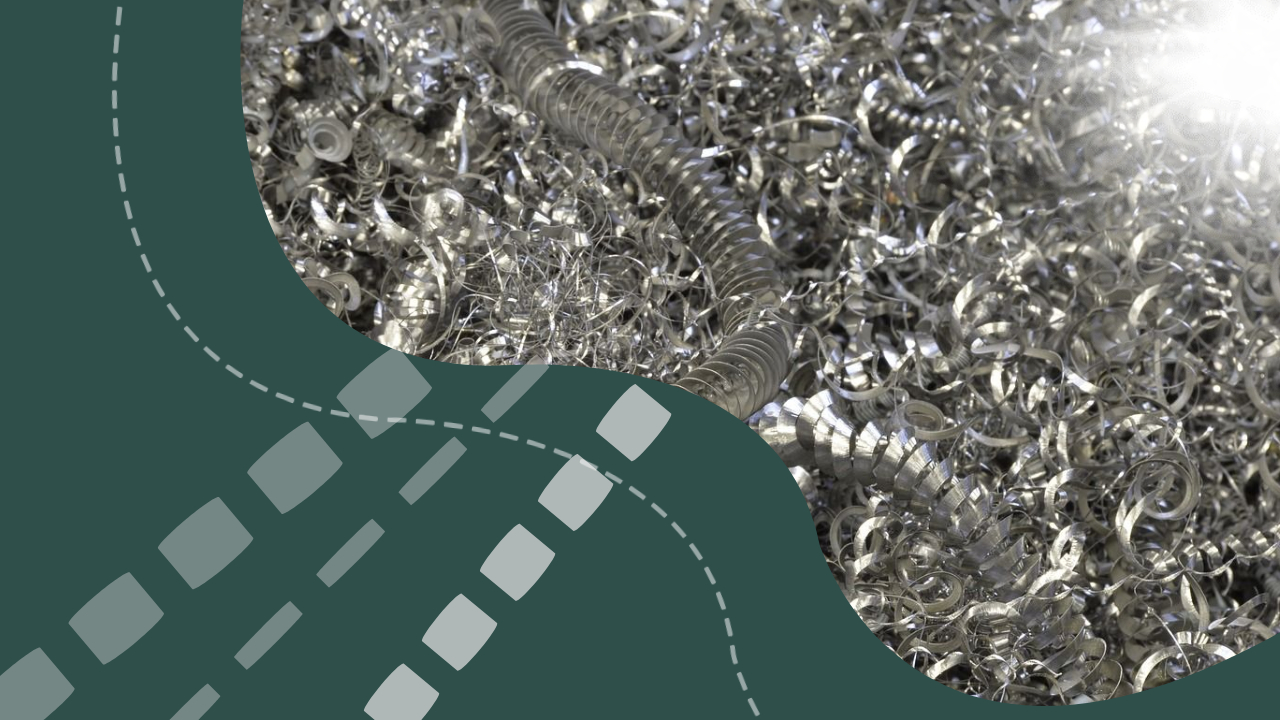
ArcelorMittal Kryvyi Rih Plans to Increase Capacity Utilization to 50% Despite Challenges
ArcelorMittal Kryvyi Rih, a leading steelmaking enterprise in Ukraine, aims to ramp up its production capacity utilization to 50% in 2024 despite facing various challenges. Mauro Longobardo, the company’s CEO, revealed plans to boost production by leveraging improved maritime logistics, as stated in an interview with Delo.ua.
Longobardo highlighted the positive development of maritime logistics, particularly the accessibility of Black Sea ports for the company’s products, including iron ore concentrate, pig iron, and rolled metal. He emphasized the significance of this advancement in facilitating increased production levels.
The company intends to maximize the capacity of its mining division and initiate operations of two blast furnaces in April 2024, marking a significant milestone toward achieving 50% of its pre-war capacity. Longobardo explained the cautious approach in delaying the launch of the second blast furnace earlier due to the risk of attacks on energy infrastructure, a concern validated by recent incidents in the Kryvyi Rih district.
Currently operating at 25% of its full capacity, ArcelorMittal Kryvyi Rih faces challenges associated with the expensive sea route for its products. Longobardo revealed that freight rates have doubled, attributing the increase to risk premiums imposed by ship owners and crew members. Despite the high costs, the company remains hopeful for price reductions and increased traffic along the corridor.
In January 2024, the company witnessed notable growth in steel production, rolled steel, pig iron, iron ore concentrate, and coke, reflecting its resilience amid challenging circumstances. Despite the hurdles encountered in 2023, including the production of 1 million tons of steel, ArcelorMittal Kryvyi Rih remains committed to contributing to the Ukrainian economy and maintaining its production facilities to scale up production when conditions permit.
ArcelorMittal Kryvyi Rih serves as a vital player in Ukraine’s steel industry, with production facilities capable of producing over 6 million tons of steel, 5 million tons of rolled products, and 5.5 million tons of pig iron annually. With a workforce of over 20 thousand employees, the company continues its operations amidst adversity, striving for growth and stability.
-
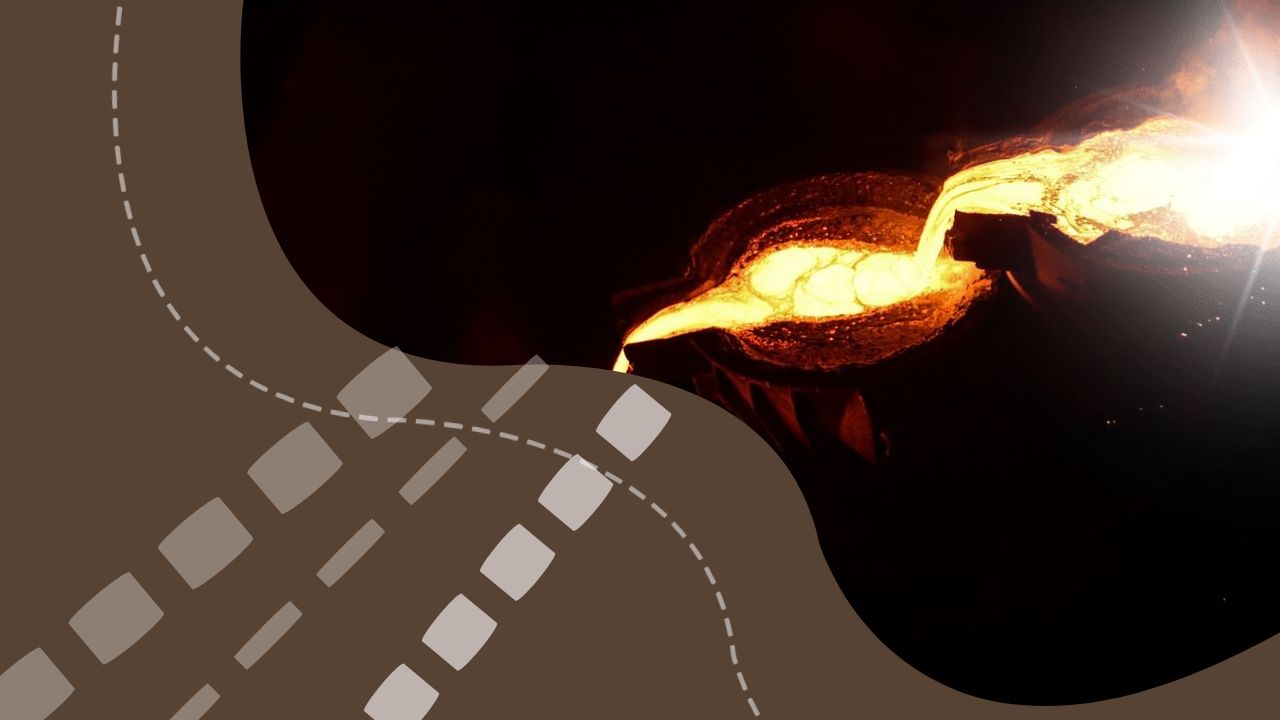
Adriatic Metals BiH successfully produces first ore concentrate in Bosnia and Herzegovina’s Vares project
Adriatic Metals BiH proudly announced on February 27th, 2024, the successful production of the inaugural ore concentrate within the Vares project in Bosnia and Herzegovina. The Vares ore processing facility is poised to incrementally enhance its capacity in the following months, with a target processing capacity of around 65,000 tons per month expected by the fourth quarter of 2024.
Paul Cronin, the general manager of Adriatic Metals BiH, expressed his satisfaction with the achievement, stating, “I am delighted to announce another significant milestone in the production of the first concentrate within the Vares Project.” He emphasized the utilization of advanced technology in designing and constructing the ore processing plant, with a strong commitment to adhering to the highest health and safety standards. Cronin extended his appreciation to the dedicated team for their diligent efforts.
This milestone signifies a notable success for Adriatic Metals BiH and holds significance for the local community in Vares and the wider state of Bosnia and Herzegovina. The Vares project emerges as one of the most substantial post-war investments in the country, offering considerable economic and social benefits.
Throughout the project, Adriatic Metals BiH has prioritized local employment, collaboration with regional suppliers, engagement with authorities at all levels, and the adoption of state-of-the-art mining technology. This holistic approach not only drives economic growth but also ensures enduring advantages for the Vares community well beyond the mine’s operational lifespan.
Looking to the future, the company aims to further optimize the processing plant and expand underground operations in the ensuing months to achieve the targeted nominal production capacity by the fourth quarter of 2024.
Excerpt: Adriatic Metals BiH celebrates the successful production of the inaugural ore concentrate at the Vares project, marking a significant milestone in Bosnia and Herzegovina’s mining industry.
-
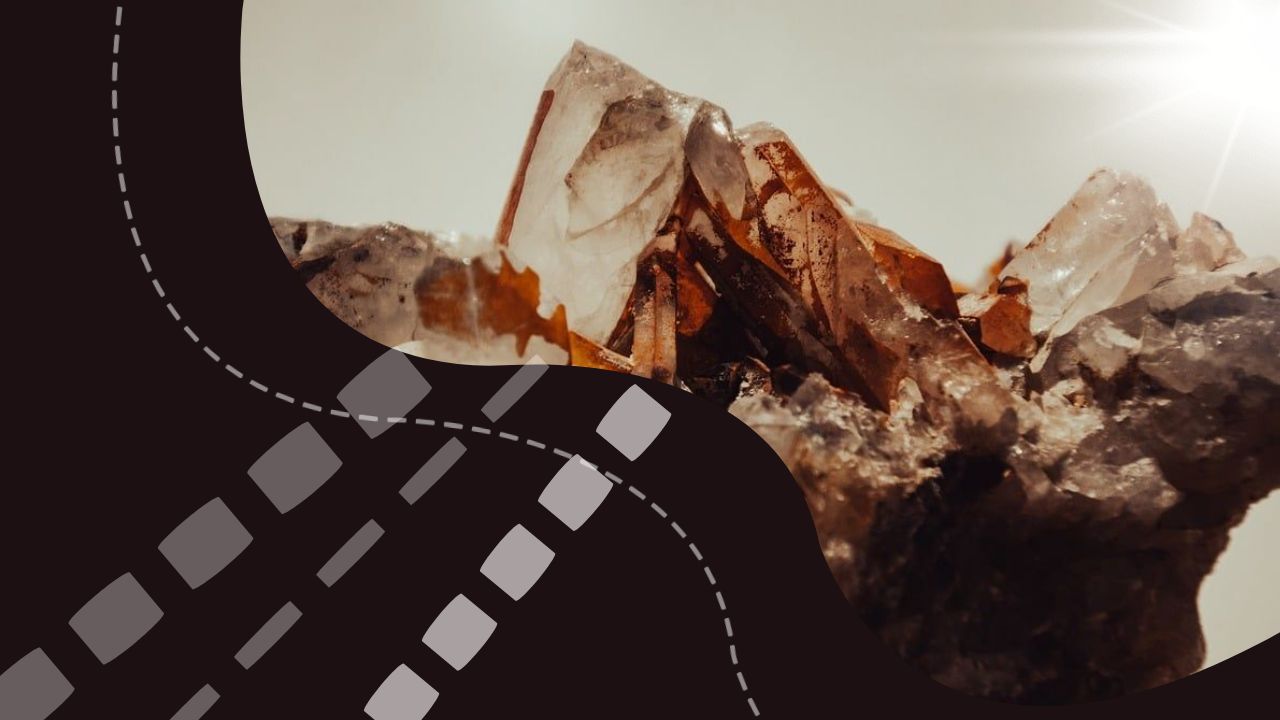
Estonia Joins Minerals Security Partnership to Enhance Supply Chain Resilience
Estonia has recently announced its participation in the Minerals Security Partnership (MSP), an initiative led by the United States aimed at bolstering the security of critical raw materials. This move is part of Estonia’s strategy to expand its network and attract new industries to the country in the coming years.
The Ministry of Foreign Affairs underscored the significance of joining the MSP, emphasizing the importance of international cooperation in securing the supply of critical raw materials. With the presence of Europe’s largest rare earth elements processing plant in Estonia, membership in the MSP is seen as pivotal for the development of this sector.
Jüri Seilenthal, the Director General of the Department for External Economic Policy and International Economic Organisations at the Ministry of Foreign Affairs, stressed the need for Estonia to reduce reliance on external sources, especially in the face of global conflicts. He stated that participation in the MSP is aligned with Estonia’s goal of ensuring access to critical raw materials.
Ene Jürjens, the Director General of the Natural Resources Department at the Climate Ministry, highlighted Estonia’s expertise in processing rare earth elements, positioning the country uniquely in the global supply chain.
-
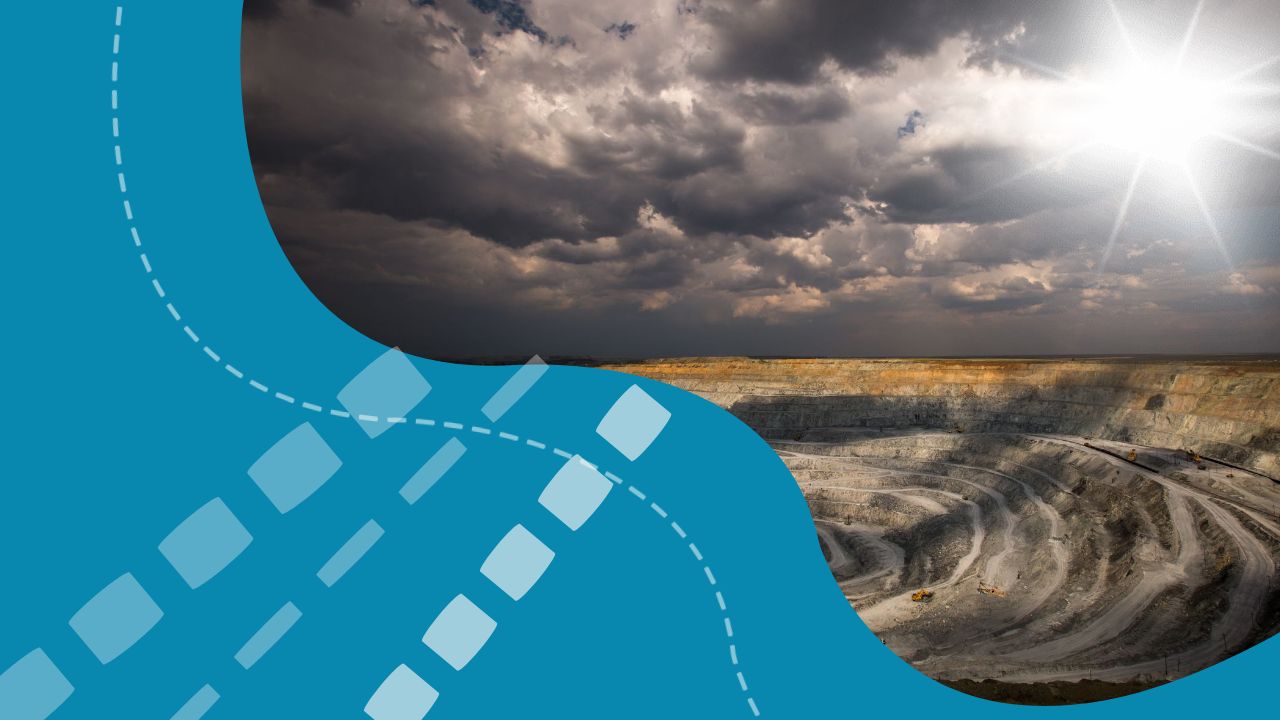
Cornish Metals Accelerates Refurbishment of New Cook’s Kitchen Shaft at South Crofty Tin Project
Cornish Metals, an exploration and development company, has announced plans to begin refurbishing the New Cook’s Kitchen (NCK) shaft at the South Crofty tin project in the UK ahead of schedule. CEO Richard Williams emphasized the significance of this milestone, highlighting the confidence of the company and its major shareholders in the project’s future. Rephasing the shaft refurbishment aims to enhance the functionality of the NCK shaft, facilitating early access for larger equipment during the mine’s redevelopment phase. To enable concurrent shaft refurbishment and dewatering activities, Cornish has adjusted the rate of mine dewatering and expects to realize a £4-million cost saving. These funds will be allocated towards covering the expenses of the NCK refurbishment. Additionally, a preliminary economic assessment is underway and slated for publication in the second quarter, providing an updated estimate of the funding requirements necessary to achieve first tin production from South Crofty by the end of 2026.
-
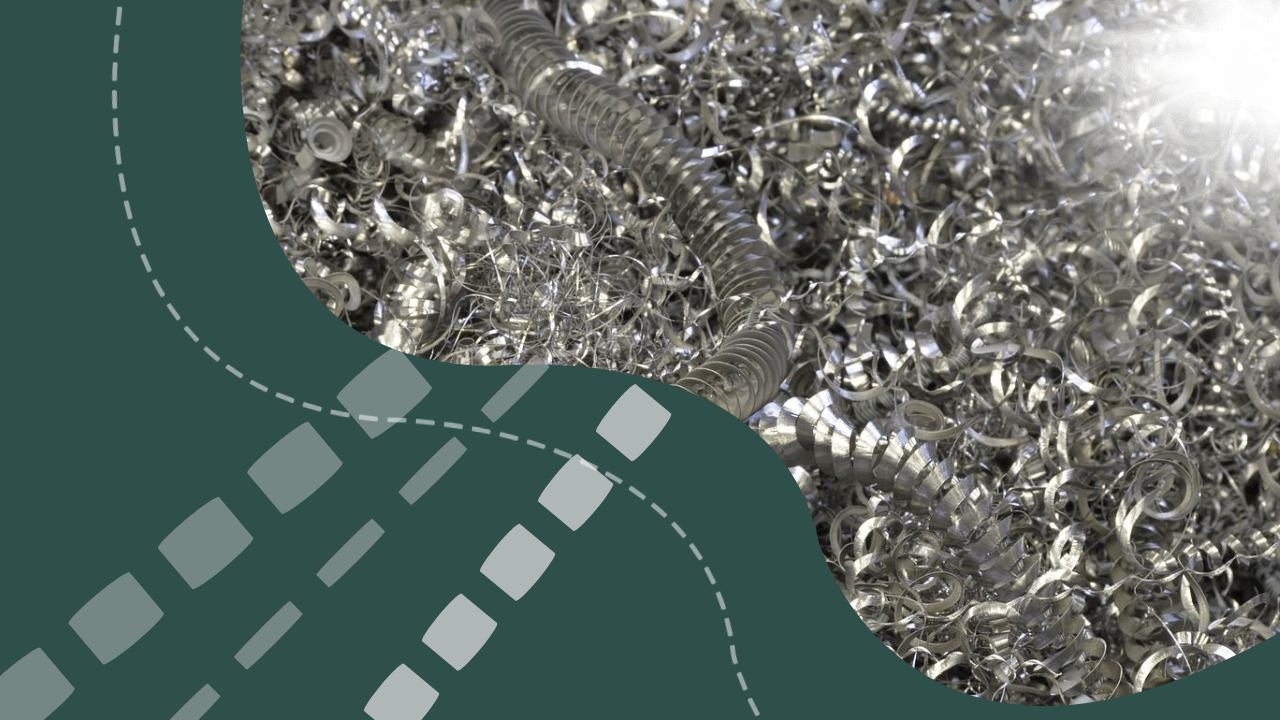
Poland Emerges as Silver Giant: Implications and Challenges
Recent weeks have witnessed a surge of headlines in Poland, revealing a stunning revelation: the country harbors vast silver resources estimated at half a trillion zloty. This development has catapulted Poland into the spotlight as a global leader in silver reserves, a distinction confirmed by the latest report from the U.S. Geological Survey (USGS) titled “Mineral Commodity Summaries 2024.”
According to the USGS report, Poland boasts an impressive silver reserve of 170,000 tons, surpassing other silver-rich nations by a significant margin. Peru, the second-largest holder, lags behind by 60,000 tons. Despite its recent emergence, Poland has swiftly risen to become the fifth-largest global producer, generating 1,300 tons of silver in 2023.
This substantial update in reserves, from the previously reported 65,000 tons to the current 170,000 tons, is based on data from Poland’s Geological Service. Earlier indications of this wealth were hinted at in a 2023 report, which highlighted substantial copper and silver deposits across regions like the Fore-Sudetic Monocline and the North Sudetic Basin, particularly in areas surrounding Lubin, Polkowice, and Głogów.
At current market prices, Poland’s silver reserves are valued at approximately $127 billion, exceeding half a trillion PLN, a sum capable of potentially covering the country’s budget deficit twice over.
However, despite the economic promise, challenges loom in the realm of silver mining. Adam Stroniawski from the Mint of Poland underscores the importance of these reserves while acknowledging the time-consuming process of accessing, mining, and refining them. He emphasizes the necessity for advanced technology, robust infrastructure, and the scattered distribution of silver deposits.
Moreover, silver’s significance in various industrial sectors cannot be overlooked, from medicine to electronics and renewable energy. Yet, Stroniawski cautions that while silver remains undervalued and accessible, its exploitation demands careful consideration of environmental impacts and sustainable mining practices.
The environmental implications of silver mining in Poland are significant, requiring stringent environmental protections and substantial investments in infrastructure, technology, and skills. Developing these resources sustainably is vital for meeting the growing demand for silver in critical sectors such as renewable energy.
Poland’s ascent as a silver giant signals a pivotal moment in the global market, with potential implications for prices and industrial applications. Nonetheless, navigating the challenges inherent in silver mining demands innovative solutions and international cooperation to ensure that Poland’s newfound wealth benefits both the nation and the global community.
-
The geopolitical race for critical raw materials in the green transition era
The geopolitical race for critical raw materials in the green transition era has emphasized the critical importance of securing raw materials for the green transition, recognizing the challenges it faces in competition with China. However, convincing companies to prioritize geopolitical concerns over market dynamics presents a significant hurdle. While electric vehicles offer a cleaner alternative to fossil fuel vehicles, their production involves a considerable amount of materials. Compared to conventional vehicles, electric cars require a much larger quantity of minerals, such as copper and manganese. The increasing adoption of clean energy technologies, especially electric vehicles, has led to a surge in demand for critical raw materials (CRMs). This heightened demand underscores the need for a stable supply chain to support Europe’s transition to green technologies. The European Union identifies certain materials as “critical raw materials,” crucial for various sectors beyond clean energy, including digitalization and defense. However, dependence on external sources, particularly China, raises concerns about supply chain security. China’s dominance in processing many CRMs, despite not being rich in these resources, poses challenges for the EU. Chinese mining companies have made significant investments overseas, controlling key mining operations in regions like the Democratic Republic of Congo and Indonesia. In response to these challenges, the EU has implemented initiatives such as the European Critical Raw Materials Act (CRMA) and strategic partnerships with producer countries. These efforts aim to secure the EU’s CRM supply while promoting sustainable development in partner nations. The CRMA emphasizes supply chain security but also faces criticism for prioritizing mining projects over sustainability. Achieving a balance between security and sustainability is crucial for ensuring a resilient supply chain. Despite the EU’s emphasis on strategic partnerships and free trade agreements, challenges remain in translating rhetoric into action. Building domestic supply chains for green energy technologies requires significant investment and private sector involvement. However, crashing prices of key minerals like lithium and cobalt have stalled Western investments in new mines. Chinese companies, benefiting from state support, are better positioned to weather market fluctuations. The EU’s approach to competing with China in the CRM sector must address these challenges effectively. Balancing economic interests, sustainability goals, and supply chain security will be essential for the EU to establish resilient CRM supply chains and maintain its competitiveness in the global market.
-
EIT RawMaterials’ vision for sustainable resource management in Europe’s green evolution
EIT RawMaterials is actively engaged in collaborating with policymakers and industry stakeholders to drive innovation, shape policies, and develop a roadmap for Europe’s critical materials sector to achieve sustainability goals. As Europe works towards its 2050 climate neutrality objective, ensuring access to critical raw materials becomes crucial for powering key green technologies such as solar panels, wind turbines, and electric vehicles.
Europe’s heavy reliance on a limited number of countries, including China, for these essential materials poses risks due to dependency on vulnerable and opaque supply chains. EIT RawMaterials, recognized as a leading innovation community in the global raw materials sector, is committed to supporting Europe’s transition to a sustainable economy by ensuring a steady supply of raw materials, promoting circular economy principles, and fostering innovation, education, and entrepreneurship.
As the manager of the European Raw Materials Alliance (ERMA), which consists of over 750 European and international partners, EIT RawMaterials is focused on enhancing the sustainable competitiveness of the European raw materials sector across the value chain. ERMA plays a vital role in securing financing to bolster Europe’s competitiveness in the global supply chain.
Through collaborative efforts with industry partners, ERMA has launched two Action Plans targeting specific market fields. The Rare Earth Magnets and Motors Action Plan, initiated in 2021, has already generated 14 de-risked and bankable projects, expected to meet approximately 20% of Europe’s permanent magnets requirements by 2030. Another recent initiative, “The European Call for Action on Energy Storage and Conversion,” launched in May 2023, aims to bolster Europe’s position in the energy storage and conversion sector.
This action plan acknowledges the growing significance of energy storage and conversion in light of increasing adoption of green technologies and emphasizes the need for significant quantities of raw materials. It outlines investment requirements to ensure a stable supply chain and focuses on key areas such as materials for solar energy, battery materials, fuel cells, electrolysers, and alternative energy storage and conversion methods.
The roadmap presents comprehensive strategies covering the entire mineral value chain, from exploration to processing, identifying investment opportunities exceeding €15 billion. This strategic approach could enhance the EU’s self-sufficiency in critical materials by 2030.
Aligned with EU policy initiatives, the roadmap proposes measures to enhance the competitiveness of the European raw materials sector, including standardization, fit-for-purpose mining standards, and a balanced approach to trade measures.
A notable aspect of the roadmap is its emphasis on expanding mining operations within Europe while upholding stringent environmental, social, and governance (ESG) standards. It suggests establishing a European Raw Materials Fund to support projects across all phases, funded through EU and member state policies.
Innovation is pivotal in transforming the mining industry, and EIT RawMaterials actively supports this through collaborations with industry leaders. The organization backs projects focused on safety improvements, technological advancements, and sustainable solutions, such as recycling initiatives for Li-ion batteries and advancements in battery technology for electric vehicles.
With the approval of the Critical Raw Materials Act, Europe aims to recycle at least 25% of its annual raw materials consumption domestically. EIT RawMaterials contributes to this goal through projects like ReLieVe and Charamba, focusing on closed-loop industrial processes and efficient waste stream management.
Addressing challenges related to specific critical raw materials like Vanadium and Gallium, EIT RawMaterials supports projects for their recovery as by-products and innovations to enhance battery technology.
Overall, EIT RawMaterials plays a pivotal role in driving sustainable practices, innovation, and resilience in Europe’s critical materials sector, contributing to the region’s transition towards a greener and more sustainable future.
-

Rio Tinto CEO bullish on lithium but not eyeing big acquisitions
Rio Tinto’s CEO, Jakob Stausholm, expressed optimism about the future of lithium, highlighting its continued growth driven by the increasing adoption of electric vehicles (EVs). However, he cautioned that lithium prices are expected to remain volatile.
Despite the potential in the lithium market, Stausholm stated that Rio Tinto has no plans for significant acquisitions to expand its lithium business. Instead, the company intends to focus on enhancing lithium extraction technology.
While other major mining firms like BHP have stayed away from investing in lithium, Rio Tinto remains committed to the mineral. Stausholm emphasized the importance of additional battery capacity not only for EVs but also for stationary batteries, which will further drive the demand for lithium.
Rio Tinto is actively developing the Rincon project, a lithium-brine mine located in Argentina. The company aims to establish a battery-grade lithium carbonate plant with an annual capacity of 3,000 tonnes at this site, with production slated to commence by the end of 2024.
Despite challenges such as the dispute surrounding the Jadar lithium project in Serbia, where the license was revoked in 2022 due to environmental concerns, Rio Tinto maintains its focus on lithium ventures.
Stausholm also addressed inflation concerns, suggesting that inflation in Western countries is expected to moderate in the coming year, which could help stabilize costs for companies operating in the sector.
-

Serbia inks geology, mining deal with Central African Republic
On March 1, Serbia’s energy ministry announced the signing of a Memorandum of Understanding (MoU) with the Central African Republic to facilitate cooperation in the domains of geology, mining, and oil. The primary objective of the MoU is to foster collaboration between the two nations by facilitating the exchange of information, organizing high-level discussions involving officials, engaging in consultations with the industrial sector and other relevant stakeholders, and jointly pursuing projects of shared interest, as outlined in a press release issued by the ministry on Thursday.