
Yildirim, a Turkish holding company, has formally requested approval from North Macedonia’s Commission for Protection of Competition (CPC) to acquire assets belonging to Euronickel Industries, formerly known as Feni Industries. These assets, currently held by local lender Komercijalna Banka, include the ferronickel producer’s facilities. Additionally, Yildirim is eyeing the purchase of assets belonging to Nova Refractories, a refractory plant based in Pehcevo, also under the ownership of Komercijalna Banka. The CPC has announced that the public has a ten-day window to provide feedback on these proposed transactions. Kingmen Refractories and Double Eagle Nickel, both local subsidiaries of Yildirim specifically established for these acquisitions, have already inked agreements with Komercijalna Banka on March 22. This move comes after Komercijalna Banka disclosed in December its acquisition of Euronickel Industries’ assets worth 37.9 million euros ($41.2 million) through a forced collection of claims. The bank, being the primary creditor of Euronickel Industries, took possession of these assets as the ferronickel producer entered bankruptcy proceedings in early February.
Website: Europe.com
-
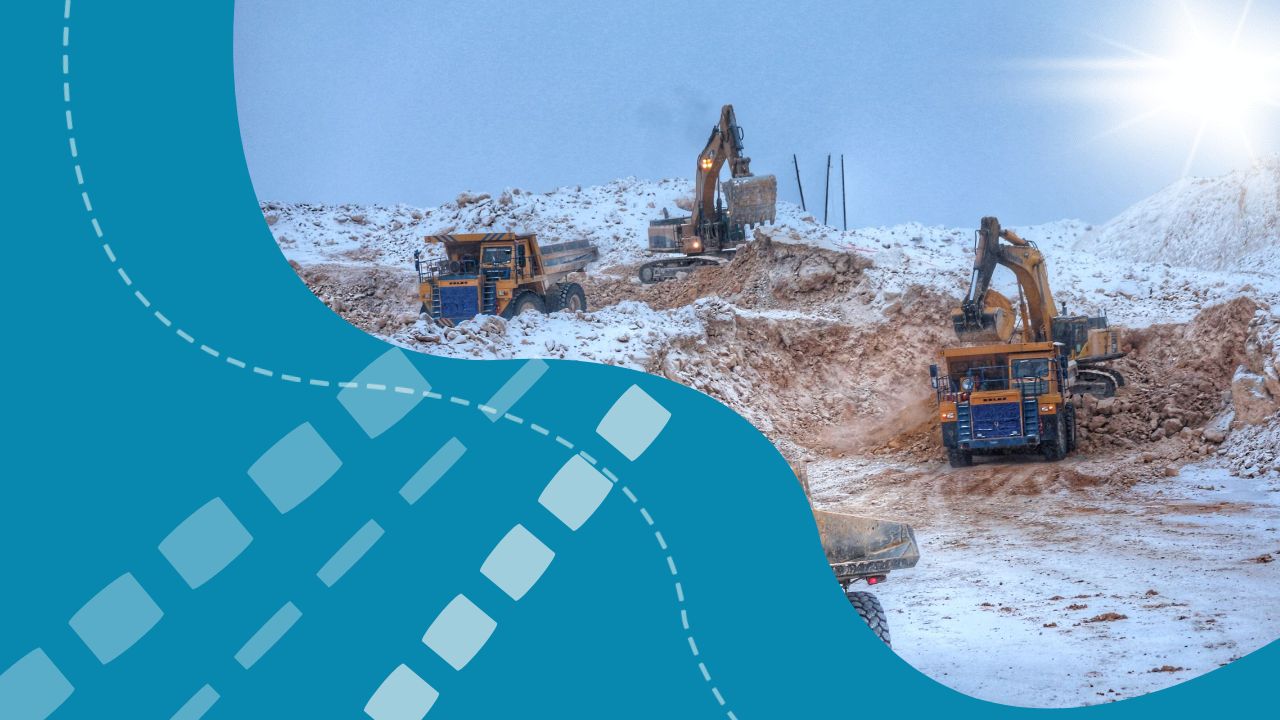
European Green Transition Lists on London Stock Exchange’s AIM Market
European Green Transition, a rare earths asset developer, commenced trading on the London Stock Exchange’s AIM market today with 144,620,892 ordinary shares, marking a market value debut of £14.5 million. The company’s admission follows a placement, subscription, and retail offer, issuing 64,620,890 shares at 10p each, generating gross proceeds of £6.4 million. Formerly known as European Green Metals, EGT’s primary asset is the Olserum rare earth element (REE) project in Sweden, positioning it as a potential pioneer in Europe’s rare earths mining sector. EGT’s strategy involves leveraging the Olserum asset through potential sales or partnerships with financial institutions or industry stakeholders, rather than direct mining operations.
-
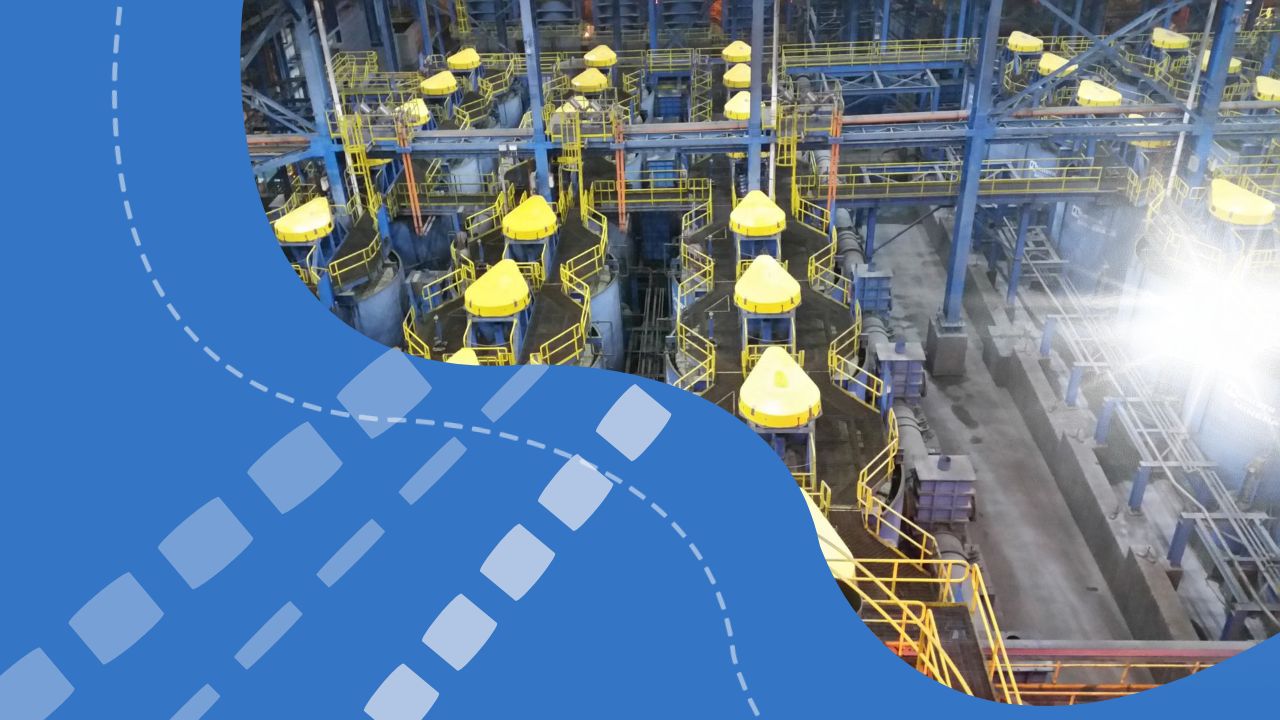
Bjelovar City Completes Successful Geothermal Water Well Project
Bjelovar city in Croatia has successfully concluded a 3.5 million euro ($3.8 million) geothermal water well project, surpassing initial expectations, as announced by the local government. The drilling initiative, which aimed to bolster electricity production from renewable sources, minimize CO2 emissions, and enhance energy security, received financial support totaling 1.3 million euros from Norway, Iceland, and Liechtenstein, with an additional 1.0 million euros from Croatia’s Ministry of Regional Development. Bjelovar city itself financed the remaining 1.2 million euros for the project. The geothermal water well, reaching a depth of 1,290 meters with a deposit temperature of 83 degrees Celsius, will serve multiple purposes, including district heating, agricultural activities, and potentially future swimming pools. Notably, the surface water temperature registers at 70.1 degrees Celsius, showcasing the project’s promising outcomes.
-
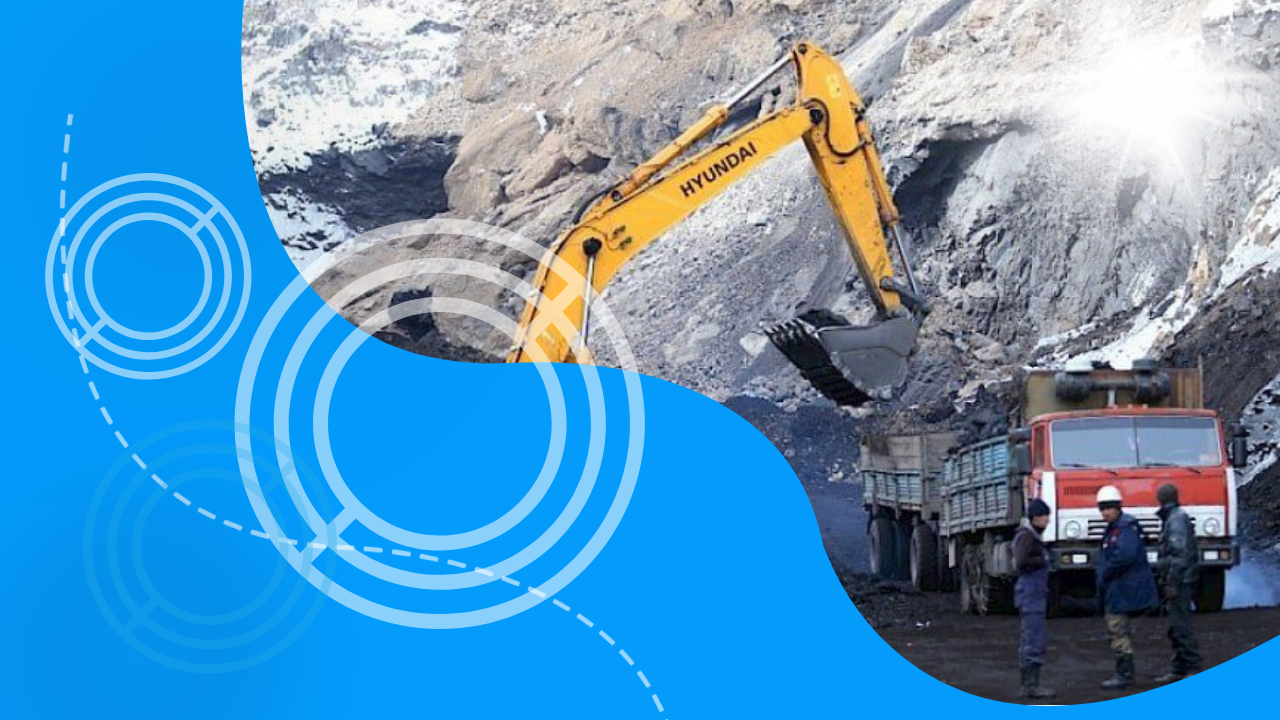
Dundee Precious Metals Reports Strong Gold Production at Bulgarian Mines
Dundee Precious Metals (DPM), a Canada-based company, announced that its Bulgarian mine, Chelopech, maintained its robust performance by delivering 37,500 ounces of gold in the first quarter of 2024. Despite slightly lower copper production of 6.7 million pounds due to decreased copper grades, as outlined in a recent press release, Chelopech continues to demonstrate resilience. Additionally, DPM’s Ada Tepe mine in Bulgaria yielded 25,200 ounces of gold in the same period, aligning with expectations. Looking ahead, DPM anticipates total gold production ranging between 245,000 and 285,000 ounces for the year across both mines, with copper production estimated to fall between 29 and 34 million pounds. Both Chelopech and Ada Tepe remain on course to meet their production targets for the year, according to DPM’s projections. Notably, DPM extended the operational lifespan of its Chelopech mine until 2032 following revised mineral reserve assessments in November.
-
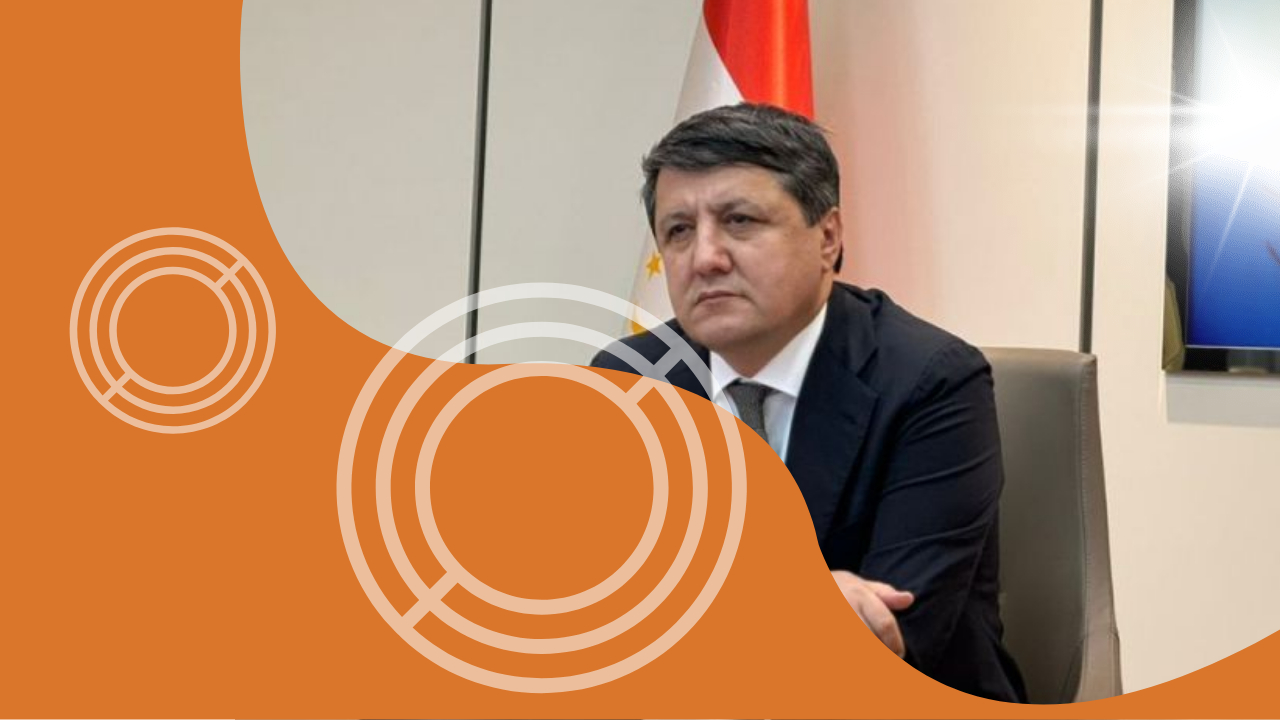
Tajikistan joins the launch of the USA – EU “Critical Raw Material Club”
The Minerals Security Partnership Forum was held on 5 April 2024, in Leuven, Belgium, organised by the European Union, the United States and other partners in mining security.
The forum was opened by US Secretary of State Anthony J. Blinken with Executive Vice President of the European Commission Valdis Dombrovskis. Minister Thomas Alvindo from Namibia’s Ministry of Mining and Energy, Deputy Minister Vladimir Kuzio from Ukraine’s Ministry of Economy, Minister Kanat Sharlapaev from Kazakhstan’s Ministry of Industry and Construction, and Minister Laziz Kudratov from Uzbekistan’s Ministry of Investments, Industry and Trade were present. More than 30 participants (ministerial heads) from other countries joined online.
Tajikistan was represented online by Minister of Industry and New Technologies Sherali Kabir, who noted the country’s significant energy potential and reserves of useful minerals.
The European Commission emphasized that the MSP Forum will serve as a new platform for cooperation in critical raw materials essential for global transitions to green technologies and digitalization. The “Critical Raw Material Club” announced earlier by the European Commission is now fully integrated into the MSP Forum.
-
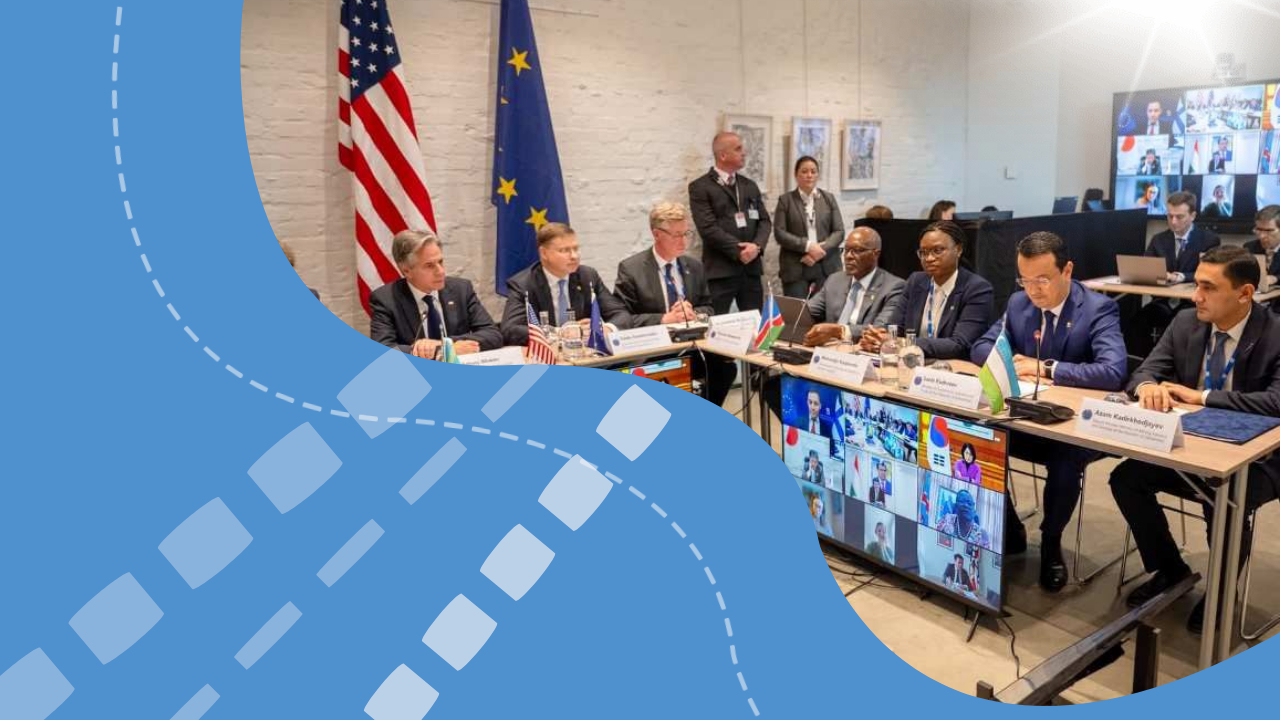
EU and international partners agree to expand cooperation on critical raw materials
On 5 April 2024 Secretary of State Antony J. Blinken, accompanied by Under Secretary Fernandez, hosted an event with the European Commission Executive Vice President and Trade Commissioner Valdis Dombrovskis to formally launch the Minerals Security Partnership (MSP) Forum in Leuven, Belgium. Ministers from MSP partner economies and
minerals-producing countries were invited to participate virtually and in person. Additional in-person a ttendees included Thomas Alweendo, Minister for Mines and Energy of Namibia, Volodymyr Kuzio, Deputy Minister of Economy of Ukraine, Kanat Sharlapaev, Minister of Industry and Construction of Kazakhstan, and Laziz Kudratov, Minister of Investment, Industry, and Trade of Uzbekistan. MSP partners first announced the creation of the MSP Forum in March on the margins of the Prospectors and Developers Association of Canada (PDAC) Convention in Toronto. The MSP Forum cements the MSP’s partnership with minerals-producing countries committed to advancing and accelerating individual projects with high environmental, social, and governance (ESG) standards. Th
e MSP Forum provides a platform for MSP partners and Forum members to consider and advance both projects and policies. Together, they will promote diverse and resilient supply chains while supporting local industry and capacity. The Project component of the MSP Forum, led by the United States, may include project information sharing among MSP partners, Forum members, and the private sector; presentations on critical minerals opportunities, technical collaboration, and more. The Policy Dialogue component of the MSP Forum, led by the EU, may include topics such as policies to boost sustainable production and local capacities; discussions on regulatory cooperation to foster fair competition and transparency; policies to foster the application of high ESG standards; and policies to promote and facilitate effective recycling.
Background
The MSP Forum builds on the EU’s Critical Raw Materials Package adopted in March 2023, which emphasised the need for more diverse and more sustainable CRM supply chains through new, mutually supportive international partnerships, such as the CRM Club. The EU has previously established raw materials partnerships with Canada (2021), Ukraine (2021), Kazakhstan (2022), Namibia (2022), Chile (2023), Argentina (2023), Zambia (2023), the Democratic Republic of Congo (2023) and the Autonomous Territory of Greenland (2023).
CRMs are indispensable for a wide set of technologies needed for EU strategic sectors such as the net-zero industry, digital, space and defence. While the demand for such critical raw materials has never been higher, it is expected to continue to grow driven by the green and digital transitions. For instance, EU demand for lithium used in electric-vehicles batteries and energy storage is expected to increase twelve-fold by 2030. Meanwhile, the supply of CRMs is confronted with rising geopolitical, environmental, and social risks and challenges.
Learn more about the MSP at:
https://www.state.gov/
minerals-security-partnership/ https://ec.europa.eu/commission/presscorner/detail/fen/ip_24_1807
Photo@ European Commission
-
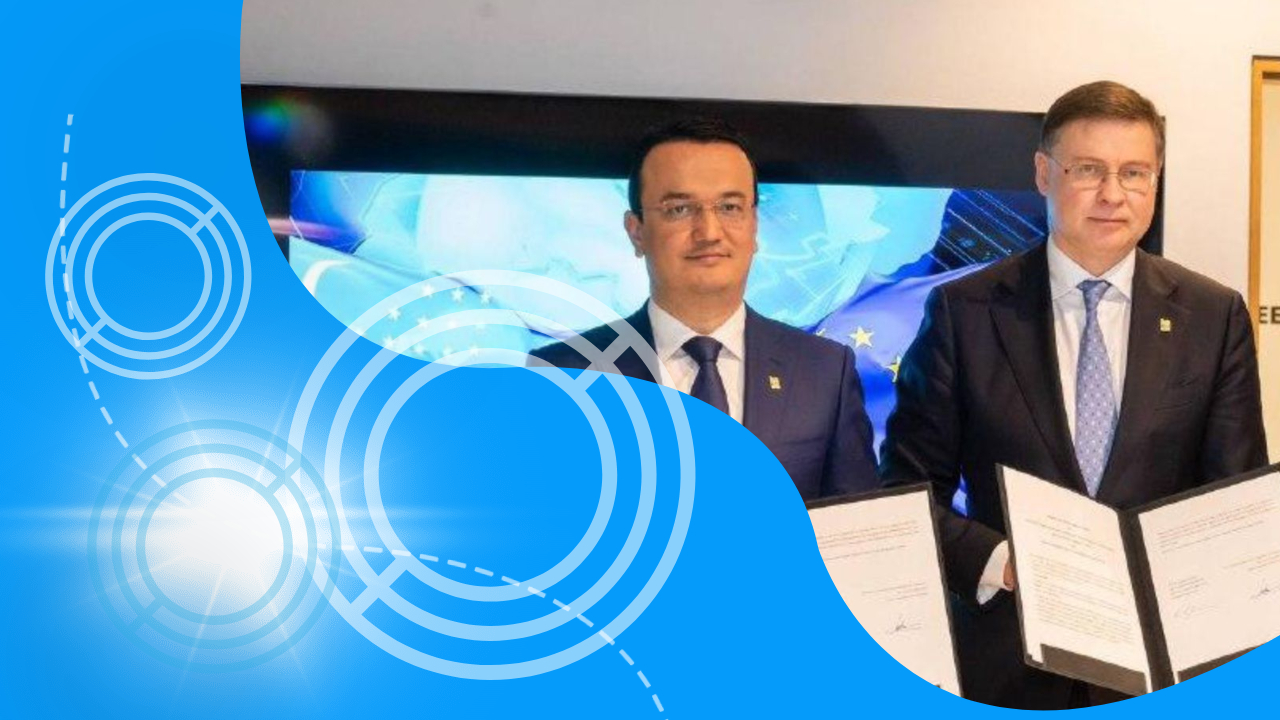
EU and Uzbekistan ink strategic partnership to secure critical raw materials
The MoU, inked by European Commission Executive Vice-President Valdis Dombrovskis and Uzbekistan’s Minister of Investment, Industry, and Trade Laziz Kudratov, underscores a mutual commitment to bolster cooperation in the realm of CRMs.
The strategic partnership delineates several key areas of collaboration:
- Integration of Sustainable CRM Value Chains: This entails networking, project proposal selection, joint project development, and trade and investment facilitation along the entire value chain.
- Enhancing Resilience of CRM Supply Chains: Both parties will engage in dialogue to bolster transparency regarding investments, operations, and exports.
- Mobilization of Funding: Efforts will be directed towards funding projects arising from the partnership, alongside the development of necessary infrastructure, such as clean energy supply.
- Promoting Sustainable and Responsible Production: The partnership aims to ensure sustainable and ethical production and sourcing of CRMs.
- Research and Innovation Collaboration: Both entities will share knowledge and technologies related to sustainable exploration, extraction, processing, and recycling of CRMs.
- Capacity Building: Cooperation will extend to enforcing relevant rules, alongside training and skill development initiatives.
Moving forward, subsequent to the MoU’s endorsement, the EU and Uzbekistan will collaboratively formulate an operational roadmap comprising concrete implementation actions.
It will be important to improve the resilience of CRM supply chains and establish a dialogue to enhance the transparency of measures related to investments, operations and exports. Funding needs to be mobilised for projects resulting from the EU-Uzbekistan partnership and for the development of infrastructure, such as the development of clean energy supply.
Next steps include agreeing on an operational roadmap with concrete steps towards its implementation, as part of the EU’s commitment to establishing mutually beneficial CRM value chain partnerships with resource-rich countries. Uzbekistan has the second-largest reserves of CRMs in Central Asia, boasting significant deposits of various minerals such as copper, molybdenum, and gold. The country’s mining strategy aligns with its ambitions to increase the processing of CRMs for both domestic and international industries, particularly in automotive and consumer electronics.
In a broader context, this partnership resonates with the objectives articulated in the 2020 Action Plan for Critical Raw Materials and the EU’s external energy engagement strategy. It underscores the EU’s commitment to fostering mutually beneficial CRM value chain partnerships with resource-endowed nations.
Uzbekistan, boasting the second-largest reserves of CRMs in Central Asia, possesses important deposits of minerals such as copper, molybdenum, and gold. The country’s mining strategy aligns with its aspirations to enhance CRM processing for both domestic utilization and international industries, notably the automotive and consumer electronics sectors.
This strategic alliance aligns seamlessly with the EU’s Global Gateway strategy, a flagship initiative earmarked for sustainable and high-quality investments worldwide. The strategy aims to address the needs of partner countries, ensuring enduring benefits for local communities. As part of this initiative, the EU aims to mobilize up to €300bn in investments by 2027.
The EU has already forged raw materials partnerships with several nations, including Canada, Ukraine, Kazakhstan, Namibia, Chile, Argentina, Zambia, the Democratic Republic of Congo, and the Autonomous Territory of Greenland, underscoring its proactive approach to securing critical resources and fostering global partnerships.
Photo © EUROPEAN COMMISSION
-
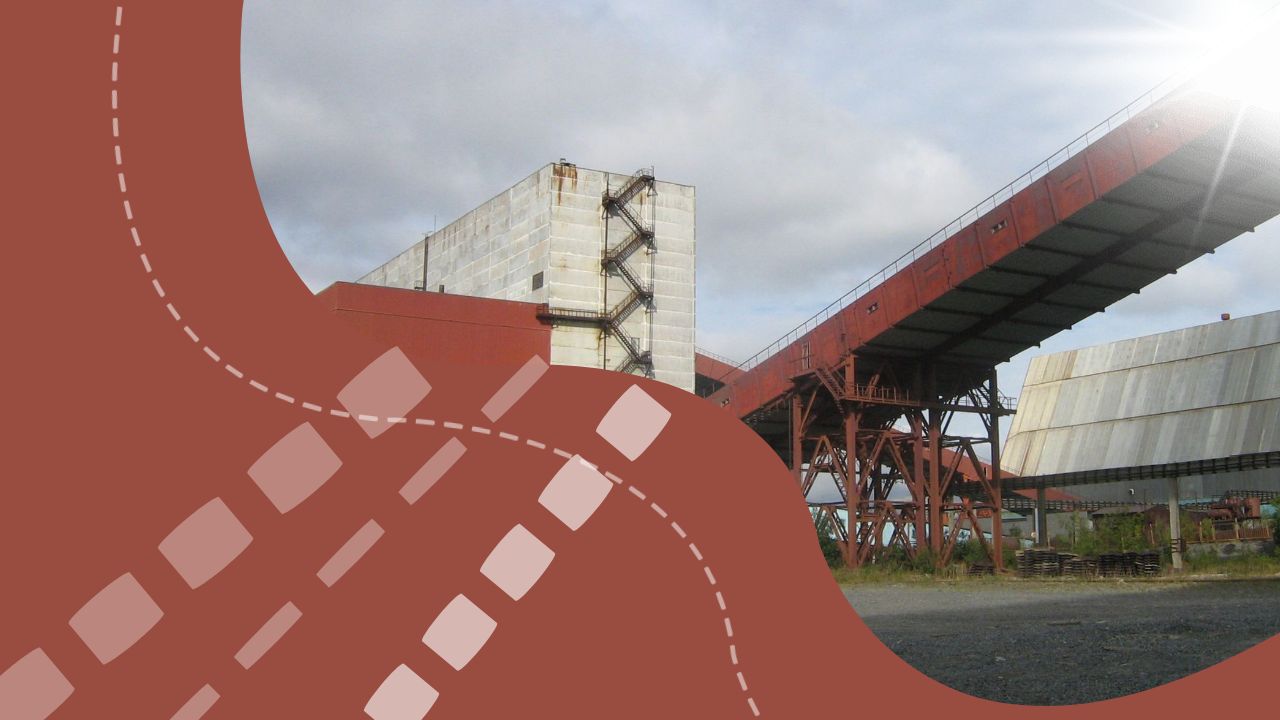
Kazatomprom Successfully Completes Uranium Concentrate Delivery to Romanian Energy Company
The National Atomic Company “Kazatomprom” (hereinafter referred to as “Kazatomprom” or the “Company”) announces the successful completion of uranium concentrate deliveries to the energy company Societatea Natională “Nuclearelectrica” S.A. (“SNN”). SNN is Romania’s state-owned company in the field of electricity and heat supply, engaged in nuclear fuel production, and operates the Cernavodă Nuclear Power Plant, which accounts for approximately 20% of the country’s energy production.
In December 2022, Kazatomprom was declared the winner of an open tender by SNN for the supply of uranium dioxide for Romania’s nuclear energy needs. In accordance with the contract terms, the Company delivered natural uranium to the SNN plant. Kazatomprom exported its product through the Trans-Caspian International Transport Route (TCITR), which the Company has actively utilized since 2018.
Recognized as a reliable and preferred supplier in the global nuclear fuel market, Kazatomprom will continue diversifying its supply geography and exploring new sales markets.
-

BGV Group Management Promotes British-Ukrainian Mining Partnership in London
On March 26, BGV Group Management, one of Ukraine’s largest investment companies, showcased cooperation opportunities with Ukraine in the mining sector at a prestigious event in London. Founder Gennadii Butkevych and the management team were invited to join British parliamentarians, members of the House of Lords, and state ministers at the Houses of Parliament to discuss investment prospects in Ukraine. The focus was on fostering British-Ukrainian collaboration in critical minerals mining to facilitate the UK’s advancement in technology and its transition to clean energy.
The event witnessed the participation of Lord Martin Callanan, Under Secretary for Energy Efficiency and Green Investment at the Department for Energy Security and Net Zero, and Bob Seely MP, alongside representatives from Ukrainian business entities.
During their address, the BGV team outlined three key areas for bilateral development:
- Exploration of Ukraine’s Mining Potential: Highlighting Ukraine’s abundance of critical minerals essential for advanced technologies and clean energy transition. With over 117 mineral types discovered, including 22 out of 30 critical resources identified by the EU, Ukraine possesses substantial reserves of minerals like beryllium, zirconium, titanium, rare earths, and graphite, strategically located with favorable logistics.
- Risk Mitigation: Emphasizing the necessity of war risk insurance to safeguard foreign investments in Ukraine. The Multilateral Investment Guarantee Agency (MIGA) and other international entities offer insurance mechanisms to support investments in Ukrainian projects.
- Investment Opportunities: Encouraging increased British investment in Ukrainian mining. BGV Group, with over $100 million invested in Ukrainian mining projects, expressed readiness to collaborate with British investors. Projects such as the Balakhiv graphite production complex and the Perzhansk beryllium deposit were presented as potential areas for investment.
The BGV team stressed that collaboration in critical minerals could provide Britain with a robust resource base for various industries, including medicine, automotive, technology, aerospace, while reducing European dependence on Chinese minerals.
-
US and EU Miss Critical Minerals Agreement Target
Transatlantic allies recently convened in Belgium to discuss trade and technology. Unfortunately, their efforts to reach an accord on critical mineral supply chains fell short this week. The final draft statement acknowledges that the transatlantic allies are “advancing negotiations toward a critical minerals agreement,” but it does not constitute a finalized deal. An earlier version of the statement had left room for an “agreement in principle.”
Despite this setback, both the US and EU remain hopeful about reaching an agreement later this year, especially before the upcoming elections on both sides of the Atlantic. However, their attempts to conclude an agreement have faced challenges. The EU has pointed out that the US’s terms are more demanding than those it required from Japan in a similar arrangement, particularly concerning labor rights across supply chains.
The European Commission has not yet responded to requests for comment, while the US Trade Representative’s office acknowledges that there is still work to be done. The negotiations aim to deepen the clean energy partnership between the US and the EU, ensuring access to sustainable and trusted sources of critical minerals. Such an agreement would allow European companies to benefit from green subsidies under President Joe Biden’s Inflation Reduction Act, supporting clean-energy projects in North America.
While a minerals accord would be akin to a free-trade agreement, it may not fully cover recycled critical minerals or address certain provisions. Nevertheless, it would enable electric vehicles containing EU-extracted and processed critical minerals to qualify for IRA subsidies.
In 2022, the EU exported €8.6 billion ($9.26 billion) worth of key minerals to the US. As discussions continue, this week’s trade and technology meeting is expected to focus on various issues, including 6G, quantum computing, semiconductors, bio-technologies, gender-based violence prevention online, disinformation combat, and principles governing artificial intelligence. The goal is to establish a foundation for ongoing collaboration beyond this year’s elections.