Website: Europe.com

  • Dutch Miner AMG Acquires Significant Stake in Savannah Resources

    Dutch Miner AMG Acquires Significant Stake in Savannah Resources

    In a strategic move, Dutch miner AMG has acquired a 15.77% stake in London-based Savannah Resources, becoming the largest shareholder in the company. Savannah Resources is known for its development of a lithium projectin northern Portugal. This acquisition, valued at £16 million, was announced on Thursday by both companies.

    Emanuel Proenca, CEO of Savannah, highlighted the investment as a “huge de-risking step” for the company. He praised AMG as the “ideal partner” due to its established lithium business that caters to Europe’s battery and electric vehicle (EV) sector.

    The project, however, has not been without controversy. It has encountered significant opposition from local residents and environmentalists. Despite these challenges, it is seen as a crucial test for the European Union’s strategy to reduce dependency on countries like China for essential raw materials.

    Savannah plans to construct four open-pit lithium mines in the Barroso region, with an aim to produce enough lithium annually to power approximately half a million EV batteries. The company is targeting the commencement of production by 2026.

    In addition to the stake acquisition, AMG and Savannah have agreed to explore the feasibility of building a refinery in Portugal or Spain. This refinery would process spodumene into lithium carbonate.

    As part of the deal, AMG will gain a seat on Savannah’s board of directors and secure a five-year offtake agreement for 45,000 t/y of spodumene, with an option to extend this to 90,000 t over ten years.

  • EU’s Corporate Sustainability Directive: Far-Reaching Effects on Global Supply Chains and Africa

    EU’s Corporate Sustainability Directive: Far-Reaching Effects on Global Supply Chains and Africa

    The European Union’s newly enacted Corporate Sustainability Due Diligence Directive (CSDDD) imposes stringent requirements on large corporations to address and mitigate human rights and environmental impacts throughout their supply chains. Effective from May 24, the directive targets businesses with more than 1,000 employees and a net turnover exceeding €450 million, including non-EU companies with substantial EU operations. This initiative, driven by France, focuses heavily on sectors like mining. However, it has faced criticism for excluding financial institutions and specific products, which some argue weakens its overall impact, especially from the perspective of African stakeholders who see continuous investments in fossil fuel projects on the continent.

    For instance, in South Africa, the controversy surrounding Shell’s offshore gas exploration underscores the environmental challenges that the directive aims to tackle. Despite these intentions, the development process of the CSDDD has been criticized for insufficient engagement with stakeholders from the Global South, raising concerns about the directive’s fairness and effectiveness in ensuring accountability and equitable governance within global supply chains. The directive’s broad scope emphasizes the need for comprehensive international frameworks to support sustainable business practices globally.

  • British Prosecutors to Charge Former Glencore Employees Over Bribery Allegations

    British Prosecutors to Charge Former Glencore Employees Over Bribery Allegations

    British prosecutors are set to bring criminal charges against former Glencore employees in connection with bribery allegations, marking a significant development in a long-running investigation. More than 18 months after revealing that up to 11 ex-staffers were under scrutiny, the Serious Fraud Office (SFO) informed a London judge on Monday that it had sought governmental approval to proceed with charges against individuals. This announcement represents the first commitment by the SFO to pursue individual criminal convictions following Glencore’s guilty plea in 2022.

    While the SFO did not specify the number of individuals to be charged, it indicated that some could appear in court as early as September. The commodity trading sector has faced anti-corruption probes for years, but prosecutions of individual traders or executives have been rare until now. The SFO has previously described the investigation into the Glencore employees as involving allegations of serious criminality.

    Glencore faced a £276-million fine from a London judge after admitting to orchestrating an extensive bribery scheme to gain access to oil cargoes across Africa. Prosecutors targeted the firm’s London trading desk, highlighting that Glencore’s traders and executives paid over $28 million in bribes between 2011 and 2016 to secure access to oil cargoes. The investigation revealed that these payments were made for preferential access to oil, including increased cargo volumes, valuable grades of oil, and favorable delivery dates.

  • Serbia Set to Approve Rio Tinto’s Lithium Mine, Boosting Europe’s Electric Vehicle Industry

    Serbia Set to Approve Rio Tinto’s Lithium Mine, Boosting Europe’s Electric Vehicle Industry

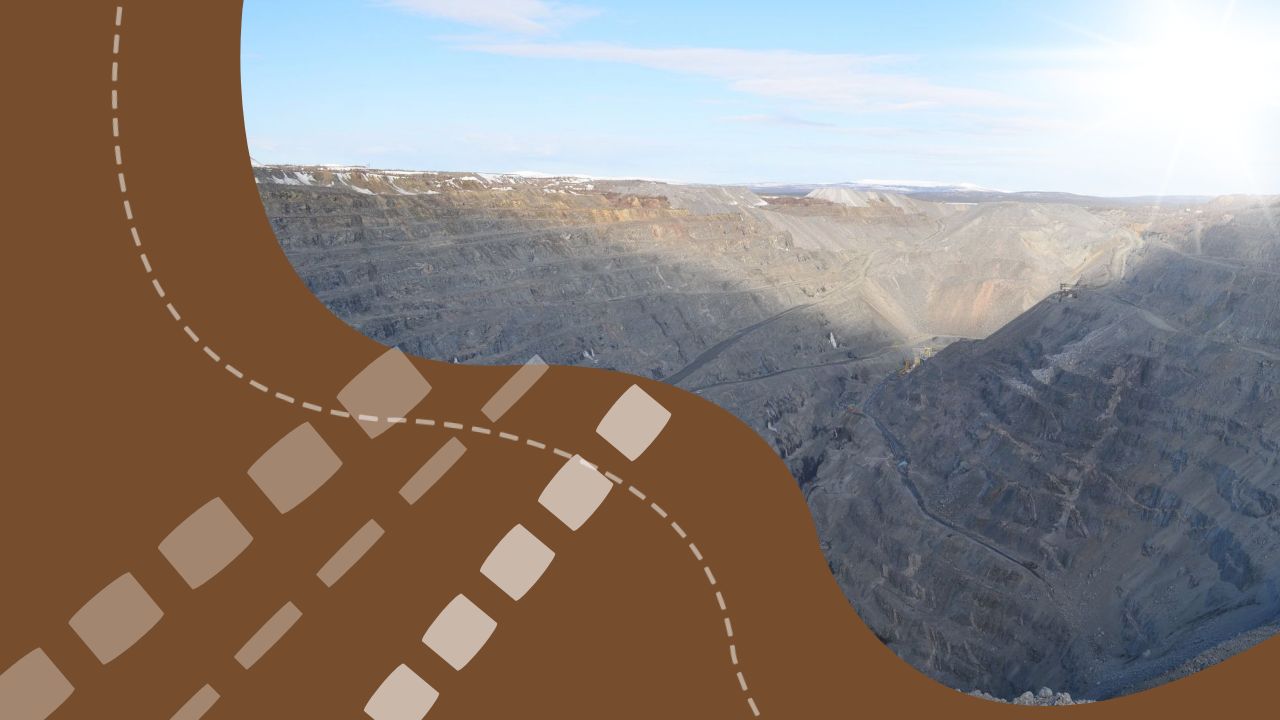
    Serbia is on the verge of granting Rio Tinto permission to develop Europe’s largest lithium mine, signaling a significant advancement for the continent’s electric vehicle sector. President Aleksandar Vucic has expressed confidence in securing the necessary guarantees from both Rio Tinto and the European Union to address environmental concerns regarding the Jadar site in western Serbia. Vucic expects to make a formal announcement about the project next month, provided that the demands for the entire value chain and robust environmental protections are met. The mine, projected to open in 2028, aims to produce 58,000 tonnes of lithium per year, which would account for approximately 17% of European electric vehicle production, equivalent to around 1.1 million cars. Vucic believes this venture could be transformative for Serbia and the broader region.

    The Serbian government revoked Rio Tinto’s licenses in January 2022 due to protests led by environmental groups. Concerns over water pollution, displacement of residents, and post-mining area damage prompted the demonstrations, which resulted in blocked highways and bridges across the country. However, with President Vucic’s ruling SNS party winning most of the recent municipal polls, the government perceives an opportunity to revive the project. The potential revival of the deal with Rio Tinto, coupled with EU involvement, serves as a significant indication of Serbia’s geopolitical alignment as it attracts economic and political attention from China, Russia, and Gulf nations. Serbia has been an EU candidate country for over a decade, but its accession process has faced delays due to concerns about the rule of law and corruption.

    President Vucic confirmed that the intention was never to hand over the mine to Chinese interests, as some EU officials had feared. He emphasized Serbia’s commitment to working with the European Union. Vucic also claimed that certain European states initially tried to undermine the Jadar deal but eventually changed their stance. The absence of domestic lithium production in Europe makes the Jadar mine crucial, as it could meet 13% of the continent’s projected demand by 2030. The project would significantly contribute to Serbia’s economy, potentially adding between €10 billion and €12 billion ($19.4 billion) to the annual gross domestic product.

    Despite the potential resurrection of the deal, opponents of the mine, such as the environmental group Go Change, remain determined to continue their fight. They vow to defend ecological standards and constitutional rights, expressing their commitment to organizing further protests if necessary.

    Chad Blewitt, Rio Tinto’s managing director for the Jadar project, stressed the company’s efforts to gain public support through extensive community engagement sessions. Rio Tinto released a draft environmental assessment that outlines potential impacts on water, air, and soil, emphasizing their commitment to transparency and compliance with Serbian and EU environmental standards.

  • ArcelorMittal Reduces Emissions Significantly Through Environmental Investments in Poland

    ArcelorMittal Reduces Emissions Significantly Through Environmental Investments in Poland

    The global steel company ArcelorMittal has invested more than PLN 10.5 billion ($2.6 billion) in its Polish assets over the past 20 years, with a significant portion allocated to environmental projects. According to a press release from ArcelorMittal Poland, these investments have resulted in a 90% reduction in dust emissions and a 42% reduction in carbon dioxide emissions compared to 2004 levels.

    The company’s Polish division has undergone numerous changes in the past two decades, implementing new technologies in compliance with increasingly strict EU directives, decommissioning outdated installations, and modifying many production processes to minimize environmental impact. ArcelorMittal aims to achieve climate neutrality by 2050, with an interim goal of reducing CO2 emissions by 35% at its European plants by 2030 compared to 2018.

    “Decarbonization is a huge challenge for the steel industry across Europe,” commented Sanjay Samaddar, President of the Board of ArcelorMittal Poland. “To make it successful, several conditions must be met, including access to large-scale, renewable energy at competitive prices. We know the transformation will be a long-term process, so we are already working intensively to limit our impact on the environment in our current processes.”

    In recent years, ArcelorMittal has invested about PLN 700 million in green projects at the Dąbrowa Górnicza plant. Modernization efforts have also been made at plants in Sosnowiec, Zdzieszowice (PLN 205 million), and Kraków (PLN 100 million), among others. ArcelorMittal Poland plans to invest an additional PLN 165 million ($40.9 million) in modernizing the coke plant in Zdzieszowice, with all work expected to be completed by 2026.

    As reported by GMK Center, in 2023, ArcelorMittal Poland invested PLN 1.5 billion ($363 million) in modernization and growth projects at three facilities to improve product quality, energy efficiency, and plant efficiency, with the largest investment directed towards modernizing the blast furnace in Dąbrowa Górnicza.

  • Bulgaria’s Industrial Sectors Need Comprehensive Strategy to Overcome Challenges

    Bulgaria’s Industrial Sectors Need Comprehensive Strategy to Overcome Challenges

    Bulgaria’s manufacturing and mining sectors are currently facing serious challenges due to global economic shifts and rising competition. High energy consumption and largely outdated equipment make these sectors particularly vulnerable. A comprehensive National Industrial Strategy is necessary, aligning with European Union priorities such as the European Green Deal and the Net-Zero Industry Act, to increase sustainability, competitiveness, and innovation.

    According to Petar Murginski, the manufacturing and mining sectors are vital to Bulgaria’s economy, significantly contributing to industrial production and employment. However, high energy consumption, outdated equipment, and a heavy reliance on fossil fuels pose significant challenges. The 2023 European Semester Country Report for Bulgaria shows that 63% of the country’s energy mix comes from fossil fuels, while renewables only account for 15%. Additionally, Bulgaria has one of the lowest circular economy rates in Europe, with only 4.8% material reuse compared to an EU average of 11.5%, according to the 2022 Eurostat Circular Economy Report.

    Despite these challenges, Bulgaria holds significant potential in critical raw materials and green technology adoption. The country’s strategic position in the European supply chain is underutilized, and there are substantial regional disparities in productivity and infrastructure. The Sofia Capital region alone generates 41% of the national GDP, according to 2022 National Statistical Institute GDP Data. To address these issues, a comprehensive National Industrial Strategy focusing on reducing carbon emissions, enhancing energy efficiency, and promoting the circular economy is essential.

    The strategy’s primary objective should be to facilitate Bulgaria’s transition towards greener, more innovative, and technologically advanced industries. It aims to increase competitiveness by promoting resource efficiency, digitization, and circular economy practices. Aligning Bulgaria’s industrial growth with EU policies, such as the Critical Raw Materials Act, and setting clear policy objectives to empower the Bulgarian Ministry of Economy and Industry are crucial for implementing reforms that enhance productivity, attract investment, and secure strategic autonomy.

    Key Findings reveal that both the mining and manufacturing sectors face significant technological gaps and supply chain vulnerabilities. High energy consumption per unit of production and outdated equipment make these industries particularly vulnerable. Modernizing equipment and processes is essential to increase efficiency and reduce carbon emissions. Investment in new technologies and infrastructure is crucial for overcoming these challenges. Supply chain disruptions, especially of critical raw materials, also present significant risks to industrial stability.

    Despite these challenges, there is considerable potential for green technology adoption. Bulgaria’s strategic position and rich mineral resources offer opportunities for sustainable development. Enabling zero-emission technologies and promoting the circular economy are critical. Investing in renewable energy sources and improving energy storage solutions can significantly enhance the sustainability of these sectors.

    The strategy recommends several measures for modernization and sustainability, including modernizing existing infrastructure, adopting new technologies to improve energy efficiency, and reducing emissions. Implementing circular economy practices, encouraging innovation through investment in research and development, and supporting companies in the green technology sector are vital for sustainable growth.

    Policy recommendations include providing incentives for the adoption of zero-emission technologies, supporting projects that contribute to carbon neutrality, encouraging the circular use of critical raw materials, and supporting recycling initiatives. Developing industrial parks as hubs for innovation and sustainable growth is also emphasized, with a focus on upgrading infrastructure, creating favorable conditions for attracting strategic investors, and addressing regional disparities.

    The strategy outlines a clear roadmap for implementation, including engaging with key stakeholders, establishing a monitoring and evaluation framework, and maintaining flexibility to adapt based on ongoing feedback and changing conditions.

    Expected outcomes include enhanced competitiveness, sustainable growth, increased adoption of sustainable practices, and reduced regional disparities. Linking the strategy to EU funding opportunities, such as the Critical Raw Materials Act, Innovation Fund, and LIFE Programme, is crucial for its successful implementation and achieving sustainable growth.

  • Bozhurishte Residents Overwhelmingly Reject Gold Mining in Zlatusha Area

    Bozhurishte Residents Overwhelmingly Reject Gold Mining in Zlatusha Area

    In a decisive referendum held on Sunday, 96.82% of eligible voters in the municipality of Bozhurishte rejected exploration activities and gold mining in the Zlatusha area, according to the Bozhurishte Municipal Election Commission (BMEC). The Zlatusha area spans the territories of Sofia Municipality, Sofia Province, and the municipalities of Dragoman, Slivnitsa, Bozhurishte, Breznik, and Pernik.

    Out of 6,815 eligible voters, 4,024 cast their ballots, with 3,896 affirmatively responding to the question opposing the Bozhurishte Municipal Council and the Mayor’s coordination of plans and decisions related to the extraction of metallic minerals and underground resources in the municipality’s territory, as defined by Decision No. 486/2018 of the Energy Minister.

    For the proposal to be accepted, at least 40% of eligible voters needed to participate, and more than half of the participants had to vote ‘Yes’. With these criteria met, the BMEC declared the proposal accepted. This decision can be appealed before the Sofia Region Administrative Court within seven days.

    Sunday’s voting took place in 12 sections across Bozhurishte municipality, coinciding with the elections for the National Assembly and European Parliament. The referendum was initiated by all Bozhurishte municipal councillors, prompted by a contract for a project to prospect and explore minerals in the Zlatusha area.

  • Norway Reveals Europe’s Largest Rare Earth Element Deposit in Ancient Volcano

    Norway Reveals Europe’s Largest Rare Earth Element Deposit in Ancient Volcano

    The heart of an ancient volcano in Norway hosts Europe’s largest deposit of rare earth elements, as announced by the mining company Rare Earths Norway. On June 6, the company released a report estimating that the deposit contains 8.8 megatons of rare earth oxides, with approximately 1.5 megatons expected to be rare earth magnets used in wind turbines and electric vehicles.

    “The resource estimate underscores the potential of the deposit to be a truly transformative asset that can underpin a secure rare earths value chain for Europe,” said Rare Earths Norway CEO Alf Reistad in a statement. The deposit, known as the Fen Carbonatite Complex, is located southwest of Oslo near Lake Norsjø. Formed around 580 million years ago, the complex was the pipe of an active volcano that has since eroded, exposing a magma-filled pipe about 2 kilometers in diameter at the surface.

    The solidified magma, now carbonatite rock, is rich in minerals containing rare earth elements such as neodymium and praseodymium, which are vital for making magnets and other applications like aircraft engines. The mining company’s estimate focuses on the upper portion of the ancient volcano down to 1,535 feet below sea level, with likely deposits extending to about 3,300 feet.

    Rare Earths Norway plans to continue exploratory drilling and will construct a pilot plant near the outcrop to process the ore into pure rare earth elements. A 2023 report from the Oxford Institute for Energy Studies highlighted that while about 70% of the world’s supply of rare earth elements is mined in China and 90% is processed there, these elements are widely distributed globally. Countries are now striving to secure their own domestic supply chains for these critical minerals. In the U.S., for instance, researchers are investigating coal mines as potential sources for rare earth metals.


  • Critical Metals Corp. Acquires Controlling Interest in World’s Largest Rare Earth Deposit

    Critical Metals Corp. Acquires Controlling Interest in World’s Largest Rare Earth Deposit

    Critical Metals Corp. (Nasdaq: CRML) has announced an agreement to acquire a controlling interest in the Tanbreez project in Greenland, home to the largest rare earth deposit in the world. The Tanbreez deposit hosts 28.2 million tonnes of total rare earth oxides (TREO) within 4.7 billion tonnes of material, according to internal company estimates. Notably, the asset contains over 27% heavy rare earth elements (HREE), and Critical Metals is working to convert these internal estimates to U.S. SEC standards.

    Once operational, the mine is expected to supply rare earth elements to Europe and North America. The Tanbreez areaboasts year-round direct shipping access through deep-water fjords leading to the North Atlantic Ocean, providing key transportation outlets. The outcropping orebody, known as Kakortokite, spans 8 km by 5 km and is approximately 400 metres thick.

    Critical Metals acquired the project from Rimbal Pty. Ltd., controlled by geologist Gregory Barnes. CEO Tony Sagedescribed Tanbreez as a “game-changing rare earth mine for the West,” positioning Critical Metals Corp. as a leading supplier of critical minerals with a diversified portfolio spanning multiple geographies.

    In addition to the Tanbreez acquisition, Critical Metals owns Europe’s first fully permitted lithium mine, the Wolfsberg lithium project in Austria, which debuted on the Nasdaq in March. Upon completing construction at Wolfsberg by 2026, the company has committed to supplying BMW by 2027. Critical Metals has also secured a deal with Obeikan Investment Group to build a lithium hydroxide plant in Saudi Arabia.

    Shares of Critical Metals rose 4.6% by 12:00 p.m. EDT, with the company’s market capitalization reaching $877 million.

  • BMW Transfers $15 Million to Critical Metals Corp. for Lithium Offtake

    BMW Transfers $15 Million to Critical Metals Corp. for Lithium Offtake

    Critical Metals Corp. (Nasdaq: CRML), a leading mining development company focused on critical metals and minerals for the green energy transition, announced today that Bayerische Motoren Werkte Aktiengesellschaft (BMW) has transferred US$15 million to ECM Lithium AT GmbH (ECM), a wholly-owned subsidiary of Critical Metals Corp. This payment is related to the offtake of battery grade lithium hydroxide (LiOH) from the Wolfsberg Lithium Project in Austria, which will be offset against lithium hydroxide delivered to BMW.

    “We are pleased to move our partnership with BMW forward and look forward to supporting the production of their electric vehicles in Europe in the years to come, contributing to a more sustainable and domestic battery supply chain,” said Tony Sage, CEO and Executive Chairman of Critical Metals Corp. “This pre-payment further strengthens our balance sheet and will allow us to further advance our development strategy.”

    About Critical Metals Corp. Critical Metals Corp (Nasdaq: CRML) is a leading mining development company focused on critical metals and minerals, producing strategic products essential to electrification and next-generation technologies for Europe and its partners. Its initial flagship asset is the Wolfsberg Lithium Project located in Carinthia, 270 km south of Vienna, Austria. The Wolfsberg Lithium Project is the first fully permitted mine in Europe and is strategically located with access to established road and rail infrastructure. It is expected to become the next major producer of key lithium products to support the European market. Wolfsberg is well-positioned with offtake and downstream partners to become a unique and valuable building block in an expanding geostrategic critical metals portfolio. The Company has a long-term offtake with a leading global automaker based in Europe and is expected to benefit from European Lithium’s JV with Obeikan Group. Additionally, Critical Metals Corp owns a 20% interest in prospective Austrian mineral projects previously held by European Lithium Ltd (ASX: EUR).