Website: Europe.com

  • Serbian Parliament Debates Ban on Lithium Mining Amid Rio Tinto Controversy

    Serbian Parliament Debates Ban on Lithium Mining Amid Rio Tinto Controversy

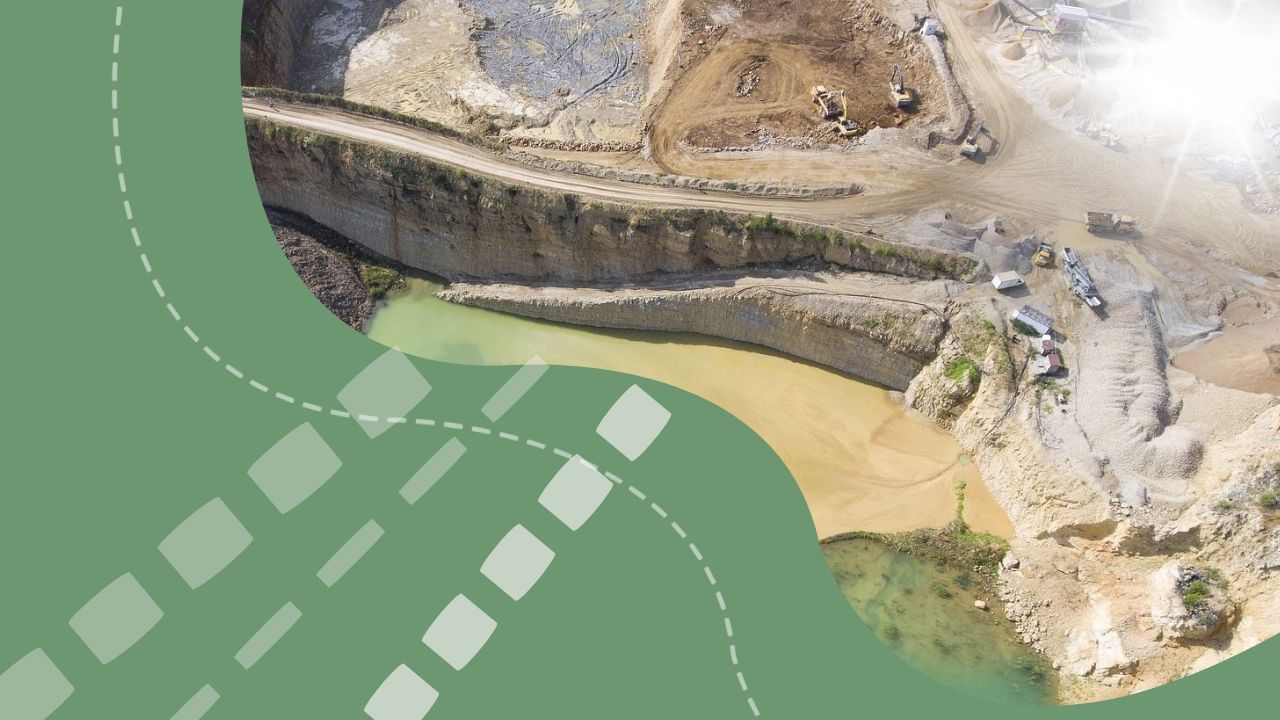
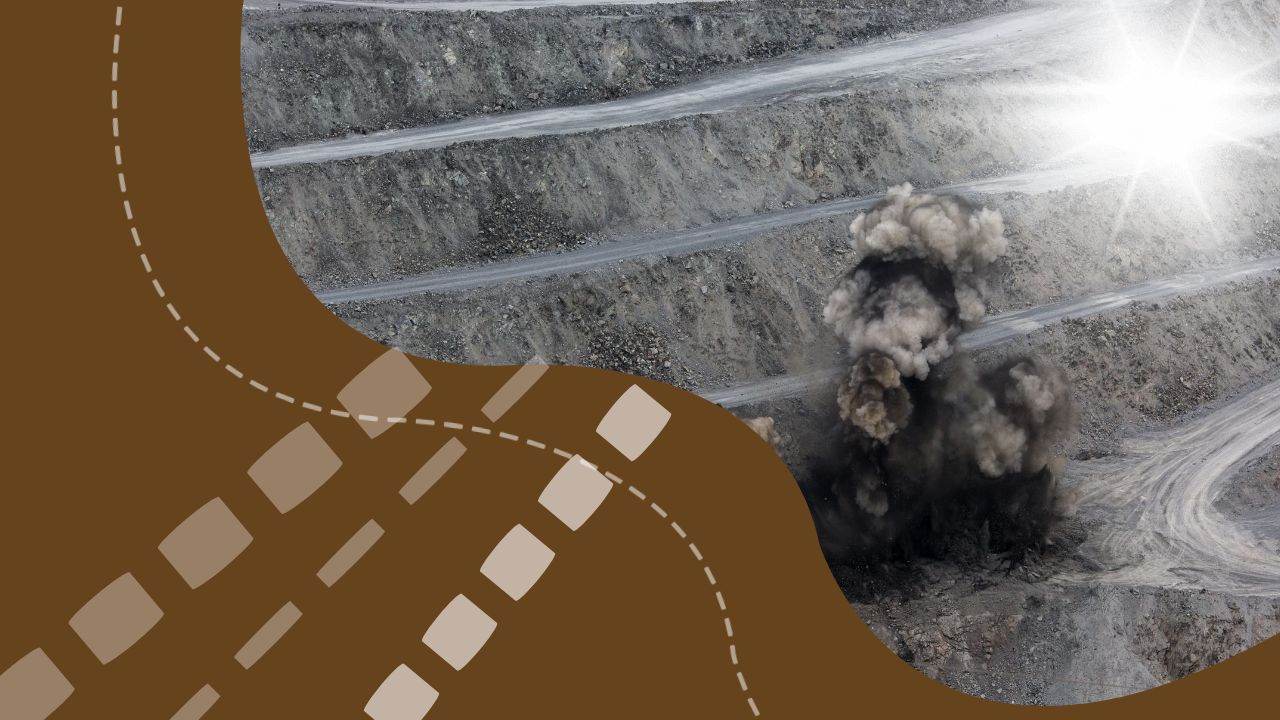
    On Monday, Serbia’s parliament began discussing an opposition-led proposal to ban lithium and borate mining, a move that would halt Rio Tinto’s contentious $2.4 billion Jadar lithium project in the western region of the country. The debate comes after Serbia reinstated Rio Tinto’s mining licence in July, two years after it was previously revoked following strong opposition from environmental groups.

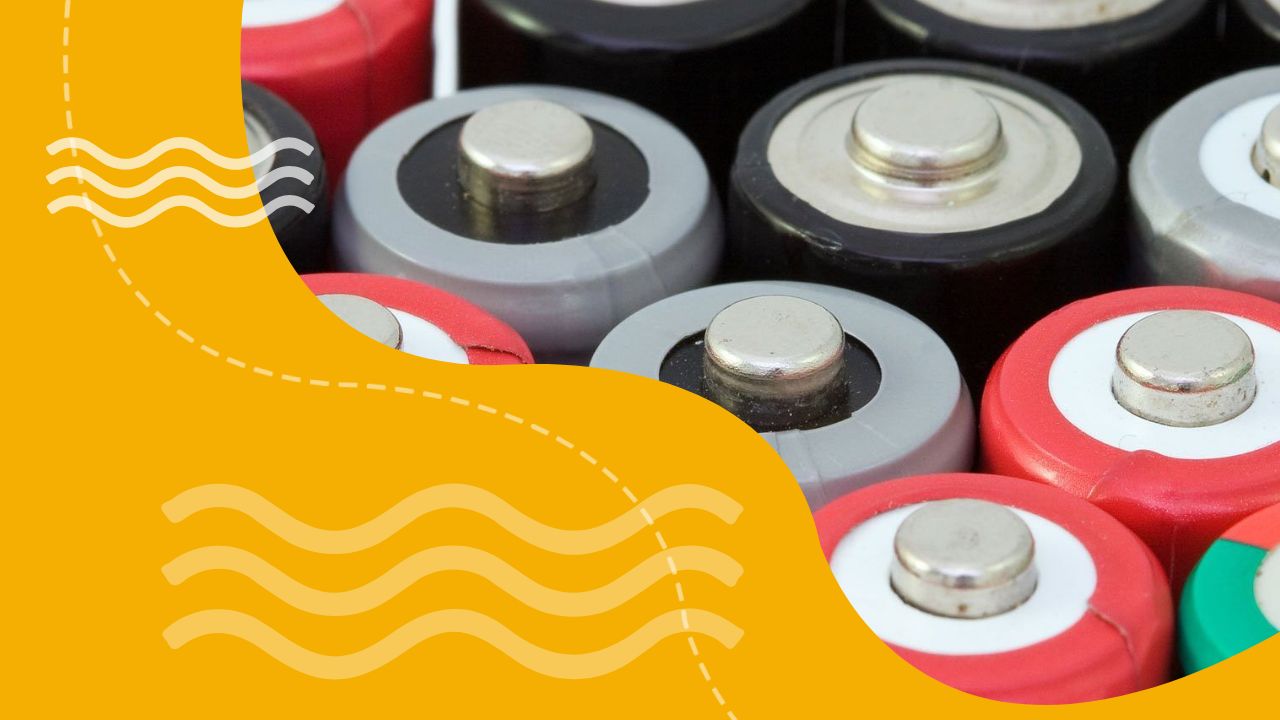
    The reinstatement of the licence sparked nationwide protests, with demonstrators blocking roads and railways in protest of the potential environmental impact. If completed, the Jadar project could satisfy 90% of Europe’s lithium demand, solidifying Rio Tinto’s position as a leading global lithium producer. Lithium is an essential material in the production of batteries for electric vehicles and mobile devices.

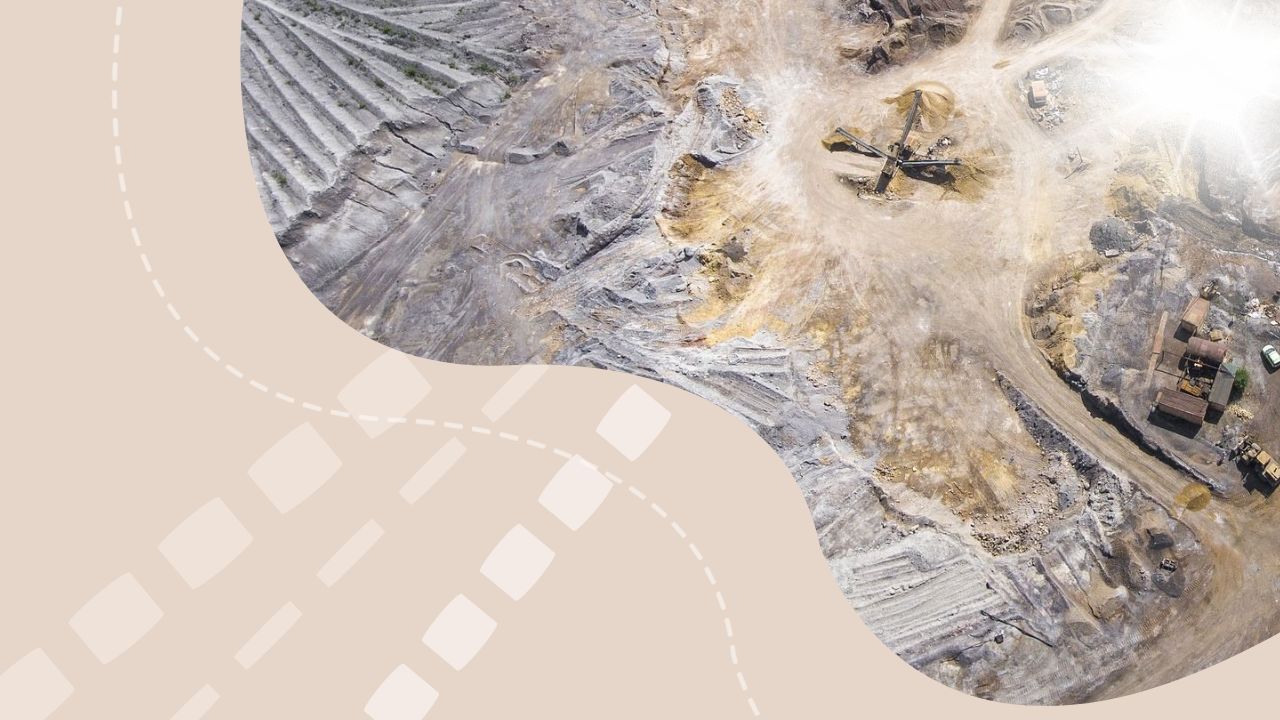
    While the Serbian government argues that the mine will greatly benefit the country’s economy, environmental groups are concerned about the potential damage to land and water caused by industrial waste. The project, which may not begin until 2028, will undergo strict environmental reviews and public consultations, according to Rio Tinto.

    Serbia’s Minister for Mining and Energy, Dubravka Djedovic Handanovic, emphasized that the government would ensure Rio Tinto adheres to stringent international environmental standards. She warned that banning lithium mining could result in lost investments, jobs, and hinder Serbia’s plans to become a hub for electric vehicle and battery production.

    Opposing the project, Danijela Nestorovic, a member of the Ecological Uprising movement, called the proposed mining activities a grave environmental risk, asserting that Serbia’s future would not be endangered without lithium extraction.

    Despite the heated debate, the ruling coalition has a comfortable majority in parliament and has already signaled it will not support the opposition’s proposal. A vote is expected in the coming days, with environmental groups threatening further protests if the ban is blocked.

  • Mawson Finland Announces Positive Drill Results in Raja and Joki Zones

    Mawson Finland Announces Positive Drill Results in Raja and Joki Zones

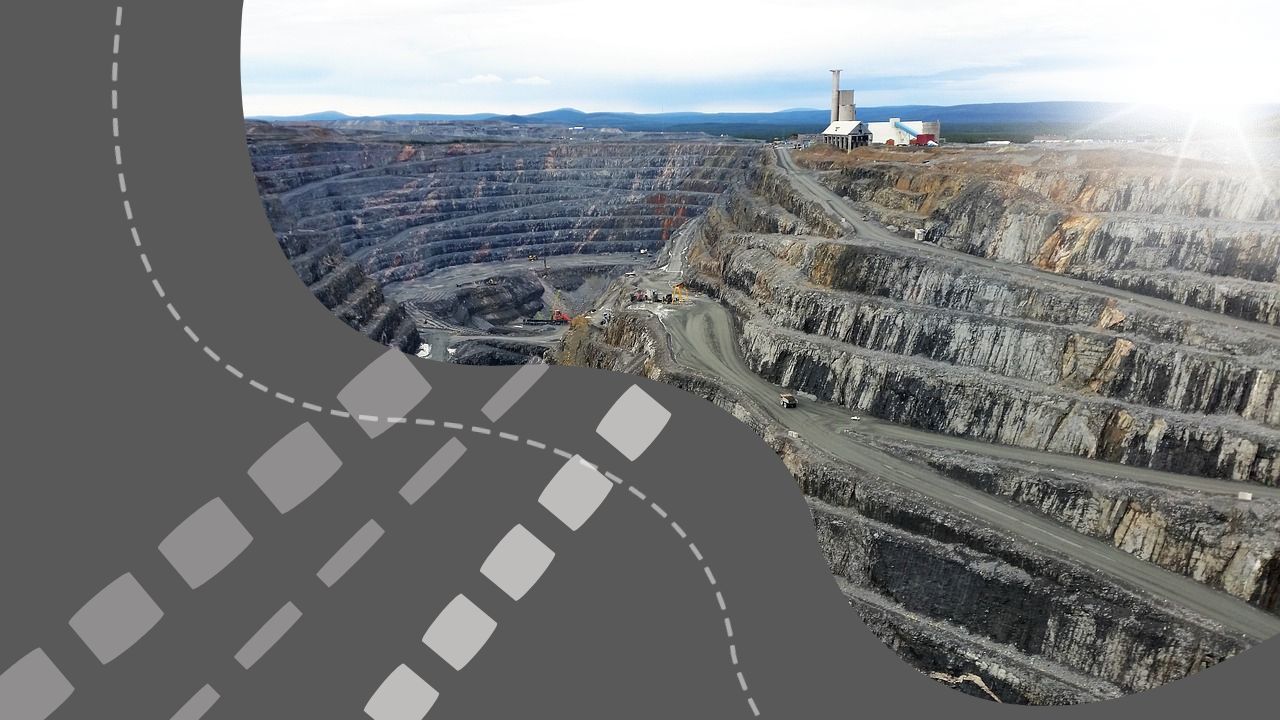
    Mawson Finland Limited has reported promising new drill results from the Raja and Joki zones at its Rajapalot gold-cobalt project in Finland. The results come from a total of 10 drillholes conducted as part of the Company’s 2024 winter drilling campaign. Key findings include the extension of the Raja mineral system by up to 90 meters in some areas, with notable results from drillholes PAL0347, PAL0349, and PAL0355. Among the highlights, PAL0347 recorded 5.8 meters at 2.17 g/t gold, while PAL0349 identified 3.6 meters at 1.74 g/t gold and 1007 ppm cobalt.
    CEO Noora Ahola expressed optimism about the findings, noting the potential for the Raja zone to contribute additional gold-cobalt resources. Mawson remains committed to its resource expansion goals and will continue to release further drill results in the upcoming weeks.

  • Northvolt Faces Financial Struggles and Redundancies Amid Cashflow Crisis

    Northvolt Faces Financial Struggles and Redundancies Amid Cashflow Crisis

    Northvolt, Sweden’s flagship battery manufacturer, is grappling with serious financial issues, leading to 1,600 job cutsand the suspension of expansion at its Skellefteå gigafactory. Initially hailed as a critical player in Europe’s green industrial revolution, the company attracted major investments from automakers like BMW, Volkswagen, and Volvo. However, BMW recently cancelled a $2.5bn contract, adding to Northvolt’s growing difficulties.

    Rumors of potential bankruptcy have circulated, although Northvolt has dismissed such claims as speculation. The situation has raised significant concerns among employees, with many uncertain about their future, particularly foreign workers who may face deportation. Additionally, the Swedish government has ruled out providing a bailout, despite the potential political implications if Northvolt collapses.

    Sweden’s Energy and Industry Minister, Ebba Busch, has confirmed that the government is working to support the company but will not intervene financially. Meanwhile, Ulf Kristersson, Sweden’s Prime Minister, is seeking new backers to help the company survive. Critics argue that Northvolt’s crisis signals the difficulties of large-scale battery production and highlights the risks associated with Sweden’s green transition plans.

  • Savannah Resources Delays Portugal Lithium Project to 2027 Amid Government Changes

    Savannah Resources Delays Portugal Lithium Project to 2027 Amid Government Changes

    Savannah Resources, a London-based mining company, has announced a delay in the production start date of its lithium project in northern Portugal. Originally slated to begin operations in 2026, the project is now expected to commence in 2027, citing delays caused by changes in the Portuguese government. The shift occurred after Portugal’s centre-right government took power in March, following the resignation of former Socialist Prime Minister Antonio Costa amid an investigation into alleged irregularities in handling lithium and hydrogen projects.

    The company plans to establish four open-pit mines in the Barroso region, with the goal of extracting enough lithium annually to power half a million electric vehicle (EV) batteries. However, Savannah explained that the government’s transition has impacted the project’s timeline, particularly with respect to access to land. The company now expects to complete its definitive feasibility study and environmental licensing by the second half of 2025.

    In the meantime, legal proceedings have begun to grant Savannah temporary access to land that it does not yet own to carry out essential fieldwork on its 840-hectare concession area. While Savannah has purchased over 100 plots of land, data from September 2023 showed that the company had acquired or was in the process of acquiring only 93 hectares.

    The Portuguese government holds the authority to approve compulsory land acquisitions if deemed necessary, a step Savannah has indicated it may take. The project, facing strong opposition from local residents and environmentalists, is considered a critical test for the European Union’s strategy to reduce reliance on countries like China for vital raw materials.

  • EU and US Welcome New Members to the Minerals Security Partnership (MSP)

    EU and US Welcome New Members to the Minerals Security Partnership (MSP)

    The European Commission and the United States have officially welcomed seven new countries to the Minerals Security Partnership (MSP) Forum during an event held in New York City. The gathering, which took place on the sidelines of the United Nations General Assembly High-Level Week and Climate Week NYC, saw the inclusion of the Democratic Republic of the Congo, the Dominican Republic, Ecuador, the Philippines, Serbia, Türkiye, and Zambia as new members. These nations join an existing group of members, including Argentina, Greenland, Kazakhstan, Mexico, Namibia, Peru, Ukraine, and Uzbekistan, who were introduced at the inaugural MSP Forum in July 2024.

    The MSP Forum, co-chaired by Maive Rute, European Commission Deputy Director-General for Internal Market, and Jose W. Fernandez, U.S. Under-Secretary of State for Economic Growth, Energy, and the Environment, provided a platform for discussions on the responsible mining, processing, and recycling of critical minerals. These materials are essential for sectors such as energy transition and other key strategic industries. Ministers and high-level officials from across the partnership discussed key opportunities, challenges, and priorities related to the critical mineral sector, with a focus on project development, environmental, labour, and social governance aspects.

    The newly added members expressed their interests in further developing their critical mineral sectors, emphasizing the need for investment in local value addition and environmentally sustainable mining practices. The group also discussed the MSP Forum’s roadmap, which includes two primary workstreams on project development and policy dialogue.

    Looking ahead, the European Commission and the U.S. plan to host the next MSP Forum event during Raw Materials Week in Brussels in December 2024.

  • Green Lithium Partners with Rio Tinto to Develop a Low-Carbon Lithium Supply Chain

    Green Lithium Partners with Rio Tinto to Develop a Low-Carbon Lithium Supply Chain

    In a significant move towards advancing the European battery metals industry, Green Lithium, a UK-based developer of low-carbon lithium refineries, has signed a memorandum of understanding with global metals giant Rio Tinto. The collaboration aims to establish a commercial partnership to build a secure and sustainable lithium supply chain, ensuring the stability of the UK’s and EU’s automotive and battery manufacturing sectors.

    The partnership is set to play a crucial role in the rapidly evolving European battery metals value chain. Both companies share a common vision of creating an end-to-end supply chain that will not only bolster production but also support decarbonization efforts across the continent. The agreement underscores the importance of safeguarding supply to meet the growing demand for electric vehicles (EVs) and sustainable energy storage solutions.

    Sean Sargent, CEO of Green Lithium, emphasized the environmental impact of the partnership, stating, “The EV and battery revolutions are essential in reducing carbon emissions. By building our refineries, we aim to accelerate the shift towards EVs and sustainable energy storage through increased production of low-carbon, battery-grade lithium chemicals. This ambitious vision requires the right partners, and in Rio Tinto, we’ve found an exceptional potential collaborator.”

    The agreement is a key milestone in Rio Tinto’s strategy for unlocking the battery metals supply chain in Europe. Philippe Bourdages, Vice President of Minerals Sales at Rio Tinto, noted the shared ambitions with Green Lithium, adding that the partnership will help meet the European market’s growing demand for green battery technology.

    The UK government has welcomed the news, with Sarah Jones MP, Minister for Industry and Decarbonisation, stating, “This partnership will not only create high-skilled jobs in the North East but also strengthen our critical minerals supply chains as we continue working towards a cleaner, greener future and our net-zero goals.”

  • Electrum Discovery Secures Funding for Timok East Copper-Gold Exploration

    Electrum Discovery Secures Funding for Timok East Copper-Gold Exploration

    Canadian company Electrum Discovery, formerly known as Medgold Resources, has announced the successful financing of 1.5 million Canadian dollars to further its exploration of the Timok East copper and gold project in Serbia. The funding will support the initial drilling program and general working capital. Electrum plans a private placement of up to 21,428,571 company units at a price of $0.07 per unit, aiming to raise the total funds.

    Electrum’s projects in Serbia cover 645 square kilometers, with Timok East spanning 123 square kilometers and the Novo Tlamino project covering 522 square kilometers in southeastern Serbia. In Timok East, the company has identified a promising copper-gold anomaly, named Bambino, located five kilometers from the Veliki Krivelj deposit. This anomaly has grown to 1.8 kilometers in length, revealing high copper and gold concentrations, with soil samples showing up to 8,238 ppm of copper.

    CEO Elena Clarici highlighted the significance of the Bambino discovery and the potential of the underexplored Timok region. The company is currently conducting a detailed geological analysis of the site. Additionally, Electrum is reviewing its Novo Tlamino gold project, which contains historical gold reserves, in light of rising global gold prices. The Barje site, located within the Donje Tlamino license, holds an estimated 20 tons of gold and 38 grams of silver per ton.

  • Poland’s PGE to Phase Out Coal-Fired Power Units by 2025

    Poland’s PGE to Phase Out Coal-Fired Power Units by 2025

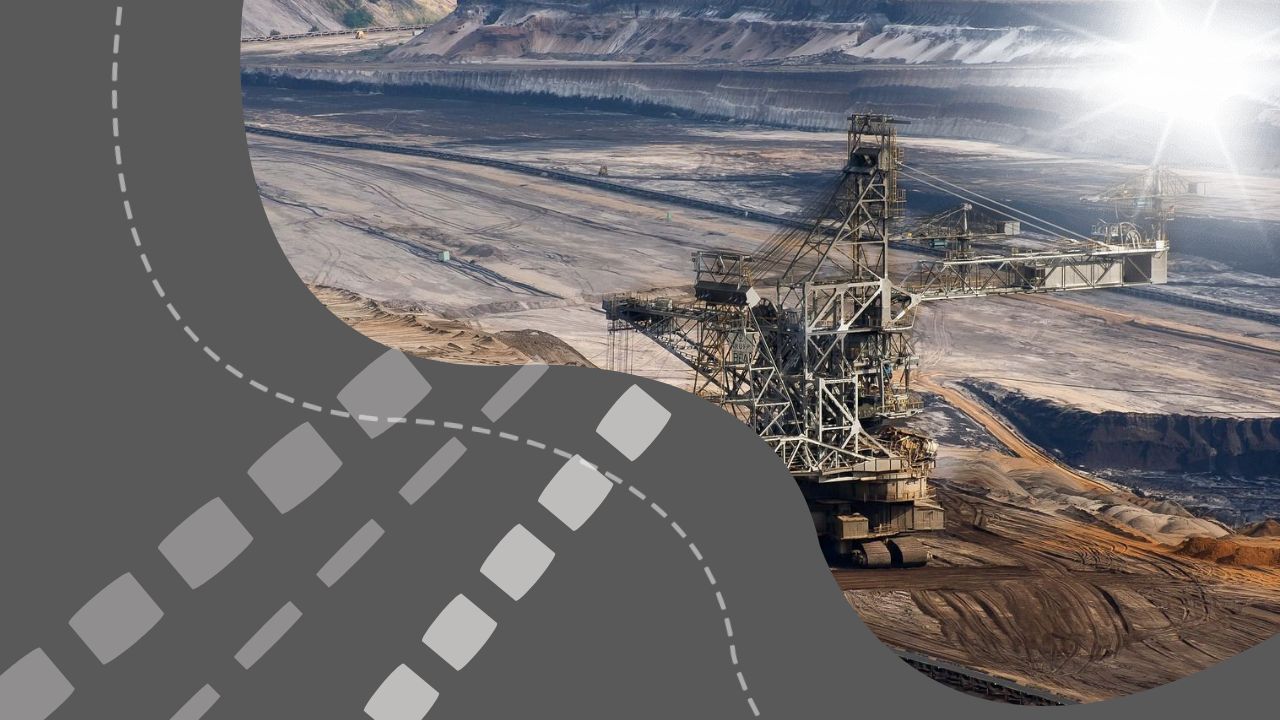
    Poland’s largest power utility, PGE, plans to cease electricity production at its four remaining coal-fired units at the Rybnik power plant by the end of 2025, according to a report from the Polish Press Agency. The units, which collectively generate 900 megawatts (MW), have capacity market contracts running until this deadline. While coalcontinues to dominate Poland’s electricity generation, profitability is declining as state-controlled utilities like PGE shift towards renewable energy. Additionally, banks are increasingly reluctant to finance coal-based operations.

    PGE has already phased out four coal-fired units at the Rybnik plant and is preparing to replace them with an 882 MW gas-fired unit, scheduled for commissioning by the end of 2026. The company reiterated that the decision to end coal production was made in 2020. The timeline for ending heat production at the coal-fired units has been extended to August 31, 2026.

  • Germany May Turn to Its Own Lithium Deposits Amid Growing Interest

    Germany May Turn to Its Own Lithium Deposits Amid Growing Interest

    A growing discussion is emerging in Germany regarding the exploitation of its lithium deposits, particularly among media professionals and government circles. The question raised is why Germany should rely on Serbian lithium when it possesses its own deposits, allowing for greater control and profit. Notably, the country has vast lithium reserves, primarily located along the Rhine River near Insheim and Altenberg. Research is already underway at these sites, which are considered some of the largest in Europe.

    The delay in tapping these resources stems from concerns about environmental and safety risks. In Insheim, fears of earthquakes triggered by geothermal drilling have been a major obstacle. However, new hydrothermal methods, which use existing water pathways underground, are seen as a safer alternative. Another challenge is the carbon footprintassociated with lithium extraction, but Vulcan Energy Ltd has pioneered a process that extracts lithium with zero carbon emissions by using geothermal energy, as reported by Rob Schmitz of NPR.

    On the political front, German Chancellor Olaf Scholz recently visited the Altenberg site following a memorandum signed with Serbia. The Zinnwald Lithium mine, set to open in 2030, could supply lithium for up to 600,000 electric vehicles, offering a more self-reliant source for Germany’s electric vehicle industry. This shift toward domestic lithium could reduce Germany’s reliance on foreign sources, including Serbia, and secure more of the profit chain for itself.

  • Aurubis Maintains Record-High Copper Premium for 2024 Amid Strong Demand

    Aurubis Maintains Record-High Copper Premium for 2024 Amid Strong Demand

    Aurubis, Europe’s largest copper smelter, announced on Thursday that it will maintain a premium of $228 per metric ton over the London Metal Exchange (LME) price for copper sold to European customers in 2024. This premium remains unchanged from the previous two years, as previously reported by Reuters.

    A spokesperson for Aurubis confirmed that the premium remains at a “record high level” due to the consistently strong demand for copper products across Europe. She cited the ongoing transition to renewable energy as a key factor driving this heightened demand.

    As of Thursday, copper was trading at approximately $9,900 per ton on the LME, a decline of 10% since reaching a record high of $11,100 in May.