Website: Eurasia.com

  • Serbia’s Timok Discovery Poised to Reshape Global Copper and Gold Markets

    Serbia’s Timok Discovery Poised to Reshape Global Copper and Gold Markets

    Serbia’s Timok district, a region with a long mining tradition, has drawn international attention after Zijin Mining announced the discovery of extensive copper and gold deposits at the Malka Golaja site. With identified resources of 2.81 million tonnes of copper at an average grade of 1.87% and 92 tonnes of gold at 0.61 g/t, the find is considered highly significant and could elevate Serbia’s role in global commodity supply.

    The geological setting of the Timok district is key to its potential. Located within a metallogenic belt, the area hosts porphyry copper systems—large, lower-grade deposits—and high sulfidation zones, where both copper and gold are concentrated in higher grades. This dual mineralisation makes the region attractive for large-scale copper mining as well as high-value gold extraction.

    While the results are promising, analysts caution that the figures represent resources rather than proven reserves. Resources indicate estimated mineral quantities, whereas reserves are confirmed to be economically extractable under current market conditions. Further drilling, feasibility studies, and economic assessments will be needed before production can be confirmed.

    Economically, the copper grade of nearly 1.9% is considered high for such a large system, making the project particularly valuable in a world where copper demand is surging due to its central role in electric vehicles, renewable energy, and digital infrastructure. Gold, meanwhile, continues to serve as both a financial hedge and an essential input in electronics. The co-location of the two metals presents a cost-efficient mining opportunity.

    If developed, the Timok project could have far-reaching implications. Copper supply remains tight globally, with new high-quality projects in short supply, while gold continues to attract investors as both an industrial metal and a store of value. Serbia’s entry into the global copper and gold supply chain would not only reshape its domestic mining industry but could also influence long-term price dynamics.
  • The Devil is in the Detail: Key Concerns of Kazakhstan’s Mining Sector Investors

    The Devil is in the Detail: Key Concerns of Kazakhstan’s Mining Sector Investors

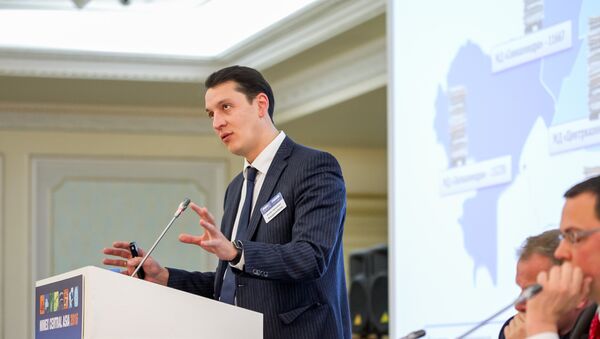
    While Kazakhstan has established itself as one of the most attractive jurisdictions for geological exploration investment, recent developments have unsettled international partners. Ruslan Baimishev, President of the Kazakhstan Mining Chamber, outlined these concerns during a panel discussion in Almaty, as reported by LS.

    Baimishev noted that major industry players invest with long-term horizons—often 10 to 15 years—making regulatory stability crucial. He acknowledged that reforms in 2018 had positioned Kazakhstan as a globally competitive mining jurisdiction. However, he warned against backtracking, citing attempts to reintroduce restrictive policies, such as stricter reserve reporting rules and restricted access to geological data.

    “During the last parliamentary session, several draft laws initially welcomed by MPs were later amended, effectively reverting to outdated practices and deviating from international standards,” Baimishev explained. Though these changes were ultimately halted, the mere attempt sent worrying signals to investors.

    Another pressing issue is tax reform. The new Tax Code, set to take effect in 2026, introduces higher land lease fees, which could discourage large-scale exploration. Baimishev argued that while the intent—to incentivise faster project development—is logical, investors need clarity on post-exploration taxation. He also criticised proposed royalty rates, which, despite being marketed as investor-friendly, may apply unevenly, disadvantaging existing license holders.

    On a positive note, Baimishev praised ongoing government-business dialogue and improvements in geological data accessibility. However, he urged further refinements, particularly in licensing procedures for restricted areas.

    Separately, Nikolai Radostovets of the Republican Association of Mining and Metallurgical Enterprises raised concerns over a proposed 1% R&D levy. While 30% would fund geological studies—a sector priority—he argued the remaining 70% should support industry-specific innovation rather than being absorbed into the state budget.

    Saken Shayakhmetov of Kazakhmys added that without strategic R&D investment, Kazakhstan risks falling behind technologically as mineral reserves deplete.

  • Kazakhstan to Launch State-Run Lab for Rare Earth Metals Export Control

    Kazakhstan to Launch State-Run Lab for Rare Earth Metals Export Control

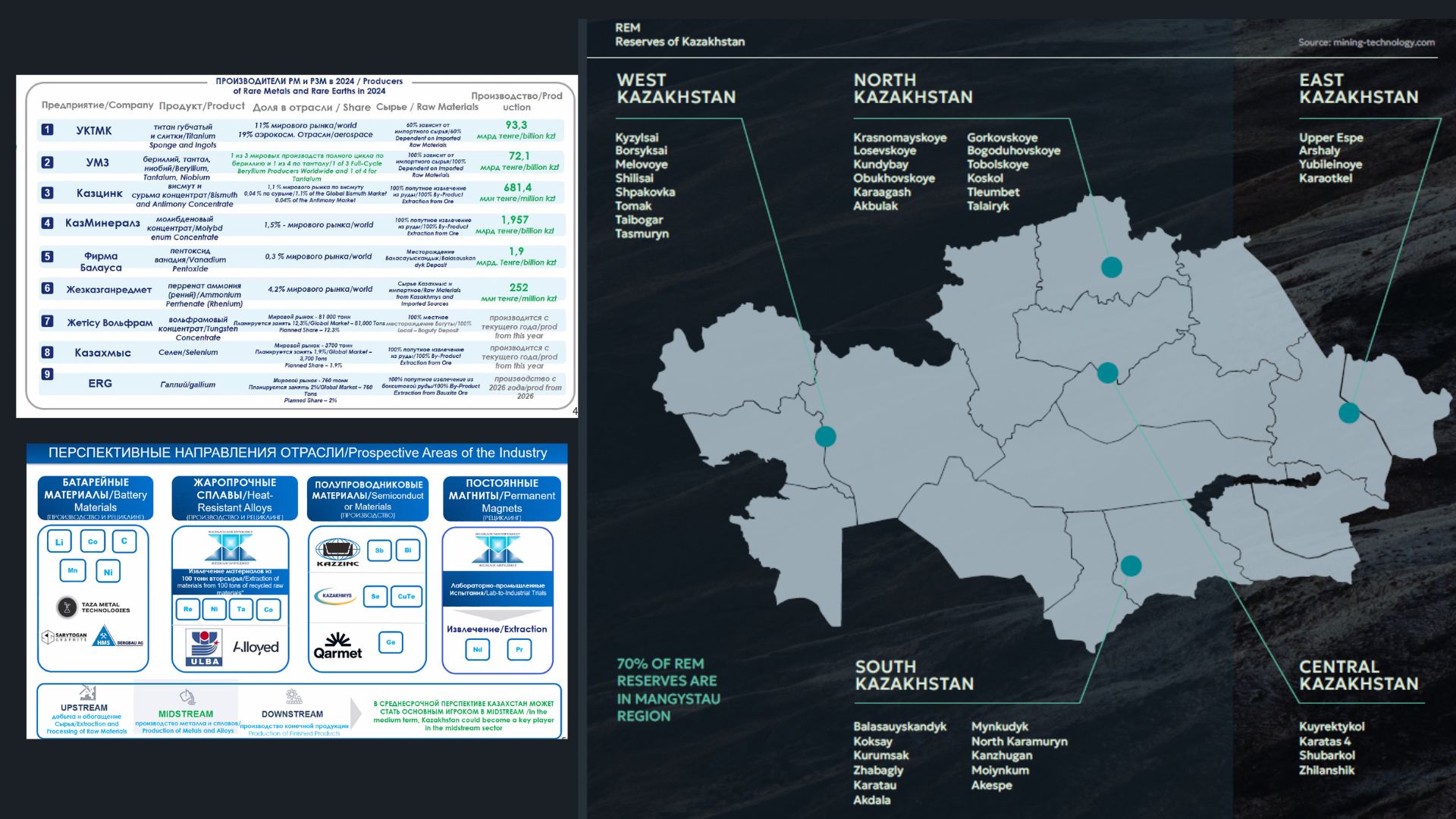
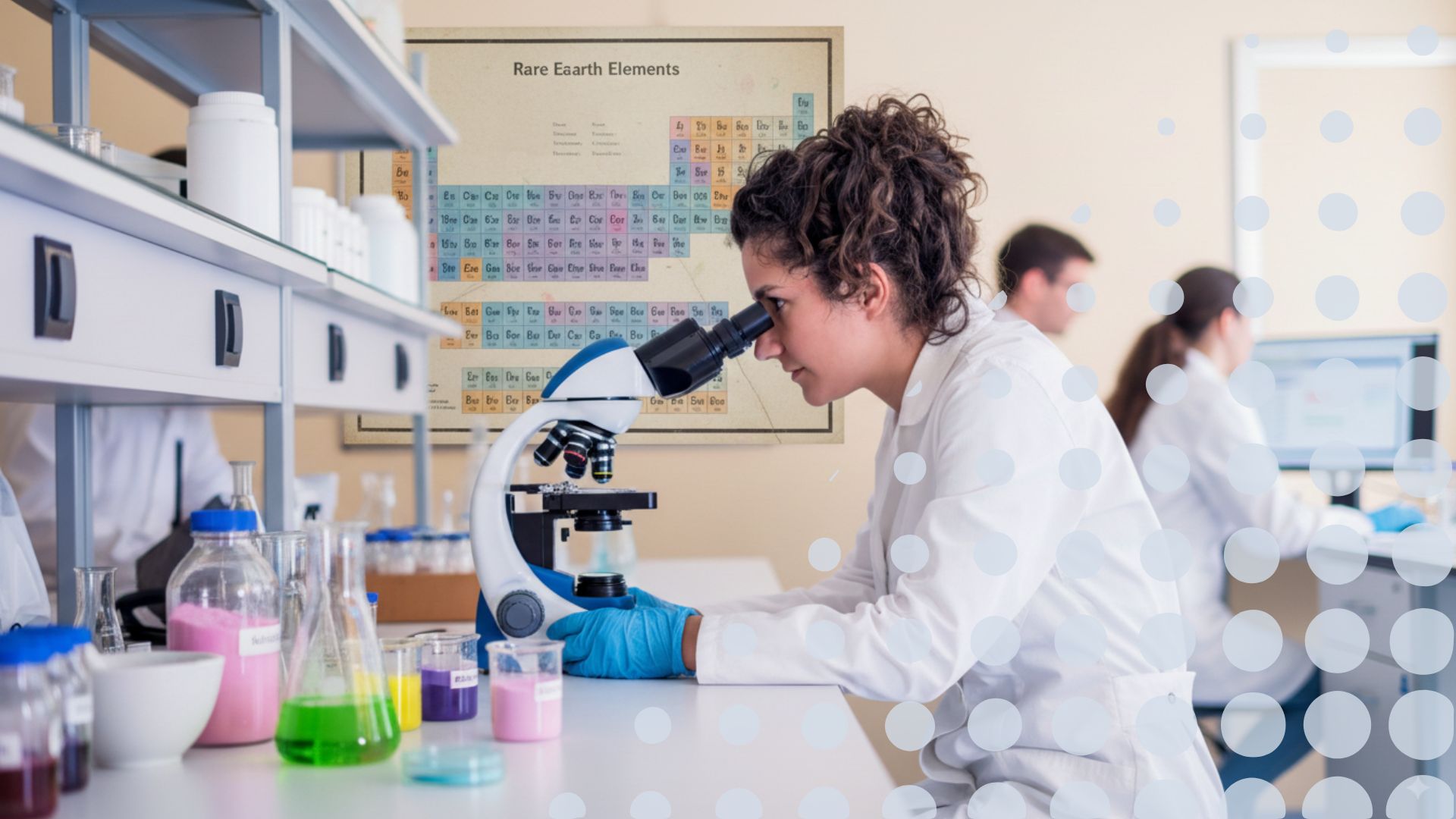
    Kazakhstan will create a specialized laboratory under the National Geological Service to combat the illicit export of rare earth metals (REMs), Vice Minister of Industry and Construction Iran Sharhan revealed during a briefing in Almaty on 17 September.

    Cracking Down on Illegal Exports

    The lab, which will seek international accreditation, is designed to detect and block unauthorised shipments of REMs disguised as other raw materials or concentrates. Sharhan emphasised the urgency of the measure, stating, “This allows us to identify accompanying elements in raw materials, including rare earth metals. The lab will help intercept illegal exports.”

    The announcement follows allegations by Azat Peruashev, a parliament member from the Ak Zhol party, who warned that precious and rare earth metals are being smuggled out of Kazakhstan under false labeling. He criticised the current system, where private labs contracted by mining firms handle export certifications, calling for independent, state-controlled oversight.

    Political and Industry Backing

    The Ak Zhol party has pushed for mandatory third-party chemical analysis of exported ores and concentrates, alongside potential state-run labs under government agencies.

    The National Geological Service, Kazakhstan’s primary body for geological data management, will house the new facility. The move aligns with President Kassym-Jomart Tokayev’s proposal at the Central Asia-EU Summit in Samarkand to establish a Regional Research Center for REMs in Astana.

    Recent Discoveries and Global Demand

    The decision comes as Kazakhstan reports new REM deposits in the Karaganda region. With global demand for rare earth metals surging—driven by renewable energy and tech sectors—the lab aims to ensure transparency and compliance in Kazakhstan’s mineral trade.

    “This is a critical step to protect our resources and integrate with international standards,” Sharhan concluded.

  • U.S. and Ukraine Earmark $150 Million for Minerals Deal

    U.S. and Ukraine Earmark $150 Million for Minerals Deal

    The United States and Ukraine have committed $150 million to establish a reconstruction investment fund designed to channel foreign capital into Ukraine’s natural resources sector.

    Announced on 17 September by Ukraine’s Economy Minister, Oleksii Sobolev, the fund will see Washington and Kyiv invest $75 million each, with the U.S. contribution provided through the International Development Finance Corporation (DFC). Ukraine will finance its share in two instalments, drawn from this year’s and next year’s budgets.

    “This is definitely enough to make the first proper large-scale investments,” Sobolev told journalists.

    The initiative forms part of a wider U.S.-Ukraine resources agreement, signed in April, granting Washington favourable access to projects in natural resources, infrastructure, and defence. The fund will operate on a project-by-project basis, with both parties contributing only once an investment is approved.

    DFC officials visited Ukraine earlier this month, inspecting potential starter projects such as titanium, zirconium, and hafnium deposits in Kirovohrad Oblast. Mateo Goldman, DFC’s Senior Vice President for Investments, said: “Our $75 million investment is a major step to activating the fund and opening the Ukrainian market to new investment opportunities.”

    The fund’s board is expected to finalise its structure by late November, including the appointment of an administrator and approval of investment guidelines.

    Prime Minister Yulia Svyrydenko described the initial funding as a demonstration of “trust and long-term commitment” from Washington, noting that reinvested profits over the next decade will bolster Ukraine’s economic recovery.

    With U.S. interest in Ukraine’s critical raw materials and gas reserves, Kyiv hopes the partnership will accelerate both energy security and post-war reconstruction.

  • Kazakhstan’s Critical Minerals in Focus at the BKS webinar

    Kazakhstan’s Critical Minerals in Focus at the BKS webinar

    Kazakhstan’s ambition to transform itself into a linchpin of the global critical minerals supply was in sharp focus at the British-Kazakh Society’s (BKS) latest webinar, “Critical Minerals – A Closer Look at Kazakhstan and the Resource Base.”

    Hosted online on 16 September, the event brought together government representatives, leading analysts, and industry insiders to scrutinise the nation’s mineral endowment, discuss its strategy for long-term sustainability, and evaluate opportunities for international partnership and investment.

    Geological Promise and Policy Drive
    In his welcome address, Yerlan Zeineshev, Economic Counsellor at the Kazakhstan Embassy in the UK, underscored the nation’s geological riches—including rare earths, lithium, copper, uranium, titanium, and vanadium—and signalled Kazakhstan’s determination to become “a key supplier for global critical mineral needs.” The country already produces 17 of the 34 critical minerals on the UK’s essential list, with potential to expand further given the right investment and technology.

    Mr Zeineshev highlighted March 2024’s UK-Kazakhstan critical minerals roadmap, emphasising mutual aims for research, private investment, and technology transfer. He pledged continued reform to ensure an open, investor-friendly environment—citing adoption of international best practice in mining codes, long-term investment agreements, and digitalisation of geological data.

    Supply Chain Resilience and Global Partnerships
    Speakers and panellists closely examined how Kazakhstan’s neutral geopolitical stance and its position on the Trans-Caspian International Transport Route position the country as a reliable partner for nations seeking to diversify supply chains. As Enzo Grazella, Senior Analyst at the Critical Minerals Association, noted, this offers both Europe and the UK an alternative source to mitigate risk and reduce overreliance on a handful of global producers.

    The UK government’s updated critical minerals strategy and increased focus on supply chain security were cited as drivers for stepped-up bilateral engagement, particularly in mining, refining, recycling, and advanced manufacturing. Initiatives backed by UK export finance, the European Bank for Reconstruction and Development (EBRD), and local reforms are fostering a more attractive investment climate.

    Resource Development and Value Addition
    Arkhat Kurmanbekov, Deputy Director General of Kazakhstan’s National Center for Technology Foresight, outlined the scale of Kazakhstan’s geological survey initiatives, with record levels of exploration funding and ambitious targets to increase the area surveyed to over 2.2 million km² by 2026. The nation aims not only to expand extraction but also to move up the value chain through domestic processing, production of battery materials, heat-resistant alloys, semiconductor materials, and recycling technologies. Industry success stories—such as providing titanium to Boeing and Airbus, or pioneering full-cycle beryllium plants—underline local expertise.

    Market Dynamics, Price Volatility, and Sustainability Challenges
    Caroline Messecar, Strategic Markets Editor at Fastmarkets Metals and Mining, discussed acute market vulnerability arising from concentrated global production—particularly for rare earth magnets vital to electric vehicles and wind turbines. China commands up to 89% of global magnet supply, and recent export controls have forced international markets to scramble for alternative sources, underscoring the strategic importance of new suppliers like Kazakhstan.

    The panel noted that establishing downstream industries (such as magnet manufacturing) requires more than raw materials: it needs multidisciplinary technical skills, transparent and sustainable production, and robust ESG standards. Both Kazakh and UK speakers reaffirmed their commitments to high environmental and social standards, clarifying that responsible development can coexist with commercial viability.

    Whatch the webinar recoding
    Video provided for the MINEX Forum readers by the British-Kazakh Society

  • Uzbekistan to Boost Gold and Uranium Output Through New Exploration Methods

    Uzbekistan to Boost Gold and Uranium Output Through New Exploration Methods

    Uzbekistan plans to increase production of gold and uranium this year by introducing new approaches in geological exploration, President Shavkat Mirziyoyev told national broadcaster Uzbekistan 24.

    According to the president, the country’s total gold output stood at 86 tonnes in 2016, while by the end of 2025 it is expected to reach 118 tonnes. Uranium production volumes, he noted, have doubled over the same period.

    Figures from the World Gold Council show that Uzbekistan produced more than 129 tonnes of gold in 2024, placing it among the world’s top ten producers of the precious metal.

    In the first seven months of this year, Uzbekistan increased gold exports to $7.6 billion — 1.8 times higher than in the same period of 2024. Gold accounted for nearly 38% of the country’s total export revenues.

    Navoi Mining and Metallurgical Company (NMMC), the country’s largest producer, raised its gold output in 2024 to 3.10 million ounces (96.4 tonnes), up 5.4% compared to 2023. The growth was attributed to the launch of new processing facilities.

  • First Nordic Metals and Mawson Finland Merge to Form NordCo Gold, a C$259M Scandinavian Explorer

    First Nordic Metals and Mawson Finland Merge to Form NordCo Gold, a C$259M Scandinavian Explorer

    First Nordic Metals (TSXV: FNM), backed by Agnico Eagle Mines (TSX, NYSE: AEM), has announced an all-share acquisition of Mawson Finland to create NordCo Gold, a new gold exploration and development company focused on Sweden and Finland. The combined entity will have a market capitalization of about C$259 million ($187 million), positioning it among the most significant junior gold companies in Scandinavia.

    The move underscores a growing trend of consolidation in the gold sector, as companies seek greater scale and de-risked projects to attract capital in a competitive exploration environment. Investors are demanding larger, development-ready portfolios, and NordCo aims to meet that demand.

    First Nordic brings its 45–55% joint venture with Agnico Eagle at Sweden’s Barsele project, which hosts 324,000 indicated ounces and 2.1 million inferred ounces of gold. It also owns Finland’s Oijärvi project, with 143,000 indicated ounces of gold and 1.2 million ounces of silver. Mawson adds its Rajapalot project in Finland, holding 867,000 inferred ounces of gold with cobalt credits, and supported by a 2023 PEA outlining a 10-year mine life with 1 million ounces of recovered gold, an NPV (5%) of $211 million, and a 27% IRR at $1,700/oz.

    “This combination is about scale, quality and execution,” said First Nordic CEO Taj Singh. “Mawson’s Rajapalot project adds resource growth and development visibility across our expanded portfolio.” Mawson CEO Noora Ahola called the merger “the optimal path forward” for shareholders, citing improved capital markets access and technical expertise.

    The new company will control over 1,230 sq. km of ground across the Nordic region. A concurrent non-brokered financing aims to raise up to C$30 million at C$0.38 per subscription receipt, earmarked for exploration, transaction costs, and working capital.

    Under the deal, Mawson shareholders will receive 1.7884 shares of NordCo for each Mawson share. The merger follows a four-for-one consolidation of First Nordic shares, reducing the count to about 79.6 million. Post-merger and financing, NordCo is expected to have around 139 million shares outstanding. The transaction is subject to shareholder, court, and TSX Venture Exchange approval, with closing expected shortly after Mawson’s December shareholder vote.

    The Barsele joint venture offers exposure to multimillion-ounce resources, Rajapalot brings strong project economics and cobalt credits, while Oijärvi and Paubäcken add silver and exploration upside. Combined, NordCo aims to establish itself as the leading Nordic-focused gold developer.

  • Europe Opens First Rare-Earth Magnet Plant in Estonia to Curb Dependence on China

    Europe Opens First Rare-Earth Magnet Plant in Estonia to Curb Dependence on China

    Europe has launched its first rare-earth magnet production facility in Narva, Estonia, marking a critical step toward reducing reliance on China for components vital to clean energy and electric mobility. The Canadian-built plant, supported by the European Union, is expected to supply magnets for over one million electric vehicles and 1,000 offshore wind turbines annually.

    Permanent magnets, primarily made with rare earths, are considered essential for high-efficiency motors used in electric cars and renewable energy technologies. At present, China provides around 90% of the EU’s magnet demand.

    With an annual capacity of 2,000 metric tonnes, the Narva plant tailors magnet production to the specifications of European automotive manufacturers and wind turbine producers. The facility draws on rare-earth powders imported from Australia, processed alongside other metals to create the permanent magnets.

    The €75 million investment includes €14 million from the EU’s Just Transition Fund, designed to help regions most affected by the shift to climate neutrality. Currently employing around 80 people, the plant could eventually support up to 1,000 jobs.

    For Narva, long dependent on carbon-intensive oil shale extraction, the factory represents a turning point. “This kind of factory will bring new industrial companies. Of course, it forces us to develop our workforce,” said Narva’s mayor, Katri Raik, who described the investment as a vote of confidence in the city’s future despite its location on the EU’s border with Russia.

    Neo Performance Materials, the Canadian company behind the project, also operates a rare-earth separation plant and research facilities in nearby Sillamäe. For engineers such as Zorjana Mural, who once left academia for the oil and gas industry, the project has been transformative: “When I joined the project there was no building, no walls, nothing. Now it’s filled with machines. It’s really exciting to imagine the future.”

  • Kazchrome Launches AI Integration Project at Aksu Ferroalloy Plant

    Kazchrome Launches AI Integration Project at Aksu Ferroalloy Plant

    The Aksu Ferroalloy Plant of JSC TNK Kazchrome, part of ERG, has begun implementing artificial intelligence (AI) tools into its IT-based furnace management system. The pilot initiative is being rolled out on ore-thermal furnace No. 64.

    The first phase of the project has been completed, including the collection, extraction, and analysis of three months of Big Data. Initial findings confirmed the strong potential of using this data to develop a recommendation-based AI model. In the future, the system is expected to help stabilise production processes, boost efficiency and energy savings, and reduce accidents and operating costs.

    “Today, introducing AI into the mining and metallurgical sector is no longer a trend but a matter of competitiveness and industrial safety,” said project manager Ruslan Eskendirov of ERG’s Research and Engineering Centre. “Our approach is pragmatic: sensors → data → models → measurable KPIs.”

    Earlier this year, ERG assembled a project team including specialists from its research and engineering centre, IT subsidiary BTS, Kazchrome, and the group’s metallurgy department. Working with an international technology partner that has already deployed similar AI tools at ferrochrome plants abroad, the team verified that the plant’s existing data is sufficient for building effective AI modules.

    Overall, ten AI modules are planned for deployment, each designed to optimise different aspects of furnace operation. One example is a predictive tool for electrode breakage, which could significantly reduce downtime and financial losses.

    The next phase will involve creating digital modules for controlling and monitoring furnace No. 64, integrating them into the existing automated process management system. The focus will be on predictive diagnostics, intelligent process optimisation, “soft sensors,” and operator guidance. If successful, the solution will be scaled across other furnaces.

  • Kazakhstan Prepares New Subsoil Use Reform Bill for Parliamentary Review

    Kazakhstan Prepares New Subsoil Use Reform Bill for Parliamentary Review

    Kazakh government agencies have approved a draft law on reforms in geological exploration and subsoil use, Industry and Construction Minister Yersayin Nagaspaev announced at a cabinet meeting. The bill is set to be submitted to Parliament for consideration in September.

    The accompanying Regulatory Policy Advisory Document (KDRP) was endorsed at the 681st meeting of the Interdepartmental Commission on Legislative Activities. The new draft replaces an earlier package of amendments to subsoil use regulations initiated by members of the Mazhilis, which is expected to be withdrawn once the updated version is formally introduced.

    The proposed legislation contains 39 amendments to Kazakhstan’s Code “On Subsoil and Subsoil Use.” President Kassym-Jomart Tokayev underscored the importance of these reforms in his address on September 8, highlighting the need to modernise the legal framework to improve resource efficiency and attract investment.