Website: Eurasia.com

  • Kazakhstan to Open Internationally Accredited Rare-Earth Laboratory

    Kazakhstan to Open Internationally Accredited Rare-Earth Laboratory

    Kazakhstan is set to establish an internationally accredited geo-analytical laboratory in Astana to support its growing role in global supply chains for rare-earth metals (REEs).

    Minister of Industry and Construction Yersayin Nagaspayev confirmed that agreements have been reached with global laboratory brands RCI Inspection and PARAGON to certify the new geo-analytical center, which is scheduled to open by mid-2026 under the National Geological Service. The laboratory will house core storage and archival repositories, providing transparent and reliable data to researchers and potential investors.

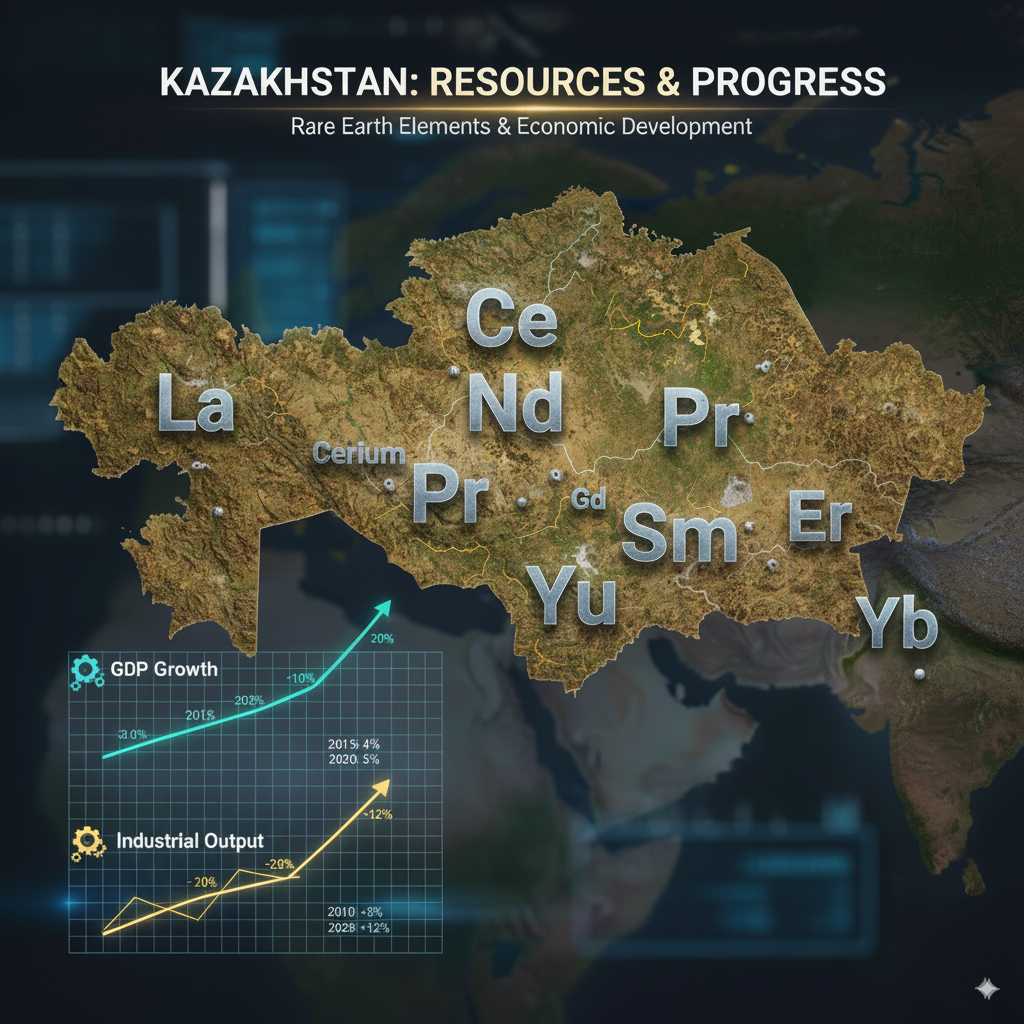
    The initiative follows President Tokayev’s 8 September address to Parliament, in which he stressed the strategic significance of rare-earth elements for Kazakhstan’s long-term economic future. He directed the government to launch at least three high-tech production facilities for rare-earth metals within the next three years, underscoring their growing importance in global technology and trade.

    The government’s plan outlines four strategic priorities for domestic processing: producing battery materials, recycling, manufacturing heat-resistant alloys for jet turbines, and producing semiconductor materials. To achieve these goals, Kazakhstan is actively forging partnerships with the European Union, the United States, Japan, South Korea, and China.

    Planned projects include a gallium plant, the production of high-purity manganese sulfate and graphite for batteries, and the manufacturing of nickel-based superalloys. Additionally, pilot programs for recycling permanent magnets are set to begin next year, in collaboration with European partners, marking a concrete step towards a more sustainable and value-added rare-earth industry.

  • Kazakhstan Targets Economic Growth with Rare-Earth Expansion and SEZ Reforms

    Kazakhstan Targets Economic Growth with Rare-Earth Expansion and SEZ Reforms

    Kazakhstan is launching a comprehensive strategy to boost economic growth by strengthening special economic zones (SEZs) and expanding rare-earth metal production, as announced by Industry and Construction Minister Yersayin Nagaspayev during a government meeting chaired by Prime Minister Olzhas Bektenov

    To improve SEZ efficiency, the government will conduct a comprehensive review of their performance and strengthen monitoring mechanisms to ensure investors fulfill their obligations. The country also plans to introduce a framework for foreign companies to manage certain SEZs, while local authorities will intensify efforts to attract new investors.

    In addition to SEZs, the government has identified rare-earth metal production as a key area for development. Kazakhstan plans to implement at least three major projects in this field, focusing on the production of battery materials, recycling and manufacturing heat-resistant alloys for jet engines, developing semiconductor components, and reprocessing permanent magnets.

    The country has already established strategic partnerships with leading players from the European Union, the United States, Japan, South Korea, and China. Upcoming projects include the launch of gallium production with an annual capacity of 15 tons, the manufacturing of high-purity manganese sulfate, and the production of graphite for battery components.

    Kazakhstan is also taking significant steps to modernize its geological exploration and mapping. A next-generation geological map will be developed using advanced digital tools, with project preparations already underway and fieldwork scheduled to begin in 2026. The government has allocated funding for new surveying methods, including aerogeophysics, geochemistry, spectral imaging, and high-resolution satellite data analysis.

    Furthermore, the country is introducing a unified digital platform to consolidate all processes related to construction and housing management. The platform will be introduced by the end of 2025 and is expected to enhance efficiency and transparency in the sector.

    The reforms are part of Kazakhstan’s efforts to diversify its economy and reduce its dependence on oil exports. The country aims to become a major player in the global rare-earth market and to attract foreign investment in its SEZs.

  • Boliden Warns of Investment Impact from Finnish Mining Tax Proposal

    Boliden Warns of Investment Impact from Finnish Mining Tax Proposal

    Boliden, the Swedish mining giant, has issued a stark warning to the Finnish government over its proposed tax reforms, which it claims will have far-reaching consequences for the EU’s critical metal supplies. The company, which owns the Kevitsa copper and nickel mine in Finland, estimates that the proposed tax hike will result in a 20-30 million euro annual increase in costs, the bulk of which is due to a quadrupling of the recently introduced Finnish mining tax.

    In a strongly worded submission to the Finnish government, Boliden argues that the proposed tax reforms are “inadequately prepared” and lack proper impact assessments, which could lead to “serious consequences” for the investment climate in Finland. The company also notes that the current proposals should be withdrawn in their entirety.

    The proposed tax hike has sparked concerns among EU policymakers, as both copper and nickel, as well as cobalt and PGMs (platinum group metals), are designated as strategic and/or critical metals by the EU. The Kevitsa mine is one of the largest producers of these metals in the EU, and any disruption to its operations could have significant implications for the bloc’s raw material supplies.

    “We understand the need for a balanced tax system, but this proposal is unacceptable,” said a Boliden spokesperson. “The increased tax burden will not only harm our business but also threaten the EU’s critical metal supplies. We urge the Finnish government to reconsider its proposal and engage in a more inclusive and evidence-based decision-making process.”

    The Finnish government is expected to make a final decision on the tax reforms in the coming weeks.

  • Kazakhstan to Launch Electronic Geological Mapping in 2026

    Kazakhstan to Launch Electronic Geological Mapping in 2026

    Kazakhstan will begin creating an electronic geological map of the country in 2026, following a directive from the president. The project will utilise satellite imagery analysis, along with data from aerogeophysics, geochemistry, and other subsurface research methods, enabling a new level of assessment of the nation’s mineral potential.

    Earlier this year, the government allocated funding from its reserve to develop project documentation for second-generation geological surveys at a 1:50,000 scale. This initiative is part of Kazakhstan’s wider effort to digitise geological information.

    According to the National Geological Exploration Service (NGS), more than 2.6 million units of primary geological data—about 60% of the total—had already been converted into digital format by early 2025. Full digitalisation of the country’s geological data is expected to be completed by 2028.

    Officials say the move will make geological information more reliable and accessible, while also enabling the use of artificial intelligence and automated solutions for data processing.

  • Anglo American and Teck Resources Agree $53bn Merger to Create Global Copper Giant

    Anglo American and Teck Resources Agree $53bn Merger to Create Global Copper Giant

    Anglo American has reached an agreement to merge with Canada’s Teck Resources in a $53bn (£39bn) deal that will form one of the world’s largest copper producers, following both companies’ successful defence against recent takeover attempts.

    The combined group, to be called Anglo Teck, will be headquartered in Vancouver, Canada, reflecting Canadian government efforts to safeguard its critical minerals sector. While the new company will keep Anglo’s primary listing on the London Stock Exchange, it will also be listed in Johannesburg, Vancouver, and New York. Anglo has held its London listing since 1999.

    The merger is expected to deliver $800m in annual cost savings within four years, with around $60m anticipated from board and head office “rationalisation,” raising the likelihood of job losses at Anglo’s London headquarters. However, the companies pledged that Canada would see “no net reduction in the number of employees,” in line with government legislation.

    Under the terms, Anglo shareholders will own 62.4% of the new entity, while Teck investors will control 37.6%. Although the deal represents a 17% premium to Teck’s share price, the companies presented it as a zero-premium merger because Anglo plans to issue a $4.5bn special dividend to its shareholders before completion.

    Anglo’s chief executive Duncan Wanblad, who will lead the new group from Vancouver, described the transaction as a “true merger of equals,” stressing its significance for Canada and its role in supporting critical mineral strategies globally. Teck CEO Jonathan Price will become deputy chief executive, with copper expected to contribute more than 70% of earnings by 2027.

    The merger follows Anglo’s defence against a £39bn takeover bid by BHP and Teck’s rejection of Glencore’s £16.6bn offer in 2023. Analysts say the deal marks a dramatic turnaround for Anglo, which has repositioned itself as an industry consolidator.

    The new company will bring together six major copper assets in Chile and other “world-class jurisdictions,” a move that both executives say will position the business at the heart of the global transition to renewable energy and electric vehicles.

    If approved, the deal will be one of the largest in mining history, second only to the $90bn Glencore-Xstrata merger in 2013. Shares in both Anglo and Teck surged more than 10% after the announcement, signalling strong investor confidence.

  • Europe Sees Surge in Canadian Aluminum Shipments as US Tariffs Bite

    Europe Sees Surge in Canadian Aluminum Shipments as US Tariffs Bite

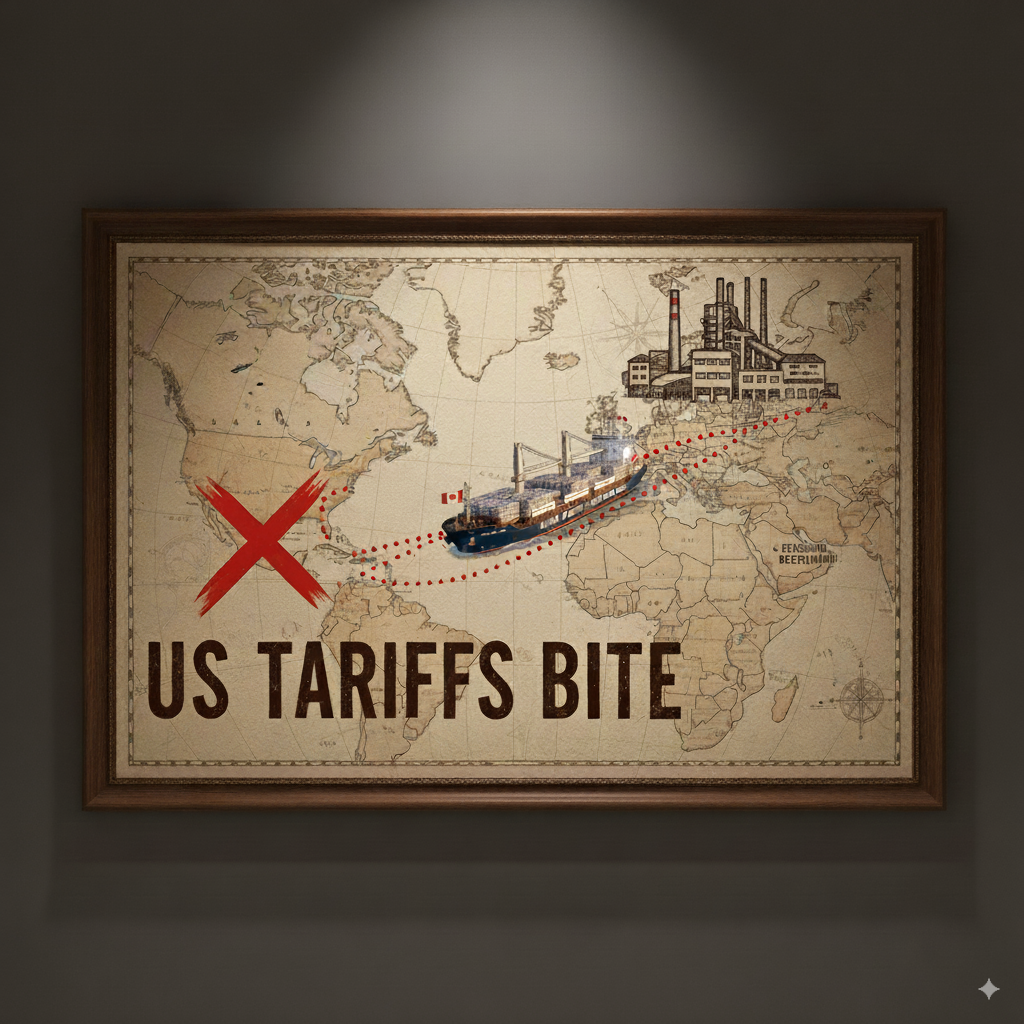
    Canadian aluminium producers have rapidly redirected exports from the United States to Europe after the US imposed tariffs of up to 50%, causing a dramatic surge in Canadian metal shipments to European markets during 2025.

    The shift is most notable among Quebec’s producers, who supply about 90% of Canada’s aluminium. The US share of Quebec’s exports fell to 78% in Q2 2025 from 95% in Q1, while Europe’s share soared to 18% from just 0.2%, according to S&P Global Market Intelligence[2]. Companies like Rio Tinto, Alcoa, and Aluminerie Alouette have led this pivot—Alouette, for instance, sent 57% of its output to Europe in Q2, up from 4% previously[1]. Alcoa alone diverted more than 100,000 metric tonnes to Europe in the quarter.

    Key European destinations now include the Netherlands (11,800 tonnes imported April–May), Italy (25,500 tonnes), and Germany[1][3]. European buyers welcome these Canadian shipments for their high quality and lower carbon footprint compared to global alternatives, as well as the opportunity to diversify supply and benefit from competitive prices[1].

    The underlying cause is the US decision to reinstate a 25% tariff on Canadian aluminium in March 2025—then double it to 50% in June[1][2][3]. This has pushed the US Midwest premium (the local price above the global benchmark) up by 82% since June, making deliveries from Canada financially unviable for many US buyers, while European warehouse premiums have dropped due to the influx of Canadian supply.

    Jean Simard, president of the Aluminium Association of Canada, said: “It’s an easy call. You ship anything you can to Europe. As the price builds up into the US, you can expect metal to come back to the US market.”

  • Ukrainian Mining Sector Receives Investment Boost from the the American-Ukrainian Investment Fund

    Ukrainian Mining Sector Receives Investment Boost from the the American-Ukrainian Investment Fund

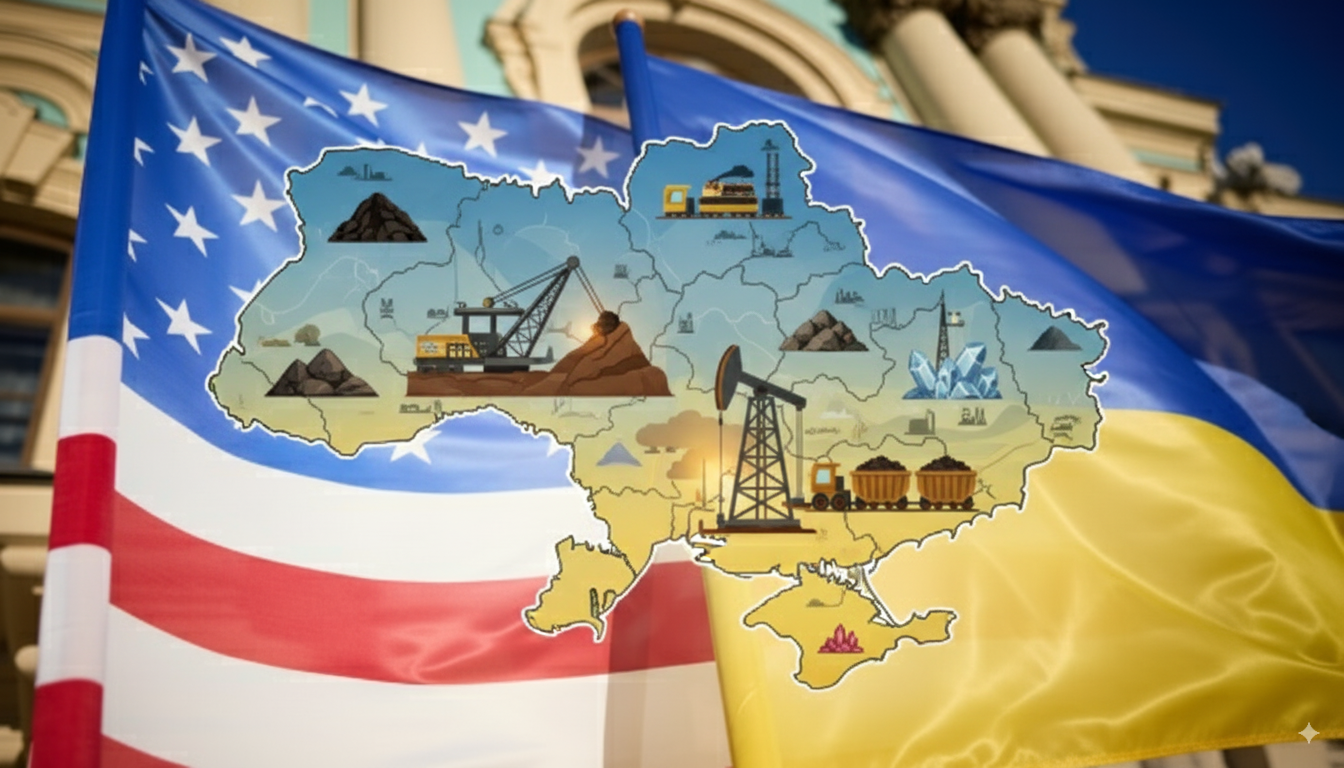
    The inaugural meeting of the American-Ukrainian Reconstruction Investment Fund Steering Committee took place in Kyiv on 3rd September, marking a significant step in attracting private investments into Ukraine’s key industries. The fund was established as a pivotal mechanism to enhance Ukraine’s economic recovery and growth by involving the private sector in rebuilding critical infrastructure and mining sectors.

    The meeting, which was attended by representatives from both the Ukrainian and American governments, was chaired by Prime Minister Yulia Sverdenko. The American delegation included Scott Besant, the US Treasury Secretary, Connor Holman, Chief Investment Officer at the US Development Finance Corporation (DFC), and Robert Stebbins, DFC’s Vice President.

    During the session, the committee finalised the operational regulations, established specialized subcommittees, and granted powers to open bank accounts, select fund administrators, and appoint investment advisors. The next step is identifying key pilot projects for investment, with discussions scheduled for later this month when DFC representatives visit Kyiv.

    Lithium and Gold Reserves in Kirovograd: A Major Mining Contest Launched

    One of the most pressing topics to emerge from the meeting was the Ukrainian government’s announcement of a competition to develop the Lithium Deposit of Dobro, located in the Kirovograd region. The project offers a lucrative opportunity for extracting nine strategically significant minerals, including lithium, gold, niobium, and beryllium. The competition is open to both Ukrainian and international firms with experience in natural resource exploitation and adequate financial and technical capabilities. However, companies from aggressor nations and those in sanctioned jurisdictions will not be allowed to participate.

    The government is looking to partner with firms willing to invest a minimum of $12 million in geological surveys and a further $160 million in industrial extraction and beneficiation activities. The agreement will be long-term, spanning 50 years, with the state retaining ownership of the resources until they are allocated through the contract.

    Ukraine’s Oil and Gas Transparency: The Launch of the National Well Registry

    In another landmark move, Ukraine’s State Geological Survey (Derzhgeonadra) has launched the National Oil and Gas Well Registry, a digital platform providing transparent access to over 12,500 well records. This new database will include active, suspended, and monitoring wells, and aims to streamline access to essential geological data for government bodies, natural resource users, and the public. This initiative strengthens Ukraine’s commitment to better resource management and international best practices in natural resource transparency.

    Ukraine’s Role in the Global Mineral Economy

    Ukraine’s mining sector is attracting attention not only for its rich mineral reserves but also for its growing role in the global economy. The upcoming Mineral Deal Forum, scheduled for 24th September in Kyiv, will bring together government officials, business leaders, and investors to discuss the future of Ukraine’s mining industry and its critical minerals. Key figures from the Ukrainian government, such as Deputy Prime Minister Taras Kachka and Minister of Economy Yegor Perelygin, will speak at the forum, alongside business leaders like Serhiy Pylypenko, the CEO of Kovalska Group, a leading construction firm that has successfully navigated the challenges of wartime operations.

    The forum promises to be a key event for understanding how Ukraine plans to integrate its vast natural resources into the global supply chain, particularly for critical minerals required in industries like renewable energy and electronics.

    Gold Hits Record Highs: What This Means for Mining Investments

    Meanwhile, the global price of gold has reached new heights, with the spot price of an ounce (31.1g) surging to $3,645 per ounce. This sharp increase in value, which has doubled over the last three years, comes amid rising global instability and the possibility of changes in US Federal Reserve policies. Investors are flocking to gold as a safe haven, which could signal further growth for mining industries worldwide, including in Ukraine.

  • GreenX Metals Uncovers Deep Copper Source at Historic German Mining District

    GreenX Metals Uncovers Deep Copper Source at Historic German Mining District

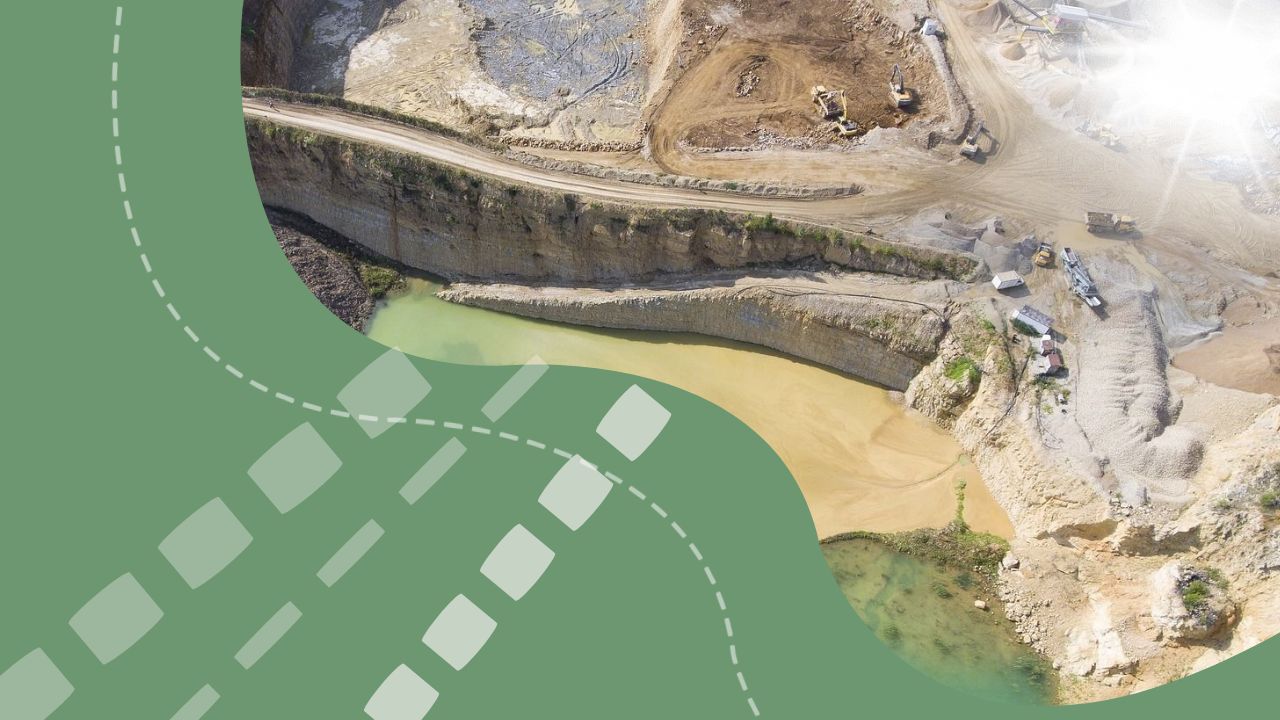
    GreenX Metals (ASX: GRX) has identified the likely deep source of copper mineralisation beneath Germany’s historic Richelsdorf mining district, marking the first modern exploration at the site in 40 years.

    A helicopter-borne magnetic and radiometric survey, spanning 58 square kilometres over 660 line kilometres at 100-metre spacing, confirmed the presence of the Mid-European Crystalline Zone (MECZ). This major geological structure is widely regarded as the source of metals feeding the Kupferschiefer deposits, one of Europe’s most significant copper belts.

    Data analysis revealed two large amplitude magnetic anomalies supported by gravity modelling, consistent with an uplifted basement block beneath the old mines. Chief executive officer Ben Stoikovich described the discovery as a “breakthrough,” noting that the newly mapped structures and fluid pathways could play a critical role in the formation of copper-rich mineralisation.

    The survey also highlighted extensive fault zones that extend into the larger Tannenberg 2 licence area, suggesting the mineral system may be much larger than previously believed. Combined, GreenX’s 1,900 square kilometre landholding gives it one of central Europe’s largest brownfield copper exploration footprints.

    The project benefits from Germany’s existing infrastructure, shallow cover, and a long mining history, making it strategically valuable at a time when copper is increasingly important to both Germany and the wider European Union.

    The exploration is fully funded by the BHP Xplor program, which GreenX has extended until October 2025. Upcoming work includes relogging and assaying historical core, hyperspectral scanning, reprocessing legacy geophysics, and developing a new geological model to refine drill targeting.

    Stoikovich added that the ongoing integration of historic records with modern geophysical data is steadily building confidence in the project’s potential to deliver new copper discoveries.

  • Greenland Resources Signs MoU with Hempel to Supply Molybdenum to German Steel Industry

    Greenland Resources Signs MoU with Hempel to Supply Molybdenum to German Steel Industry

    Greenland Resources has signed a memorandum of understanding (MoU) with Düsseldorf-based Hempel Metallurgical GmbH for the long-term supply of molybdenum to the German steel sector. The agreement covers molybdenite concentrate and secondary products such as ferromolybdenum and molybdenum oxide, marking a significant step toward positioning Greenland Resources as Germany’s largest molybdenum supplier.

    Backed by its NI 43-101 feasibility study and existing offtake and roasting agreements, the company plans further announcements on direct supply deals with German steelmakers. The high-quality, low-emission molybdenum from its Malmbjerg project in east-central Greenland will undergo roasting in Belgium before delivery.

    Germany is the EU’s leading consumer of molybdenum, using 16.3 million pounds in 2024, according to the International Molybdenum Association. Greenland Resources has already secured offtake agreements with steel producers in Italy and Finland, further reinforcing its role as a critical supplier in the European market.

    The Malmbjerg open-pit mine, located about 30km from Greenland’s east coast, will produce pure molybdenum with magnesium by-products. The project’s low levels of deleterious elements make its molybdenum particularly suited for defence and high-performance steel applications, with the potential to meet all of the EU defence sector’s molybdenum needs and supply up to 25% of overall EU demand.

    In June, the company was granted a 30-year exploitation licence for molybdenum and magnesium at Malmbjerg, with operations required to commence by December 2028. The licence allows for an extension of up to 50 years, subject to further regulatory requirements.

  • ABMEC Annual Conference and Exhibition Returns to Doncaster in November 2025

    ABMEC Annual Conference and Exhibition Returns to Doncaster in November 2025

    The Association of British Mining Engineering and Consultants (ABMEC) has announced the return of its Annual Conference and Exhibition, scheduled for 26–27 November 2025 at Doncaster Racecourse. The event, held in collaboration with the Mining Association of the United Kingdom (MAUK), will unite leading suppliers, manufacturers, and mine operators for one of the UK’s premier mining industry gatherings.

    The ABMEC Conference has established itself as a key platform for exploring the future of mining equipment, engineering excellence, and technological innovation. This year’s programme will feature keynote speeches from industry leaders, technical presentations, and an exhibitor showcase highlighting cutting-edge products, services, and solutions for the mining sector.

    Delegates can also expect extensive networking opportunities, while students are being offered free passes to encourage the next generation of engineers, consultants, and geoscientists to engage with the industry.

    Dr Kate Thornton, CEO of ABMEC, commented: “The ABMEC Conference is a vital platform for showcasing the innovation, resilience, and technical excellence that define the UK’s mining supply chain. We are especially proud this year to welcome the next generation of engineers and geoscientists through free student access, reinforcing our commitment to building a diverse and skilled future workforce.”

    With international speakers and a global audience, the 2025 event will continue to highlight the strengths of British mining engineering and consulting while addressing worldwide opportunities and challenges.

    Registration is now open for delegates and exhibitors. More information is available at www.abmec.org.uk or via email at enquiries@abmec.org.uk.