Website: Eurasia.com

  • Kazakhstan and Germany Launch Consortium to Boost Mining and Metallurgy Education

    Kazakhstan and Germany Launch Consortium to Boost Mining and Metallurgy Education

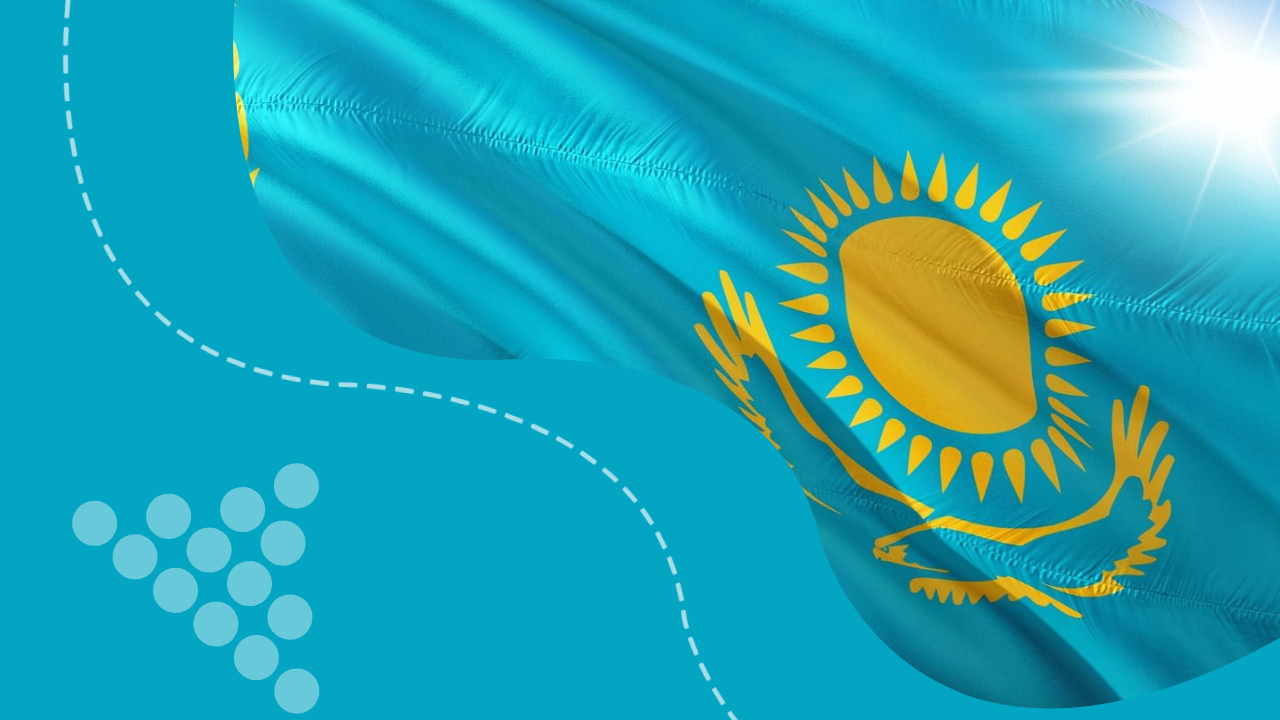
    The second Kazakh-German Week, themed Science and Education: Partnership between Kazakhstan and Germany, opened on September 23 at Serikbayev East Kazakhstan Technical University in Oskemen (Ust-Kamenogorsk), the industrial hub of East Kazakhstan and a cornerstone of the nation’s mining and metallurgical sector.

    A central outcome of the opening ceremony was the creation of the Consortium for the Development of the Kazakh-German Institute of Science and Technology. Founded in 2024 at East Kazakhstan Technical University, the institute focuses on specialized training for mining and metallurgy professionals.

    The new Consortium unites leading academic institutions from both countries, including Serikbayev East Kazakhstan Technical University, Kazakh-German University, Freiberg University of Mining and Technology, Ruhr University Bochum, Clausthal University of Technology, Technical University of Dortmund, and the University of Duisburg-Essen. Its mission is to strengthen cooperation in research, academic exchange, technology transfer, and applied projects across mining, geology, rare earth metals, energy, and environmental engineering.

    Industrial leaders in East Kazakhstan, such as Kazzinc, the Ust-Kamenogorsk Titanium and Magnesium Plant, and the Ulba Metallurgical Plant, have pledged their support through partnerships in applied science and innovation.

    In a video message, Minister of Science and Higher Education Sayasat Nurbek highlighted the strategic importance of German universities in developing Kazakhstan’s future workforce. Officials emphasized that the consortium will play a vital role in ensuring the long-term sustainability of East Kazakhstan’s mining and metallurgical industries through the integration of science, innovation, and advanced technical education.
  • Pljevlja Coal Mine Marks 73 Years with Record Results and Long-Term Concession

    Pljevlja Coal Mine Marks 73 Years with Record Results and Long-Term Concession

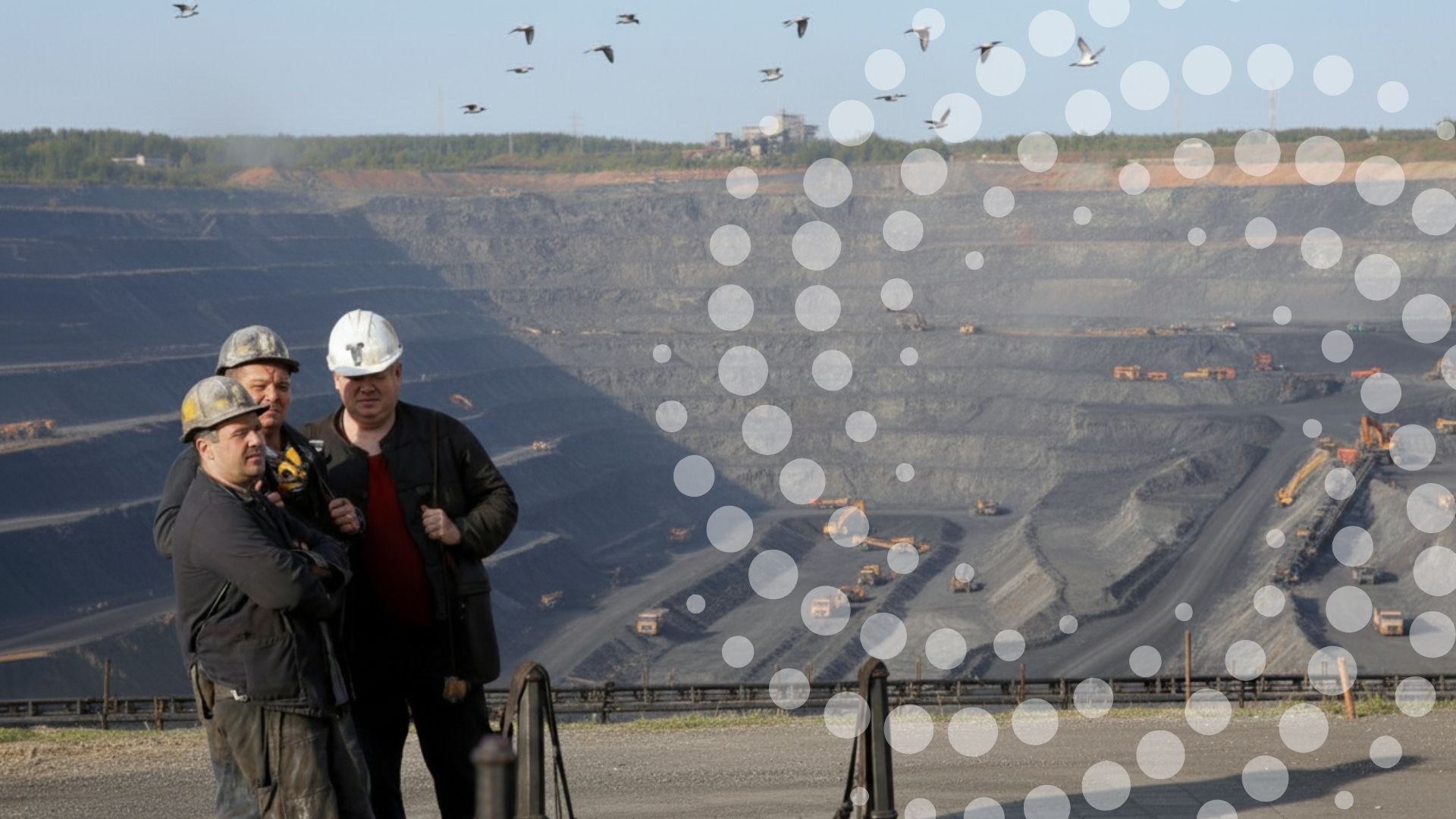
    The Pljevlja Coal Mine celebrated Miners’ Day and its 73rd anniversary with a ceremonial session attended by government officials, energy sector representatives, business associates, and the local community. Despite a challenging year, the company highlighted record results, ongoing modernization projects, and progress on critical infrastructure.

    CEO Nemanja Laković praised employees for ensuring the country’s energy stability and confirmed that nearly 70% of work on the demanding Ćehotina riverbed relocation project has been completed. “The planned overburden will be exceeded by ten percent if the pace continues, ensuring sufficient coal for the Pljevlja Thermal Power Plant once it reconnects to the grid,” he said.

    The mine achieved positive financial results in the first half of 2025 without burdening its owner, Elektroprivreda Crne Gore (EPCG). Laković stressed that the company remains committed to both the energy sector and local community, with investments continuing despite the focus on urgent projects.

    Minister of Energy and Mining Admir Šahmanović acknowledged the year’s difficulties but commended miners for their dedication, emphasizing that the future of Montenegrin mining must align with modern standards and the principles of a just transition. EPCG chairman Milutin Đukanović added that the mine is well-positioned to support Montenegro’s green transition, including the development of large solar power plants.

    The event concluded with the signing of concession contracts extending coal exploitation rights in Pljevlja until 2050, securing the long-term utilization of reserves and reinforcing the mine’s role in Montenegro’s energy and economic landscape.

  • Boldyn Networks and Nokia Launch Private 5G to Revolutionize Mining at Callio Pyhäjärvi

    Boldyn Networks and Nokia Launch Private 5G to Revolutionize Mining at Callio Pyhäjärvi

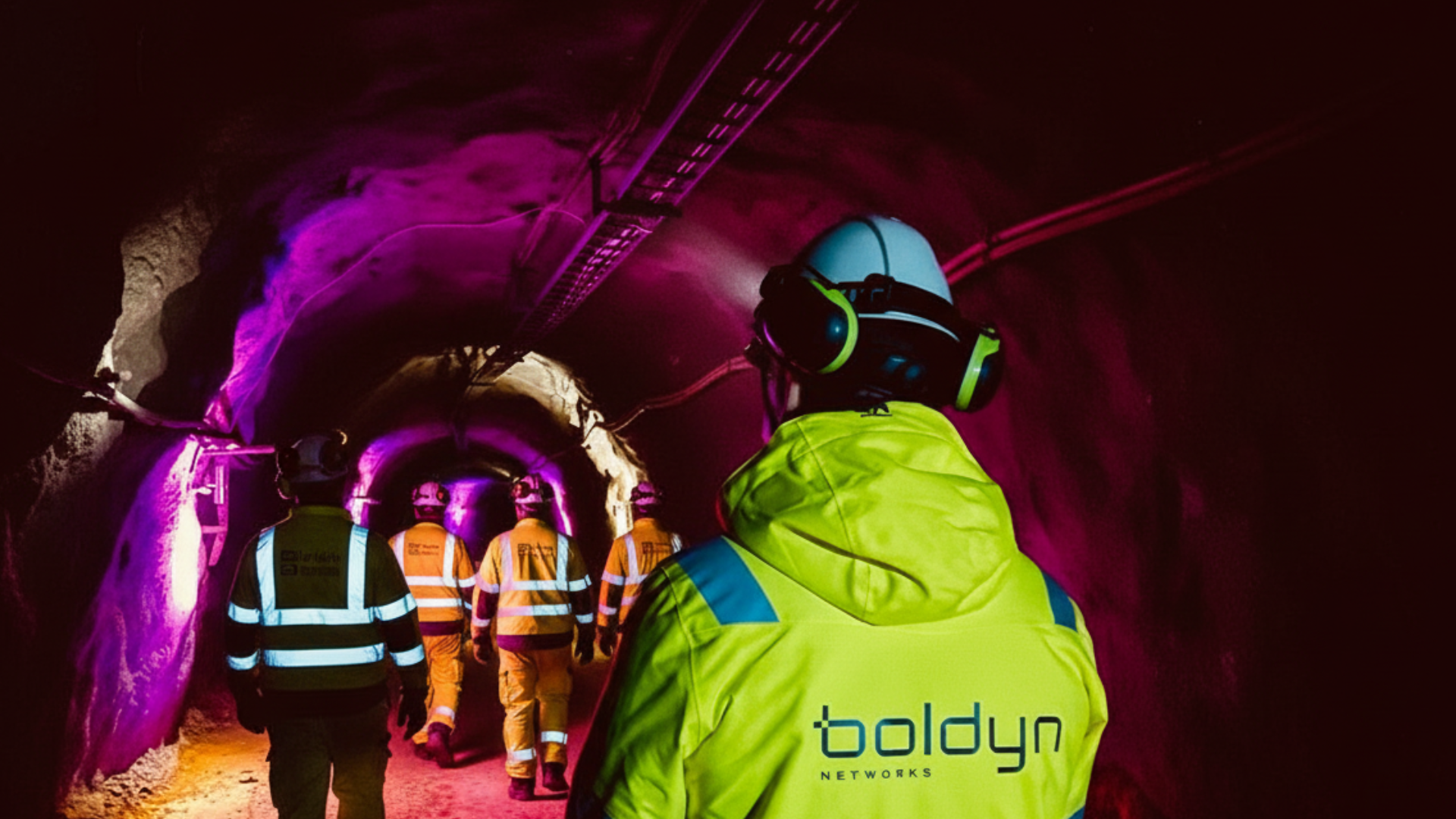
    Boldyn Networks, in collaboration with Nokia, has deployed a private 5G network at the Callio FutureMINE site in Pyhäjärvi, Finland. The project transforms one of Europe’s deepest mines into a next-generation testbed for mining innovation.

    The site, which operated as a copper mine for more than 60 years, now provides a real-world environment for technology companies to trial and validate mining equipment.

    Underground mines present some of the most extreme challenges for communications. Their depth, complex tunnel structures, and harsh conditions make reliable connectivity difficult to achieve. The Boldyn solution, powered by Nokia’s Modular Private Wireless (MPW), is designed to deliver stable, high-performance coverage across multiple underground levels and a tunnel system stretching several kilometres to depths of up to 1.5 kilometres. The network offers ultra-low latency and high bandwidth, enabling the deployment of advanced mining applications that improve safety, automation, and operational efficiency.

    The private 5G system forms the foundation of Callio’s ambition to operate as a fully automated test mine. It enables the remote control of machinery and vehicles from the surface, reducing the need for personnel in hazardous environments while maximising productivity and minimising downtime.

    Several advanced technologies are already being tested at the facility. Automation and tele-remote systems allow autonomous vehicles and equipment to be operated from above ground, supporting safer and more efficient mining. A next-generation voice communication system replaces outdated walkie-talkies with reliable mobile connectivity across all levels of the mine, enhancing coordination and response times.

    In addition, Finnish software firm Cybercube is testing digital twin and real-time positioning technology, which integrates 3D mapping with operational control. This provides continuous visibility of personnel, vehicles, and assets in environments where GPS is unavailable. Such tools improve situational awareness, evacuation planning, and overall safety management.

    The deployment demonstrates how secure, industrial-grade 5G networks can meet the unique demands of mining. By enabling automation, real-time control, and continuous communications, the Callio project showcases how next-generation connectivity can transform underground operations, making them safer, more sustainable, and more efficient.

  • China Tightens Grip on Tajikistan’s Antimony Industry

    China Tightens Grip on Tajikistan’s Antimony Industry

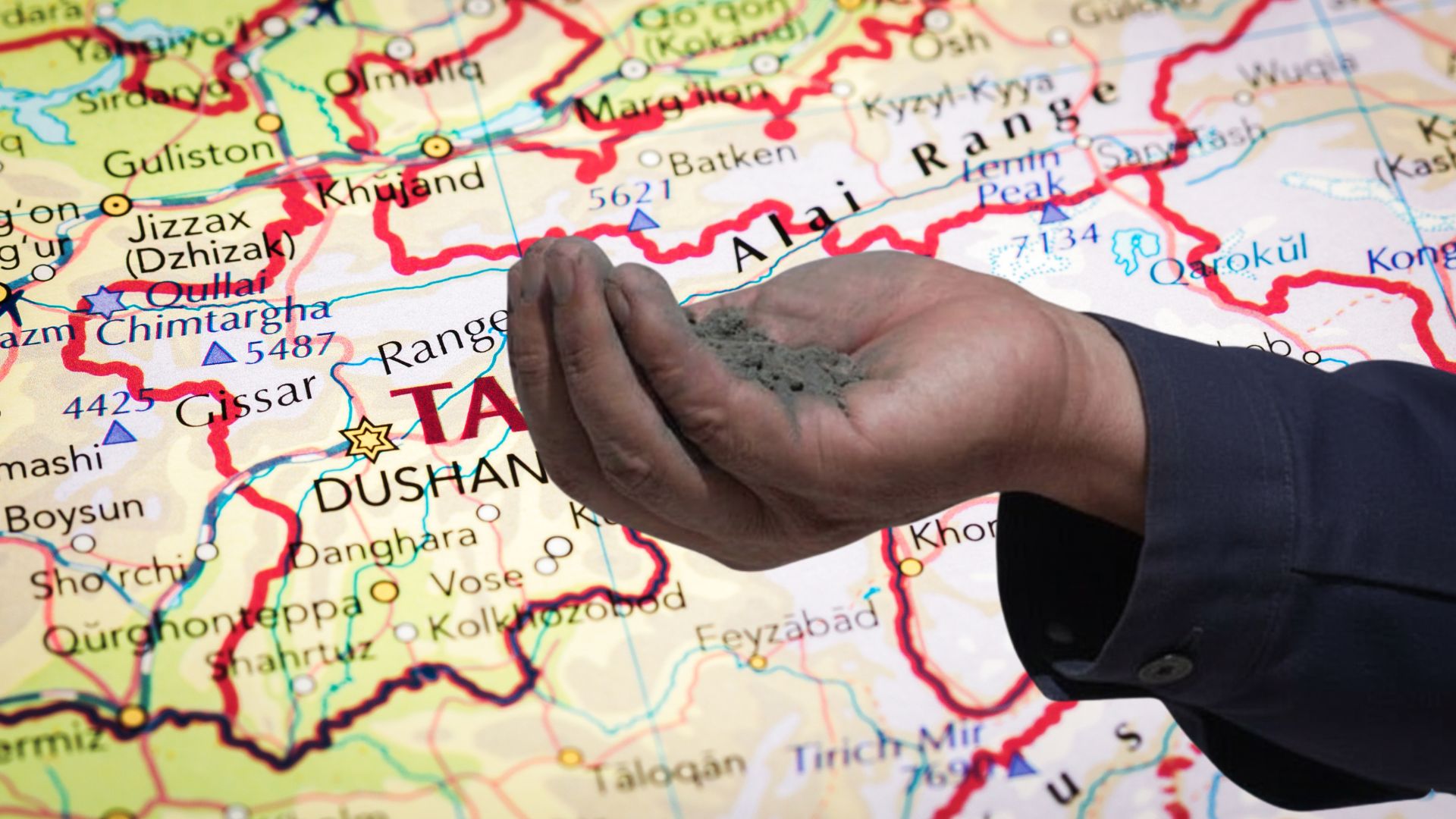
    In Tajikistan’s mountainous heartland, the Soviet-era Saritag antimony mine stands testament to China’s growing influence in Central Asia. Run by the joint venture Talco Gold, a collaboration between Tajik and Chinese companies, the mine produces over 5,000 tonnes of antimony concentrate daily, crucial for many industrial applications. The ore is crushed, ground in large drums, and then separated from the metal using chemical reagents before being dried and bagged as 30% pure antimony. This large-scale operation was made possible by a significant Chinese investment in 2022, which is now being followed by the construction of a new purification plant.

    Pictures of Tajikistan’s long-time President Emomali Rakhmon coexist with portraits of Chinese leader Xi Jinping on posters juxtaposing the country’s past with its present economic reality. While remnants of the Soviet era remain, China has overtaken Russia as the dominant power in the region’s crucial mining sector.

    The full potential of the mine is yet to be unlocked. China’s ambitious $359 million project aims to build a state-of-the-art purification plant on the site, allowing for even greater control over the antimony production chain.

    The Chinese investment, pouring in, signals a strategic move to secure access to vital resources and cement political ties. While offering much-needed economic boost to Tajikistan, it raises concerns about resource dependence and potential environmental consequences.

    This narrative paints a picture of delicate balance: economic prosperity coupled with increasing reliance on a single partner, leaving Tajikistan to navigate the complex landscape of China’s expanding geopolitical footprint in Central Asia.

  • President of Uzbekistan discusses critical minerals partnership with US firms

    President of Uzbekistan discusses critical minerals partnership with US firms

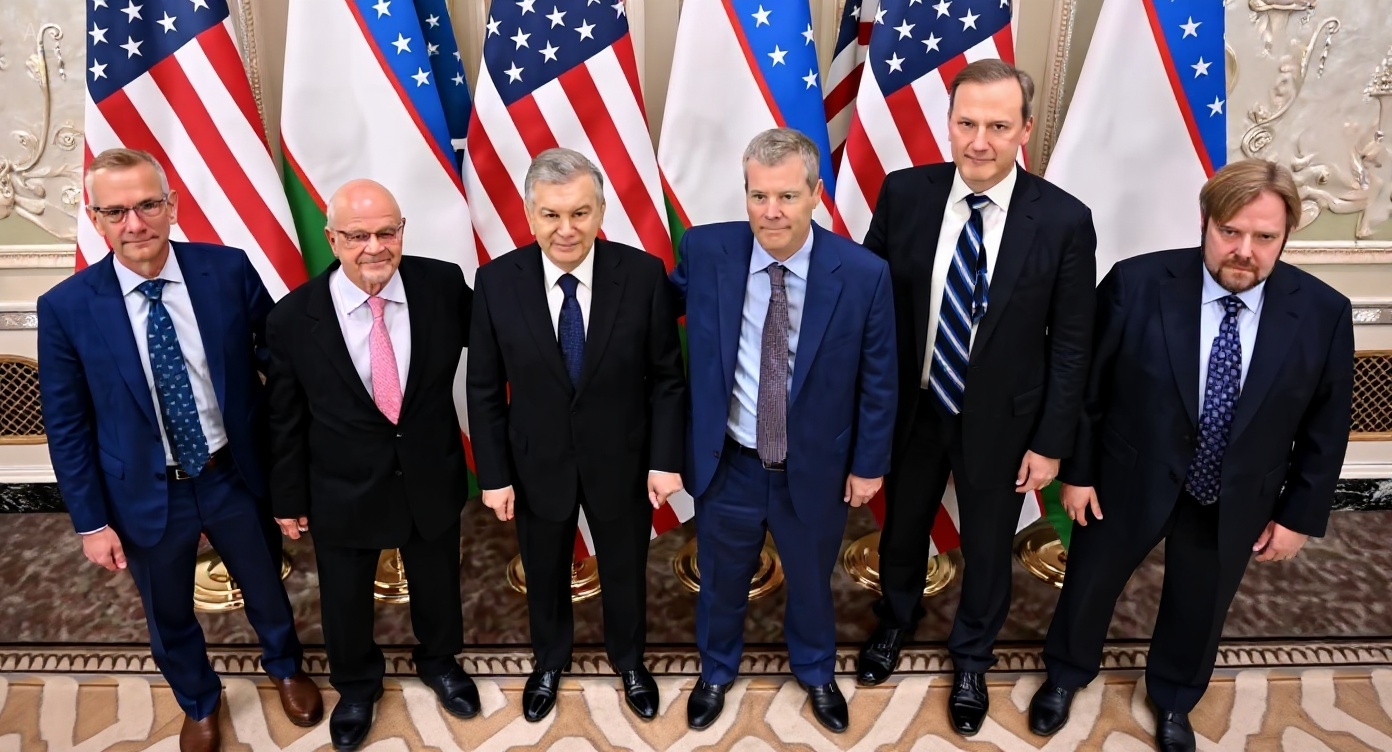
    On 22 September 2025, during his visit to New York, President Shavkat Mirziyoyev of Uzbekistan held a meeting with the heads of major American companies to advance cooperation in the field of critical minerals.

    The meeting focused on reviewing practical aspects of further expanding mutually beneficial cooperation between Uzbekistan and these leading US companies and organisations. The discussions centered on the development of a joint working group and the adoption of a “roadmap” to accelerate projects and prepare new proposals.

    Traxys, one of the world’s leading suppliers of critical raw materials and minerals, has a portfolio of promising projects worth $1 billion in the field of geological exploration and development of deposits. The company has agreed to introduce advanced technologies and expertise in the extraction, processing, and creation of sustainable supply chains of critical minerals.

    The Colorado School of Mines, a leading engineering university for training specialists in the mining industry, is working with Uzbekistan to create a Competence center at the University of Geological Sciences. FLSmidth, engaged in the development of technologies and equipment for the mining and processing industry, is actively involved in the development of the copper industry in Uzbekistan.

    McKinsey, a leading company in the field of management, consulting, and strategic development of enterprises in the mining industry, has developed a strategy with Uzbekistan for the development of the resource base, capacity expansion, and deep transformation of the country’s mining sector. Go Green Partners, specializing in investments in the extraction and processing of critical minerals for “green” energy, plans to conduct geological exploration in promising areas.

    The total capitalization of these companies exceeds $20 billion, demonstrating the significant potential for cooperation between Uzbekistan and these leading American companies. The meeting marked an important step forward in developing a strong partnership between the two nations, with the goal of accelerating projects and preparing new proposals in the sphere of critical minerals.

  • JSW Declares Force Majeure After Fire at Borynia-Zofiówka Mine

    JSW Declares Force Majeure After Fire at Borynia-Zofiówka Mine

    Jastrzębska Spółka Węglowa (JSW), Europe’s largest coking coal producer, has declared force majeure following a fire at its Borynia-Zofiówka mine, forcing the company to revise its 2025 production targets.

    The fire broke out on September 12, 2025, in the Zofiówka section, where endogenous combustion led to the isolation of the C-2 longwall in seam 505/1. This prompted the suspension of operations and an expected shortfall of 156,000 tons of coking coal this year.

    On September 18, JSW’s management board formally announced the force majeure, notifying business partners of potential impacts on contractual deliveries. “As of the date of this report, it is impossible to determine the full impact of the incident on the future prospects of the company and the JSW group,” the company said in a stock exchange filing, adding that further updates will be issued if new information emerges.

    The fire underscores ongoing operational risks for JSW, which remains the EU’s top coking coal supplier to the steel industry. Similar incidents in recent years have raised concerns over production stability and the company’s ability to meet long-term supply commitments.

    Despite the setback, JSW’s future operations received a boost in August when regulators extended its license to extract coal and methane from the Borynia deposit until 2042. The deposit holds nearly 40 million tons of high-quality coking coal and over 80 million cubic meters of methane, ensuring long-term resource security for the mine and the surrounding region.

  • Coal Energy Plans Expansion into Poland and Romania with New Mining Strategy

    Coal Energy Plans Expansion into Poland and Romania with New Mining Strategy

    Coal Energy S.A. (Luxembourg), a company with its core coal assets in Ukraine, has announced plans to expand operations into Poland and Romania as part of its 2025–2027 development strategy. According to the updated plan, published on the Warsaw Stock Exchange, the company aims to diversify its portfolio and increase resilience amid ongoing challenges in Ukraine.

    In Poland, Coal Energy intends to develop the Bobrek-Miechowice deposit, focusing on its western section, with a multi-stage licensing procedure already underway. Romania is also a key target, where the company sees significant potential for anthracite extraction. A draft framework proposal for cooperation in the mining sector has already been submitted to Romanian authorities, and the company expects to take part in official tenders for mining or exploration concessions.

    Despite difficulties in Ukraine, Coal Energy highlighted ongoing potential for mining projects in its licensed territories. The company is also exploring joint ventures with local and international partners.

    Additionally, Coal Energy is launching a subsidiary to provide global consulting services in the field of mineral resources. These services will cover asset valuation, due diligence, partner engagement, and asset transactions. Its first project in this area involves cooperation with the owner of a polymetallic ore deposit in the United States.

    Financially, Coal Energy reported a net loss of $2.13 million in 2024, marking a six-fold improvement compared to the previous year. Revenue nearly tripled to $2.47 million, while gross profit reached $0.79 million, reversing a gross loss of $0.14 million in 2023.

  • Allied Critical Metals Showcases High-Grade Borralha Tungsten Drill Hits; Plans Updated Resource in Q4 2025

    Allied Critical Metals Showcases High-Grade Borralha Tungsten Drill Hits; Plans Updated Resource in Q4 2025

    Allied Critical Metals Inc. (CSE: ACM; OTCQB: ACMIF; FSE: 0VJ0) has released highlighted intercepts from its 2023–2024 drilling at the 100%-owned Borralha Tungsten Project in northern Portugal, ahead of an updated Mineral Resource Report targeted for Q4 2025. The results—previously included in the company’s July 31, 2024 NI 43-101 technical report—cover 3,685 m across 16 holes focused on the Santa Helena Breccia (SHB).

    Notable intercepts include:

    • Bo_Met_01: 106.0 m (true width 80.4 m) @ 0.21% WO₃ from 60.0 m, incl. 5.0 m (3.8 m true) @ 0.60% WO₃.

    • Bo_Met_02a: 23.0 m (21.9 m true) @ 0.53% WO₃ from 62.0 m.

    • Bo_RC_02: 108.0 m (98.3 m true) @ 0.22% WO₃ from 26.0 m, incl. 16.0 m (14.6 m true) @ 0.63% WO₃.

    • Bo_RC_11: 38.0 m (29.5 m true) @ 0.56% WO₃ from 112.0 m, incl. 10.0 m (7.8 m true) @ 1.75% WO₃.

    • Bo_RC_12: 20.0 m (19.3 m true) @ 0.50% WO₃ from 82.0 m, incl. 12.0 m (11.6 m true) @ 0.78% WO₃; plus 2.0 m (1.8 m true) @ 5.79% WO₃ from 182.0 m and 12.0 m (10.8 m true) @ 0.40% WO₃ from 238.0 m, incl. 4.0 m (3.6 m true) @ 1.12% WO₃.

    The company also highlighted a Sept 4, 2025 intercept at Borralha of 12.0 m @ 4.27% WO₃, including 6.0 m @ 8.39% WO₃ from 252.0 m downhole—one of the highest-grade tungsten hits reported in Western exploration, particularly for wolframite mineralization.

    Allied invested ~US$4.1 million in 2023–2024 exploration and is continuing 2025 drilling at SHB, with ~5,700 m from this year expected in the upcoming resource update. Current NI 43-101 resources at Borralha stand at 4.98 Mt @ 0.22% WO₃ (Indicated) and 7.01 Mt @ 0.20% WO₃ (Inferred). Management positions Borralha as a significant undeveloped tungsten asset in the West, potentially offering near-term supply outside China and Russia.

    QA/QC protocols included ALS sample preparation (Seville) and ICP-MS analyses (Loughrea), insertion of certified reference materials and duplicates at 5% each, and re-analysis of over-limit tungsten via W-XRF. The program comprised PQ diamond and RC drilling; core from metallurgical holes was split between Wardell Armstrong (met testwork) and ALS (assay). The scientific and technical information was approved by Qualified Person Vítor Arezes, BSc, MIMMM (QMR), VP Exploration.

    Allied emphasized the processing advantages of wolframite over scheelite—gravity/magnetic separation with lower capex/opex and higher recoveries—supporting project economics at grades typical of Western benchmarks. The company underscores strategic alignment with NATO-friendly supply chains amid concentrated global tungsten production.

  • Uzbekistan and US Expand Critical Minerals Cooperation with $1 Billion Investment

    Uzbekistan and US Expand Critical Minerals Cooperation with $1 Billion Investment

    During his visit to the United States, President of Uzbekistan Shavkat Mirziyoyev reached agreements to establish a joint working group aimed at accelerating existing projects and developing new initiatives in the field of critical minerals, according to the presidential press service.

    A key partner will be Traxys, one of the world’s largest suppliers of raw materials. The parties signed an agreement for exploration and joint development of deposits, with a total investment volume estimated at $1 billion. The deal also includes the transfer of advanced technologies and expertise in mining, processing, and ensuring stable supplies of critical raw materials.

    Plans are also underway to establish a Competence Center at the University of Geological Sciences in Tashkent, in cooperation with the Colorado School of Mines, to train world-class specialists for Uzbekistan’s mining sector.

    In addition, McKinsey has developed a comprehensive strategy for Uzbekistan covering subsoil studies, expansion of the mineral resource base, and deep transformation of the mining industry. Go Green Partners will carry out exploration works at prospective sites.

    Several Uzbek-American project agreements were also signed, including:

    • a joint venture between Technopark LLC and FLSmidth to produce mineral processing equipment;

    • geological exploration on new sites with Cove Capital;

    • cooperation between Yangi Kon LLC and SLB on a drilling project in the Ustyurt oil and gas region.

  • Laramide Resources to Launch 15,000m Drilling Program at Chu-Sarysu Uranium Project in Kazakhstan

    Laramide Resources to Launch 15,000m Drilling Program at Chu-Sarysu Uranium Project in Kazakhstan

    Laramide Resources Ltd. (TSX: LAM; ASX: LAM; OTCQX: LMRXF), a uranium development and exploration company with projects in the United States and Australia, has announced plans to drill approximately 15,000 metres at its Chu-Sarysu Project in Kazakhstan, one of the world’s most prolific uranium-producing regions.

    Over the past year, the company compiled a comprehensive dataset from Kazakhstan’s National Geological Services, supplemented by local contractors. The data includes historical mapping, drilling, geophysical surveys (seismic, electromagnetic, magnetic and gravity), and geochemical results. The review confirmed that Chu-Sarysu is a target-rich environment prospective for uranium, copper, and rare earth elements.

    In 2025, Laramide submitted exploration work plans to the Ministry of Industry and Construction and is finalising the remaining permits needed to proceed. Two local drilling contractors have been selected to carry out the Phase 1 program using multiple rigs, with depths ranging from 50 metres to as deep as 550 metres. The program will begin in Q4 and aims to demonstrate the extent of roll-front hosted uranium mineralisation beyond existing ISR operations, while also testing for copper and rare earths.

    Kazakhstan currently accounts for nearly 40% of global U₃O₈ output, with the Chu-Sarysu and Syr Darya basins producing more than 75% of the country’s uranium. The Chu-Sarysu Basin also has significant copper potential, highlighted by the Dzhezkazgan deposit and ongoing exploration by global miners including Rio Tinto, Fortescue, First Quantum, and Ivanhoe.

    Marc Henderson, Laramide’s President and CEO, described the project as “one of the great greenfield exploration opportunities globally,” noting the supportive investment climate in Kazakhstan. He emphasised that uranium remains the company’s primary focus, with ISR mining offering cost efficiency and environmental benefits, but highlighted the upside potential of copper and rare earths.

    “This inaugural exploration program for Laramide in Kazakhstan is targeting high-grade, large-scale uranium deposits in a basin with existing infrastructure and producing operations,” Henderson said. “We look forward to delivering results that demonstrate the significant potential of this world-class district.”