Website: Eurasia.com

  • Extraction of raw materials could rise 60% by 2060

    Extraction of raw materials could rise 60% by 2060

    The United Nations’ flagship Global Resources Outlook report is the portrait of a juggernaut. Due to be published later this month by the UN’s International Resource Panel, it highlights how global consumption of raw materials, having increased four-fold since 1970, is set to rise by a further 60% by 2060.

    Already, the technosphere — the totality of human-made products, from airports to Zimmer frames — is heavier than the biosphere. From the 2020s onward, the weight of humanity’s extended body — the concrete shells that keep us sheltered, the metal wings that fly us around — have exceeded that of all life on Earth. Producing this volume of stuff is a major contributor to global heating and ocean acidification, and the rapidly accelerating extinction of plants and animals.

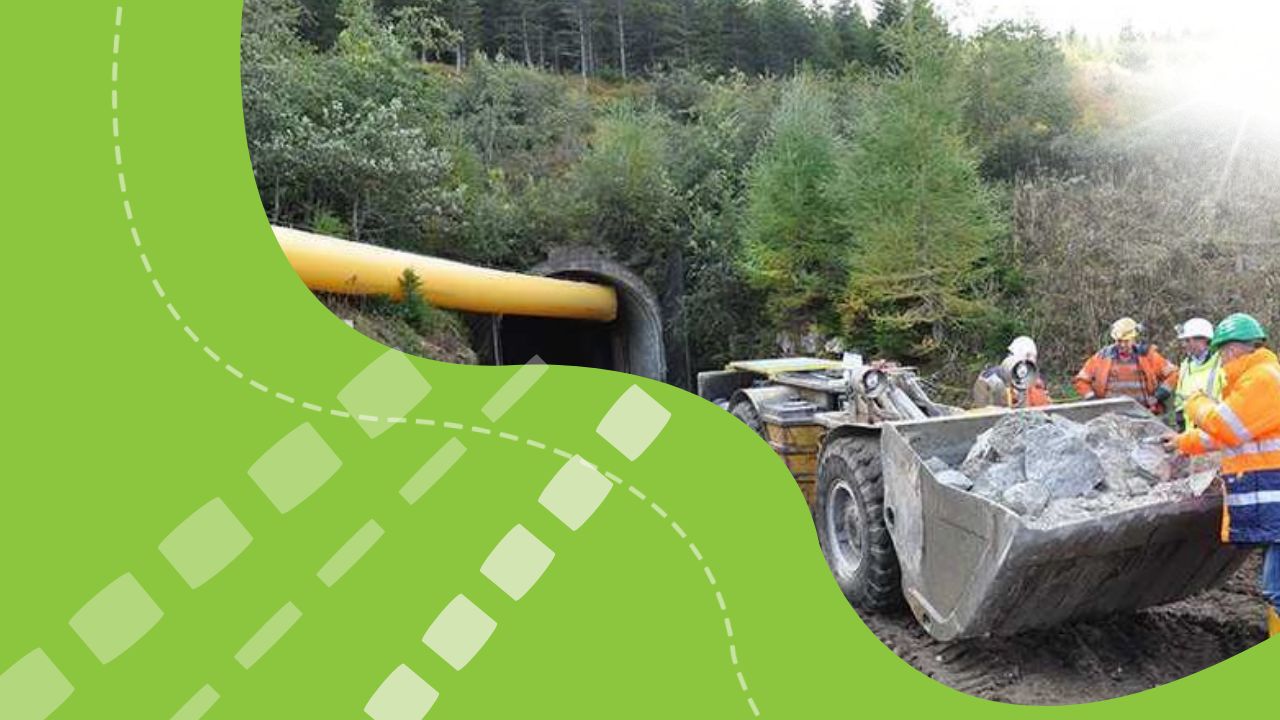
    As the UN report spells out, the extractive activities that lie behind the concrete, metal and other materials we use are disrupting the balance of the planet’s ecosystems. The mining industry requires the annexation of large tracts of land for extraction and transportation; its energy consumption has more than tripled since the 1970s.

    That upward curve is set to continue. The demand for materials is rising, the quality of ores such as copper is declining, and deeper and more remote mines require extra energy for extraction. More seams will be dug and more mountains moved to bring glittering fortunes to some while many regions, above all in developing countries, become sacrifice zones.

    Critical raw materials

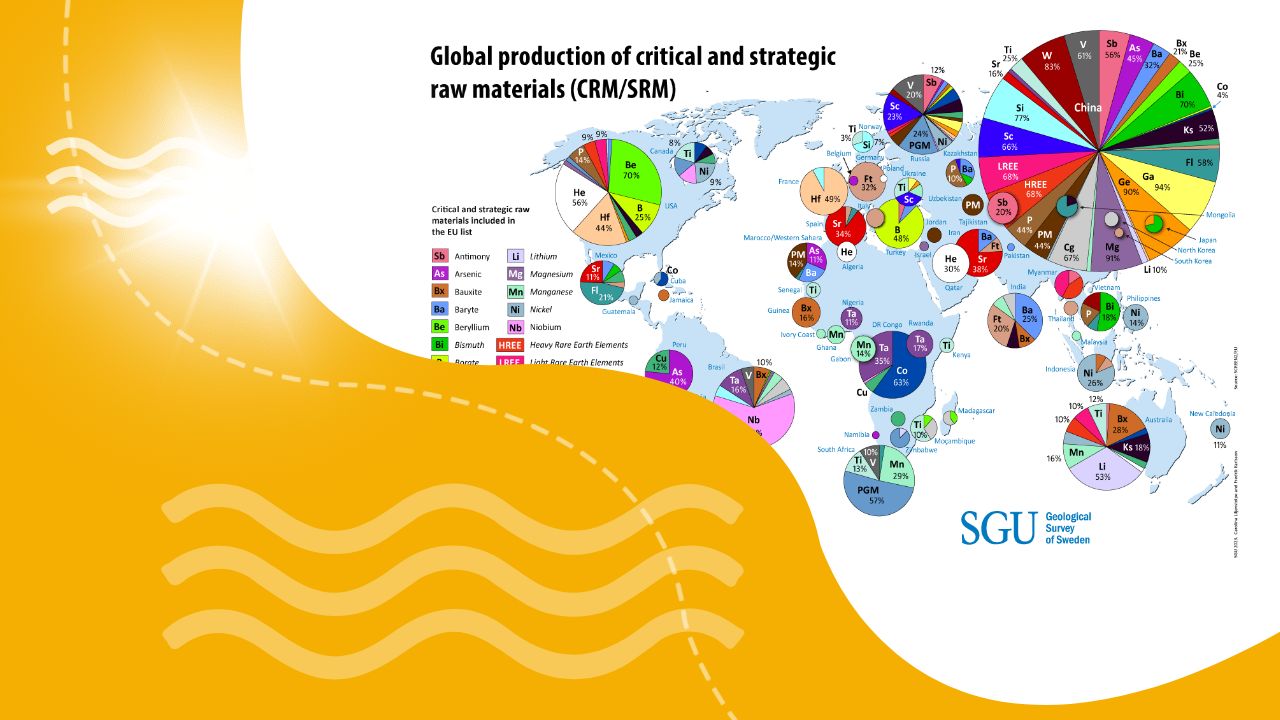
    Attention is increasingly focused on a particular class of material. “Critical” and “strategic” raw materials are those that face supply risk either in their scarcity or their geographical concentration, and which the major powers require for their military sectors and for competitive advantage in tech industries. Right now, the race for critical materials is geopolitical: each major power wants to secure supplies in allied countries.

    Critical raw materials are indispensable to the green transition too. The EU, for example, deems nickel a strategic material in view of its role in batteries.

    A wind turbine can require nine times the mineral inputs of a typical gas-fired power plant, while the average electric vehicle contains between six and ten times those of its conventional counterpart, according to the UN report that is due to be published on February 26.

    None of this means that a green economy would use greater quantities of materials than the current fossil fuel-based one. Energy consumption due to mineral demand for energy transition technologies is dwarfed by that which arises from mineral demand for the rest of the economy.

    Nonetheless, the mineral demand of the energy transition stokes the mining boom in such sectors as copper and lithium.

    Urban mining

    Mining must change in order to reduce its environmental impact. On the supply side, recovering minerals from waste goods can be ramped up, for instance by forcing retailers to offer collections of household electronic waste that can be sent for enhanced recycling.

    There is scope for urban mining: for example, locating copper from inactive underground power cables or recovering elements from construction waste, sewage, incinerator ash and other garbage zones.

    In practice, however, the use of secondary materials relative to newly-extracted ones is declining. The recovery rates of minerals from recycling remain low. Another UN study of 60 metals found the recycling rate for most of them was below one percent.

    The current economic system makes extractive mining cheaper and easier than urban mining. Extractive mining involves the purchase of cheap land, often in developing countries.

    That land gets dug up, pulverised and processed in a simple flow that is amenable to capital-intensive operations. Urban mining by contrast is often labour-intensive and requires a complex and state-enforced regulation of waste streams.

    Urban mining suffers from the refusal of governments to shift taxation from labour to “the use of non-renewable resources”, as Walter Stahel, an originator of the circular economy concept, recommended in 2006. Until robust regulation and taxation is introduced, all forms of circular economy risk unleashing rebound effects.

    So, throwing more materials onto the market lowers prices, which tends to expedite economic growth, raise energy consumption, and proliferate environmental harms. In short, there is nothing intrinsically “green” about urban mining or the circular economy. The progressive potential of all such engineering programmes is governed by the political-economic framework.
  • “Привлекательность инвестиций в горнодобывающую промышленность Казахстана: взгляд изнутри”

    “Привлекательность инвестиций в горнодобывающую промышленность Казахстана: взгляд изнутри”

    Казахстанская палата горнодобывающей промышленности организовала важное событие в столице Казахстана, Астане, 22 февраля 2024 года, собрав лидеров отрасли, представителей правительства и дипломатические миссии для изучения стратегий по улучшению привлекательности инвестиций в развивающемся горнодобывающем секторе Казахстана.

    С ярким призывом к развитию горнодобывающей промышленности Казахстана, прозвучавшим от Президента К. К. Токаева, конференция стала площадкой для обсуждения законодательных рамок, предложений по политике и будущих траекторий, касающихся минерального разведения, горнодобывающих операций и технологии переработки минералов.

    Горнодобывающая промышленность стала одним из ключевых направлений экономической политики Казахстана, привлекая значительное внимание после введения нового “Кодекса Республики Казахстан “О Недрах и Использовании Недр” в 2018 году. Этот кодекс, отличающийся повышенной ясностью и регулятивной эффективностью, заложил основу для восхождения Казахстана в качестве мирового лидера в области добычи минеральных ресурсов — видение, поддержанное Президентом Токаевым и принятое компаниями-участниками Казахстанской палаты горнодобывающей промышленности.

    Конференция, посвященная “Увеличению инвестиционной привлекательности горнодобывающей промышленности Казахстана”, сосредоточилась на обмене опытом и мнениями между ключевыми заинтересованными сторонами, с особым акцентом на разрешении тонкостей Кодекса о Недрах и его предлагаемых поправках, подчеркивая преданность правительства укреплению условий для инвесторов.

    Министр промышленности и строительства Республики Казахстан К. Б. Шарлапаев возглавил конференцию, выступая за упрощение законодательства для усиления привлекательности отрасли. Он представил пакет предстоящих поправок к Кодексу о Недрах, направленных на создание новой эры инвесторских политик, подтвердив, что “комплекс минеральных ресурсов является краеугольным камнем экономического процветания Казахстана”.

    В мероприятии приняли участие заметные представители международных дипломатических миссий, включая послов США, Великобритании и Канады. Их поддержка горнодобывающего сектора Казахстана подчеркнула важность стабильного, прозрачного судебного и налогового режима для привлечения иностранных инвестиций — мнение, подтвержденное отраслевыми деятелями.

    Среди звездных гостей г-н Тим Барри, член Совета директоров Казахстанской палаты горнодобывающей промышленности, подчеркнул ключевую роль разведения меди в удовл

    етворении глобального спроса. Подчеркивая потенциал Казахстана как значимого игрока на мировом рынке меди, Барри подчеркнул необходимость благоприятных правительственных политик для стимулирования вхождения и развития на рынке.

    Панельные сессии касались законодательных рамок, формирующих инвестиционную динамику, а также геологических и экологических аспектов, влияющих на инвестиционные решения. Г-н Баймышев Р.Н., Президент Казахстанской палаты горнодобывающей промышленности, высоко оценил приток глобальных инвесторов, подчеркнув привлекательность Казахстана как ключевого направления для минерального разведения.

    В стремлении наметить стратегический план развития горнодобывающей промышленности г-жа Бижанова Г.К., заместитель председателя правления НЭК “Атамекен”, подчеркнула необходимость разработки стратегии отрасли. Она подчеркнула необходимость согласованности между законодательными мерами и бизнес-стратегиями для содействия устойчивости и роста отрасли.

    Конференция завершилась обобщением от г-на Алмаса Кушумова, директора отдела Министерства промышленности и строительства Республики Казахстан, о предстоящих поправках в Кодекс “О Недрах и Использовании Недр в РК” и положительном приеме проведенных недавно электронных аукционов.

    Прощаясь, генеральный директор компании East Star Resources, Алекс Уокер, подчеркнул продолжающееся сотрудничество между игроками отрасли и правительственными органами в условиях изменяющегося законодательного регулирования. Несмотря на вызовы, Казахстан остается плодородным полем для исследовательских усилий, подкрепленных общей решимостью и сотрудничеством.

    Собрав более 160 участников, конференция подтвердила привлекательность Казахстана в качестве инвестиционного направления, способного поднять горнодобывающую промышленность на новый уровень процветания и устойчивости.

  • “Driving Investment in Kazakhstan’s Mining Industry”: Astana Conference Recap

    “Driving Investment in Kazakhstan’s Mining Industry”: Astana Conference Recap

    The Kazakhstan Chamber of Mines orchestrated a pivotal event in Astana, the capital of Kazakhstan, on February 22nd, 2024, convening industry leaders, government representatives, and diplomatic missions to delve into strategies for enhancing investment attractiveness within Kazakhstan’s burgeoning mining sector.

    With a resounding call for the advancement of Kazakhstan’s mining industry echoing from President K. K. Tokayev, the conference served as a nexus for dialogue on legislative frameworks, policy propositions, and future trajectories pertinent to mineral exploration, mining operations, and mineral processing technology.

    A cornerstone of Kazakhstan’s economic agenda, the mining industry has garnered significant attention following the introduction of the new “On Subsoil and Subsoil Use” Code in 2018. This legislation, marked by enhanced clarity and regulatory efficiency, lays the groundwork for Kazakhstan’s ascent as a global leader in mineral resources extraction—a vision championed by President Tokayev and embraced by member companies of the Kazakhstan Chamber of Mines.

    The conference, themed “Increasing investment attractiveness in Kazakhstan’s mining industry,” centered on the exchange of insights and experiences among key stakeholders, with a particular emphasis on navigating the nuances of the Subsoil Use Code. Deliberations also revolved around proposed amendments to the Code, underscoring the government’s commitment to fortifying conditions for investors.

    Minister of Industry and Construction of the Republic of Kazakhstan, K.B. Sharlapayev, spearheaded the conference, advocating for legislative simplification to bolster industry appeal. He unveiled a forthcoming package of amendments to the Subsoil Code, poised to usher in a new era of investor-friendly policies, affirming, “The mineral resource complex stands as the linchpin of Kazakhstan’s economic prosperity.”

    The event drew notable attendance from international diplomatic missions, including the Ambassadors of the United States, Great Britain, and Canada. Their endorsement of Kazakhstan’s mining sector underscored the imperative of a stable, transparent judicial and tax regime in attracting foreign investments—a sentiment echoed by industry luminaries.

    Among the luminaries, Mr. Tim Barry, Advisory Board Member of the Kazakhstan Chamber of Mines, underscored the pivotal role of copper exploration in meeting global demand. Highlighting Kazakhstan’s potential as a significant player in the global copper market, Barry emphasized the need for conducive governmental policies to facilitate market entry and development.

    Panel sessions delved into legal frameworks shaping investment dynamics and the geological and environmental factors influencing investment decisions. Mr. Baymishev R.N., President of the Kazakhstan Chamber of Mines, lauded the influx of global investors, accentuating Kazakhstan’s appeal as a prime destination for mineral exploration.

    In a bid to chart a strategic roadmap for the mining industry’s future, Mrs. Bizhanova G.K., Deputy Chairman of the Board of NCE “Atameken,” underscored the imperative of industry strategy development. She underscored the need for coherence between legislative measures and business strategies to foster industry resilience and growth.

    The conference concluded with reflections from Mr. Almas Kushumov, Director of the Department of the Ministry of Industry and Construction of the Republic of Kazakhstan, shedding light on forthcoming amendments to the Subsoil Code and the positive reception garnered by recent electronic auctions.

    As participants bid farewell, East Star Resources CEO Alex Walker accentuated the ongoing collaboration between industry players and government entities in navigating the evolving regulatory landscape. Despite challenges, Kazakhstan remains a fertile ground for exploration endeavors, underpinned by shared determination and collaboration.

    With over 160 participants converging at the conference, the resounding sentiment affirmed Kazakhstan’s allure as an investment destination poised to propel the mining industry into a new era of prosperity and sustainability.

  • Токаев посетил стратегически важное предприятие титановой промышленности

    Токаев посетил стратегически важное предприятие титановой промышленности

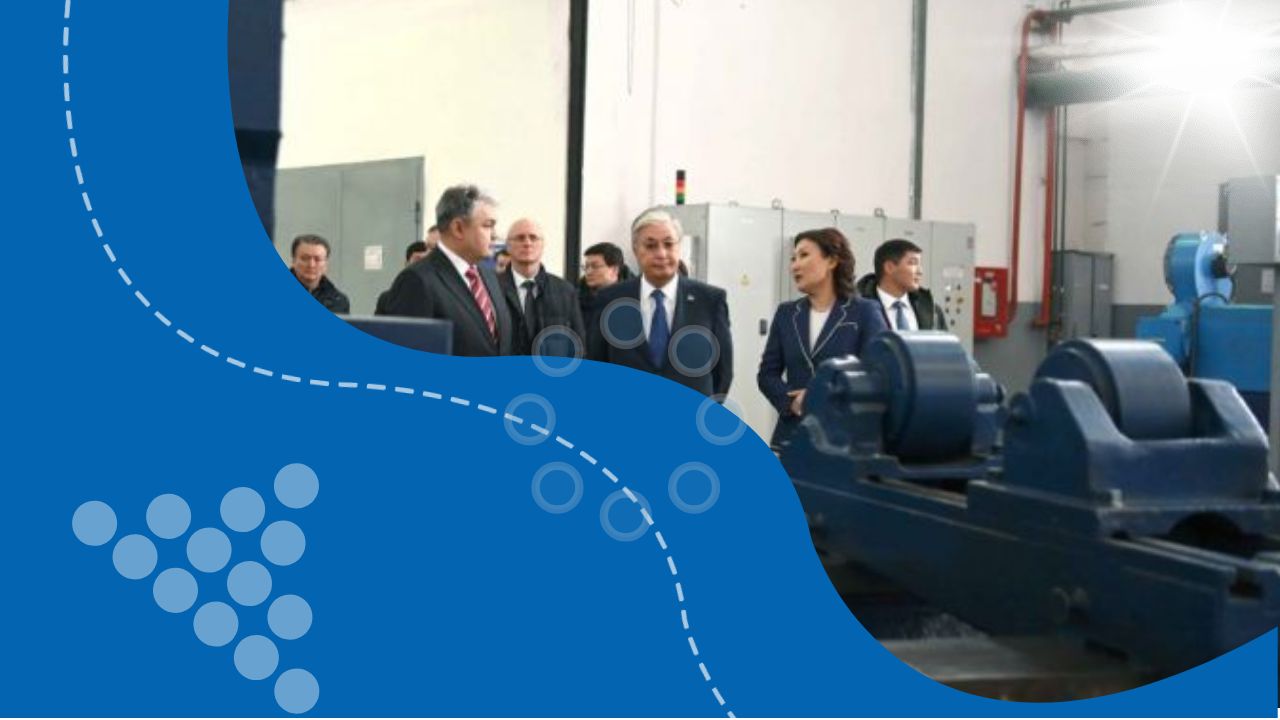
    Президент посетил Усть-Каменогорский титано-магниевый комбинат и узнал о его производстве и перспективах развития. Казахстанский титан экспортируется в разные страны мира и используется в различных отраслях, включая авиацию и судостроение. Об этом сообщает Optimism.kz.

    Глава государства посетил Усть-Каменогорский титано-магниевый комбинат, сообщает Optimism.kz. Президент был проинформирован о текущем состоянии производства и планах дальнейшего развития этого предприятия. Комбинат является одним из ведущих производителей титана в мире, производящим все этапы производства – от добычи сырья до выпуска готовой продукции. Продукция комбината сертифицирована рядом мировых производителей и экспортируется в различные страны, включая США, Великобританию, Францию, Китай и другие. Комбинат также планирует провести 25 инвестиционных проектов на сумму 207 млрд тенге в ближайшие десятилетия. Глава государства посетил производственные цеха и общался с работниками комбината, выразив им пожелания успехов в работе.

    Заключение

    В ходе посещения Усть-Каменогорского титано-магниевого комбината, президенту была предоставлена информация о производстве и перспективах развития предприятия. Комбинат является одним из крупнейших производителей титана в мире, а его продукция сертифицирована ведущими мировыми компаниями. В ближайшие десятилетия планируется реализация крупных инвестиционных проектов. Глава государства выразил признание передовым технологиям и успехи предприятия, подчеркнув важность таких компаний для страны.

  • President of Kazakhstan Tokayev visited a strategically important titanium industry enterprise

    President of Kazakhstan Tokayev visited a strategically important titanium industry enterprise

    The President visited the Ust-Kamenogorsk titanium-magnesium plant which is exporting its products to aerospace, shipbuilding and other industries around the world. t

    The President was informed about the current state of production and plans for further development of this enterprise. The plant is one of the leading titanium producers in the world, performing all stages of production – from the extraction of raw materials to the production of finished products. The plant’s products are certified by several global manufacturers and are exported to various countries, including the USA, Great Britain, France, China and others. The plant also plans to carry out 25 investment projects worth 207 billion tenge in the coming decades. The head of state visited the production shops and spoke with the plant’s employees, expressing his wishes for success in their work.

  • Anglo American’s Woodsmith Mine Project: A Monumental Undertaking

    Anglo American’s Woodsmith Mine Project: A Monumental Undertaking

    In the heart of Yorkshire’s North York Moors National Park, a colossal venture is underway, captivating the attention of mining magnate Duncan Wanblad. Leading the charge for Anglo American, Wanblad finds himself at the helm of the ambitious Woodsmith fertiliser mine project, nestled near the coastal town of Whitby.

    Boasting unparalleled dimensions, the project unveils the largest polyhalite deposits globally, concealed beneath the picturesque countryside. With mine shafts delving a mile deep and engineers carving out a 23-mile transport tunnel, the scale of operations is nothing short of monumental.

    Yet, amid the grandeur lies a daunting reality. The project’s expenses have skyrocketed, far surpassing initial estimates since Anglo American’s acquisition of Woodsmith Mine owner Sirius Minerals in 2020. With expenditures already exceeding £2 billion and projections pointing towards a total bill of at least £7 billion, Wanblad faces mounting scrutiny over the venture’s viability.

    In Wanblad’s own words, the Woodsmith project embodies both promise and peril, encapsulating the spirit of ambition and risk inherent in the mining industry’s pursuit of monumental endeavors.

  • Indonesia’s Nickel Dominance: The Rise of Low-Cost Suppliers and the Global Market Shake-Up

    Indonesia’s Nickel Dominance: The Rise of Low-Cost Suppliers and the Global Market Shake-Up

    Indonesia’s low-cost nickel suppliers will wipe out rivals in the next few years, cementing the country as the world’s dominant producer of the metal vital to electric car batteries, the head of French miner Eramet has warned.

    The south-east Asian nation could end up accounting for more than three-quarters of the world’s highest class of pure nickel in five years from now, Christel Bories told the Financial Times, with radical consequences for competitors elsewhere.

    “It has really made a big part of the old traditional players structurally non-competitive for the future,” Bories said. “This part of the industry will either disappear or be subsidised by governments.”

    She added: “The uncompetitive mines elsewhere will close. I’m not sure there will be so many governments deciding to subsidise big production with a lot of money just to compete with Indonesia production.”

    The major shift in the market and tumbling nickel prices have already affected mining companies such as BHP, IGO and First Quantum, which have cut production and shut down mines in Western Australia.

    Eramet sits on both sides of the fence, with operations in Indonesia’s Weda Bay, the world’s largest nickel mine, as well as New Caledonia through its subsidiary Société Le Nickel.

    Bories’ comments come as Eramet wrangles with the French government — a holder of 27 per cent of its shares — on a solution for lossmaking SLN nickel facilities, which the group has refused to fund further.

    She said the company was close to finding a way to rearrange the loans offered to SLN by Paris so that they would no longer affect Eramet’s debt ratios, through either a different method of consolidation or quasi-equity loans.

    The nickel crisis has become so severe that Glencore has announced plans to sell its stake in the Koniambo mine in New Caledonia after making losses on the asset for more than a decade. Commodity trader Trafigura is also locked in negotiations with the French government over Prony Resources, the third major nickel producer in the territory.

    Bories said Eramet would continue to operate its mine for now but would “never” contemplate other nickel investments, including rescuing Koniambo.

    Nickel prices have dived more than 30 per cent to $17,462 a tonne in the past year after two years of elevated prices. Few bet against the glut disappearing any time soon as Chinese companies continue to plough investment into Indonesia’s resources.

    “There’s a serious structural challenge as a result of Indonesian nickel,” said Duncan Wanblad, chief executive of Anglo American, which has nickel mines in Brazil. “That is certainly putting cost pressure on most of the other ferronickel businesses that exist in the world today.”

    This week Eramet reported an 85 per cent slide in net income for 2023 to €109mn, including a €218mn impairment on SLN.

  • European Leaders Discuss Critical Raw Materials in Clean Transition Dialogue

    European Leaders Discuss Critical Raw Materials in Clean Transition Dialogue

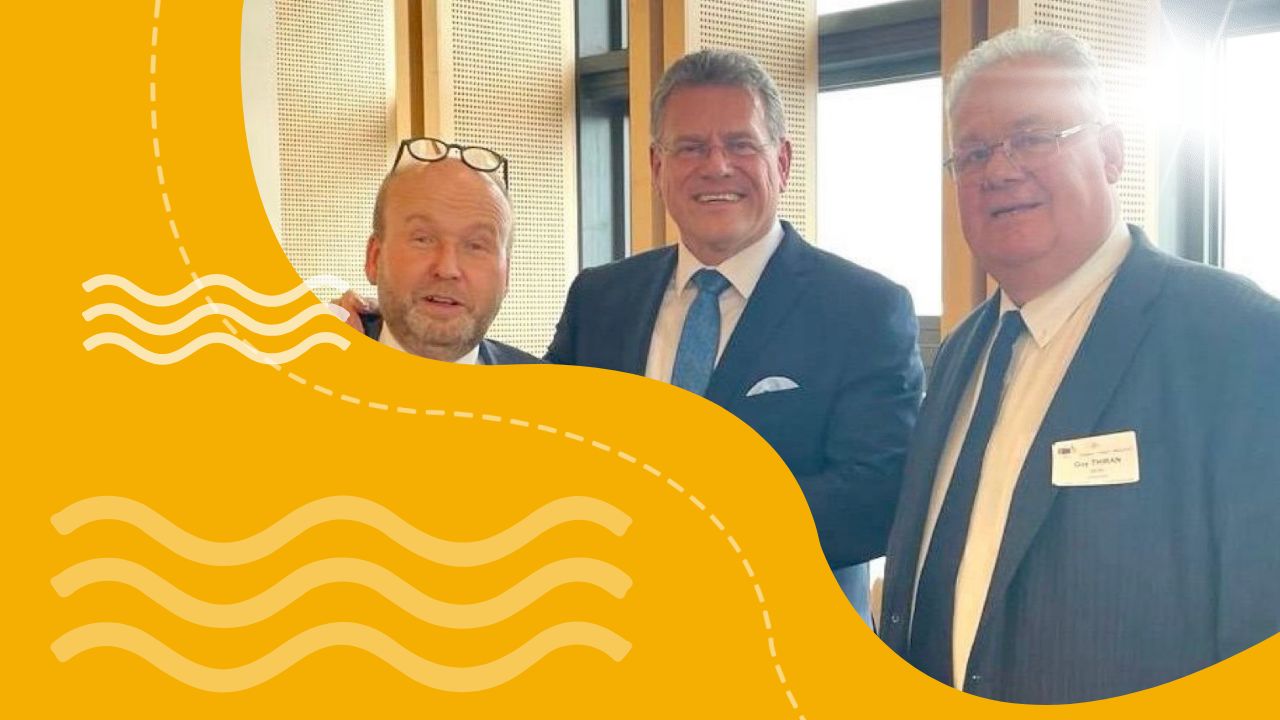
    Among the participants was Guy Thiran, Director General of Eurometaux, who joined fellow raw materials leaders to explore strategies for fortifying Europe’s energy transition, which heavily relies on metals, emphasizing the twin pillars of security and sustainability.

    Highlighting Europe’s robust industrial foundation, Thiran pointed to over 70 ongoing projects spanning the metals supply chain, from mining and processing to recycling, boasting a world-leading environmental footprint.

    The focus now shifts towards advancing these projects in alignment with the Critical Raw Materials Act 2030 production goals while revitalizing existing operations.

    Thiran outlined five key EU actions discussed during the dialogue:

    1. Delivering EU Finance: Urgent provision of EU finance to stimulate raw materials investment and narrow the competitiveness gap with global counterparts, with particular emphasis on mid-stream processing.
    2. Energy-Intensive Industries Link: Strengthening the connection with prior dialogues on energy-intensive industries, recognizing the pivotal role of a globally competitive energy supply in Europe’s raw materials success.
    3. Unified Policy Approach: Addressing unintended bottlenecks stemming from other EU legislation, such as chemicals or water, through a unified policy approach.
    4. Enhanced Recycling: Scaling up metals recycling rates through improvements in collection, sorting, and shipment processes to support top-tier recyclers on a level playing field.
    5. Responsible Global Mining Financing: Providing financing for responsible global mining projects led by European companies to prevent the monopolization of resource-rich regions by foreign powers.

    The discourse underscores a shift towards proactive engagement by the European Commission, as evidenced by recent events like the Antwerp Industry Summit and the Clean Transition Dialogues, signaling a renewed focus on business engagement and stakeholder mobilization.

    As discussions conclude, the call to action resonates clear – it’s time to translate dialogue into tangible progress and deliver the significant strides necessary for Europe’s clean transition journey.

  • Navoi Mining and Metallurgical Company Hosts Press Conference on Digitalization Achievements and Future Plans

    Navoi Mining and Metallurgical Company Hosts Press Conference on Digitalization Achievements and Future Plans

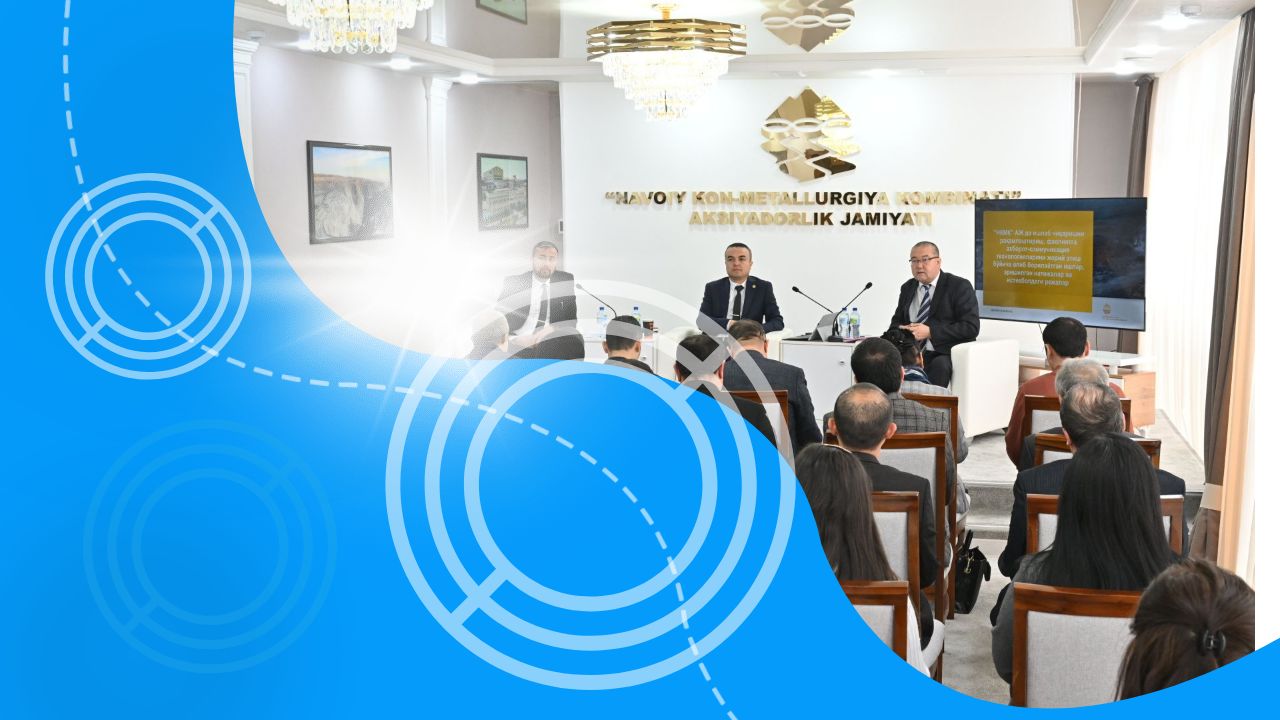
    As part of Uzbekistan’s “Digital Uzbekistan 2030 strategy,” NMMC has been actively integrating modern IT solutions into its operations. Over the past three years, the company’s IT Department has developed more than 20 information systems, effectively addressing around 200 production and management tasks. Notably, between 2021 and 2023, NMMC undertook over 40 initiatives to embed digital technologies across its production and management processes.

    In 2023, a pivotal milestone was reached with the establishment of a unified situational production control center at the Central Mining Administration. Situated at Hydrometallurgical plant №2, this center is tasked with overseeing and managing various processes including geological exploration, ore mining, transportation, and processing.

    NMMC’s dedication to digital innovation earned recognition at ICTWeek Uzbekistan 2023, where it secured the top position in the “Best enterprise for the implementation of digital technologies” category, with an impressive score of 95.2 points.

    Looking ahead to 2024, NMMC is set to embark on nine major projects aimed at automating production and management processes, in collaboration with the Boston Consulting Group. A substantial budget of 253.6 billion soums has been allocated for these initiatives, facilitating enhancements to existing information systems such as enterprise resource management (ERP) and transport management, alongside the introduction of four new systems including personnel management (HCM), business analysis for procurement management (BI), project management, and digitalization of ecology and environmental protection (ESG).

    Moreover, the company is prioritizing the training and development of its workforce, with 405 employees slated to enhance their skills, alongside an additional 40 specialists who will undergo training via international educational platforms, focusing on IT within the mining industry.

    The extensive adoption of IT within NMMC not only promises heightened efficiency and quality of work but also underscores efforts to mitigate human error, reduce costs, and prevent production downtimes.

  • New ‘water batteries’ safer and cheaper than lithium-ion

    New ‘water batteries’ safer and cheaper than lithium-ion

    RMIT has led a global team of researchers and industry partners in the development of a new recyclable ‘water battery’ that is expected to be much safer than lithium-ion batteries.

    Lithium-ion energy storage dominates the market due to its technological maturity, but its suitability for large-scale grid energy storage is limited by safety concerns with the volatile materials inside.

    Professor at RMIT’s School of Science and lead researcher, Tianyi Ma, said that their batteries were at the cutting edge of an emerging field of aqueous energy storage devices, with breakthroughs that significantly improve the technology’s performance and lifespan.

    “What we design and manufacture are called aqueous metal-ion batteries – or we can call them water batteries,” said Prof Ma.

    The team uses water to replace organic electrolytes – which enable the flow of electric current between the positive and negative terminals – meaning their batteries can’t start a fire or blow up, unlike their lithium-ion counterparts.

    “Addressing end-of-life disposal challenges that consumers, industry and governments globally face with current energy storage technology, our batteries can be safely disassembled and the materials can be reused or recycled.

    “The simplicity of manufacturing processes for the water batteries helped make mass production feasible.

    “We use materials such as magnesium and zinc that are abundant in nature, inexpensive and less toxic than alternatives used in other kinds of batteries, which helps to lower manufacturing costs and reduces risks to human health and the environment.”

    Energy-storage and life-cycle potential

    The team has made a series of small-scale trial batteries for numerous peer-reviewed studies to tackle various technological challenges, including boosting energy storage capacity and the lifespan.

    In their latest work, published in Advanced Materials, they’ve triumphed over a major challenge – the growth of disruptive dendrites, which are spiky metallic formations that can lead to short circuits and other serious faults.

    The team coated affected battery parts with a metal called bismuth and its oxide (otherwise known as rust) as a protective layer that prevented dendrite formation.

    “Our batteries now last significantly longer – comparable to the commercial lithium-ion batteries in the market – making them ideal for high-speed and intensive use in real-world applications.

    “With impressive capacity and extended lifespan, we’ve not only advanced battery technology but also successfully integrated our design with solar panels, showcasing efficient and stable renewable energy storage.”

    The team’s water battery is closing the gap with lithium-ion technology in terms of energy density, with the aim of using as little space per unit of power as possible.

    “We recently made a magnesium-ion water battery that has an energy density of 75 watt-hours per kilogram (Wh/kg) – up to 30 per cent that of the latest Tesla car batteries.”

    This research is published in Small Structures.

    “The next step is to increase the energy density of our water batteries by developing new nano materials as the electrode materials.”

    Prof Ma said that magnesium was likely to be the material of choice for future water batteries.

    “Magnesium-ion water batteries have the potential to replace lead-acid batteries in the short term – like one to three years – and to potentially replace lithium-ion batteries in the long term, five to ten years from now.

    “Magnesium is lighter than the alternative metals, including zinc and nickel, has a greater potential energy density and will enable batteries with faster charging times and better capability to support power-hungry devices and applications.”

    Potential applications 

    Prof Ma said that the team’s batteries were well suited for large-scale applications, making them ideal for grid storage and renewable energy integration – especially in terms of safety considerations.

    “As our technology advances, other kinds of smaller-scale energy storage applications such as powering people’s homes and entertainment devices could become a reality.”

    As part of an ARC Linkage project, Prof Ma’s team is continually developing their water batteries in collaboration with industry partner GrapheneX, a tech innovator based in Sydney.

    “We also collaborate closely with researchers and experts from renowned universities and research institutions in Australia, the US, the UK, Japan, Singapore, China and elsewhere.

    “These collaborations facilitate knowledge exchange and access to cutting-edge facilities. By drawing on this global team’s expertise in different areas, we can tackle the complex challenges involved from various angles.”