
In the first quarter of 2024, Uzbekistan plans to utilize foreign investments worth $7.2 billion. The government of the republic adopted a resolution to this effect on February 14. Out of this amount, approximately $1.7 billion may be attracted by the Ministry of Energy, AGMK — $331 million, and Uzbekneftegaz JSC — $254.1 million. Among the regions, Tashkent leads with $428 million, followed by Namangan and Fergana regions with $329.4 million and $327 million respectively. According to the Central Bank of Uzbekistan, in 2023, foreign investors invested $7.2 billion in the economy of our country. Foreign investments in the republic doubled in one year. Earlier, “Kursiv” reported that last year, Uzbekistan attracted international loans worth $2.8 billion.
Website: Eurasia.com
-
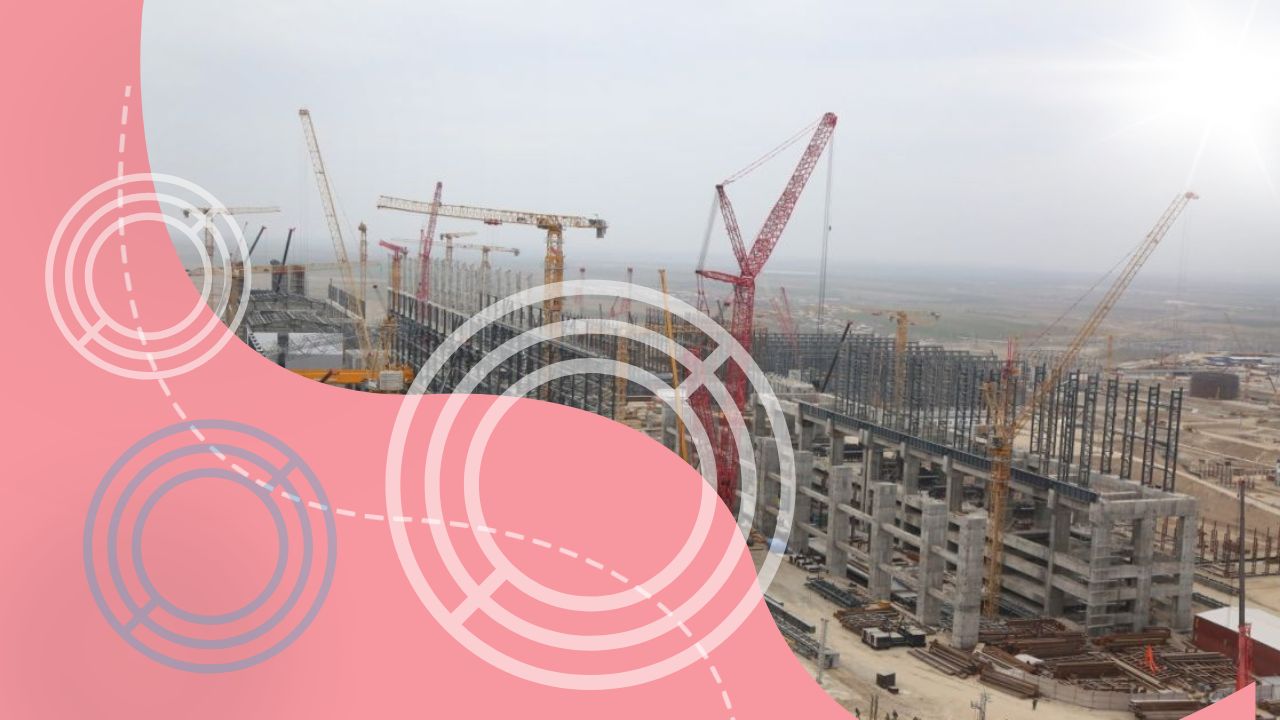
The future of the plant. How AGMK is implementing a major investment project to increase copper production
Environmental trends create potential demand for copper, which is one of the main components of all these innovations. Today, the “new economy” already consumes 1.6 million tons of this metal. Against the backdrop of energy crises and the rising cost of energy resources, analysts argue that the demand, and consequently the prices for copper, will only continue to rise. They forecast that by 2030 the world will need 40% more copper than is mined today. All this adds up to an excellent opportunity for copper mining companies. Global leaders in this industry are actively modernizing their production, introducing advanced technologies that allow working with poor ores and copper slag to meet this growing demand with supply. The domestic copper producer, the Almalyk Mining and Metallurgical Combine, also has grand plans. Today, four investment projects are successfully being implemented here. One of the key projects is the development of the “Yoshlik” deposit worth almost $5 billion. The project involves the implementation of a whole complex of measures that will enable the enterprise to produce 400,000 tons of cathode copper per year by 2030 and become one of the world’s leading producers of this metal. This will not only secure the company’s future but also provide a powerful impetus for the development of the domestic economy: new production facilities will provide jobs for tens of thousands of people, increase tax revenues to the budget, while the combine already ranks as the second-largest taxpayer in the republic. As part of the investment project, the construction of three new copper beneficiation plants, a copper smelting complex, modernization of existing facilities, and the consolidation of two deposits of the combine – “Kalmakyr” and “Yoshlik” are planned. This project is considered one of the top 10 largest global projects in the metallurgy sector. Intensive open-pit mining operations are currently underway at the “Yoshlik” deposit. To reach the ore layer and prepare the quarry for further mining, around 180 million cubic meters of rock mass have been removed from here. To carry out massive mining works, new mining equipment has been acquired, and some transportation has also been outsourced. “We recently received two new locally assembled dump trucks with a payload of over 220 tons. In total, under the contract with a domestic company, the delivery of five such machines is expected, the rest will be delivered by March. We will use them for open-pit mining operations, and then for ore mining,” said Kamoliddinjon Marahimov, deputy chief engineer for mining operations. In addition, the combine is introducing a new cyclic-flow technology (CFT) for transportation. Several crushing-conveyor complexes will be built on the quarry site. In particular, two will be involved in transporting empty rock to the dumps, and two more – in shipping ore to the concentrator plants No. 3 and 4. It is worth reminding that in November of last year, the combine already launched one of the crushing and loading nodes for the third factory in test mode. Crushing units and 4-kilometer conveyors from Denmark, which have repeatedly proven their reliability and efficiency at numerous enterprises around the world, are installed here. These technologies will be used for primary crushing and transporting ore via conveyors instead of railway transport to ore warehouses. Overall, this solution will triple transportation costs and operational expenses. The third in line The investment project involves the construction of three copper beneficiation plants (CBP). Since 2021, active work has been underway to erect CBP-3. Today, this truly grandiose facility is at the stage of final construction and installation works. It is worth noting that Wood (Italy) and UZLITI Engineering (Uzbekistan) were involved in the design of CBP-3, Technip Energies (France) conducted the technical evaluation and acceptance of the basic project documentation, and Worley (UK) is supervising the construction. To ensure the timely launch of the factory, today, on the construction site of CBP-3 with a total area of 196 thousand square meters, more than 1000 pieces of equipment are involved, and a 15-thousand-strong international team of the general contractor Enter Engineering is working daily. The new facility will be equipped with the most modern equipment from leading manufacturers of mining and beneficiation equipment, such as AUMUND (Germany), Thyssenkrupp (Germany), Weir Minerals (UK), Sepro Minerals-Falcon (Canada), Metso (Finland), and others. In particular, for the first time at AGMK, the HPGR (High-Pressure Grinding Rolls) technology of semi-autogenous mills will be applied. This will reduce operating costs by 30% and achieve the minimum payback period for the introduced technology. Most of the large-sized equipment has already been installed and is ready for commissioning. The remaining part is at the stage of completing installation works. The activity of the factory will be fully automated, which will reduce the impact of the human factor on production processes, increase the quality of the products, and reduce emergency situations. The automation of the technological process will be based on modern software and hardware used in the practice of global manufacturers like ABB (Switzerland) and Siemens (Germany). The technological process at CBP-3 will be controlled from a centralized dispatch center, the construction of which is currently being completed. 1200 automation cabinets will be installed in the factory’s units. According to Alexander Kuznetsov, the head of the production facilities of the CBP-3 project, the first production lines of the factory will start operating soon. “We are making every effort to commission the facility on time. The commissioning of the facility will be carried out step by step. By the end of the year, we plan to obtain the first commercial concentrate. When reaching the full design capacity, the factory will process 60 million tons of ore annually,” he noted. It is worth noting that today the combine processes more than 40 million tons of ore annually. Thus, the capacities of the enterprise will soon increase to 100 million tons of processed rock. And this is just in a few years – it took decades to achieve the current level! And there are still the fourth and fifth copper beneficiation plants in the pipeline. Also, with the commissioning of the new facility, about 3.5 thousand new jobs will be created. Thus, this huge modern factory will become a strategically important object, having great significance for the socio-economic development of our country, for our youth, and for future generations. Copper Smelting Complex With the acquisition of additional volumes of concentrated ores, the capacities of the current copper smelting plant, which currently produces 148 thousand tons of cathode copper annually, will be insufficient. “At the first stage, we face the task of producing 300 thousand tons of copper per year. To accomplish this, a decision has been made to expand the capacities of the copper smelting plant to a metallurgical complex. Studying the experience of other countries, we decided to purchase flash smelting and flash converting furnaces for it, as well as modern sulfuric acid plant technologies from the leading company Metso. The contract will be signed shortly,” shared the chief engineer of the smelting plant, Zhasur Ergashev. This is practically fully automated equipment and the most optimal solution, both financially and environmentally. For example, the new furnace will be able to process several times more concentrate than other similar analogs allow. This provides greater production efficiency, reduces processing time, and consequently, the payback period of the equipment. And the closed gas discharge system from the copper production will reduce emissions and establish production with a capacity of 1.8 million tons of sulfuric acid per year. A slag beneficiation plant will also be built at the copper smelting complex, which will process by-products at a capacity of over 1.5 million tons per year. The project includes the construction of a department for slow cooling of slags, which will allow for maximum waste-free production. “Previously, the slags were taken to dumps, where they cooled naturally. Now, after undergoing the slow cooling process, they will be sent to the slag beneficiation plant for further processing. This way, we can increase copper recovery from 93% to 98%. Thus, less valuable material will go to waste. This is a fairly good indicator,” explained the director of the future complex department, Alisher Shanasirov. Currently, the basic engineering of the project is being completed, preliminary site preparation for construction is underway, and infrastructure relocation is ongoing. It is expected that specific actions will begin by the end of this year. It should be noted that to transport the finished concentrate, cyclic-flow technology will also be used. A tubular conveyor, 4.7 kilometers long, will be stretched from CBP-3 to the copper smelting complex. Its construction is scheduled to start in the summer and be completed by the beginning of 2027. Technical services and infrastructure In addition, work is actively underway on the construction and development of infrastructure. For example, at the CBP-3 base, technical water supply complexes are being built for the factory’s own needs, with a capacity of 23.5 thousand cubic meters per hour. The growing production will also require more electricity. Therefore, to meet the needs of the new facilities in electricity, AGMK has built a new technological substation with a capacity of 650 megawatts and is completing the construction of two transformer substations. They will provide electricity to the “Yoshlik” deposit, CBP-3, and the cyclic-flow technology. It is worth noting that this will be the first substation in the CIS with full digital control. The construction of an explosive materials plant is nearing completion. It will produce 90 thousand tons of explosives per year. Also, a new laboratory will be built for the needs of the quarry, which will be engaged in sample analysis. The expanding production complex will require more technical service capabilities. Therefore, expanding and modernizing the Central Repair and Mechanical Plant (CRMP) is one of the key tasks within this investment project. The CRMP is being supplemented with new equipment, production of new products is being established to ensure that there are no problems with servicing and supplying spare parts for new units at new facilities. In parallel, construction of assembly areas is underway, where maintenance and technical servicing of large-scale automotive equipment will take place. Thus, if today AGMK produces 148 thousand tons of copper, by 2025 the above measures will allow the production of 300 thousand tons of metal annually. By increasing production, by 2030 the enterprise plans to extract 400 thousand tons of copper from the deposit. In addition, the combine is not only focused on increasing the volume of copper production but also actively works to increase the volume of production of high value-added products and export not just raw materials but finished products. This will increase the company’s revenue to 8 billion dollars. International recognition In implementing such a large investment project, AGMK, in particular, relies on the experience of leading international companies. The project is financed from the funds of the combine itself, as well as loans from domestic and foreign banks. German and French financial institutions show great interest in it. “If before we independently sought financing for our projects, now banks, both local and foreign, are themselves at our doors, offering more convenient lending terms,” noted the director of the project office for the implementation of the “Yoshlik” investment project, Zokirkhuja Ishankhojaev. This interest can be explained by the fact that the combine has great development prospects. The large British company SRK Consulting confirmed the presence of 45 million tons of copper reserves and more than 5 thousand tons of gold at the “Yoshlik” deposit. According to the director of the consulting company, Mike Beer, today no state in the world can boast of such reserves. “Data on the reserves of the Almalyk deposit were published according to the JORC code, which is recognized at the international level. This is truly the future of our enterprise,” concluded the AGMK representative.
-
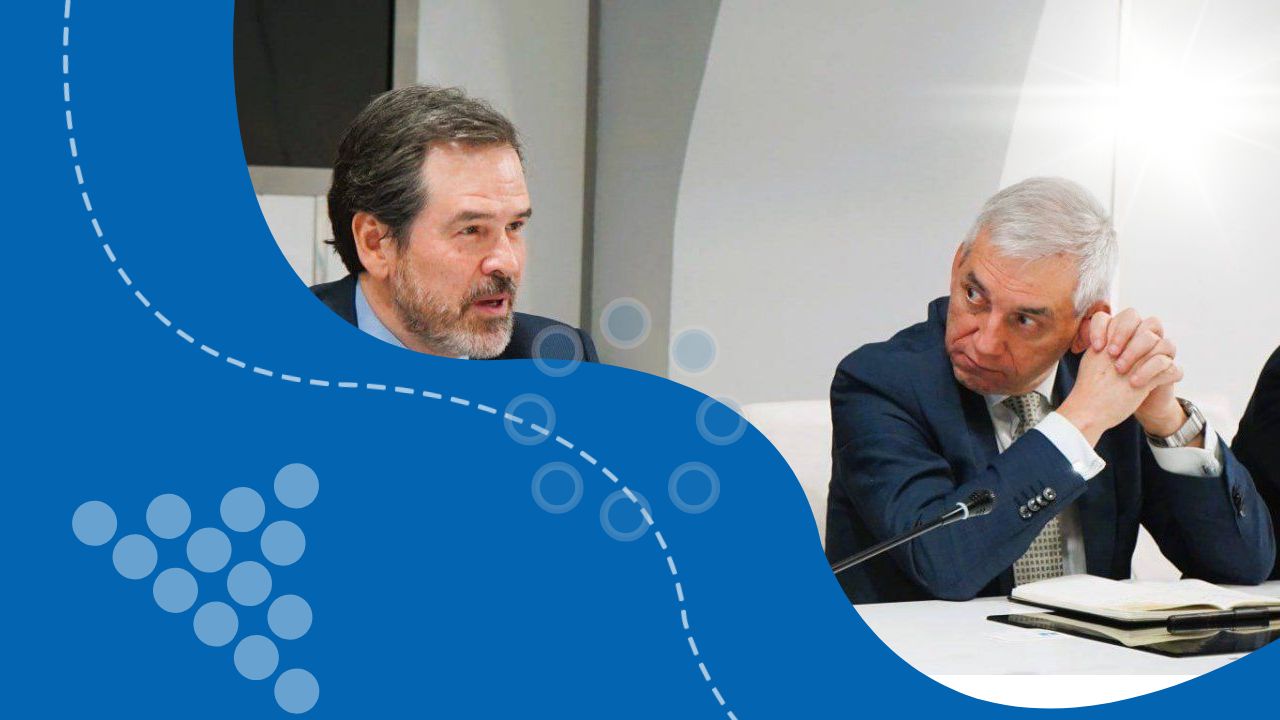
Казахстан и Испания вместе будут вести разведку подземных вод
Министр водных ресурсов и ирригации Нуржан Нуржигитов встретился с послом Испании в Казахстане Хорхе Урбиолой Лопесом де Монтенегро. Стороны обсудили сотрудничество в области разведки подземных вод.
Вместе с послом во встрече приняли участие представители испанской компании Xcalibur Smart Mapping, занимающейся составлением детальных карт полезных ископаемых и других ресурсов, включая воду. Полученные таким образом данные могут быть использованы для разведки месторождений подземных вод, а также могут оптимизировать расходы на их поиски.
По словам испанских бизнесменов, их технологии широко используются в Австралии, Канаде, США и Европе. Также гости выразили готовность помочь в привлечении грантов и финансирования для совместных проектов.
«Мы нацелены планомерно увеличивать долю использования восстанавливаемых подземных вод в экономике и питьевом водоснабжении, поэтому опыт Испании в разведке водных ресурсов может быть очень полезен. В этом году стратегическому партнерству наших стран исполняется 15 лет. Вода – стратегический ресурс, поэтому мы обязательно рассмотрим все возможные направления двустороннего сотрудничества», – отметил министр водных ресурсов и ирригации РК Нуржан Нуржигитов.
Ранее сообщалось, что Казахстан и Узбекистан укрепляют сотрудничество в водной сфере и промышленной кооперации. Это в том числе касается совместного управления и использования трансграничных водных объектов.
-
Kazakhstan and Spain will jointly explore groundwater
Minister of Water Resources and Irrigation Nurzhan Nurzhigitov met with the Ambassador of Spain to Kazakhstan Jorge Urbiola Lopez de Montenegro. The parties discussed cooperation in the field of groundwater exploration.
Along with the ambassador, representatives of the Spanish company Xcalibur Smart Mapping, which compiles detailed maps of minerals and other resources, including water, took part in the meeting. The data obtained in this way can be used for exploration of groundwater deposits, and can also optimize the costs of searching for them.
According to Spanish businessmen, their technologies are widely used in Australia, Canada, the USA and Europe. The guests also expressed their readiness to help attract grants and funding for joint projects.
“We aim to systematically increase the share of the use of renewable groundwater in the economy and drinking water supply, so Spain’s experience in the exploration of water resources can be very useful. This year the strategic partnership between our countries turns 15. Water is a strategic resource, so we will definitely consider all possible areas of bilateral cooperation,” noted the Minister of Water Resources and Irrigation of the Republic of Kazakhstan Nurzhan Nurzhigitov.
It was previously reported that Kazakhstan and Uzbekistan are strengthening cooperation in the water sector and industrial cooperation. This also applies to the joint management and use of transboundary water bodies.
-
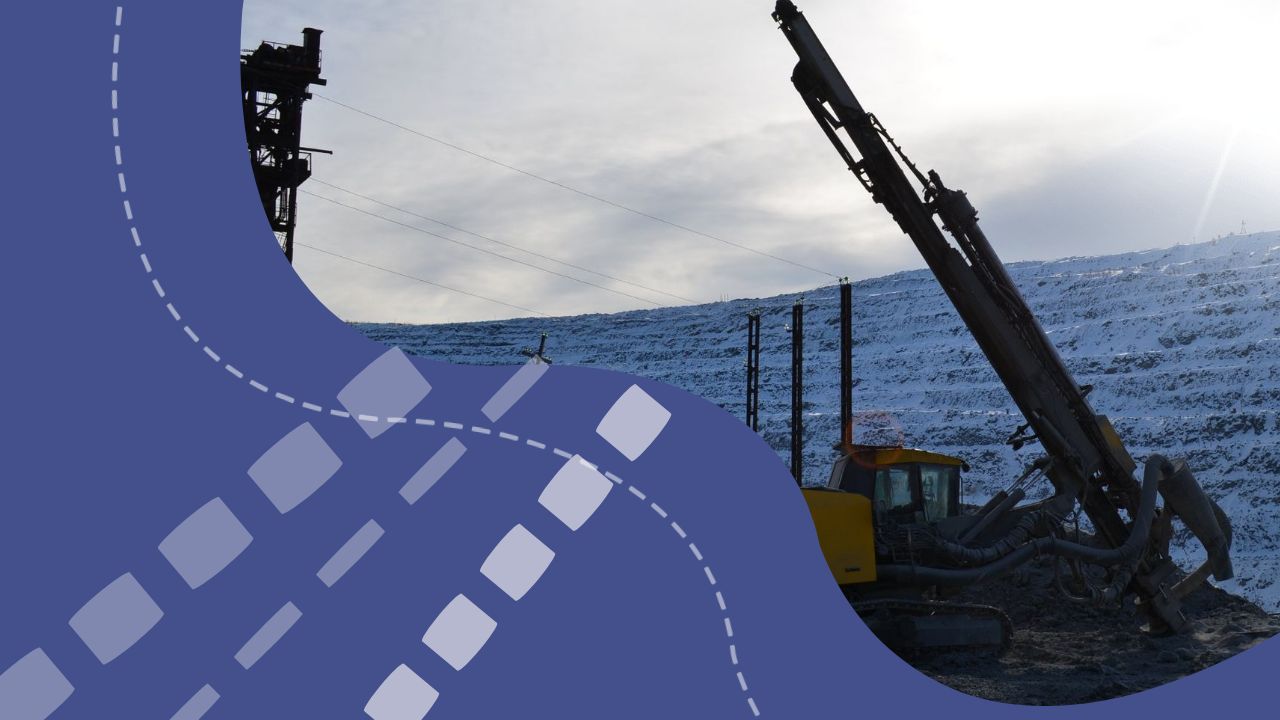
445% Increase in Mineral Resource Estimate
Zinnwald Lithium plc is thrilled to announce a significant upgrade to its Mineral Resource Estimate (MRE) at the 100% owned Zinnwald Lithium Project in Saxony, Germany.
Key Highlights:
- 445% increase in tonnage and 243% increase in contained lithium in Measured and Indicated categories compared to 2018 MRE.
- Second largest hard rock lithium resource in the EU by both size and contained lithium.
- Inclusion of broader mineralized granite zone boosts potential production rates and project economics.
CEO Quote:
“This substantial increase in our Mineral Resource establishes Zinnwald as a strategically important project of scale within the EU,” said Anton du Plessis, CEO of Zinnwald Lithium. “The wider mineralized zone allows for more efficient mining techniques, potentially further increasing lithium production beyond our 2022 PEA projections.”
Additional Notes:
The updated MRE incorporates 26,911 meters of new drilling across 84 holes and a revised geological model.
The statement was prepared by Snowden Optiro Ltd in accordance with NI 43-101 standards.About Zinnwald Lithium plc
Zinnwald Lithium plc is a European-focused lithium company developing the Zinnwald Lithium Project, with the goal of becoming a leading domestic supplier of lithium hydroxide to the European battery industry.
-
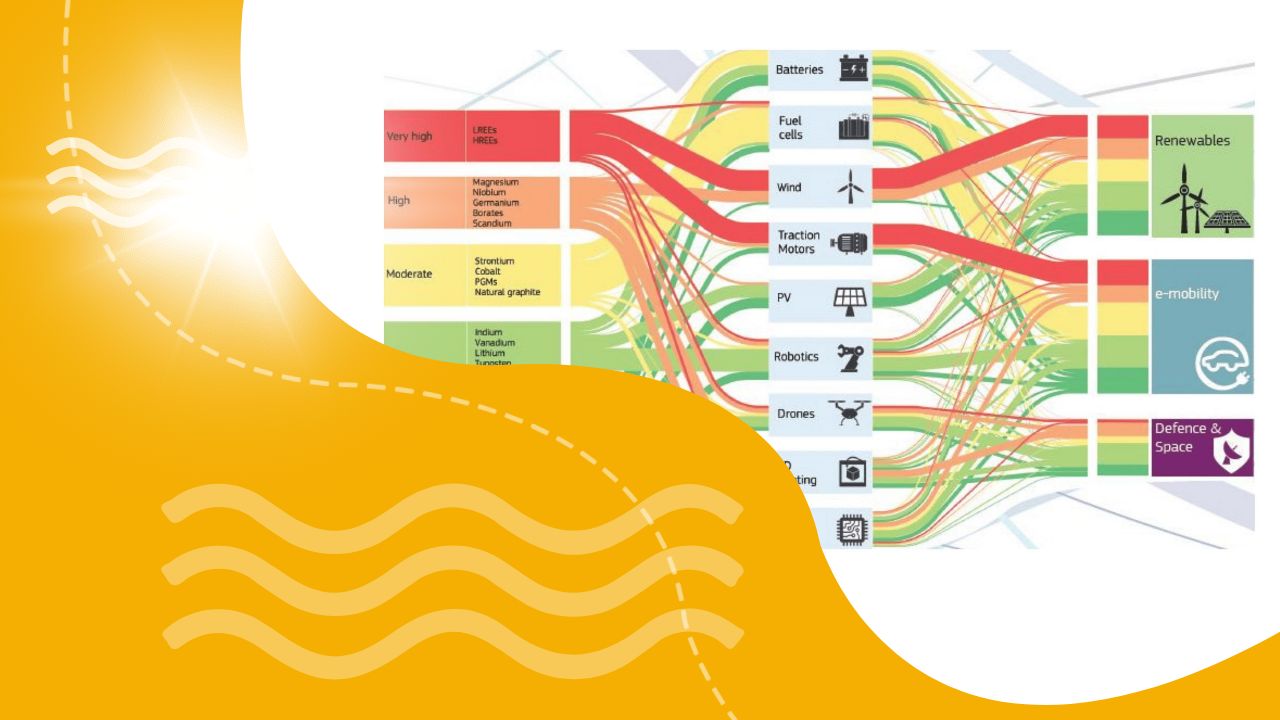
Anticipated 60% Surge in Raw Material Extraction by 2060 Sparks Concerns, Green Mining Measures Not Enough to Mitigate Environmental Impact
The United Nations’ flagship Global Resources Outlook report is the portrait of a juggernaut. Due to be published later this month by the UN’s International Resource Panel, it highlights how global consumption of raw materials, having increased four-fold since 1970, is set to rise by a further 60% by 2060.
Already, the technosphere — the totality of human-made products, from airports to Zimmer frames — is heavier than the biosphere. From the 2020s onward, the weight of humanity’s extended body — the concrete shells that keep us sheltered, the metal wings that fly us around — have exceeded that of all life on Earth. Producing this volume of stuff is a major contributor to global heating and ocean acidification, and the rapidly accelerating extinction of plants and animals.
As the UN report spells out, the extractive activities that lie behind the concrete, metal and other materials we use are disrupting the balance of the planet’s ecosystems. The mining industry requires the annexation of large tracts of land for extraction and transportation; its energy consumption has more than tripled since the 1970s.
That upward curve is set to continue. The demand for materials is rising, the quality of ores such as copper is declining, and deeper and more remote mines require extra energy for extraction. More seams will be dug and more mountains moved to bring glittering fortunes to some while many regions, above all in developing countries, become sacrifice zones.
Critical raw materials
Attention is increasingly focused on a particular class of material. “Critical” and “strategic” raw materials are those that face supply risk either in their scarcity or their geographical concentration, and which the major powers require for their military sectors and for competitive advantage in tech industries. Right now, the race for critical materials is geopolitical: each major power wants to secure supplies in allied countries.
Critical raw materials are indispensable to the green transition too. The EU, for example, deems nickel a strategic material in view of its role in batteries.
A wind turbine can require nine times the mineral inputs of a typical gas-fired power plant, while the average electric vehicle contains between six and ten times those of its conventional counterpart, according to the UN report that is due to be published on February 26.
None of this means that a green economy would use greater quantities of materials than the current fossil fuel-based one. Energy consumption due to mineral demand for energy transition technologies is dwarfed by that which arises from mineral demand for the rest of the economy.
Nonetheless, the mineral demand of the energy transition stokes the mining boom in such sectors as copper and lithium.
Urban mining
Mining must change in order to reduce its environmental impact. On the supply side, recovering minerals from waste goods can be ramped up, for instance by forcing retailers to offer collections of household electronic waste that can be sent for enhanced recycling.
There is scope for urban mining: for example, locating copper from inactive underground power cables or recovering elements from construction waste, sewage, incinerator ash and other garbage zones.
In practice, however, the use of secondary materials relative to newly-extracted ones is declining. The recovery rates of minerals from recycling remain low. Another UN study of 60 metals found the recycling rate for most of them was below one percent.
The current economic system makes extractive mining cheaper and easier than urban mining. Extractive mining involves the purchase of cheap land, often in developing countries.
That land gets dug up, pulverised and processed in a simple flow that is amenable to capital-intensive operations. Urban mining by contrast is often labour-intensive and requires a complex and state-enforced regulation of waste streams.
Urban mining suffers from the refusal of governments to shift taxation from labour to “the use of non-renewable resources”, as Walter Stahel, an originator of the circular economy concept, recommended in 2006. Until robust regulation and taxation is introduced, all forms of circular economy risk unleashing rebound effects.
So, throwing more materials onto the market lowers prices, which tends to expedite economic growth, raise energy consumption, and proliferate environmental harms. In short, there is nothing intrinsically “green” about urban mining or the circular economy. The progressive potential of all such engineering programmes is governed by the political-economic framework.
Is degrowth the answer?
The insufficiency of engineering and green growth programmes has informed the waxing interest in “degrowth” strategies. This term is not intended to suggest that all economic sectors should shrink, but that for society-nature relations to regain some balance, the unsustainable global use of materials and energy must radically reduce, and in an egalitarian manner.
As the scale of the environmental crisis grows more daunting, even moderate voices — not degrowthers — have recognised that certain sectors, such as shipping and aviation, will have to be cut to virtually zero over the next 20 or 30 years.
What does this mean for critical minerals? According to degrowth advocate Jason Hickel, political means should be forged through which to plan priority sectors.
Reducing luxury and wasteful sectors such as SUVs, aviation and fast fashion would free up critical materials for the green transition. “Factories that produce SUVs could produce solar panels instead,” suggests Hickel. “Engineers who are presently developing private jets could work on innovating more efficient trains and wind turbines instead.”
Such practical examples highlight the possibility that today’s predictions of utterly unsustainable materials throughput by 2060 could at least be revised downward.
-

B2Gold’s Investment Hopes in Uzbekistan Dashed after Six-Year Search
According to the World Gold Council, Uzbekistan ranked 10th in the world in terms of gold production (110.8 tons) in 2023.
According to the World Gold Council, Uzbekistan ranked 10th in the world in terms of gold production (110.8 tons) in 2023.
Industry sources suggest that Canadian gold mining company B2Gold is preparing to change its investment strategy in Uzbekistan. While the specific reasons remain unclear, the decision may be linked to the challenges of operating within the country’s state-controlled mining industry.
The company first announced its investment plans during the round table of the MINEX Uzbekistan Forum, held in Tashkent on 17 May 2017. According to the Foreign Investment Promotion Agency, B2Gold entered the market in 2018. In 2019, B2Gold invested $2.18 million in projects in Uzbekistan, and in 2020, more than $3 million. In July 2023, Reuters reported that B2Gold Corp was considering additional opportunities to acquire gold assets to accelerate growth. The company’s CEO, Clive Johnson, said the company was looking at assets that are already operating, not those that are in development. Since B2Gold’s projects in Uzbekistan are at an early stage, this may have been the main reason for the company’s management to close the branch in Tashkent to concentrate on consolidating production assets with smaller producers in other countries of the world. In addition to Canada, where B2Gold acquired the Sabina Gold deposit in April 2023 for C$1.1 billion (US$832.1 million), the company is engaged in gold mining in Mali, Namibia and the Philippines.
Uzbekistan has an ambitious goal of doubling its economy by 2030.
This growth is reflected in the increasing role of national enterprises. Over the past six years, their share within the overall industry has grown from 10% to 17%, and their contribution to budget revenues has increased from 11% to 25%. In 2023 Uzbekistan has laid out bold targets for its mining sector within its 2030 Development Strategy. The nation aims to explore 60,000 km of potentially mineral-rich areas by 2024.
Key production goals (47 and 48) include:
- Increasing copper production by 3.5 times to fuel high-value manufacturing.
- Increasing gold production by 1.5 times.
- Tripling silver production.
- Tripling uranium production.
To support downstream industries, Uzbekistan plans to boost copper processing capacity within the electrical sector by 300 thousand tons. Additionally, the nation is seeking $1.5 billion in investment to localize the production of household appliances.
Uzbekistan’s strategy emphasises the adoption of international standards for assessing its mineral reserves, ensuring transparency and alignment with global best practices.
On November 6, 2023, Minister of Mining and Geology Bobir Islamov announced the development of a new subsoil law. This law aims to attract foreign investment by improving the legal framework for mining operations, providing transparent regulations, and reducing tax rates. Islamov emphasized that Uzbekistan spends $230 million annually on geological exploration and that the new law, developed in partnership with international consultants, will clearly outline opportunities for investors. As a positive result of these efforts, companies like the French Orano Mining and Canadian juniors, such as B2Gold, have begun investing in Uzbekistan’s mining industry.
On November 6, 2023, Minister of Mining and Geology Bobir Islamov announced the development of a new law on subsoil use. He emphasized the need to accelerate geological exploration, an area where Uzbekistan spends roughly $230 million annually. “In order to attract investors, of course, we need a very good legal framework – transparent and stable. To do this, together with consultants from the European Bank for Reconstruction and Development, with the involvement of international consultants from the Boston Consulting Group, we have developed a new law on subsoil use that provides direct action in order to clearly delineate and show all the opportunities for investors, their obligations, and, most importantly, the order of the game,” he said. Islamov specifically noted that tax rates for using subsoil were reduced, including a reduction from 10% to 7% on gold and copper, and from 10% to 2.7% on tungsten. These changes have helped attract companies like the French Orano Mining and Canadian juniors, including B2Gold, to invest in Uzbekistan’s mining industry.
On January 15, 2024, President Shavkat Mirziyoyev reviewed progress and future plans for the geological sector, a strategic area for Uzbekistan’s growing economy. The country has committed significant resources, allocating around 1 trillion soums per year (about $80 million), resulting in the exploration of 31,000 square kilometres. This investment focus has attracted $1.7 billion in investment projects to the industry.
Two weeks later, on 1 February 2024, President Shavkat Mirziyoyev reviewed development plans for Uzbekistan’s metallurgical sector. The extraction of gold and other solid minerals is centralised under four state-owned enterprises: the Navoi Mining and Metallurgical Combine, the Almalyk Mining and Metallurgical Combine, the Uzbek Metallurgical Combine, and the Navoiuran State Enterprise. These enterprises have received significant investment in recent years, totalling $7.4 billion.
On 14 February 2024, the Uzbek government released its state investment strategy for 1Q2024. 17 mining projects with foreign investors feature, mainly Chinese and Turkish. The total value of foreign mining projects is $3.6 billion of which $1.6 billion is financing from a Gulf consortium made up of Vision Invest (Saudi), Qatar Mining and ADQ (UAE) which appears to be financing for the Yangi Kon lithium venture.
It is hard to forecast how the market will react to the possible exit or decrease in investment from the only foreign investor in Uzbekistan’s gold mining sector. This uncertainty is heightened by past experiences, such as Newmont (the world’s largest gold mining company) leaving the country in 2006 due to unfounded tax claims by the Uzbek government.
The mining targets (goal 48), as per Uzbekistan 2030 Strategy, is to explore 60,000km of sites with commercial potential in 2024. Uzbekistan’s mining development plans and strategies will be presented at the National Mining and Metallurgy Company (NGMK) booth #2744 at the PDAC convention in Toronto from 3-6 March 2024. The Uzbek delegation will be represented by leading specialists and heads of companies and government organizations, including The Ministry of Mining and Geology, Department of Strategic Development and Investments, Department of Energy Resources Development, Department of International Cooperation and Investment Attraction, Almalyk Mining and Metallurgical Combine, Navoi Mining and Metallurgical Combine and Navoiuranium.
The 10th Mining and Exploration Forum MINEX Central Asia will be held in Bishkek on 18-20 June 2024. The Forum will provide an international platform for assessing the investment potential of the countries of the region and discussing strategies for attracting foreign investors to explore promising deposits of critical ores and metals in Central Asia, including Uzbekistan.
-
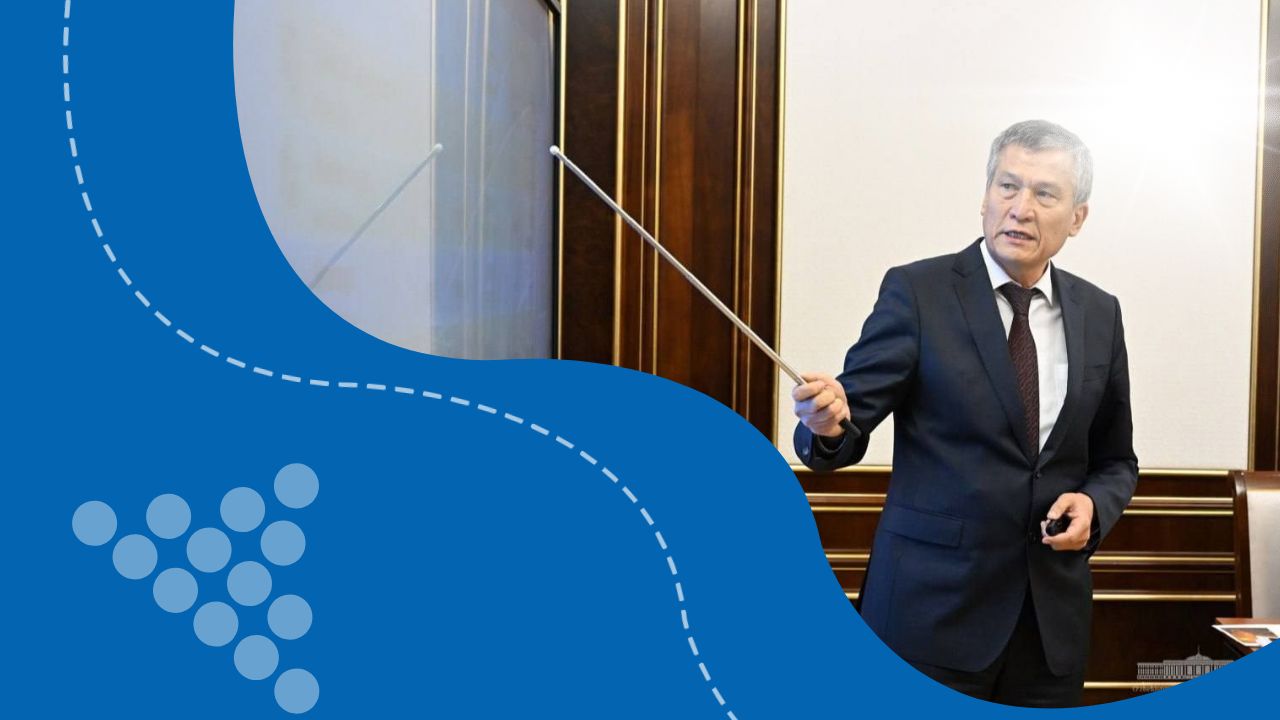
President of Uzbekistan Plans got acquainted with a presentation on measures to develop metallurgical enterprises
The Navoi Mining and Metallurgical Company, the Almalyk Mining and Metallurgical Company, the Uzbek Metallurgical Company, and the state enterprise Navoiuran are essential to the country’s economy. In recent years, $7 billion 400 million has been invested in these four enterprises. As a result, gold production increased by 23 percent, copper by 41 percent, and silver by 60 percent. At the Navoi plant, 4 new fields have been developed, and 3 plants have been put into operation. Production also increased at Uzmetkombinat and Navoiuran.
In general, over the past 6 years, the share of these enterprises in the total industry has increased from 10 to 17 percent, and in budget revenues, it has risen from 11 to 25 percent.
As is known, Uzbekistan has set itself the goal of doubling its economy by 2030. At the same time, growing competition in the world poses new challenges. In this regard, the issue of increasing the efficiency of these large companies is becoming increasingly important.
At the presentation, the responsible persons outlined plans to increase production and attract investment into the industry.
The Head of state noted the need to transform plants with the involvement of foreign experts, paying particular attention to the introduction of digital solutions and green technologies. Specific instructions were given for attracting investments and the acceleration of new projects.
Tasks have been set to optimize operating costs and energy consumption and reduce costs. The importance of increasing labor productivity at plants and introducing performance indicators (KPIs) into the activities of managers and specialists was noted.
-
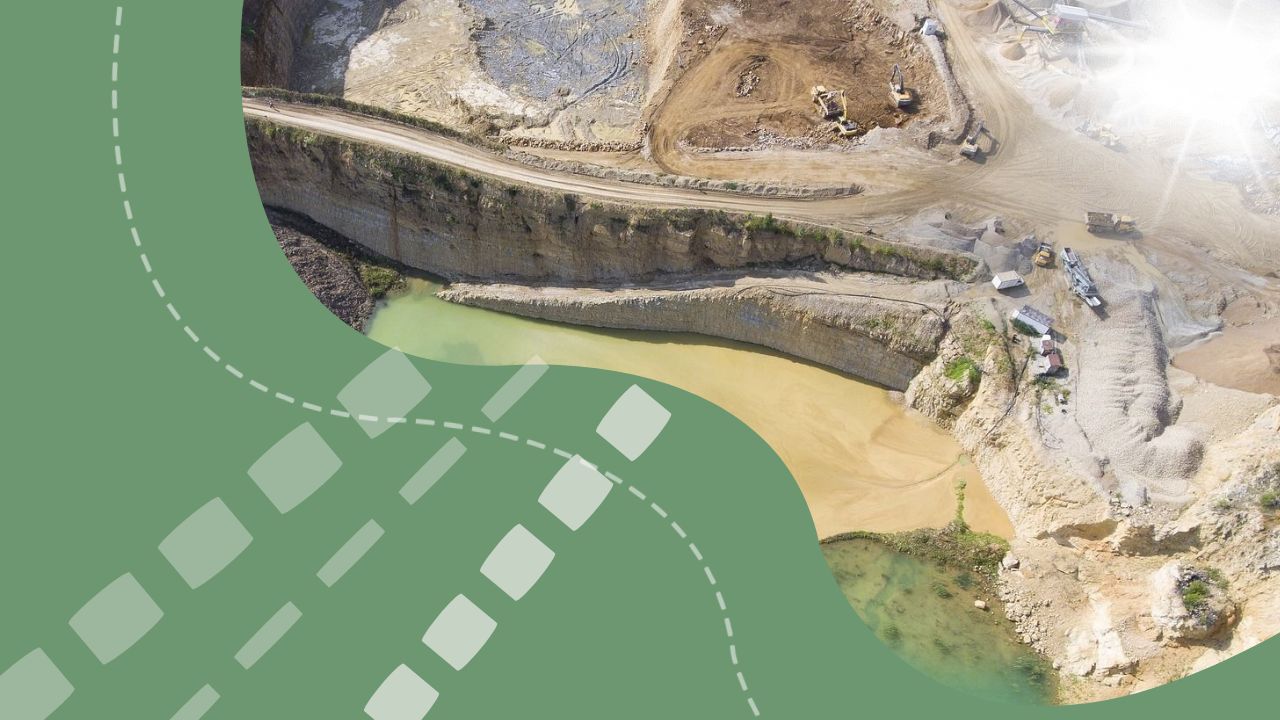
Anglo Asian releases initial resource estimate for Xarxar copper deposit
Anglo Asian Mining (LON: AAZ) released on Tuesday a JORC-compliant mineral resource update (MRE) for the Xarxar copper deposit in Azerbaijan following its discovery last year. The initial MRE shows 24.9 million tonnes of mineralization with average grades of 0.48% copper, for 119,100 tonnes of contained metal.
A majority of the MRE is in the measured and indicated category, totalling 22 million tonnes at 0.48% copper for 106,000 tonnes. The remaining resource (2.9 million tonnes at 0.44% copper for 12,800 tonnes) are in the inferred category.
In July 2022, an extensive geological exploration program began at the Xarxar deposit, targeting the central copper mineralization zone. Surface drill holes intercepted significant high-grade and continuous grades of copper mineralization, with intercepts of continuous copper for up to 380 metres.
Last month, the company confirmed the significant quantity of copper mineralization at Xarxar following analysis of recent surface drilling on the project.
Data for 66 holes with a total length of 21,707 metres (including historical drilling) were eventually used to complete the first resource estimate for Xarxar.
This resource estimate, Anglo Asian’s VP Stephen Westhead said, demonstrates that the deposit is “a substantial resource” containing over 100,000 tonnes of copper. According to the company, the Xarxar deposit still has significant additional exploration potential.
“To further expand the current mineral resources estimate, work will include surface infill drilling to the east of the deposit, deposit geotechnical and hydrogeological drilling, and drilling to supply samples for further metallurgical testwork,” Westhead added.
The resource estimate was prepared using a copper price of $9,000 per tonne to determine the amount of metal under the reasonable prospects for eventual economic extraction under JORC criteria.
The parameters of an open pit were also determined at a copper selling price of $20,000 to calculate a “maximum” pit floor depth, which was used to define two zones (one upper and one lower). The upper zone is calculated to have resources ranging from 5.0 to 10.2 million tonnes at 0.2% to 0.3% copper.
The Xarxar deposit is one of several exploration-stage assets held by Anglo Asian in Azerbaijan. The group currently produces gold, silver and copper from its flagship Gedabek mine, with four more mines planned to come online over the next four years.
-
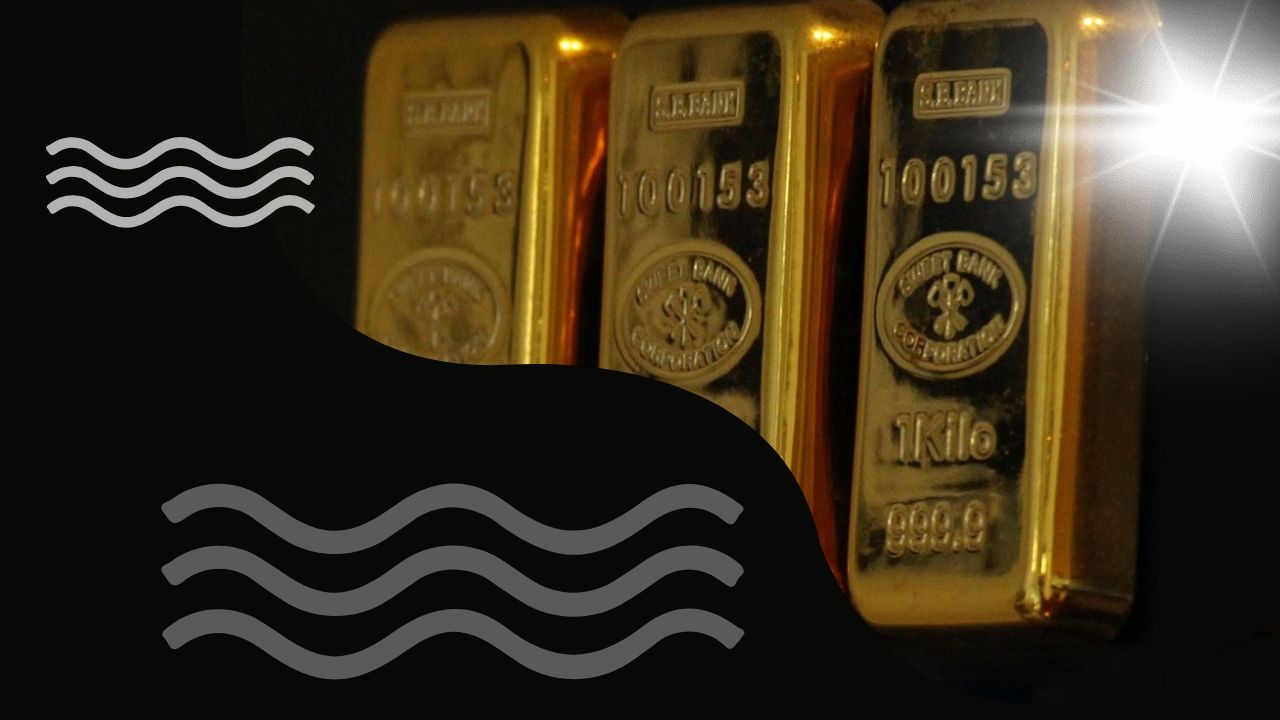
NewPeak sells Finland, NZ gold assets as it switches to battery metals
Australia-based NewPeak Metals has announced the sale of its Finland and New Zealand gold permits as part of the company’s strategic rejuvenation plan to focus on battery and critical metals.
The ASX-listed company on Monday announced a binding term sheet to sell 100% of its interest in its Finnish subsidiary companies to Canco – a Canadian unlisted private company, run by resource entrepreneur Emma Fairhurst.