Website: Eurasia.com

  • Trump Suggests Ukraine Pay US Aid with Rare Earth Minerals

    Trump Suggests Ukraine Pay US Aid with Rare Earth Minerals

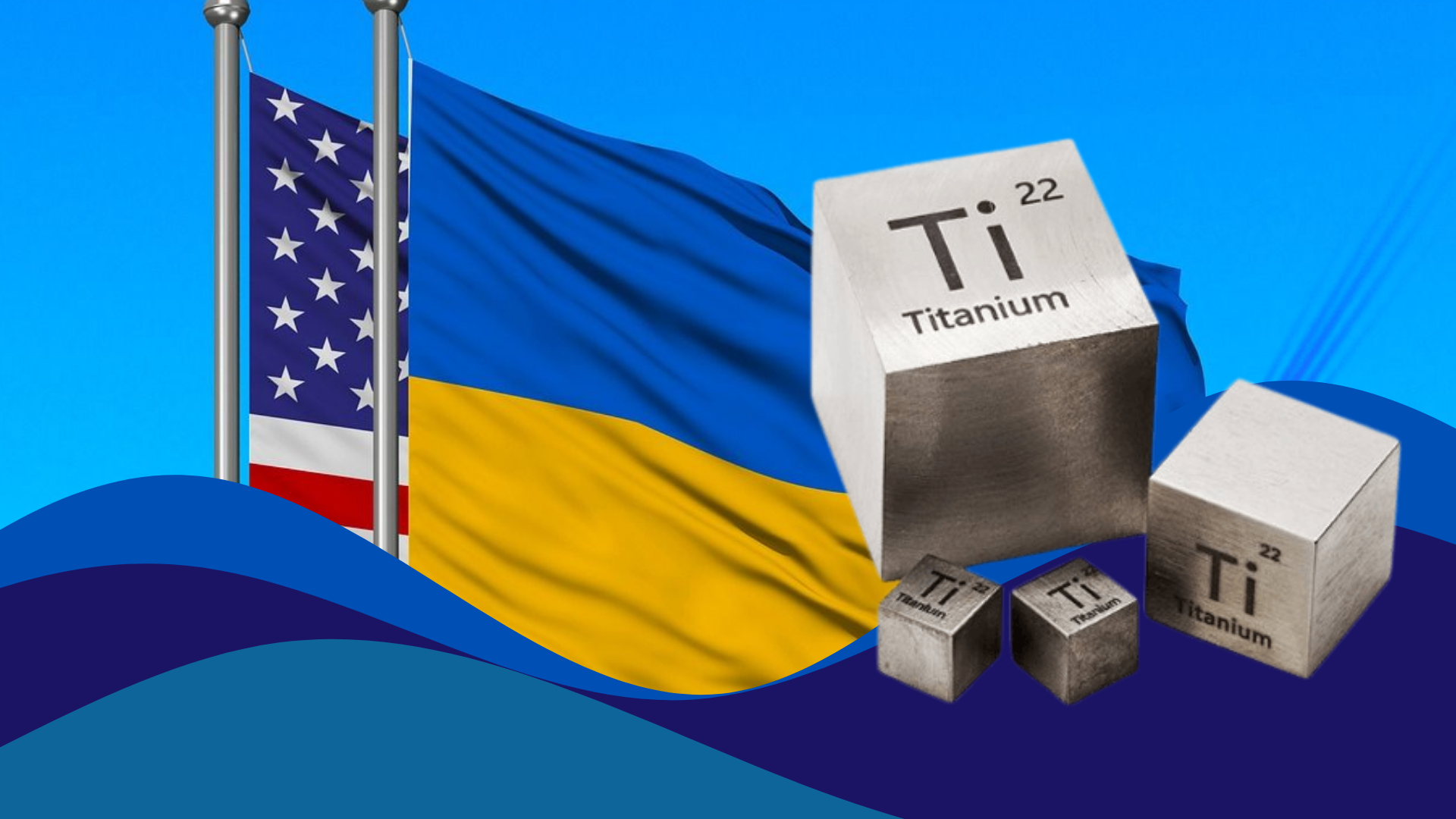
    President Donald Trump proposed on Monday that Ukraine compensate the United States for its substantial financial support in the ongoing conflict with Russia by supplying rare earth minerals, a critical resource for advanced technologies.

    Speaking to reporters at the White House, Trump emphasized the potential for an “equalisation” deal, referencing the nearly $300 billion in aid the United States has provided to Ukraine. “We’re telling Ukraine they have very valuable rare earths,” Trump stated. “We’re looking to do a deal with Ukraine where they’re going to secure what we’re giving them with their rare earths and other things.”

    The proposal highlights the strategic importance of rare earth minerals, a group of 17 metals essential for manufacturing electronics, electric vehicles, and other high-tech products. These minerals are crucial for power generation and motion technologies, with no known substitutes.

    While Trump did not specify exactly which minerals he was referencing, Ukraine does possess significant deposits of uranium, lithium, and titanium. However, the country is not considered a top-five global producer of these resources.

    The United States currently has limited rare earth mineral production, with only one operating mine and minimal processing capacity. In contrast, China dominates the global market for these critical minerals.

    The US Geological Survey identifies 50 minerals as critical for the country’s economic and national defense interests, including various rare earths, nickel, and lithium.

    The feasibility and potential diplomatic implications of Trump’s proposed mineral-for-aid exchange remain unclear, and further details have not been provided.


  • Kazakhstan and Japan Strengthen Cooperation on Critical Minerals

    Kazakhstan and Japan Strengthen Cooperation on Critical Minerals

    Kazakhstan’s Minister of Industry and Construction, Kanat Sharlapaev, met with representatives of Japan’s International Cooperation Agency (JICA) and the Japan Organization for Metals and Energy Security (JOGMEC) to discuss future collaboration on critical minerals.

    JICA has supported Kazakhstan since 2011, helping establish the country’s State Energy Registry based on Japanese expertise. Meanwhile, JOGMEC signed a memorandum with Kazakhstan in August 2024 on geological exploration, mining, and mineral processing.

    The meeting focused on expanding joint projects related to critical minerals essential for industrial and energy sectors. Kazakhstan aims to strengthen international partnerships in rare earth metals to boost investment appeal and integrate advanced geological exploration technologies.

  • KAZ Minerals Bozshakol to Extract Over 6 Million Tons of Construction Materials by 2029

    KAZ Minerals Bozshakol to Extract Over 6 Million Tons of Construction Materials by 2029

    KAZ Minerals Bozshakol, controlled by Kazakh businessmen Vladimir Kim and Oleg Novachuk, plans to extract 6.076 million tons of crushed and gravelly soil, as well as gravelly sand, from the Northern deposit between 2025 and 2029. This volume represents the site’s entire balance reserves.

    The Northern deposit, located 60 km west of Ekibastuz in Pavlodar Region, covers 169.9 hectares. Excavation will be carried out using heavy machinery, with materials transported for constructing embankment dams at the Bozshakol copper mine. Workers will reside in a shift camp, and operations will require 2,280 cubic meters of diesel fuel.

    Bozshakol is one of KAZ Minerals’ key sites, producing 79,200 tons of copper in January–September 2024. In comparison, Aktogay contributed 172,200 tons, while operations in East Kazakhstan and Kyrgyzstan produced 35,600 tons.

    Vladimir Kim, who owns 63.5% of KAZ Minerals, ranks fourth among Kazakhstan’s richest individuals, with a net worth of $3.6 billion (Forbes) or $7.23 billion (Bloomberg). Oleg Novachuk, with a 36.5% stake, has an estimated wealth of $265 million.

  • Kazakhstan Launches Its Own Geodetic Coordinate System

    Kazakhstan Launches Its Own Geodetic Coordinate System

    Kazakhstan has introduced its national geodetic coordinate system, QazTRF-23, along with a network of continuously operating reference stations, following an audit by the Supreme Audit Chamber of the Republic of Kazakhstan.

    Effective from January 1, 2025, the new system is expected to significantly improve the accuracy of geodetic and cartographic data, serving as a foundation for the country’s spatial data infrastructure. Officials emphasize that QazTRF-23 will enhance territorial planning, construction, and modern data management systems.

    Additionally, the country has launched the “State Geoportal of the National Spatial Data Infrastructure,” a digital tool providing government agencies and stakeholders with access to accurate geospatial data. This initiative aims to improve land management and digital mapping efficiency.

    Previously, an audit revealed that Kazakhstan lacked its own geodetic system, which hindered the development of a unified digital cartographic ecosystem. With QazTRF-23 in place, the country is taking a significant step toward modernizing its geospatial infrastructure.

  • European Metals Industry Calls for Urgent Action Plan to Safeguard Strategic Sector

    European Metals Industry Calls for Urgent Action Plan to Safeguard Strategic Sector

    The European non-ferrous metals industry has issued an urgent call for a comprehensive Metals Action Plan to secure the sector’s future and enable Europe’s green and digital transitions.

    In a position paper released this week, industry association Eurometaux outlined key priorities for policymakers to address, warning that Europe’s capacity to produce critical metals is diminishing at an alarming rate. Since 2020, twenty aluminium, silicon and zinc facilities have closed across the continent.

    “Without non-ferrous metals made in Europe, we will not have the strategic autonomy needed for renewable energy, digitalisation and defence,” said a Eurometaux spokesperson. “Urgent action is required to rebuild our industry’s competitiveness.”

    The association is calling for:

    • Unburdened market access for European metals
    • An energy policy providing affordable, clean power
    • Measures to boost global competitiveness and support transformation
    • Secure access to raw materials from primary and secondary sources
    • A trade policy safeguarding against unfair practices
    • Social policies to maintain high-quality industrial jobs

    Eurometaux states that 10 new mines, 15 new processing facilities and 15 new recycling plants for non-ferrous metals are needed by 2030 to meet Critical Raw Materials Act objectives. The group also emphasises the need for 112 TWh of additional affordable, decarbonised electricity by 2030.

    With the European Commission expected to launch a Metals Action Plan in the coming months, industry leaders stress that the time for decisive policy action is now. They warn that without intervention, Europe risks losing its metals industrial base and becoming dangerously reliant on imports for materials critical to economic and national security.

  • Eurasian Resources Group expects a neutral-to-bullish outlook for key metals in 2025

    Eurasian Resources Group expects a neutral-to-bullish outlook for key metals in 2025

    Eurasian Resources Group has shared its market expectations for 2025 and beyond, highlighting several key trends across various metals and industries:

    Copper market growth: The global copper market is expected to grow by 4% year-over-year in 2025, with a compound annual growth rate (CAGR) of 2.5% projected between 2024 and 2034.

    Stainless steel and ferrochrome demand: Development of renewable energy sources like wind turbines, along with record sales in home appliances and consumer goods, is expected to drive strong growth in stainless steel demand, reaching 4.8% in 2025. This growth will significantly benefit the ferrochrome industry.

    Aluminum demand: An average 3% year-over-year growth in aluminum demand is anticipated in 2025, primarily driven by the automotive and renewable energy sectors.

    Cobalt market outlook: While currently in surplus, the global electric vehicle (EV) sector is expected to continue growing and may represent over 60% of cobalt demand by 2030. This is projected to lead to market deficits as cobalt demand outpaces supply by the end of the decade.

    AI impact on metals demand: Artificial intelligence is expected to increasingly boost additional metals demand. Bank of America has estimated that demand directly from data centers for copper could be around 200,000 tonnes per year between 2025 and 2028.

    Overall outlook: Eurasian Resources Group expects a neutral-to-bullish outlook for key metals in 2025, subject to various macro trends and factors such as the economic situation in China, potential trade protectionist measures, and US monetary policy.

    The group notes that while the speed and consistency of economic recovery may be uneven, the long-term fundamentals for metals and minerals in ERG’s product portfolio appear promising.

  • Ukraine: A Potential Key Player in the Global Critical Raw Materials Race?

    Ukraine: A Potential Key Player in the Global Critical Raw Materials Race?

    In a recent statement, U.S. Secretary of State Marco Rubio provided a clear outlook on the future of American policy regarding critical raw materials. As global supply chains for these materials continue to shift, Ukraine’s vast reserves of key minerals could play a pivotal role in reshaping the global balance of power, particularly in the ongoing confrontation between the U.S. and China.

    Rubio highlighted several critical materials essential for advanced technology, renewable energy, and national security, including neodymium, dysprosium, lithium, cobalt, nickel, and titanium. Remarkably, Ukraine is home to abundant reserves of these very materials—and more. With its substantial deposits of germanium and gallium, Ukraine is positioned to be a critical player in the global supply of strategic resources.

    A Treasure Trove of Critical Materials

    • Titanium Ore (Ilmenite): Ukraine ranks 11th in the world for ilmenite reserves, found in the Irshanske, Byrzulivske, and Malyshevske deposits across the Zhytomyr, Kirovohrad, and Dnipropetrovsk regions. Titanium is vital for aerospace, defense, and high-tech manufacturing.
    • Lithium: As a key component in batteries, particularly for electric vehicles and renewable energy storage, Ukraine holds 1% of the world’s lithium reserves—equivalent to 30% of Europe’s supply. Major deposits can be found in Polokhivske (Kirovohrad region) and Balka Kruta (Zaporizhzhia region). The strategic importance of lithium was recently highlighted by China’s attempts to use the resource as leverage in international relations.
    • Germanium and Gallium: Crucial for electronics and telecommunications, these materials are abundant in Ukraine’s coal and lignite deposits in the Donetsk and Lviv-Volyn basins. Before the full-scale war, Ukraine was the world’s third-largest exporter of germanium, although exports have been halted due to the ongoing conflict. Ukraine’s reserves of these rare metals remain a critical asset for global tech industries.
    • Rare Earth Elements (Neodymium and Dysprosium): Located in the Zhytomyr region, these elements are indispensable in the production of magnets for electric vehicles, wind turbines, and high-tech equipment.
    • Nickel and Cobalt: Essential for battery production, Ukraine’s nickel and cobalt reserves are also noteworthy, found in deposits like Devladivske (Dnipropetrovsk region), Lypovenkivske (Kirovohrad region), and Dereniukhivske (Mykolaiv region). While the reserves are smaller compared to other countries, they still contribute to Ukraine’s strategic importance.
    • Manganese and Iron: Ukraine is a major global player in manganese and iron ore production, with significant deposits in the Nikopol Manganese Basin and the Kryvyi Rih Iron Ore Deposit. These resources are fundamental to the global steel and metallurgy industries.

    Ukraine’s Growing Role in Global Supply Chains

    As the global supply chain for critical raw materials becomes increasingly volatile, especially with rising tensions between the U.S. and China, Ukraine has the potential to become a key partner for the U.S. in securing access to these vital resources. With its diverse array of minerals and metals, the country offers not only essential raw materials but also strategic geopolitical leverage in a rapidly changing world order.

    The country’s natural resources, coupled with its strategic location in Europe, make it a valuable partner for countries looking to diversify their supply chains and reduce reliance on China.

    By prioritising partnerships with the U.S. and other nations, Ukraine can play a pivotal role in shaping the future of critical materials and ensure its place as a key player in the global economy.

    The Road Ahead

    The ongoing geopolitical shifts present an opportunity for Ukraine to position itself as a leading supplier of critical materials. With strategic investments in its mining and extraction sectors, Ukraine can not only boost its economy but also secure its place in the new global order. Now more than ever, the world needs Ukraine’s resources, and Ukraine is ready to take center stage.

  • Amulsar Gold Mine Set for September 2025 Opening, Says Minister

    Amulsar Gold Mine Set for September 2025 Opening, Says Minister

    Mining operations at the Amulsar gold deposit in Armenia are anticipated to begin in September-October 2025, according to Armenian Economy Minister Gevorg Papoyan.

    The minister confirmed that a high-quality audit had deemed the project both feasible and profitable. He stated, “We believe the financing issue will be resolved shortly. With $500 million already invested, an additional $100 million will be contributed by the company, and the remaining $150 million will be financed by our financial institutions.”

    Construction work is scheduled to start in the spring, with the aim to kick off mining operations by autumn, providing a significant boost to Armenia’s economy and industry.

    Project Progress and Financial Investments

    Hayk Aloyan, CEO of Lydian Armenia, the company holding the license for the Amulsar gold deposit, revealed that 70-80% of the required work to commence operations has already been completed. An additional $250 million is needed to finalise the project.

    Lydian Armenia plans to produce approximately 210,000 ounces of gold annually, potentially generating $500 million in revenue and $120 million in taxes at current global prices.

    In a significant development, on 27 December 2024, Lydian Armenia signed an agreement to transfer 12.5% of its shares to the Armenian government.

    About the Amulsar Deposit

    The Amulsar gold deposit, Armenia’s second-largest pure gold deposit, contains around 31 million tons of ore and 40 tons of pure gold. Located 13 km from the resort town of Jermuk, between the Arpa and Vorotan rivers, the mine has faced delays due to environmental protests.

    Concerns have been raised about the potential contamination of groundwater in Jermuk and Lake Sevan. Despite protests in 2018-2019 and 2020, the Investigative Committee of Armenia reported in August 2021 that there are no significant environmental threats from the mine’s operation if appropriate measures are taken.

    In conclusion, the imminent start of mining at Amulsar promises to be a pivotal moment for Armenia’s economy and industrial sector.

  • Kumtor Gold Company Produced 54 Tonnes of Gold in Three Years

    Kumtor Gold Company Produced 54 Tonnes of Gold in Three Years

    The Board of Directors of Kumtor Gold Company Closed Joint Stock Company recently convened at the Kumtor mine to review the company’s performance for 2024 and outline future objectives.

    During the meeting, Bolotbek Idirisov, Chairman of the Board, highlighted that since May 2021, the introduction of external management and subsequent transfer of the Kumtor mine into the Kyrgyz Republic’s ownership has resulted in the production of over 54 tonnes of gold. He announced, “Net income for this period totalled more than US$1.2 billion. Between May 2021 and December last year, US$891.6 million was paid to the Kyrgyz Republic in taxes and other payments to the state budget. Now we are facing no less ambitious tasks, on the fulfilment of which we will work together.”

    The meeting also involved reports from the heads of various departments, including the mine, gold recovery plant, and other structural divisions. Board members conducted a thorough inspection of the mine’s operations, visiting open pits, underground mining projects, heavy mining equipment repair workshops, the gold extraction plant, fuel and refuelling complex, treatment facilities, and the tailings pond.

    As Kumtor continues to set ambitious goals, the company remains committed to maintaining its strong performance and contributing significantly to the Kyrgyz Republic’s economy.

  • Sweden’s LKAB Aims to Meet 18% of Europe’s Rare Earth Needs with Per Geijer Mine

    Sweden’s LKAB Aims to Meet 18% of Europe’s Rare Earth Needs with Per Geijer Mine

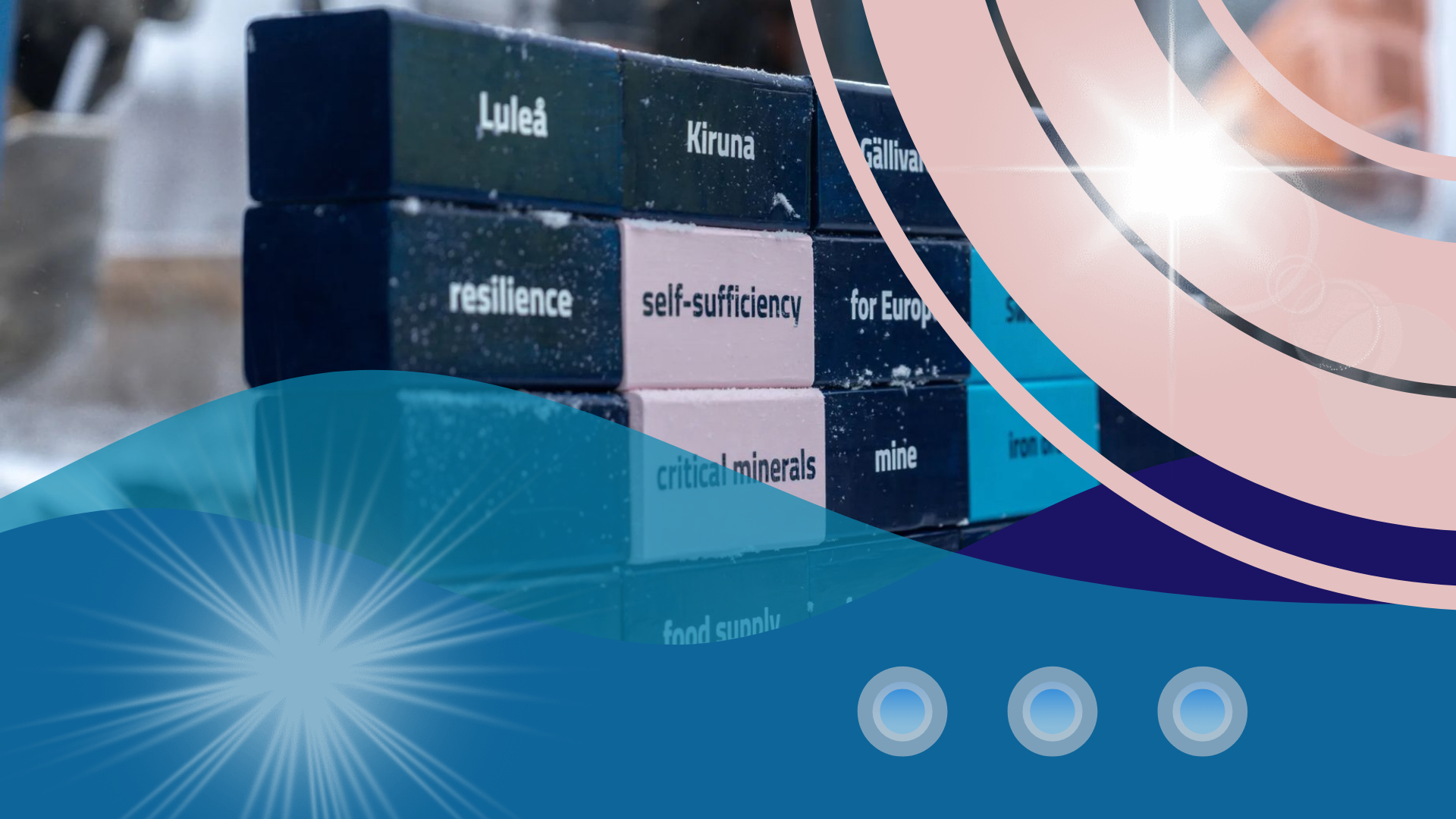
    Swedish state-owned mining company LKAB has announced it could fulfil approximately 18% of Europe’s rare earth requirements through its Per Geijer mine in the Arctic north, whilst breaking ground on a new processing facility.

    The firm commenced construction of an £62 million processing plant in Lulea, northern Sweden, which will transform mining waste into rare earth concentrate, phosphoric acid for fertiliser production, and gypsum.

    Darren Wilson, senior vice president of LKAB’s special products division, outlined the company’s ambitious plans: “Our initial phase will meet roughly 6% of European phosphate demand and 2.5% of rare earth requirements. Upon full expansion and development of Per Geijer, we anticipate meeting approximately 18% of rare earth demand”.

    The Lulea facility will initially process waste from LKAB’s existing Malmberget mine, with commercial operations expected to commence in late 2029 or early 2030. The facility’s development will proceed independently of the Per Geijer project, which boasts resources of approximately 1.7 million tonnes of rare earth oxides but requires additional regulatory approvals before mining can begin.

    Rare earth elements, comprising 17 crucial metals, are essential components in various products ranging from lasers to iPhones and green technologies vital for achieving Europe’s climate objectives. Their strategic importance has been heightened by growing trade tensions with China, the ongoing conflict in Ukraine, and increased focus on securing critical mineral supplies.

    The development aligns with the EU’s Critical Raw Materials Act, adopted in 2023, which aims to reduce the bloc’s dependence on foreign sources for vital minerals such as neodymium, dysprosium and praseodymium – essential components in permanent magnets used in wind turbines and electric motors.

    Whilst LKAB has submitted an application for processing rights at Per Geijer, the project still requires environmental permits and additional regulatory clearances before commercial operations can commence, a process that could take up to a decade.