Website: Eurasia.com

  • Rosatom to Aid Kyrgyzstan with Industrial Site Clean-up

    Rosatom to Aid Kyrgyzstan with Industrial Site Clean-up

    Russia’s state nuclear corporation Rosatom is set to assist Kyrgyzstan in addressing environmental contamination at a former industrial facility, officials announced today.

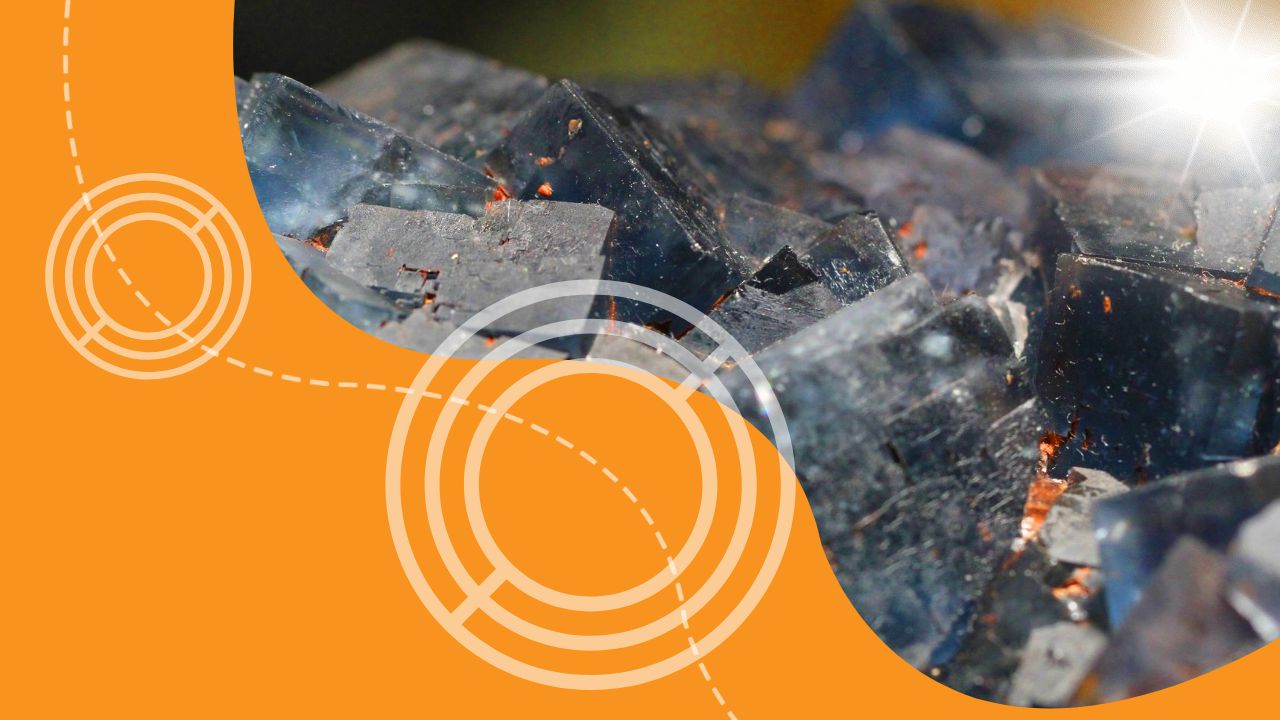
    The Federal Environmental Operator, a division of Rosatom, recently took part in high-level discussions in Bishkek where authorities approved immediate remediation work at the Crystal plant complex.

    Stanislav Zhabrikov, Director for Environmental Projects Implementation at the Federal Environmental Operator, highlighted the organisation’s credentials, noting: “Having amassed considerable expertise in managing environmental legacy issues within Russia, we are now expanding our role as a trusted partner to colleagues abroad.”

    The Crystal facility, established in 1989 in Tash-Kumyr, was formerly involved in polycrystalline silicon manufacture. The site currently harbours hazardous chemical residues requiring specialist treatment.

    The collaboration marks a significant step in addressing historical industrial pollution in the region, though specific details regarding the scope and timeline of the clean-up operation have yet to be disclosed.

  • European Lithium: Advancing Lithium and Rare Earth Projects with Saudi Collaboration

    European Lithium: Advancing Lithium and Rare Earth Projects with Saudi Collaboration

    European Lithium forges ahead with lithium and rare earth projects in tandem with a Saudi Arabian lithium refinery.

    European Lithium Ltd has made significant strides over the last quarter, advancing its lithium projects in Austria and Ireland, a rare earth project in Greenland, and a lithium refinery initiative in Saudi Arabia.

    The company has also appointed George Karageorge as the new Executive General Manager of Exploration. Additionally, European Lithium received confirmation from the Carinthian state government that an Environmental Impact Assessment (EIA) will not be required for the Wolfsberg Lithium Project. Furthermore, the company has completed technical studies and planning for an energy supply corridor in Austria.

    Leinster Lithium Project Acquisition in Ireland

    In November last year, European Lithium completed the acquisition of the Leinster Lithium Project in Ireland from Technology Metals plc (TM1). The transaction involved the transfer of 1,371,742 shares in 74%-owned subsidiary Critical Metals Corp (NASDAQ: CRML) to LRH Resources Limited, a subsidiary of TM1. The acquired project lies within the East Carlow Deformation Zone, a key structural trend associated with lithium-bearing pegmatite deposits.

    Currently in the early exploration phase, the Leinster Project has identified spodumene-bearing pegmatites in surface material and conducted drilling in 2023. The company plans further exploration in Q2 2025, starting with sampling and drilling across key target areas.

    Wolfsberg Lithium Project in Austria

    European Lithium’s Wolfsberg Lithium Project received confirmation from the Carinthian state government that an EIA will not be required, expediting the project’s development by simplifying regulatory approvals. The Wolfsberg Project has a long-term supply agreement with BMW AG for the delivery of battery-grade lithium hydroxide. Additionally, the project has completed planning for an energy supply corridor in collaboration with Austrian energy provider KELAG, with construction expected to begin in the first half of 2025.

    Tanbreez Rare Earths Project in Greenland

    EUR subsidiary Critical Metals Corp continued exploration work at the Tanbreez Rare Earths Project in Greenland. The company completed a 16-hole diamond drilling programme, with initial results confirming high-grade rare earth elements. Assays show an average of 4,722.51 ppm total rare earth oxides (TREO), with 26.96% classified as heavy rare earth oxides (HREO). Additional results include 101.67 ppm gallium oxide (Ga₂O₃), 1,852.22 ppm niobium pentoxide (Nb₂O₅), and 130.92 ppm tantalum pentoxide (Ta₂O). Geological studies have identified four high-grade mineralisation zones within the deposit, with potential to increase future production capacity. The Greenland government has extended certain deadlines under the Tanbreez Project’s exploitation licence, requiring mining operations to commence by 2028.

    Saudi Arabia Lithium Refinery Development

    European Lithium is advancing plans for a lithium refinery in Saudi Arabia through Arabian New Energy Corp, a joint venture with Obeikan Investment Group. Hatch Ltd, a global engineering firm, has been appointed to design the facility, which is expected to produce up to 20,000 metric tons of battery-grade lithium hydroxide per year. Representatives from Critical Metals Corp and Obeikan Investment Group visited two lithium hydroxide plants in China in December 2024 to gain technical insights into refinery operations.

    Additional Exploration Activities

    European Lithium is also progressing additional exploration projects:

    • Austrian Lithium Projects: Geological mapping and sampling continue at the Bretstein-Lachtal, Klementkogel, and Wildbachgraben projects. Three drill holes, totalling approximately 220 metres, are planned near Quarry Ebner.
    • Western Australia: Exploration licence E47/4144 is advancing through the regulatory application process under the WA Mining Act.
    • Ukraine: The company is monitoring the geopolitical situation and has paused fieldwork at its Dobra and Shevchenkivske lithium projects.

    As of 29 January 2025, European Lithium holds more than 66.4 million shares in Critical Metals Corp. Based on a closing price of US$8.07 per share, this investment is valued at approximately US$535.98 million (A$857.57 million).
  • From Black Gold to Black Diamonds: Upper Silesia’s Coal Legacy

    From Black Gold to Black Diamonds: Upper Silesia’s Coal Legacy

    Situated in Southern Poland, Upper Silesia is steeped in hundreds of years of mining tradition. The region’s old workers’ neighbourhoods, through their architecture and use of local motifs, serve as a reminder to locals and visitors alike of a time when men worked arm in arm with machines, and when Upper Silesia functioned as the industrial heartland of Europe.

    More than 300 years ago, people travelled from across the country and beyond to access the so-called “black gold” found in Upper Silesia. Beneath this rugged exterior, however, lies a rich cultural history with roots stretching back centuries. The region boasts its own dialect, which was banned for many years in Poland but survives to this day. It also has a tangible material dimension in coal, which is being repurposed in modern times.

    As folklore revival gains popularity in Poland, coal has become a commodity of a different quality. Mined in Upper Silesia since the 17th century, coal played a crucial role not only in the Polish economy but also for the entire European continent. Today, it is being transformed into jewellery as a symbolic tribute to the land from which it came.

    In Katowice, the capital of Upper Silesia, several workshops are turning coal into a new type of precious commodity: delicate, hand-crafted jewellery. One such brand is I Coal You, owned and operated by Katarzyna Depa, who has deep ties to the region. Depa explains that coal jewellery symbolises mining hardships and carries significant sentimental value. Her clients include not only visitors seeking unique souvenirs but also locals who view the crafts as a way to represent their culture.

    While the trend of making jewellery from coal is relatively modern, it has deeper roots in Upper Silesian tradition. The first coal beads appeared in the region in the 19th century, made by miners as gifts for their wives and girlfriends. These simple decorative forms were quick but thoughtful presents.

    Coal jewellery has become a symbol of the region’s ties to its mining heritage. It represents the work ethic and respect associated with the industry that sustained Upper Silesia for generations. As Depa notes, “This respect for this raw material, which Upper Silesia fed itself and all of Poland with, is what it’s all about.”

    The transformation of coal into jewellery also serves as a reminder of the physical and cultural landscape shaped by the mining industry. Each piece of coal jewellery is unique, reflecting the distinctiveness of the material itself. This artform brings respect to work that is often undervalued and allows people to appreciate the region’s industrial heritage.

    In recent years, Upper Silesia has seen a resurgence of local pride and cultural expression. The once-banned Silesian dialect now appears on tote bags and shop signs. Statues of local folkloric figures adorn streets, and artists depict the mining landscape in their work. Even as coal extraction has diminished, the material remains a permanent feature of the Silesian identity.

    As Depa poignantly states, “Polish highlanders wear coral beads from Italy, there are pieces of turquoise from Turkish wars in the Wawel treasury, and amber comes from the sea. But we have coal here and now, we can dig it up. And that’s probably the most beautiful thing about it. Besides, coal is simply beautiful as a stone.”

    This transformation of coal into jewellery symbolises Upper Silesia’s ability to honour its past while embracing new forms of cultural expression and economic activity. It represents a unique way of preserving the region’s heritage and identity in a changing world.

  • Kazakhmys Ships First Batch of Refined Selenium Using New Eco-Friendly Technology

    Kazakhmys Ships First Batch of Refined Selenium Using New Eco-Friendly Technology

    Mining and metals giant Kazakhmys has dispatched its first 100-tonne shipment of high-purity technical selenium, marking a significant milestone for Kazakhstan’s metals industry.

    The technical selenium, graded ST-1, was produced at Kazakhmys Progress LLP’s selenium refining and slag processing plant in Balkhash. This represents the first industrial-scale production in Kazakhstan using a unique vacuum distillation method. The innovative technology has increased the added value of selenium from 30% to 97% of the global market price. The inaugural shipment contained selenium with a purity of at least 99.5%.

    “The vacuum distillation method ensures a high degree of selenium purification without using reagents, making the process environmentally safe,” a company spokesperson explained. “This technology was developed by scientists at the Institute of Metallurgy and Ore Beneficiation of Satbayev University. It has enabled the operation of a unique facility that produces selenium meeting global non-ferrous metals market standards.”

    The project’s origins trace back to the modernisation of the gas cleaning system at the precious metals shop of Kazakhmys Smelting LLP’s Balkhash Copper Smelter in 2017-2018. This upgrade increased crude selenium production from 60 to 100 tonnes annually, making refining economically viable.

    “The implementation of the crude selenium refining project, produced as a by-product of precious metals production, began at the Balkhash industrial site in 2020. A new production unit was launched in 2022, with full-scale industrial operations commencing in 2023,” the spokesperson added.

    Prime Minister Olzhas Bektenov highlighted the significance of this unique technology at an extended government meeting. He noted that selenium is widely used in the production of solar panels, photocopiers, glass, ceramics, as well as in medicine and the chemical industry. The launch of this new production facility in Balkhash opens up prospects for strengthening Kazakhstan’s and Kazakhmys’ economic positions in the global non-ferrous metals market.

    This development represents a major step forward in Kazakhstan’s metallurgical capabilities, combining environmental responsibility with economic advancement.

  • Canadian Gold Miner Files Technical Report for Serbian Project

    Canadian Gold Miner Files Technical Report for Serbian Project

    TORONTO, 31 January 2025 – Dundee Precious Metals Inc. (TSX: DPM), a leading Canadian-based international gold mining company, has announced the filing of a technical report for its Čoka Rakita gold project in Serbia. The report supports the Mineral Resource and Mineral Reserve estimate and pre-feasibility study for Čoka Rakita, as outlined in the company’s news release dated 18 December 2024.

    The technical report has been prepared in accordance with the Canadian Securities Administrator’s National Instrument 43-101 – Standards of Disclosure for Mineral Projects. Both the report and the December 2024 news release are accessible on SEDAR+ (www.sedarplus.ca) and the company’s website (www.dundeeprecious.com).

  • Rosatom CEO Confirms Readiness to Join Kazakhstan’s NPP Project

    Rosatom CEO Confirms Readiness to Join Kazakhstan’s NPP Project

    Rosatom’s CEO Alexey Likhachev has confirmed the Russian state nuclear energy corporation’s readiness to participate in the construction of Kazakhstan’s first nuclear power plant (NPP). This announcement follows discussions between the heads of government of Kazakhstan and Russia, and suggests a move towards closer collaboration on the project.

    “Based on what the heads of our cabinets [Olzhas Bektenov and Mikhail Mishustin] discussed, I think it is safe to say that we are heading toward joint resolutions,” Likhachev told Interfax-Kazakhstan.

    Likhachev emphasised the existing cooperation between the two countries in the nuclear sector, highlighting Kazakhstan’s significant expertise in nuclear technologies and its position as a leading uranium producer. He noted that Kazakhstan is approaching the project with a high level of professionalism, engaging with multiple potential vendors.

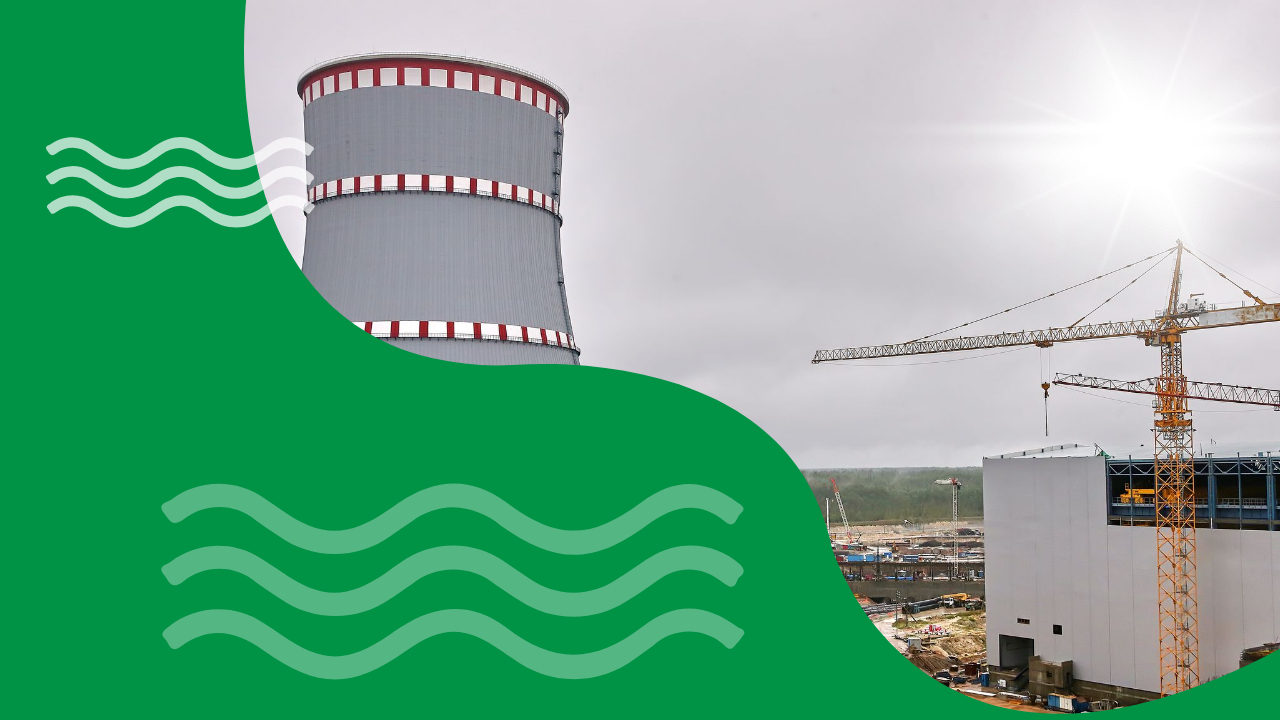
    A recent visit by a Kazakhstani delegation to the Leningrad NPP in Saint Petersburg, where they examined Russian nuclear technologies and infrastructure, further underscores the growing interest in Rosatom’s offerings. Likhachev reiterated Rosatom’s commitment to the project, stating, “We will work here with great pleasure.”

    Kazakhstan’s President Kassym-Jomart Tokayev has previously stated that the NPP will be built by an international consortium. Rosatom is among four shortlisted potential vendors, alongside China’s CNNC, South Korea’s KHNP, and France’s EDF. Kazakhstan’s Ministry of Energy aims to select the winning bidder by June. Rosatom’s public expression of interest signals a strong intent to secure the contract.

  • Xanadu Hands Reins for Mongolian Project to Chinese Mining Giant

    Xanadu Hands Reins for Mongolian Project to Chinese Mining Giant

    Xanadu Mines has officially transferred the operational reins of its flagship Kharmagtai copper-gold project in Mongolia to its joint venture partner, Chinese mining giant Zijin Mining. This significant step marks the beginning of a new phase for the world-class project, which will now move towards final development under Zijin’s leadership.

    The transition follows the successful completion of a prefeasibility study (PFS) late last year, which highlighted Kharmagtai’s potential as a major copper-gold operation. The PFS outlined a 29-year mining operation, expected to produce an average of 165,000 tonnes of copper and 75,000 ounces of gold annually. The project’s estimated post-tax net present value (NPV) stands at US$930 million (A$1.49 billion), based on conservative copper and gold price assumptions.

    Xanadu’s executive chairman, Colin Moorhead, expressed optimism about Kharmagtai’s future. “Encouraged by an improving regulatory environment, it is reasonable to expect Kharmagtai will be the next large-scale copper mine built in Mongolia,” he said. The project is currently advancing toward a final investment decision by Zijin, which will follow the completion of a bankable feasibility study based on the PFS.

    The study, which is expected to reflect more current gold prices (around US$2,725 per ounce), will be a key factor in finalizing the investment decision. The two companies are scheduled to meet in Xiamen, China, in early February to discuss the project’s budget, scope, and delivery timeline.

    Xanadu is also reviewing strategic funding options to maximize shareholder value. Among the possibilities is retaining a 50% interest in the joint venture and funding its share of the project costs, selling a portion of its interest to Zijin for US$25 million, or selling its entire stake for US$50 million. Management has indicated a preference for the partial sell-down option, which would provide immediate liquidity while keeping a 25% stake in the project.

    The Mongolian government’s recent positive signals toward mining investments, coupled with ongoing global interest in the country’s resources, sets the stage for Kharmagtai’s next major development milestone. With a bankable feasibility study on the horizon, ongoing water exploration programs, and efforts to secure government approvals, the project is well-positioned to play a key role in the global electrification transition.

    As global demand for copper continues to rise, Xanadu’s flagship Kharmagtai project is poised to become a major player in the mining sector.

  • Kazakhstan Sees Dramatic FDI Drop, Blames Commodity Markets and Project Completion

    Kazakhstan Sees Dramatic FDI Drop, Blames Commodity Markets and Project Completion

    Kazakhstan has experienced a staggering 98.4% year-on-year (YoY) decline in foreign direct investment (FDI) inflows for the first nine months of 2024, according to Kazakh Invest, the national investment promotion company. This drastic drop, which saw FDI plummet from $2.3 billion to just $72.9 million, is being attributed to a confluence of factors, including volatile commodity markets and the completion of major infrastructure projects.

    Kazakh Invest insists the decline isn’t a reflection of flawed investment policies but rather external economic pressures. “The decline in FDI inflows is not related to inefficiencies in investment policy but rather to objective economic factors, including commodity market volatility and investors’ decisions,” the company stated. They emphasized the significant role of the mining sector in Kazakhstan’s FDI landscape, highlighting that these market fluctuations are beyond government control.

    A key factor contributing to the decline is a 93.4% reduction in reinvested earnings. Kazakh Invest suggests this could indicate decreased profits for foreign-owned businesses or increased dividend payouts to international shareholders. The completion of large-scale projects, such as Tengizchevroil’s Future Growth Project, has also played a significant role. While this project’s completion has impacted FDI inflows, Kazakh Invest believes it will pave the way for investment in other promising sectors like renewable energy, agriculture, logistics, and digital technologies.

    Despite the sharp decline, Kazakh Invest maintains that Kazakhstan remains an attractive destination for foreign investors, citing its leading investment volume in new projects among Central and North Asian states. The United Nations Economic and Social Commission for Asia and the Pacific (ESCAP) reported $15.7 billion in investment projects for Kazakhstan in 2024, an 88% increase from 2023.

    Economist Galymzhan Aitkazin suggests that the overall gross FDI inflow decline of 35.7% YoY, totaling $12.7 billion for the first three quarters of 2024, reflects international investor interest rather than capital flight. Kazakh Invest echoed this sentiment, pointing to the completion of the $46 billion Tengizchevroil project as a primary driver of the decline in gross FDI inflows.

    While Kazakhstan attracted $931.9 million in FDI from Russia in the first half of 2024, making it the largest investor, this figure still represents a 21.4% decrease compared to the same period in 2023. Other significant investors include Singapore, Luxembourg, Switzerland, and Cyprus, focusing primarily on trading, financial, and processing sectors.

    President Kassym-Jomart Tokayev has stressed the need for a comprehensive ecosystem to attract high-quality investments. Kazakh Invest has reiterated its commitment to this goal.

    While net FDI remained negative at -$1.6 billion for the first nine months of 2024, it is an improvement compared to -$3.2 billion in 2023. However, FDI outflows have doubled compared to the previous year, reaching $1.5 billion.

    The National Bank acknowledged in August 2023 that relying solely on gross FDI inflows can be misleading, as it overlooks capital outflows and doesn’t provide a complete picture of the investment climate.

  • Ukraine’s President Extends Moratorium on State Mine Bankruptcies Through 2026

    Ukraine’s President Extends Moratorium on State Mine Bankruptcies Through 2026

    President Volodymyr Zelenskyi has signed legislation extending protections for state-owned mines in Ukraine, preventing their bankruptcy through January 1, 2026. The measure aims to preserve critical energy infrastructure during challenging times.

    The legislation, formally known as Bill No. 12220 “On some amendments to laws of Ukraine on restoration of solvency of certain state enterprises in critical condition in the sphere of energy,” received presidential approval on 29 January 2025, following its passage by the Verkhovna Rada on 14 January 20205.

    This protective measure specifically targets state enterprises in the energy sector that are experiencing financial difficulties, implementing a moratorium on bankruptcy proceedings. The law represents a strategic move to maintain stability in Ukraine’s energy sector by preventing the liquidation of state-owned mining operations.

    The extension of the moratorium underscores the government’s commitment to preserving its domestic energy production capabilities and protecting strategic state assets during a period of significant challenges for the country’s industrial sector.

  • ArcelorMittal Hikes Long Product Prices in Europe Amidst Energy Cost Surge

    ArcelorMittal Hikes Long Product Prices in Europe Amidst Energy Cost Surge

    Global steel giant ArcelorMittal has announced a €25/t ($25.6/t) price hike for long products across all European regions. This increase applies to a range of products, including rebar, welded mesh, sectional products, and both low-carbon and high-carbon wire. The new pricing is effective immediately for all new orders, as reported by Kallanish.

    The primary reason behind this price adjustment is a sharp rise in energy costs, which has made current prices for long products unsustainable. In particular, electricity prices in Germany have surged by 41% compared to October 2024, while gas prices across Europe have seen a 22% rise. Gas prices, according to the TTF index, jumped from €40/MWh in October 2024 to €48.2/MWh in January 2025.

    Despite the ongoing market weakness, other European steelmakers have supported the price increase. Rebar, sectional products, and wire prices are climbing in various EU markets, although overall market activity remains subdued. Transaction volumes have been limited, especially with the slowdown of the construction sector in France and Germany.

    However, some positive signs have emerged, particularly from northern Europe, where demand for certain long products, such as sections, has shown unexpected improvement. There has also been a rise in rebar inquiries, signaling potential activity within the construction industry.

    This is the second price hike for long products from ArcelorMittal in recent months. The last increase occurred in early October 2024, when prices were raised by €40/t due to global market volatility and rising raw material costs.

    Steel industry watchers will continue to monitor whether these price adjustments can help stabilize the market or if further challenges will arise in the coming months.