Website: Eurasia.com

  • Ferrexpo shares plummet 51% following $3.8 billion Ukrainian civil claim

    Ferrexpo shares plummet 51% following $3.8 billion Ukrainian civil claim

    Ferrexpo’s shares experienced a sharp decline, falling by as much as 51%, after the company announced that its Ukrainian subsidiary, Ferrexpo Poltava Mining (FPM), is facing a 157 billion Ukrainian hryvnias ($3.8 billion) civil claim in Ukraine. The claim was made due to allegations of illegal mining and the sale of subsoil, which has purportedly caused environmental damage.

    Ferrexpo, a Swiss-based iron ore producer listed in London, faced its most significant intraday drop on record, before recovering some losses to 23%. Previously, in mid-January, Ferrexpo responded to allegations made by the Prosecutor General’s Office of Ukraine against four senior managers of FPM, which concerned suspicions of illegal mining and sale of waste products.

    According to Ferrexpo, these minerals cannot be classified as a separate mineral resource. Furthermore, the company has stated that waste products have been sold for several years, and all activities were consistently inspected by the state. FPM plans to rigorously defend itself in the Ukrainian courts.

    Ferrexpo’s Poltava operation, their largest iron ore mine, is located in central Ukraine. Prior to the Russian invasion of Ukraine in 2022, Ferrexpo PLC was the world’s third-largest exporter of iron ore pellets. This is not the first time Ferrexpo has faced controversy related to its Ukrainian operations, further highlighting the delicate nature of the situation and the potential challenges to overcome.

  • Ukraine Open to Rare Earth Mining Collaboration: President Zelensky

    Ukraine Open to Rare Earth Mining Collaboration: President Zelensky

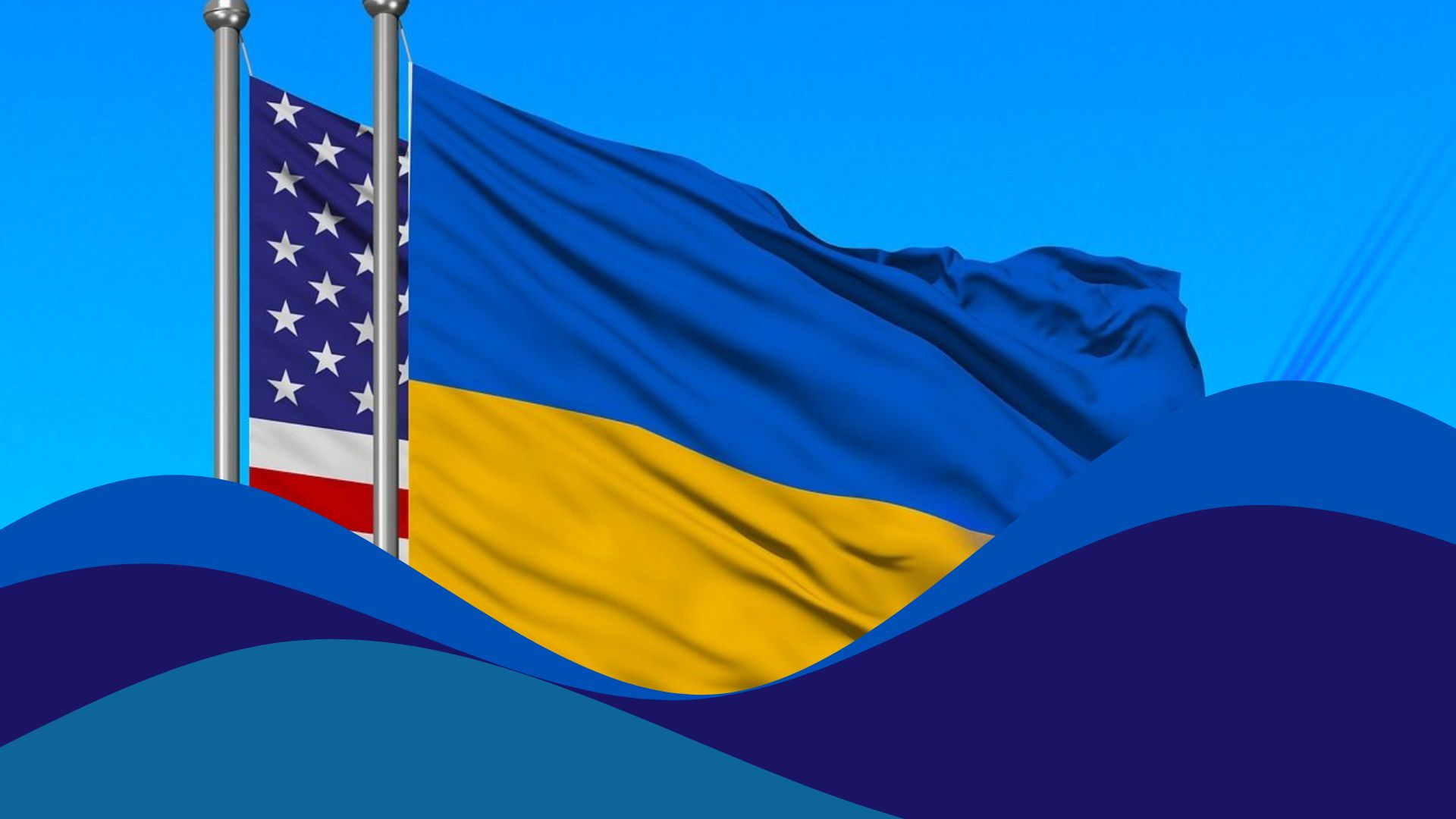
    President Volodymyr Zelensky stated that Ukraine is open to mining rare earths in partnership with allies, during a press briefing. This follows comments by U.S. President Donald Trump about Washington’s interest in Ukrainian rare earths in exchange for aid.

    Zelensky emphasised the importance of developing mineral resources with partners who support Ukraine militarily and economically. He noted that this collaboration is crucial to push back against Russian influence and prevent other adversarial nations, such as Iran or North Korea, from gaining control of these resources.

    Ukraine is home to 20 critical minerals and metals essential for industries like aerospace and electric vehicle manufacturing, including titanium and lithium. With the global shift towards renewable energy, demand for rare earth elements, such as cerium, yttrium, lanthanum, and neodymium, has surged.

    Trump’s interest in Ukraine’s minerals is likely driven by China’s current dominance in the rare earth market. Zelensky’s comments also reflect concerns about the future of U.S. aid under President Trump, who has criticised previous administrations’ support for Kyiv.

    The U.S. remains the largest supporter of Ukraine’s defence, providing over $91 billion in aid since 2022.

    As the global demand for rare earth minerals continues to rise, Ukraine’s mineral resources are likely to play an increasingly central role in geopolitics, making partnerships like the one suggested by Zelensky a key part of the country’s strategic future.

  • Kazakhstan’s Nuclear Energy Future: Insights from Expert Panel Discussion

    Kazakhstan’s Nuclear Energy Future: Insights from Expert Panel Discussion

    Kazakhstan, known for its abundant uranium reserves, stands at a pivotal moment as it considers expanding its role in the global nuclear energy sector beyond mere resource supply.  In a significant move that could reshape Central Asia’s energy landscape, Kazakhstan is advancing plans to develop nuclear power capabilities, with potential implications for both domestic energy security and global nuclear fuel markets. A recent British-Kazakh Society webinar brought together international experts to examine the opportunities and challenges ahead.

    The webinar featured a panel of distinguished experts, moderated by Nicholas Pomeroy, General Director of AngloKazakh. The panel included Ben Godwin, Managing Partner at PRISM Strategic Intelligence; Aldiyar Toktarov, Chairman of the Atomic Industry Development Association; Mehmet Ogutcu, Chairman of the London Energy Club and Biplab Rakshi, Managing Director of Atomic Acquisitions.

    Nuclear Power in Kazakhstan: Ambitious Plans Meet Complex Realities

    In a significant move that could reshape Central Asia’s energy landscape, Kazakhstan is advancing plans to develop nuclear power capabilities, with potential implications for both domestic energy security and global nuclear fuel markets.  The country faces an existing electricity deficit and increasingly relies on electricity imports. With about 70% of current electricity generation coming from coal, Kazakhstan must balance its ambitious 2060 net-zero target against growing energy demands. The government’s plan to decommission all coal power plants by 2050 adds urgency to developing alternative baseload power sources.

    Following a national referendum that approved nuclear power development, Kazakhstan has announced plans for not just one, but potentially three nuclear power plants: one in the initial phase, with additional facilities proposed for West Kazakhstan (Aktau) and East Kazakhstan. This ambitious scope has raised both excitement and concerns among industry observers.

    The Consortium Question

    A key focus of Kazakhstan’s nuclear strategy is the formation of an international consortium to construct and operate the plants. While the exact composition remains unannounced, President Tokayev has pointed to Turkey’s Akkuyu nuclear project as a potential model. However, experts at the webinar highlighted both opportunities and risks in this approach.

    The Turkish model, which relies heavily on Russian state nuclear corporation Rosatom for financing and technology, has faced challenges including sanctions-related complications affecting international equipment supplies. This has led to cost overruns and delays, prompting suggestions that Kazakhstan might benefit from a more diversified partnership approach.

    Sanctions and International Partners

    The role of Russian participation emerges as a particularly complex issue. While Rosatom itself isn’t under direct sanctions, experts noted that 70 of its subsidiaries and key personnel are designated under various international sanctions regimes. This creates potential complications for international financing and technology transfer.

    Ben Godwin, partner at PRISM Strategic Intelligence, emphasised that while Russian involvement might seem inevitable given regional ties, Kazakhstan will need to carefully structure any such participation to avoid compromising other international partnerships and financing options.

    Local Content and Industrial Development

    A recurring theme in the discussion was Kazakhstan’s opportunity to develop domestic nuclear industry capabilities. Aldiyar Toktarov, chairman of the Atomic Industry Development Association, highlighted how multiple nuclear projects could create economies of scale that justify investments in local supply chains and workforce development.

    Kazakhstan’s position as the world’s largest uranium producer provides unique leverage. Experts suggested the country could use this advantage to negotiate better terms with technology vendors and potentially develop higher-value nuclear fuel cycle capabilities domestically.

    Regulatory and Financial Challenges

    The development of an appropriate regulatory framework emerges as a critical near-term priority. Currently, Kazakhstan lacks an independent nuclear regulator, though experts noted this could be developed following IAEA guidelines. The financial aspects also present challenges, with nuclear projects notorious for cost overruns. Recent examples cited include the UK’s Hinkley Point C project, whose budget has escalated from £16 billion to potentially £40-50 billion.

    Kazakhstan’s current fiscal situation adds another layer of complexity. With the country already dedicating over 20% of its budget to debt service, financing multiple large infrastructure projects simultaneously will require careful planning and potentially innovative funding approaches.

    Looking Ahead

    The path forward for Kazakhstan’s nuclear ambitions will require balancing multiple priorities. These include:

    – Developing clear criteria for consortium partners that address both technical and geopolitical considerations
    – Building robust regulatory frameworks aligned with international standards
    – Creating sustainable financing structures that don’t overburden state resources
    – Maximising local content and industrial development opportunities
    – Ensuring environmental and safety standards meet international best practices

    While the timeline for announcing the initial consortium structure appears to be measured in months rather than years, experts emphasized the importance of “hurrying slowly” to ensure proper foundation-laying for what will be a multi-decade program.

    The success of Kazakhstan’s nuclear power program could have implications beyond its borders, potentially offering a model for other developing nations seeking to balance energy security, economic development, and climate goals. However, the complexity of the challenges ahead suggests that careful planning and international cooperation will be essential for turning these ambitious plans into reality.

    The British-Kazakh Society plans to host further webinars to delve deeper into these critical areas, ensuring continued dialogue and progress. For more information on upcoming events, visit the BKS website.
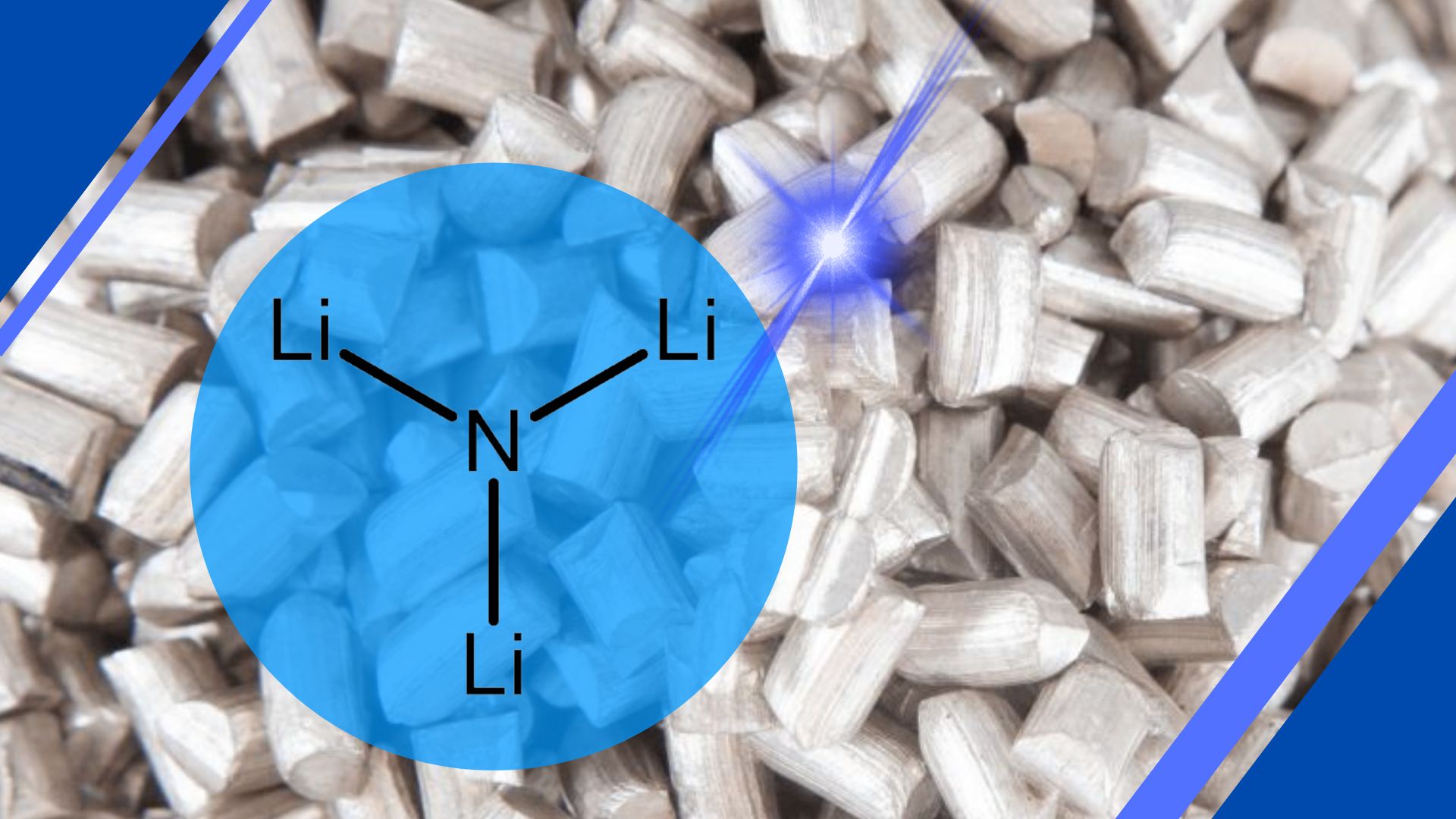
  • Not In My Country: Serbia’s Lithium Dilemma

    Not In My Country: Serbia’s Lithium Dilemma

    On 5 February 2025, the avant-première of the groundbreaking documentary Not in My Country took place at the European Parliament in an exclusive, invitation-only event. This compelling film delves into the heart of the fierce protests in Serbia over the proposed development of Europe’s largest lithium mine in the Jadar Valley. It examines the delicate balance between environmental preservation and the urgent drive for a climate-neutral future powered by lithium-ion batteries for clean mobility and energy storage. The documentary also sheds light on the geopolitical complexities surrounding Serbia’s aspirations for EU membership and allegations of political interference.


    The Film

    In December 2004, exploration geologists from the Anglo-Australian mining giant Rio Tinto made a remarkable discovery in the fertile Jadar Valley of Western Serbia: a unique lithium-boron-silicate mineral later officially named “jadarite.” Dubbed “Serbian kryptonite,” this potent mineral was hailed as a source of immense wealth for the Serbian people, promising to propel the Republic into a cleantech-based, future-proof, climate-neutral economy.

    Fast forward to 2020: Rio Tinto’s land acquisition programme began dividing the villagers of the Jadar Valley, sparking the birth of a local agricultural opposition movement. This quickly evolved into a diverse and determined national movement: Not In My Country! By 2022, mass demonstrations had grown so powerful that they forced the Serbian government to withdraw Rio Tinto’s permits. However, two years later, Serbia’s Constitutional Court reversed the decision, reigniting protests in Belgrade in July 2024 and splitting the nation into two camps—those in favour and those against the project.

    In Not in My Country , the film’s presenter seeks to understand how seemingly unlikely allies—Serbian nationalists, local farmers, urban environmentalists, scientists, and pro-EU, pro-democracy Serbs—have united against the Jadar project. The presenter engages with a multitude of voices from the Jadar Valley, Belgrade, and Brussels, exploring pressing questions:

    • Can Rio Tinto be trusted to uphold the strictest ESG standards?
    • Is Serbia merely an EU mining colony, sacrificing its environment so wealthy Europeans can drive oversized electric vehicles?
    • Is the Jadar project an entry ticket to the European Union?
    • Shouldn’t the EU open its own lithium mines before asking Serbia to open its Jadar mine?

    The Film Producers

    The documentary is co-developed and fully financed by SIM², the KU Leuven Institute for Sustainable Metals and Minerals. Recognising their pivotal role in achieving a climate-neutral society, SIM² is dedicated to advancing the sustainable production and recycling of critical metals and minerals through research, education, and wider-society learning, including the development of science communication documentaries.

    Dr. Peter Tom Jones, director of SIM², states: “When we embarked on producing this film, our goal was to create a ‘science communication’ documentary aligned with the mission of our KU Leuven Institute. However, we quickly realised that the Jadar project is so heavily politicised that it is challenging to separate a fact-based discussion on the intrinsic techno-environmental merits and pitfalls of this mining and refining project from the complex nature of Serbian politics. We discovered firsthand that this story is one of intimidation from all sides, filled with confusion, distrust, and deep-seated historical emotions and suspicions towards external players who come into Serbia and seem to want to dictate terms. With the recent disaster in Novi Sad and the ongoing massive student-led protests against the regime, all of this has become even more explosive. Is it a matter of the right mine at the wrong time and wrong place? Is it a question of not throwing the baby out with the bathwater?”


    The Panel Debate

    After the film’s screening in the European Parliament, David Rose moderated a unique panel discussion. The debate brought together MEPs Hildegard Bentele and Yvan Verougstraete, Julia Poliscanova from Transport & Environment, as well as direct proponents and opponents from Serbia. The aim of this panel was to investigate how to bridge the tensions between environmental preservation and people’s right to object to mining activities in their country, while addressing the pressing need to source metals such as lithium, which are essential enablers of the transition towards climate neutrality.


    Additional Information

    • Trailer : The trailer for Not In My Country is available here . The film will not be made public until all avant-première events have been completed. Journalists may request a protected link for reviewing purposes or obtain images and footage by contacting Journeyman Pictures directly or Peter Tom Jones via his LinkedIn profile.
    • SIM² KU Leuven : This interdisciplinary institute spans fields such as geology, chemistry, metallurgy, engineering, law, and economics. SIM² is one of Europe’s leading academic institutes, dedicated to advancing the sustainable production and recycling of critical metals through research, education, and wider-society learning. Notable examples include the award-winning documentaries Made In Europe: From Mine to Electric Vehicle (2023), The Sami Perspective (2024), and Europe’s Mining Renaissance: A Catalyst for Climate Neutrality (2024).

    For more information, visit https://kuleuven.sim2.be/ .

    • Journeyman Pictures : The film is distributed by Journeyman Pictures, a leading independent supplier of award-winning stories to the global theatrical, broadcast, digital, and educational markets. For more information, visit https://www.journeyman.tv/about/about-us .

    Disclaimer : SIM² has no financial interest in publishing its documentaries. It does not and will not receive royalties or commercial income from the airing of these films. The production of these films is solely part of SIM²’s commitment to “wider-society learning,” as acknowledged by the International Panel evaluating SIM²’s first four years as an official KU Leuven Institute.

  • ERG’s AI-Powered Steel Belt Monitoring System Wins Digital Almaty Awards 2025

    ERG’s AI-Powered Steel Belt Monitoring System Wins Digital Almaty Awards 2025

    Eurasian Resources Group (ERG) has been recognised for its innovative application of artificial intelligence (AI) in industry, with its Steel Belt Monitoring (SBM) system winning the prestigious Digital Almaty Awards 2025.

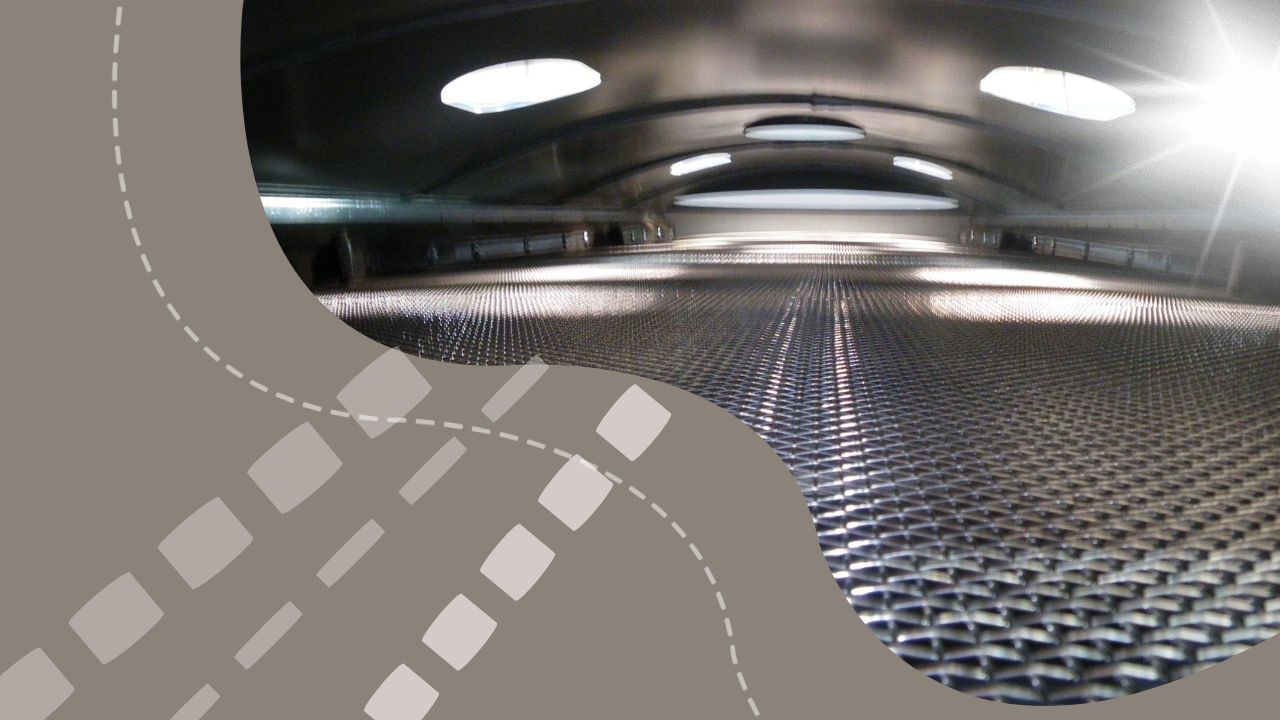
    Developed by ERG’s Donskoy Processing Plant in collaboration with BTS, the SBM system uses machine vision to monitor the steel belts of roasting furnaces. The system’s two key modules predict overheating and detect defects early on, enabling operators to take timely action and minimise disruptions to the production process.

    The SBM system has already delivered impressive results, reducing overheating time by 75% since July 2024 and achieving an 80% accuracy rate in defect detection. The system has also generated cost savings of over 170 million tenge in its first three months of operation.

    “This project is a major step forward for the entire industry,” said Dias Yeldes, the project manager at Donskoy Processing Plant. “The use of artificial intelligence allows us not only to optimise production processes, but also to significantly reduce costs. We are proud of our team and grateful to everyone who supported us on this journey.”

    The development and implementation of the SBM system was led by Askat Bukeyev, head of BTS’s industrial AI development department, along with Dias Yeldes, Nursultan Karasartov and Zharbol Maksat from Donskoy Processing Plant.

  • New Support Measures for Kazakhstan’s Mining and Metallurgy Industry Under Consideration

    New Support Measures for Kazakhstan’s Mining and Metallurgy Industry Under Consideration

    In a recent meeting, the Committee of Geological, Mining, Coal, and Metallurgical Industries of the Presidium of Kazakhstan’s National Chamber of Entrepreneurs discussed new support measures for the mining and metallurgy industry. The proposed measures aim to attract additional investments to the sector.

    One key proposal is to reduce the mineral extraction tax by 10 times for companies engaged in extracting metals from technogenic mineral formations. Additionally, projects for processing mineral raw materials could be granted the same benefits as priority investment projects listed in Kazakhstan’s Entrepreneurial Code.

    Furthermore, the committee considered fully deducting expenses for geological exploration and proposed a five-year exemption from the mineral extraction tax for subsoil users developing low-grade and capital-intensive deposits (with an internal rate of return not exceeding 15%). Such mechanisms are already in place in the oil and gas sector.

    In 2025, Kazakhstan’s national railway holding, NC “KTZh”, plans to increase price limits on export transportation tariffs. Last year, railway transportation showed negative dynamics: coal transportation decreased by 7%, iron ore by 10%, and non-ferrous metals by 5%.

    To prevent mining and metallurgical enterprises from losing export markets, parties are trying to agree on a special methodology for decision-making on tariff reductions. One of the main criteria for setting prices will be the financial condition of the producers.

  • Kazakhstan’s Extractive Industry in 2024: Results and Challenges

    Kazakhstan’s Extractive Industry in 2024: Results and Challenges

    The extractive sector in Kazakhstan faced numerous hurdles in 2024, with a mix of progress and setbacks across various industries. While many companies are expected to release full production reports in spring 2025, preliminary data offers insight into the performance and challenges encountered by the nation’s resource sectors.

    Mining and Metallurgy

    According to Kazakhstan’s National Statistics Bureau (Qazstat), the industrial production index for the extractive industry stood at 99.8% in 2024 compared to the previous year. The decline was mainly attributed to a drop in coal production, despite positive trends in other areas.

    Coal Mining

    The coal industry in Kazakhstan experienced a decline in production, with a 3.9% decrease in total output, which amounted to 108.46 million tonnes. This was due to reduced extraction of both hard and brown coal. However, despite the drop in volume, the total value of the coal sector increased by 2.9%, reaching 537.79 billion tenge.

    The coal industry continues to face challenges such as logistical issues, with disruptions in transportation to Russia and Europe. These challenges are compounded by the growing global shift toward greener energy solutions, putting further pressure on traditional coal industries. In response, the government is focusing on the development of “clean coal” technologies and strengthening cooperation with international partners.

    Mining of Non-Ferrous Metals

    In terms of non-ferrous metals, Kazakhstan witnessed positive developments, with production of copper and zinc ores growing by 7.4% and 15.9%, respectively. The production of refined copper rose by 11.6%, while zinc output also saw a slight increase. Meanwhile, silver production continued to decline, which is expected to continue due to the diminishing quality of ore.

    The mining of iron ore experienced growth, with a 20.2% increase, bringing the total output to 57.21 million tonnes. Notably, production of iron ore pellets also showed positive trends.

    Precious Metals

    Kazakhstan’s precious metal mining sector remained relatively stable, with gold production seeing a small increase of 0.09% compared to 2023. The country produced 132.32 tonnes of raw and semi-processed gold. Gold extraction is expected to grow in the coming years, with new mining projects in development, including those at Bakhtai, Sarymbet, and Novoleninogorsk.

    Despite this, silver mining saw a sharp decline, falling by 18.5% as companies reported decreasing yields. The primary reasons for this downturn are lower ore content and reduced demand for silver.

    Challenges for the Extractive Sector

    Kazakhstan’s extractive sector faced several key challenges in 2024, many of which stemmed from global trends and domestic issues. While some sectors, such as copper and gold, showed positive growth, others, like coal and silver, faced significant obstacles.

    One of the primary concerns for the coal sector was logistical issues caused by trade disruptions with Russia, as well as fluctuating global prices. Additionally, the push for greener energy alternatives has placed pressure on traditional coal industries, creating an uncertain future.

    Despite these challenges, the extractive industry remains a vital part of Kazakhstan’s economy, accounting for a significant portion of national revenue. Moving into 2025, the sector is expected to focus on innovation and international collaboration to overcome these obstacles and drive growth across the country’s resource industries.

  • Solidcore Exceeds Production Plan by 3%

    Solidcore Exceeds Production Plan by 3%

    Solidcore Resources plc, formerly Polymetal, surpassed its 2024 production target by 3%, producing 490,000 ounces of gold equivalent, according to the company’s official report. This marks a modest 1% increase year-on-year.

    The bulk of the production came from the Kyzyl asset (Bakyrchik deposit), contributing 320,000 ounces, with the remainder produced at the Varvarinsk hub facilities.

    Gold-bearing ore extraction reached 5.2 million tonnes, slightly below 2023 levels. The processing of this ore remained stable at 6.37 million tonnes. However, the average gold content in the ore gradually declined year-on-year to 2.8 g/t.

    In terms of sales, Solidcore saw a 17% increase in the volume of finished products sold, reaching 536,000 ounces of gold equivalent. This was largely driven by the Kyzyl project, which contributed 365,000 ounces to the total, a 35% rise from the previous year. The positive performance was partially due to the unloading of concentrate stockpiled the previous year, following logistical challenges.

    The increased sales volume, combined with record-high gold prices, led to a near-doubling of Solidcore’s revenue, which reached $1.327 billion. As of the end of 2024, the company’s net cash position had risen to $374 million.

    Looking ahead to 2025, Solidcore forecasts a decrease in production to 470,000 ounces, primarily due to the planned reduction in gold content and recovery rates at both the Kyzyl and Varvarinsk operations.

  • Digital Kazakhmys: Embracing Technology for a Sustainable Future

    Digital Kazakhmys: Embracing Technology for a Sustainable Future

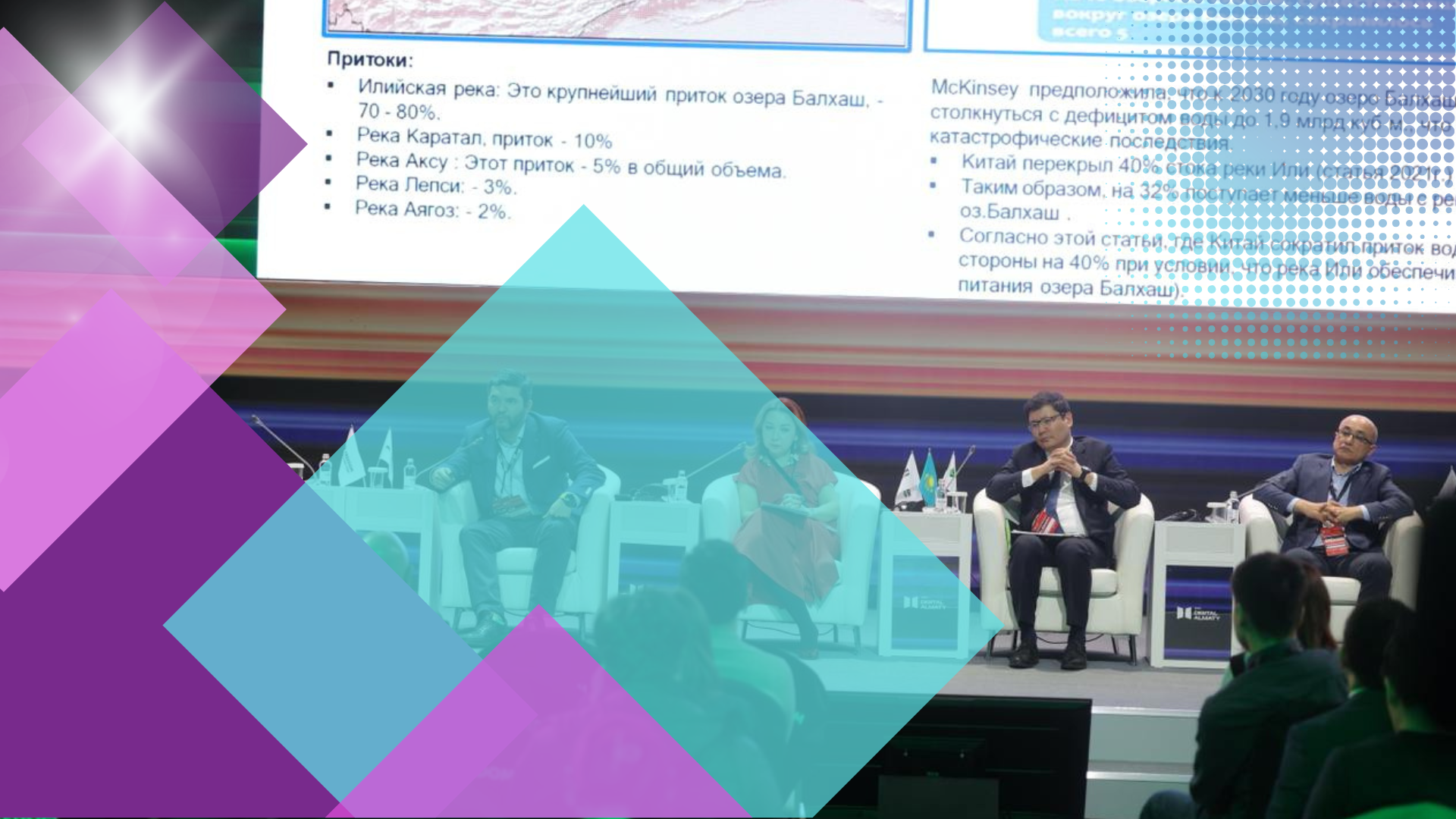
    The integration of automation represents an investment in the future, where technology benefits both businesses and people. The use of artificial intelligence in automation takes production efficiency to a new level. This was highlighted by Saken Shayakhmetov, Director of Sustainable Development at Kazakhmys Corporation, during his speech at the Digital Almaty 2025 forum.

    “Our main focus in developing the digital agenda is to nurture the competencies of the younger generation. Hence, we have a project with The Ulytau Educational Foundation, currently covering 85 schools across our regions. Through this foundation, we implement STEM laboratories, smart libraries, and career guidance activities. By educating skills and competences, we are developing digital proficiencies,” said Saken Shayakhmetov.

    Kazakhmys also operates two technological colleges that specialise in mining education. Currently, there are active efforts to establish a technical foundation in the Ulytau region.

    In addition, the company is addressing the challenges faced by Lake Balkhash. According to McKinsey’s research, by 2030, Balkhash may face a water deficit of up to 1.9 billion cubic metres, which would have serious consequences. Understanding these challenges, the corporation is implementing several significant projects to preserve this Kazakhstani gem. At the end of 2024, it was announced that $5 million would be allocated for the preservation of Lake Balkhash’s ecosystem, including research projects and the implementation of sustainable water management approaches in the region.

    Another crucial principle is employee safety, which involves monitoring their location and using an automated medical examination system to eliminate human error. Among the technologies being employed are predictive maintenance to minimise downtime, optimise technological processes, enhance safety, and reduce human factor risks.

    In 2018, at the 67th mine of the Zhezkazgan field, the company specialists implemented the DMMS (Digital Monitoring and Management System) for the first time, in compliance with industrial safety legislative requirements. As of today, this system is implemented in 13 underground facilities, with plans to cover four more in 2025.

  • Kremlin-backed Coalition Sees Coal Fortunes Blooming in Besieged Donbas Territories

    Kremlin-backed Coalition Sees Coal Fortunes Blooming in Besieged Donbas Territories

    According to reports by investigative news outlet Important Stories, a company linked to the family of former Ukrainian President Viktor Yanukovych has amassed a significant fortune by selling coal from Russian-occupied Ukrainian territories to Turkey.

    Energoresurs, a firm registered in Rostov-on-Don, Russia, has exported nearly 450,000 tonnes of coal between 2023 and 2024, sourced from occupied regions of Donbas and transported to Turkey via a combination of rail and sea routes. The investigation points to a direct connection between Energoresurs and Oleksandr Yanukovych, the president’s son, through his involvement in coal holdings and mining enterprises.

    Journalists discovered that the company received a substantial loan from Cypriot firm SL Holdings Limited, allegedly controlled by associates of Oleksandr Yanukovych. Furthermore, the coal is sold to an offshore company Energy Union, based in the British Virgin Islands, highlighting the complexity of transactions involved in these coal exports.

    Energoresurs stands accused of selling coal at significantly lower prices – averaging $60 per ton in 2024 – thereby minimising export duties, before reselling it at a higher price on international markets. Prior to Russia’s full-scale invasion of Ukraine in 2022, the company primarily exported coal to European nations including Bulgaria, Estonia, the Czech Republic, and Romania. Today, nearly all shipments are directed to Turkey.

    It is reported that between 2021 and 2023, Energoresurs generated approximately £260,000 (around $350,000 USD) in revenue at a “modest transfer price,” although the exact extent of this revenue is uncertain.