Website: Eurasia.com

  • Kazakhstan Set to Join Nuclear Club: Nation Builds First Power Plant

    Kazakhstan Set to Join Nuclear Club: Nation Builds First Power Plant

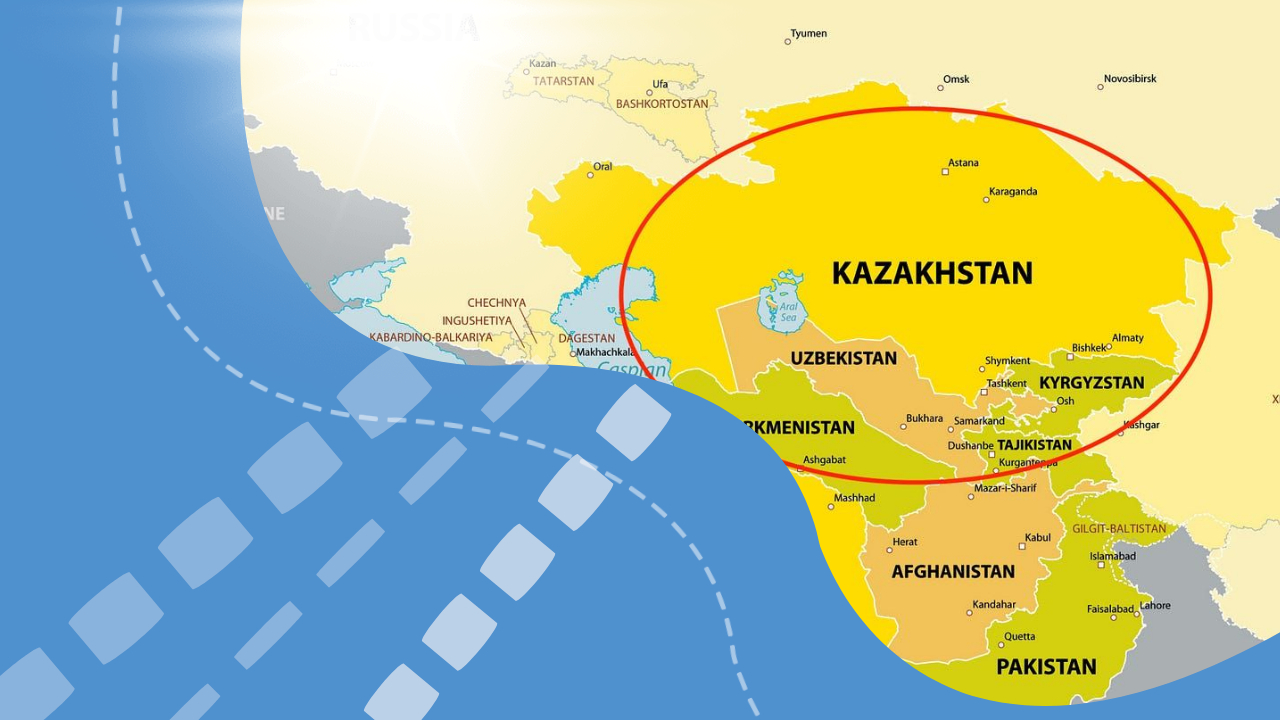
    Kazakhstan, a key ally of Russia and responsible for 43% of global uranium production in 2022, is embarking on a significant step towards nuclear power generation. Possessing 12% of the world’s uranium resources and previously operating a now-decommissioned Russian-built reactor, the nation is now actively pursuing its first nuclear power plant (NPP). This development, as reported by the World Nuclear Association, signals a potential shift in the global nuclear landscape.

    Currently, Kazakhstan focuses on producing nuclear fuel pellets, adding value to its uranium output. A new fuel fabrication plant, with 49% Chinese investment, is also under construction. In 2023, uranium production reached 21,112 tonnes, with projections of 21,000-22,500 tonnes for 2024. Kazatomprom, the national atomic company, manages 13 uranium mining projects, some in joint ventures with foreign entities.

    President Kassym-Jumart Tokayev recently emphasised the urgent need for the NPP, citing growing energy shortages and the country’s development goals. He instructed the government to create long-term plans for the nuclear industry and identify suitable locations for future plants, prioritising modern, safe technologies. The Almaty region is likely to host the first NPP, according to Kazakh news outlet Vlast.kz, quoting Prime Minister Olzhas Bektenov. President Tokayev reiterated the commitment to carbon neutrality, but with a more “rational” approach.

    The government aims for complete energy self-sufficiency and reserves of 15-20%, targeting an additional three gigawatts of energy capacity within two years. Strengthening the Western Zone’s electrical networks by 2027 is also planned.

    While Kazakhstan has considered nuclear power for decades, the legacy of Chernobyl and the Semipalatinsk nuclear test site has bred public scepticism. Concerns about nuclear safety, corruption, and dependence on foreign infrastructure remain. A recent referendum, however, reportedly saw 70% of voters support the construction of NPPs.

    Choosing a reactor vendor presents a geopolitical challenge. Russia, France, China, and South Korea are all potential suppliers, and balancing technical and commercial factors with international relations will be complex. Financing and localising the projects are also critical. Some fear Russian influence via Rosatom, but Kazakhstan’s growing capabilities, including fuel assembly production with French technology and Chinese investment, offer more options. Carnegie Politika suggests that Kazakhstan’s sovereign wealth fund and increasing availability of foreign loans can address financial needs.

    This move could mark the beginning of Kazakhstan’s nuclear era. While nuclear energy for civilian use is accepted in theory, its potential for dual use raises concerns. Kazakhstan’s development will make it the first Central Asian nation with a nuclear power programme, impacting the entire region. With both China and Russia having vested interests in Central Asia, particularly Kazakhstan, it is vital that this resource-rich region, seen as a bridge between East and West, does not become a stage for superpower rivalry.


    Prof. KN Pandita (Padma Shri) is the former director of the Center of Central Asian Studies at Kashmir University. This article reflects the author’s personal views and not necessarily those of EurAsian Times. He can be contacted at knp627 (at) gmail.com.


  • East Star Resources Discovers Potential Copper and Gold Reserves in Kazakhstan

    East Star Resources Discovers Potential Copper and Gold Reserves in Kazakhstan

    British company East Star Resources Plc has reported the discovery of additional potential copper and gold reserves at the Verkh-Uba, Snezhnoye, and Talovskoye exploration sites in Kazakhstan, with Verkh-Uba identified as the most promising deposit.

    “Recent exploration work has yielded encouraging results across both of our current operational areas. The findings at Verkh-Uba demonstrate that we are advancing this already significant copper asset while refining other targets, including Talovskoye, for near-term drilling. Additionally, the discovery of a large epithermal gold deposit at Snezhnoye, constrained by old artisanal gold workings, is undoubtedly exciting,” said East Star CEO Alex Walker.

    East Star, which has been operating in Kazakhstan for over three years, expressed optimism that 2025 would mark significant progress in all three exploration projects.

    As of February 4, the company completed drilling three boreholes at Verkh-Uba, each confirming copper deposits beyond previously explored areas. All 238 core samples have been sent to ALS in Karaganda for analysis, with results expected by the end of February. Furthermore, satellite data revealed a substantial gold-in-soil anomaly measuring four by one kilometer at the Snezhnoye site.

    Drilling at Verkh-Uba commenced on November 12, 2024, and paused for the winter break on December 19, 2024. Based on analysis results, the company will determine whether to proceed with additional drilling in 2025 and assess the potential for substantial reserves. If viable, East Star may initiate open-pit mining operations.

    Verkh-Uba remains the company’s most promising project, with a preliminary JORC-compliant resource estimate of 20.3 million tonnes containing 1.16% copper, 1.54% zinc, and 0.27% lead. East Star Resources is listed on the London Stock Exchange under the ticker EST.

  • Kazakhstan Rejects C29 Metals’ Initial Bid for Ulytau Uranium Project

    Kazakhstan Rejects C29 Metals’ Initial Bid for Ulytau Uranium Project

    Australian mining company C29 Metals received notification from Kazakhstan’s Ministry of Industry on November 28, 2024, that its initial application to transfer ownership rights of Ulytau Resources Limited, holder of the Ulytau geological project, had been rejected at the first stage. This was revealed in the company’s quarterly activity report, published in late January, as reported by inbusiness.kz.

    According to the ministry’s statement, the request was denied under Subparagraph 1, Paragraph 10, Article 45 of Kazakhstan’s Subsoil and Subsoil Use Code. This clause allows refusal if the transfer of subsoil use rights or related assets threatens national security, including through the concentration of such rights.

    Following the rejection, C29 Metals requested a trading halt on the Australian Stock Exchange on November 29, with a suspension of quotations on December 3, later voluntarily extended on December 17. When trading resumed on December 23, the company’s stock price fell sharply.

    C29 Metals had signed a binding share purchase agreement in April 2024 to acquire 100% ownership of the Ulytau uranium project in the Moiynkum district of Zhambyl region. The license area was estimated to contain around 10 million pounds (3,800 tonnes) of uranium oxide. The project’s previous owners included several Kazakh investors.

    The company had been expanding its operations, obtaining two additional exploration licenses and receiving approvals for geophysical surveys, soil sampling, and drilling by late 2024. It had also signed a memorandum of understanding with Kazatomprom’s geological subsidiary, Volkovgeology, in anticipation of a commercial agreement.

    Upon receiving the rejection notice, C29’s Managing Director Shannon Green immediately traveled to Almaty to work with consultants and engage with Kazakh government authorities to address concerns. The company has been encouraged to reapply and is preparing a revised submission. Despite suspending exploration activities, C29 Metals remains financially stable and ready to resume operations once regulatory approval is granted.

    Kazakhstan’s uranium sector has been under increased scrutiny. In January, inbusiness.kz reported a legal precedent involving the revocation of a uranium exploration license from Nur Dala, which had Chinese investment. Additionally, Canadian firm Laramide Resources has been planning uranium exploration in the Chu-Sarysu basin.

    Kazakh law requires that uranium mining contracts be awarded only to companies where Kazatomprom holds at least a 51% stake, though exploration is not subject to the same restriction. Legislative amendments proposed in September 2024 may further reshape Kazakhstan’s uranium exploration and mining regulations.

  • Kazakhstan and Japan Expand Cooperation in Critical Minerals Sector

    Kazakhstan and Japan Expand Cooperation in Critical Minerals Sector

    Kazakhstan’s Minister of Industry and Construction, Kanat Sharlapayev, met with representatives from the Japan International Cooperation Agency (JICA) and the Japan Organization for Metals and Energy Security (JOGMEC) to discuss further collaboration in the critical minerals sector. The meeting, reported by El.kz with reference to the Ministry of Industry and Construction, focused on strengthening ties between the two countries in resource exploration and processing.

    JICA, a Japanese government agency specializing in technical assistance programs for developing nations, has been working with Kazakhstan since 2011. Through this partnership, Kazakhstan implemented the State Energy Register (SER), a key tool for monitoring and controlling energy consumption, based on Japanese expertise.

    JOGMEC, which integrates Japan’s former National Oil Corporation and Metal Mining Agency, has been actively involved in geological exploration and mineral extraction in Kazakhstan. In August 2024, the Ministry of Industry and Construction signed a Memorandum of Cooperation with JOGMEC, outlining joint efforts in mineral exploration, mining, and processing.

    During the meeting, both parties explored the possibility of launching new projects in the critical minerals sector, crucial for industrial production and the energy sector. Strengthening partnerships in rare earth metal extraction is expected to enhance Kazakhstan’s investment appeal and introduce advanced technologies in geological exploration.

  • Copper Demand Expected to Surge as Oil Consumption Declines

    Copper Demand Expected to Surge as Oil Consumption Declines

    Global demand for copper is projected to rise significantly, while oil consumption is expected to decline, reports inbusiness.kz citing EnergyProm.

    In Kazakhstan, copper ore production reached 160.2 million tons in January–December 2024, marking a 7.4% increase compared to the same period in 2023. However, the actual copper content in these ores ranges from 0.5% to 6%, with 5% considered exceptionally rich. The country’s copper concentrate production stood at 567.2 thousand tons, down 2.1% from the previous year, with copper content in the concentrate varying from 8% to 35%.

    Meanwhile, the global demand for copper is surging, with Goldman Sachs referring to it as the “new oil” due to its crucial role in clean energy technologies. According to the International Monetary Fund (IMF), copper demand is set to rise from 25.9 million tons in 2023 to 39.1 million tons by 2040, while oil consumption is expected to fall from 101.9 million to 66 million barrels per day. A significant portion of this growth will be driven by the electric vehicle (EV) industry, where copper is essential for battery components.

    Data from the U.S. Geological Survey indicates that global copper production reached 22 million tons in 2023, with North, South, and Central America dominating the market. These regions host 15 of the world’s 20 largest copper deposits.

    Chile led global production with 5 million tons in 2023, followed by China (1.7 million tons) and the U.S. (1.1 million tons). Russia ranked sixth with 910 thousand tons, while Kazakhstan also secured a spot among the top producers, mining 600 thousand tons.

  • KGHM Polska Miedź SA, Ministry of Finance, and Ministry of State Assets Discuss Changes to Copper Tax Formula

    KGHM Polska Miedź SA, Ministry of Finance, and Ministry of State Assets Discuss Changes to Copper Tax Formula

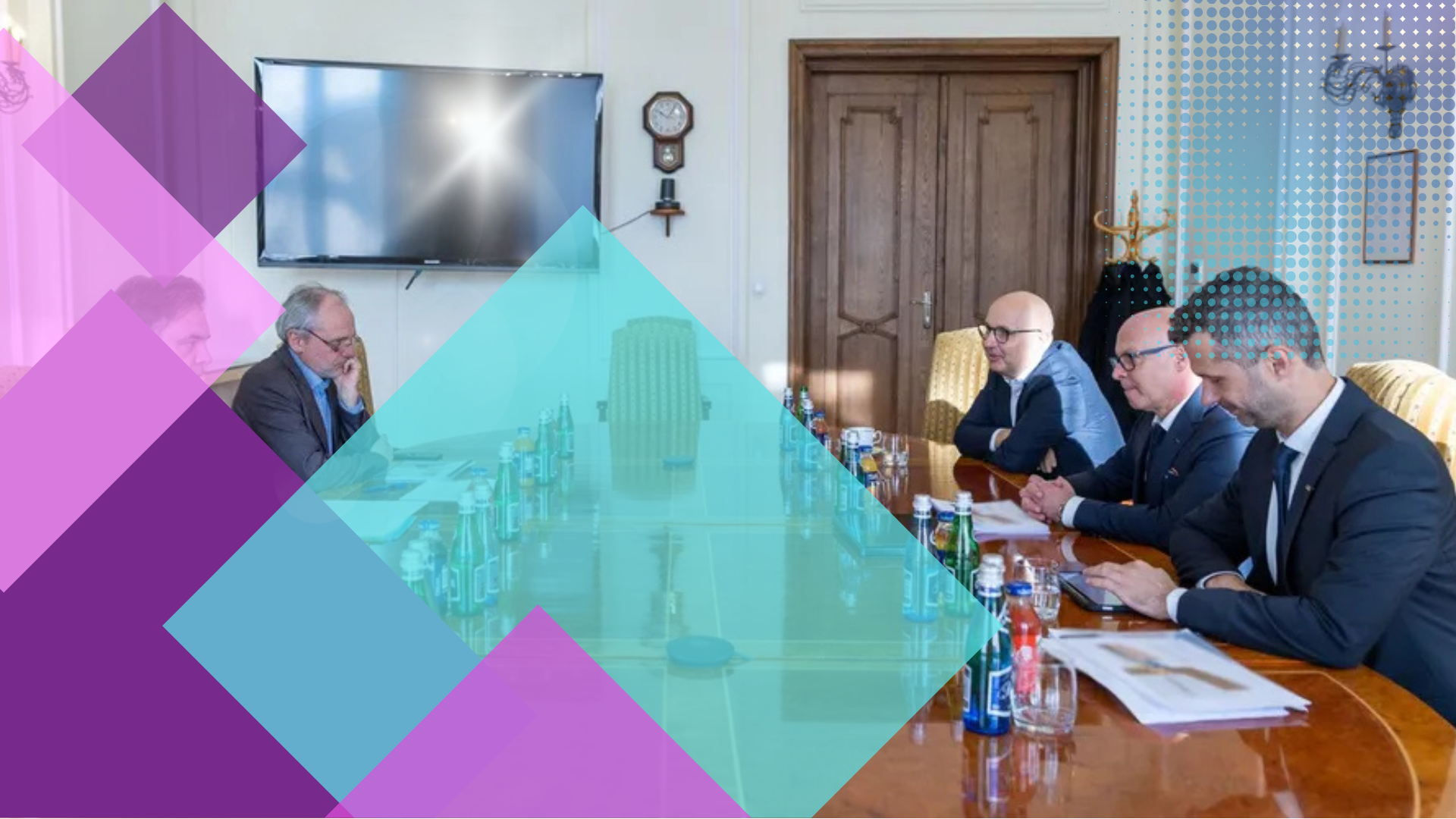
    In a significant development for the Polish mining industry and the country’s economy, KGHM Polska Miedź SA, the Ministry of Finance, and the Ministry of State Assets held talks on January 27, 2025, in Warsaw to discuss proposed changes to the formula of the so-called copper tax and the long-term development of KGHM’s domestic assets through strategic investments in Poland.

    As a key entity for the Polish economy and the largest producer of copper in Europe, KGHM Polska Miedź SA is responsible for almost 50% of the production of mined copper in the European Union, making it a strategic raw material for the European Union. With a strong focus on sustainable growth and responsible mining practices, KGHM continues to strengthen its position as a leading global copper producer.

    The meeting was attended by KGHM Polska Miedź SA’s Management Board, Minister of Finance Andrzej Domański, Deputy Minister Jarosław Neneman, and Deputy Minister of State Assets Robert Kropiwnicki. The primary objective of the meeting was to address the proposed changes to the formula of the copper tax and the possibilities of enhancing KGHM’s long-term development in Poland with strategic investments.

    The copper tax, introduced in 2012, is a significant factor in the profitability of KGHM’s operations, and the proposed changes may impact the company’s financial health. The talks aim to strike a balance between the government’s fiscal objectives and KGHM’s need for a sustainable business environment to ensure the company’s continued growth and success.

    Further details regarding the outcomes of the meeting and the proposed changes to the copper tax have not been disclosed at this time. However, both KGHM and the respective governmental bodies remain committed to fostering a positive and mutually beneficial relationship that supports Poland’s economic growth and strengthens its strategic position within the European Union.

  • Navoiuran State Enterprise: Perspective Plans Discussed with Itochu Corporation

    Navoiuran State Enterprise: Perspective Plans Discussed with Itochu Corporation

    A high-level meeting took place in Uzbekistan at the state enterprise ‘Navoiuran’ with a delegation from the Japanese corporation Itochu Corporation, led by Daisuke Inoue, Executive Director and Chief Operating Officer of the Metals and Mineral Resources Department.

    The Japanese delegation was warmly received by the enterprise’s management, headed by Director General J. Faizullaev. During the discussions, the enterprise’s leadership emphasised the long-standing cooperation with Itochu Corporation, highlighting the relationship’s foundation of mutual trust and friendship.

    While the specific details of the perspective plans were not fully elaborated in the initial report, the meeting signals continued collaborative efforts between Navoiuran State Enterprise and the prominent Japanese corporation.

    The engagement underscores the ongoing international business relationships and strategic partnerships in the metals and mineral resources sector.

  • Armenian Mining Giant Hit By First-Ever Workers’ Strike

    Armenian Mining Giant Hit By First-Ever Workers’ Strike

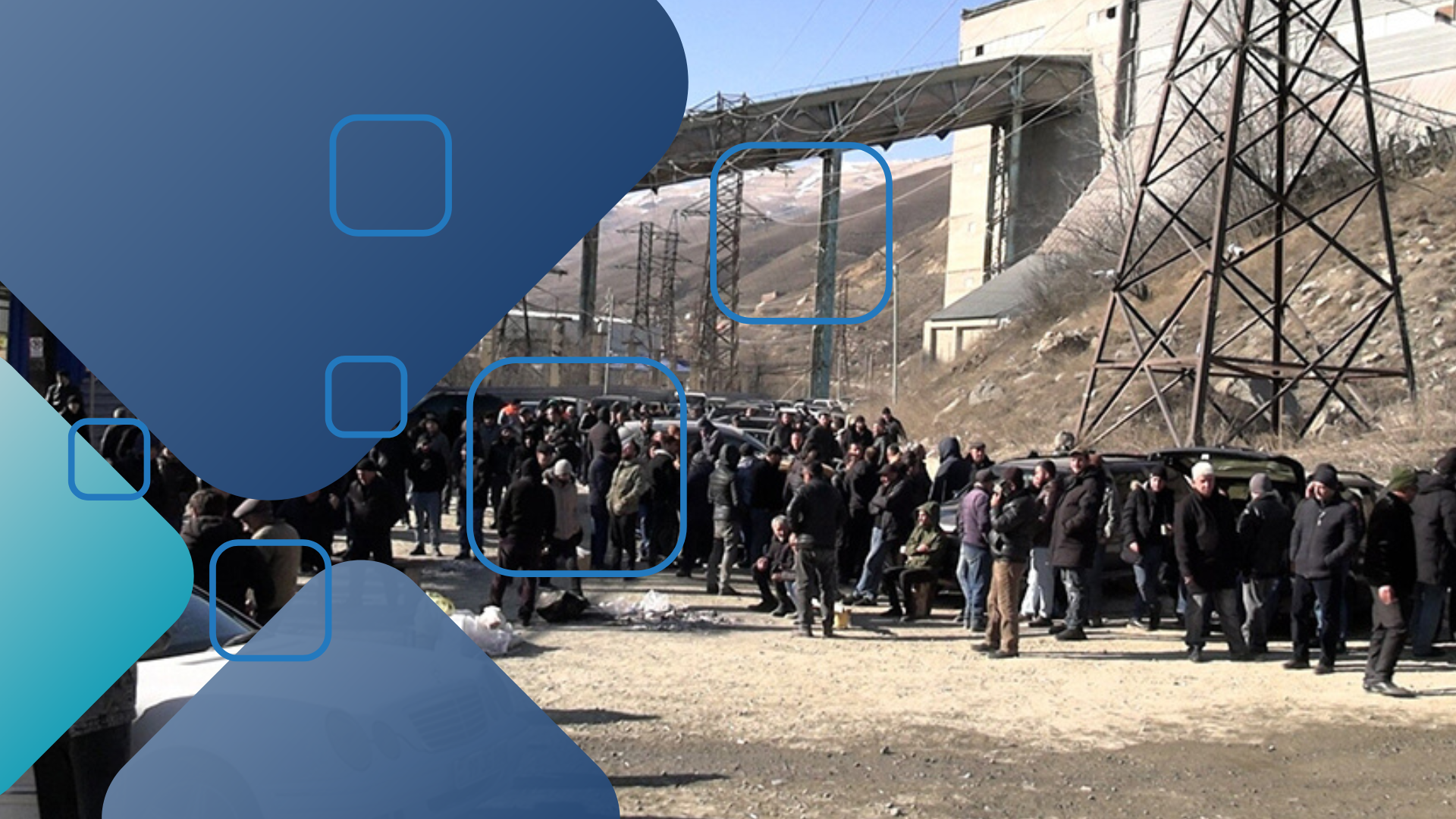
    Production at Armenia’s largest mine has ground to a halt for a fourth day as hundreds of workers strike for better pay and conditions. The walkout, a first for the Zangezur Copper-Molybdenum Combine (ZCMC), began on Friday and shows no signs of abating.

    Workers are demanding a 50% pay rise and improvements to their working environment. Dozens have even resorted to camping inside the ZCMC premises in Kajaran, in the south-east of the country.

    A ZCMC spokesperson confirmed to RFE/RL’s Armenian Service that work has stopped at several of the mine’s production facilities. However, management has dismissed the strike as illegal and threatened legal action against those involved. They claim the protesters represent only a small portion of the 4,600-strong workforce, and that employees earn significantly more than the Armenian average wage. The company states that workers’ monthly salaries range from 329,000 to 594,000 drams (£650-£1,175), far exceeding the national average of 291,000 drams.

    Strike leader Shavarsh Margaryan disputes these figures, arguing that they represent gross pay, not take-home pay. “People earn 30 percent less than those sums,” he said, accusing management of misleading the public.

    To counter the company’s claims about low participation, strike leaders organised a secret ballot, concluding on Monday evening. They claim over 2,400 workers took part. Eduard Pahlevanyan, head of a union representing mining and jewellery workers, confirmed he and other union representatives will meet with ZCMC executives once the ballot is counted.

    Despite the planned meeting, the ZCMC spokesperson has maintained that management “is not going to negotiate with the wrongdoers.” The standoff continues, leaving the future of production at Armenia’s key mine uncertain.

  • Mundoro Announces 2024 Portfolio Highlights, 2025 Outlook and Corporate Update

    Mundoro Announces 2024 Portfolio Highlights, 2025 Outlook and Corporate Update

    Vancouver, British Columbia – 3rd February 2025 – Mundoro Capital Inc. (TSXV: MUN) (OTCQB: MUNMF) (www.mundoro.com) (“Mundoro” or the “Company”) is pleased to provide a summary of key achievements from 2024 and outline strategic priorities for 2025.

    2024 Highlights

    In 2024, Mundoro made significant progress in advancing new exploration targets, securing partnerships, and expanding its robust pipeline of projects in two mineral districts: Western Tethyan Belt in Eastern Europe and the Laramide Belt in the southwest USA.

    Serbia Projects

    In Serbia, Mundoro’s primary focus was on advancing exploration activities at its wholly-owned projects, including Ponor, Lipovica, Orlovac, and Vitanovac licences. The Company conducted a comprehensive programme that included a project-scale ground Audio-Magnetotelluric (AMT) survey, targeted rock and soil sampling, and reconnaissance mapping. These efforts were designed to enhance the geological understanding of the project area.

    Arizona Projects

    In Arizona, Mundoro’s drilling programme at the Dos Cabezas project confirmed porphyry potential and partnership opportunities. Drill results from two drill holes intersected Cu-Au-Mo and Cu-Mo-Ag mineralization. Potential partners have been approached to advance the Dos Cabezas project and Mundoro plans to advance the identified porphyry targets at Picacho to drill-ready status through further exploration and permitting.

    2025 Outlook

    Mundoro’s primary focus in the coming year will be to advance high-potential targets across its wholly-owned projects with the objective of securing additional joint venture partnerships. The Company will also execute exploration programmes for its partners, BHP and JOGMEC. A key element of its strategy involves ongoing generative exploration to identify and develop compelling copper and/or gold targets for drill testing.

    Leadership Transition and Corporate Update

    Mundoro is pleased to announce the appointment of Ms. Mireia Cervera as Chief Financial Officer (CFO), effective January 31, 2025. The Board of Directors has also approved the grant of 3,080,000 stock options and 500,000 restricted share units (RSUs) under the Company’s Equity Incentive Plan.

    “We are confident that Mireia’s proven financial expertise and robust understanding of our financial systems will enhance our growth objectives,” said [Name], CEO of Mundoro.

    About Mundoro Capital Inc.

    Mundoro is a publicly listed company on the TSX-V in Canada and OTCQB in the USA with a portfolio of mineral properties focused primarily on base and precious metals. Mundoro’s asset portfolio generates near-term cash payments to Mundoro and creates royalties attached to each mineral property optioned to partners.

    Qualified Persons

    The scientific and technical information described in this Press Release has been prepared in accordance with National Instrument 43-101. The scientific and technical information for this press release has been reviewed and approved by R. Jemielita, PhD, MIMMM, a Qualified Person as defined by NI 43-101 and Chief Geologist to the Company.

    For more information, please visit our website at www.mundoro.com

  • Armenia Develops Strategic Molybdenum Export Plan with USAID Support

    Armenia Develops Strategic Molybdenum Export Plan with USAID Support

    A comprehensive export strategy for molybdenum has been meticulously crafted through collaborative efforts between USAID, Ameria Management Advisory, and Modex Consulting, with notable contributions from international expert Andreas Klassen.

    The strategic plan positions molybdenum as a pivotal export product for Armenia, with targeted initiatives aimed at bolstering the country’s global standing in molybdenum production. As reported by Modex, the strategy outlines specific actions designed to enhance Armenia’s competitive position in the international market.

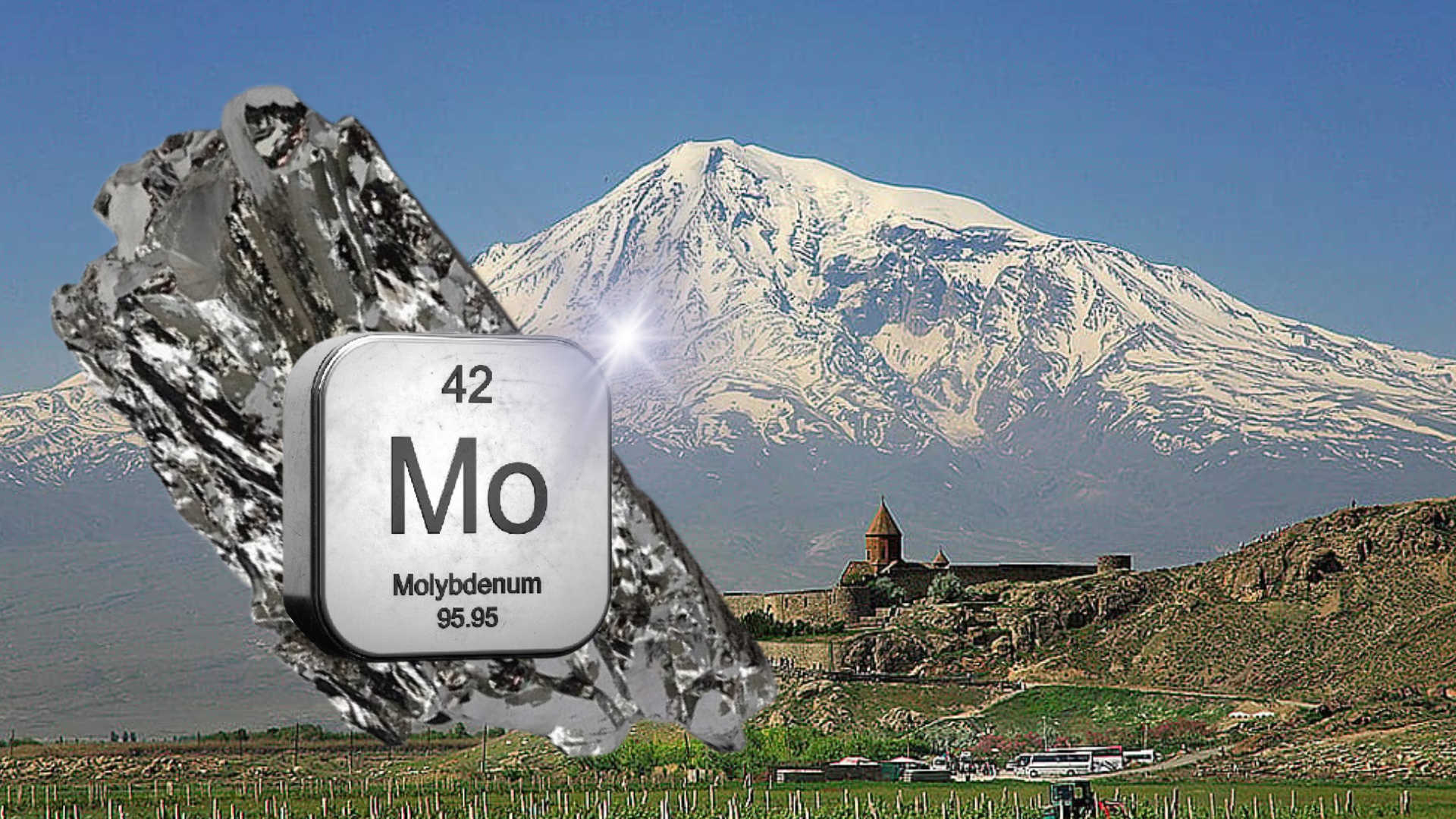
    Molybdenum’s significance in modern industrial applications cannot be overstated. The metal’s exceptional physicochemical properties make it crucial in developing high-performance alloys that ensure equipment strength and corrosion resistance. These specialised alloys find critical applications in diverse sectors, including aerospace, chemical and pharmaceutical manufacturing, and complex architectural engineering.

    Armenia has already established itself as a formidable player in global molybdenum production. In 2023, the country secured the sixth position worldwide, producing 10,900 tonnes—representing approximately 4% of global production. The nation trails only behind industrial powerhouses such as China, Chile, the United States, Peru, and Mexico.

    The export strategy’s robustness is underscored by Armenia’s impressive comparative competitive advantage. Using the Balassa index—a metric developed by Hungarian economist Béla Ballasa—Armenia’s molybdenum export competitiveness reached a remarkable 171 in 2023. This index compares a product’s export share within a country’s total exports against its global export proportion.

    Interestingly, despite its significant production capabilities, Armenia remains unaffiliated with the International Molybdenum Association (IMOA), presenting potential future opportunities for international engagement and market expansion.

    The strategic plan draws inspiration from the economic principles of comparative advantage, originally conceptualised by renowned English economist David Ricardo. By leveraging its inherent production strengths, Armenia aims to carve a distinctive niche in the global molybdenum market.

    As the strategy unfolds, stakeholders anticipate strengthened international trade relationships and enhanced economic opportunities for Armenia’s mining and export sectors.